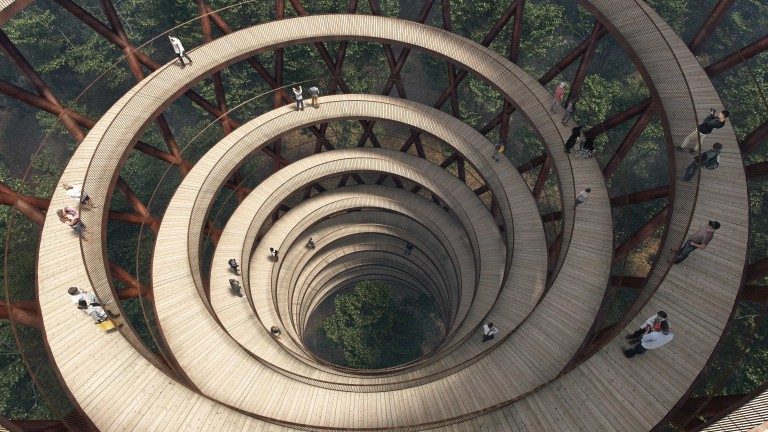
A 45-meter hour-glass observation tower in the preserved forest Gisselfeld Klosters Skove (approx. 50-minute drive south of Copenhagen) has opened in a Danish forest.The Danish architecture firm EFFEKT has completed a giant rounded observation tower.
It is now the highest point in the Zealand region, coming in at 135 meters above sea level. Camp Adventure Park opened its doors on the 31st of March and visitors are taken to new heights as the 900-meter long boardwalk welcomes the public from near and far.
The centerpiece of the project, a 45-metre-tall hourglass-shaped tower, will provide 360-degree bird’s-eye views to fulfill the forest experience. The forest is graced with several natural biotopes such as lakes, creeks and wetlands.
Adventure Tower Opened in Denmark
Towering 20 meters above the tree line, visitors have to walk the 650-meter twisted path to the top, but this is an experience in itself, with interactive, integrated elements with the purpose of increasing the visitors’ knowledge of the forest.
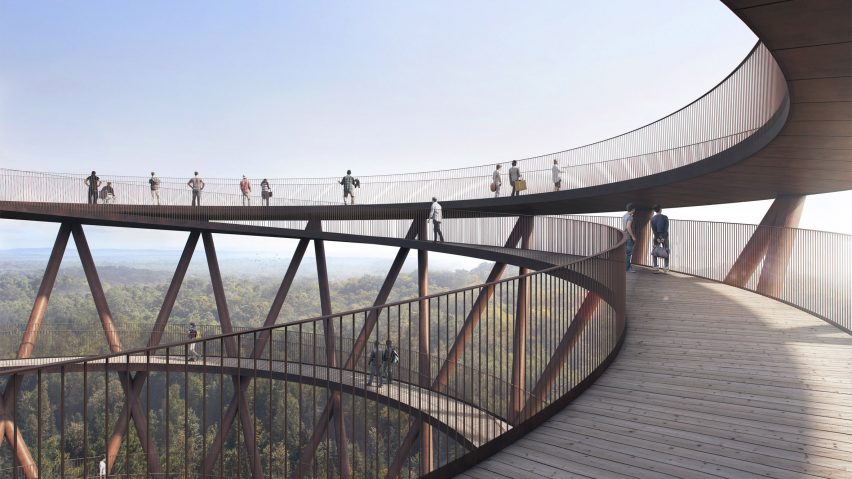
From the forest floor to the wooden crowns, the trees can be studied and experienced close and at eye level. Furthermore, the walkway will include diverse design features – including looping pathways. bleacher seating and bridges. From the top of the tower there is an unobstructed 25 km view over the rugged South Zealand manor landscape.
Treetop experience at Camp Adventure Park
A seamless treetop walk
The tower and treetop walk were designed as a seamless continuous ramp that makes the forest accessible to all – regardless of their physical condition.
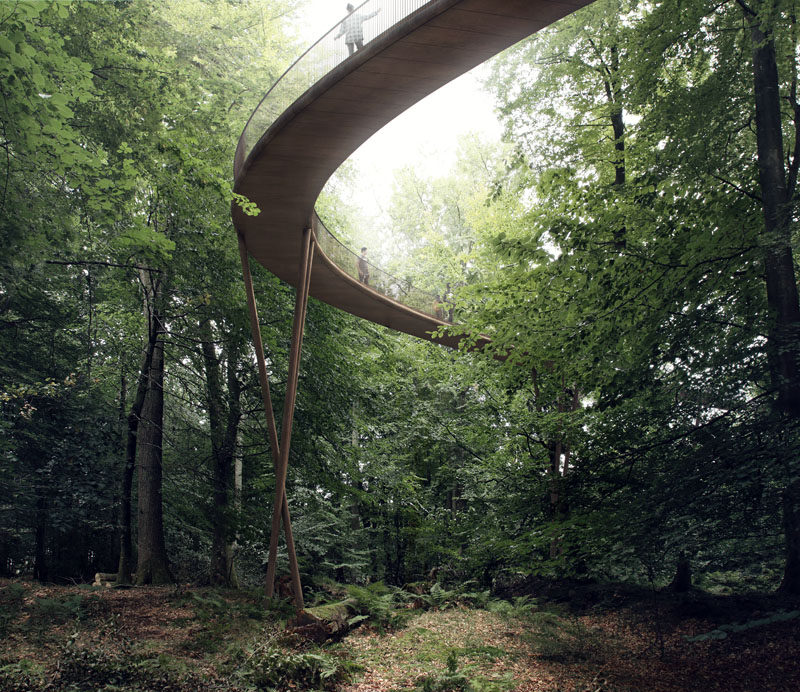
The structure is made out of untreated Corten steel and 7,750 pieces of oak tree, making it seem like one with its surroundings.
Sustainable construction
“It’s sustainable wood, oak wood, untreated, so when you need to shift it you can just compost it in the forest and it will be feeding the insects,” architect Tue Hesselberg Foged explained. The vision behind the boardwalk project is to make the forest accessible to all without disrupting the environment.
Adventure Tower is now the highest point in the Zealand region, coming in at 135 meters above sea level
The route through the trees passes gently and sensitively through different varieties of forest, while minimizing the disturbance of the environment.
Completely unique forest walk
“The whole idea is to bring lots of people into the forest for a completely unique forest walk. It’s kind of a vertical forest path that takes you from the forest bed, through the tree trunks and up where the wind is blowing in your hair and you feel vertigo and you can see all over the countryside,” says Tue Hesselberg Foged.
Adventure Tower Opened in Denmark, written by Tor Kjolberg
Oslo- and San Francisco-based studio mork-ulnes architects has completed a contemporary retreat in the Sugar Bowl Ski Resort, 2.5 hours northeast of San Francisco. This 5-bedroom ski cabin perched atop lake Tahoe’s donner summit was designed for 3 generations to enjoy simultaneously.
The essential diagram is straightforward: take the alpine chalet building type and lift it onto a concrete plinth to protect it from the snow. Located at an elevation of 6,800 feet (2,000 meters), the building needs to withstand extreme snowfall that can exceed 800 inches (20 meters).
Trollhus’ design responds to the owners’ desire for a secluded refuge offering a constant connection with the natural environment.
Troll hus
Named ‘Troll hus’, the dwelling was commissioned by a retired couple as a second home for their three children and partners, as well as their seven grandchildren. The design responds to the owners’ desire for a secluded refuge offering a constant connection with the natural environment.
The residence’s positioning on-site, however, is more nuanced. Influenced by prevailing wind-drift direction and other climatic factors, the orientation shields the building from the street and directs views to a private stream and forest beyond. Living spaces are arranged along the open, south-facing facade to maximize solar exposure. The shaded northern face contains utility rooms where small punched windows draw in indirect northern light but minimize heat loss.
‘We call the house Troll hus, with a reference to the otherworldly beings in Norse mythology and Scandinavian folklore that are said to dwell in remote mountains,’ says architect Casper Mork-Ulnes
A Californian Winter Retreat Constructed by Norwegian Architects
‘We call the house Troll hus, with a reference to the otherworldly beings in Norse mythology and Scandinavian folklore that are said to dwell in remote mountains,’ says architect Casper Mork-Ulnes, whose Norwegian origins influenced the way he conceived the log cabin-inspired design.
The building’s compact footprint seeks to tread lightly on the forest floor, capturing filtered views of the surrounding landscape. the concept is that of a suspended tree house that seamlessly blends with its surroundings.
Designer Lexie Mork-Ulnes, the wife of the architect, was responsible for the home’s interior
A constant connection with the natural environment
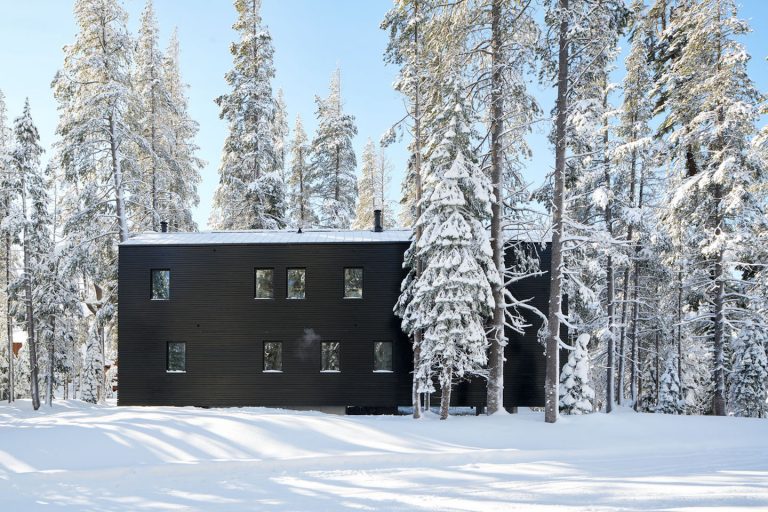
Tar-treated wood siding recedes among the tree trunks of this wooded site, and at dusk the interior finished with minimally treated fir glows warm through the windows. the design provides a secluded refuge, offering a constant connection with the natural environment.
The concrete plinth allows inhabitants to use the protected base as a changing and storage room for ski gear. the second floor thus effectively becomes the house’s entry level, accessible both through the enclosed staircase on the first floor and, in the summer, through an external staircase that leads to the southern terrace. the three adult children’s bedrooms and bathrooms, as well as the bunk bedroom for the seven grand-children and its bathroom, are located on the second floor.
The interiors
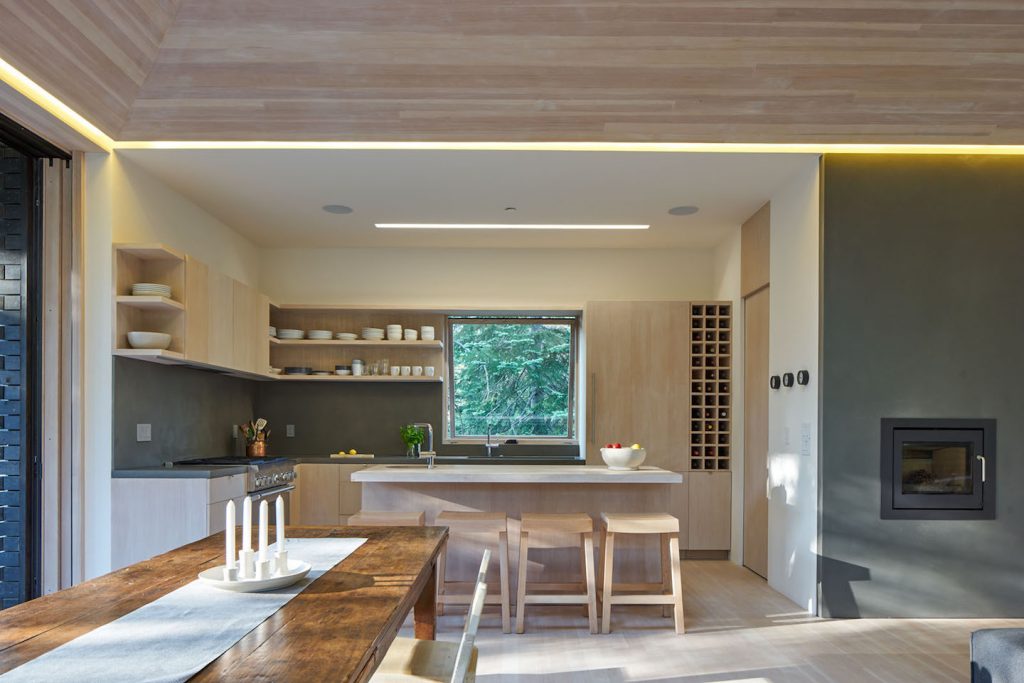
The interiors of the house are completely wrapped in warm wood, that is used for the floors and ceilings as well as for some of the custom-made furniture that Lexie designed specifically for the project, such as the dining table bench and the bar stools. Bespoke furniture is combined with Scandinavian designs and with antiques, like the draw leaf table in the dining room or the cricket table refinished in lye in the living room, that come from the collection of the client, a retired antiques dealer.
The interiors of the house are completely wrapped in warm wood, that is used for the floors and ceilings as well as for some of the custom-made furniture
The grandparents’ master bedroom and the communal living area, where the family members spend most of their time, are positioned at the uppermost floor. Complete with a kitchen, the open-plan room is wholly glazed toward the west and south, opening up the interior to the outdoors. an open staircase, flooded with sunlight entering through an overhead aperture, connects all three levels of the house. A second skylight sits directly above the dining table, creating a focal point and highlighting the sculptural angles of the lyed Douglas fir ceiling.
Interior design
Designer Lexie Mork-Ulnes, the wife of the architect, was responsible for the home’s interiors, which are completely wrapped in warm wood. Custom-made furniture was designed specifically for the project, including the dining table bench and bar stools. The scheme’s exterior is clad in 2×4 solid timber, coated in black tar. This traditional Norwegian technique, which dates back to the medieval stave churches, helps protect the wood from weather and insects.
All photos: BruceDamonte
A Californian Winter Retreat Constructed by Norwegian Architects, text provided by the architects
The amazing nature in Norway attracts more and more visitors from all over the world. But that’s not the only thing that makes Norway so unique. Have you heard about the ‘allemannsretten’ (English translation: everyman’s right)?
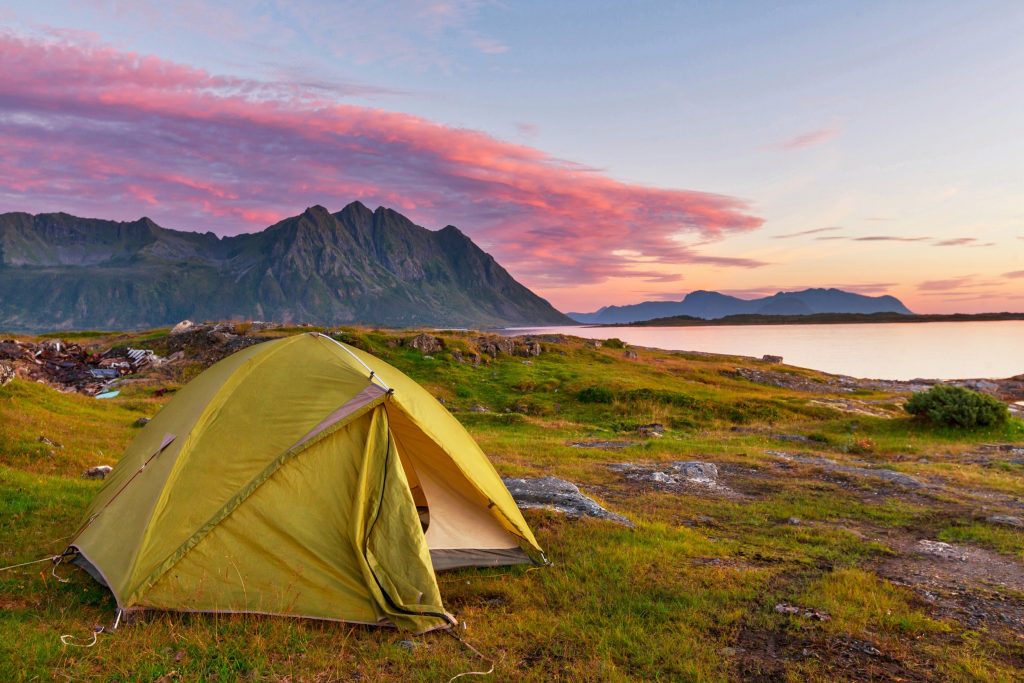
In Norway, allemannsretten (or freedom to roam) means that you can make up your tent or park your camper van for the night almost wherever you like. Allemannsretten evolved from a customary into a formal written law in 1957 with the implementation of the Outdoor Recreation Act.
In his key message to George Washington in 1852 Chief Seattle said that nobody can own ‘the freshness of the air’, ‘sparkle of water’ or ‘blueness of sky’. Land is something that could belong to anybody.
Simply defined, allemannsretten makes it legal in most cases for people to walk through any piece of undeveloped private property without first obtaining the owner’s permission. You can even camp on someone else’s private property for one night, provided that you’re polite and stay at least 150 meters away from any buildings.
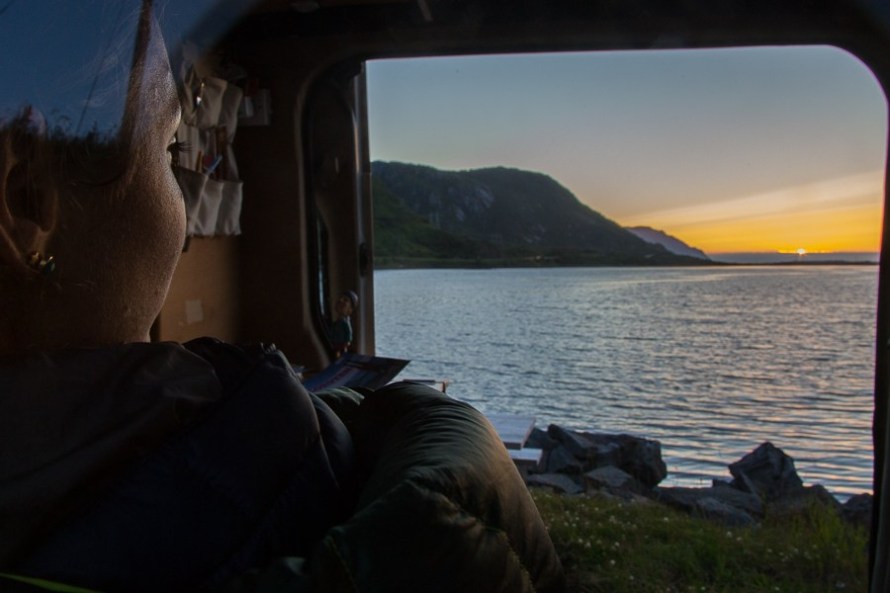
Camping at Kafjord, Norway. Photo: Visit Norway
However, there are still some points for you to be aware of:
From 15th of April to the 15th of September campfires are not allowed in forest areas. You must not block any roads or entrances and you must not leave any garbage behind. In addition, you must respect “no parking” or “no camping” signs and farm land should only be crossed when covered with snow.
As human beings we are merely particles in the grand scheme of nature and we should thus regard all nature’s elements – down to each needle of a pine tree – as something sacred, something we are to share equally amongst ourselves.
Allemannsretten is giving hikers and campers a really relaxing element. No need to hurry finding an open camp site before the night comes and you´ll save some serious cash by not paying for a camp site. However, the biggest benefit is freedom.
Swimming in the midnight sun
People coming from other parts of the world may be surprised by the lack of wired fences and ‘keep out’ signs. In Norway, land owners are not allowed to prevent free movement, so these kinds of signs would be illegal in most places.
Allemannsretten is an important part of the cultural heritage in Norway. Since ancient times, Norwegians have had the right to roam freely in forests and open country, along rivers, on lakes, among the skerries, and in the mountains – irrespective of who owns the land. Very often you will find already made and used fire places on wild camp spots or you can look out for your own spots to stay for the night.
River fishing in Norway
People in Norway, and that includes visitors, are allowed to harvest nature’s bounty – which means not only saltwater fish, berries, mushrooms and wildflowers, but also the sensory impressions of the whole outdoor experience. When it comes to access to uncultivated land, Norway is one of the most liberal countries in the world.
There are, however, some restrictions:
Fishing rights If you are close to the ocean and you want to fish from the shore line, you are good to go. No permission is needed. You will have a big chance to catch your dinner! Make sure you only keep the fish which is above the minimum size. However, if you want to fish in a fresh water lake or river, you need a permission and buy a so called “fiskekort” (fishing card).
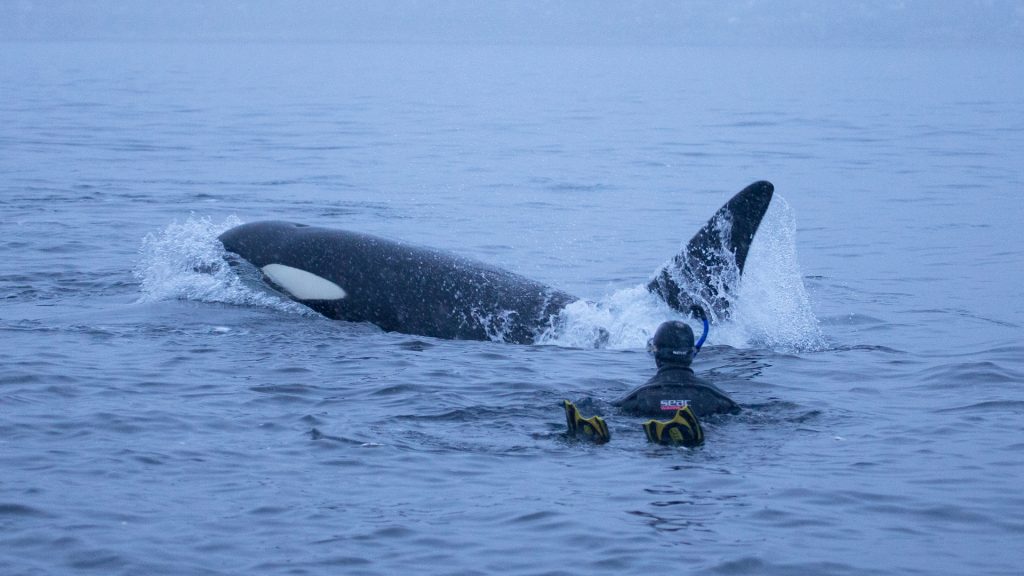
Swimming with killer whales in Norway. Photo: Patrick Dykstra
Swimming You can swim in all lakes, rivers or in the sea, with the exception of lakes that are drinking water reservoirs. Most likley you will find a sign marking drinking water reservoirs at the beginning or end of a lake close to the road.
If you want more information, Miljødirektoratet (Norwegian Environment Agency) has issued an excellent and practical guide about the ‘the Right to roam in Norway’.
With camper in Norway
The local nature in Norway becomes your playground, your home, your source of food and your gym. Just as allemannsretten originates from the love for nature, conversely, it reinforces it – when we respect it.
Everyman’s Right in Norway, compiled by Tor Kjolberg
Less than an hour’s drive north of Sweden’s capital, Stockholm, on the E4 lies Uppsala, Sweden’s ancient capital, seat of one of Europe’s greatest universities. This is the birthplace of Ingmar Bergman and the setting for his film Fanny and Alexander.
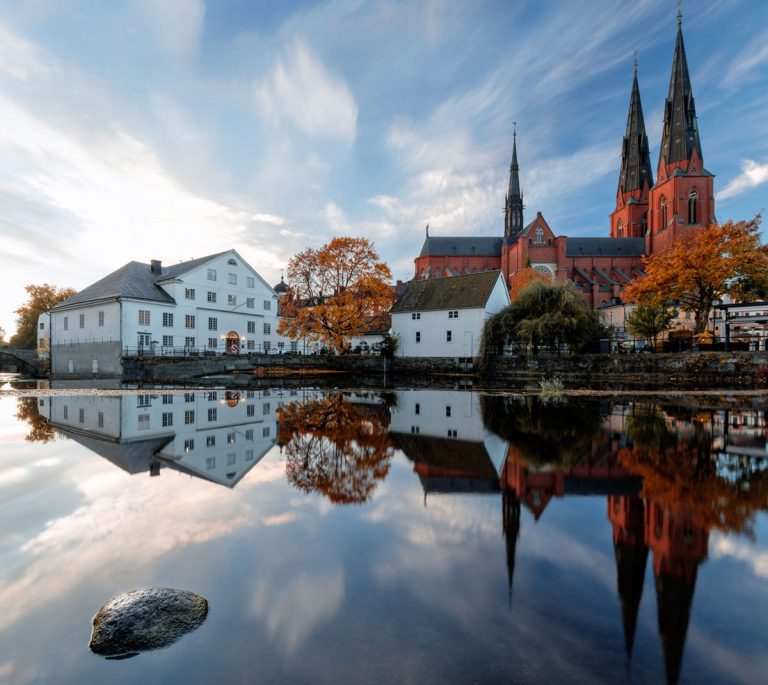
The town also has the largest Gothic cathedral to be found in Scandinavia, Domkyrkan. Its vaults, from 1435, house the shrine of Saint Erik, a former king and the patron-saint of Sweden.
Uppsala domkyrka (Wikipedia)
Sweden’s Ancient Capital
Across the town’s lush parks rises Uppsala Castle, a fortress from the days of the Vasa dynasty, now a small gallery.
Old Uppsala
A few minutes north of the town lies Old Uppsala, a 5th-century bastion of the Yngling dynasty. The three huge grave mounds of kings Aun, Egil and Adils (described Beowulf) dominate the grave fields beyond the Gamla Uppsala Museum, which does a good job of explaining the Viking world.
Near Uppsala, where the sea meets the forest, you’ll find Sigtuna, Sweden’s oldest town
Sweden’s oldest town
Near Uppsala, where the sea meets the forest, you’ll find Sigtuna, Sweden’s oldest town. In the 11th century this was the commercial center for the Svea and Vandal tribes. Merchant ships from as far away as Asia dropped anchor here; monasteries and abbeys competed with one another in building glorious churches.
Today Sigtuna is a picturesque town with crooked lanes, quaint wooden houses and a miniature town hall. Tante Brun’s café in the main pedestrian lane is a lovely place to stop for a strong Swedish coffee and a freshly baked cinnamon bun.
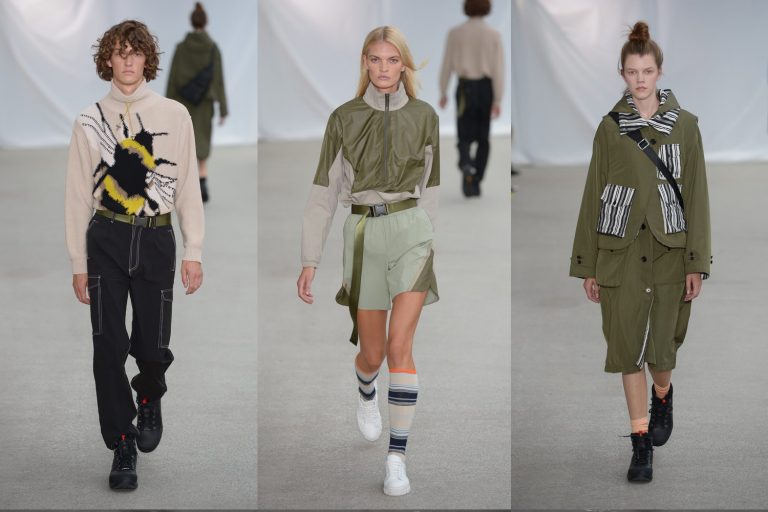
The Oslo-based fashion house Holzweiler was founded by siblings Susanne and Andreas Holzweiler in 2012. Their strong passion for art, culture and sustainability, has resulted in numerous art collaborations, full-scale collections of ready to wear, accessories, scarves and most recent, footwear. Read more about the creative expressions from Norwegian Holtzweiler House of Fashion.
Today, the siblings are running one of the biggest and most sought-after fashion brands in Oslo, the capital of Norway. Obviously, hard work and modesty have paid off since Holzweiler currently is working with over 200 retailers in Scandinavia, UK, Japan, US, Benelux and Germany.
Hard work and modesty have paid off since Holzweiler currently is working with over 200 retailers in Scandinavia, UK, Japan, US, Benelux and Germany
Signature patterns
Throughout their line you’ll find signature patterns, artistic prints and a vivid use of color, combined with functional shapes and high-quality materials—a combination they have been true to since the beginning
However, it all began in 2006 when the siblings formed a fashion branding and marketing agency in Copenhagen and saw the need to bring the brands they’d encountered there to Norway feeling the urge to start something from scratch.
Holtzweiler at Copenhagen Fashion Week
Creative Expressions From Norwegian Holtzweiler Fashion
They started with digital printing on scarves in collaboration with the famous Norwegian stencil and street-art artist, Martin Whatson. Customers could by scarves by the meter, a gimmick that got widespread attention. The scarves became popular in Norway at a time when the brand did not focus on a global market.
After launching the first luxury scarf collection In cashmere, silk and wool blends, Holzweiler showed unique variations of prints and colors, and became an instant success on the Norwegian fashion market. Holzweiler quickly became a “scarf brand.”
Andreas and Susanne Holtzweiler (press photo)
Hotzweiler’s vision
However, the vision was to build a brand that would reflect the beauty of everyday life; something that would combine their passion for art and culture, with functional pieces and fine materials, and at the same time would be a positive contribution to the industry and society in general.
Andreas’ wife Maria, a fashion designer, joined the team and In July 2014, Holzweiler expanded their creativity to the next level and launched their first ready-to-wear clothing line for men and women. Today, the Holzweiler collections are a direct result of collaborations with contemporary artists from around the world.
Throughout their line you’ll find signature patterns, artistic prints and a vivid use of color
Norway’s design history is now
On their website, the founders Susanne and Andreas Holzweiler, say they aim “to continue to challenge themselves and the norms of the industry; to make good fashion, and to have a very good time while doing it.”
We might be tempted to say, Norway’s design history is now.
Feature image (on top): Holtzweiler spring-summer collection 2019
Creative Expressions From Norwegian Holtzweiler Fashion, written by Tor Kjolberg
A former paper factory in the lively Norwegian town of Vestfossen was by chance stumbled upon by Norwegian artist and death obsessed Morten Viskum in 2001.
Known for his morbid choice of materials, Viskum created a shockwave in the Norwegian art scene in 1995 with one of his early works Newborn rats on olive jars. His most famous work to date is a series called The Hand that Never Stopped Painting, in which he uses a severed hand as a brushstroke to make paintings with animal blood.
Contemporary chaos 2018
Exceptional Norwegian Contemporary Art Gallery
The factory was founded in 1886 and closed down in 1973. It was not in use for almost 30 years, until the artist Morten Viskum bought it in 2001.
Between 2001 and 2003, the refurbishment of the old dilapidated factory took place, and the result became a compelling example of the reuse of old architecture, and provides an interesting scene and juncture for history and modern art.
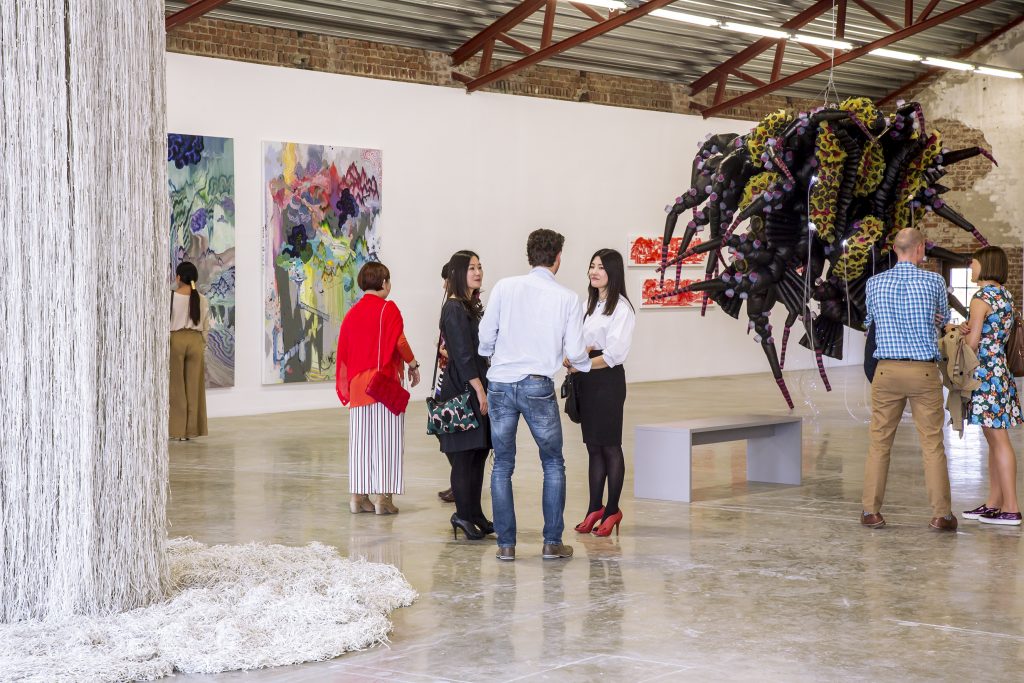
Quality contemporary art exhibitions at Vestfossen Kunstlaboratorium
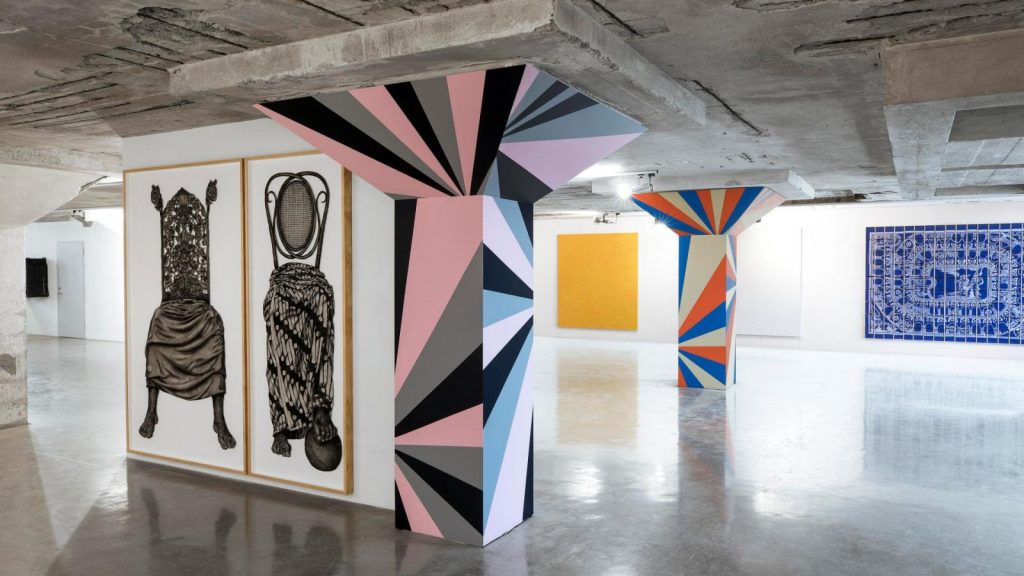
Vestfossen Kunstlaboratorium Vestfossen Kunstlaboratorium (“art laboratory” in English) was officially opened in 2003. The blank walls with peeling paint, spare brick walls and rusty banisters from the original factory have remained untouched, radiating a sense of casualness and, not least, hipness, which makes the gallery cafe in the entrance hall instantly like a hip cafe you can easily find in East London or Berlin.
In 2005, the center also launched a new exhibition space for individual artist presentations, Galleri Star, which has since sported exhibitions by renowned artists such as Sally Mann, Louise Bourgeouis and Alex Katz.
Capital of Culture Dubbed the Capital of Culture, Vestfossen started investing in culture after the millennium, an initiative which attracted several art institutions to establish themselves in the area. Vestfossen Kunstlaboratorium exhibits contemporary art by Norwegian as well as international artists.
From May to October every year, contemporary art exhibitions adorn the rough-looking exhibition spaces at Vestfossen Kunstlaboratorium, located in the old factory buildings having as a goal to make art interesting and available to everyone. With its unique and rough character the building itself is a significant and successful example of the reuse of older architecture, and provides an interesting historical frame for the artistic expressions of our own time.
The café at Vestfossen kunstlaboratorium
The background of its founder and its remote, obscure location pretty much sum up its unique positioning: an 1800-square-meter art space that displays works from artists from all over the world. It puts an equal emphasis on Norwegian artists; it’s similar to Kunstnernes Hus in Oslo, but it actually feels more internationally minded and less like a formal art institute, probably thanks to the derelict industrial interiors.
Art in a Rucksack
“Art in the Rucksack” is Vestfossen Kunstlaboratorium’s program for and collaboration with “The Cultural Rucksack”, which is a nationally initiated program for art and culture provided for children in Norwegian schools. Vestfossen Kunstlaboratorium wishes to offer a versatile educational program for all age groups within the school system and structures the lectures in close collaboration with the schools that wishes to partake in the program.
Vestfossen Kunstlaboratorium (“art laboratory” in English) was officially opened in 2003
Vestfossen Kunstlaboratorium is well worth a visit — absolutely perfect for an art day trip. Vestfossen is a village close to Drammen with a population of around 300, an hour away from Oslo, beautifully surrounded by picturesque nature.
Exceptional Norwegian Contemporary Art Gallery, written by Tor Kjolberg
Meatballs are the ultimate Scandinavian dish, eaten everywhere and every day. As with all recipes for popular dishes, we each have our own favorite, and believe everything else to be heresy. As we cannot possible please everybody, here we have simply chosen our own favorite.
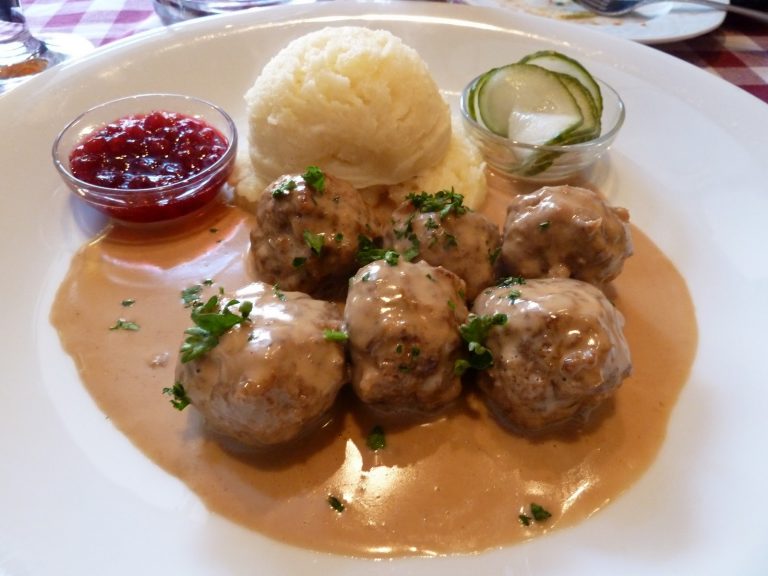
The shape and size of meatballs vary in different parts of Scandinavia, and so do the accompaniments. In Sweden these are inevitably mashed potatoes and lingonberries, while in Denmark it’s pickled red cabbage in winter and creamed kale or creamed summer cabbage with potatoes and pickled beetroot for the rest of the year. Norwegians eat their kjøttkaker with potatoes, lingonberries and creamed cabbage or bashed neeps.
You can use dry, day old bread as in the recipe below, breadcrumbs or plain flour to keep the meatballs together. However, bread is our favorite. The best meatballs are made from a mixture of veal and pork.
Scandinavian meatballs
1 kg minced mixed veal and pork
1 large onion, grated
1 tablespoon coarse sea salt
2-3 eggs
2 large slices white bread without crust, soaked in milk
1 teaspoon fresh thyme leaves
¼ teaspoon ground ginger
¼ teaspoon ground nutmeg
1 teaspoon coarsely ground black pepper
½ bay leaf, finely ground
Approx. 200ml milk
Butter, for frying
Serves 5
Mix everything, except the milk and butter, in an electric mixer or bowl. It’s important to mix for a long time to form a spongy ‘dough’, able to retain moisture and expand when fried. Add enough milk to make it soft but manageable.
Leave the finished mixture to rest for an hour, or longer, then shape into balls with wet hands.
Fry the meatballs slowly in browned butter until they feel spongy. You can cook the meatballs in different ways and thus influence their shape.
Danish frikadeller are largish, each a very large tablespoonful and often, triangular as you turn them three times instead of twice.
Norwegian kjøttkaker are flat, while Swedish köttbullar are small and round and rolled over in the pan to keep them the shape.
Danish frikadeller
Tip Leftover meatballs are perfect for open sandwiches on rye bread, with pickled red cabbage or beetroot on top.
As part of the 2019 Oslo European Green Capital celebrations, the Nobel Peace Centre puts on an exhibition about climate and environment in the spirit of Alfred Nobel. The aim is to create empathy with a rapidly changing planet through involvement, discussions and action.
This year the Nobel Peace Prize will be awarded for the 100th time since 1901. So far, the prize has been awarded 99 times to 133 Nobel Laureates between 1901 and 2018, 106 individuals and 27 organizations. Since the International Committee of the Red Cross has been awarded the Nobel Peace Prize three times (in 1917, 1944 and 1963), and the Office of the United Nations High Commissioner for Refugees has been awarded the Nobel Peace Prize two times (in 1954 and 1981), there are 24 individual organizations which have been awarded the Nobel Peace Prize.
The Nobel Peace Center in Oslo
Criteria for being awarded the Nobel Peace Prize
Alfred Nobel mentions three criteria before awarding the prize: “for fraternity between nations, for the abolition or reduction of standing armies and for the holding and promotion of peace congresses.”
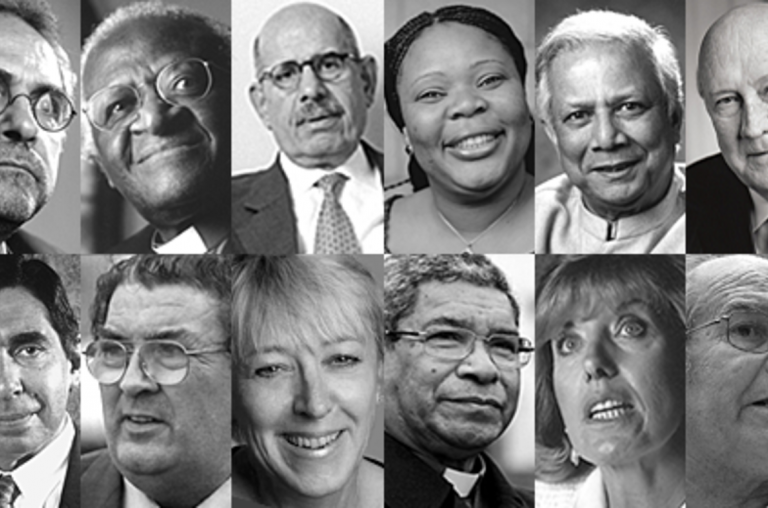
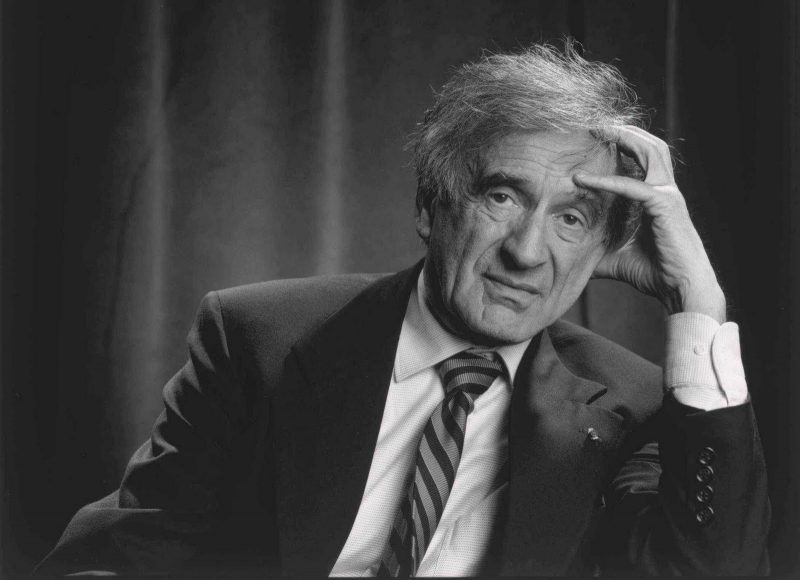
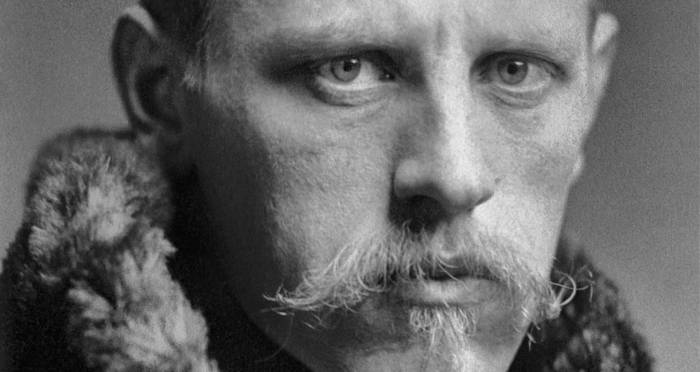
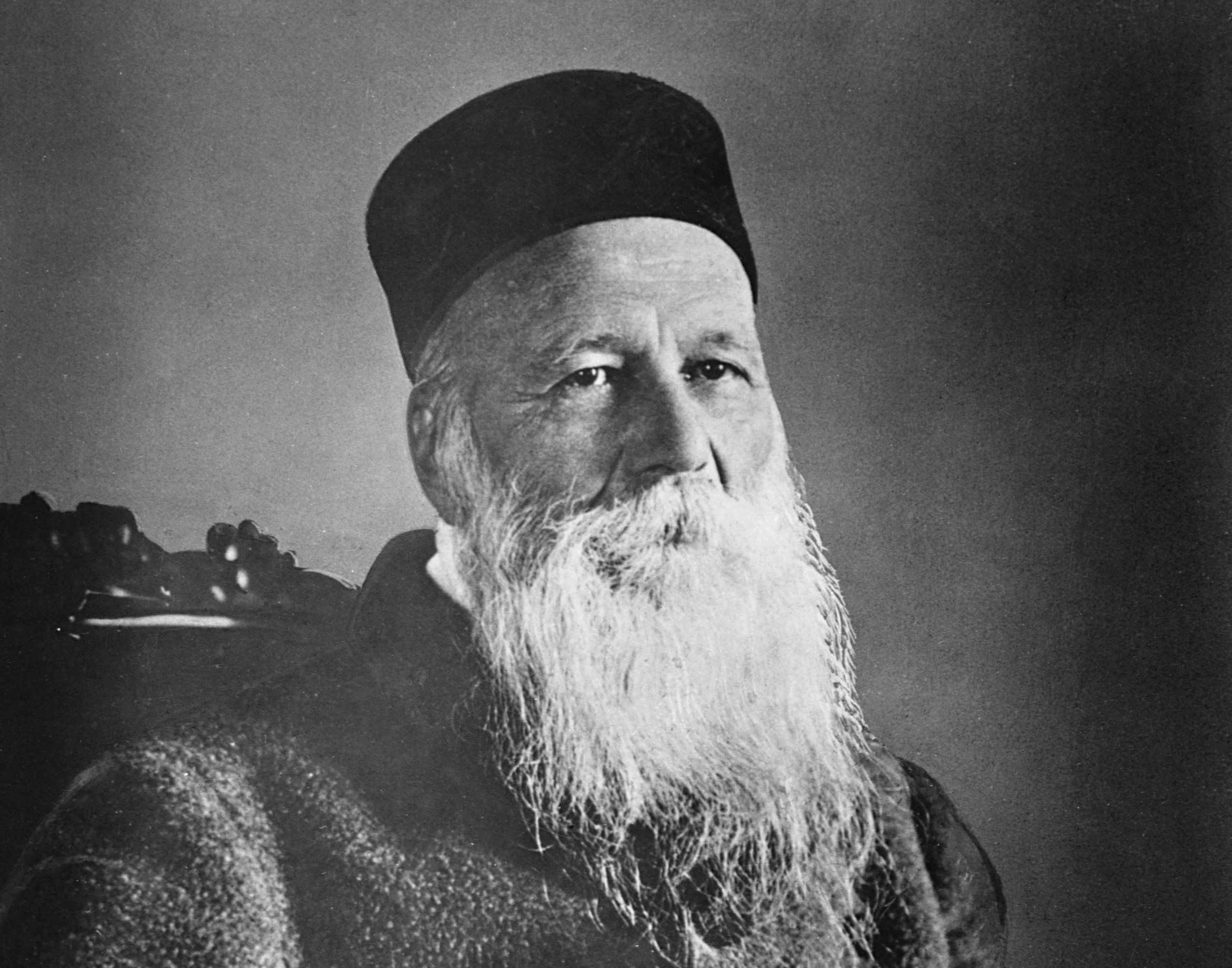
Among those who have been awarded the Nobel Peace Prize since 1901, are some of the most significant figures in our recent history. True to their ideals, but at the same time focused on dialogue and collaboration, and of doing mankind good. Laureates like Nelson Mandela, Martin Luther King, Jr., Dalai Lama, Mother Teresa, Fridtjof Nansen, The International Committee of the Red Cross (ICRC), Albert Schweitzer and Alva Myrdal all contribute to making the Nobel Peace Prize the world’s most prestigious prize.
In 2001 the Norwegian publisher J. W. Cappelens Forlag AS published the book The Nobel Peace Prize 1901- 2000
Nobel Peace Prize 100 years
In 2001 the Norwegian publisher J. W. Cappelens Forlag AS published the book The Nobel Peace Prize 1901- 2000. Hundred years for peace is published by in connection with the Nobel Peace Prize centenary. The book is written by Ivar Libæk , Øivind Stenersen og Asle Sveen.
After an opening article about Alfred Nobel, the history of the Norwegian Nobel Committee, The Norwegian Nobel Institute and the development of the Peace Prize, a chronological presentation of the Peace Prize Laureates from 1901-2000 follows.
Each Prize Laureate is presented through a short biography, the reasons for the Nobel Committee’s choice, international reactions to the choice of winner and reflections on the impact of the year’s award. Excerpts from the Laureate’s speech or Nobel lecture are given.
The presentation is divided into seven main parts each of which opens with an historical survey of the world’s situation, the economical or political aspects dominating society, or special events characterizing the period. The articles set the Peace Prizes in a broader context.
The book ends with an essay on the laureates’ ideas of peacemaking: Roads to peace.
All the Nobel Peace Prize winners
It has been the Norwegian Nobel Committee’s responsibility for more than hundred years to interpret Alfred Nobel’s will and decide who is deserving of the Nobel Peace Prize. Here are all the Nobel Peace Prize Award Winners from 1901 – 2018:
International Campaign to Abolish Nuclear Weapons (ICAN) “for its work to draw attention to the catastrophic humanitarian consequences of any use of nuclear weapons and for its ground-breaking efforts to achieve a treaty-based prohibition of such weapons”
National Dialogue Quartet “for its decisive contribution to the building of a pluralistic democracy in Tunisia in the wake of the Jasmine Revolution of 2011”
Kailash Satyarthi and Malala Yousafzai “for their struggle against the suppression of children and young people and for the right of all children to education”
International Atomic Energy Agency (IAEA) and Mohamed ElBaradei “for their efforts to prevent nuclear energy from being used for military purposes and to ensure that nuclear energy for peaceful purposes is used in the safest possible way”
Jimmy Carter “for his decades of untiring effort to find peaceful solutions to international conflicts, to advance democracy and human rights, and to promote economic and social development”
Kim Dae-jung “for his work for democracy and human rights in South Korea and in East Asia in general, and for peace and reconciliation with North Korea in particular”
Nelson Mandela and Frederik Willem de Klerk “for their work for the peaceful termination of the apartheid regime, and for laying the foundations for a new democratic South Africa”
Rigoberta Menchú Tum “in recognition of her work for social justice and ethno-cultural reconciliation based on respect for the rights of indigenous peoples”
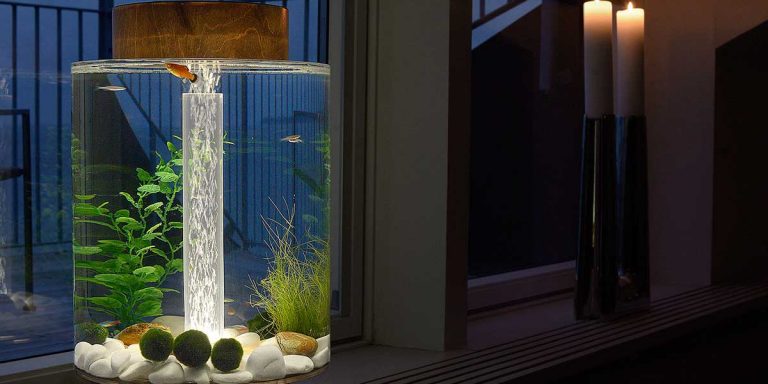
Swedish designer Charles Törnros, with a passion for purist Scandinavian design, created the award-winning Norrom aquarium in 2016.
The Norrom aquarium is a 40 l, upright cylinder made from some of the nicest acrylic on the market. The top and bottom trim, in a selection of finishes, is easy to remove and swap (should the urge take you) and if you’re the kind of person who has a 3D printer knocking about, you can download a template to make your own replacements at will.
Norrom freshwater aquarium
We all love aquariums
We all love aquariums until it comes time to figure out cable management. Is the filter system seriously that loud? I’m all for block design, but damn, we need some options.
Charles Törnros was tired of the cables so he flipped aquarium design on its head
Charles Törnros focuses on creations that encompass fundamental innovation whilst achieving ultra-simplicity aesthetically. He shares his design experience and philosophy with a number of clients and brands across Europe.
Cables – and more cables Number one issue with owning an aquarium? Cables. And more cables. The lighting system involves an unsightly cable dangling from the top of your fish tank.
However, in the comprehensive and concise instruction manual come some ‘do not’ points. They include ‘do not overstock your aquarium — the total length of fish should not exceed 20cm; do not overfeed your fish — a hungry fish is a healthy fish; do not replace the sponge, carbon pellets of ceramic rings at the same time as each other — it can cause a lethal chemical imbalance’.
Cycling is important
Furthermore, Norrom ‘strongly recommend cycling your aquarium before adding any fish, in order to ensure that the water quality is habitable…’ The aquarium company is actually suggesting cycling before you add fish. There’s even a link to a webpage to talk you through it.
The name Norrom comes from the Swedish “norr om” meaning “north of”
Practical Swedish Aquarium for Small Homes Norrom Aquariums come with design flair for days and the technology integrated to make each whisper quiet. Leave it to Sweden to figure how to make the aquarium awesome again.
The name Norrom comes from the Swedish “norr om” meaning “north of”, aspiring to be higher up whilst remaining firmly grounded, and acknowledging the brand’s northern (Scandinavian) heritage.
The filter runs on an uplift principle, and the tube screws into place with an unrivalled precision — there’s no shaky push-fit affair here. In the filter chamber sits a foam mechanical filter into which there is a clear-cut trench for carbon (or other resin media, if you so choose), while biomedia sits around the outside. On top of that you can place your decorative stones, which come as either white or black cobbles.
Leave it to Sweden to figure how to make the aquarium awesome again
Charles Törnros was tired of the cables so he flipped aquarium design on its head. The lighting system is powered through the base of each tank, eliminating the wires. Each Norrom has an energy-efficient LED system that outputs nearly 500 lumens of white light. Go nuts with the dimmer to create whatever ambience you desire.
Restricted production
Since creating the Norrom Aquarium, Törnros has carefully restricted its production and circulation to only a few hundred worldwide. Throughout this period, Norrom has attracted exceptionally positive press and customer feedback.
Practical Swedish Aquarium for Small Homes, written by Tor Kjolberg
South of Norway’s oldest town, Tønsberg, along the eastern side of the Oslo fjord, you arrive at the islands of Nøtterøy and Tjøme. The skerries there are fantastic summer hangouts, a real Norwegian summer playground.
Verdens end (World’s End) is the end of the chain. The old lighthouse there is a beautifully simple structure made of stone.
Sandefjord, a whaling town and home to Oslo’s second airpor. Photo: Visit Sandefjord
Sandefjord
On the other side of Tønsberg fjord lies Sandefjord, a whaling town and home to Oslo’s second airport. The town center is compact, and near Badeparken are the former spa and the Old Town.
Gokstad Viking Longship
Just outside Sandefjord is a burial site, Gokstadhaugen, in which the Gokstad ship, now in Oslo’s Viking Ship Museum, was discovered in 1880.
The Vesterøy peninsula is a supremely peaceful place.
The Vesterøy penninsula
The Vesterøy peninsula is a supremely peaceful place, ideal for walking, biking and boating.
Larvik was home to two legendary boat-lovers, Thor Heyerdahl and master boatbuilder Colin Archer. Photo: Wikipedia
Larvik – a town with shipping traditions Larvik was home to two legendary boat-lovers, Thor Heyerdahl and master boatbuilder Colin Archer (1832-1921), designer of the polar ship Fram. Archer’s first house was at Tollerodden, by the fjord. At Larvik’s back is Farris lake, site of the country’s only natural mineral water spring.
Feature image (on top): From Nøterøy. Photo: Wikipedia
A Norwegian Summer Playground, written by Tor Kjolberg