When a nation of craftsmen mixed with a late move towards industrialization in the 1900s, an influential new school of design was born in Denmark.
A chair may be something to sit in, and a lamp may help to light a room, but Danish designers have made these ordinary objects extraordinary. Perhaps their success is linked to the fact that Danish life is so centered around hearth, home and the concept of hygge – one’s surroundings should always be familiar, functional and beautiful.
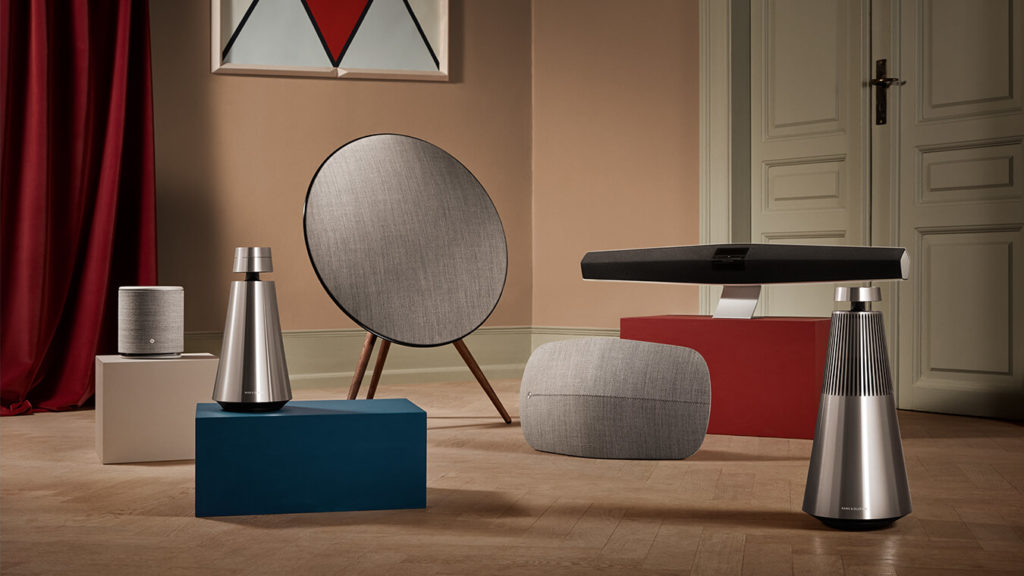
Bang & Olufsen multuroom speakers
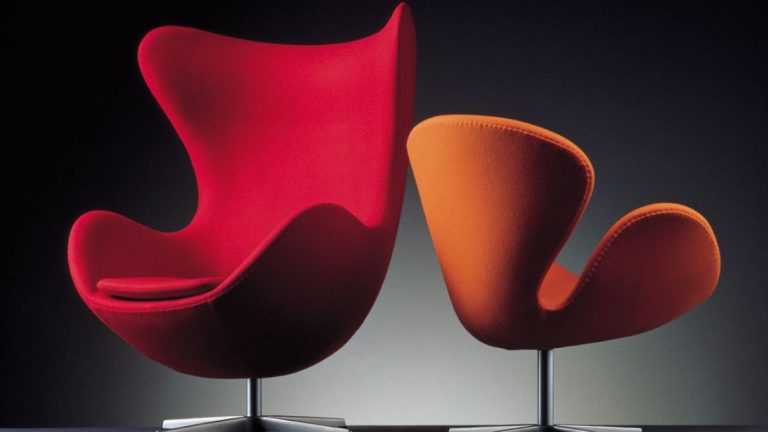
Danish Flair for Design Danish design in the 1950s and 60s brought a whole new look to furniture, lighting and homeware, avoiding the hard geometrical shapes apparent elsewhere in the design world, and imbuing everyday objects with a tactile organic quality. This iconic look has survived the test of time. Arne Jacobsen’s egg chair (on top) is a prime example.
Today the Danes are still at the forefront of design. Old and new companies alike – such as Fredericia Furniture, Gubi and Normann – are keen to promote new designers, revitalizing the principles of Danish functionalism and creating tomorrow’s classics. Whether in museums, conference rooms or homes, Danish design always brings a sense of elegance to everyday life.
Subtracting unnecessary elements
“It always starts with a task,” said designer Hans J. Wegner. “I never say to myself, I’m going to make a good chair.” Danish designers “subtract and subtract” unnecessary elements from products and tools to find true function and form,” said Jens Bernsen of the Danish Design Center. “Sometimes these designs even turn out to be beautiful.”
Danish design in the home For all its elegance, Danish design is not something limited to galleries and museums. In Denmark, it is found everywhere – hotels, restaurants, cafés, offices and, most importantly, homes. Nearby every Dane, it seems, has some sort of sleek designer lamp hanging over the dinner or coffee table.
For special occasions, such as weddings, birthdays and office receptions, Danes give presents such as salad sets, candle holders, salt and pepper grinders, pot holders – even mixing bowls.
Normann grass clay vase
Enemy number one
“The kitchen drawer is good design’s enemy number one,” says Erik Bagger, whose wine-serving tools are well known in Denmark. Danish-designed products are meant to be used, however, meaning that Denmark probably has the most stylish contents of kitchen drawers anywhere in the world.
PR photo: The Arne Jacobsen suite at Radisson Blue hotel, Copenhagen
The visually striking sound system designed by Bang & Olufsen are praised worldwide, and are found in many a Danish home. Even such prosaic items as cupboard handles and other household fittings are given due attention by Danish designers. Organic shapes abound, and recently a certain amount of whimsy has crept in: witness Normann’s award-winning grass vase.
Feature image (on top): Arne Jacobsen’s egg chair. Photo: Fritz Hansen
Norwegian photographer Morten Golimo is exhibiting in Gallery Rivaa in New York from 20 April through 12 May. The exhibition is called ‘Nordic Mystique’.
Golimo’s work provide a sense of wonderment, a connection to Nordic mythology, a world wherein trolls, elves and all other good and evil underground beings inhabit the earth. His photos are deeply evocative: the viewer can feel the mist or a spray of water, hear the wind and smell the deep pine forests.
Dancing Troll, by Morten Golimo
Norwegian moods in all its glory
One of the photographer’s strength is his ability to capture a magic moment, opening up all your senses, transporting the viewer into Nordic wonder. You can smell the sea air, feel the mist, hear the water’s rhythm.
Morten Golimo began his career as a journalist but decided to shift to photography about a decade ago. Now, he creates large format digitally adjusted photos of the natural world in all its glory. Golimo is well known in Norway, but this is his first exhibition in the United States, after a recent exhibit at the Norwegian Seamen’s Church in New York.
“A pho¬to¬graph is a sweet, lib¬er¬at¬ing ‘lie’ that takes us away from re¬al¬ity into a time¬less room where truth is ab¬sent,” says Golimo
Golimo’s photographic works have also turned into a book with photographs and words for heart and soul. “This book is a document of my fascination with forests, water, imagination, mist and Norwegian folklore,” he says.
Atmospheric Vistas in large formats
Atmospheric vistas are Golimo’s specialty, and his love of Norway’s dramatic scenery is palpable, and even his photographs’ titles give a hint of the emotion behind his works: “Dancing Troll”, “Blue Yearning” and “Hulder Night”.
“A photograph is a sweet, liberating ‘lie’ that takes us away from reality into a timeless room where truth is absent, where time ceases to exist and we’re allowed to see things that the eye cannot capture. Many of my pictures are long-exposure photographs. Everything looks different when it is taken with 30 seconds’ exposure time compared to one-hundredth of a second. Waves in a storm blur out and convert to a soft duvet over the shoreline. In photography, time can tame the storm,” says Morten Gulimo.
The photographs of Morten Golimo have also turned into a book
About Gallery RIVAA RIVAA (Roosevelt Island Visual Art Association) has a membership of approximately thirty-five artists dedicated to establishing an art center in a unique island location on the East River in New York, bridging Manhattan and Long Island City.
The Roosevelt Island Artists Association organized the “Art Frenzy” exhibition in association with PS1, Queens Council for the Arts, LIC Business Corp, Socrates Park and the Noguchi Museum in May of 2001. The success of this group art exhibition inspired the founding of RIVAA in June of 2001.
Gallery RIVAA opened in the hub of Main Street, with space and a grant provided by Roosevelt Island Operating Cooperation (RIOC). The support of the community along with the hard work and dedication of the founding members and of the ethnically diverse group of artist members brought the gallery to fruition. Following a complete renovation of a former pharmacy located in the RIVERCROSS complex, the grand opening took place in March 2002,
Feature image (on top): Morten Gulimo’s ‘Hulder Night’
Norwegian Photographer Exhibiting in New York, written by Tor Kjolberg
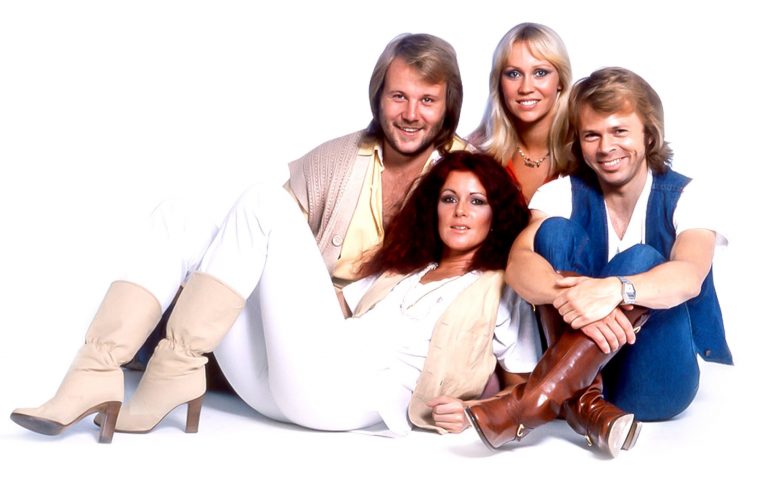
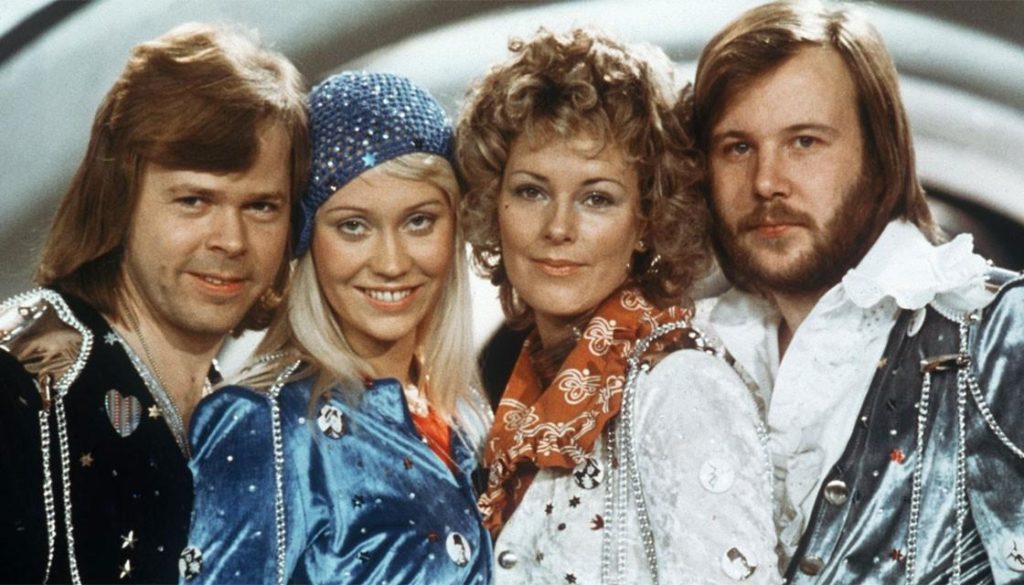
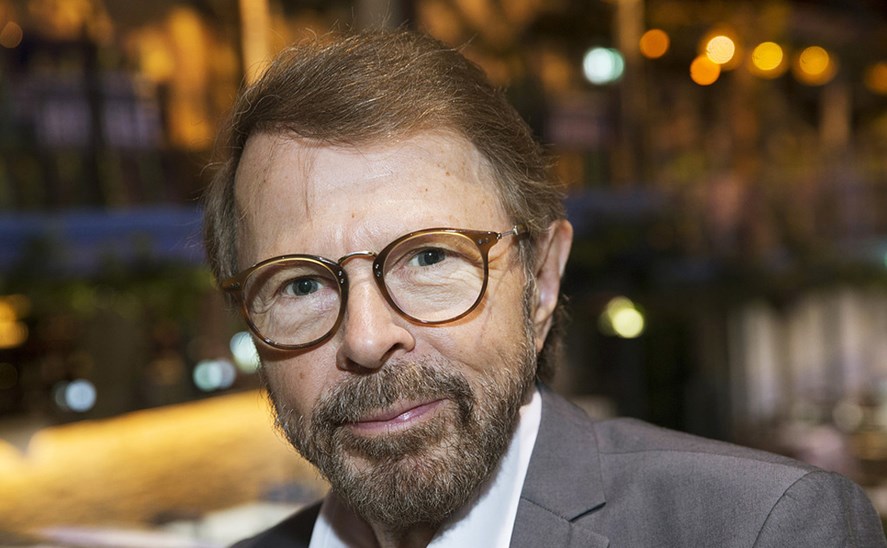
Swedish superstars ABBA broke up 37 years ago but now Bjørn Ulvaeus reveals that new songs from the four member group may be expected in September or October.
In April last year, the group announced that the superstar pop quartet intended to record new material for the first time since their split in 1983, as they prepared a tour in which their music will be performed by virtual reality avatars. “It was like time had stood still and we had only been away on a short holiday,” they said in a statement. “An extremely joyful experience!”
ABBA shot to fame by winning the 1974 Eurovision Song Contest with “Waterloo”
It was originally hoped that the songs would have emerged by Christmas 2018 but they have yet to materialize. A representative for the group says there will be ‘no release before the summer of 2019’ of their first new music in 35 years.
New Release From Swedish Group ABBA Expected Later This Year
One of the two new songs is entitled “I Still Have Faith in You.” “It is a timeless and reflective song, that is all I will say. It is Nordic sad, but happy at the same time. The other is called ‘Don’t Shut Me Down’ and is a pop tune, very danceable,” Ulvaeus said.
To Denmark‘s tabloid Ekstra Bladet Ulvaeus told that “it takes an extremely long time” to make the video with the avatars of the group members, adding “it has been delayed for too long. But for us to perform on stage that’s just not going to happen. That’s a definite.”
High demand for ABBA music
ABBA shot to fame by winning the 1974 Eurovision Song Contest with “Waterloo,” and had big hits in the 1970s including “Dancing Queen” before splitting up in 1982.
A representative for the group says there will be ‘no release before the summer of 2019’ of their first new music in 35 years
Demand for the avatar tour is likely to be high because Abba’s music continues to be hugely popular. The sequel to their jukebox musical film Mamma Mia! grossed $394m worldwide, $84m of that coming from the UK, where it was the second-highest-grossing film of 2018 after Avengers: Infinity War.
New Release From Swedish Group ABBA Expected Later This Year, written by Tor Kjolberg
The newest sculpture park in the capital of Norway is the Ekeberg public park, where Edvard Munch famously got his inspiration for his painting “The Scream”.
The park is a mix of artists from classical masters, such as Rodin and Renoir, to more modern contemporary artists like Oslo-born sculptor Per Ung, all of whom are represented through figurative bronzes.
Feminists did not like Ringnes’ idea of planning the park as a sort of “Homage to women”
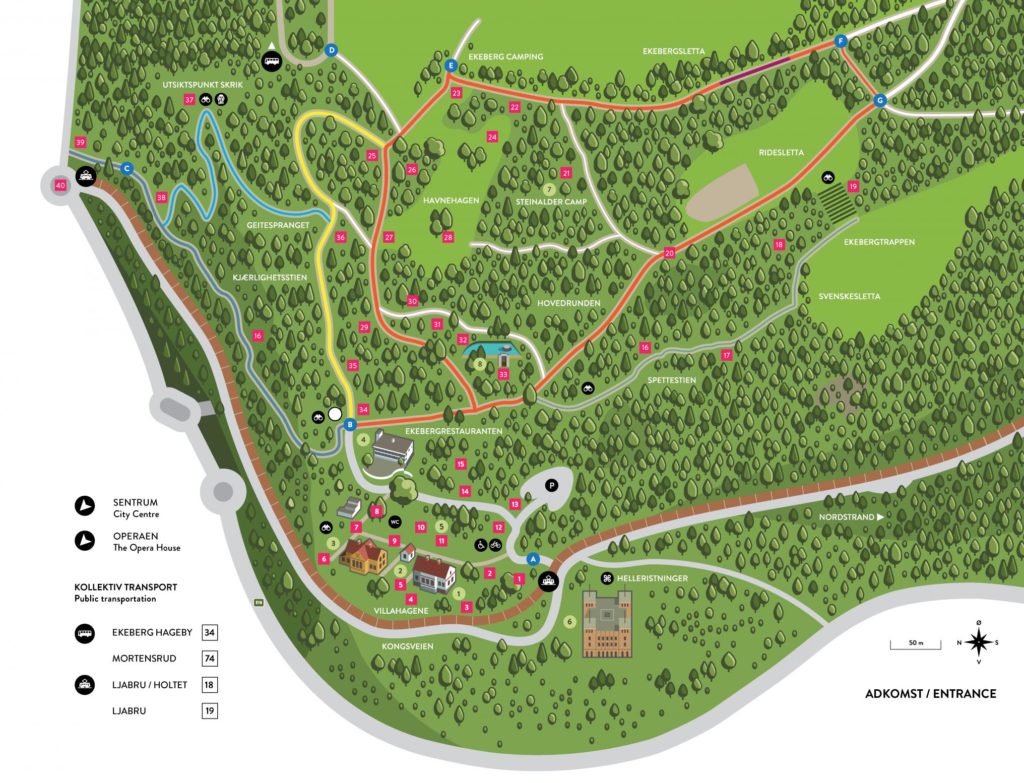
The Wall Street Journal has described The Ekeberg Park as “one of the most electrifying places to see new art”. This 26-hectare sculpture park, open 24 hours a day, is located on Ekeberg Hill. The park currently has 32 sculptures.
A strong contingent of female artists
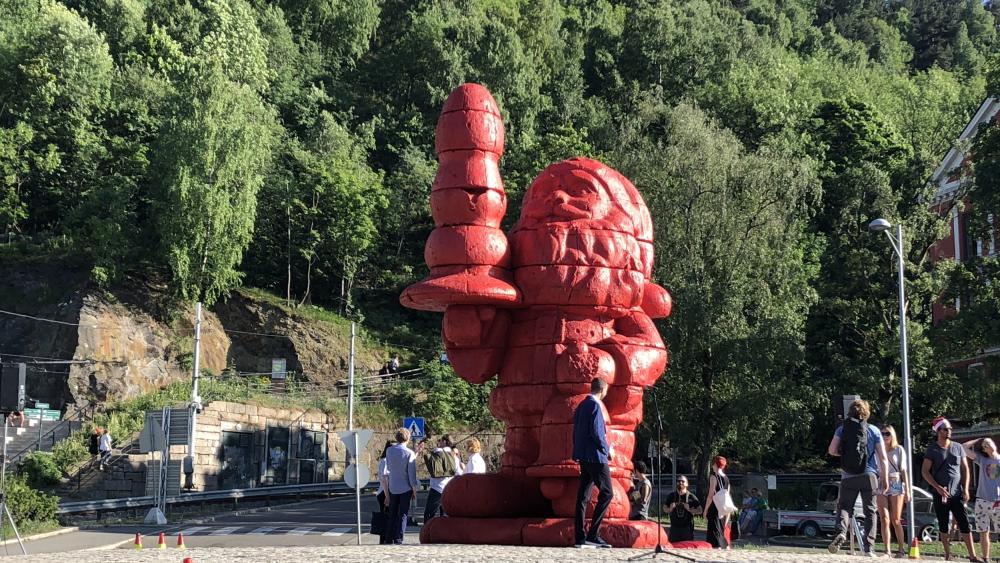
A strong contingent of female artists is represented, too, including one of Jenny Holzer’s signature text-based pieces. A curious, phallic form by sculptor Sarah Lucas is a sculpture claimed to be on the park’s wishing list for a long time.
Walking Woman, by Sean Henry
Meanwhile, pieces by Damien Hirst and the Norwegian artists Knut Steen and Hilde Mæhlum push the boundaries of traditional figuration.
Meditation of aluminum, light and color Louise Bourguois’ work ‘The Couple’ is hanging between two giant pine trees and the serene aluminum figures seem bound to each other for eternity, while James Turell’s installation ‘Ekeberg Skyspace’ is a meditation of light and color in which time and space seem to disappear.
The 26-hectare sculpture park, open 24 hours a day
The pages of Diane Maclean’s gigantic steel “Open Book” reflect each viewer and the surroundings in a hallucinogenic fluidity, while Sarah Lee’s installation doubles as a birdhouse. Tony Oursler’s Klang (2013) is a site-specific video and sound based installation that is embedded in a small cave and traces the history of human communication, from ancient tunes to cell phones.
The Ekeberg Sculpture Park in Oslo, Norway – An Honor to Women The idea of Ekebergparken was conceived by Norwegian businessman, billionaire and art collector Christian Ringnes. The park was an idea that obsessed him for almost a decade. However, feminists did not like Ringnes’ idea of planning the park as a sort of “homage to women” and accused him of male chauvinism. Environmental activists, on the other hand, protested the felling of trees while others expressed their disappointment at a billionaire trying to write himself into history by creating competition for Oslo’s famous Vigeland Park.
A curious, phallic form by sculptor Sarah Lucas is a sculpture claimed to be on the park’s wishing list for as long time
A popular tourist attraction
Today, the park is a popular tourist attraction which allows visitors to discover these pieces and more as they explore the forest-lined paths, take in views of the Oslo Fjord, and even stand on the spot that inspired the landscape in Edvard Munch’s ‘The Scream’.
The land of the Northern lights and unique nature, Scandinavia, has its distinctive and original traits that find its reflections in every aspect of lifestyle in these alluring and fascinating countries. The style that has been shaped and developed from the ingenuity of culture and philosophy lately attracts and inspires designers as much as influencers all around the world.
As the fashion community attention shifts to the northern direction, top fashion magazines start to capture trends and ideas coming from Scandinavian countries. The lead of the discovery was taken by Vogue who interviewed three top Scandinavian influencers, the ones that position their fashion style as daring refreshed classics. It rocks with a new approach to oversize dresses and elegant playful combination of colors. The emphasis moves to maximalist style with a statement.
Harper’s Baazar also hopped to the train of Scandinavian popularity and created a selection of top street style designers and boutiques that deserve very close attention of every fashionista.
AISPI is truly inspired by Scandinavian beauty and style so we collected together the recommendations of Vogue and Harper’s Baazar to present you with a top of fashion stores to check to catch a wave of the Scandinavian trend.
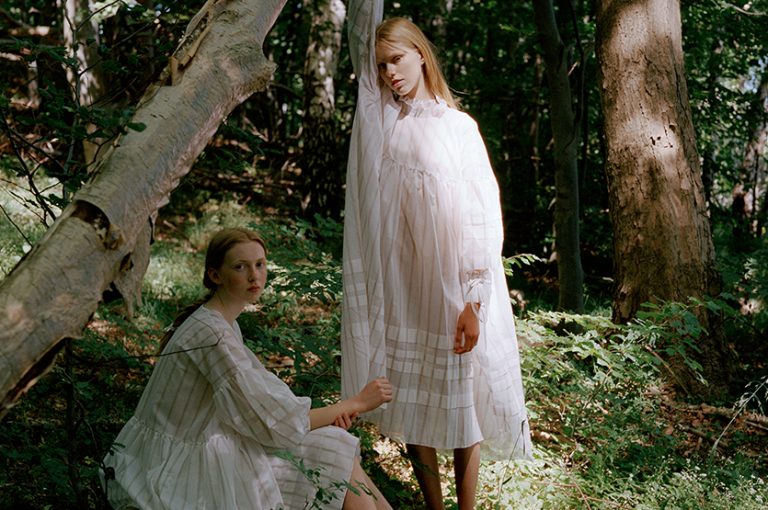
Extremely feminine, sculptural and flowy silhouettes are a source of Celilie Bahnsen’s inspiration
Cecilie Bahnsen If you are looking for your own piece straight from the runway, this exquisite brand is the place to go. Talented designer is a finalist of the LVMH award destined to be a center of fashion stages all around the world. Extremely feminine, sculptural and flowy silhouettes are a source of Celilie Bahnsen’s inspiration. Made with traditional handmade techniques, each unique garment is suitable for any occasion and highlights your natural beauty.
The eponymous women wear brand can be found in large stores in Europe, Asia, North America, Australia, and even Russia as well as online with an opportunity to ship worldwide. With a price range from 500€ – 1500€, the iconic pieces are suitable for a sun-downer during summertime and sashaying in bohemian parties.
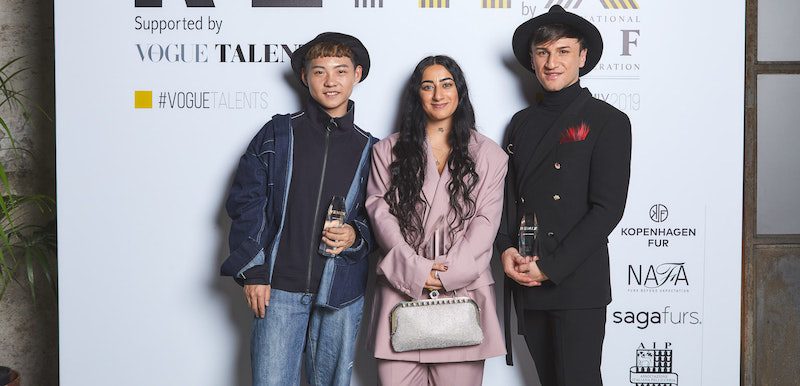
Gestuz is a cool ready-to-wear brand founded by Sanne Sehested Nielsen
Gestuz Gestuz is a cool ready-to-wear brand founded by Sanne Sehested Nielsen which goes beyond simple classics and challenges rules of contemporary fashion. Each piece coveys the striking energy of self-confident and sexy women who rebel with edgily elegant outfits.
Gestuz focuses on laidback yet empowering items that are able to fit any girl’s wardrobe with a touch of minimalist and chic looks. All pieces carry sophisticated aesthetics and rock-n’-roll vibe. Affordable prices between 100€ and 500€ are no doubts advantageous for fashionistas who want to ride a wave of the current trend and stay within budget.
Click on picture to discover more.
To shop, order from their e-store and they will deliver it to any point of the world straight to your doors.
Designers Remix is a cool Scandinavian emerging brand which was founded by Charlotte Eskildren
Remix
Designers Remix is a cool Scandinavian emerging brand which was founded by Charlotte Eskildren. The brand sells an amazing selection of ready-to-wear clothes, shoes, and accessories for women and kids as well. The distinctive trait of these modern and funky styled items is functionality and organics, they promote a concept of circular and slow fashion to support sustainability in the fashion industry.
Imagine, apart from creating their own unique designs, Designers Remix also gives a second life to recycled denim and curate vintage pieces with minimal resources involved. Prices vary in the affordable range between 100€– 500€. Casual and trendy this brand gives a touch of true Scandinavian spirit to every customer. Their friendly online store delivers all around the world as well as physical stores are located in major cities.
Click on picture to discover more.
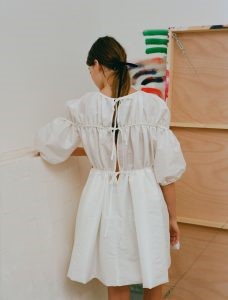
The house of Dagmar breathes with royal aesthetics as the brand was founded by three sisters
The house of Dagmar
The house of Dagmar breathes with royal aesthetics as the brand was founded by three sisters motivated to carry their family’s legacy in preserving craftsmanship traditions in ambitious timeless collections. Selling sophisticated and feminine exclusive everyday items, the designs are unique and sustainable as involve recycled fabrics, organic cotton, and animal-free fur.
They go far beyond the simple use of nature-friendly materials and support environment right from initial sourcing process straight to environmentally friendly transportation methods such as by bicycle or boat. Interesting fact that Beyoncé, Swedish princess Sofia, and Alicia Vikander have been spotted in the clothes branded by Dagmar. Prices are between 200€– 1500€ for pieces which will last longer than any others and stay fashionable within any occasion.
Click on picture to discover more.
Baum und Pferdgraten is a trendy ready-to-wear brand founded by Rikke Baumgarten and Helle Hestehave
Baum und Pferdgraten
Baum und Pferdgraten is a trendy ready-to-wear brand founded by Rikke Baumgarten and Helle Hestehave with a slight touch of timeless and vintage style. The brand is vibrant and refreshingly playing with prints, colors, and fabrics to have fun with expressing your unique personality.
They empower fashion-forward thinking women who are daring and bold to highlight their identity with original clothes and accessories. Baum und Pferdgraten bestsellers are knitwear and very trendy suits which you won’t be able to resist but buy! Prices vary from 100€– 500€ and online store is available for the most comfortable shopping experience.
Click on picture to discover more.
Find a retailer near you
Want to know about the boutique stores near you or discover emerging designer? Click here and dive into the world of top European boutiques and designers with AISPI! Don’t forget to check out our blog regularly to stay updated with trends!
Top 5 Scandinavian Fashion Brands to Keep an Eye For, curated by Bijuri Shah and edited by Daria Mulikova.
Feature image (on top): Cecilie Bahnsen label (spring 2019)
The article has previously been published in AISPI.
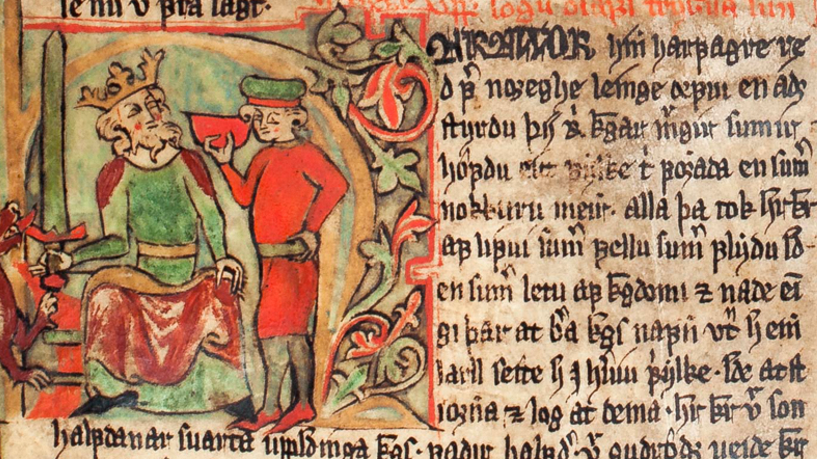
Old Norse was the language spoken by the Vikings, and the language in which the Eddas, sagas, and most of the other primary sources for our current knowledge of Norse mythology were written.
The experts from PaperHelp think that learning the Old Norse language is a source for any paper writing. It is popular among Philology students eager to immerse in the world of language study.
Here is a verse from Poetic Edda. Völuspá, stanza 19
Ask veit ek standa,
heitir Yggdrasill,
hár baðmr, ausinn
hvíta auri;
þaðan koma döggvar,
þærs í dala falla,
stendr æ yfir grænn
Urðarbrunni.
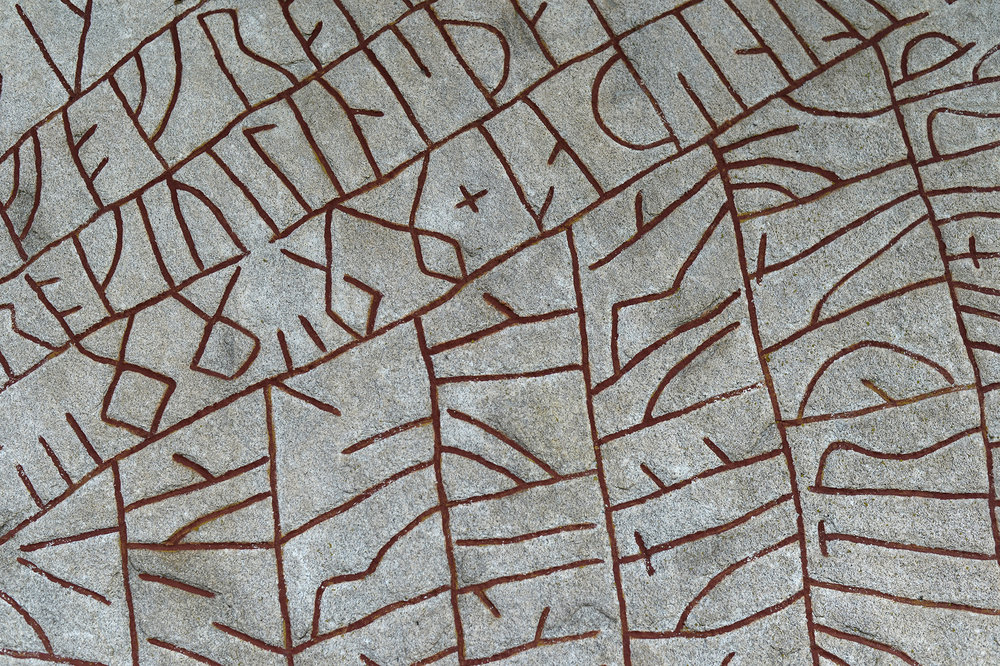
Runes is the written language of the Vikings
It might be translated into something like:
There stands an ash
called Yggdrasil,
A mighty tree showered
in white hail.
From there come the dews
that fall in the valleys.
It stands evergreen above
Urd’s Well.
Old Norse influence on Modern English language
You probably didn’t know that without the Vikings, English would be missing some awesome words like berserk, ugly, muck, skull, knife, die, and cake! When you think of “Old English,” do you think about struggling through the Canterbury Tales or Beowulf? Old English, or Anglo-Saxon, was a language spoken by the Angles and the Saxons, the first two Germanic tribes to settle in the British Isles.
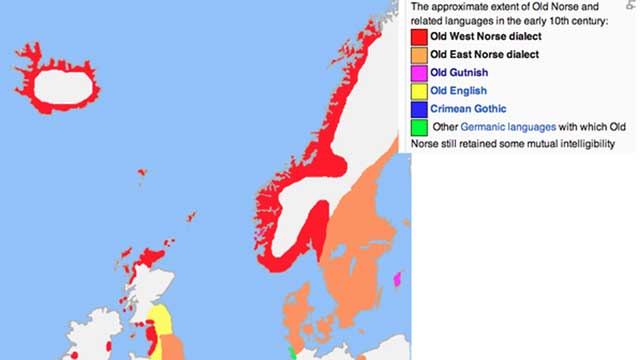
Danes and Swedes spoke Old East Norse while Norwegians spoke Old West Norse during the Viking Afe
Old Norse is a member of the Germanic family of languages, which also includes English, German, and several other languages that are widely spoken today. During the first several centuries of the Common Era, a distinctly northern dialect of Proto-Germanic (the common ancestor of the Germanic languages) formed in Scandinavia, which gradually morphed into Proto-Norse, which, by 750 CE or so – that is, by the beginning of the Viking Age – had become the language we would today recognize as Old Norse.
Modern English
Modern English is commonly thought of as a West Germanic language with lots of French and, thanks to the church, Latin influence. But this history of English’s development leaves out a very important piece of the linguistic puzzle: Old Norse, the language of the Vikings.
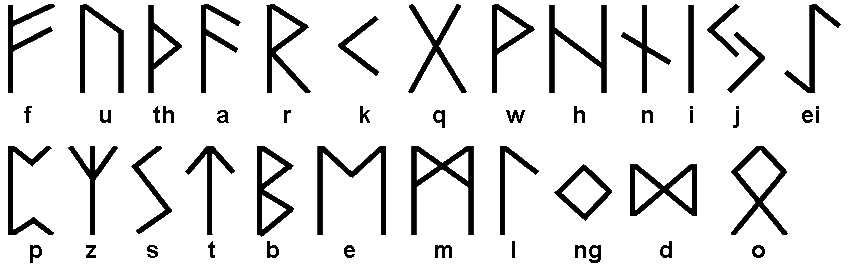
The Runic alphabet
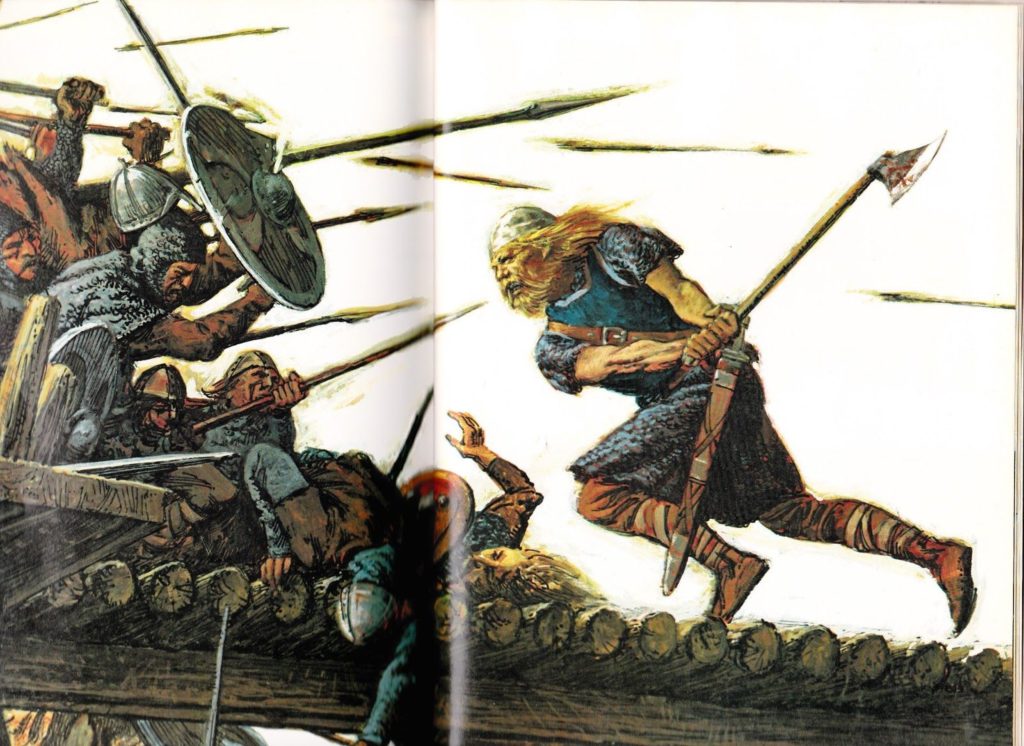
“Viking” really means a seagoing expedition in Old Norse. Vikings, then, were men from Denmark and Norway who spent their summers going to sea and colonizing and/or pillaging along the way. By the 870s, the Danes had largely given up the raiding and many had settled across Northern England.
‘Viking Language’ by Jesse L. Byock is a very readable book on the subject
Over the centuries, Old Norse continued to fragment into more regionally-specific languages, and by the early modern era, it had been transformed into Icelandic, Norwegian, Swedish, Danish, and Faroese.
Danelaw
The Danes had traded sword for plow and were settled across most of Northern England in an area governed by treaties known as the Danelaw. England even had Danish kings from 1018 to 1042. However, the more successful and longer-lasting Norman conquest in 1066 marked the end of the Viking era and virtually erased Danish influence in almost all aspects of English culture but one: its effect on the development of the English language.
Wrong
Even though you might hate to admit it, if you thought “wrong” was an entirely English word, you are mistaken. The word comes from the Old Norse “rangr,” which the Danes shifted to “vrang,” and in English eventually became “wrong.”
“Viking” really means a seagoing expedition in Old Norse
At its broadest extent, Old Norse was spoken in Scandinavia, Iceland, the Faroe Islands, the British Isles, continental Europe, Russia, Byzantium, Greenland, and even North America. Several common English words are loan words from Old Norse, including egg, guest, gift, score, trust, anger, and want.
The most obvious Viking influence on modern English is the word Thursday (Þorsdagr), which you can probably guess means “Thor’s day.”
At its broadest extent, Old Norse was spoken in Scandinavia, Iceland, the Faroe Islands, the British Isles, continental Europe, Russia, Byzantium, Greenland, and even North America.
Cake
These sweet baked treats get their name from the Old Norse “kaka,” which is what the Vikings used to describe a little cake. Scandinavian languages gave English the gift of hundreds of words.
Ugly
The Danes would describe someone who they thought wasn’t at all attractive as “uggligr,” which came from the word “ugga,” which means “to fear.” “Ugly” literally comes from the idea of being scary looking – a definite advantage in a Viking warrior.
The Vikings didn’t just bring death and destruction to England in the Middle Ages, they brought really cool words for death and destruction. They were certainly a rough bunch. Just look at a Viking the rangr way, and he might þrysta (thrust) a knifr into your skulle.
Not all murder and mayhem
But life in the Danelaw wasn’t all murder and mayhem. Ironically, these savage berserkers also gave us words that are central to our “civilized” culture. Husband, for example arrives from Old Norse húsbóndi, where hús means house and bóndi means occupier and tiller of soil.
Other examples are skill (from skil), steak (from steik), and in Old Norse the news of events were called tíðindi, which in English has become tidings. Then we have the classic words of saga and troll.
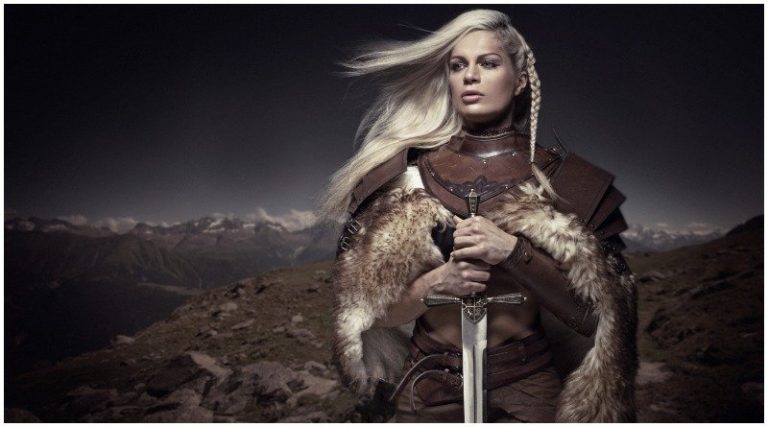
Viking woman warrior
Headstrong Scandinavian women
A number of the words we use relating to war and violence also have their roots in the Viking’s language, such as “gun,” which was “gunn” in Old Norse, which comes from the female name Gunnhildr and translates as war or battle. Clearly, the Norse were no strangers to headstrong women. We also get the words “club,” “slaughter,” “ransack,” and “scathe” courtesy of the Vikings.
Although most English animal names retain their Anglo-Saxon roots (cow, bear, hound, swine, chicken, etc) the Vikings did bring certain animal terms into the vernacular. The Old Norse word for an insect within tree trunks was búkr, becoming bug in English. Bull from boli, reindeer from hreindyri, skate from skata and wing from vængr.
“Bersrkr,” was a Viking warrior who would go into battle wearing animal skins instead of armor
Berserk
Probably one of the most well-known words in this area is “berserk,” which comes from “bersrkr,” a Viking warrior who would go into battle wearing animal skins instead of armor, and who was said to go into intense battle rages.
Old Norse is good at describing bleikr landscapes and weather. This was especially useful in the Vikings’ adopted northern England, where flatr or rogg (rugged) terrain can be shrouded in fok, and oppressed by gustr of wind and lagr (low) ský (clouds).
The Viking influence
In many ways, the modern English language is more closely related to those in Scandinavia than many people think, and more closely related to their language than English is to Old English, which suggests that the Viking influence seeped its way into the language of the Anglo-Saxons, as well.
A small piece of Norwegian design history has been hidden in a weaving room in the rural areas of Northern Ireland. Nestled in the foothills of the imposing Mourne Mountains in County Down is a third-generation weaving company, started by late Norwegian design pioneer Gerd Hay-Edie, born Gerd Bergersen in Trondheim, Norway in 1909.
Gerd started her design journey aged 17 making tapestries. The young designer went on to study design and hand-weaving at the Home Industries School for Women in Oslo. At 20, she was invited to set up a weaving workshop in northern Spain. She moved to England a year later, in 1932, and was appointed head designer at Dartington Hall.
Gerd Hay-Edie handed down her weaving techniques to daughter Karen Hay-Edie, a master-weaver in her own right
Mourne Textiles in County Down
By January 1933 she was designing for the Welsh woolen mills and, through the Rural Industries Bureau, launched Holywell Mill’s double cloths. These cloths would become some of the very first double-weave furnishing fabrics to be used by Gordon Russell.
After marrying an English expatriate in 1938, Gerd Hay-Edie moved around Asia, but in the late 1940s she and her four children settled in the Mournes.
All of Mourne’s textiles are handmade in its remote Northern Ireland workshop
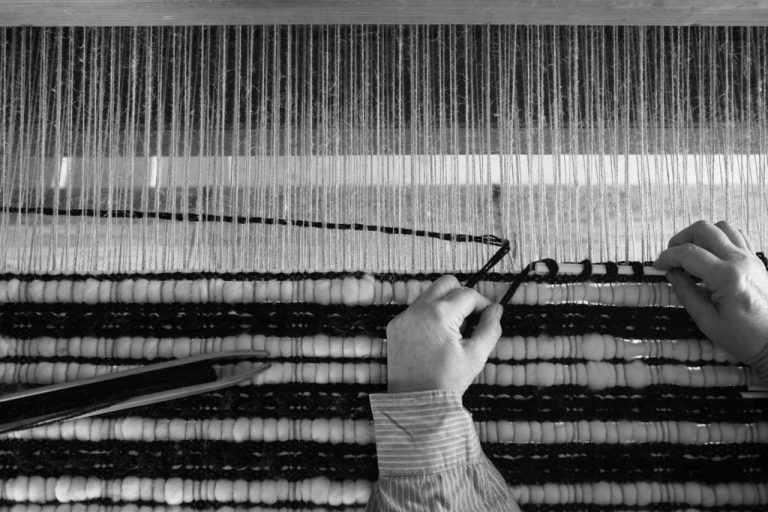
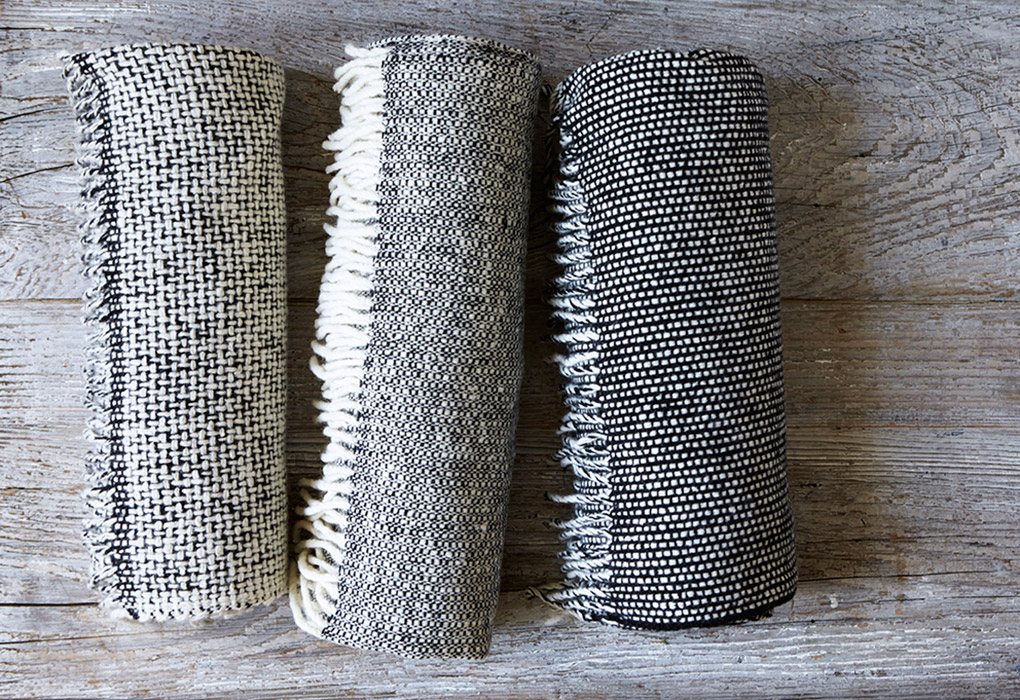
Since the early 1950s, Irish heritage brand Mourne Textiles has been weaving fabrics and designing furnishings at the foot of the Mourne Mountains in County Down, using traditional weaving techniques on custom-made handlooms.
Three generations weavers
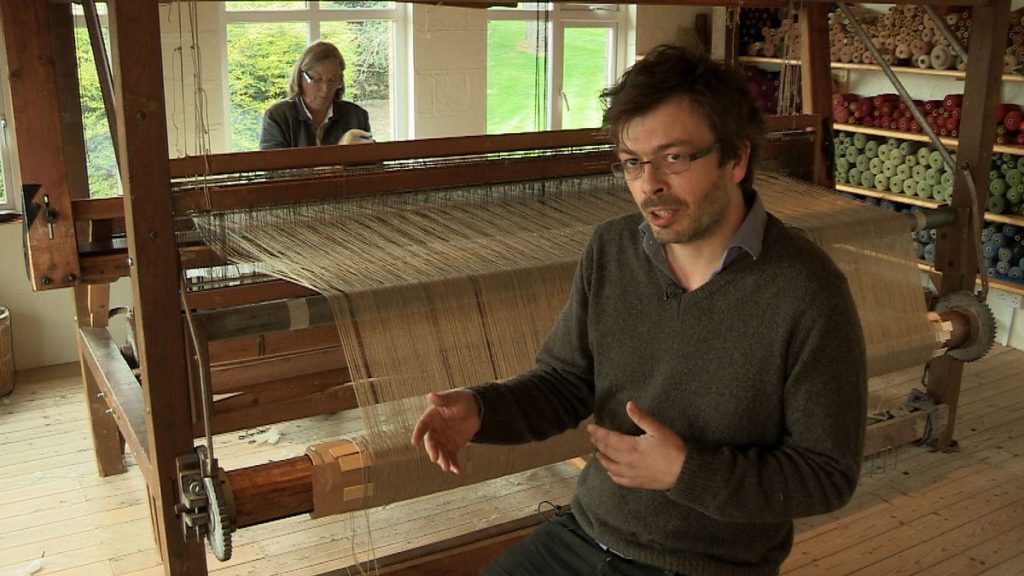
Gerd handed down her weaving techniques to daughter Karen Hay-Edie, a master-weaver in her own right, who in turn passed the baton to her grandson, Mario Sierra. Working with his mother, he began to produce some of his grandmother’s iconic designs, using the same looms she had imported from Norway.
Working with his mother, Mario Sierra began to produce some of his grandmother’s iconic designs, using the same looms she had imported from Norway.
“There was a real similarity between that landscape and the fjords,” says Mario. “It must have struck a chord.”
The relaunch of Mourne Textiles
In 2015 Mario Sierra, took his family company’s helm to relaunch its distinctive textured weaves.
“The emotions of the weaver are captured in the subtle irregularities of the fabric. In a world over-filled with machine-made objects, provenance is becoming increasingly important; we love history, heritage and the idea of buying something with a story,” he says, and adds, “Growing up, the workshop was my playground, and the clack of the shuttles was my background noise.”
Norwegian design pioneer Gerd Hay-Edie, born Gerd Bergersen in Trondheim, Norway in 1909
All of Mourne’s textiles are handmade in its remote Northern Ireland workshop; even the yarns are custom-spun for that “lumpy” quality that gives the pieces so much texture.
A Norwegian Design Pioneer
In 1937 Gerd designed for Nydalen, the largest textile mill in Norway. Gerd’s talent went on to secure her the title of Advisor to the Norwegian Home Industries. Her impact was instrumental in starting Roros Tweed and the Norwegian Tapestry Yarn Company: quite incredible for a young woman of 27. This was to be an early indication of Gerd’s outstanding practical talent and leadership in the field of design
A Norwegian Design Pioneer, written by Tor Kjolberg
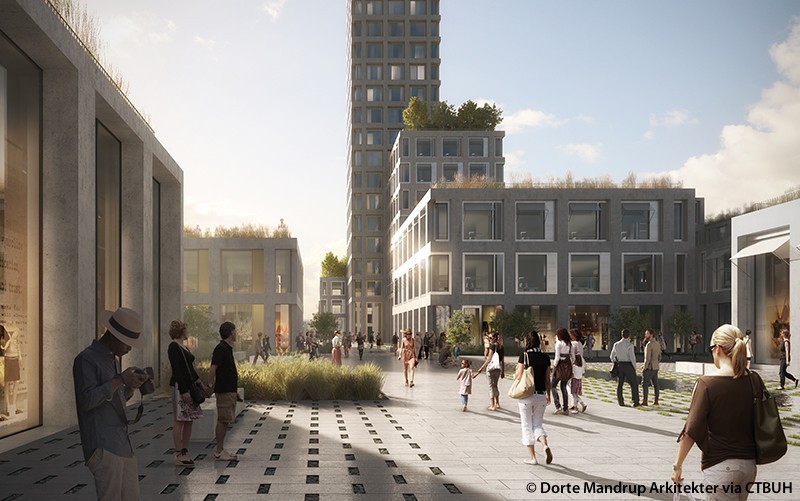
Bestseller Tower, to be built in Brande, a 7,000-person rural town,will be seen for miles. It will be Western Europe’s tallest skyscraper and has been likened to the ‘Eye of Sauron’ from the “Lord of the Rings” trilogy.
Last month the local city council approved a 1,049-foot (320-meter) skyscraper that the Danish clothing giant Bestseller hopes to build in the little town of Brande. In comparison, the British Shard is 1,016 feet and the German Commerzbank Tower is 850 feet.
Despite the building’s size, Bestseller has not come up against much local opposition
Skyscraper Almost the Height of the Eifel Tower to be Built in a Tiny Danish Town Until a local company announced plans to send a 320-metre skyscraper soaring over the surrounding countryside, most people in Denmark had only the faintest idea where Brande even was. Despite the building’s size, Bestseller has not come up against much local opposition. However, Trine Kammer, an architect who lives in Aarhus, but whose boyfriend grew up near Brande, complains that the local paper refuses to publish her objections. “People in Brande are so afraid to criticize Bestseller. It’s like a religion or something,” she says.
But unique architectural projects are often seen as ways of boosting tourism. If that’s true, then visitors may soon be pouring into the small Danish town.
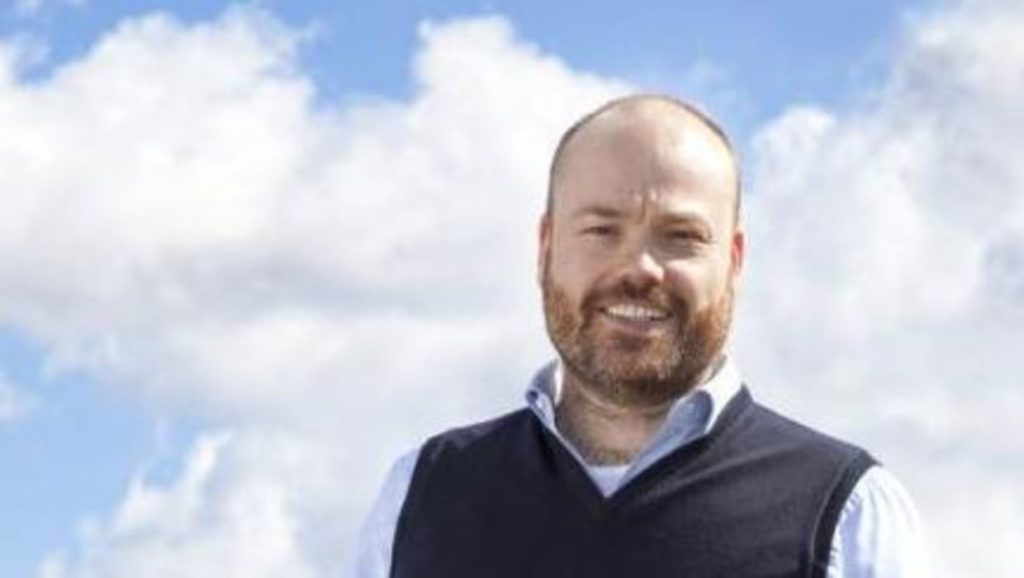
Anders Holch Povlsen, whose wealth Forbes estimates at $7.9 billion
The Bestseller Company
The Bestseller Tower is designed by Danish star architectural studio Dorte Mandrup. The Bestseller Company was founded in 1975 in Brande by Troels Holch Povlsen. It is now owned by his son, Anders Holch Povlsen, whose wealth Forbes estimates at $7.9 billion. Povlsen is also the single biggest shareholder in the online shopping company Asos.
“Bestseller Tower will be a landmark that places Brande on the map,” said Anders Krogh Vogdrup, head of constructions for Bestseller, to the British paper Guardian after the local council voted the project through last month. He is probably right, A 1,049-foot skyscraper soaring out of the earth isn’t exactly what you’d expect to come across in a corner of rural Denmark.
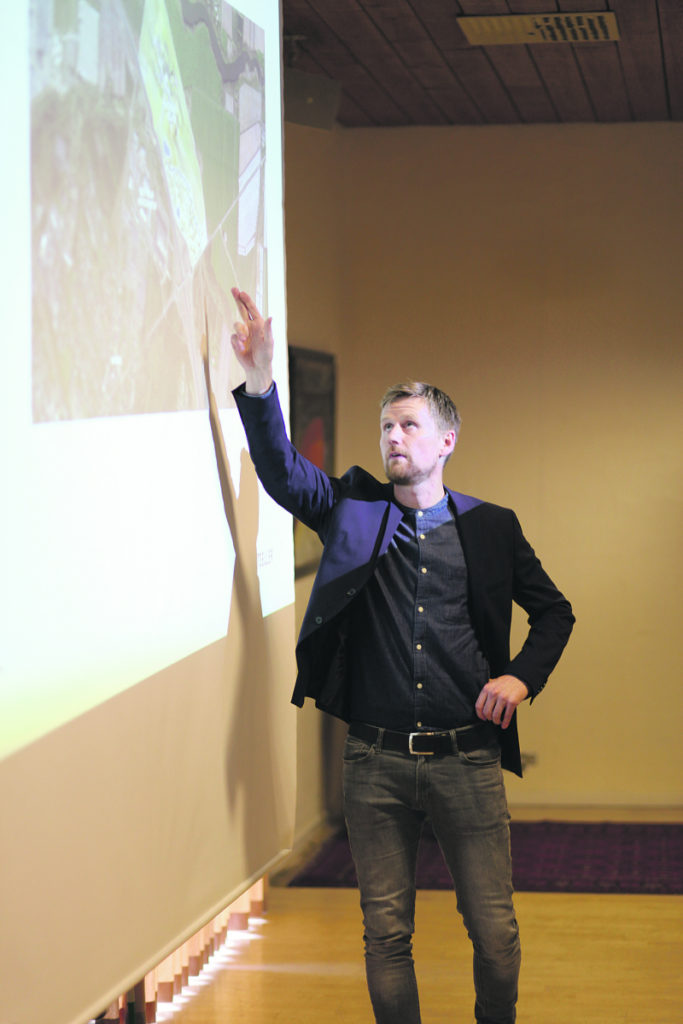
Anders Krogh Vogdrup, head of constructions for Bestseller
Want to give something back to the town
“For more than 30 years, we have been very happy to have our home in Brande, and we feel we are a natural part of the local community,” Krogh Vogdrup said when the tower was first announced. The idea is “to give something back to the town.” Construction is expected to begin this year and finish by 2023.
Surrounded by a flat, rural landscape, Bestseller Tower would be visible from around 40 miles away. Visitors to nearby Legoland as well as those exploring Denmark’s historic roots in Jelling, the royal seat of Harald Bluetooth, will be able to see the country’s latest seat of power towering in the distance.
Bestseller Tower is designed by Danish Dorte Mandrup Architects
Approved by the city council
“We are very pleased that the plans have now been approved by the city council and we are extremely proud and humbled by the amount of support our project has received, especially locally. It is important for us to underline that the city council’s approval is merely one of the preliminary steps of a long journey,” Anders Krogh Vogdrup said in a statement.
The plan appears to be popular within the town. “It will undoubtedly be of the greatest significance for the city of Brande, but I do not doubt it will affect the whole of Central Jutland,” said Ib Lauritsen, the mayor of Ikast-Brande, speaking toDanish broadcaster DR.
A landmark
The building is expected to house retail shops for Bestseller’s wide variety of clothing brands, as well as offices and a high-rise hotel with a conference center.
“Bestseller Tower will be a landmark,” Krogh added in his statement. “But it will also function as an architectural attraction benefiting hotel guests, students and other users of the building.”
Skyscraper Almost the Height of the Eifel Tower to be Built in a Tiny Danish Town, written by Tor Kjolberg
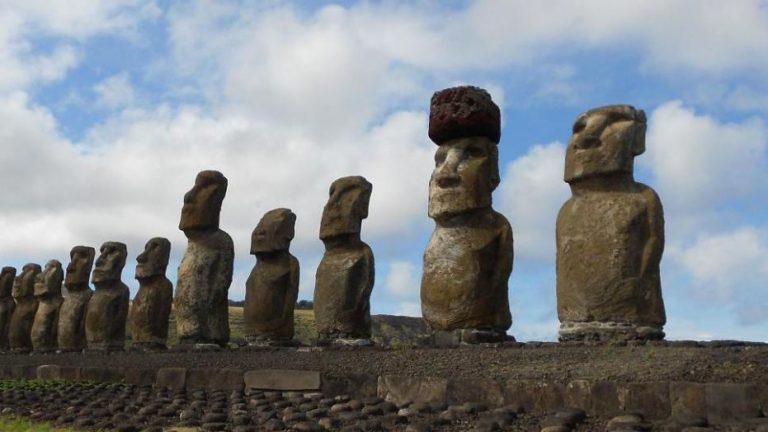
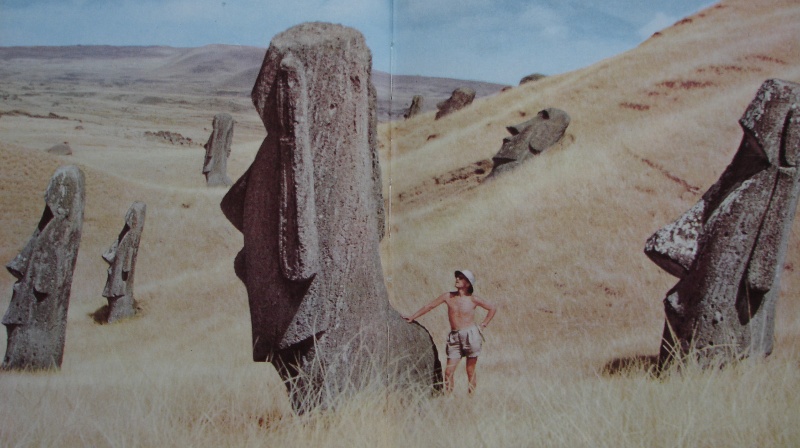
Easter Island artifacts and human remains taken by the Norwegian anthropologist and explorer Thor Heyerdahl during two expeditions in the 20th century will be returned to the authorities on Easter Island.
The authorities there have long been calling for the return of artefacts from Norway and the UK. Thor Heyerdahl made several expeditions to Easter Island in the 1950s and 1980s and researchers say they figured out how the ancient people of Easter Island put 12-ton hats on the mysterious statues.
Thor Heyerdahl jr. and Chile’s Minister of Culture, Consuelo Valdes signing the return agreement
Kon-Tiki Museum in Oslo Returns Thousands of Easter Island Artefacts Consuelo Valdes, Chile’s Minister of Culture, Arts and Heritage, and the explorer’s son, Thor Heyerdahl Jr., signed an agreement at a ceremony in Santiago recently stating that the collection would be returned. The items taken from Easter Island, known in the local language as Rapa Nui, include human bones and carved artifacts, according to the AFP news agency.
Consuelo Valdes said the deal was part of a “comprehensive agenda” that included ensuring the safeguarding of the artefacts upon their return.
Aku-Aku, Thor Heyerdahl’s Easter Island exploration
A fulfillment of Thor Heyerdahl’s promise
“The repatriation is a fulfillment of my father’s promise to the Rapa Nui authorities that the objects would be returned after they had been analyzed and published,” Thor Heyerdahl Jr., stated at the agreement signing. Thor Heyerdahl Jr accompanied his father on one of his expeditions to Easter Island in 1955, when he was 17 years old.
The ceremony coincided with a state visit to Chile by Norway’s King Harald V and Queen Sonja.
Norwegian explorer and anthropologist Thor Heyerdahl
A long repatriation process
While warning that the repatriation process would take some time, Martin Biehl, director of the Kon-Tiki museum said it was in the common interest to return the items and ensure they are delivered to a “well-equipped” museum. According to Chile’s culture ministry, the items will be rehoused in the Father Sebastian Englert Anthropological Museum on Easter Island.
Thor Hreyerdahl jr. Photo Dina Johnsen
British Museum in London has also been requested to return an important statue
Chile is also insisting that the British Museum in London give them back the spiritually important figure of Hoa Hakanani – a basalt statue carved by the island’s indigenous Rapa Nui people and said epitomize a significant ancestor.
Kon-Tiki Museum in Oslo Returns Thousands of Easter Island Artefacts, written by Tor Kjolberg
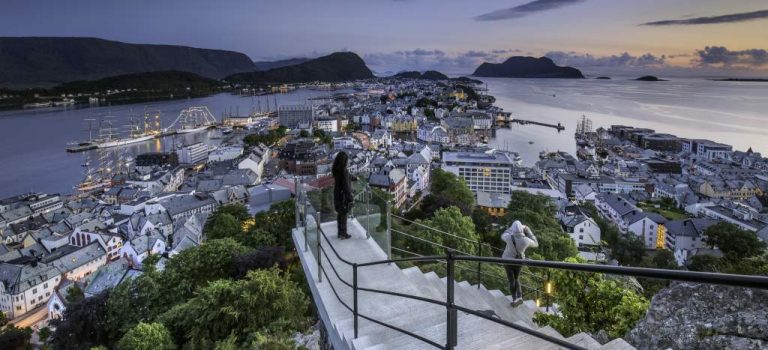
This week professionals working with and within Norwegian travel industry are gathered in Ålesund to attend the NTW 2019. The Norwegian Travel Workshop has been arranged annually for 47 years in a row.
Nowadays, people can afford less and less time, they often have to cut budgets, and the use of technology has taken an important part in our daily business, often replacing social contacts.
360 Norwegian tourist suppliers are meeting over 370 tour operators from 32 different countries in Ålseund this week.
More than 800 participants from 30 countries are discussing these and other issues in Ålseund, Norway 1st -5th of April.
The Norwegian Travel Workshop 2019 in Ålesund This year’s record attendance at NTW proves that selling Norway as a tourist destination has gained wide interest among operators. 360 Norwegian tourist suppliers are meeting over 370 tour operators from 32 different countries through more than 9400 pre-booked agreements.
Snowshoeing in the Sunnmøre Alps. Photo: Visit Åleseund
The evaluation results from last year’s event in Stavanger showed that 100% of the buyers wrote they were satisfied or very satisfied and around 90% stated they would probably come back next year.
Growing interest in tailor-made tours The workshop going on this week, includes negotiations, networking, great food, music, fun and adventures for the participants.
Bente Vratland Holm, Director Toiurism, Onnovation Norway. Photo: Odd Roar Lange
“Norway is a popular destination, and we see a growing interest in tailor-made tours packed with activities,” says Bente Bratland Holm, director tourism, Innovation Norway.
Feature image (on top): View of Ålseund. Photo: Arnfinn Tønnesen
The Norwegian Travel Workshop 2019 in Ålesund, written by Tor Kjolberg