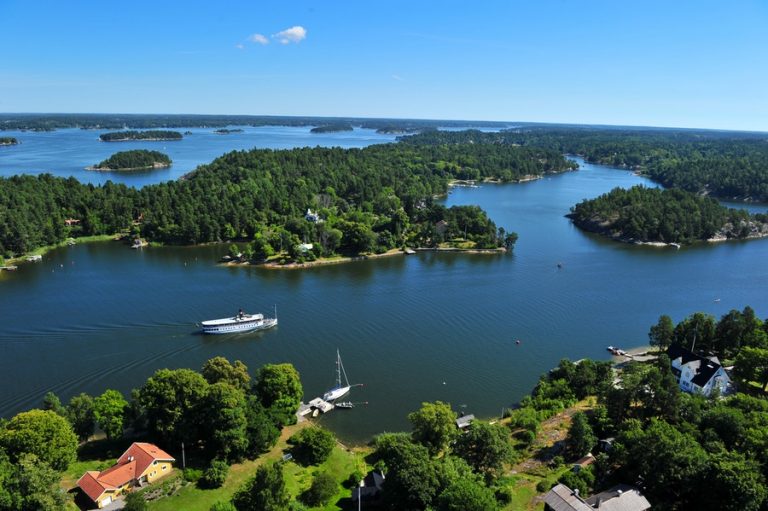
It is a rare city that has 24,000 islands on its footstep and 100km (60 miles) of lake at its heart, but this is Stockholm, the capital of Sweden’s eternal good fortune.
Until the building of the Tunnelbanen (the metro), boats were the only means of getting around these expanses of water, and today boats are still part of Stockholm’s life. Boat operators Waxholmbolaget and Stromma Kanalbolaget transport passengers around the archipelago in a variety of craft, from old coal-fired steamers to modern ferries.
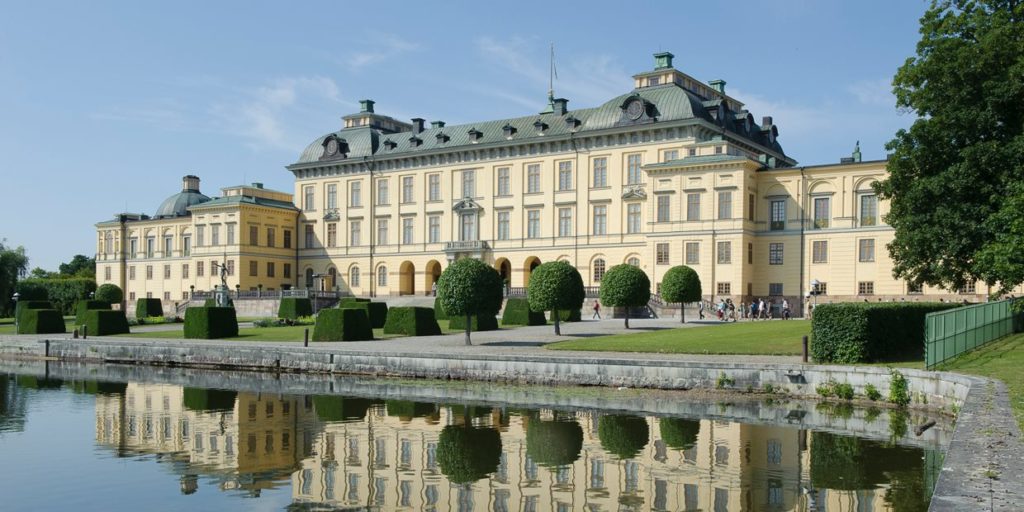
Drottningholm palace is the most popular place in the Stockholm archipelago
The most popular placein the Stockholm Archipelago
The most popular place to visit in the archipelago is the royal palace, Drottningholm Slott on Lovön, to the west of the city. West of Lovön is Björkö, the site of Sweden’s oldest city, Birka, now a Unesco World Heritage site.
The Viking town Birka was where Christianity first came to Sweden
Birka, the Viking Town
Between AD 790 and 975, Birka was the trading center for the 40,000 inhabitants of the rich Mälaren area and the meeting point for traders. This was also where Christianity first came to Sweden, when Ansgar, the Saxon missionary, landed in the 9th century.
Almost nothing is left of Birka above ground, but archeological digs have revealed much of the town’s story. Birka Viking Town features the most recent finds, and Viking based activities in summer add life to the island.
it’s worthwhile taking the boat to the island suburb of Lidingö to visit Millesgården
Carl Milles and Olga Granner
Although it is now easy to get there by underground train (T-Ropsten) in summer, it’s worthwhile taking the boat to the island suburb of Lidingö to visit Millesgården, the summer home of sculptor Carl Milles and his wife, the Austrian painter Olga Granner. Here, Milles patiently reproduced the statues that had made him more famous in his adopted country of the US than in Sweden. His creations seem to defy gravity, they appear to soar and fly, emphasized by their position on terraces carved from the cliffs.
The Stockholm Archipelago, written by Tor Kjolberg
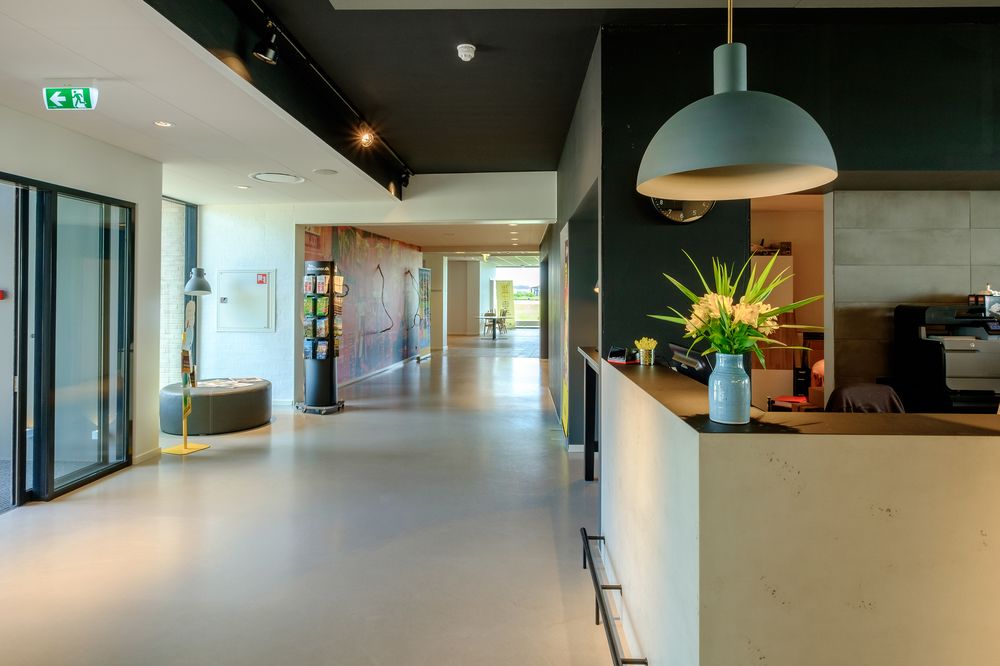
The International hotel operator Deutsche Hospitality takes over majority of Danish hotel brand Zleep Hotels. Ten hotels in Denmark and one hotel in Sweden are currently part of the Zleep Hotels portfolio, and four more are in the planning stage. Welcome to Zleep Hotels in Scandinavia
With a 51 percent investment in the family-run Zleep Hotels, Deutsche Hospitality is bringing a fifth hotel brand under the umbrella of the global player, thus creating the best possible conditions for further growth of all brands.
Room at Zleep Hotel, Copenhagen airport
Welcome to Zleep Hotels in Scandinavia
The Danish chain of hotels has big ambitions. “We are here for the many, because we want to ensure that as many as possible can afford traveling as well as having a real hotel experience,” says a statement on their webpage.
Deutsche Hospitality enters into the economy market with its portfolio of Zleep Hotels and plans massive investments in further development. The umbrella brand Deutsche Hospitality combines four well-known hotel brands: Steigenberger Hotels and Resorts, MAXX by Steigenberger, Jaz in the City and IntercityHotel. With the Zleep Hotels brand, Deutsche Hospitality is expanding its product offering, entering the economy market and expanding into Scandinavia for the first time.
Thomas Willms, CEO Deutsche Hospitality
Zleep Hotels have been a markable success story
“Zleep Hotels are the perfect complement to our brand portfolio,” explains Thomas Willms, CEO, Deutsche Hospitality. “Peter Haaber, the founder and CEO of Zleep Hotels, has created a remarkable success story in the past few years in establishing a well-known brand among those guests who are price-conscious but at the same time emphasize on design and quality during their hotel stay. With their strong presence in Scandinavia, Zleep Hotels are the ideal partner for the further growth of Deutsche Hospitality,” Willms continues.
Both parties, Deutsche Hospitality and Zleep, will invest a multi-digit million amount in the further development of the company. Zleep also offers the platform and the knowledge for Deutsche Hospitality to expand in Northern Europe with all brands.
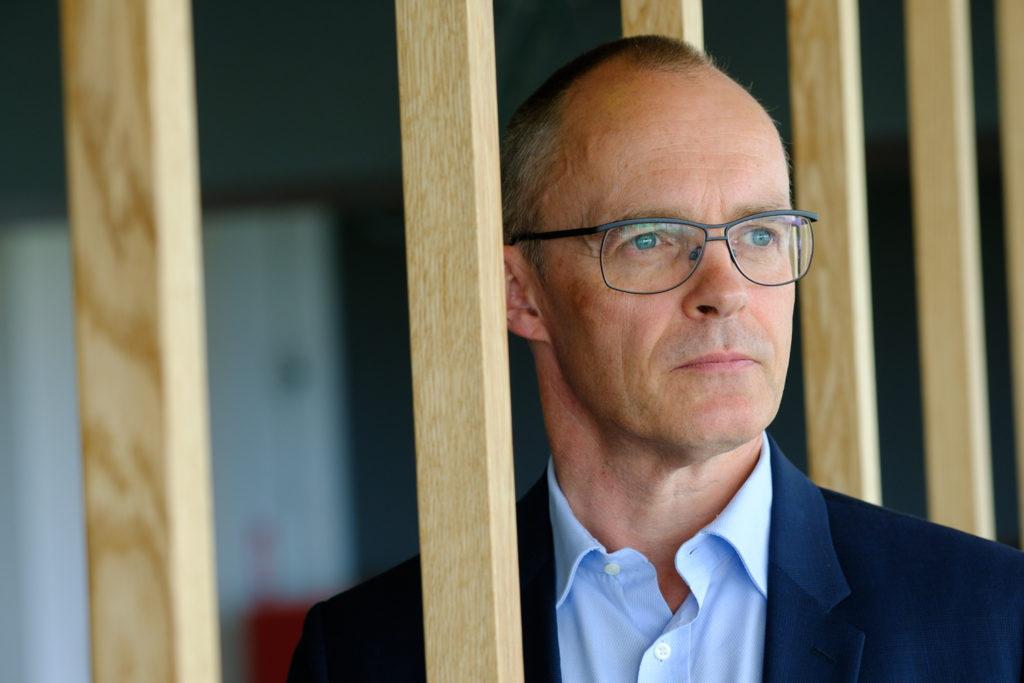
Peter Haaber, CEO Zleep Hotels, Scandinavia
Zleep’s vision is to deliver quality
CEO Peter Haaber will strengthen the success of Zleep within the brand family of Deutsche Hospitality: “Zleep’s vision is to always deliver quality, service and design at a great rate for the many. Since our founding in 2003, Zleep has developed into a well-known and successful hotel brand in Scandinavia. The cooperation with Deutsche Hospitality enables us to gain a foothold in Central Europe in particular. So, the different brands complement each other perfectly and we can develop together,” he says.
About Deutsche Hospitality
Deutsche Hospitality brings together four separate hotel brands under a single umbrella. Steigenberger Hotels and Resorts has 60 hotels housed in historic traditional buildings and lively city residences and also offers health and beauty oases set at the very heart of nature. MAXX by Steigenberger is a new and charismatic concept which places the focus on the essential in accordance with its motto “MAXXimize your stay”. Jaz in the City branded hotels reflect metropolitan lifestyle and draw upon the local music and cultural scene. And IntercityHotel offers more 40 upper mid-range urban hotels, all of which are located within easy walking distance of railway stations or airports. A further 30 hotels are currently at the development stage. This means that the Deutsche Hospitality portfolio currently encompasses a total of over 130 hotels on three continents.
Zleep Hotels develops new check-in solution
About Zleep Hotels
Zleep Hotels was founded in 2003 by Peter Haaber. Since, the brand has established itself as a main player on the Danish hotel market with big potential in the rest of the Nordics. Zleep Hotels is an innovative company on the road to success. Its vision is to always deliver quality, service and design at a great rate for the many. Today, the hotel brand consists of 10 hotels in Denmark and one in Sweden. A total of four hotel projects are already published and in the pipeline. The goal is to operate 40 in 2025. To realize this goal, Zleep Hotels must prove its competences to be considered an attractive franchiser, partner and investment. Deutsche Hospitality’s acquisition of a stake in the brand is a stamp of approval for property developers.
Welcome to Zleep Hotels in Scandinavia, is based on a press release from Deutsche Hospitality
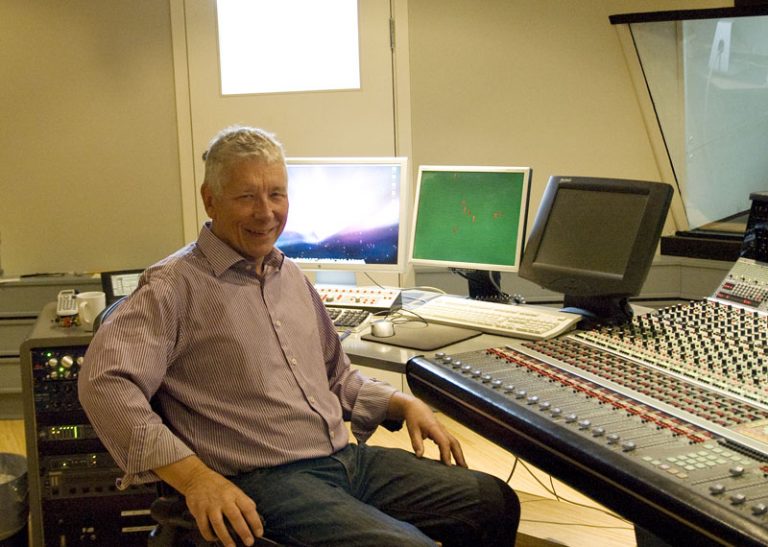
”A good sound comes from a good musician and a good instrument,” says Norwegian Jan Erik Kongshaug, founder of the famous Rainbow Studio in Oslo. He’s a living legend of jazz sound and was celebrated with his own festival in Oslo and received The King’s Medal of Merit earlier this year.
Jan Erik Kongshaug is a well-known sound engineer in the world of recorded jazz music due to his close co-operation with Manfred Eicher at ECM, who helped redefine jazz in the early 1970s. Jan Erik is hardly noticed behind the glass – yet he makes a whole lot of difference. His silent presence can be heard on some of the most tone-setting record releases of our time.
The Norwegian Wizard of Recorded Jazz
Over the past thirty years Jan Erik Kongshaug has recorded hundreds of albums for ECM. Many of those – albums by Keith Jarret, Jan Garbarek etc. – are today’s classics. After working at the legendary Power Station studio in NY, and Arne Bendiksen and Talent studios in Oslo, he set up his own Rainbow Studios, one of today’s finest recording studios.
The sound coming out from the Rainbow Studio, established in 1984, is called “The Kongshaug Effect”, and it tells the story of the man behind sound. A man who has over 4,000 recordings to his name and who has worked with every great jazz musician to set foot on this earth.
At 75, Kongshaug does not see himself moving towards retirement
Largely self-taught
For an engineer who has built an international reputation for his almost unparalleled instincts and keen attention to sound and detail, it may come as a surprise to learn that Kongshaug is largely self-taught.
“I think my reputation comes from what I’ve done for ECM, and less from making audiophile recordings. The reason why some records sound better than the others is that there’s a good performer, a good instrument … we for instance have a really fantastic piano here,” he says, referring to the handmade Steinway D-model concert piano in the studio which is tuned at least twice a day.
From Rainbow Studios in Oslo
A hallmark for quality
“Recorded at Rainbow Studio, Oslo. Engineer: Jan Erik Kongshaug” is considered a hallmark for quality sound recording, and there are few, if any, sound engineers who can claim they have an audio style named after them: “The Kongshaug Sound”.
Jan Erik was born in Trondheim in 1944 and started playing accordion when he was eight years old. His father was a professional guitarist. He started to play the guitar when he was at high school. In 1963/64 he was playing in a band on a cruise ship and had the chance to visit New York several times a year. There he heard Coltrane live and Miles Davis’ new band and he wanted to preserve their sound.
Today, people are coming over from all over the world to the Rainbow Studio to either mix or record albums. “If I’m just mixing they’re expecting me to give them the same sound as I give to my recordings done at my studio,” he says, “but that’s not possible because often their pianos and other instruments are not that good.”
The handmade Steinway D-model concert piano in the studio is tuned at least twice a day
Also filmmaker
In 2012, he made a film about his late father and the Norwegian jazz musician, Frode Thingnæs. During this process he suddenly saw himself as a filmmaker and quickly found that this was what he wanted to do – to make documentaries about people and places with music at the core.
At 75, does Kongshaug see himself moving towards retirement? “I work every day,” he says, “but as long as I love it and can do it, I’ll continue to work; of course, you don’t always know when you’ll have to stop. Today there are very few studios left, in a few years I don’t know if there’ll be any studios like this; they’re closing down all over the world.”
The King of Norway knew what he was doing when he awarded Jan Erik Kongshaug a medal, and the sound and music coming out of his Rainbow Studio will always shine.
The Norwegian Wizard of Recorded Jazz, written by Tor Kjolberg
Modern Scandinavian houses have huge windows to let in the light. Some have hardly windows at all. Scandinavian experiments to enclose dwellings within greenhouses are bearing fruit in Scandinavia, both literally and in terms of sustainability.
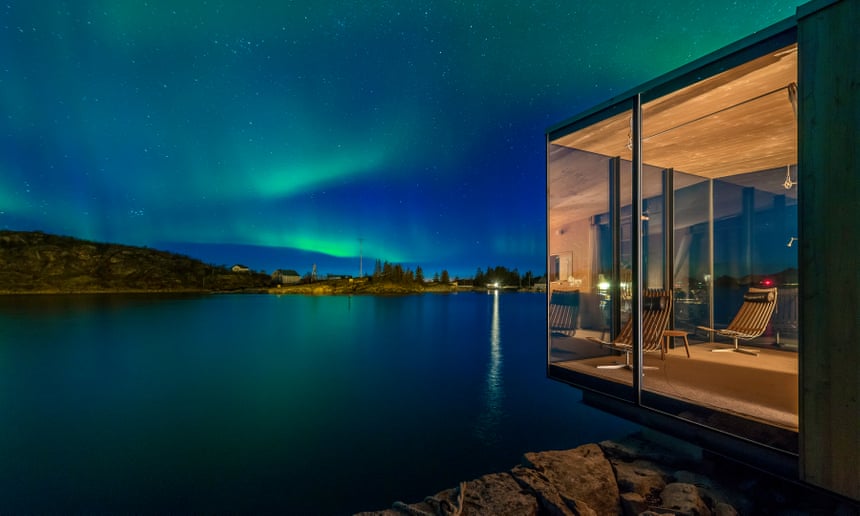
You are noticing everything that happens when you live in a glass house where you and your body are aware of every minute of daylight. On an island In northern Norway, Aurora Borealis provides a backdrop to Benjamin and Ingrid Hjertefolger’s home under a domed glass shell. Certainly, it raises the stakes in a game of keeping up with the neighbors.
Marie Granmar and Charles Sacilotto, from France, bought a wooden house on an island in the Stockholm archipelago in 2002
Living in a glasshouse in Sweden Charles Sacilotto, from France, bought a wooden house on an island in the Stockholm archipelago in 2002. His next step was to buy an $84,000 commercial greenhouse, used to grow tomatoes, and enclose his entire home in glass.
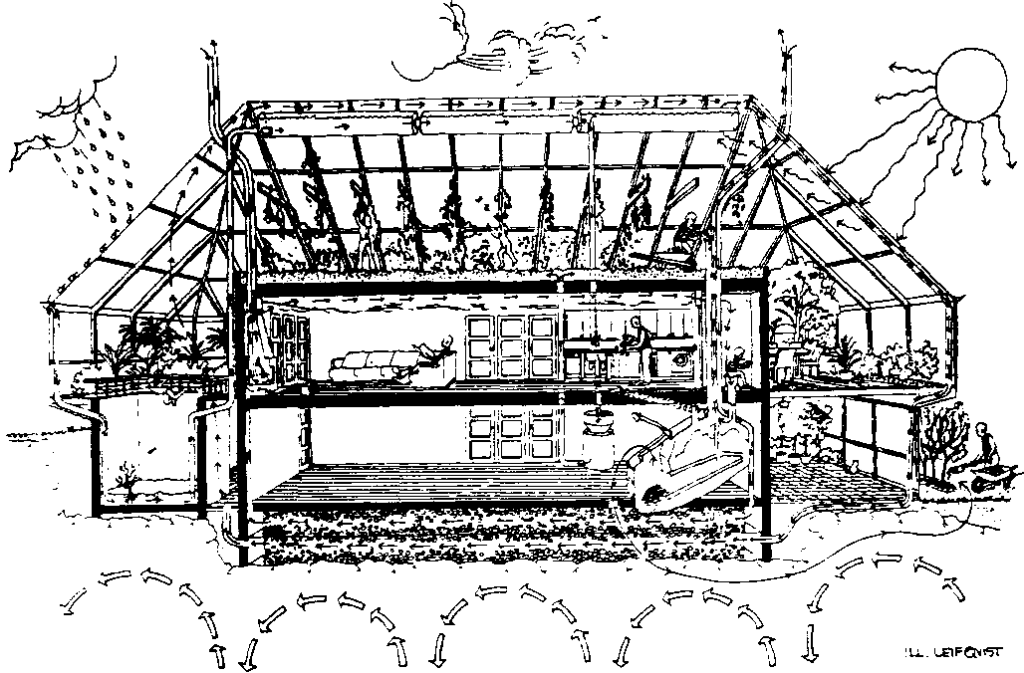
Sacilotto created what the late Swedish eco-architect Bengt Warne first designed and built in the 1970s: a naturhus (nature house), a home within a greenhouse with space to grow fruit and vegetables from warmer climates and no need for a mains sewage connection.
Nature house by Bengt Warne
Bengt Warne was a very skilled architect and researcher who devoted his life to designing and erecting houses that would allow people to live in harmony with nature. His Water Lily House, the Nature House and many others, are all examples of his vision of an ecological way of living.
In 2010, research by Lester van Ree, of Eindhoven University of Technology in the Netherlands, showed that a greenhouse residence is less likely to overheat than a super-insulated, airtight house and saves 25 per cent on winter heating bills.
Sacilotto’s house is a contemporary take on Warne’s idea, it affords the Sacilotto-Granmar clan a unique connection to their environment.
A team of Oxford University researchers tried to find out in its investigation into the health-benefits of daylight in Bornholm, Denmark
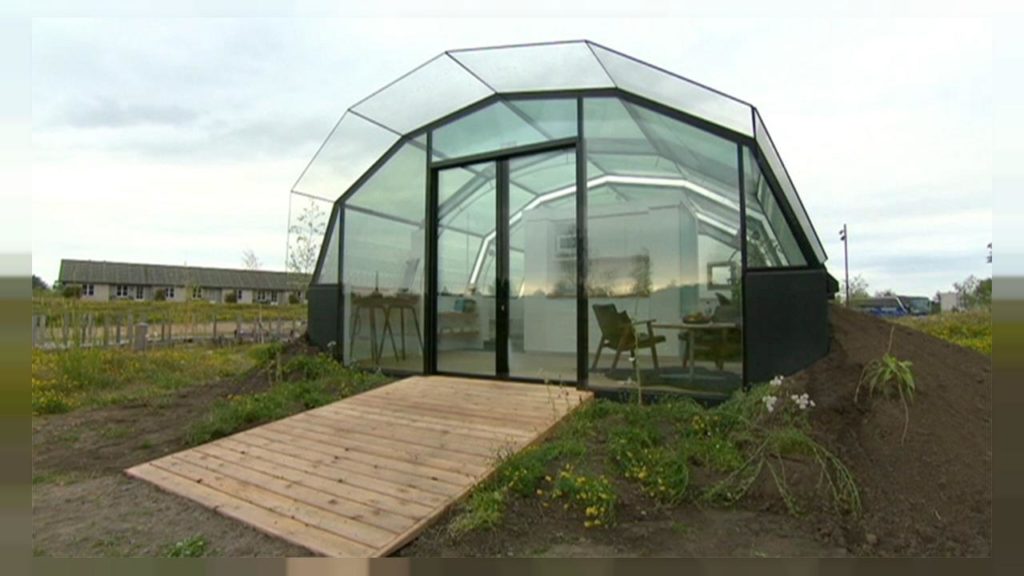
Living in a glasshouse in Denmark In Bornholm, Denmark in an often dark and wintry climate, a team of Oxford University researchers tried to find out in its investigation into the health-benefits of daylight.
The 35 square-meter house is designed by the British company Cantifix which sees its potential in both futuristic housing and the tourist industry. The project involved 30 Danish volunteers, who take turns to live in the glass house.
“The most special thing about this house is that it does not matter if a bird is flying over, well then you are aware of it, you are noticing everything that happens. It is so quiet and completely silent, you just enjoy that you are all of a sudden in the middle of nature,” said one of the volunteers, Nana Rytter Nielsen.
The project also focuses on the effect of daylight on an array of diseases – from obesity, diabetes and stress to serious neurological illnesses like Parkinsons, Alzheimers, depression and schizophrenia.
The Kaspar Egelund family in their glass house
“I’ve always wanted to live in a glass house. When I was a design and communication student in Copenhagen, I fell in love with the Farnsworth House”, says Kasper Egelund, whose dream came through with a home that blurs boundaries between indoor and out.
He and his wife Heidi have built a modern villa on the Danish seaside with front row to the Baltic sea. It is a two storey building that features floor-to-ceiling glazing, added to bring the surrounding nature within the walls of the family home.
“With this view, you’re in constant conversation with the outside,” says the couple.
Out in the archipelago of Steigen, polar explorer Børge Ousland bought his own island, Mannshausen
Living in a glass house in Norway Throughout the 20th century, architects promoted the glasshouse as a symbol of mental liberation. Around the time of World War I, German expressionist architects wrote ardent manifestos about glass structures that would contribute to the moral health of future society. Later architects with links to the so-called international style insisted that homes with glass walls enhanced the occupants’ experience of the natural environment and their awareness of the need to contemplate nature.
The Steigen archipelago in northern Norway is almost as remote as it gets in Europe, lying 62 miles inside the Arctic Circle. Among other dramatic features, it is home to the continent’s largest colony of sea eagles. The base there is the tiny island of Manshausen, where a resort and activity center has been created by polar explorer Børge Ousland – the first person to reach the North Pole in a solo and unsupported expedition – as a place for exploring “the harmony between people and nature”.
Out in the archipelago of Steigen, polar explorer Børge Ousland bought his own island, Mannshausen, where he commissioned some unique cabins, just the way he wanted them. These stylish cabins are inspired by a lifelong interest in architecture and some of Norway’s other innovative new buildings.
The famous Norwegian architect Geir Grung’s glass house in Jongskollen outside Oslo
In 1964 PAM Mellbye’s described the famous Norwegian architect Geir Grung’s glass house in Jongskollen outside Oslo, “The boundary between inside and out, between cold and warmth, between technology and nature, has vanished … Liberated of something, but somewhat febrile, one continues floating in the glass room beneath the night sky, overcome by drama and a bold yearning to confront a howling storm that one could laugh at.”
Feature image (on top): Glass house for yoga practioners in Norway
Living in Scandinavian Glass Houses, compiled by Tor Kjolberg
Lisa Lov, originally from New Zealand, earned her stripes at the Copenhagen restaurant Relæ. Now she has opened her own place in the bohemian Copenhagen neighborhood Nørrebro. There she serves Asian-inspired food with her uniquely own twist.
Raised in New Zealand by Chinese-Cambodian refugee parents, Lov moved to Denmark in 2010 and landed a job at chef Christian F. Puglisi’s acclaimed restaurant Relæ.
Raised in New Zealand by Chinese-Cambodian refugee parents, Lov moved to Denmark in 2010
She left Relæ to open a pop-up restaurant with a good friend from the United States. Media wrote that she was about to revolutionize Asian food in Copenhagen. But suddenly Lisa only felt stress and fear. She went away from it all, traveled to New Zealand to visit the family and to Russia and Japan to work. But then she realized that she had to finish what she believed in and returned to Copenhagen.
One of the hottest eateries in town Tigermom has emerged as one of the hottest eateries in town. The new restaurant allows her to take her skills to the next level as an entrepreneur, offering set sharing menus and matching drinks. The name itself, Tiger Mom, started as a nickname “when I finally stopped being everybody’s bitch and started being the one telling other people what to do,” she smiles.
Lisa Lov has realized a dearth of decent Asian options in the Danish capital.
She made pho and dim sum at home and shared it with her chef colleagues. When they said, ‘You’ve got to do this—there’s nothing like this here,’ she realized a dearth of decent Asian options in the Danish capital.
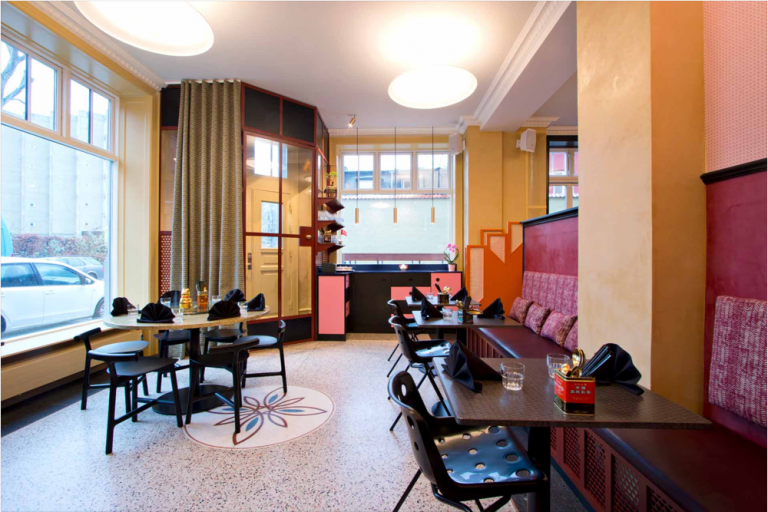
Now open Tigermom opened last November and occupies a lofty and light-filled ground floor unit of an early 20th-century building with a red brick façade, and which, after having been redeveloped, forms part of an upscale apartment complex.
Tigermom has emerged as one of the hottest eateries in town
Lisa buzzes with excitement when she talks about the Asian cuisines she grew up with that now inspire her cooking. “I really want to challenge people’s perception of Asian food and show that it can be done at a very high level. At the same high level as a restaurant in the West, at the same high level as a Nordic restaurant,” she says.
Nordic design with a taste of Asian
Tiger Mom is concepted in collaboration with HOLMRIS B8 and designed by All That Matters, two local practices that effortlessly capture the Nordic sense of design, the aesthetic not only blends East and West, but just as easily pairs lowbrow and highbrow.
Tigermom opened last November and occupies a lofty and light-filled ground floor unit of an early 20th-century building
When asked if Tiger Mom is a nostalgic project, Lisa answers, “Yes. It feels natural to me to want to eat the food you had as a child growing up, to recreate the flavors you had in the past. There’s definitely a certain comfort and nostalgia about it and things like taste and smell are strongly connected with feelings and memory.”
The new restaurant allows Lisa Lov to take her skills to the next level as an entrepreneur, offering set sharing menus and matching drinks.
Bold palette of colors
The most striking element in the restaurant is a bold palette of colors, captured by walls, specific furnishings and fixtures, and it ties in the terrazzo flooring with quirky flower motif. Upon entering, guests see eye to eye with an open kitchen on a slightly elevated floor where Lov and her staff frantically work their culinary magic.
Perfect Timing for Tiger Mom’s New Restaurant in Copenhagen, written by Tor Kjolberg
Danish Maria Black founded her own jewelry brand, Maria Black Jewelry when she was at the age of 32. By origin she is half Irish and half Danish. She worked in the jewelry industry several years before starting her own brand. Now, the Danish jewelry designer claims she is driven by the impossible.
Maria Black pushes the boundaries of jewelry design with her modern earrings, ear cuffs and statement earrings to mix and match to your heart’s content. Not compromising is one of Maria Black’s characteristics, and it shows in her collections.
Not compromising is one of Maria Black’s characteristics, and it shows in her collections
Multitasker Maria Black
Multitasking is the name of the game for Maria Black. She has a flagship store in Copenhagen, and is one of two Danish jewelry brands available in London’s prestigious retailers Colette, Browns, Opening ceremony, Net a Porter, Luisa via Roma, Boutique 1, Barney’s, and Liberty’s. She is always designing new collections and is making pop-up events all over the world.
Maria Black earrinngs
Interested in jewelry all her life
It all started with earrings, when she had her ears pierced at 10 years old. Maria built a huge collection of earrings and wore different ones every day. She just loved the way they framed her face, and the bigger the better.
She started working in a jewelry shop in Ibiza in her early 20’s, caught the fever and ended up training as a goldsmith 2 years later. After finishing her degree there was such interest in her designs that she, almost by accident, started her brand and then things just took off. Initially nobody was doing fashion forward designs in silver with the kind of edge she’s become known for, so Maria had the whole playing field to herself.
Maria Black pushes the boundaries of jewelry design with her modern earrings, ear cuffs and statement earrings
Danish jewelry designer driven by the impossible Maria Black does not play by the rules, but follows her gut feeling, and is driven by the impossible. Striving to make intelligent jewelry that make people think, Maria Black has moved from being a silver apparel brand, into the exclusive and elusive world with fine jewelry – today her brand is sold all over the world in high-end stores.
Her collection STELLAR was inspired by the Los Angeles-based tattoo artist Dr Woo’s distinctive circle motifs. Maria broke them up into fragments and created a half-finished asymmetric look around it. The end result had a bit of a Seventies vibe, but that was definitely not the starting point. Her idea came from the connection between tattoos and jewelry.
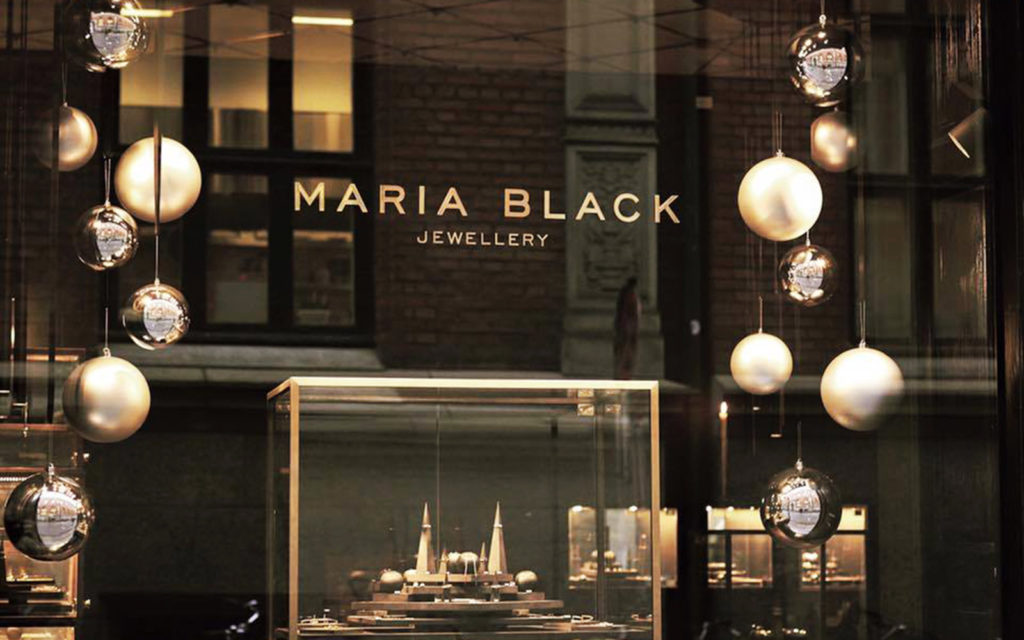
Maria Black Jewelry Shop, Copenhagen
Super childish Maria Black
Continuously innovating the perception of body adornment with effortlessly chic androgynous forms and expressions Maria Black is infused with a philosophy of making jewelry playful and customizable, encouraged to be mixed and matched.
Everything inspires Maria, visuals more than words; the gentle curve of fabric falling or the geometric pattern in Arabic art. She sees potential designs translating from the strangest of objects. She says she is super childish, but she can’t help it.
Black Voyage, by Maria Black
“My designs are recognized by pushing boundaries. I test and develop new techniques, and try to push boundaries of what jewelry can. The more impossible it seems, the more interest I have. First of all, it has to be relevant, and my jewelry philosophy is to keep evolving, not stagnate,” states Maria Black on her website.
Danish Jewelry Designer Driven by the Impossible, written by Tor Kjolberg
The chicken’s route from being a springtime delicacy to junk food has been fast in Scandinavia. In just 30 years, chickens have become too cheap and too off-puttingly insipid to be considered good food. The chicken cookery traditions in Scandinavia make this an even bigger problem. However, there’s a new wave to enhance the taste of Scandinavian chicken.
The northern recipes rely solely on tasty and succulent poultry, with mellow spicing that cannot, and should not, make up for lousy modern quality.
Fortunately, there is a growing number of Scandinavians willing to pay for the luxury of eating a chicken bred in the traditional manner, and the reward is a bird that can be cooked simply and delicately and given to children and young people who have never had anything so inviting and delicious to eat.
The Taste of Scandinavian Chicken Old people, who had believed that their taste buds had tired, discover the taste of food they have not enjoyed for decades.
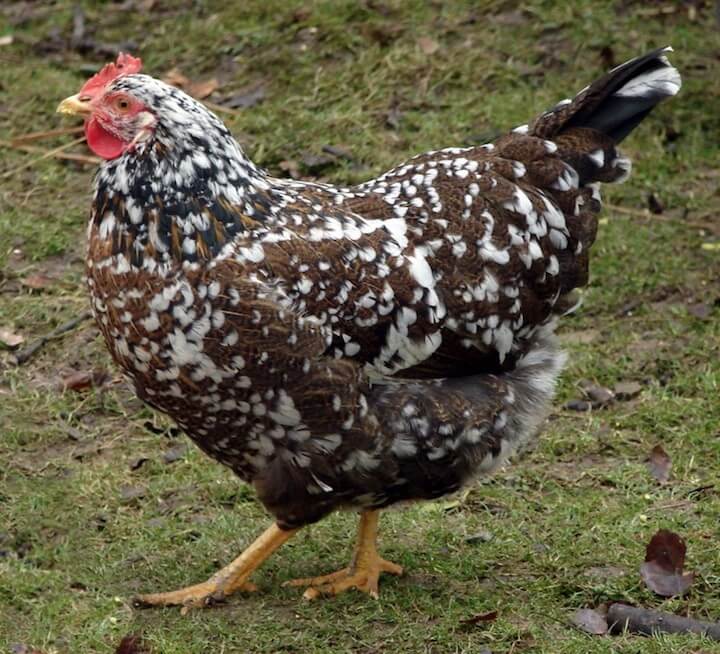
Swedsih flower-chicken
Chicken-keeping on a small scale has long been popular among Scandinavians, and as in other countries the passion for home chicken-keeping, including in towns and cities, is currently on the increase. This is in part a reaction to the trend for the mass-production of poor-quality chickens with next to no taste, and certainly no quality of life.
Habitat and appearance Chickens were first introduced to Scandinavia during the Bronze Age. These were sturdy little birds, very much like the wildfowl originating in Asia. They evolved in time into what are now called landrace chickens, beautiful birds that easily withstand temperatures of -40 Celcius, and lay more than 200 eggs a year.
Swedish flower-hen
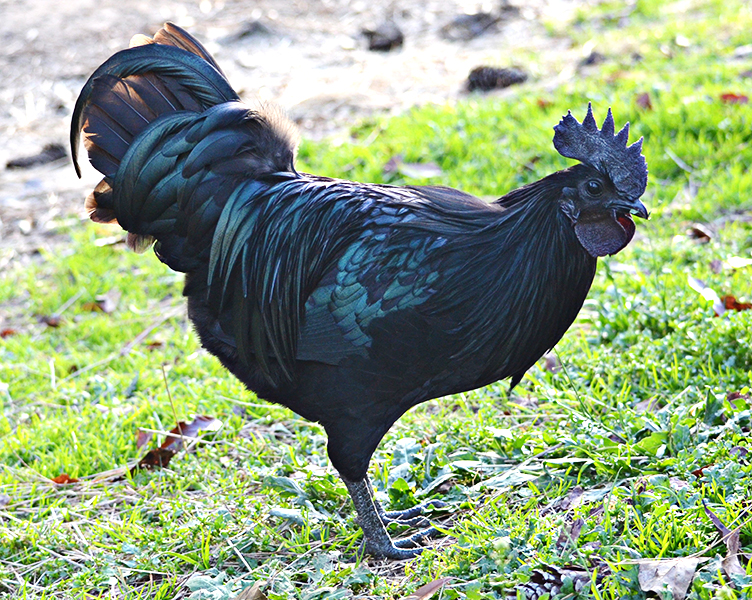
The plumage of landrace hen is mottled brown, like that of a pheasant (perfect camouflage for hiding in woodland) while the cocks are brightly colored in brown, black and white. They are agile birds and fairly good flyers and will stay in tall trees overnight if you let them.
Landrace chicken can still be found all over Scandinavia, where they are loved for their beauty, hardiness and friendly nature. On smallholdings they are often left to roam freely, and find most of their food themselves. They are also popular among home chicken keepers, even in cities. The eggs are small, but the yolk is as large as that of a big hen’s egg, and they are delicious.
In the past 200 years, the original landrace chicken has been interbred with hundreds of other breeds (many of them British ones) to improve meatiness, size, egg size, egg-laying capacity and fast growth. It is part of man’s nature to keep developing and improving both animals and plants, and it has had beautiful consequences in many ways.
With chicken breeding, however, it has just gone too far. Chickens now grow so fast that their legs cannot carry them. Egg-layers are so effective, laying an egg every single day, that they are little more than skeletons when slaughtered, and not worth eating.
There is, however, a fast-growing counter-offensive of conscientious chicken farmers who are producing fine, large, slow-grown organic chickens, though at a much higher price. Fortunately there are more and more of us prepared to pay for the luxury of eating a bird that goes a long way, and which has all the taste you rightly expect from a chicken.
Traditional chicken breeding in Scandinavia
Buying and storing It is simple. If you want to succeed with northern recipes, you must invest in prime-quality, large, organic chickens that have been raised slowly. Anything else will be a disappointment. If you rib it with a little salt inside and out, a fresh chicken can be kept in the fridge for a couple of days.
Organic chicken eggs
Culinary uses Scandinavian recipes for chicken are relatively few – chicken has been a luxury for centuries, a spring treat you did not want to take chances with – but they are certainly delicious. Furthermore, there is a solid logic to the way Scandinavian chicken recipes have evolved.
Scandinavian chicken spip
Soups were made from old and worn egg-layers, fattened to make beautiful broth, while spring chickens were filled with parsley and roasted slowly in butter and served with delicious curdled sauce, fresh peas, cucumber salad and new potatoes.
Leftovers were used for stews, salads and the Scandinavian beloved chicken tartlets (tarteletter). White asparagus is a classic feature of some of the Scandinavian favorite chicken dishes, as are the creamy flavorings of parsley and tarragon.
The Taste of Scandinavian Chicken, written by Tor Kjolberg
In 2012 Waleed Mahmoud (31), nicknamed Gaseer, moved from Egypt to Norway to study business management and marketing. Speaking six languages he landed a side job at one of Oslo’s largest hotels while studying. Read the exciting story of how he became the best little fishmonger in Oslo.
Being a Muslim, he didn’t like the wild life and alcohol served at a big capital hotel, so he looked for another job to finance his studies, and began as a street salesman for a telephone company. By coincidence, the boss of that company passed the sales boot one day and noticed the talented salesman Gaseer and offered him a position at the tele-sales office. In short time, he became one of their best salespersons.
An enthusiastic fish lover
He had rented an apartment in the suburbs of Oslo and being an enthusiastic fish lover, he often visited his local fishmonger. He got to know the owner, and one day he said to him, “I see the way you are running this business. I am sure I can increase your turnover considerably if you give me a part time job in your shop.”
Flyvefisken is situated just beside the hotel he started to work in
He started to work there for 3 hours every day and was soon offered the position to manage the shop. After one year, alongside his studies, and with only vicars as staff, he increased the turnover by almost 90 percent. He also helped another little fish-shop in Oslo from time to time to have fresh fish delivered from the best suppliers in Norway.
Fluvefisken has fresh fish delivered from the best suppliers in Norway
Earnings from his part-time jobs and from being a football-judge in the week-ends, he had earned enough money to buy the shop from the old owner who wanted to sell. However, he preferred to sell it to his brother, who also was a fishmonger.
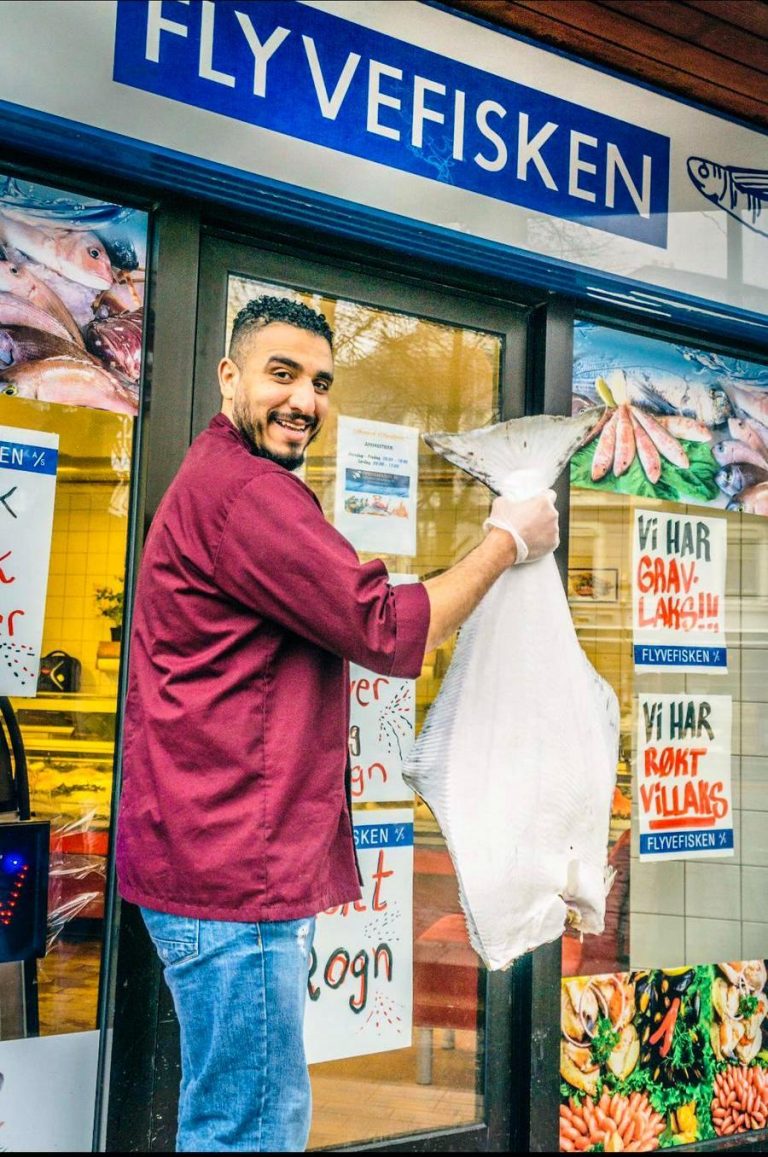
Waleed Mahmoud in his shop Flyvefisken
The Best Little Fishmonger in Oslo, Norway is an Egyptian
Being a seafood connisseur and with new knowledge of running a fish-shop, he was now eager to enter into the business full time. When the owner of the other little shop he sporadically had assisted had a serious health condition, the shop was offered for sale and Gaseer acquired it. The shop is situated just beside the hotel he started to work in, Radisson Blue by the Central Railway Station and the name is Flyvefisken (In English: The Flying Fish).
Waleed Mahmoud, nicknamed Gaseer, is a seafood connisseur
Being a businessman – and an Egyptian – Gaseer has exciting plans for the future.
Today, with his new business knowledge, his personal network of fishermen and distributers, he sells the freshest and best seafood in the whole of Oslo. I know, for I am one of his customers.
All photos: Tor Kjølberg/Flyvefisken
The animation by Benedict Hickson at CZA Studios
The Best Little Fishmonger in Oslo, Norway is an Egyptian, written by Tor Kjolberg
The Norwegian cheese Fanaost from the producer Ostegården in Bergen was named the world’s best cheese during the World Cheese Awards in Bergen last November.
Over 3,400 cheeses were lined up in Bergen’s iconic Grieg Hall, a 15% increase on last
year’s record. A truly global cheese event, the World Cheese Awards has been bringing together cheesemakers, retailers, buyers, consumers and food commentators worldwide for over three decades.
Over 3,400 cheeses were lined up in Bergen’s iconic Grieg Hall
The planet’s biggest cheese-only event judged entries from 41 different countries from six continents. The judging team represented more countries than in any previous edition of the competition, as cheese makers, cheese-mongers, buyers, chefs, retailers and writers from 30 countries came together to hand out the Bronze, Silver, Gold and Super Gold awards.
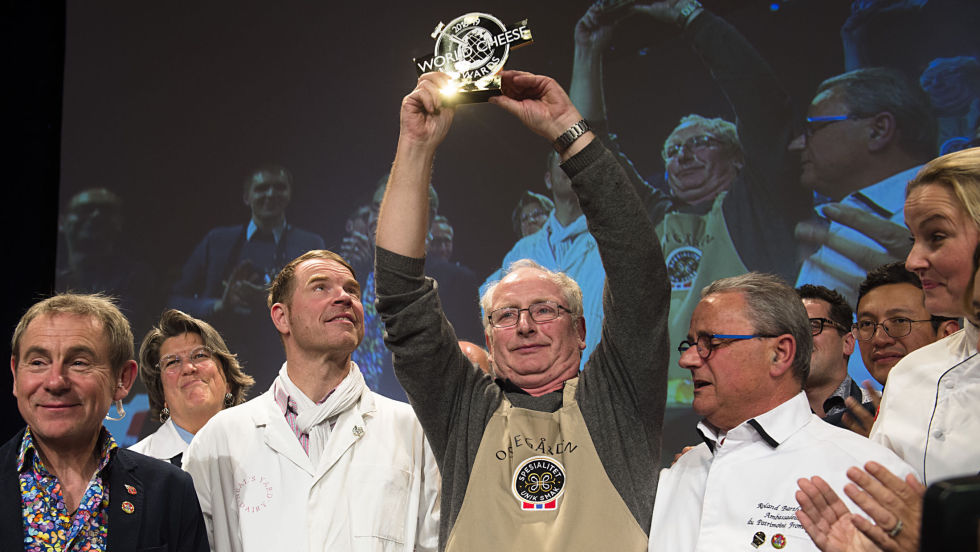
Jørn Hafslund, Ostegården Fana, winner of World Class Award 2018
A truly international celebration
This truly international celebration of all things cheese was set against the backdrop of Norway’s finest food and drink event, Bergen’s brand-new festival, Matnasjonen Norge (Food Nation Norway), nestled between the North Sea and the Seven Mountains that frame the city.
Matnasjonen Norge
Matnasjonen Norge is a brand-new consumer and trade event, which took place on Friday 2 and Saturday 3 November at the Grieg Hall in Bergen. Featuring a food festival, conference sessions, presentations and tasting tours, the event gave the country’s producers and chefs a platform to showcase their food and drink and shine a spotlight on the quiet culinary revolution that has taken place in Norway over recent years.
Norway is the World’s Finest Cheese-maker
Among the challengers were a soft goat’s cheese from Kenya, made with banana leaf ash, an Australian feta made with river mint, a mixed milk cheese from Italy, made using donkey, cow, sheep and goat milk, a hard cow’s milk cheese from the UK, containing elderflower and a Belgian semi soft cheese, with a layer of ground coffee.
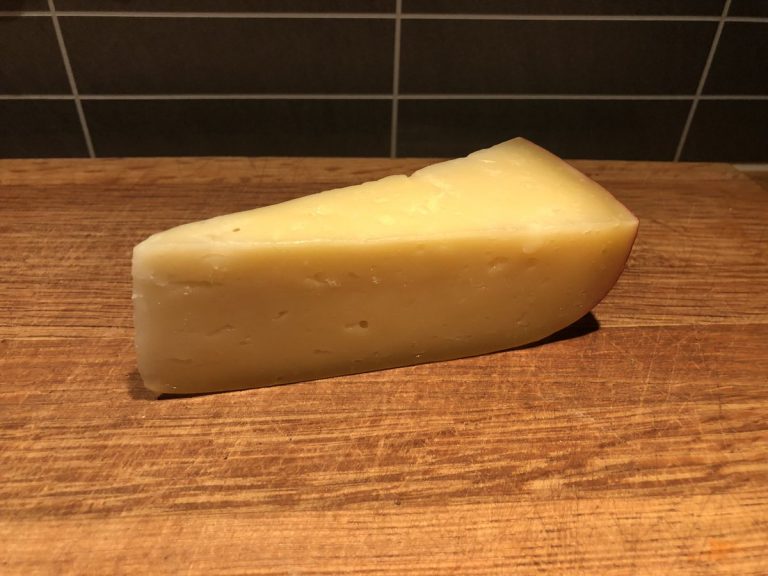
The winner of 2018, Fanaost, is according to the manufacturer a mild, round and semi-solid cheese that reminds Gouda, made from pasteurized cow milk. Genuine brown goat cheese from Stordalen Gardsbruk in Tinn, Norway shared the silver medal with a French cheese. However, It is not the first time Norwegian cheeses make it to the top in the competition.
Judging underway at the 2018 World Cheese Awards in Bergen, Norway
World Cheese Awards A firm date in every cheese lover’s calendar, the World Cheese Awards has been bringing together cheesemakers, retailers, buyers, consumers and food commentators worldwide for three decades, in a celebration of tradition, innovation and excellence in cheese. It’s the biggest cheese-only event in the world, with no yoghurt, cream, butter or other dairy able to enter, championing the world’s best cheesemakers, from tiny artisans to global heavyweights.
Judges work in teams of three to four, identifying any cheeses worthy of a Bronze, Silver or Gold award. They look at the rind and the body of the cheese, its color, texture, consistency and, above all, its taste. Each team then nominates one exceptional cheese as the Super Gold from their table.
Winner Jørn Hafslund in action at Ostegården Fana
These 78 cheeses are the best in the world and are judged a second time by the Super Jury of 16 internationally recognized experts, who each select a cheese to champion in the final round of judging. The Super Jury, representing all four corners of the globe, then debates the final 16 in front of a live consumer and trade audience, before choosing the World Champion Cheese live on WCA TV.
World Cheese Award 2019 This year, the World Cheese Awards will visit Italy for the first time, taking place in Bergamo on Friday 18 October 2019, as part of the city’s annual FORME cheese festival.
Norway is the World’s Finest Cheese-maker, written by Tor Kjolberg
Norwegian furniture design duo Anderssen & Voll works within various fields of interior, but the term function seems to be their number one trademark.
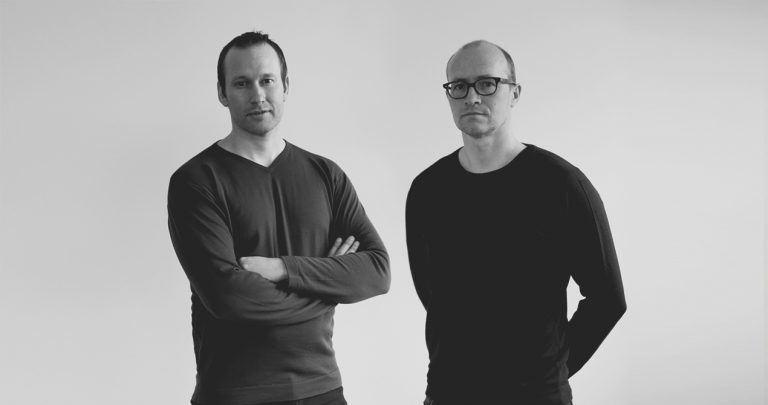
Torbjørn Anderssen and Espen Voll established their studio in 2009 in the heart of Oslo, housed in one of the oldest buildings in the area dating back to 1802 next to the beautiful river of Akerselva, an area that is home to several design studios and art schools.
Torbjørn Anderssen and Espen Voll established their studio in 2009 in the heart of Oslo
The Oslo-based duo wants to create products that will last a lifetime in their function and aesthetic. According to the duo, design means being receptive to cultural and market influences and applying this knowledge in forward-thinking ways to generate groundbreaking and desirable products for the clients.
Prominent and Successful Norwegian Designer Duo Anderssen & Voll have been named both Norwegian and Scandinavian designers of the year and have received numerous international awards for their work within furniture, lighting, and home accessories, including Wallpaper Award, Red Dot Award, IF Award, DOGA Award and Honorary Award for best Design in Norway.
Hector Lowres, by Andressen & Voll
Espen Voll comes from a family of architects and artists and says that his way into design was a natural progression from his upbringing.
Torbjørn Anderssen comes from a family of musicians. “I come from a family of musicians. I gravitated towards design from an idea of transforming my time into something that would be more tangible, as well as, hopefully, meaningful,” he said in an interwiew on his design for the Danish furniture company Muuto.
The Oslo-based duo, Anderssen & Voll, wants to create products that will last a lifetime in their function and aesthetic
Their design philosophy
“A good product builds and expands on tradition while simultaneously breaking the rules of said tradition. Modifications and elements of surprise, even changes that are less radical, stimulate thought and reflection, also for whom may not hold a particular interest in design. This tiny second of reflection is the window of opportunity where we can communicate with the users and that’s what we strive to tap into.”
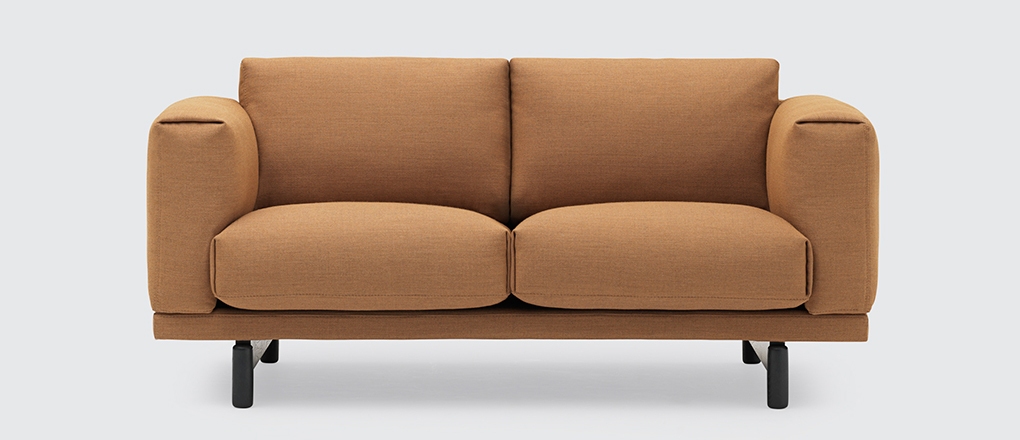
Anderssen & Voll, 3 seat compose sofa for Muuto
Abour Anderssen & Voll
Torbjørn Anderssen (b. 1976) and Espen Voll (b. 1965) have studied at the Oslo National Academy of Art and Bergen Academy of Art and Design, where Anderssen currently works as a professor.
Bow. by Anderssen & Voll
They were co-founders of the design group Norway Says in 2000.
Called Kumo, this piece of furniture is available with up to four seats. But it arrives as a series of constructed pieces, which can be simply slotted together.
The duo has designed furniture, lighting, textiles and other products for brands such as Muuto, Menu, &Tradition, New Works, Connect, Compose, Oslo, Outline, Rest and Guesthouse Nedre Foss.
Prominent and Successful Norwegian Designer Duo, written by Tor Kjolberg