For more than 25 years as a nightlife entrepreneur in Oslo, Nevzat Arikan has been a key player in the gentrification of dilapidated downtown buildings.
Arikan has made it a trademark to give his concepts a reasonable quality. His bistro Tekehtopa (Apotheket spelled backwards was a former farmacy) was joined by his Michelin restaurant Ylajali (now taken over by Rune Bjørneng og Mads Kjøllmoen, and changed name to Happolati). After more than 16 years, his restaurant Arakatapa behind Torggata bad, is still serving gourmet food.
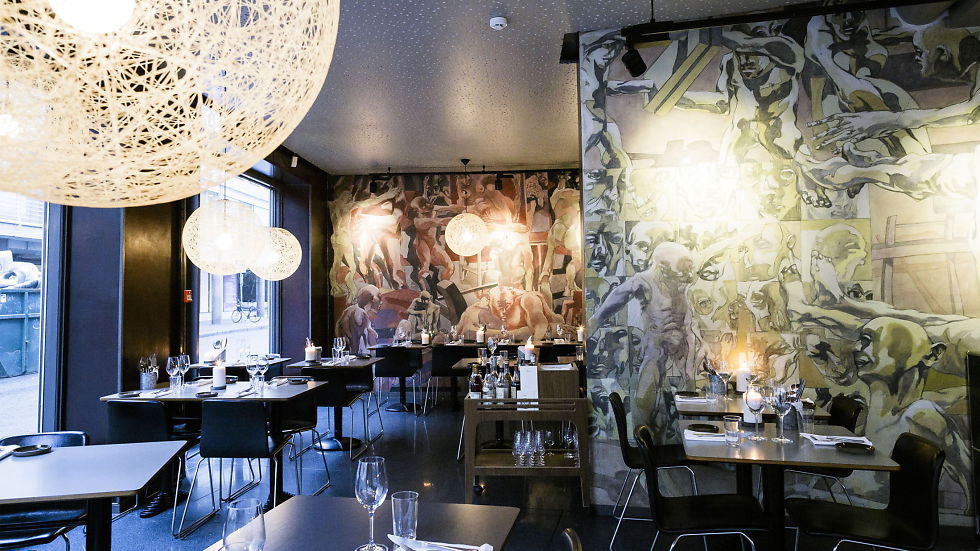
Arakataka restaurant
The rehabilitation of Olympen (called Lompa) and the nightclub Pigalle has brought style back to Grønlandsleiret and at lower Grünerløkka Trattoria Popolare, Schouskjelleren and Bar Bettola chased the worst drug dealers away from the area.
Pigalle cocktailbar and nightclub
And it is profitable. The parent company, Rodeløkka Invest, has operating margins of around 10 percent. Arikan’s latest contribution, Nedre Foss Gård, was, however, exposed to fire on New Year’s Eve 2016 and is still closed.
The building which caught fire is from the early 1800s and is located in Nordre gate 2. The house is an important part of the area’s history and is mentioned as early as 1220, when it was a mill belonging to Hovedøya Monastery.
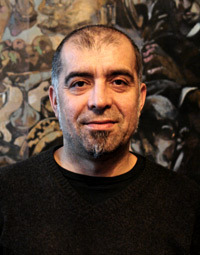
Olympen restaurantNevzat Arikan
“The citizens of Oslo have now an appetite for good food,” says Arikan. “But not everyone can afford to enjoy restaurant meals in expensive luxury establishments.” Therefore he opened his Arakataka in an old gambling house in the shadows of Torggata bad. Arakataka is named after Gabriel Garcia Maquez’ birthplace. “We serve gourmet food there at reasonable prices,” says Arikan with a smile.
Arikan’s restaurant group has around 200 employees. Autumn 2007, after 18 months of rehabilitation, he reopened Olympen as a standout dining place. Also the retro kitchy nightclub Pigalle on first floor has been given a boost.
Nevzat Arikan was born in 1963 in Ankara, Turkey. He is a graduate social worker, but has worked as a nightlife entrepreneur in Oslo for 27 years.
Schouskjelleren minibrewery
He started is first restaurant, Noah’s Ark at Grünerløkka with the family in 1990 and currently operates the following bars and restaurants:
St. Olav’s Plass Bar Babylon cocktail Cafe Tekehtopa bistro
Central Oslo Arakataka gourmet bistro
Schou quarter
Bettola – Italian cocktailbar Schouskjelleren – microbrewery Trattoria Populare – Italian restaurant
Grønlandsleiret Olympen – traditional Norwegian food Pigalle cocktail bar and nightclub
* * * *
Feature image (on top): From Cafe Tekehtopa
Alex Waltner, the editor of travel blog Swedish Nomad, lists 55 reasons why everyone should visit Sweden at least once in their life.
1. Nature
If you’re longing for wild nature filled with mountains, trees, lakes and animals, guess what? Sweden is one of the best places to experience it. In total, there are 29 national parks. Going to a city? No worries, every city is close to nature.
Experience the wilderness in Swedish Lapland. Photo: Carl-Johan Utsi/imagebank.sweden.se
2. Crayfish party
Don’t worry if you’re thinking “what the heck is a crayfish party?”. It’s one of our unique traditions in Sweden, and basically, we make decorations, prepare a massive plate of crayfish, put on our crayfish hats and a bib, and sing silly songs that we finish by drinking our famous schnapps.
It’s a huge tradition in Sweden, and if you’re visiting during August, you’ll have the opportunity to see what the fuss is all about. I can assure you that the crayfish party will be a memory for life.
Want to go to a crayfish party? The answer is “yes, please”. Photo: Carolina Romare/imagebank.sweden.se
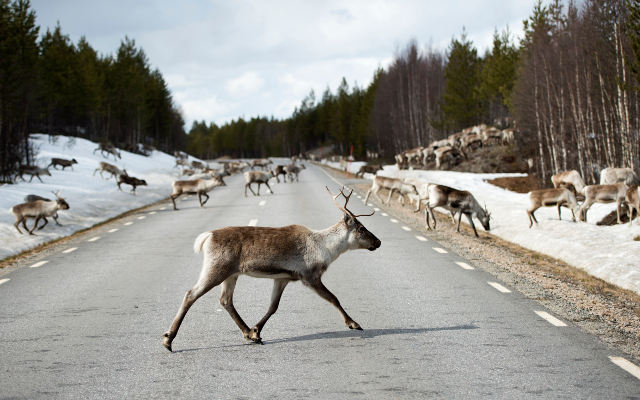
3. Wild reindeer YES! We have reindeer in Sweden, and they are wild and amazing. If you’re travelling by car in the northern part, don’t be surprised to see yourself road blocked by a herd of reindeer.
A reindeer herd in northern Sweden. Photo: Henrik Montgomery/TT
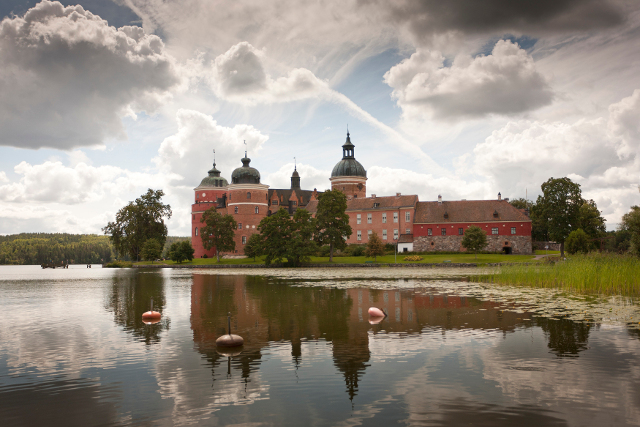
4.Castles Do you like castles? Then I’ve got some good news. From Stockholm and below there are hundreds of castles to check out. In Ekerö outside Stockholm, it’s possible to visit Drottningholm Palace where the Swedish King and Queen live.
This picture shows Gripsholm Castle in Mariefred. Photo: Mattias Leppäniemi/imagebank.sweden.se
5. Stockholm
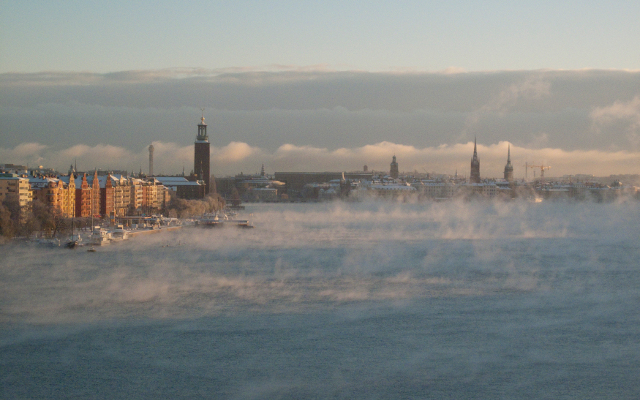
The capital of Sweden with all of its canals and small islets and islands. Stockhom is a wonderful capital, not too big, not too small, just about right. The rich history and culture offer a fascinating visit as well as the surrounding nature and broad range of entertainment.
Stockholm is definitely worth a visit. Photo: Elisabeth Edén/imagebank.sweden.se
6. The Vasa Ship
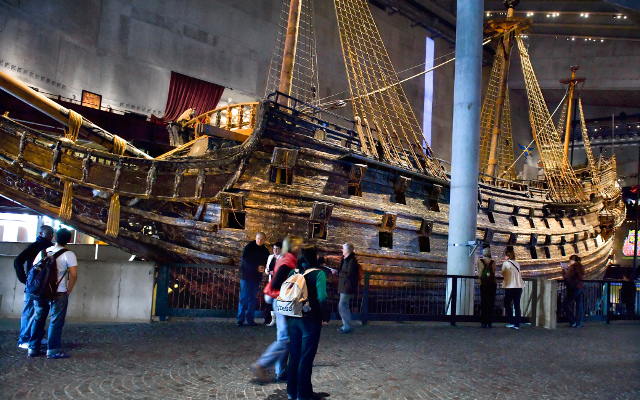
One of the most well-preserved ships from the 1600s. It was a royal ship that now stands in the Vasa Museum in Stockholm. The Vasa Ship is remarkable and shouldn’t be missed if you’re going to Stockholm.
The 17th century war ship Vasa, which sank on its maiden voyage. Photo: Claudio Bresciani/TT
7. Birka and the Viking heritage
The Viking era is a famous part of Swedish history, and in Birka it’s possible to experience that heritage and see what life was like. The boat trip is about 15 minutes to two hours depending on where you are in the capital area.
Another cool thing about Birka: You can see runic scripts and go on a boat ride in a traditional Viking ship.
Birka was a thriving market place back in the Viking Ages. Photo: Ola Ericson/imagebank.sweden.se
8. Sauna
From the beginning a Finnish invention, but the sauna is also a huge part of Swedish culture. A sauna is basically a wooden room with a special heater where you throw water to raise the temperature.
Then you sit there for a while, but most people can only manage to stay for ten minutes before they need to cool down. It can be up to 90 degrees Celsius in a sauna, and it’s meant to be relaxing and allow your body to release toxins.
Bonding in the sauna. Photo: Dan Hansson/SvD/TT
9. Fresh drinkable water
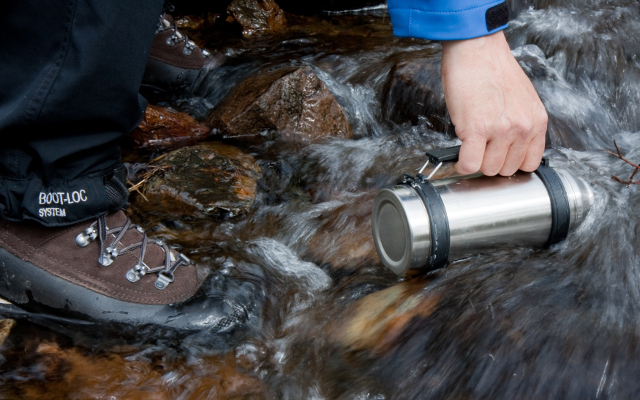
Not many countries have fresh drinkable water almost everywhere. The tap water is delicious, but what’s even better is the water from the streams up in the north. I have never tried better-tasting water.
Water, straight from nature’s own tap. As it were. Photo: Fredrik Broman/imagebank.sweden.se
10. Midsummer
Probably our funniest and most “weird” tradition. In short, we celebrate summer by dancing around a Maypole like frogs and drinking way too much schnapps while singing silly songs. If you’re looking for an unusual and fun experience, then this is definitely a good reason to visit Sweden.
Check out the video below if you want to know what the little frogs are all about:
11. Astrid Lindgren’s World
Does it ring a bell when I say Pippi Longstocking? Astrid Lindgren was a famous Swedish writer. A number of her children’s stories have been translated into English, for example Ronia The Robber’s Daughter, Mio My Mio, Karlsson On The Roof and The Brothers Lionheart.
At Astrid Lindgren’s World, these characters come to life. It’s a theme park that your kids will absolutely love.
A mini Pippi Longstocking, or Pippi Långstrump in Swedish. Photo: Lena Granefelt/imagebank.sweden.se
12. Skåne, southern Sweden
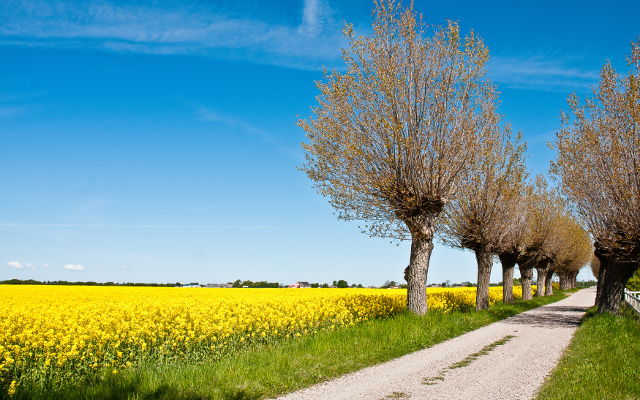
This is my home region, and the landscapes here are open, vast and colourful. When the canola fields are in blossom, Skåne turns into a golden region filled with canola flowers everywhere in the countryside. You can also see many old windmills here.
Besides canola fields and windmills, Skåne is also famous for its beaches, cute little villages and towns, farmers and of course the unique accent that we southerners have.
What a summer’s day could look like in Skåne. Photo: Måns Fornander/imagebank.sweden.se
13. Mountains
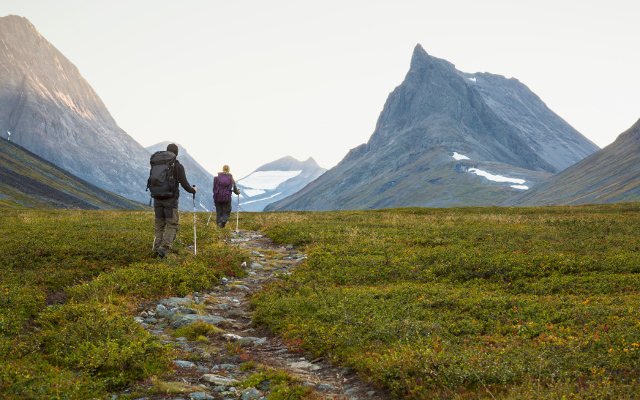
The tallest mountain is called Kebnekaise with a height of 2,106 metres. There are other mountains as well, and you will find lots of beautiful scenery and hiking paths throughout the country.
Camping at the foot of Kebnekaise. Photo: Fredrik Broman/imagebank.sweden.se
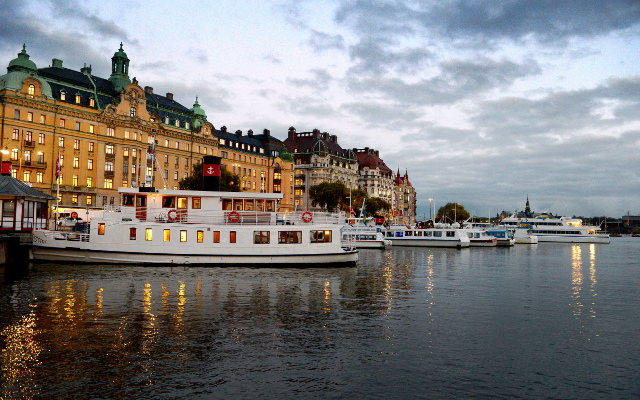
14. Architecture Sweden’s architecture offers a mix of the old and new. Many cities have preserved the old style and you won’t see a lot of skyscrapers here. The details are phenomenal, just look at the photo below.
While we don’t have a lot of skyscrapers, we do have quite a few unique buildings with cool architecture. Our biggest skyscraper can be found in Malmö. It’s called Turning Torso and was the first twisting tower in the world.
Strandvägen, Stockholm. Photo: Janerik Henriksson/TT
15. Smörgåstårta
This can be translated as Sandwich Cake, and if you know a Swede, you might already know that we are huge fans of sandwiches. It’s the most common breakfast, so why not make a cake out if it? There are plenty of varieties of smörgåstårta and it differs depending on which region you’re visiting.
One thing is certain though: it’s freaking delicious!
Smörgåstårta, Photo: Leif R Jansson/TT
16. 100,000 lakes
With over 100,000 lakes in total, there’s a lake that suits everyone. And I mean, who doesn’t love a peaceful lake with beautiful scenery?
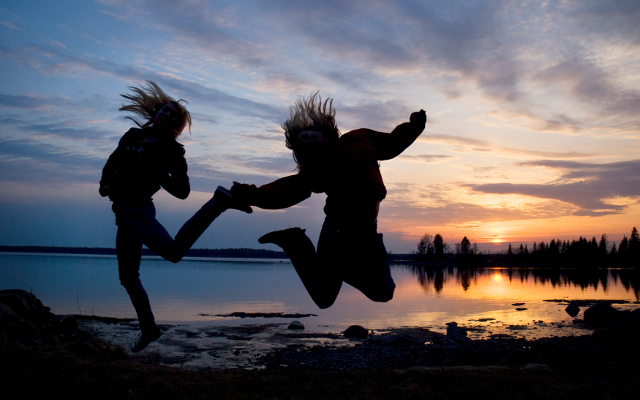
Nothing beats a summer evening by the lake. Photo: Clive Tompsett/imagebank.sweden.se
17. Glögg and gingerbread
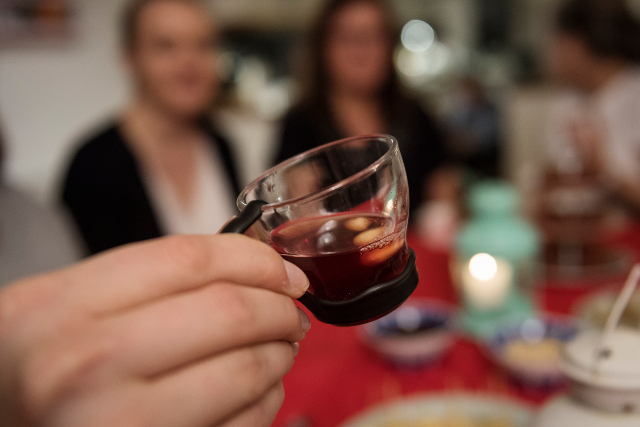
Two of our most cherished Christmas traditions. Glögg is a beverage that can be enjoyed with or without alcohol. The most famous one is produced by Blossa.
While gingerbread snaps go hand in hand with glögg, they can also be eaten on their own. And do we love our gingerbread? Yes, we do! Each Christmas people buy them like crazy. It’s definitely something you have to try while visiting Sweden, and the best ones are those called Annas Pepparkakor.
Photo: Per Pixel Petersson/imagebank.sweden.se
18. Gothenburg
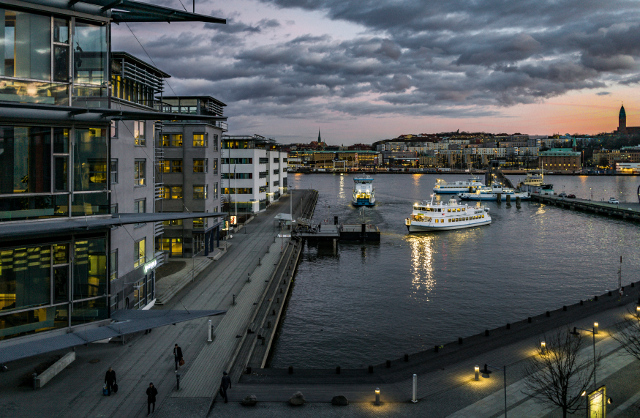
On the opposite side of Stockholm, on the west coast lies Gothenburg, which is the second biggest city. It’s a charming city with a laidback culture and beautiful canals along with islets in the Gothenburg archipelago.
Photo: Per Pixel Petersson/imagebank.sweden.se
Daily Scandinavian find the culinary attractions in Gothenburg worth a visit
19. Snowmobiling
Ever tried a snowmobile? In Sweden you can!
Sweden’s prime minister, Stefan Löfven. Photo: Robert Henriksson/TT
20. Swedish fika
Fika is our sacred ritual which occurs every day, no matter if you’re at work, home or out with friends. The Swedish fika is a part of who we are, but to explain it in a few words: having coffee, snacks or some pastries. But it’s more than that: it’s a way of socializing and relaxing from work and stress.
You’ll see cafés everywhere, and I would go as far as to say that it’s mandatory to sit down and have a traditional Swedish fika while visiting Sweden.
Swedish fika, the modern version. Photo: Jessica Gow/TT
21. Snow
YES! We do have snow in Sweden, and lots of it every winter. However, to be certain of seeing a good amount of snow – go to the northern part. There you have snow in abundance!
Did anyone say snow? Photo: Henrik trygg/imagebank.sweden.se
22. Ikea
You’ve probably already heard of, or even been to an Ikea, which is the most famous export of Sweden. A huge furniture store that offers good quality at low prices. The catch? Well, you’ll need to put them together yourself!
A piece of cake for the handy man/woman. To be honest, one doesn’t need to be handy to put them together, and that’s also why Ikea has become such a big company.
But will your relationship survive a trip to Ikea? Simon Paulin/imagebank.sweden.se
23. The Ice Hotel in Jukkasjärvi
Did you know that Sweden is home to the world’s firstIce Hotel? In Jukkasjärvi, in northern Sweden, you can stay in a room made up entirely of ice, oh well, actually the entire hotel is made of ice. They even have an Ice Bar. For sure one of the coolest hotels around the world.
The coolest, and coldest, hotel in the world? Photo: Asaf Kliger/Icehotel/imagebank.sweden.se
23. Beaches
Sweden is not really considered a beach destination, but as a matter of fact, the beaches of Sweden’s southern parts are both stunning and clean. There are some nice beaches around Stockholm and Gothenburg as well, but the southern coast has the best range.
If you travel to Sweden during summer, make sure to visit some beaches.
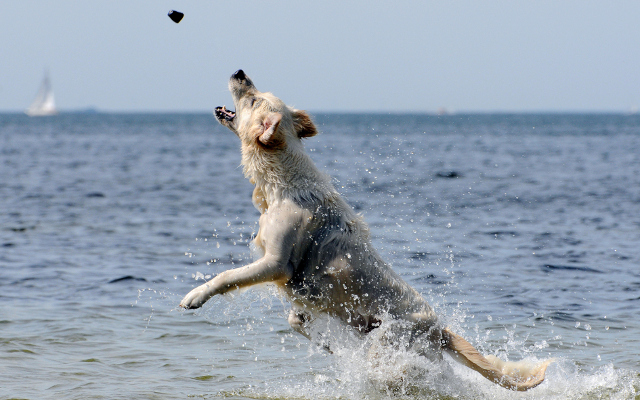
A dog enjoying Ribersborg beach in Malmö. Photo: Johan Nilsson/TT
25. Cinnamon buns (kanelbullar)
A classic bun, which could even be considered the national bun. If you ask a Swede about cinnamon buns, the chance to see a smile on their face is almost guaranteed. The cinnamon bun even has its own day in Sweden.
26. Wild bilberries
A superfood and antioxidant growing wild in Sweden. And yes, you’re allowed to pick them. They grown in forests all over the country and bilberry picking is a favourite activity among families during the bilberry season from June to September.
26. Berry picking is one of the top things to do in Sweden in summer. Photo: Clive Tompsett/imagebank.sweden.se
27. Visby, Gotland
Gotland is a Swedish island which is home to one of Scandinavia’s best preserved cities from the medieval era. The most notable remain is the stunning 3.4 kilometre long wall encircling the town centre.
Since 1995 Visby is also on the Unesco’s list of world heritage sites.
READ ALSO: A Swedish Island Retreat in Medieval History – Visby, Gotland
28. Endless forests
When travelling by car through Sweden or flying, you will notice that there are trees surrounding you almost all the time. Approximately 53 percent of Sweden is covered in forest, so no wonder the forests seem endless.
28. A forest hike in winter. Photo: Helena Wahlman/imagebank.sweden.se
29. The Dala Horse (Dalahästen)
You probably wonder, what on earth is this? Is this the Trojan horse? Well, not really. It’s called the Dala horse, and this particular one is found in Avesta and measures a whopping 13 metres. All around Sweden, you’ll see smaller variants of this, and the Dala horse was from the beginning a wooden toy and decoration. It’s a classic symbol and souvenir.
29. The world’s biggest Dala Horse. Photo: Angelica Brockne/Wikimedia Commons
30. Lucia
Lucia is a tradition that originates from Italy, but nowadays it’s one of our most celebrated days of the year. Check out the video below and see what to expect on December 13th.
READ ALSO: Christmas in Scandinavia
31. The Lynx
One of the coolest cats on earth roams freely in the northern parts of Sweden.
31. The lynx, or lodjur in Swedish. Photo: Håkan Vargas S/imagebank.sweden.se
32. West Coast
The west coast has a stunning archipelago as well as beautiful lush nature. When visiting the Swedish west coast you can also enjoy fresh fish and quaint coastal towns.
32. Lysekil on the West Coast of Sweden. Photo: Andreas Nordström/imagebank.sweden.se
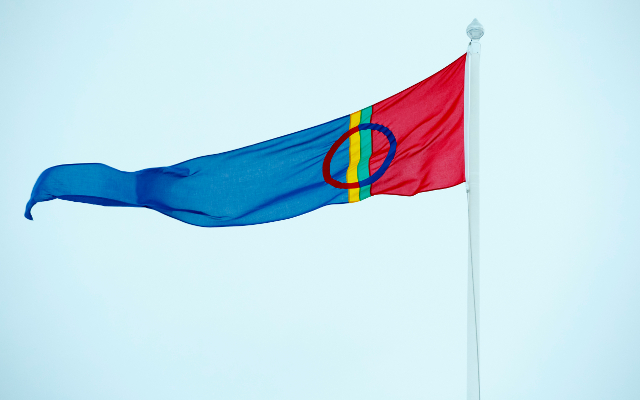
33. Sami people
Did you know that “Swedes” actually weren’t the first people to inhabit Sweden? It was the Sami people, and they are one of the indigenous folks in Sweden. They even have their own language and still live by old traditions. The Sami people live in the northern parts of the country.
33. The Sami flag. Photo: Heiko Junge/NTB Scanpix/TT
34. Lapland
Often referred to as “the last wilderness of Europe” since vast areas of the Lapland region consist of unspoiled nature. And look at the beauty of it below, definitely one of the most wonderful places in the world and a good reason to visit Sweden.
34. Gorgeous Lapland. Photo: Michael Jönsson/Scandinav Bildbyrå/imagebank.sweden.se
35. Swedish meatballs
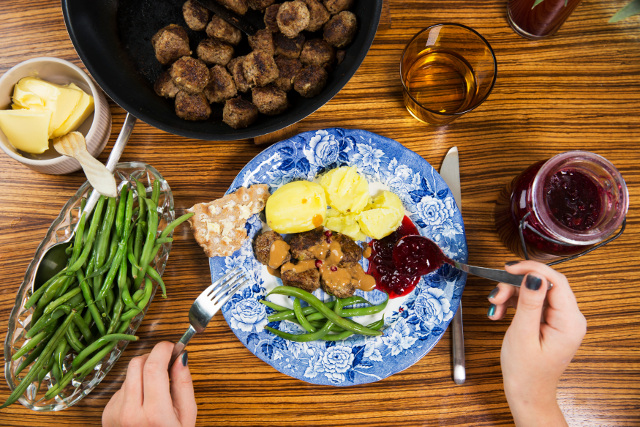
You’ve probably heard about meatballs, and it could almost be considered a national dish. Whenever I travel and come back home to Sweden, I have cravings for meatballs, mashed potato in brown sauce and lingonberries.
35. Swedish meatballs. Photo: Susanne Walström/imagebank.sweden.se
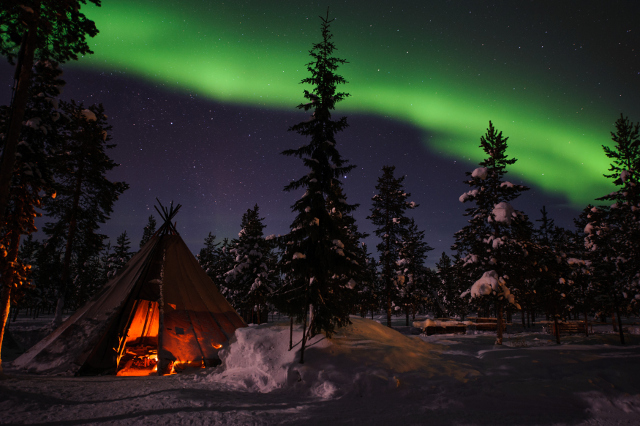
36. Northern Lights
Aurora Borealis, one of the natural wonders of the world can be seen during winter in the northern part of Sweden.
37. Delicatoboll
Another craving I get when I’m travelling around the world – the Swedish Delicato ball, a chocolate ball. To this date, I haven’t seen these in any other country, which is a shame because they’re so delicious.
Delicato is the brand to buy when you’re trying this yummy treat!
Drelicatoboll
38. Midnight sun Ever wondered what it would be like if the sun never went down? Well, in Sweden you can experience that, and during summer the sun remains visible all day and night up in the north.
38. In northern Sweden the sun doesn’t set in summer. Photo: Sara Ingman/imagebank.sweden.se
39. The moose
The king of the forest – the moose is an iconic animal that walks freely in our forests.
39. King og the forest. Photo: Pontus Charleville/Folio/imagebank.sweden.se
READ ALSO: Scandinavian Game
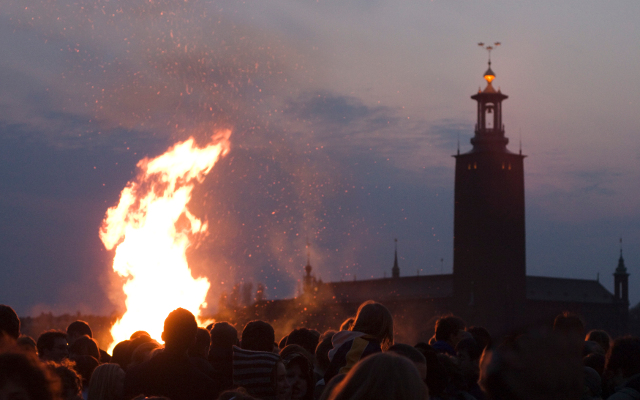
40. Valborg Another tradition that goes back to the time before we became Christians. Valborg is always celebrated on April 30th, and basically, we light up a huge bonfire and dance around it and socialize. In recent years we have also, of course, added some schnapps and other alcoholic beverages.
40. Walpurgis Night, or Valborg, in Stockholm. Photo: Ola Ericson/imagebank.sweden.se
READ ALSO: Walpurgis Night in Sweden
41. Music festivals
As the third biggest exporter of music after the US and the UK, it shouldn’t come as a surprise that we love music. In summer there are many Swedish music festivals in various cities. One of the biggest is the one called Summerburst, where world famous DJs play.
41. Summerburst in 2016. Photo: Vilhelm Stokstad/TT
42. Dammsugare
Another classic when it comes to Swedish pastries and cookies. This one could be called a ‘dammsugare’ or a ‘punschrulle’ meaning (arrack) punch roll in English. There are many different brands, but the best one is without a doubt the ones from Delicato (and I know, because I have tried almost every brand – yes, I love ‘dammsugare’).
If I were to translate it into English it would be called ‘vacuum cleaner’.
42. Dammsugare. Photo: Fredrik Persson/TT
43. Dalhalla
An amphitheatre located in a former limestone quarry, in the middle of nature. During summer you can come here to enjoy between 20 and 30 events ranging from opera to jazz and other music genres as well. Dalhalla offers an amazing musical experience combined with nature.
The Dalhalla quarry. Photo: Jesper Berg/Rockfoto/imagebank.sweden.se
44. Wild wolves Ever dreamed of seeing a wild wolf? In Sweden you can! Another amazing reason to visit Sweden.
44. However, wolves are reserved and usually stay away from humans. Photo: Mikko Nikkinen/imagebank.sweden.se
45. Sala Silvergruva
An old silver mine that has been transformed into the world’s deepest hotel. The rooms are located approximately 150 metres below the surface. At the hotel, you can explore underground lakes, join a guided tour in the silver mine and much more. A unique stay that will give you memories for life.
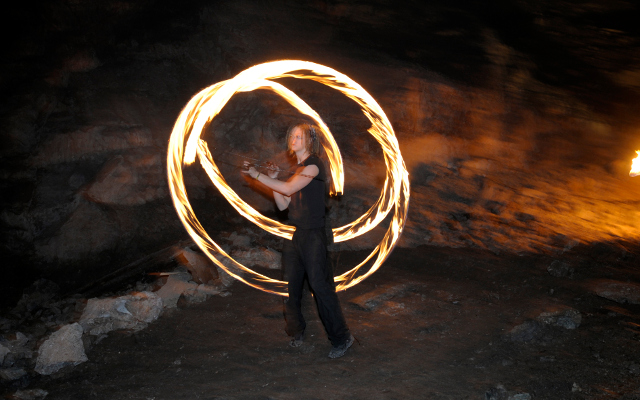
45. A fire show in Sala Silver Mine. Photo: Fredrik Sandberg/TT
46. Ice hockey
Ice hockey is together with football sort of the national sport, and almost every city has their own ice hockey team. As a matter of fact, some of the most successful hockey players are from Sweden, such as Peter Forsberg and Nicklas Lidström.
50. Ice hockey in Sweden. Photo: Björn Lindgren/TT
47. Saffron buns
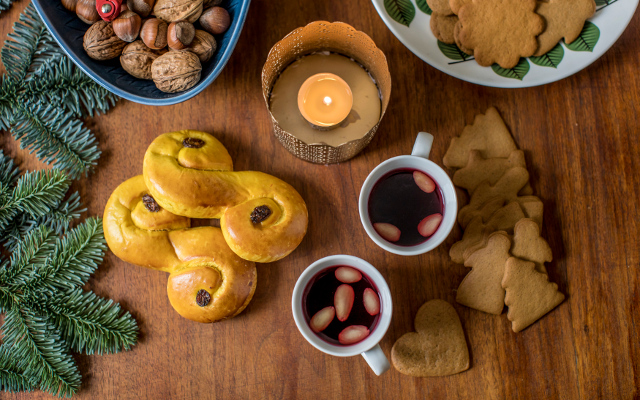
Another Christmas treat that we bake for Lucia. A favourite bun among many Swedes.
51. Saffron buns. And glögg, obviously. Photo: Emelie Asplund/imagebank.sweden.se
48. Allemansrätten
Translated as “all man’s right”, with the meaning that nature is free for everyone. This right to roam allows you to pass almost everywhere you want, pick wild fruit and berries, and camp almost everywhere as long as you don’t disturb others.
52. Camping in Sweden. Photo: Clive Tompsett/imagebank.sweden.se
49. Christmas markets
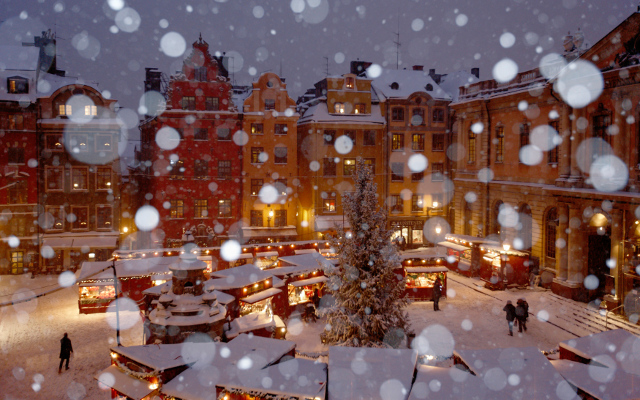
Christmas is a huge deal in Sweden, and so are the Christmas markets. One of the most famous is the one in Stockholm’s Old Town, but you might be interested in Liseberg and Gröna Lund as well. Most cities will also have their own Christmas markets.
53. The Christmas market in Stockholm’s Old Town. Photo: Ola Ericson/imagebank.sweden.se
READ ALSO: Christmas in Scandinavia
50. Skiing
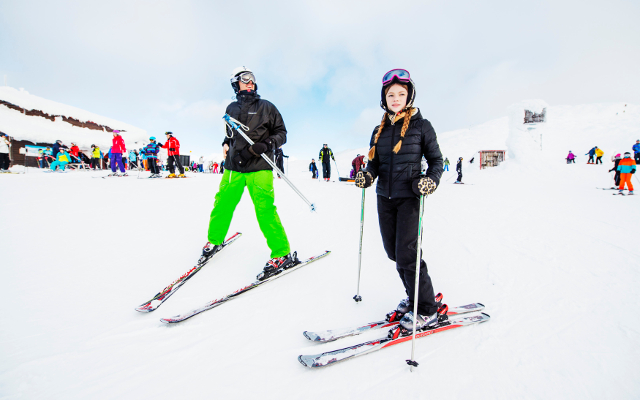
We love snow and we also love to ski, and many Swedes travel to the northern parts each winter to go for a ride on the ski slopes.
54. Skiing in Sweden. Photo: Simon Paulin/imagebank.sweden.se
51. Kolarbyn
Want to experience life out in the woods, without electricity, running water and so on? Kolarbyn is one of the world’s most unusual hotels and an unforgettable experience.
52. Surströmming
Our famous dish, fermented herring. While it’s not for everyone it’s definitely unique and something that you have to try!
56. Opening a can of surströmming. Photo: Susanne Lindholm/TT
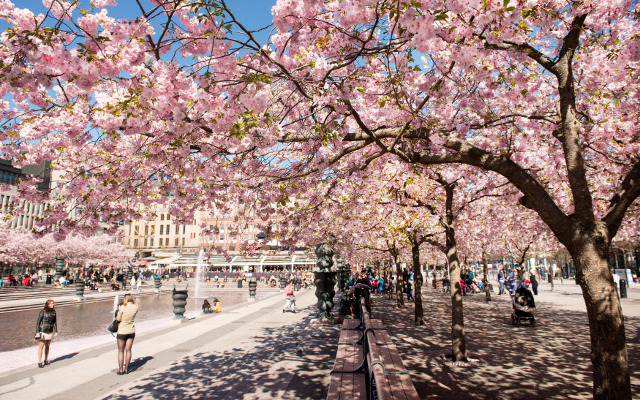
53. King’s Garden (Kungsträdgården)
Each year you can enjoy Kungsträdgården during cherry blossom. It was a gift from Japan and has now become a sign of spring in the Swedish capital.
57. The Kungsträdgården park in Stockholm. Photo: Cecilia Larsson Lantz/Imagebank.sweden.se
54. Stockholm Pride
Everyone is equal here and we welcome all people, no matter race or sexuality. The Stockholm Pride is a big celebration each year to honour and celebrate the freedom of LGBTQ people in Sweden. Visitors from all over the world come here to enjoy the festivities.
58. he Stockholm Pride festival. Photo: Magnus Liam Karlsson/imagebank.sweden.se
55. The Stockholm Archipelago
One of Sweden’s most famous attractions. Thousands of islets and islands where locals go during the weekend and summer to swim and relax.
59. The Stockholm archipelago. Photo: Ola Ericson/imagebank.sweden.se
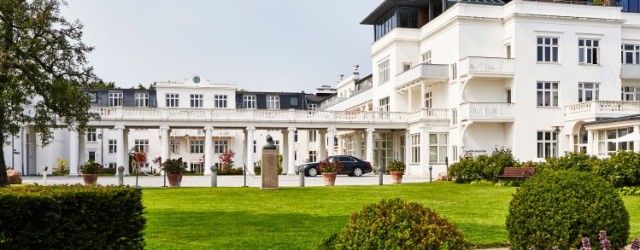
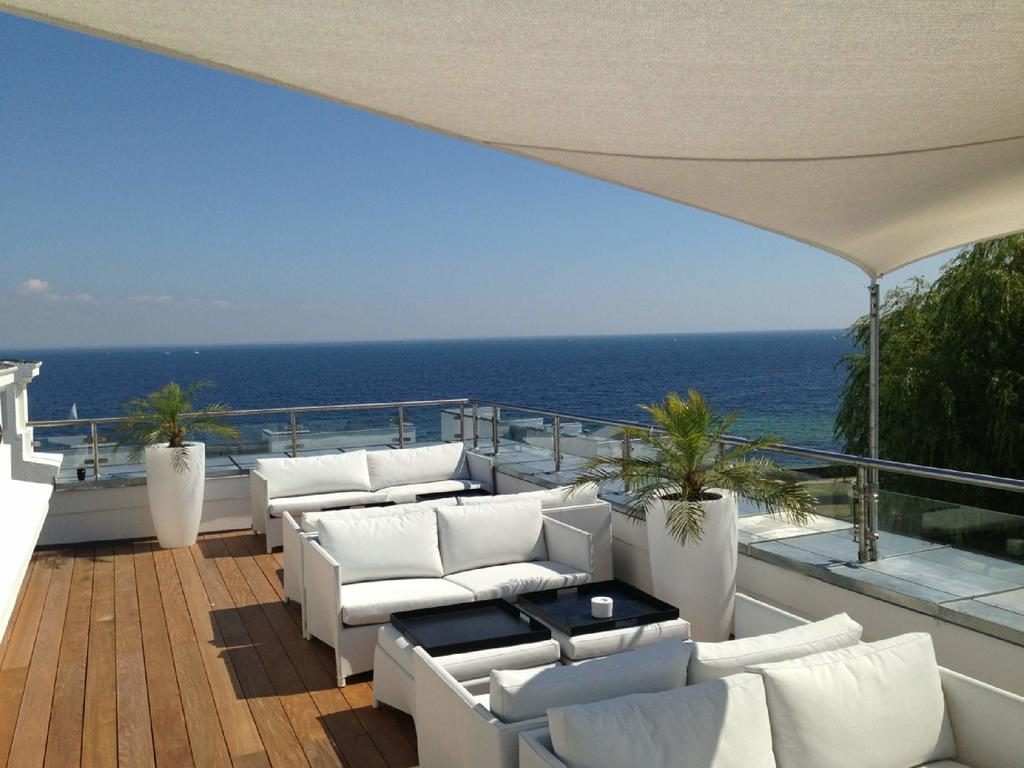
Just north of Copenhagen, on the road that winds up to the coast of Helsingborg, you find Kurhotel Skodsborg, originally founded as a sanatorium. Kurhotel Skodsborg is situated near Øresund, only 20 minutes’ drive, or 30 minute train ride from Copenhagen City Center or the airport, is one of the leading luxury spa hotels in Denmark. The hotel is deductively relaxing, with views of the ocean from the rooftop terraces and private jetty where guests can swim all year round.
Kurhotel Skodsborg – garden
Kurhotel Skodsborg was originally founded in 1898 as the Skodsborg Sanitorium by Dr. Carl Ottosen who had studied health and physiotherapy in the USA. Later it was bought by King Frederick VII of Denmark. The marriage of King Frederick VII and his wife Countess Danner, who was a divorcee, was not popular in Danish society, and therefore they preferred to stay together in their large villa at Skodsberg.
View to the sea
Behind the hotel is Dyrehave, 1,000 acres of forest and parkland home to red and fallow deer; ahead, across the road, is a little pebbly beach and the bracing waters of the Oresund (the stretch of water that separates Denmark from Sweden).
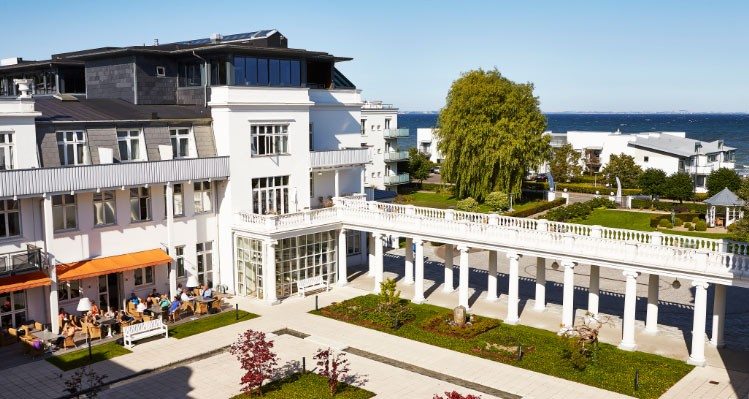
On the outside of the original sanatorium, it’s a sober-looking cluster of salt-spayed white building. Inside, there’s all the glamour and comfort of a modern luxury hotel.
Inside Villa Rex
Villa Rex, as it is now known, has been restored to its original appearance based on drawings of the period and is now used for special dinners and parties at the hotel.
There’s a concierge service, bikes for hire and events ranging from wellness-related talks and cookery classes to concerts and literary evenings. Because of the hotel’s lovely setting, the hotel is popular with Copenhageners for relaxing, parties and celebrations.
Rooftop terrace
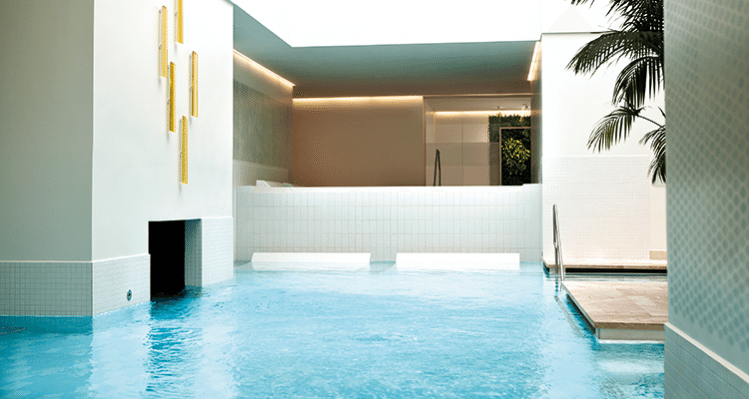
The big draw, though, is the excellent spa, where a big central pool is surrounded by assorted thermal experiences. There’s also a well-stocked spa shop and an on-site medical center offering services from acupuncture and reflexology to dentistry, psychiatry and physiotherapy.
The hotel spa fills one wing overlooking the courtyard and was built in 2012 to create a light airy oasis of calm with sixteen different water experiences, as well as specialist wellness and beauty treatments.
The spa at Kurgitel Skodsborg
Inspired by Dr. Carl Ottoson a different fresh juice is available each day in the Lobby.
Sea bathing was considered extremely healthy and Skodsborg is one of many Badehoteller along the Danish coast.
Bathroom at Kurhotel Skodsborg
The bedrooms come in an assortment of shapes and sizes but all have a calm, classic look, with pale woods and a tastefully subdued color palette of soft greys, blues, beiges and off-whites. We stayed in a lovely room with a balcony looking towards the sea, where we were able to see the occasional white sails drift across our view on Øresund. Our bathroom was stocked with natural skincare products from Danish brand Karmameju. In the wardrobe we found toweling robes for the spa as well as a stylish rubber basket to carry our things.
The three restaurants have a focus on healthy eating – but the food is so delicious and inventively prepared that there’s no sense of denial. The chefs, who have experience from Michelin star kitchens, have created a menu of light, seasonal dishes, based on New Nordic principles of using the best local ingredients in mouth-watering combinations. Particularly in The Restaurant by Kroun, the fine-dining option has earned rave reviews from Danish food critics for its gourmet Nordic dishes.
Fine dining at Kurhotel Skodsborg
More informal is The Brasserie, where breakfast choices range from chia pots and fruit-topped porridge to generous servings of avocado and smoked salmon. Dinner highlights include a flavor-packed fish soup and fabulous homemade ice cream.
Gourmet dining at Kurhotel Skodsborg
The most laid-back option is The Lobby on the ground floor, with delicious smørrebrød, cakes and cocktails. There are soft grey velvet sofas, marble tables and candles flickering in cut-glass holders – so restful and elegant. This is the heart of the hotel where guests can read, chat with friends or have a coffee outside in the courtyard when the weather is fine.
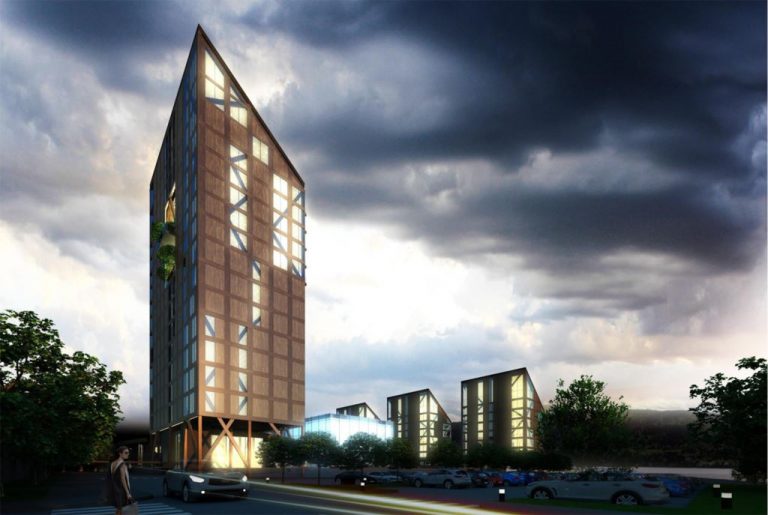
This week a construction project out of the ordinary started in Brumunddal, a short two hours’ train ride from the capital, Oslo. The world’s tallest wooden house will be built at the brim of lake Mjøsa. For a while the apartment complex Treet (The Tree) in Bergen, completed in 2015, was the reigning world champion with its 51 meters and 14 floors.
The Mjos Tower. Photo: DnB Eiendom
When the University of British Columbia completed work on all 53 meters of the Brock Commons student housing project last September, The Tree was reduced to just a very pretty, very tall building.
The Tree, Bergen
However, the record now seems to be headed back towards Norwegian shores.
The new wooden ‘skyscraper’, becoming a unique hotel, will open December next year for check-ins and will reach a height of around 81 meters, 18 floors, a space of 8,000 square meters and a price tag of around NOK 450 million.
“We have a challenging constructor who now has challenged us to build the world’s tallest wooden building,” says architect Claudia Arnault at Voll Architects, the company responsible for the ‘Mjøs Tower’.
Investor and constructor Arthur Buchardt
The ground floor will include a reception, restaurant and adjoining bath and swimming pool facilities. On the floor above there will be meeting rooms and a conference hall. Floors 3-7 floors will house offices, while floors 8-11 are hotel facilities. From 12th to 18th floors there will be apartments.
The block of apartments is a kit of parts that includes modules and frameworks in laminated wood. The first step is the installation of four apartment modules on top of the basement floor. Then a support structure with a so-called power floor will be constructed.
“Ringsaker is the municipality in the world with most knowledge about wooden construction. Therefore, this will be a living showcase of what the industry in Ringsaker has to offer, including its extensive expertise around the timber construction industry, ” says constructor and Norwegian hotel king Arthur Buchardt to the newspaper Aftenposten.
The main construction and paneling will consist of glue laminated timber and massive wood.
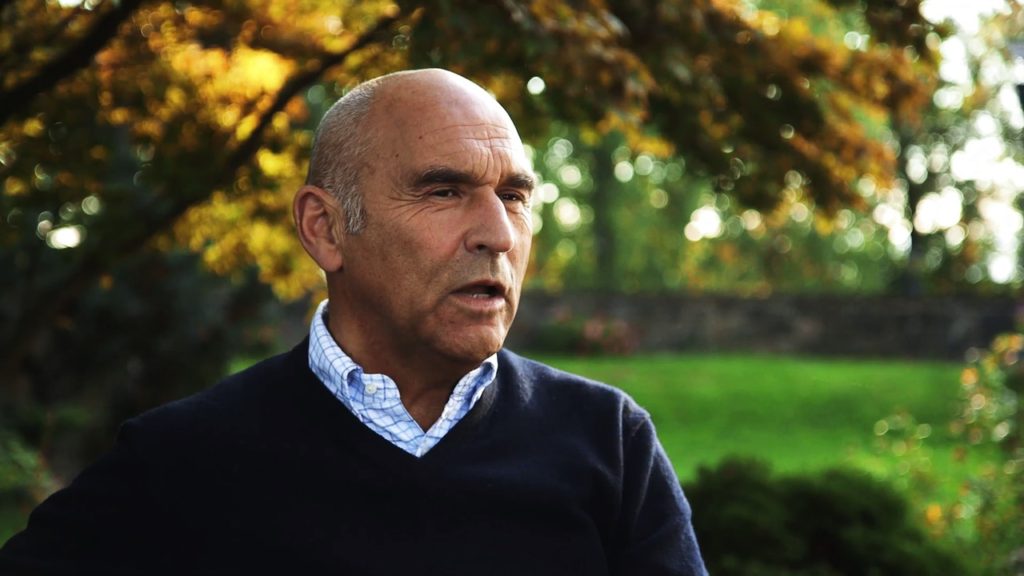
“This is a project we have worked with for years, and now it becomes a reality. It is a prestigious project for everyone involved. It is not certain whether it will open the market for many such tall wooden buildings, but this construction technique is equally applicable to buildings of 7 to 10 floors,” says managing director of the construction company Moelven Limtre, Åge Holmestad.
Managing director of the construction company Moelven Limtre, Åge Holmestad
“The tower will produce the same amount of energy that it spends. This will be achieved through solar thermal energy, solar cell paneling and heat pumps directed at both earth and water. The project will demonstrate ‘the green shift’ in practice.”
In Norway, the quest to erect the world’s tallest wood building now seems to have become a sport in itself.
Holmestad indicates that interest in the building is greater abroad than in Norway.
Norway Will Be Home To World’s Highest Wooden Building,written by Tor Kjolberg
Internet giant Amazon will build three data centers across Sweden, the first in the Nordic region, bringing the number of its “cloud” storage facilities in Europe to ten.
The new AWS EU (Stockholm) Region will be operational in 2018. The new AWS Infrastructure Region will enable customers to run workloads in Sweden and serve end-users across the Nordics with even lower latency.
AWS logo
AWS will establish its centers in three towns, Katrineholm, Vasteras and Eskilstuna, located west of Stockholm.
“AWS’s decision to open a new region in Sweden to serve the Nordics with flexible, secure, reliable, and low latency cloud services confirms that Sweden has the best possible conditions to operate large-scale datacenters,” says Tomas Sokolnicki, head of datacenters at Business Sweden.
AWS earnings preview
In Europe, Amazon already has three data centers in Ireland, two in Great Britain and two in Germany, according to its website. The group announced in September that it planned to open three more in France this year.
“For over a decade, we’ve had a large number of Nordic customers building their businesses on AWS,” the head of AWS, Andy Jassy, said in a statement from Agence France Presse.
In Europe, Amazon already has three data centers in Ireland, two in Great Britain and two in Germany, according to its website.
Sweden’s unique combination of low energy costs, the lowest in the European Union, together with a strong renewable energy base, a near zero-carbon footprint and robust fiber connectivity makes it one of Europe’s most ideal locations for datacenters.
“The Nordic’s most successful startups, including iZettle, King, Mojang, and Supercell, as well as some of the most respected enterprises in the world, such as IKEA, Nokia, Scania, and Telenor, depend on AWS to run their businesses, enabling them to be more agile and responsive to their customers. An AWS Region in Stockholm enables Swedish and Nordic customers, with local latency or data sovereignty requirements, to move the rest of their applications to AWS and enjoy cost and agility advantages across their entire application portfolio,” said Jassy.
AWS mapping and monitoring
Sweden has a strong proven track record in the digital economy, driven by a high rate of technology adoption and an innovative business climate. The adoption of cloud has matured to an advanced stage where the private and public sectors increasingly are relying more on cloud infrastructure.
AWS runs numerous data centers around the world organized by regions
About Amazon Web Services
For 11 years, Amazon Web Services has been the world’s most comprehensive and broadly adopted cloud platform. AWS offers over 90 fully featured services for compute, storage, networking, database, analytics, application services, deployment, management, developer, mobile, Internet of Things (IoT), Artificial Intelligence (AI), security, hybrid and enterprise applications, from 42 Availability Zones (AZs) across 16 geographic regions in the U.S., Australia, Brazil, Canada, China, Germany, India, Ireland, Japan, Korea, Singapore, and the UK. AWS services are trusted by millions of active customers around the world monthly — including the fastest growing startups, largest enterprises, and leading government agencies — to power their infrastructure, make them more agile, and lower costs. To learn more about AWS, visit https://aws.amazon.com.
Amazon Web Services (AWS) to Expand in Sweden, compiled by Admin
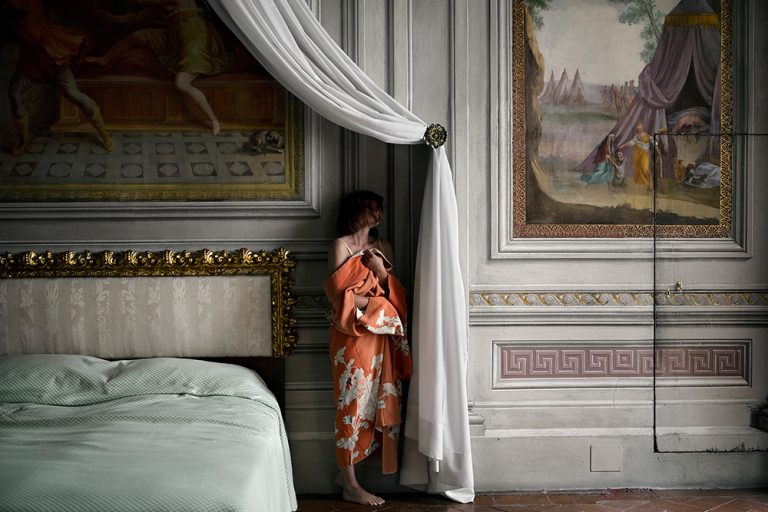
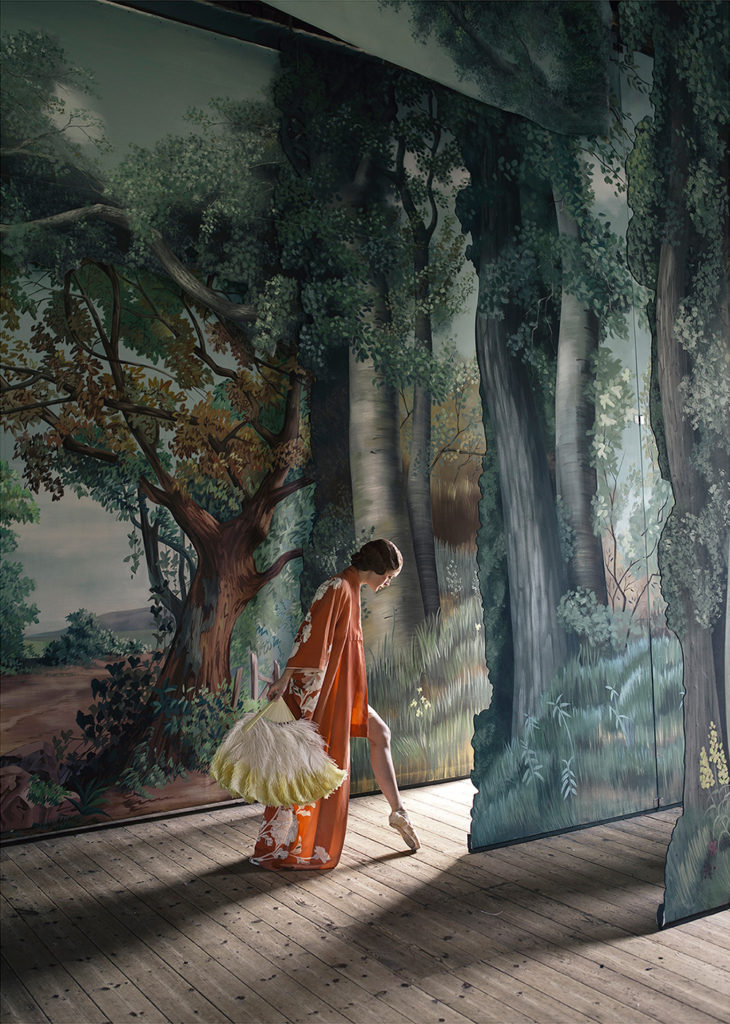
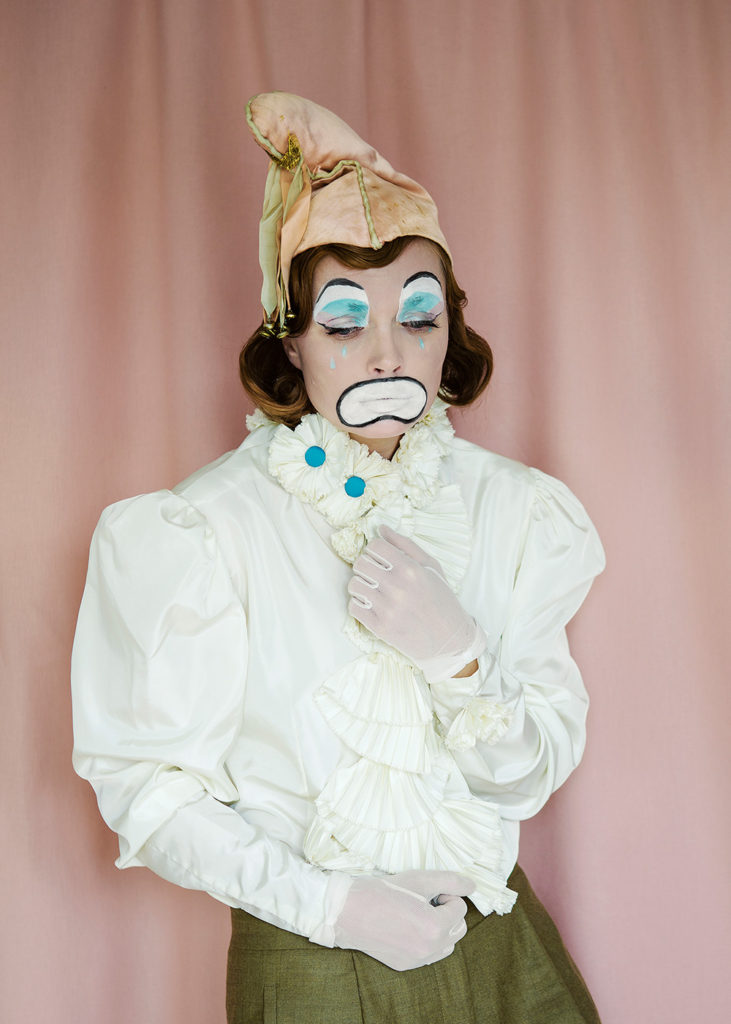
According to British Journal of Photography, Norwegian photographer Anja Niemi, based in London, is one of the most compelling modern artists working today. Until end of April her exhibition “The Woman Who Never Existed” is on display at Shoot Gallery in Oslo.
The Norwegian Photographer Who Never Existed
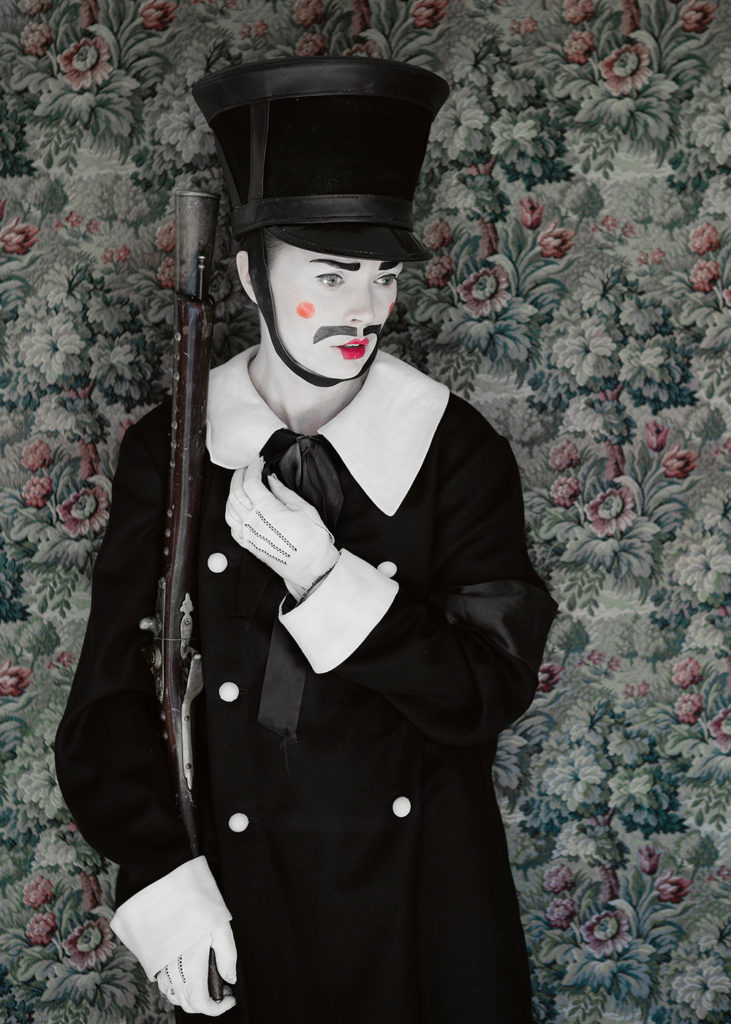
Niemi always works alone; photographing, staging and acting out the characters in all of her photographs. Niemi is rarely giving interviews but to a pushy New York journalist she once said that ‘away from the stage I do not exist.’
Niemi always works alone; photographing, staging and acting out the characters in all of her photographs
Niemi has been represented at prestigious art galleries around the world, and her work is highly collectable, including being a part of the Nion McEvoy Collection, the Hudson Bay Company Global Art Collection and the Susanne von Meiss Collection.
Niemi has been represented at prestigious art galleries around the world
Her auction record was achieved in January 2017 when Room 81 (bed), from her Do Not Disturb series, was sold for a record $7,000 by auction house Peddle8.
Niemi’s subjects (often the photographer herself) are perfectly coiffed, immaculately styled and totally composed
She has published three books, Photographing in Costume (The Little Black Gallery, 2015), Short Strories (Jane & Jeremy, 2016) and The Woman Who Never Existed has recently been issued by Jane and Jeremy. This book is an edition of 100 only and is available exclusively from the Little Black Gallery, London. The book has been supported by the Norwegian Embassy.
The Woman Who Never Existed was inspired by the words of the pioneering Italian actress Eleonora Duse
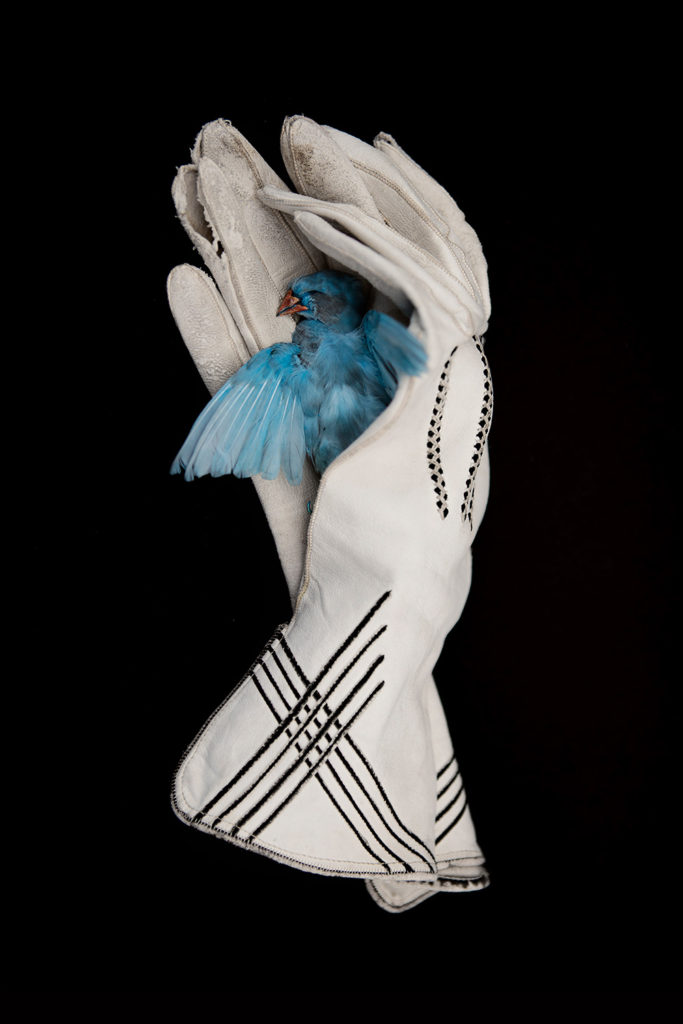
Anja Niemi creates carefully curated images that are part hyper-reality, part future-illusion that explore the female identity. Niemi’s subjects (often the photographer herself) are perfectly coiffed, immaculately styled and totally composed.
Niemi’s work is highly collectable
Her series, “Darlene & Me”, inspired by a 1959 abandoned suitcase filled with the remnants of a woman named Darlene, and “Do Not Disturb” inspired by 1950s housewives in Norway getting a paid housewife vacation from the government, show that Anja knows how to direct, and tell a story through the medium of photography.
“The Woman Who Never Existed” is on display at Shoot Gallery in Oslo through April
The Woman Who Never Existed was inspired by the words of the pioneering Italian actress Eleonora Duse, who worked the international theatre stage alongside Sara Bernhardt in the early 20th century. In contrast to Bernhardt’s outgoing personality, Duse was introverted and private.
Niemi (b1976) studied at the London College of Printing and Parsons School of Design in Paris and New York.
The Norwegian Photographer Who Never Existed, written by Tor Kjolberg
The World has already over 1,700 gene-banks holding collections of food crops for safekeeping. Many of these are, however, vulnerable, exposed for disasters as well as natural catastrophes and war. The so-called World Arctic Archive has, since 1984, stored backup Nordic plant germplasm via frozen seeds in an abandoned coal mine at Svalbard.
More than 10,000 seed samples of more than 2,000 cultivars for 300 species have since
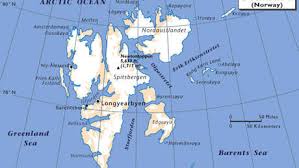
Map of Svalbard
1984 been deposed. Now the Doomsday Vault has expanded and don’t only store seeds but archiving data using developed film. Now a country can upload tests, images or audio-visual content to special servers. These data will be transferred to a special film that is designed to withstand significant wear and tear.
Norway, Sweden, Finland, Denmark and Iceland’s prime ministers ceremonially laid “the first stone” on 19 June 2006. On 1 January 2008 the Nordic Gene Bank was integrated with NordGen. The purpose of the Vault is to store duplicates (backups) of seed samples from the world’s crop collections.
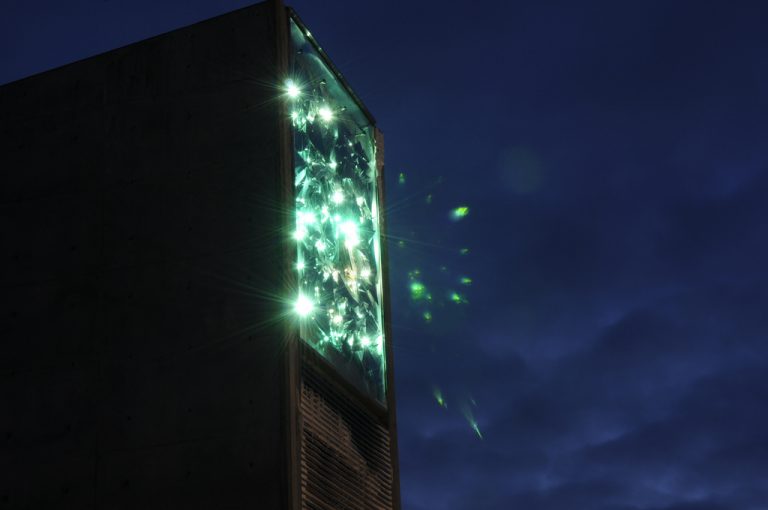
Buried deep Inside a mountain, the Vault hopes to ensure survival of organic matter and archived data.The Doomsday Seed Vault has been built deep inside Arctic mountains
Analog storage is generally considered more future proof than digital, and as long the internet and servers are still functioning, the data will remain searchable online in the event that the planet suffers some sort of catastrophic reset.
The seedbank is 120 meters (390 ft) inside a sandstone mountain on Spitsbergen Island, and employs robust security systems. Seeds are packaged in special three-ply foil packets and heat sealed to exclude moisture. The facility is managed by the Nordic Genetic Resource Center, though there is no permanent staff on-site.
The global Doomsday Seedbank at Svalbard
Permafrost and thick rock ensure that the seed samples will remain frozen even without power. A feasibility study prior to construction determined that the vault could, for hundreds of years, preserve most major food crops’ seeds. Some, including those of important grains, could survive far longer—possibly thousands of years. The Vault is the ultimate insurance policy for the world’s food supply, offering options for future generations to overcome the challenges of climate change and population growth.
In 2015, the first withdrawal of seeds from the Global Seed Vault occurred. Samples of wheat, barley, and grasses were sent to replace seeds in a gene bank in Aleppo that was damaged in the ongoing Syrian Civil war
The Doomsday Seed Vault has been built In cooperation with major genetic engineering agribusiness giants such as DuPont and Syngenta
Mexico and Brazil are the only countries that so far have submitted to the expanded vault. Brazil has submitted historical documents like the Brazilian Constitution and Mexico has submitted important documents that date all the way back to the Inca period.
The Doomsday Vault in Norway That Stores Crops and Data, written by Tor Kjolberg
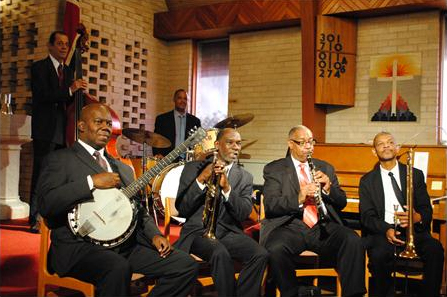
Formerly known as the Norwegian Seamen’s Church, The Scandinavian Jazz Church continues its monthly jazz service which has been held since 1905.
The reason is probably that Scandinavians are serious music fans, especially fans of jazz and New Orleans.
From the Jazzkirken in New Orleans
For hundreds of years, Scandinavians were seafarers, especially Norwegians, and that country established missionary-style churches to cater to Norwegian seamen all over the world in port cities in 1864, to provide a taste of home, comfort and spiritual counseling, and a place for respite from the ships they lived on and the hardships of living at sea.
The New Orleans Norwegian Seamen’s Church was established in 1906, and at one point in time was one of 30 US churches. That number has dwindled now to only six, and recently the Norwegian Seamen’s Church New Orleans (NSCNO) was closed by its Bergen, Norway-based home church.
Anchor in front of the Norwegian Seamen’s Church in New Orleans
The NSCNO also became known for the jazz that was played there regularly. At least once a month (usually the first Sunday at 11 a.m.) there’s a service that features local jazz musicians. And there are many events at the church that feature local musicians too. It became known as jazzkirken (the jazz church).
Church historians say that Narvin Kimball, the church’s letter carrier by day and jazz banjoist at Preservation Hall by night, was among the first invited to play in the church. By the late 1970s, the church began hosting jazz concerts in the dining room and by the swimming pool and conducting a jazz service the first Sunday of each month. Renowned New Orleans jazz musicians, including musician and singer Uncle Lionel Batiste, trumpeter Gregg Stafford, guitarist-banjoist Seva Venet, banjoist-raconteur Danny Barker, pianist Sadie Goodson, bassists Chester Zardis and Roland Guerin, trumpeter Leon Brown, and clarinetist, bandleader, composer, and jazz historian Dr. Michael White, made the Jazz Church one of New Orleans’ little known but greatest jazz venues.
Many of Preservation Hall’s finest jazz musicians have performed at various church functions
When the local community found out that the NSCNO was closing, a group put together a committee to try to find a way to keep the church open, and through a lot of hard work over at least a year, the group has managed to buy the church from Norway, and it’s now been re-christened the Scandinavian Jazz Church and Cultural Center.
If you’ve never been there, you should go to enjoy the jazz services, to say nothing of the phenomenal Norwegian and Scandinavian coffee and pastries after the Sunday services.
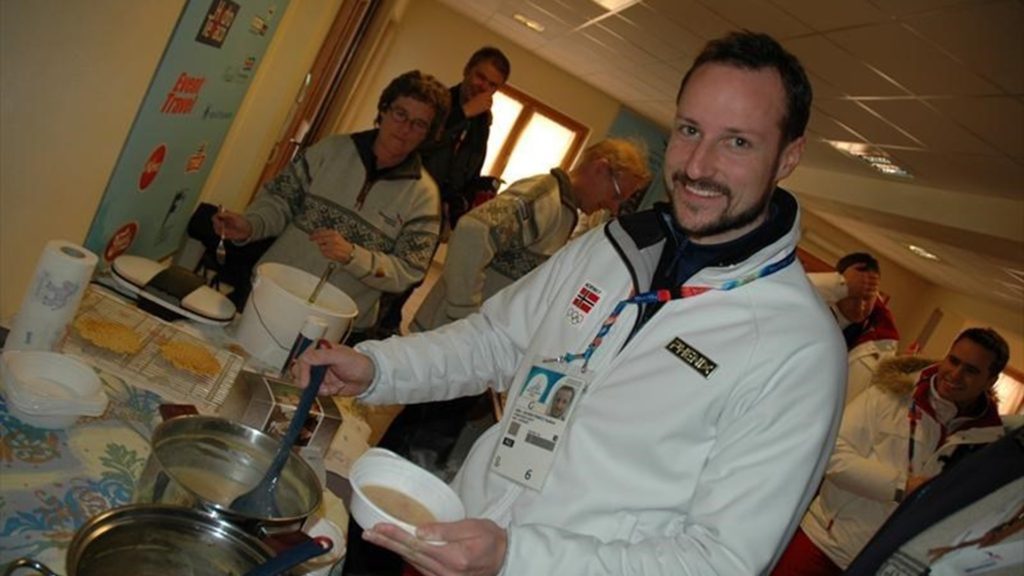
Crownprince Haakon of Norway visiting the Jazz church. Photo: Inge Morland
Father Winston Rice, head of the new operators, says, “Of course, music will continue to occupy an important place in our worship as we continue the practice of a jazz service on the first Sunday of each month. In due course, we hope to expand our schedule of jazz services and further enrich our regular worship liturgy by incorporating into it more music, especially jazz. We also aspire to become a center for the celebration of Scandinavian history and culture and are planning exhibits and events to accomplish that goal.”
“We have high hopes for the Jazz Church,” continues Rev. Rice. “We have a hardworking board of directors, advisory council, and the Nordic consular corps is on board. We are aiming to become a Nordic cultural center and a ‘home away from home’ for visitors. We expect to celebrate Syttende Mai, hold a large Scandinavian festival in November, perform Santa Lucia in December, and offer numerous cultural events throughout the year. Plus, we plan to join in with local culture by serving a crawfish boil in April and participating in the French Quarter Festival, Jazz Fest, and Mardi Gras. We have a significant long-term relationship with the community at large for the efforts we have undertaken. Additionally, we hope to stimulate more Scandinavian travel to our part of the world. It’s a challenge. It’s as if we’re standing on top of a big oil field—just have to figure out how to drill the well.”
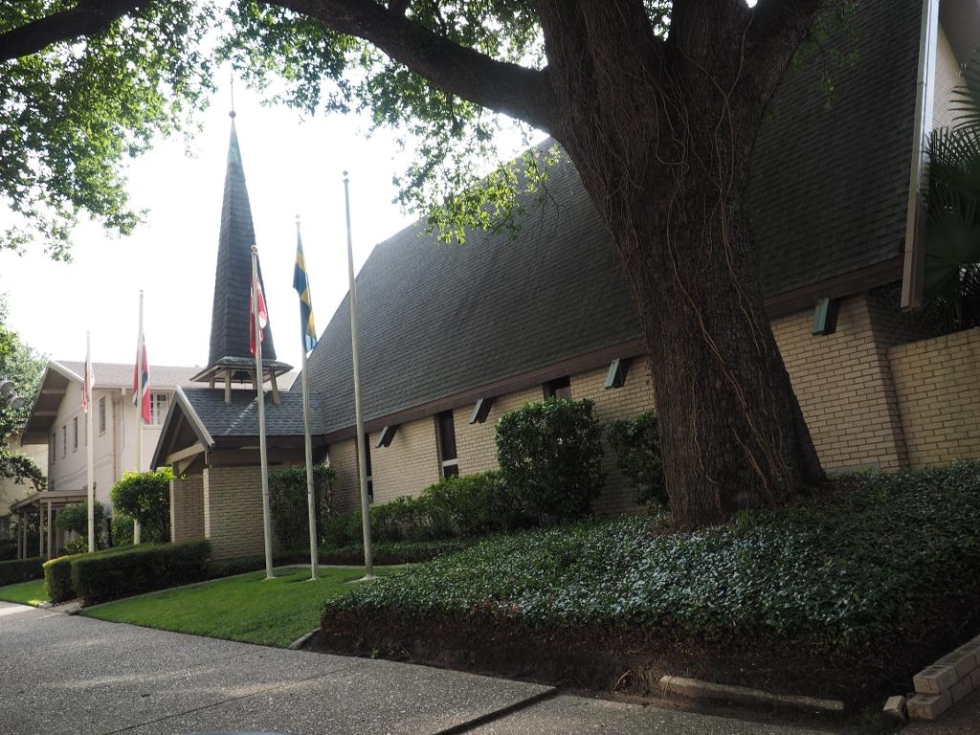
Norwegian Seamen’s Church in New Orleans. Photo: Erlend Berge
The transition to a local governing group doesn’t come without a price. The Jazz Church has approximately 16 months to raise $700,000 to purchase the building. If funds are not secured, the NCA will take back the building, release the Jazz Church from its commitment, and offer it for sale.
The editor would like to thank Cecila Kjellgren from New Orleans for sharing the information on the Scandinavian Jazz Church in New Orleans with us.
Part of this information has previously been published in Offbeat Magazine.
Norway’s long varied coastline provides ample opportunities for harvesting both “wild” and farm-raised fish. The slow ripening process of everything that grows during the light summer imparts an extraordinary aroma to berries, fruits and vegetables. And animals that graze on the verdant grass provide meat with a distinctive full flavor.
Norwegian fishballs with white sauce. Photo: REMA 1000
Tasty Norwegian fare Norway is known for its fish – from cod to monkfish, sea wolf to halibut. Ubiquitous salmon, marinated or smoked, remains a delicacy in this part of the world. Fishballs with new potatoes is a traditional dish, and fishcakes, which can be bought from the fishmonger, make a delicious snack. Whale is found on some restaurant menus.
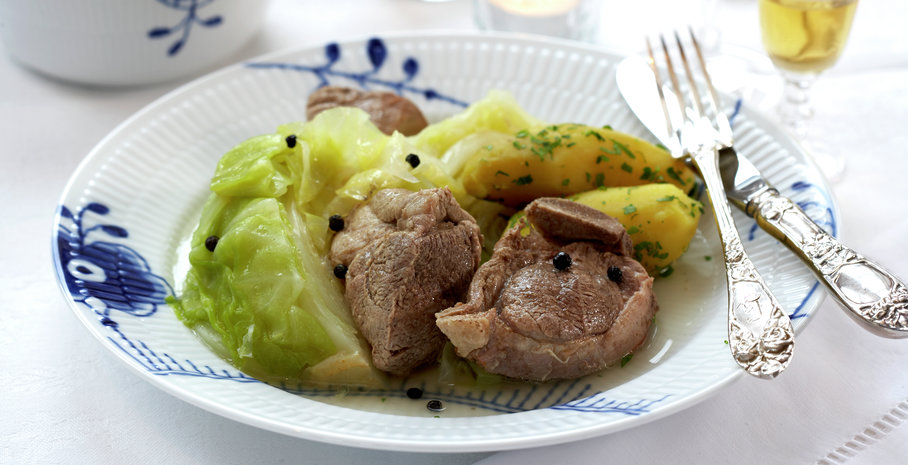
Norwegian fårikål
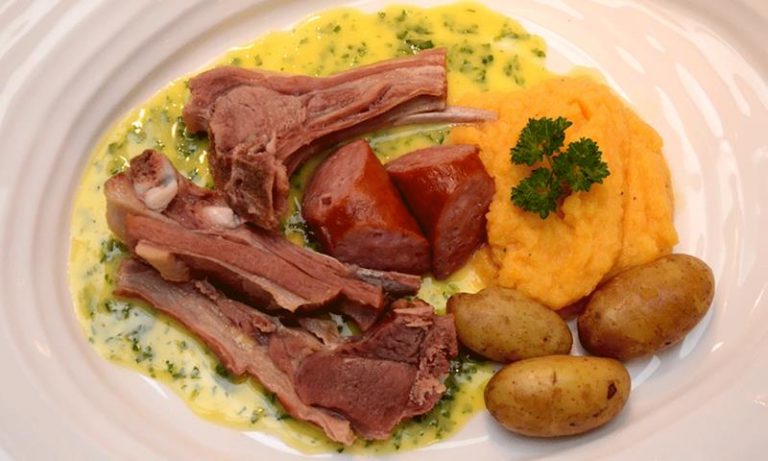
Autumn is the time to indulge in game such as reindeer, elk or grouse, ideally served with tangy berries and wild mushrooms. Lamb, though not found on many restaurant menus, forms the basis of several treasured Christmas-dishes like fårikål (slowly simmered mutton with cabbage and peppercorns) and pinnekjøtt (which combines salted, dried and smoked lamb). Foreign guests are skeptical of lutefisk, another holiday “treat”, which translates to cod marinated in lye.
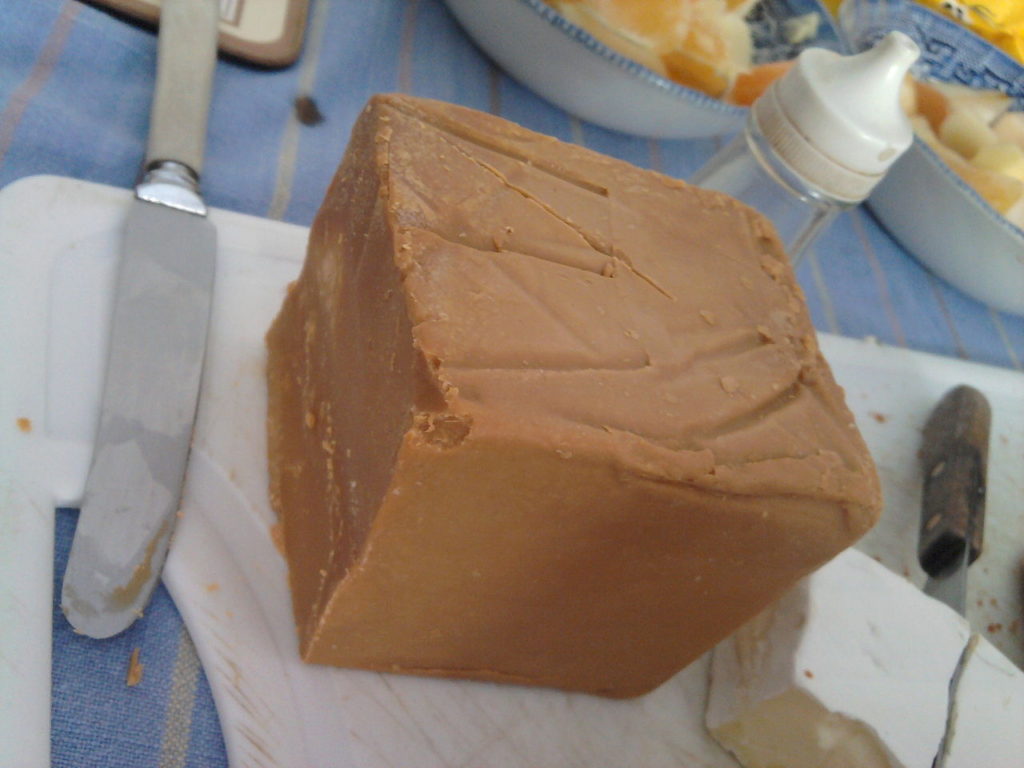
Norwegian geitost. Phito: Wikipedia
Cheese and fruity desserts Jarlsberg will be familiar to visitors, but geitost (brown goat’s cheese is seldom found outside the country and should be experienced. Usually found at breakfast, it is caramel colored and slightly sweet.
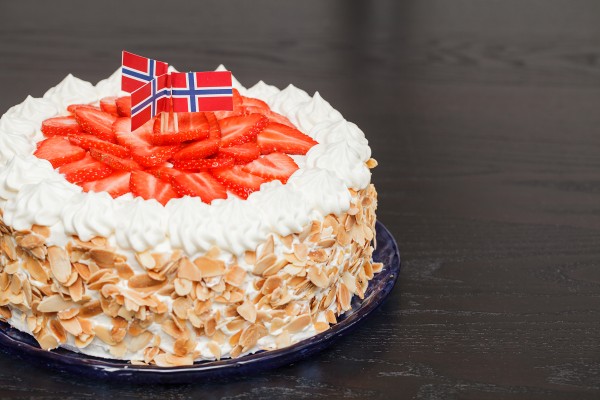
Norwegian bløtkake
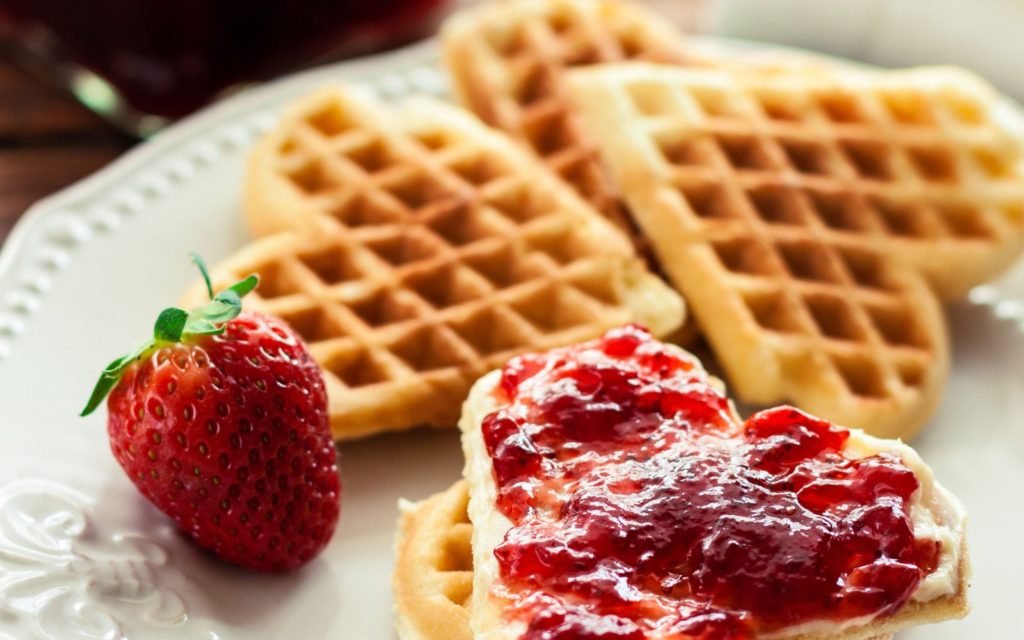
Desserts are always popular. Try bløtkake, a rich sponge cake topped with strawberries, karamellpudding, similar to flan and fresh waffles served with fresh fruit and whipped cream. Thanks to the cool climate and clean air, plums, pears, berries and oversized Morello cherries are pure indulgence.
Norwegian waffles. Phito: Jernia
Food and Drink in Norway, written by Tor Kjolberg
Feature image (on top): Norwegian pinnekjøtt. Photo: Coop
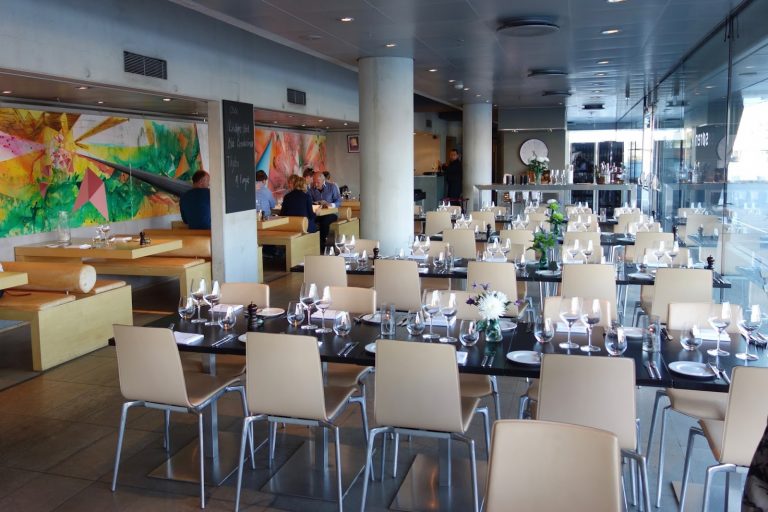
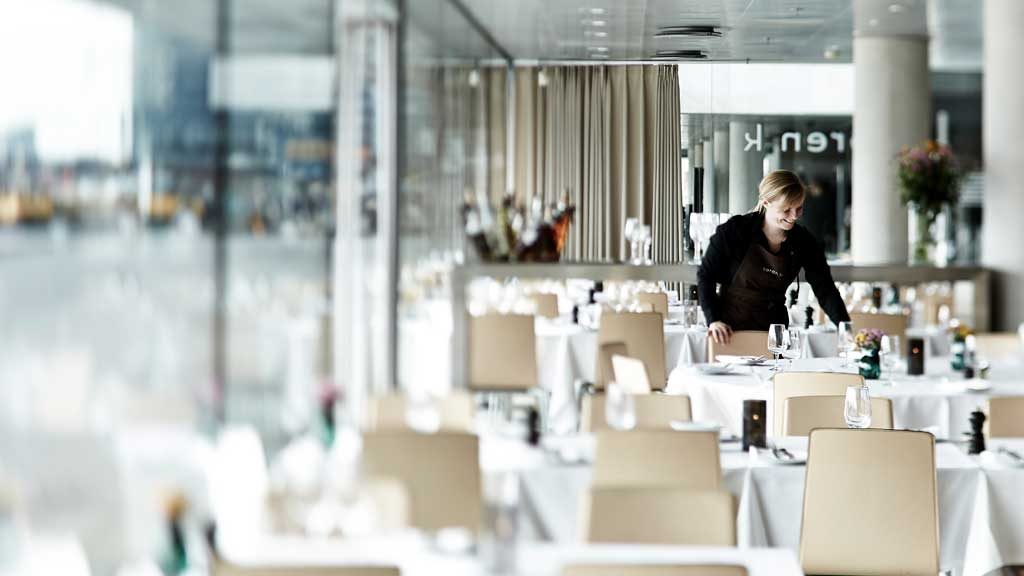
Restaurant Søren K has been inside the Royal Library Black Diamond complex ever since it was built in 1999. The restaurant was originally named Jens Heding until last fall when Mayers took over the operation of all serving tasks at the library.
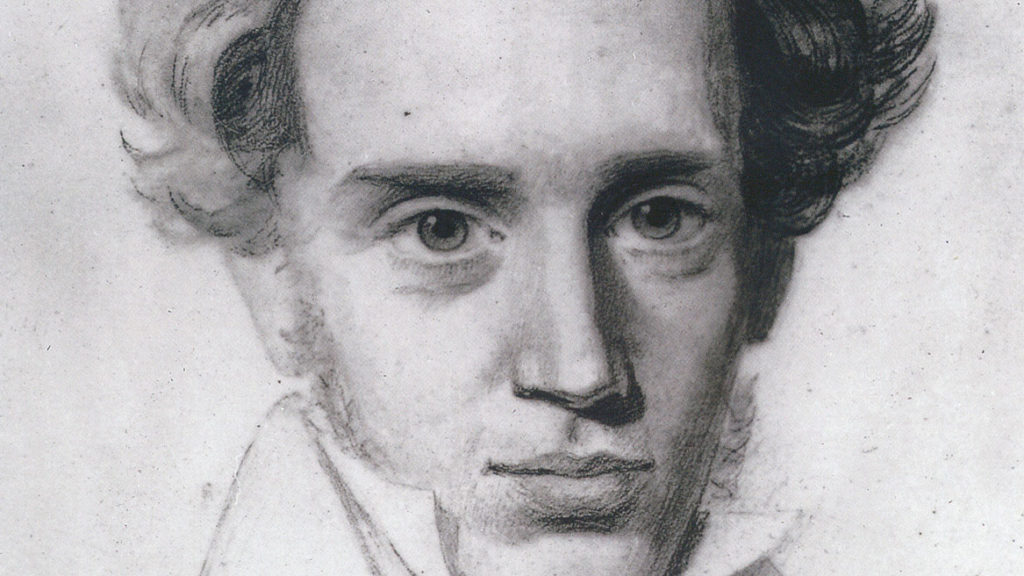
Søren K, a Scandinavian Brasserie, is named after the famous Danish philosopher Søren Kierkegaard, and there issomething distinctly Kierkegaardian about the atmosphere there. Søren Kierkegaard is known as the father of existentialism, the philosopher of anxiety and the scourge of the church.
Søren Kierkegaard, drawing by Nuewlsa Christian Kierkegaard
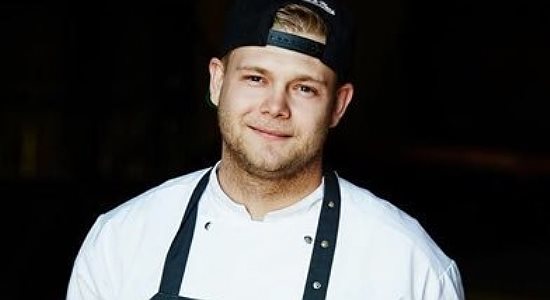
Chef Casper Stuhr Sobczyk, coming from Alchemist, is ‘the wizard’ in the kitchen. Scandinavian produce and recipes is the focal point of their style of food, using fresh ingredients make for the best and most tasty result.
Chef Casper Stuhr Sobczyk
All dishes are starter size. We recommend the chef’s cod roe with remoulade flavored with smoke. The cod roe had a delicious juicy and pink core. The most important thing for Søren K is the taste of the produce they use. Or try cured veal tongue or Norwegian lobster and the Snickers cake.
Søren K restaurant in Copenhagen
City breaks are often about eating, drinking and perhaps a bit of window-shopping. Kierkegaard would, however, not have been amused. His opinion was that we should be eating and drinking in order to live, and not live in order to eat and drink.
Dish at Søren K, Copenhagen
The location, in the heart of Copenhagen, is in itself worth a visit. Søren K is situated in one of Denmark’s most celebrated and spectacular buildings. Kierkegaard himself rarely travelled, and he loved his city. “It is big enough to be a major city, small enough that there is no market price on human beings,” he wrote.
Restaurant Søren K in Copenhagen, Written by Tor Kjolberg











































 In 2015, the first withdrawal of seeds from the Global Seed Vault occurred. Samples of wheat, barley, and grasses were sent to replace seeds in a gene bank in Aleppo that was damaged in the ongoing Syrian Civil war