
Slow Down in Norway

Sustainable tourism is important to Norwegians. Movie pictures like Disney’s Frozen, showing beautiful Norwegian nature and the so-called Norwegian ‘slow tv-shows’, have made hordes of tourists come to see the real thing.

In a country where in winter the daylight shrinks to a couple of hours and in the summer the night never quite grows dark, one visitor explained: “I wanted to go as far north as I could and see for myself how people managed to survive such a dualistic relationship with the sun without going at least some kind of crazy.”
Slow Down in Norway
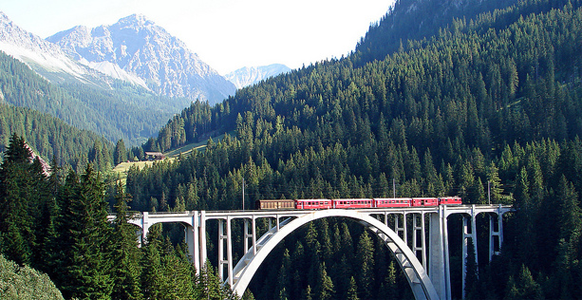
The Oslo – Bergen railway

But some are definitely crazy, making a tv-show from a 7.5 hour long train ride showing almost nothing than what could be seen through the train windows. It turned out to be immensely popular and was watched by two million people – roughly 45 percent of Norway’s population.

If you have the time you can watch it here:

The idea for slow TV was born over lunch at NRK Hordaland (in west-Norway) in 2009, the year that Bergensbanen, The Bergen Line, (a train that runs from the capital of Oslo to Bergen, one of the other largest cities in the country) celebrated its 100th anniversary.

Slow Down in Norway
Slow-tv from Norway (screenprint)

“We made a couple of regular documentaries, but had lots of archive material left over,” says Rune Møklebust, Head of Programming at NRK Hordaland.

And Norway’s slam hit Slow TV has never left its home country, but it’s hard to understand why.

Their first broadcast in 2009 was the 7.5 hour long train ride from Bergen to Oslo which you may watch above.

Slow Down in Norway
The idea for slow TV was born over lunch at NRK Hordaland (in west-Norway) in 2009

”Slow TV” gives us a unique experience; the feeling of being present in real time and space. Whether the arena is onboard a train or a boat – or in a venue were knitting pins are clicking away for 24 hours straight, both Norwegian and international viewers are captivated. Could this be a counter-reaction to our stressed everyday life?

The “slow-TV” from  Hurtigruten (The Coastal line), following the passenger line from north to south of Norway for several days, was also an extremely popular.

Hurtigruten literally means “the express route,” and while there is nothing “express” about it these days, back when it was founded in 1893, the ferry line was nothing short of a revelation, delivering mail and cargo and passengers to northern communities that were otherwise completely isolated from the rest of the world. Beginning in 1936, boats departed daily from Bergen and sailed all the way up to Kirkenes, covering a distance of 2,500 nautical miles while calling at 34 ports in just over six days. By combining navigational prowess, humble practicality and stunning natural beauty, the Hurtigruten ferry has become one of Norway’s treasured national symbols.

Slow Down in Norway
Hurtigruten, Norway

Most countries would love to attract more tourists, but Norway rather wishes they’d stay away. The country slashed its promotional advertising budget for next summer after experiencing a flood of curious visitors that it felt unprepared to handle, director of Fjord Norway, Kristian Jorgensen, told the British newspaper The Telegraph.

Slow Down in Norway
Disney’s animation Frozen made hordes of tourists come to see Norway

After the Bergen-Oslo and Hurtigruten  TV-shows a lot more followed, all of them with exciting names like National Knitting Morning and National Firewood Evening. Norway actually wants tourists to slow down and travel more sustainably.

“This year is sort of off the charts… quite incredible. There are days when there are too many people at some of the smaller destinations like Geiranger and Flam. We have very few of them, but we are not trying to make more of them,” said Jorgensen.

Slow Down in Norway
Slow-tv from Norway viewers

TV viewers have embraced the phenomenon“ slow TV” (“sakte-tv”)  to such an extent that the new expression has become a natural part of our vocabulary. “Slow TV” was even named “new word of the year” by The Language Council of Norway in 2013.

On YouTube there are videos that depict travelling the famous Bergen train line and flying over glaciers and fjords. They’re not exactly action sequences, and the Norwegian Broadcasting Corporation has jokingly said it hopes people realize it’s not a screensaver.

Slow Down in Norway
Piip Show coffee bar

Piip-show started as an Internet initiative where the whole world could follow the activities of birds that visited the small coffee shop that was rigged for the occasion.

A one-hour version of Hurtigruten has been shown on American TV.

LA-based indie LMNO Productions has acquired the U.S. remake rights to Norwegian public broadcaster NRK’s Slow TV format, from distributor DRG.

Slow Down in Norway, written by Tor Kjolberg
Reclaiming China in Denmark

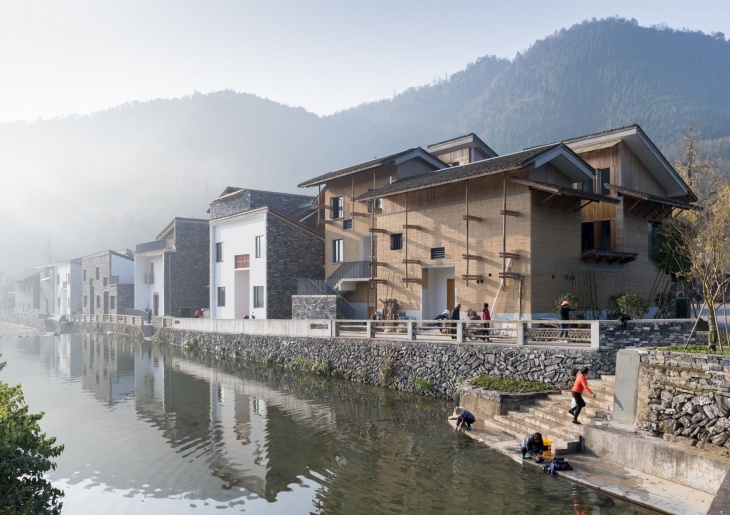
Chinese architect Wang Shu was awarded the most distinguished architectural honor, the Pritzker Prize, in 2012 for his ability to create architecture. “The Architect’s Studio” at Louisiana Museum of Modern Art in Copenhagen focuses on Chinese architect Wang Shu (b. 1963).

The Architect’s Studio is a new series of Louisiana exhibitions focusing on a new generation of pace-setting and prize-winning architects. The series intends to show developments among contemporary architects whose sustainable and socially aware practices take on the challenges of globalization. The first exhibition of this series focuses on Chinese architect Wang Shu.

Reclaiming China in Denmark
Wang Shu and his wife Lu Wenyu

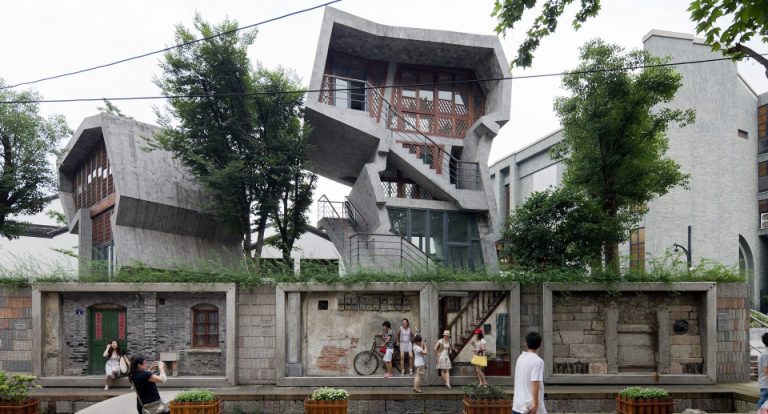
Wang Shu and his wife Lu Wenyu stand at the head of the Amateur Architecture Studio based in Hangzhou in China. The name of the studio underscores the vision of letting spontaneity, the available materials and local culture and building traditions form the basis for architecture which in Wang Shu’s own words should be “a house rather than a building”.

The specific design of the exhibition is being created in collaboration with Amateur Architecture, and besides presenting selected projects will include a more general introduction to traditional Chinese culture and philo­sophy as declared sources of inspiration for Wang Shu. In addition Amateur Architecture’s installation At The Parallel Scene from the 2016 Venice Biennale will form part of the exhibition.

Reclaiming China in Denmark
Selected projects will include a more general introduction to traditional Chinese culture and philo­sophy

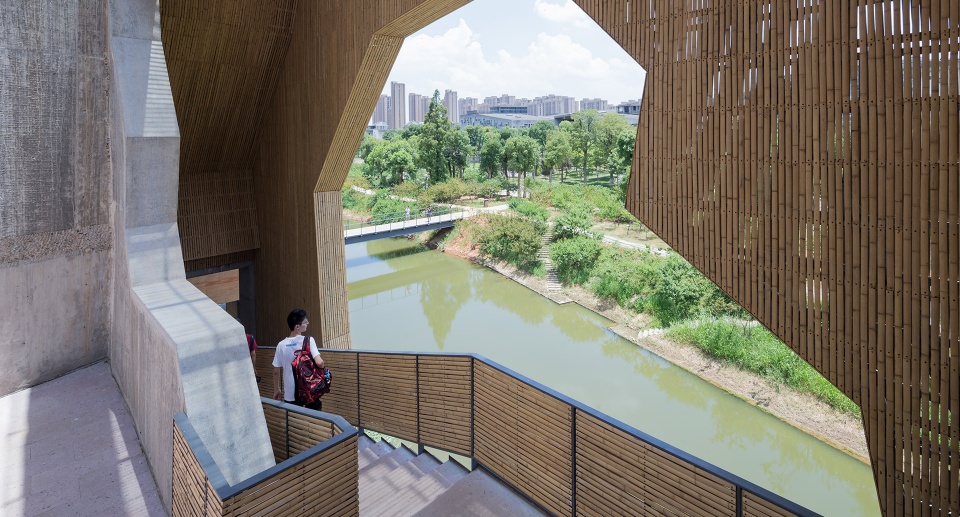
At a time when China’s explosive urbanization is making inroads into the rural areas and leaving the marks of cheap concrete construction everywhere, Wang Shu and Amateur Architecture are keen to work against this tendency by re-using materials from the buildings that the Chinese authorities are systematically tearing down and rebuilding after western models.

The practice that typifies Amateur Architecture thus emphasizes simple functionality over spectacular form, restoration over new construction, tradition over modernism. With projects like the Ningbo History Museum and the China Academy of Art in Hangzhou, Amateur Architecture insists on directing attention towards Chinese history, philosophy, landscape and culture. This implies distancing themselves from the influence of western culture, which in China, too, is a clear consequence of globalization.

Wang Shu was awarded the most distinguished architectural honor, the Pritzker Prize, in 2012 for his ability to create architecture, “opens new horizons while at the same time resonates with place and memory.” The prize jury noted, that his buildings have the unique ability to evoke the past, without making direct references to history. and that his architecture is exemplary in its strong sense of cultural continuity and re-invigorated tradition.

Reclaiming China in Denmark
Wang Shu opens new horizons while at the same time resonates with place and memory

“He calls his office Amateur Architecture Studio,” the jury citation stated, “but the work is that of a virtuoso in full command of the instruments of architecture—form, scale, material, space and light. The 2012 Pritzker Architecture Prize is given to Wang Shu for the exceptional nature and quality of his executed work, and also for his ongoing commitment to pursuing an uncompromising, responsible architecture arising from a sense of specific culture and place.”

Reclaiming China in Denmark
The 2012 Pritzker Architecture Prize is given to Wang Shu for the exceptional nature and quality of his executed work

For several years Louisiana has presented major thematic exhibitions on architecture, culture, identity such as LIVING, New Nordic and AFRICA. With The Architect’s Studio, a series of monographic exhibition, the musuem sets off from an earlier series shown 1998-2005. The focus then was on prestige projects of so-called ‘starchitects’ like Norman Foster, Frank Gehry and Jean Nouvel.

The aim of this new series is to trace the development in architecture since that time. How does a new generation of pace-setting architects work? What are their concerns, their challenges, what do they have in common? How do they respond to globalization, the environment, social problems? To be shown the the next couple of years, this series will include among others Alejandro Aravena from Chile (winner of the 2016 Pritzker Prize) and Tatiana Bilbao from Mexico.

Reclaiming China in Denmark, source: Louisiana Museum of Modern Art

Related: Louisiana Museum of Modern Art, Copenhagen

Prize Winning Documentary and Debate on Hannah Arendt in Oslo

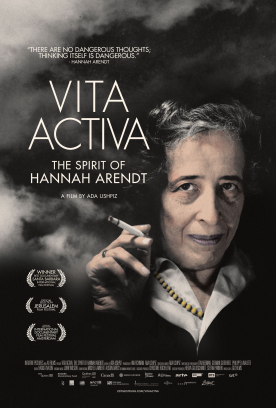
Last Thursday the prize-winning film “Vita activa – The Spirit of Hannah Arendt” by Ada Ushpiz had its first Norwegian performance and a panel discussion consisting of scholars in the Humanities, such as philosophy, political science, peace research and education.

Prize Winning Documentary and Debate on Hannah Arendt in Oslo
Vita activa poster

It took Ada Ushpiz  5 years to complete the film on Hannah Arendt. The actual production started on December 2012, ending in June 2015.

“The ultimate test of Arendt’s political-moral thinking, in my eyes, lies in its consistent relevance not only to the postmodern world she foresaw, but also to our current crumbled, disintegrated political world, where logic, in its worse sense, overpowers thought, and advances totalitarian patterns in democratic societies – Donald Trump’s America, Benjamin Netanyahu’s Israel and others,” says Ushpiz.

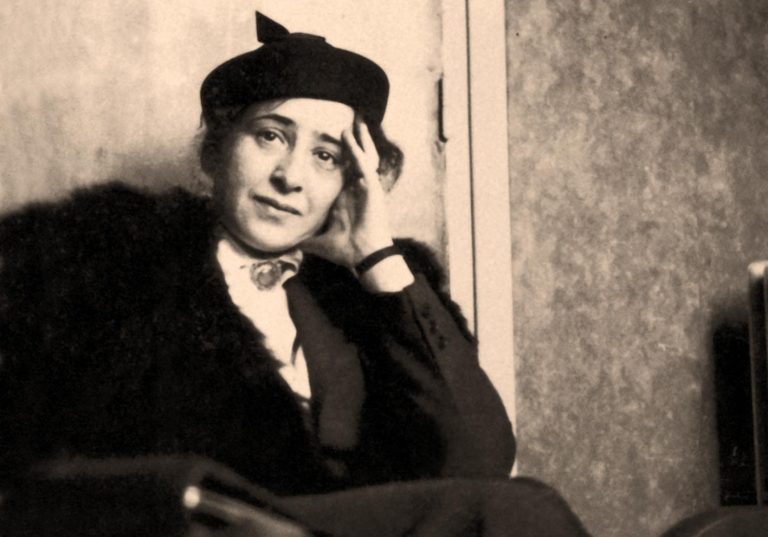
Hannah Arendt, who died in 1975, was a prolific and unclassifiable thinker, a political theorist, moral philosopher and polemicist of unmatched range and rigor, who caused an uproar in the 1960s. She coined the subversive concept of the “Banality of Evil” when she was referring to the Adolph Eichmann trial.

Prize Winning Documentary and Debate on Hannah Arendt in Oslo
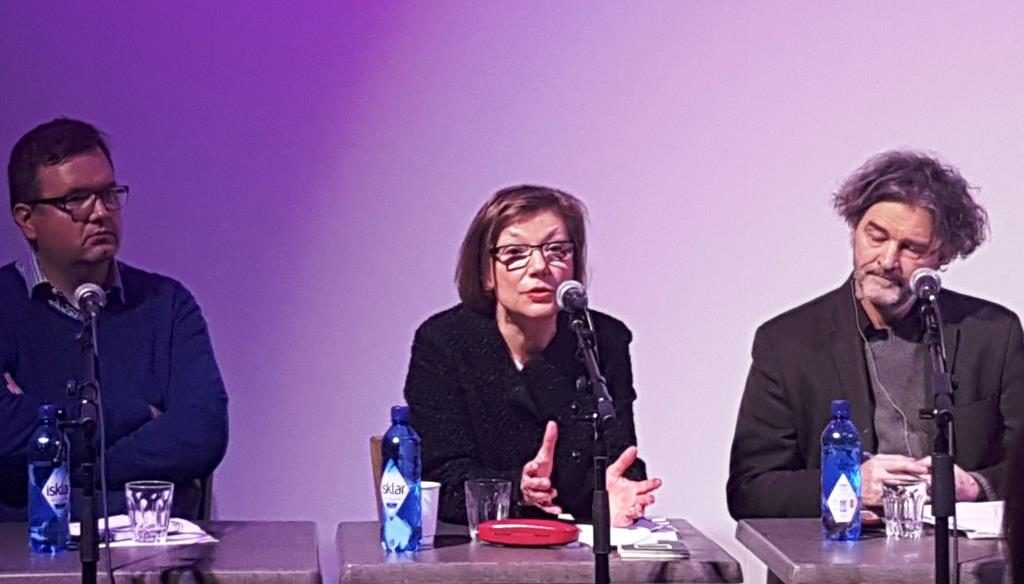
The panel – from left to right: Helgard Mahrdt, Truls Lie and Rina Rosh

The documentary by Ada Ushpiz draws on a wealth of source material in a detailed examination of her convictions. Correspondence read aloud in voice-over accompanies the photographs, home movies and other archive material, and these scenes are intercut with interviews with her contemporaries.

The film’s focus, however, is much wider than the still-potent debate over “Eichmann in Jerusalem,” which was widely and fiercely attacked for what critics took to be its trivialization of Eichmann’s deeds and its lack of sympathy for his victims.

Prize Winning Documentary and Debate on Hannah Arendt in Oslo
The panel – from left to right: Geir Aaserud, Helgard Mahrdt and Truls Lie.Photo: Jon Kaurel
Prize Winning Documentary and Debate on Hannah Arendt in Oslo
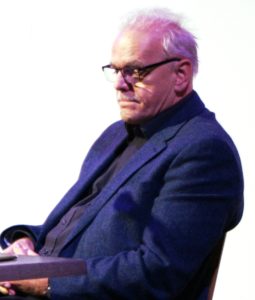
Wolfgang Heuer

The panel last Thursday consisted of Rina Rosh, Tel Aviv, researcher for the film Vita activa, Wolfgang Heuer, FU Berlin, Political Science, Henrik Syse, Peace Research Institute Oslo, Geir Aaserud, Western Norway University of Applied Sciences, Zoran Kurelic University of Zagreb Political Science and Helgard Mahrdt, Research Fellow in the Humanities, Department of Education, Univerrsity of Oslo. They discussed the many layers of Arendt’s life in the proper light, sticking to her rigorous thought processes. Moderator was Truls Lie, Editor-in-Chief of Ny Tid (Modern Times).

Interest in Arendt throughout the world, especially among young people, who find her insights into the nature of evil, totalitarianism, ideologies, and the perils faced by refugees, more relevant than ever. This was also a topic across the panel.

Prize Winning Documentary and Debate on Hannah Arendt in Oslo
The anel – from left tp right: Helgard Mahrdt, Truls Lie, Rina Rosh and Zoran Korelic

“In filmmaking, one cannot jeopardize the lucidity of storytelling, and from time to time, one needs to find points of conclusions. In a length of two hours’ film, paragraphs need to be shortened, sometimes to one sentence. It should be acknowledged that in such condensed limited timeframe one could not bring forward all the avenues and development of even one idea,” says Ushpiz.

Prize Winning Documentary and Debate on Hannah Arendt in Oslo
Hannah Arendt’s coverage of the Eichmann trial is still causing controversy. (Getty Images)

World War I forced masses of people to leave their homes, they became refugees and what Arendt coins “superfluous”. Arendt understood this and saw it as the rehearsal of what should happen later: the crime (Holocaust) against humanity executed on the Jewish people. “The film makes the case that exile allows some thinkers to see the bigger picture, even as they’re forced to sacrifice their own notion of home,” says Ada Ushpiz.

The film, produced by go2films, has gained several awards, among them “Winner – best documentary – Santa Barbara Film Festival” and “Best Research Award 2016” from the Israeli Documentary Filmmakers Forum.


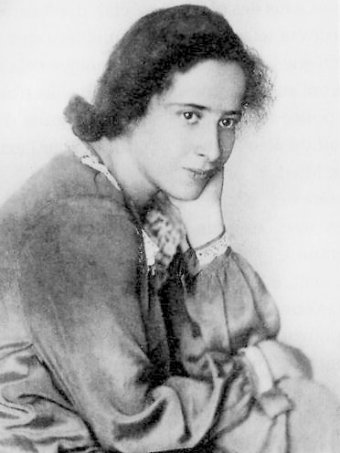
Portrait (on top) photo courtesy of the Hannah Arendt Bluecher Literary Trust and Jerome Kohn

Prize Winning Documentary and Debate on Hannah Arendt in Oslo, written and photographed (if not otherwise noted) by Tor Kjolberg

More on Hannah Arendt:

Hannah Arendt – Journal for Political Thinking


A Swedish Home of Tenderness and Contrast

0

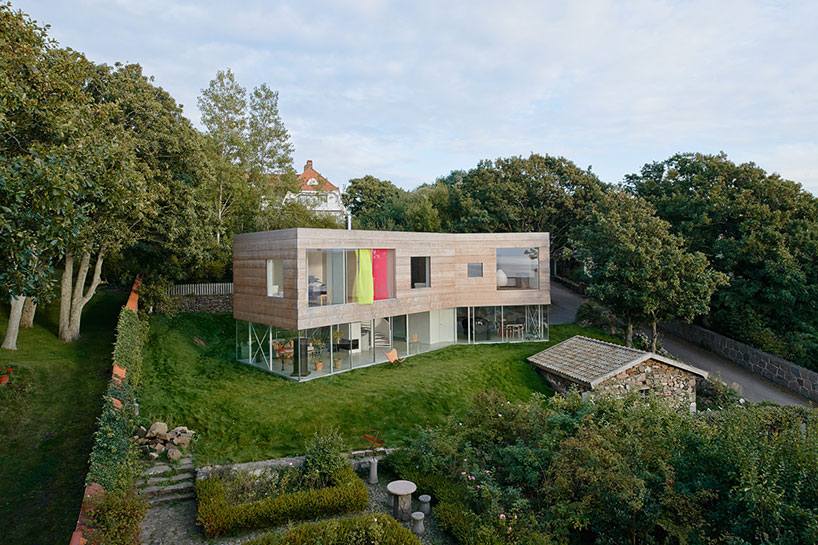
The Swedish architect Elding Oscarson is leaving a trace of eccentric as well as experimental architecture with the ‘home by the sea’ in the Swedish seaside town Mölle.

A Swedish Home of Tenderness and Contrast
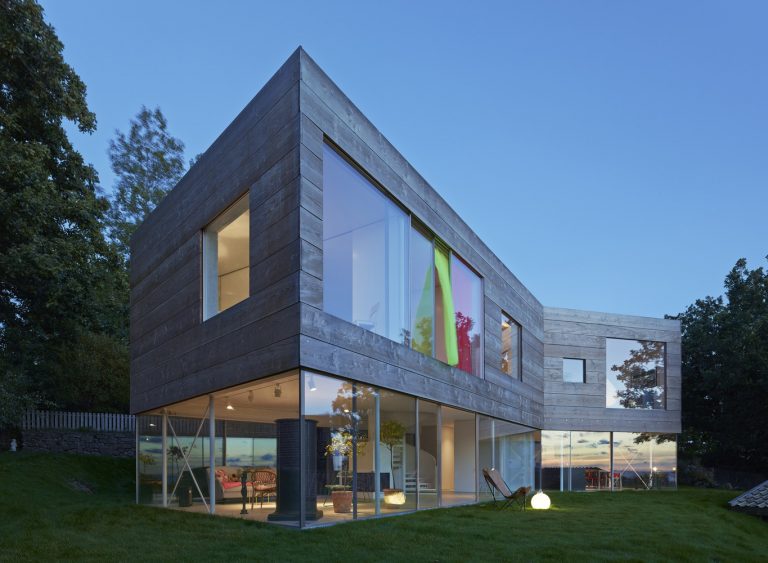
Elding Oscarson’s house ‘Mölle by the Sea’

When it comes to topography and landscape, Mölle is an extreme location. In addition It has an extreme history, since Northern Europeans were migrating to the “Sinful Mölle” around the turn of the century. “Sinful” because men and women were allowed to enjoy each other’s company at the same beach.


A Swedish Home of Tenderness and Contrast
An asterisk-like footprint with three wings projecting to the various corners of the site

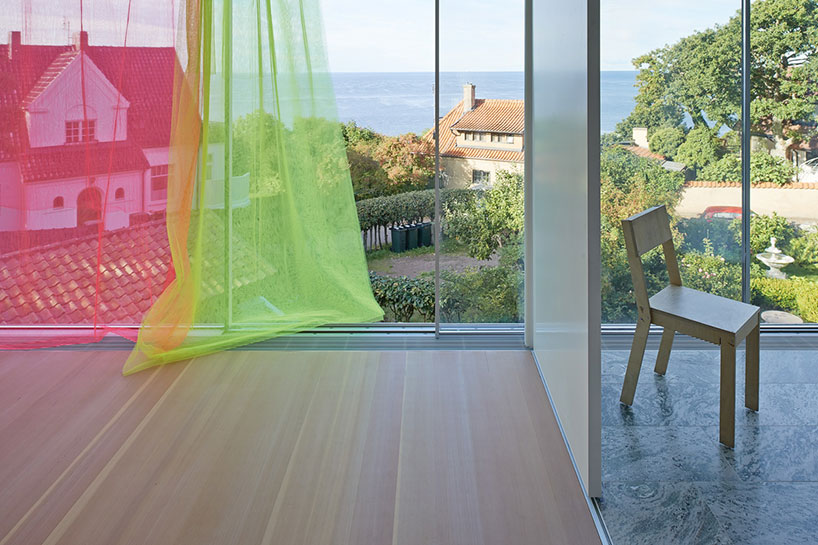
Today Mölle is considered an architecturally conservative area which provided a series of challenges and features when Oscarson was planning the home for a couple and their child. It has become a house that enjoys views in all directions rather than focusing each room towards the Östersund sea.

A Swedish Home of Tenderness and Contrast
The ground level reflects the lush surroundings

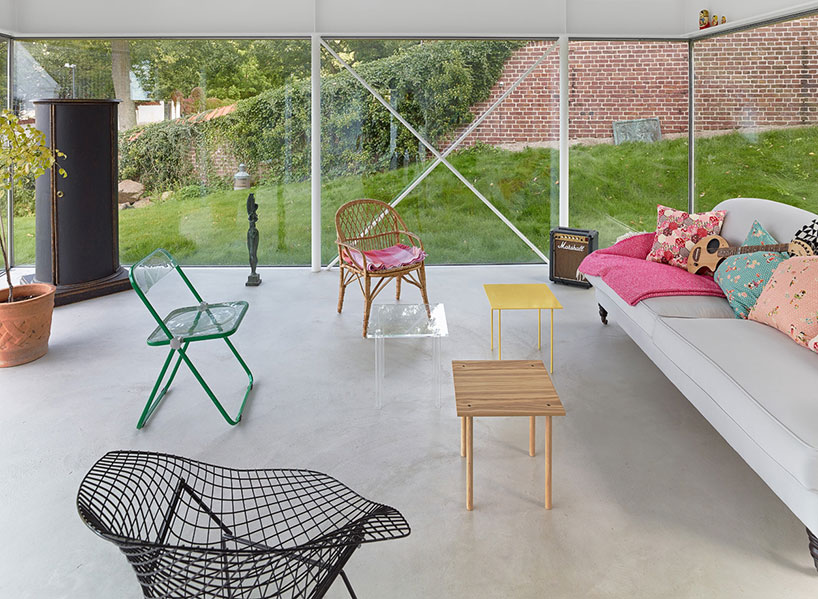
‘Molle by the Sea’ is a 300sqm house, both exposed and private with the social zone on the main level completely clad in floor to ceiling glazing and the upper, private volume wrapped in a stunning display of oversized rough sawn Douglas-fir boards.

A Swedish Home of Tenderness and Contrast
Elding Oscarson’s house ‘Mölle by the Sea’

The site has many qualities all around, with stone and brick walls, vegetation, and an original old ice cellar semi-submerged into a hill.  An asterisk-like footprint with three wings projecting to the various corners of the site, delineate private yards of different characteristics.

A Swedish Home of Tenderness and Contrast
‘Molle by the Sea’ is a 300sqm house

The graphic form of the plan results in a building volume that rather reads as a fragmentized whole – from some angles striking, from other neat. Full-height glass panels allow the exterior to frame the interior and allow the owners the constant enjoyment of the scenic surroundings.

A Swedish Home of Tenderness and Contrast
View into the living room

One of the most predominant eccentricities of the home is the choice to wrap the main level in glazing for a transparency that gives a floating effect to the upper volume. It is a study of contrasting elements working in harmony with each other.

Upstairs the bedrooms are fitted within a more opaque form clad in large format Douglas-fir planks that provide more privacy and introduce a new material to the street.

A Swedish Home of Tenderness and Contrast
View to the sea

The furnishings are carefully selected to offer a fresh and free spirited aesthetic to the social zone.

A Swedish Home of Tenderness and Contrast, written by Tor Kjolberg

All images: image © åke e:son lindman

Experimentarium in Copenhagen Re-opened

Three years of renovation, after a fire in April 2015, Denmark’s world class science center reopens better than ever.

Experimentarium in Copenhagen Re-opened
Pulstorvet (Pusle Marked). Photo: David Trood

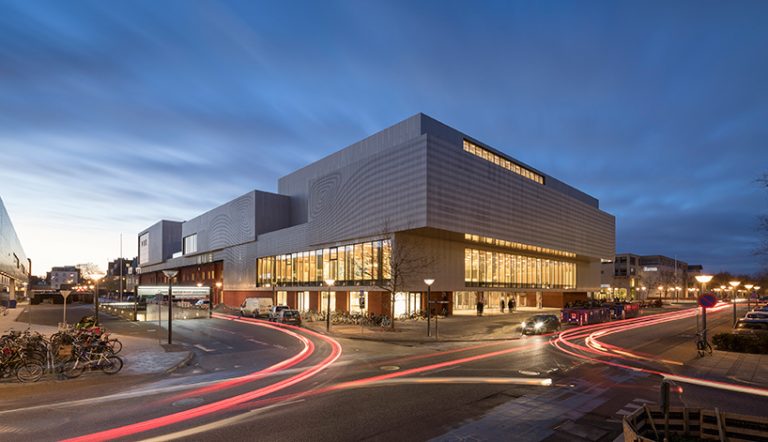
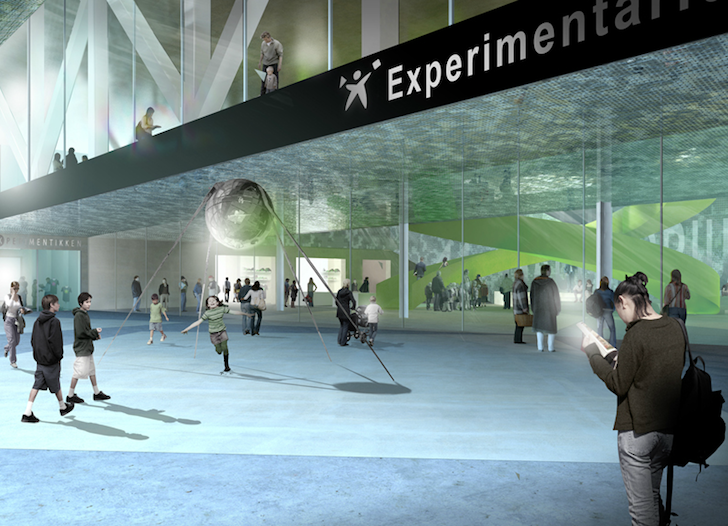
Copenhagen’s child-friendly science and tech hot spot Experimentarium has finally opened its doors again in Tuborg Havn in Hellerup. Located 15 minutes north of the center of Copenhagen and designed by Danish firm CEBRA Architecture, the museum now has a roof terrace, 16 exhibits  on 1,500 square meters spread across four floors, and the world’s first interactive cinema equipped with motion sensors, where everyone in the auditorium has to cooperate.

Experimentarium in Copenhagen Re-opened
The Port. Photo: David Trood

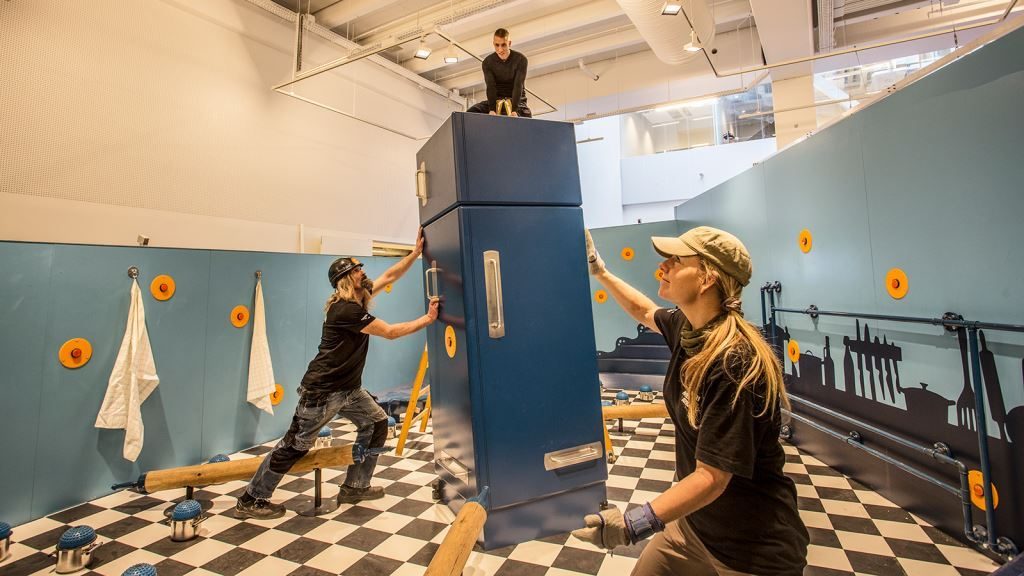
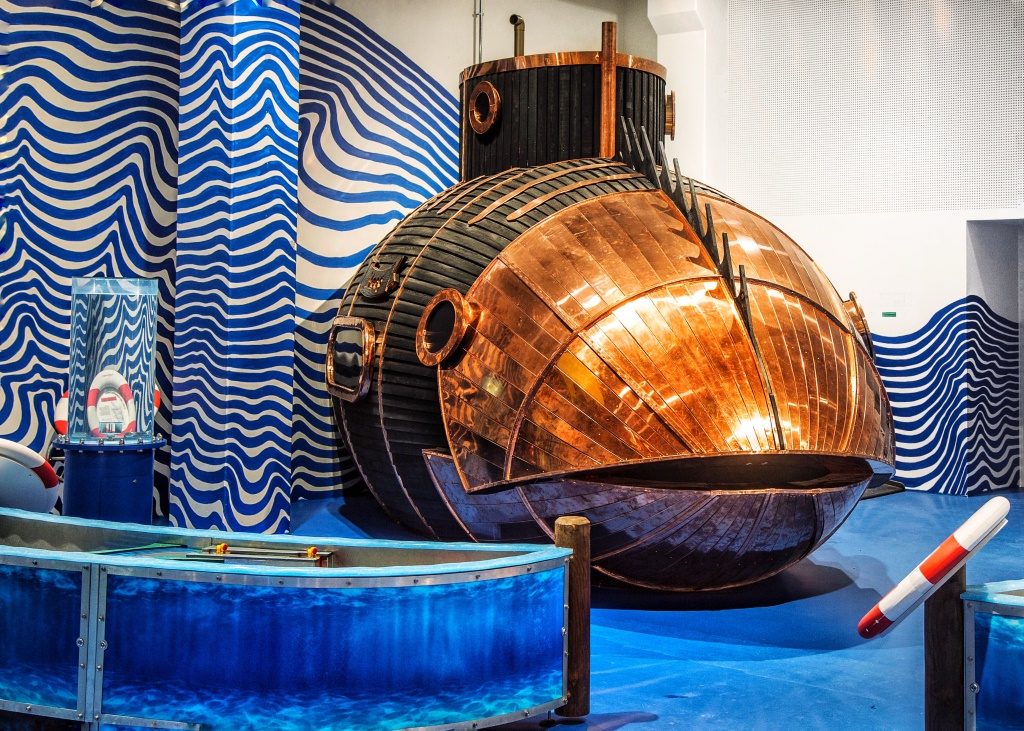
The interactive exhibitions focus on science and technology, and the Interactive Film Theatre was developed by Experimentarium and the Canadian science center Science North and made possible by a donation from TrygFonden. The redesign has added a large café and a picnic-area, a convention center, teaching facilities and a series of workshops, as well as the popular exhibits the Bubblearium, The Idea Company and House of Inventions.

Experimentarium City in Copenhagen Re-opened
Experimentarium plays an important role as an informal learning space and as a supplement to schools and upper secondary education

The twisting double helix located at the building’s entrance contains 160 tons of steel and is clad with 10 tons of copper.

Experimentarium City in Copenhagen Re-opened
The new Experimentarium offers hours of phenomenal experiences

“We consume passive entertainment at an all-time high and we surround ourselves with devices that help us do almost everything,” says  Experimentarium project manager, Henrik Helsgaun.  “But when technology and entertainment go hand in hand in the right way, we can also create physical experiences that inspire us to become more active — just like The Interactive Film Theatre does,” he adds.

Experimentarium in Copenhagen Re-opened
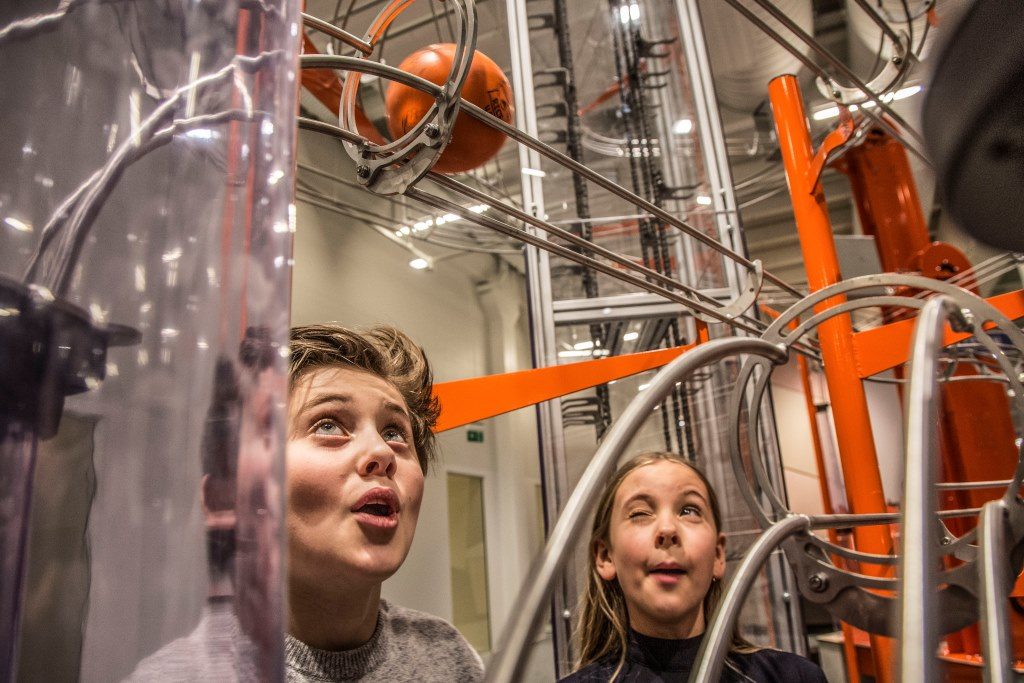
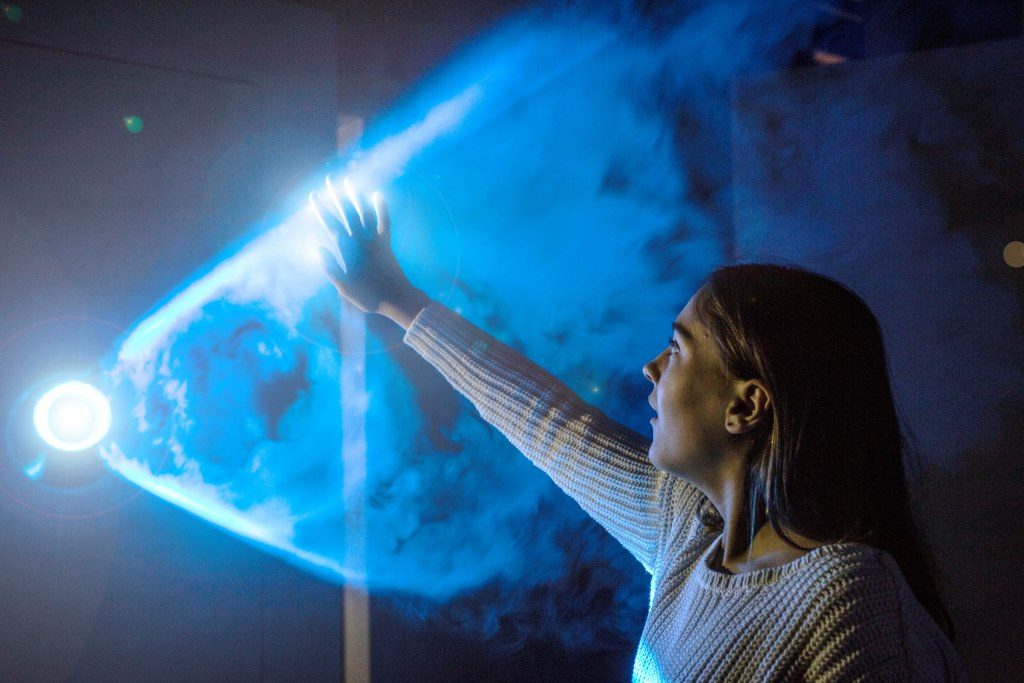
The interactive exhibitions focus on science and technology
Experimentarium in Copenhagen Re-opened
Tunnel of Senses. Photo: Christian Yssing

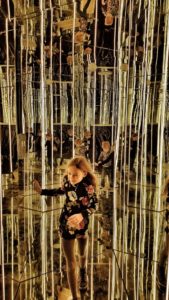
Experimentarium plays an important role as an informal learning space and as a supplement to schools and upper secondary education. The interactive exhibits explore everything from the human body to the fascinating science of soap bubbles.

“We provide families, schools classes and science-lovers in general, across all ages, with high-quality science exhibitions, where you’re allowed to touch and play and experience science in an innovative, new way,” writes Experimentarium on its website.

“The new Experimentarium offers hours of phenomenal experiences. But Experimentarium can also be summed up in that single moment when the spark of curiosity ignites and you suddenly see the light in a new way. Curiosity is the stuff the Experimentarium is made of — and curiosity is where the discovery of science and technology starts,” says Kim Gladstone Herlev, CEO.

The building itself is also rather remarkable. CEBRA won the architectural competition in 2011 to design the new Experimentarium and its design makes the museum feel much bigger and lighter than the previous incarnation. The architectural centerpiece is the curving copper clad Helix staircase inspired by the DNA molecule’s spiral shape.

Experimentarium City in Copenhagen Re-opened
Experimentarium is designed by Danish firm CEBRA Architecture

The architects reused wall structures and foundations from the old Tuborg bottling plant, which was also the setting for the first Experimentarium, and added boxes, made partly of recycled beer and aluminum cans, to the shiny perforated exterior and large glass windows, creating a much lighter and open feeling.

Experimentarium in Copenhagen Re-opened
On the rooftop. Photo: Anders Bruun

Kolja Nielsen, chief executive of CEBRA, said: “We have designed a building that reflects and supports Experimentarium’s exciting exhibits. Both the interior and exterior are strongly inspired by science and technology.”

Experimentarium in Copenhagen Re-opened
Experimentarium plays an important role as an informal learning space. Photo: David Trood

Experimentarium has long been a public favorite, attracting over 8 million visitors since opening in 1991. The new Experimentarium expects half a million visitors in 2017 and hopes to attract more international tourists and day visitors from across Denmark and neighbors from Sweden and Norway.

Crown Prince Frederik was among the dignitaries who took part in the official opening ceremony January. 25.

Images via CEBRA Architecture

Experimentarium in Copenhagen Reopened, written by Tor Kjolberg

We wish to thank Henriette Hauge at Experimentarium for her support

Now in Oslo: Love in the Time of Loneliness

At the Edvard Munch Museum in Oslo, the works of Edvard Munch is now juxtaposed against Gustave Flaubert’s groundbreaking novel Madame Bovary.

Two masters come face to face when Munch’s pictures are set against video installations and make us reflect upon how we view each other in social situations and question what happens when we are denied visual dialogue.

Now in Oslo: Love in the Time of Loneliness
Edvard Munch, self-portrait
Now in Oslo: Love in the Time of Loneliness
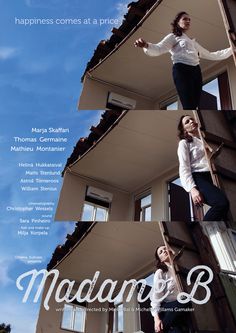
Madame B

For the first time, at the exhibition “Emma & Edvard – Love in the Time of Loneliness”, the works of Edvard Munch are being exhibited together with a comprehensive video installation. Madame B (2014) created by Michelle Williams Gamaker together with the internationally renowned culture theorist, artist and curator Mieke Bal, who is also curator of this exhibition.

The installation comprises eight video installations together with around 75 of Munch’s works – both well-known works as well as rarely exhibited paintings and graphic works. Madame B is a modern interpretation of Flaubert’s 1856 novel. This exhibition displays how the modernity of Munch’s works is brought into focus.

“It’s a great opportunity, and a great challenge to curate an exhibition out of the collection

Now in Oslo: Love in the Time of Loneliness
Madame Bovary, book-cover

of Munch’s paintings at the Munch Museum in Oslo, says the Dutch cultural theorist, video artist and critic Mieke Bal.  “Munch is one of the greatest modernist painters, so different from the cliché idea of modernism,” she adds.

The different halls of the exhibition are linked to themes surrounding the subject of social loneliness and the cinematic form of expression. Loneliness is often caused by a lack of communication and manifests itself through a socially awkward exchange of sideways glances.


Now in Oslo: Love in the Time of Loneliness
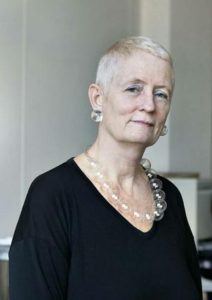
Mieke Bal

“Emma & Edvard is actually a triple project,” explains Mieke Bal, “curating an exhibition of Munch, a fabulous artist I never really got to know, but now I will. Include the 19-screens, 8-scenes exhibition Madame B Installation pieces, that Michelle Williams Gamaker and I made, and have already exhibited in many places, as you can see here: Madame B. And instead of the traditional catalogue, I will write a book, to accompany the dual exhibition.”

The Wedding of a Bohemian
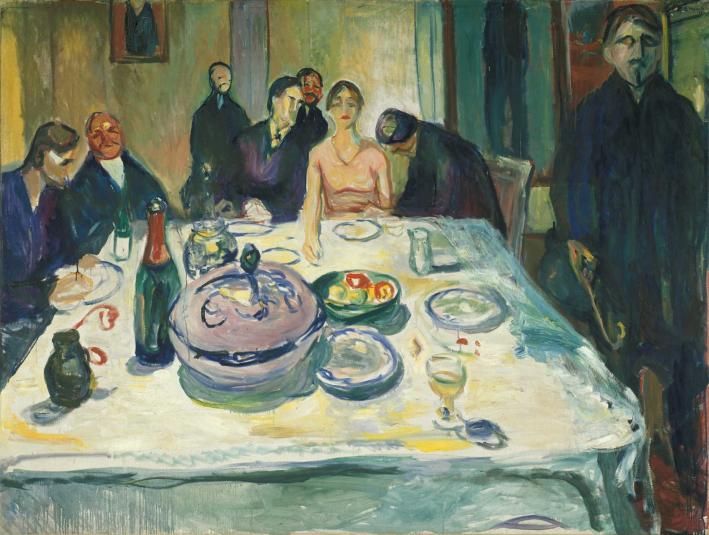
, one of Munch’s great works, provides a good example of failed communication: the bride is isolated in her loneliness despite being surrounded by seven men. The painting is exhibited in close proximity to a wedding scene in the Madame B video installation showing newlywed Emma B – ruefully and in desperation – moving amongst the guests, who are busily occupied gossiping about her.

Now in Oslo: Love in the Time of Loneliness
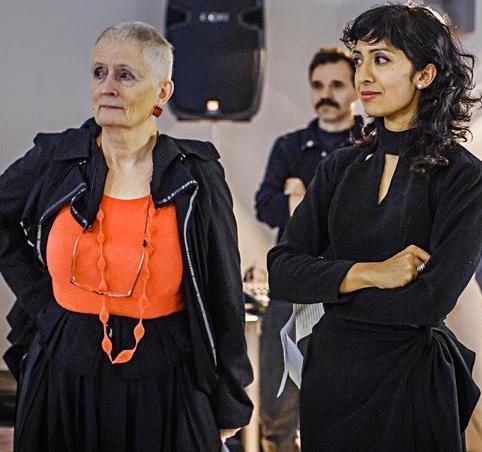
Mieke Bal and Michelle Williams Gamakker

The merciless self-portrait of Edvard Munch is Bal’s favorite painting of loneliness (see above). The sagging shoulders and interiorized gaze speak volumes to the expression of loneliness; the painting almost becomes an emblem of that psych-social state.

Now in Oslo: Love in the Time of Loneliness
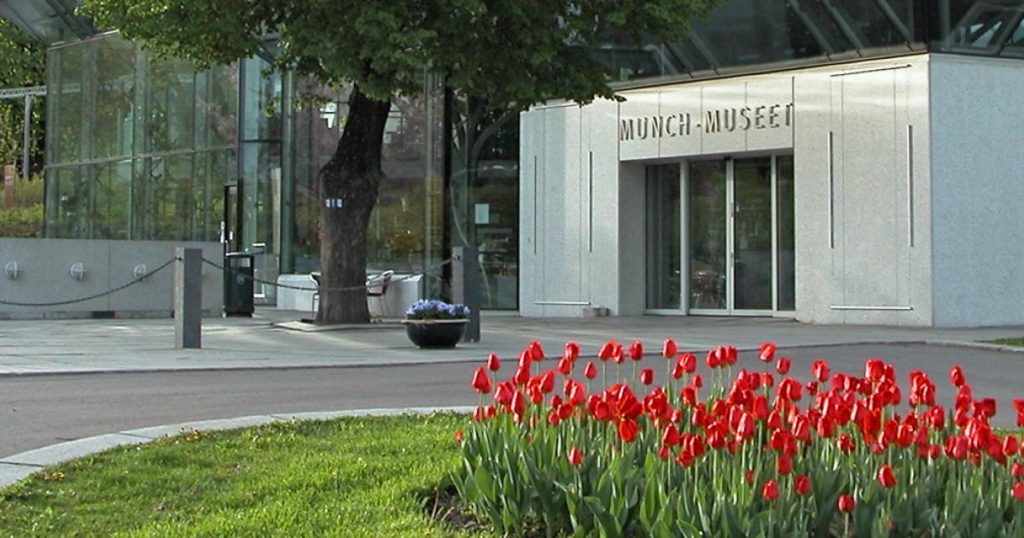
Edvard Munch Museum in Oslo

The direct (audio-)visual interplay between Munch’s art and Flaubert’s texts provides us with the opportunity to make up our own stories.

Feature image (on top) Edvard Munch: Wedding of the Bohemians

The exhibition runs through 17 April 2017.

Now in Oslo: Love in the Time of Loneliness, written by Tor Kjolberg
Related:
Edvard Munch Through the Eyes of Andy Warhool

Electric Highway in Sweden

0

The world´s first electric road was inaugurated near the city of Gävle in central Sweden last summer, the result of a unique partnership demonstrating the path towards fossil-free transportation. Scania is supplying with the electrically-powered trucks, which will operate under real traffic conditions.

Swedish truck OEM Scania (which is owned by Germany’s Volkswagen) is working with German technology-development firm Siemens to develop a new concept in commercial vehicle operation.

Electric Highway in Sweden
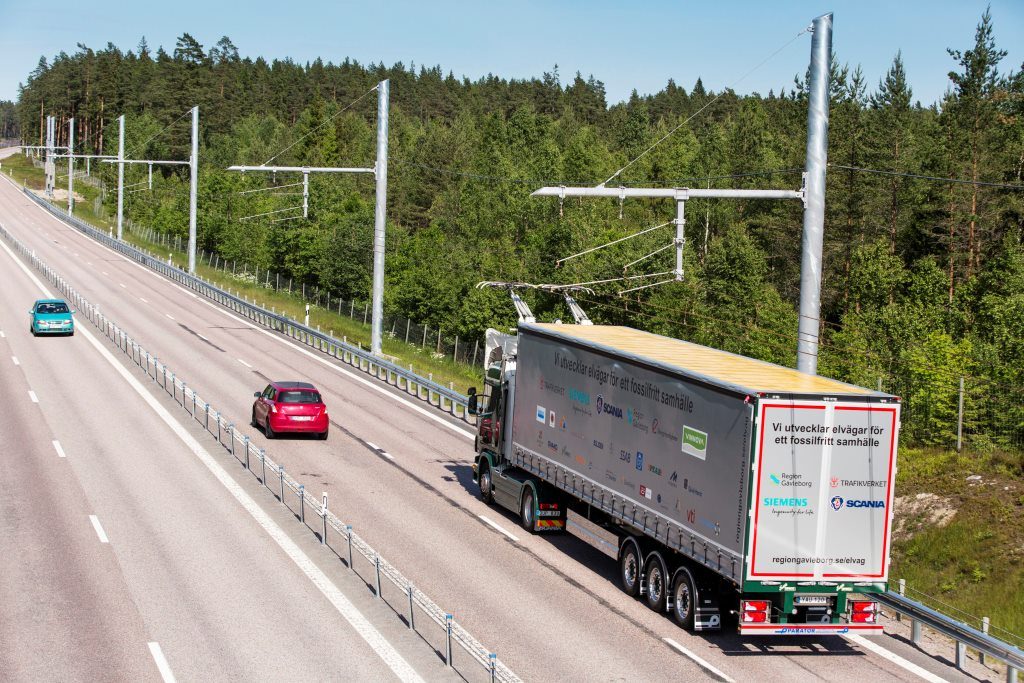
The strip on the electric road E16 features a dedicated hybrid truck lane with a Siemens conductive system

Sweden has thus become the first country to build an electric highway, creating a short 1.2 mile (2 kilometer) stretch of road that powers hybrid and electric trucks in real-world traffic conditions.

The strip on the electric road E16 features a dedicated hybrid truck lane with a Siemens conductive system with overhead electrical wires, very much like the systems commonly used on mass-transit street cars, buses and trains today.

The beauty of the new technology, which is the result of several years of cooperation between the Swedish Government and the private sector, is that the trucks while driving on the electric highway are  completely powered by electricity and produce zero emissions, at least not directly. The trucks switch back to diesel once they leave the stretch of highway. Siemens claims that using the electric highway doubles fuel efficiency over standard combustion engines. All the Scania trucks on the road are hybrid and Euro 6-certified, running on biofuel.

Electric Highway in Sweden
Scania said the E16 project is a key component in achieving Sweden’s ambition of an energy-efficient and fossil-free vehicle fleet by 2030

Scania said the E16 project is a key component in achieving Sweden’s ambition of an energy-efficient and fossil-free vehicle fleet by 2030. It can also help to strengthen Sweden’s competitiveness in the rapidly developing area of sustainable transport.

The truck receives electrical power from a pantograph power collector that is mounted on the frame behind its cab. The pantographs are in turn connected to overhead power lines that are above the right-hand lane of the road, and the trucks can freely connect to and disconnect from the overhead wires while in motion.

Electric Road E16 is being funded in part by the Swedish government, which has invested approximately $88 million, with an additional $50 million coming from private businesses and the Gävleborg regional authority in Sweden where the electric road is located.

The electric road is only one of several pioneering technologies that Scania is working on to help the spread of sustainable solutions within both urban and long-haul transport. The company is also developing technologies for alternative fuels, hybridized and fully-electric vehicles, and autonomously and wirelessly-connected transport in parallel with its work to further enhance and refine the products of the future.

The eHighway is part of a two-year trial in Sweden, started June 2017, and Siemens is also building a trial eHighway in California in partnership with Volvo.

Electric Highway in Sweden, written by Tor Kjolberg

A Norwegian Architectural Masterpiece that Changed the Face of Brutalism

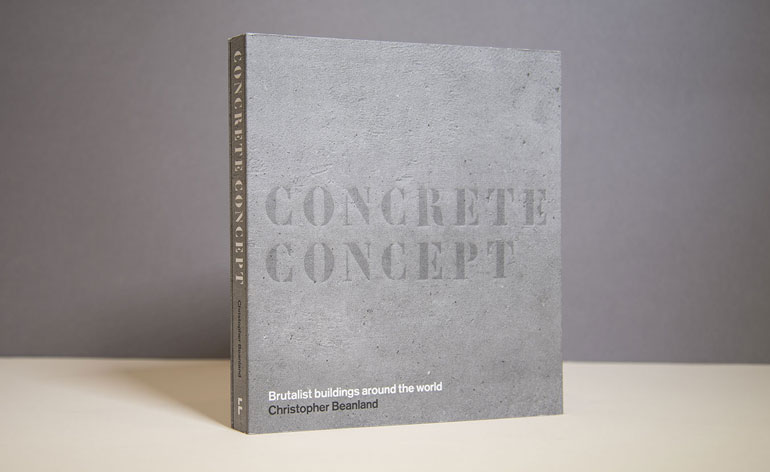
The London-based journalist and writer Christopher Beanland, has written a breathtaking monster of a book, Concrete Concept, in which he profiles 50 architectonic brutalist beasts around the world. One of them is the Government Quarter in Oslo, Norway.

A Norwegian Architectural Masterpiece that Changed the Face of Brutalism
Norway, Oslo; Government Quarter, 1980s. Photo: Viksjø, Erling

No modern architectural movement has aroused so much awe and so much ire as Brutalism. In his book “Concrete Concept”, Christopher Beanland has profiled 50 brutalist beasts around the world (built between the 1950s to 1970s) He demonstrates how Brutalism infected popular culture. This is architecture at its most assertive: compelling, distinctive, sometimes terrifying. But, as Concrete Concept shows, Brutalism can be about love as well as hate.

Concrete Concept is a well-illustrated compendium of fifty Brutalist landmarks on six continents, and its oversized thickness makes it almost brutal in itself, not a classically seductive coffee table book.

A Norwegian Architectural Masterpiece that Changed the Face of Brutalism
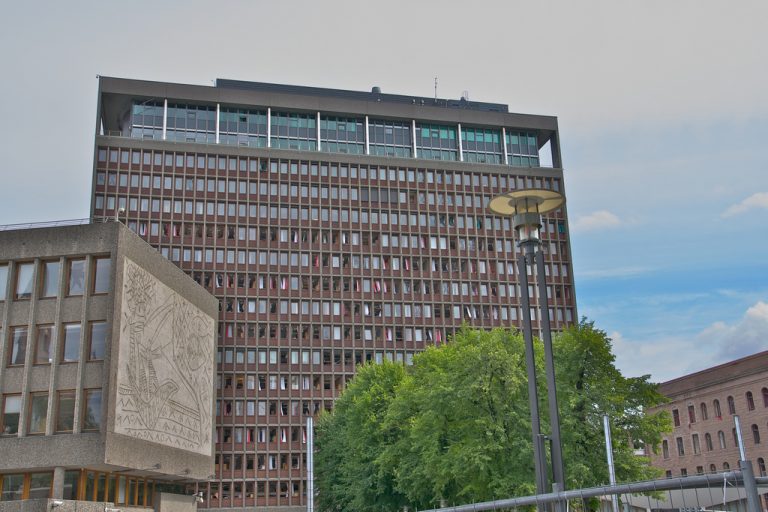
High-rise building in Government Quarter, Oslo

The Swedish architect Hans Asplund coined the term nybrutalism in 1949, and four years later it was used for the first time in the British journal Architectural Design.
Concept Concrete looks at Brutalism, a movement which peaked in the 1960s with a visual language that has become inextricably associated with the post-war welfare state it developed from.

A Norwegian Architectural Masterpiece that Changed the Face of Brutalism
Concrete Concept, book-cover

The book reads Brutalism as if it has the peaceful allure of jutting stones in a sand garden – an abstract Zen mentality in a practical social setting.

A Norwegian Architectural Masterpiece that Changed the Face of Brutalism
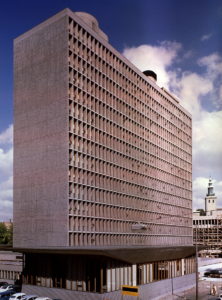
The low-rise building (the Y-block) in Oslo Government Quarter

“A witty, high-adrenalin, concrete-fueled mega-tour of some of the world’s unfairly maligned ‘monstrosities. Concrete Concept is a gutsy, bombastic lobe song,” wrote Catherine Croft in Twentieth Century Society about Concept Concrete.

A Norwegian Architectural Masterpiece that Changed the Face of Brutalism
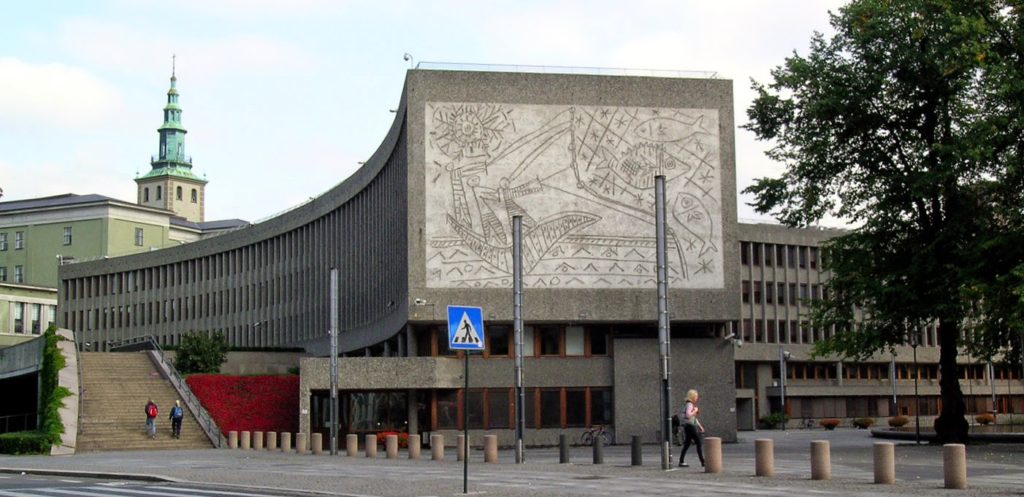
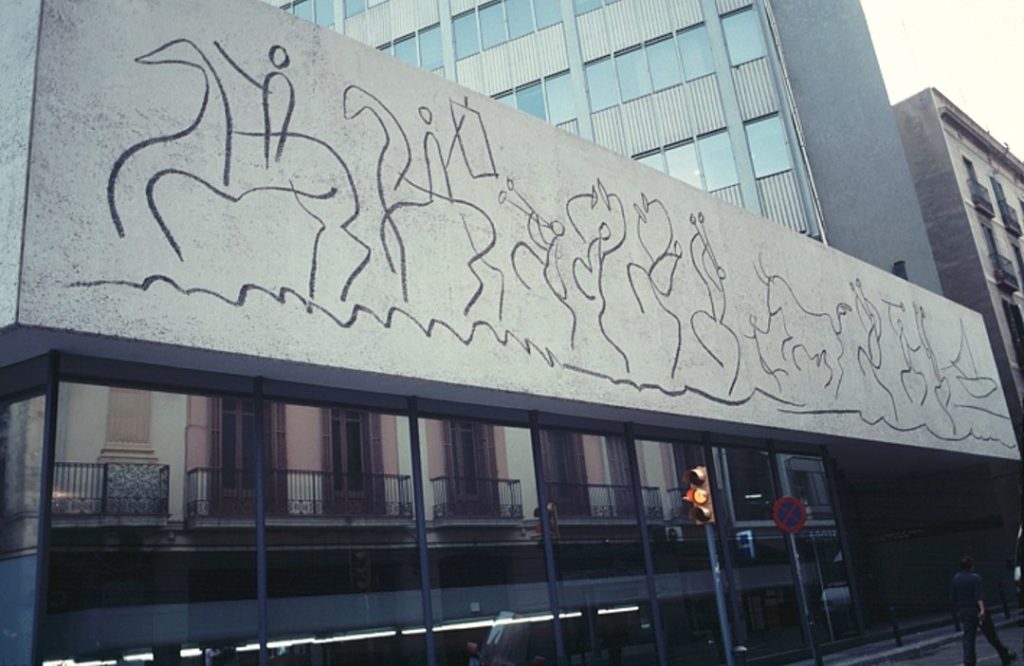
Picasso’s facade decorations

The Government Quarter, Oslo (Regjeringskvartalet)
The Norwegian architect Erling Viksjø designed the looming high-rise government building in 1958, adding the low-rise, Y-shaped block in 1969. The speckled, rough exterior is particularly memorable because of Picasso’s concrete blast murals that adorn the facade with fractured sea-side scenes, as well as the vivid icons crafted by Norwegian artists that chequer up the side of the high-rise.

A Norwegian Architectural Masterpiece that Changed the Face of Brutalism
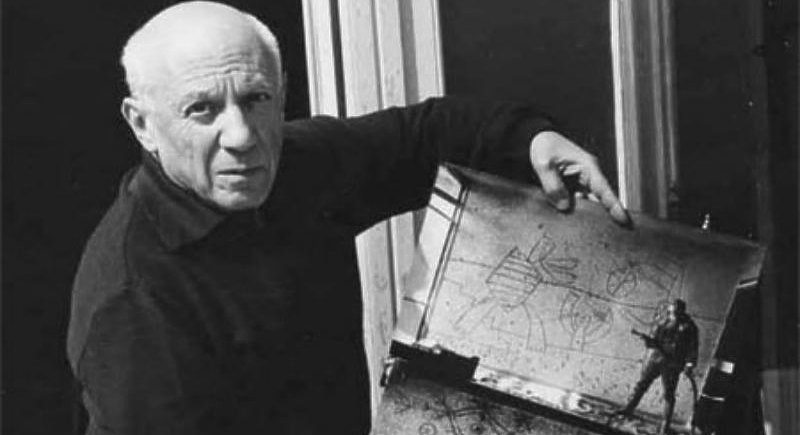
Picasso’s drawings

A major architectural debate flared up in Norway following attempts to heal the wounds of the July 2011 attacks on Oslo and Utoya Island. Part of the attacks took place in downtown Oslo as a car bomb was detonated in front of the building housing the Prime Minister’s office in the Government Quarter, killing eight people and damaging surrounding Brutalist buildings by Erling Viksjø.

A Norwegian Architectural Masterpiece that Changed the Face of Brutalism, written by Tor Kjolberg
Related:

What Now, Oslo?

Did You Know This About Norway?

Famous as the home of the medieval Vikings, this northern nation is also known for its majestic fjords, mountains, charming towns, and diverse wildlife. Norway’s formal name is Kongeriket Norge, or the Kingdom of Norway. Norwegian, the spoken language of Norway, has two official written forms, Bokmål (book) Norwegian and Nynorsk (new) Norwegian.

Did You Know This About Norway?
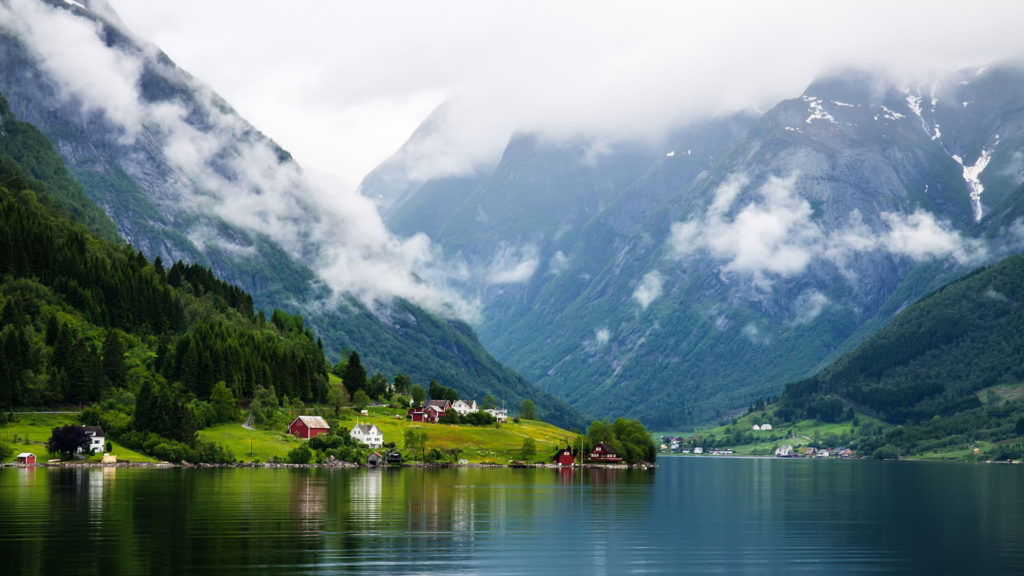
Sognefjord, Norway

Facts about Norway

• Total area: 385,178 sq. km

• Population: 5,214,900

• Capital city: Oslo

• Currency: Norwegian krone

• Highest elevation: Galdhopiggen 8,100 ft. (2,469 m)

• Lowest elevation: Sea level

• Agriculture: Barley, wheat, potatoes, beef, veal, milk, fish

• Industries: Petroleum and gas, shipping, fishing, aquaculture, food processing, shipbuilding, pulp and paper products, metals, chemicals, timber, mining, textiles


Did you know?

Norway has one active volcano. Located on Jan Mayen, an island in the Norwegian Sea, Beerenberg is 7,306 feet (2,227 m) high.

Did You Know This About Norway?
Jan Mayn

Ancient rock carvings show that Norwegians have been using skis for at least 4,000 years.

Did You Know This About Norway?
Red-Eye Man, 4000 years old

Norway is the world’s largest exporter of salmon and second largest exporter of seafood.

Did You Know This About Norway?
Norwegian salmon

Norway is one of the world’s major exporters of petroleum, but it also has some of the highest gasoline prices in the world. High gas taxes are intended to encourage people to use public transportation instead of their cars.

Did You Know This About Norway?
Gasoline in Norway

Edvard Munch was a Norwegian painter and printmaker, famous for his painting The Scream (1893).

Did You Know This About Norway?
The Scream, by Edvard Munch

Norway is home to many Arctic animals, such as reindeer, wolverines, polar bears, puffins and the Arctic fox.

Did You Know This About Norway?
Arctic fox

Purple heather is the national flower of Norway.

Did You Know This About Norway?
Purple heather

Did You Know This About Norway? compiled by Admin

Related:

What Makes Scandinavia Different?

Cool Scandinavian Looks

Scandinavian design is elegant, light, sparse, shows respect for natural materials, and is made with superb craftsmanship.

Say “Scandinavian design” and most people visualize furniture, textiles, glass and domestic ware with pure forms and simple, clean lines. The aesthetic is immediately recognizable, in both Nordic architecture and objects, especially since the Swedish home furnishing giant IKEA invaded the world.

Cool Scandinavian Looks
Arne Jaconsen, Egg chair

Scandinavian architecture and design have their roots in traditional crafts, but are very much a product of the 20th century and the age of Functionalism. Taking off in the 1920s, led by architects and artists such as Le Corbusier in France and Walter Gropius in Germany, Functionalism applies to carious movements such as International Style and Bauhaus. In Scandinavia it has been a source of inspiration since the 1930s.

Cool Scandinavian Looks
Art Hotel, Helsinki

The move away from ornamentation in favor of clean shapes and lines, allowing for the pure expression of the essence of structures, was more than a mere change in taste. Adherents to this style, which manifested itself in new materials (tubular metal, steel and glass), which also embraced a vision for a new world, one where architecture and design could contribute to the leveling out of injustices in modern society. In Scandinavia, both the aesthetics and the social agenda of the modern, international style, were eagerly adopted.

Cool Scandinavian Looks
Carl and Karin Lasson, revived an interest in traditional Swedish crafts and craftsmanship. Their home, Sundborn, is now a museum

Earlier in the 1900s, Carl and Karin Lasson, taking their cue from the English Arts and Crafts movement, revived an interest in traditional Swedish crafts and craftsmanship. Their home at Sundborn, now a museum of Swedish country style, features textiles with simple checked and striped patterns, against a background of sparse wall designs, wooden floors, striped rag runners and furniture brightened with uncomplicated embellishments.

Cool Scandinavian Looks
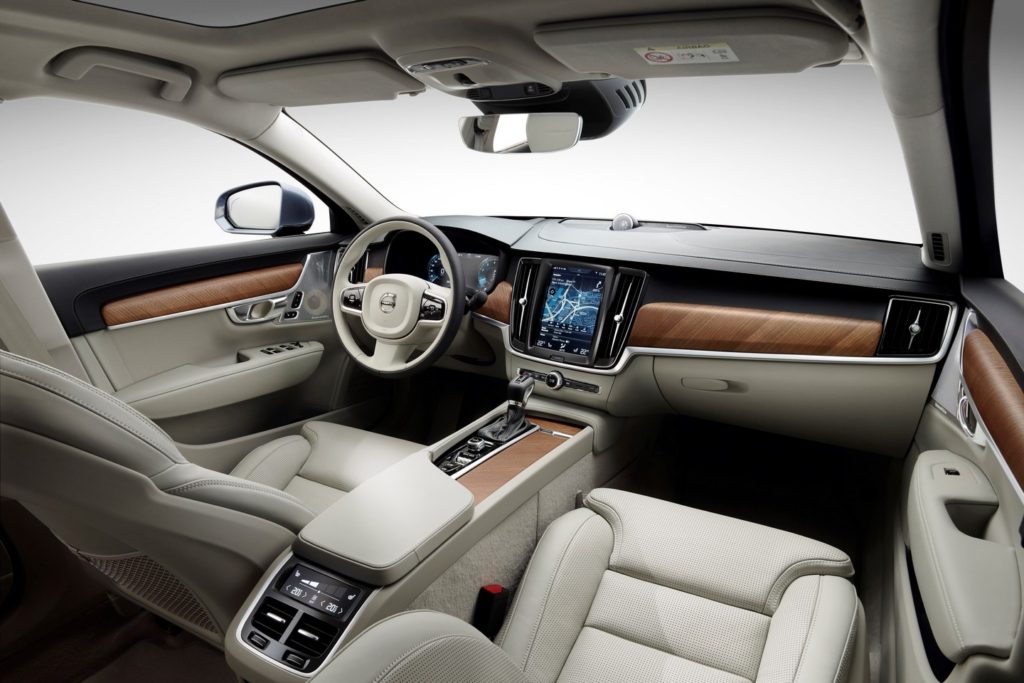
Interior cockpit Volvo S90

Art Nouveau was an important inspiration. In the hands of Danish designers in the mid-20th century, its fluid decorative lines became part of the quest for a satisfying form that fitted a function, as seen in the chairs of Hans Wegner and Arne Jacobsen from the 1940s and 1950s. Designers also began to heed ergonomic research at industrial companies like the car-makers Saab and Volvo.

Cool Scandinavian Looks
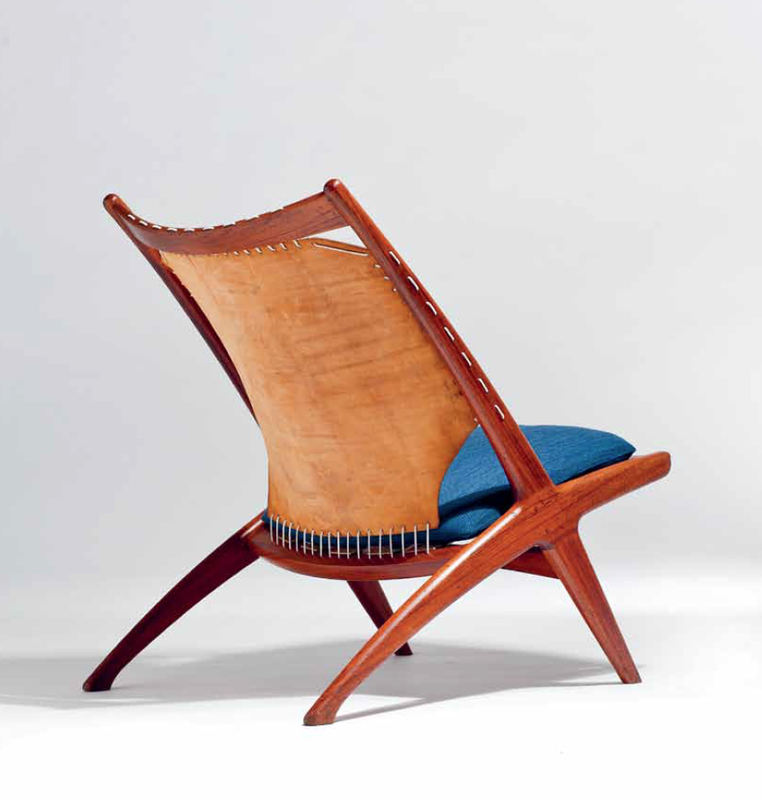
Cross-chair by Fredrik A. Kayser

Today the adage “form follows function” is taken to a high science in Scandinavia. Aesthetics are fused with efficiency in everything from utensils to welding equipment. Numerous pieces from the early 20th century remain as popular as ever, for example, chairs  by the Norwegian architect and designer Fredric A. Kayser.

Cool Scandinavian Looks
Tripp-Trapp chairs, by Peter Opsvik

The success of Nordic design has made it a standard far beyond the boundaries of Norhern Europe. Smart Scandinavian design is found the world over. Time tested pieces, such as the Stokke Tripp Trapp chair (1972) by Norwegian Peter Opsvik, are still best-sellers.

The multitalented Stefan Lindfors burst onto the scene in the 1980s and since then has created everything from chairs and lamps, to prefabricated houses, saunas and sex toys! Much of his crockery and cutlery is sold by the Finnish company Arabia.

Cool Scandinavian Looks
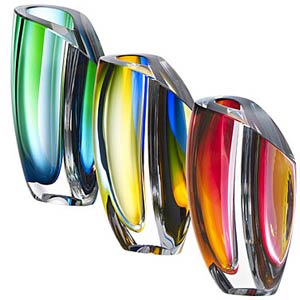
Kosta Boda Mirage Vase

Swedish glass manufacturers Kosta Boda and Orrefors produce lighting and homeware.

One of the best places to spot up and coming talent is Design House Stockholm, which acts as a “publishing house” for around 60 independent designers.

Cool Scandinavian Looks, written by Tor Kjolberg
Related:

Swedish Furniture Design Conquers the World