


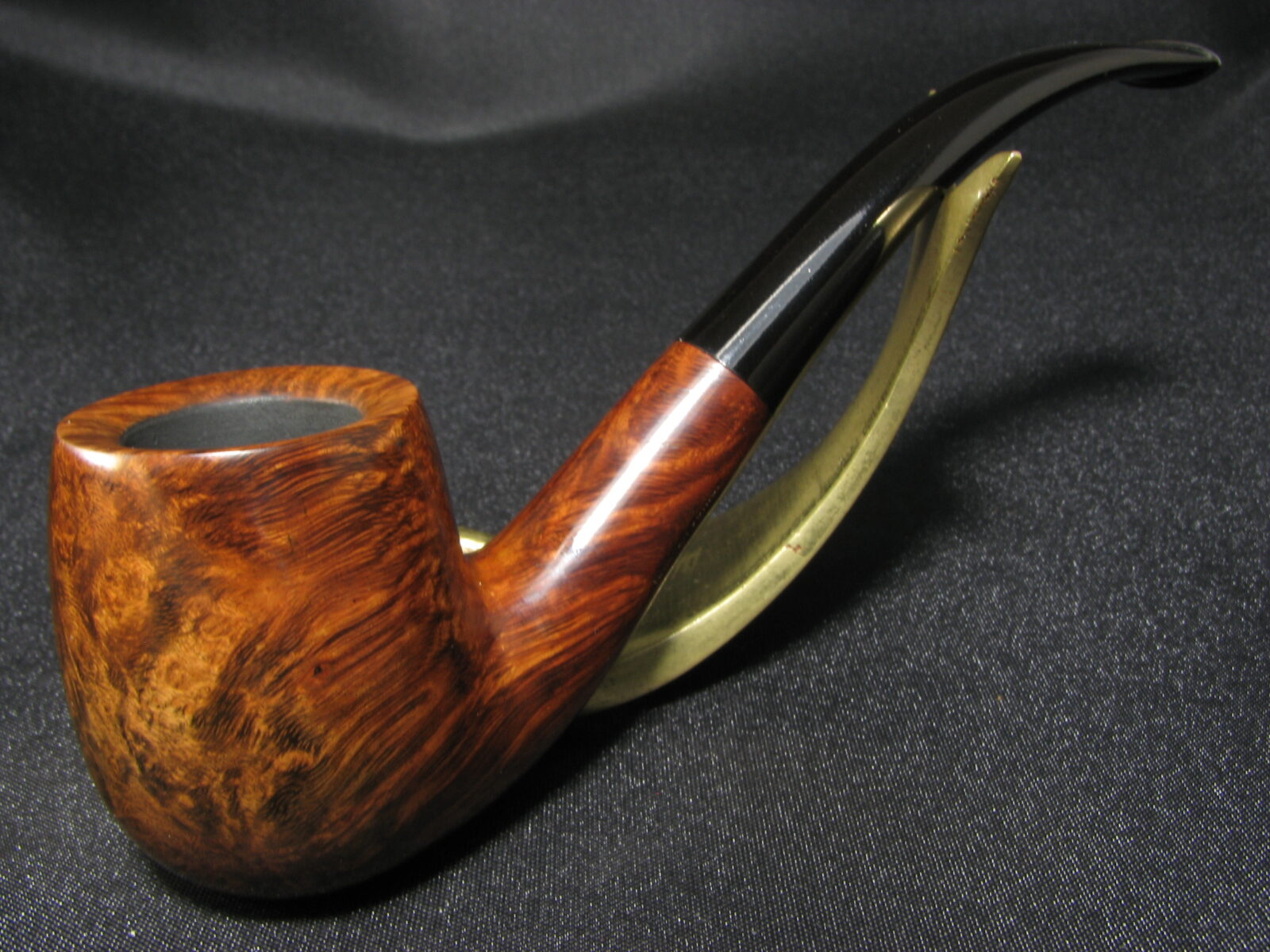
”A successful pipe is for me is characterized by the words balance and rhythm,” says Norwegian pipe maker Bård Hansen. “A balanced exterior adds to the the calm I wish you as a pipe–smoker.” A dying craft is very much alive in Norway.
Tabago is Bård Hansen’s brand, Norway’s sole contemporary pipe-maker. He learned his craft in Lillehammer and is now working from his workshop situated at Bryggen in the center of Bergen.
Before the turn of the century, Hansen worked as a computer engineer and HSE auditor for the Norwegian National Railways. The pipe-smoking eventually developed into a hobby that he wanted to find out more about. So he went to Lillehammer where part of the Lillehammer pipe factory was supposed to be preserved. It wasn’t, but he met a retired worker from the factory who had taken care of the pipe-making equipment. Hansen said he would be happy to buy it if the retiree would train him.
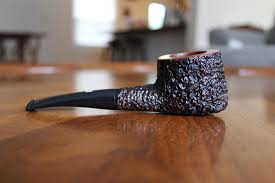
Pipe smoking was the “original” way of smoking tobacco, a habit colonists from Latin America in the 17th century brought with them.
When pipes are shaped by hand, variations in shapes increases. Every pipe becomes somehow unique. Smaller pipes are handier when you go outside. However,when you have plenty of time, a bigger pipe is your best choice. A larger pipe-head will absorb more of the the heat from the tobacco and provides you with a cooler and tastier smoke,” explains Hansen.
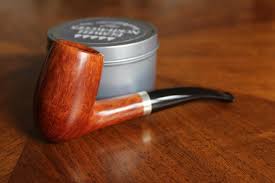
The Mesna pipe series from G. Larsens Pipefabrikk in Lillehammer was long one of the classic pipe brands in the world. Today, world-class pipes are made in a small workshop at Bryggen in Bergen.
A Dying Craft Very Much Alive in Norway, written by Tor Kjolberg