


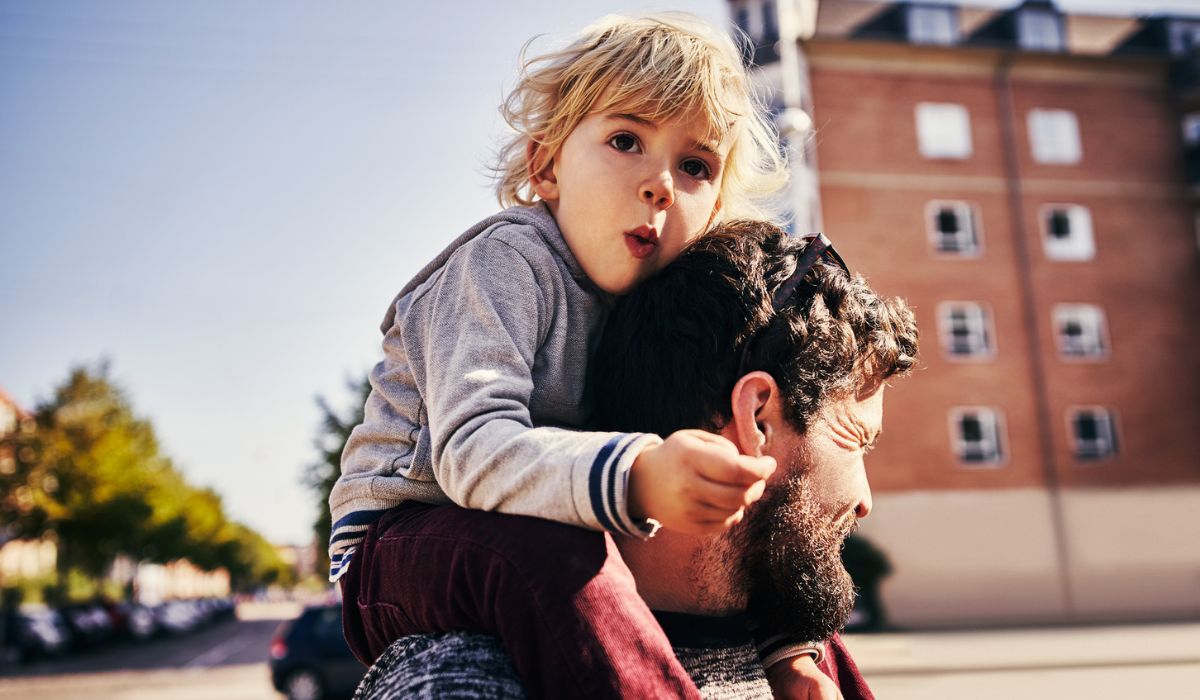
Modern Scandinavian fathers have changed significantly over the past 50 years, shifting from the traditional role of provider to being active, hands-on caregivers. Keep reading to learn more about today’s cool Scandinavian dads.
Modern Scandinavian dads sacrifice their careers, choose pacifiers over pub visits, and spend more time with their children than ever before. Today’s Scandinavian fathers don’t just play the role of dad.
A Swedish friend shared how he had stood at the finish line many times, observing his father’s distant, wild look as he crossed the line of the Vasaloppet—a famous annual 90km cross-country ski race through the forests of northern Sweden—his face covered in ice, snot, and spit. “He never noticed us, no matter how much we screamed and waved,” he said.
While 1970s fathers were often detached from daily child-rearing, today’s dads frequently take extended paternity leave, share housework equally, and prioritize emotional bonding.
****************************************
Related: Leaders in Gender Enlightenment
****************************************
Key Changes Over the Past 50 Years:
Paternity Leave Uptake: In the mid-1970s, less than 1% of parental leave was used by men in Sweden. Today, Nordic fathers take roughly 20-30% of the total leave, with Sweden and Iceland showing particularly high rates of involvement.
Cultural “Recoding” of Manhood: Behaviors like changing diapers, taking children to daycare, and pushing prams—once seen as unmanly or solely maternal tasks—are now normal and expected of dads.
Active Involvement vs. Absenteeism: Parenting in the 1970s was often authoritarian, with fathers maintaining a distant relationship with their children. Modern Scandinavian fatherhood emphasizes warmth, involvement, and being a “dual-carer.”
Legal Frameworks: Sweden was the first country to introduce gender-neutral paid leave in 1974, but a significant shift occurred only after the implementation of earmarked “daddy quotas” (starting in 1993).
In the old ‘housewife society,’ patriarchal norms made fathers the Patriarch: The one who provided food was seen as reliable, but emotionally reserved—a distant, tacit observer of the child’s upbringing.
“A father was a breadwinner. Until well into the seventies, there was no other way to be a Norwegian father,” wrote men’s researcher Knut Oftung, who studied divorced fathers.
Fathers in Nordic countries are unique, often spending more time with their children during their early years than in almost any other part of the world. Today, most men and women in the Nordics agree that parental leave should be shared equally.
Scandinavia’s family-friendly policies rank among the world’s best, yet only a small number of parents actually split their leave equally. Fathers claim about a third of the total parental benefits, mostly by the university-educated middle class.
Despite these shifts, studies suggest that while dads are much more involved, true equality—an equal 50/50 split—remains uncommon, and mothers often shoulder more of the overall responsibility. Modern dads also face higher pressures to be both perfect employees and perfect present fathers, which some cite as a reason for declining birth rates.
Today, Norwegian fathers are leading in childcare in Europe. According to the EU agency Eurofound, they spend over two hours daily with their children—more than double the time Swedish fathers spend and far more than the 15 minutes daily European fathers spent in the 1970s.
*******************************************
Related: Gender-neutral Swedish Preschools Produce More Successful Children
*******************************************
Figures from Statistics Norway (2000-2024) highlight these trends:
Working hours: Fathers still work the most, but the number working very long hours has decreased.
Overtime: Men account for a large share of overtime, but fathers with young children are working fewer hours so they can spend more time at home.
Increased participation at home: Fathers are doing more housework and child care, though mothers still do the majority.
Parental leave: With the paternity quota, nearly all fathers eligible for leave take on an active role early on—nine out of ten fathers utilize their paternity quota.
Educational differences: Fathers with higher levels of education tend to spend more time with their children than those with lower levels of education.
Literature often features absent fathers who left long ago, rarely portraying present fathers—reflecting current reality. Many books by fathers focus on keeping kids alive until mom arrives. Recently, there’s been a rise in “dadsplotation” or “dad lit,” where talented authors explore fatherhood in a post-patriarchal world.
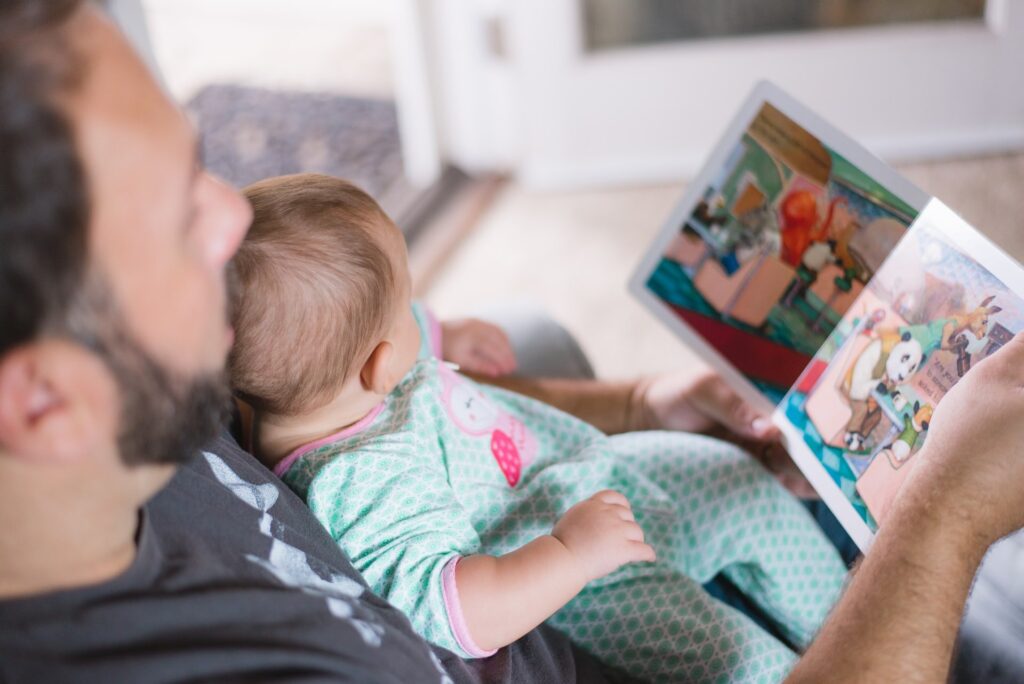
Some notable titles include:
Home Game – An Accidental Guide to Fatherhood by Michael Lewis: Addresses the joys and challenges of having kids.
Uppdrag: Pappa – edited by Hannes Dükler: Thirteen personal stories from fathers about life’s biggest transition (in Swedish).
The Perfect Book For Dad – The Astonishingly Complete Guide to Fatherhood by Paul Barker: Celebrates fatherhood.
The Book of Dads – edited by Ben George: An anthology of poignant and humorous insights from writers.
Dad Is Fat by Jim Gaffigan: A humorous take on parenting for dads.
Pops by Michael Chabon: Heartfelt essays on fatherhood.
The New One by Mike Birbiglia: A humorous memoir on embracing parenthood.
Patrimony by Philip Roth: A memoir about caring for an elderly father.
Being Dad (Various Authors): Short stories about modern fatherhood.
More “dad-lit” books for you to read.
An emerging trait of the “new dad” is greater concern about his role as a father compared to his own father. He reads, talks about, and sometimes writes about it.
Cool Scandinavian Dads, written by Tor Kjolberg