


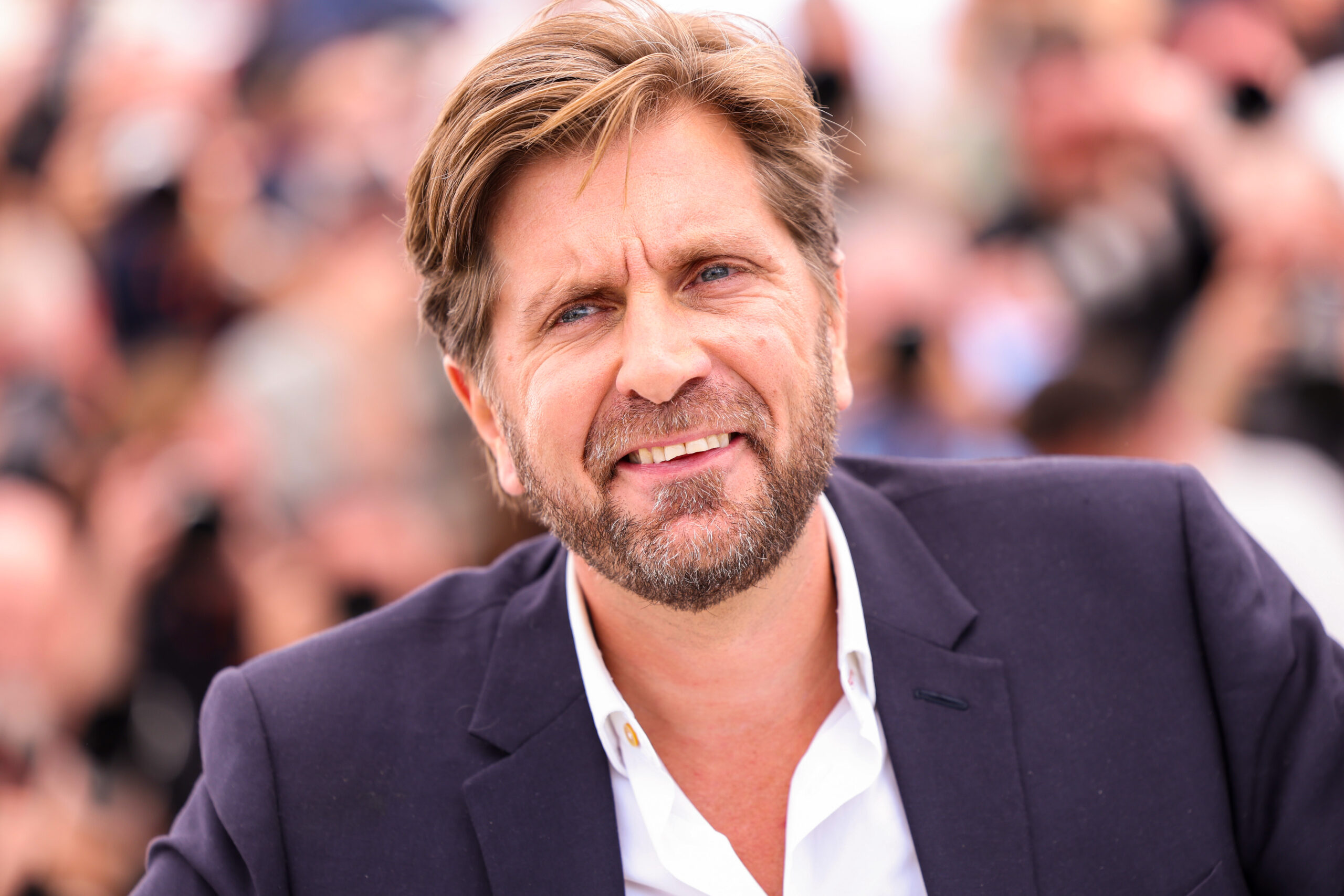
In 2014, Ruben Östlund’s feature film “Force Majeure” won the Jury Prize in the prestigious “Un Certain Regard” side program at the Cannes Film Festival. It was also Sweden’s Oscar nominee. Now, the critically acclaimed Swedish filmmaker criticizes government-funded projects.
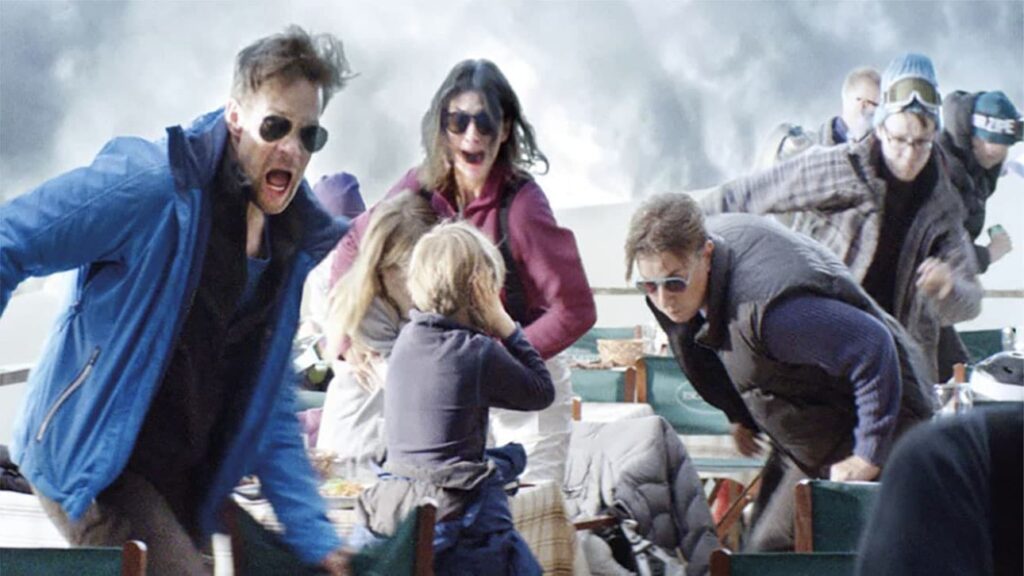
“Force Majeure” is about a Norwegian/Swedish couple in their late 30s on a skiing holiday at a luxury hotel in the Alps with their two children. The core family is sitting outside having lunch in idyllic surroundings when suddenly a spectacular avalanche comes down the mountainside. A fantastic sight, everyone takes pictures and films, until they realize that the avalanche will not stop, but will thunder over them. Panic and chaos ensue. Suddenly, the father runs in desperation from the family to save his own life. Then the avalanche stops. Everyone survives. What now?
A follow-up to his Cannes hit “Force Majeure”, his sixth feature, seemed to be one of his most ambitious movies so far. The film titled “The Square” (2017) follows an ambitious museum director (Claes Bang), who is preparing to make a significant impact with a new exhibit. Ruben Östlund was shooting this film in Stockholm, Gothenburg, and Berlin.
This year, Ruben Östlund completed filming in Budapest for his long-awaited movie, The Entertainment System Is Down.
The dark satire, set on a long-haul flight between England and Australia where the entertainment system fails and passengers are forced to face the horror of being bored, was shot in the Hungarian capital over 70 days from January to May.
In addition to the key cast, which includes Keanu Reeves, Kirsten Dunst, Daniel Bruhl, Nicholas Braun, Tobias Menzies, and Julie Delpy, the film features 150 extras. All of these background artists had to remain in the same seat for continuity. Östlund says that some of them appear in the movie for longer than several named cast members, despite the extras not having any dialogue.
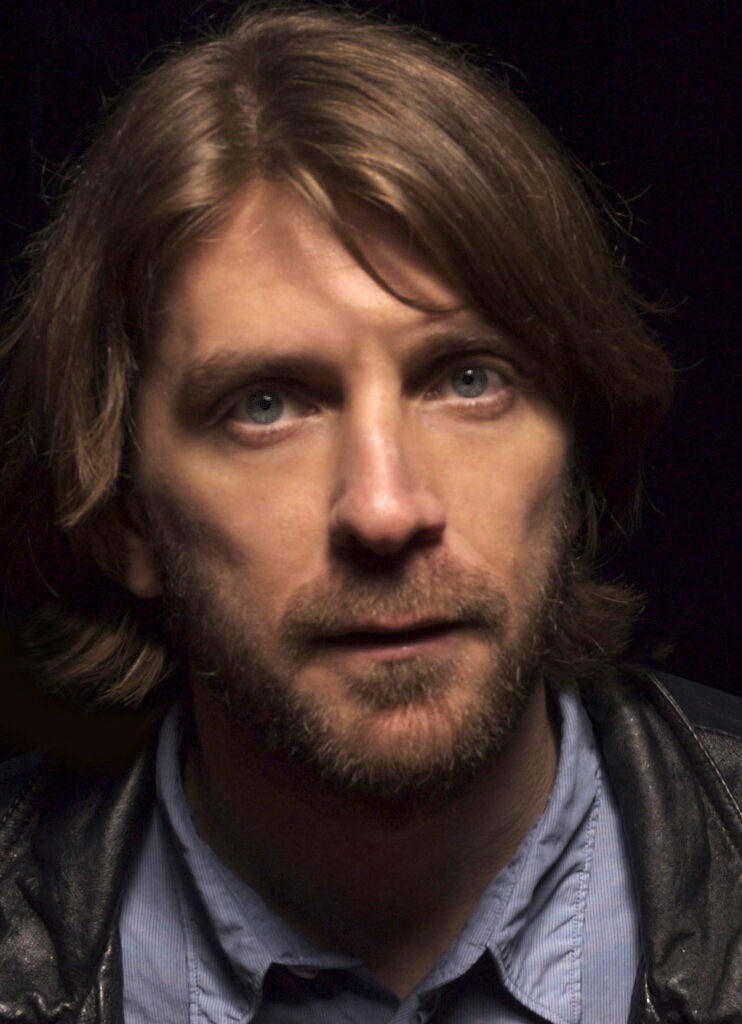
Ruben Östlund has been likened to Sweden’s new Ingmar Bergman, a new Roy Andersson. However, Östlund was never a filmmaker, not one of the young students who sat around studying Godard, Truffaut, or Swedish role models when he began film school in Gothenburg at the age of 25. He had spent several years making ski films and was himself a skilled skier, spending entire seasons in Val d’Isère from his late teens.
“The Entertainment System Is Down” marks Östlund’s second English-language film and seventh feature after The Guitar Mongoloid (2004), Involuntary (2008), Play (2011), Force Majeure (2014), and his two Palme d’Or winners, The Square (2017) and Triangle of Sadness (2022).

A report on how to revitalize the Swedish film industry, led by Eva Bergquist, Director of Culture in the Greater Stockholm Metropolitan Area, was published in March this year. The report was based on an inquiry for which Östlund was one of several experts.
“A problem for Sweden and Europe in general is the state-funded system,” said Östlund in Slano. “Which is great for freedom of expression, but bad in that as soon as we get money from the state, we are economically safe, so you don’t have to push all the way to reach the audience, and we have a bit less of a connection with them.”
Earlier this year, Östlund was critical of a speech made by the country’s cultural minister, Parisa Liljestrand, at the opening night of the Gothenburg Film Festival, for which Östlund is president. He also called the country’s cultural policy “embarrassingly uneducated”.
“Making films adds more problems to life, making it more of a struggle, but it also becomes a more intense life. And isn’t that what we’re looking for?” questions Östlund.
Critically Acclaimed Swedish Filmmaker Criticizes Government-Funded Projects, Tor Kjolberg reporting.
Feature image (top) © IMDb