


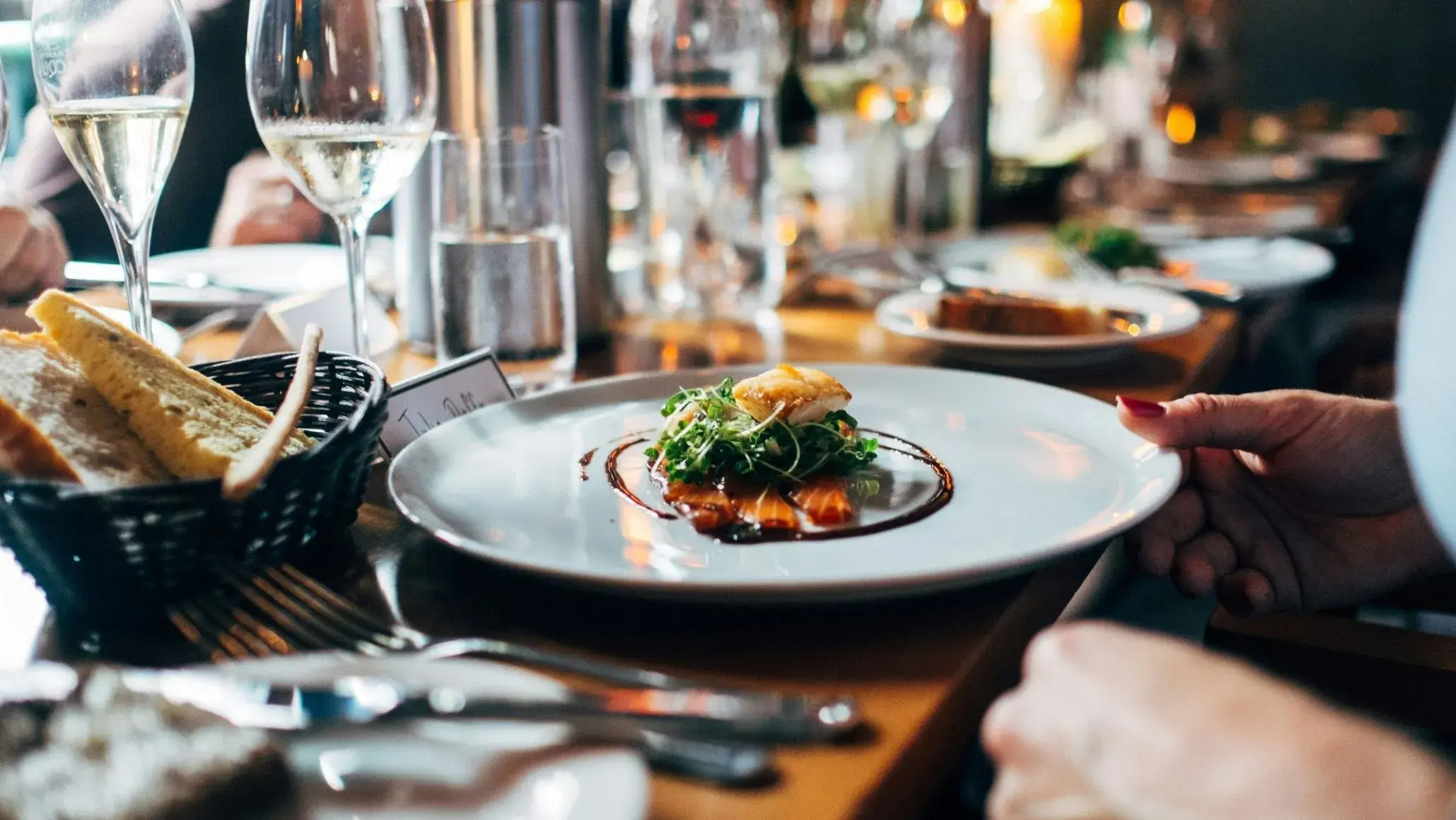
Denmark is currently exploring whether gastronomy could be officially recognized as an art form. The announcement was made by Minister of Culture Jakob Engel-Schmidt at the international gastronomy symposium Convergence in Copenhagen last month. Food is thus considered a cultural positioning in Denmark.
More than 60 chefs from 26 countries gathered in Copenhagen from January 29 to February 2. From immersive dinners at “Alchemist” to visionary talks on the future of food, Convergence transformed Copenhagen into a global meeting point for gastronomy.
Denmark has long been regarded as a global reference point for culinary innovation, shaped by the New Nordic Kitchen Manifesto and a strong fine-dining scene. Leading voices such as chef Rasmus Munk of Alchemist see the discussion as a potential shift toward greater creative freedom and public recognition.
“To pull that many chefs together at one time, for five days straight, is sort of mind-blowing,” said Kyle Connaughton, chef and co-owner of SingleThread.
Conceived by Rasmus Munk as a response to a divided world, the new symposium celebrated collaboration, creativity, and the universal language of cooking—across continents, cultures, and cuisines.
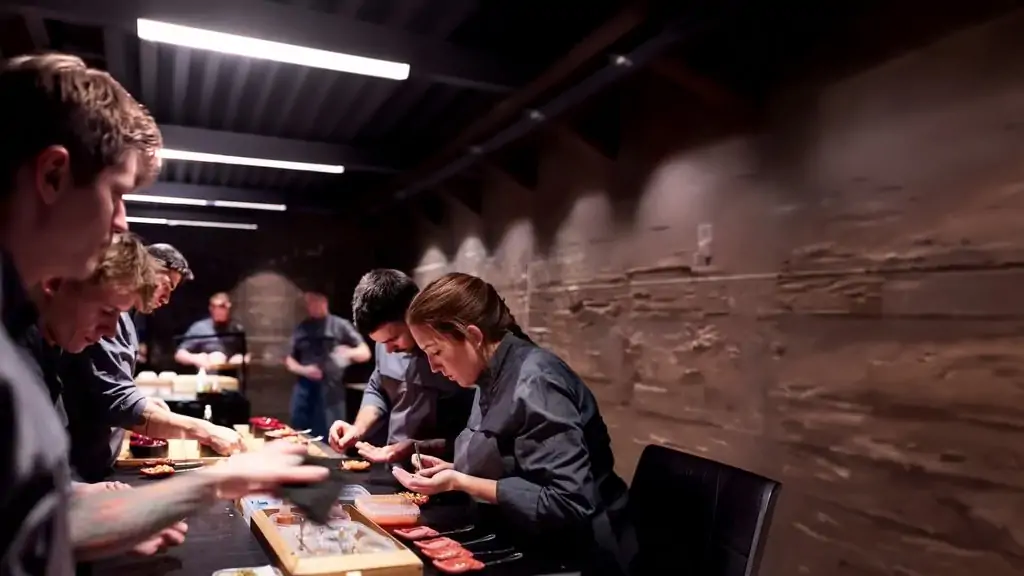
Food is becoming part of cultural positioning, where he described high-end cuisine as a form of cultural expression rather than pure craftsmanship. For those who were not in the room, Convergence offered a rare glimpse into how some of the world’s most thoughtful chefs are rethinking their craft, from what they value and question to what they intend to carry forward into 2026 and beyond.
“I dreamed of a place where we could communicate through the craft we all share,” Munk said. “Where food becomes a way of connecting, not dividing.”
The initiative reflects a broader trend: food is increasingly positioned as a cultural experience, not just a service. For tourism, this strengthens the role of gastronomy as a carrier of place, values, and storytelling.
The Convergence symposium, held at DR Koncerthus and hosted by journalist Rafael Tonon, unfolded as a series of panels and presentations featuring chefs, academics, and cultural voices from around the world.
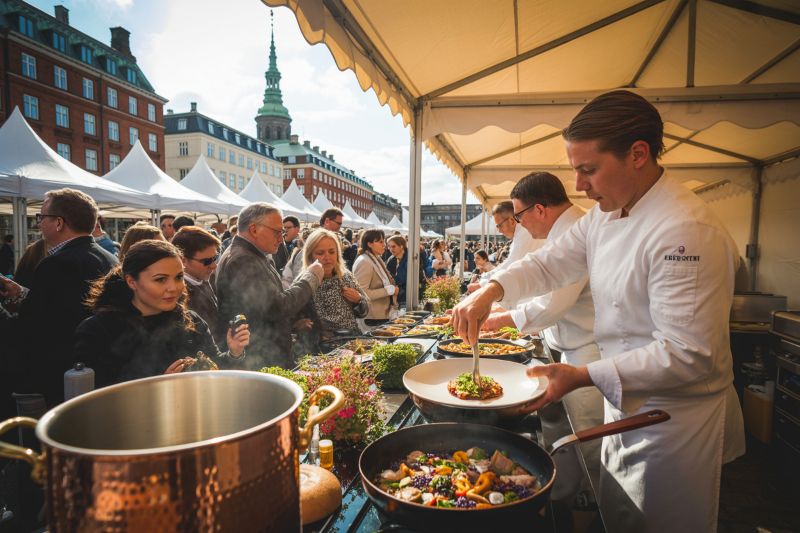
Each of the five evenings saw 12 to 14 international chefs cooking side by side at Alchemist, presenting their signature dishes in collaborative dinners unlike anything previously staged in Copenhagen.
For tour operators and buyers, culinary experiences are increasingly relevant across city breaks, premium travel, and experience-led itineraries. Recognizing gastronomy as a cultural product reinforces its value as a strategic element, not merely an add-on.
Food as a Cultural Positioning in Denmark, Tor Kjolberg reporting