



In my opinion, too many professional marketers forget the element of storytelling in activating enthusiasm and turning campaigns from messages to experiences. That’s one of the reasons I wrote the book “How I’ve Survived as a STORYTELLER for Over 50 Years: 12 Survival Techniques”. It is my story of storytelling in marketing.
Storytelling in marketing has evolved from simple product advertising to a strategic, emotional connection, moving beyond facts to narrate brand values and purpose. Championed by thinkers like Claude Hopkins (1923) and Seth Godin in the mid-2000s, this approach fosters deep customer loyalty by creating relatable, authentic narratives.
In today’s fast-paced digital world, it has become increasingly important for businesses to capture and maintain their target audience’s attention. Traditional marketing techniques can be limited in their targeting, reducing effectiveness.
During my career, I have had the privilege of working on several successful storytelling campaigns. I have worked in several businesses, from fashion and cosmetics to construction and tourism.
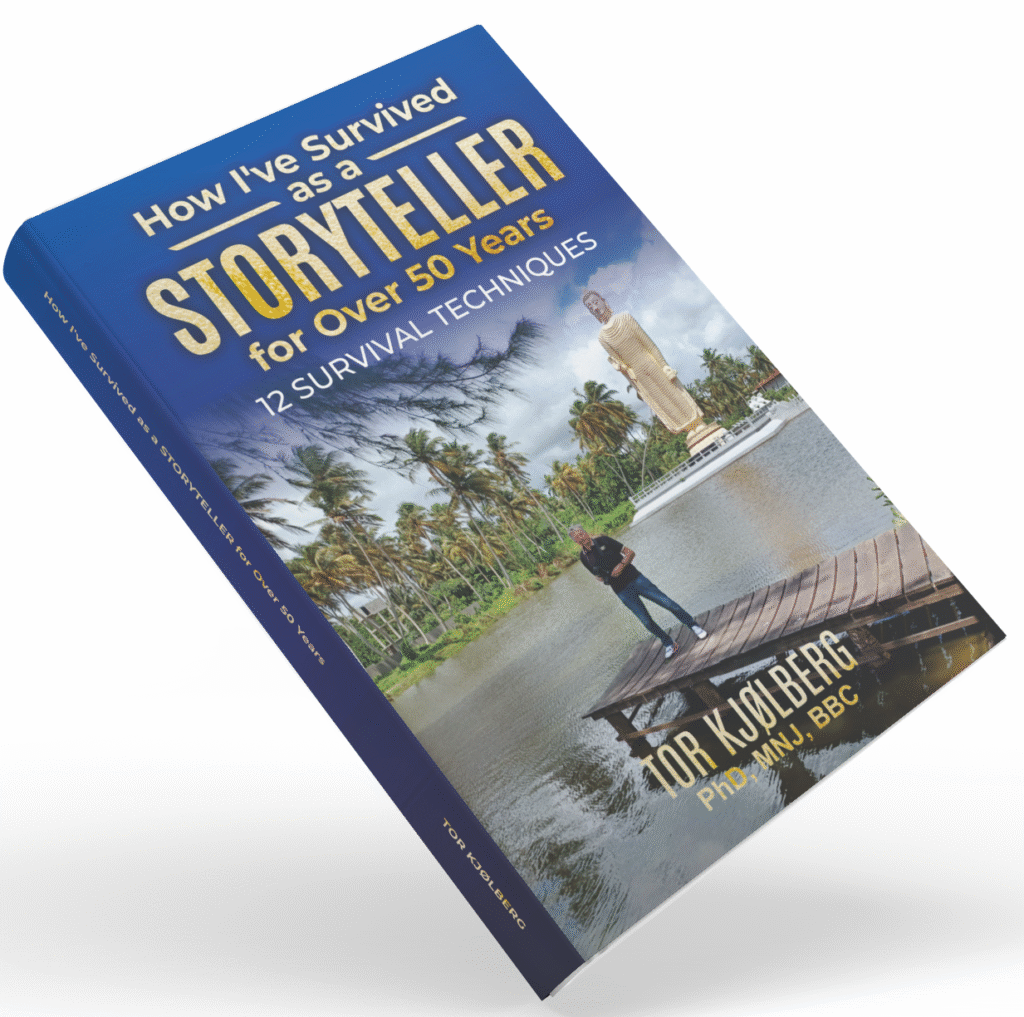
If you want a free copy of my new book, just contact me. The only thing you have to do is to write your name, your email address, and Storytelling in the subject line.
I have experienced the power of definition and purpose where a narrative arc (characters, conflict, resolution) conveys brand message and values rather than just listing features, making the brand more memorable.
Modern storytelling acts as a strategic pillar, aiming to build trust, differentiate in crowded markets, and foster emotional connections. Data from LinkedIn shows 2012 as a pivotal year for the rise of storytelling, with campaigns like Chipotle’s “Back to the Start” and Coca-Cola’s “Content 2020” prioritizing narrative to engage consumers.
Storytelling can also simplify complex ideas and make them easier to comprehend. For example, a brand’s story could illustrate how to use a product/service or highlight its benefits, helping to break down information barriers and making information more accessible to customers. When information is easily accessible, it can help attract new customers who may have been hesitant to engage with the brand because of its complexity.
At its core, storytelling in marketing involves crafting a narrative that resonates with your audience on an emotional level. It goes beyond promoting products or services; it’s about creating a connection that fosters trust and loyalty. In an age where consumers are bombarded with information, a compelling story can cut through the noise and leave a lasting impression.
Effective storytelling often highlights customer experiences, company culture, or the brand’s mission. It focuses on “why” a brand exists rather than just “what” it sells. Authentic stories help consumers empathize, boosting brand loyalty and allowing for higher value perception.
Authentic storytelling portrays real-life challenges and enables consumers to empathize and immerse themselves in these scenarios, helping them to connect with the brand on a deeper level. Tapping into customers’ emotions helps inspire, motivate, and drive action aligned with the brand’s objectives. This benefits both parties, whereby customers receive value from the brand’s products/services while the brand achieves its objective and continues to deliver value to its customers.
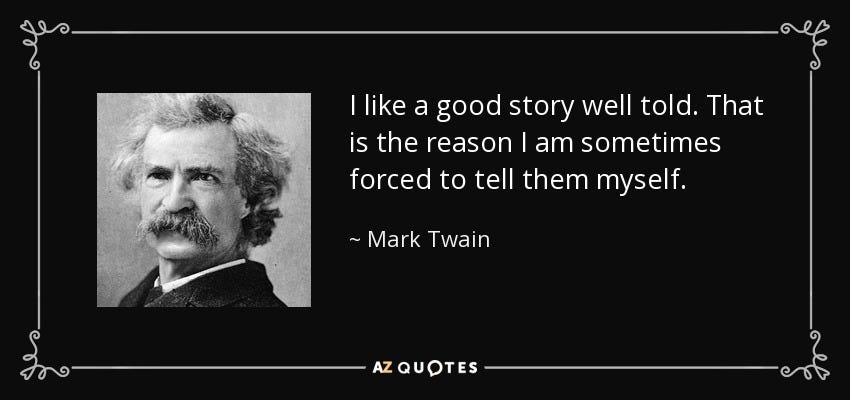 Stories are also more memorable than mere facts or statistics. A well-told story can stick with consumers, making them more likely to remember the brand and its message. Particularly in a crowded market, storytelling can set a brand apart. By sharing unique narratives, brands can highlight their values, mission, and the people behind the products, creating a distinct identity.
Key Examples:
- Nike: Focuses on the story of athletes overcoming obstacles (“Just Do It”).
- Chipotle: Used storytelling to emphasize sustainability (See above).
- IKEA: Creates relatable, emotional scenarios in ads.
Storytelling in marketing evolved from simple product feature lists to emotional narratives that place the customer at the center of the experience. This shift allows brands to cut through the noise of thousands of daily advertisements by building trust and humanizing their identity.
Core Frameworks:
- The 5 C’s: Character, Context, Conflict, Climax, and Closure.
- The 4 P’s: People, Places, Purpose, and Plot.
- The 5 P’s Alternative: People, Place, Pictures, Personalization, and Peril.
If you want to discuss a future campaign for your product with me, without obligation, please contact me at editor@dailyscandinavian.com.
The Story of Storytelling in Marketing, written by Tor Kjolberg