


In Scandinavia, time is not experienced as a straight line of deadlines and productivity cycles. It is circular, seasonal, and deeply embodied in daily habits. There are hidden seasonal traditions that shape Scandinavian daily life.
In Scandinavia, people structure their lives around light, temperature, and natural transitions rather than fighting them. This approach explains why visitors often feel a subtle calm in everyday routines, even during harsh winters. To truly learn something new about Scandinavia, you have to look beyond postcard landscapes and focus on the quiet customs people repeat year after year. These seasonal traditions that shape Scandinavian daily life are not ceremonial or nostalgic—they are practical systems for staying balanced in a demanding climate.
Winter: Endurance, Stillness, and Inner Life
Winter is not treated as a problem to solve but as a condition to adapt to. Long darkness encourages slower mornings, earlier evenings, and an intentional narrowing of focus. Candles are lit not for aesthetics but for emotional warmth. Coffee breaks become social anchors, and silence is culturally acceptable rather than awkward. Sauna sessions, especially in Finland and northern regions, serve as both a form of hygiene and an emotional reset. Through winter routines and seasonal traditions that shape Scandinavian daily life, people learn to conserve energy, tolerate discomfort, and maintain mental clarity when external conditions are unforgiving.
Spring: Release, Renewal, and Controlled Optimism
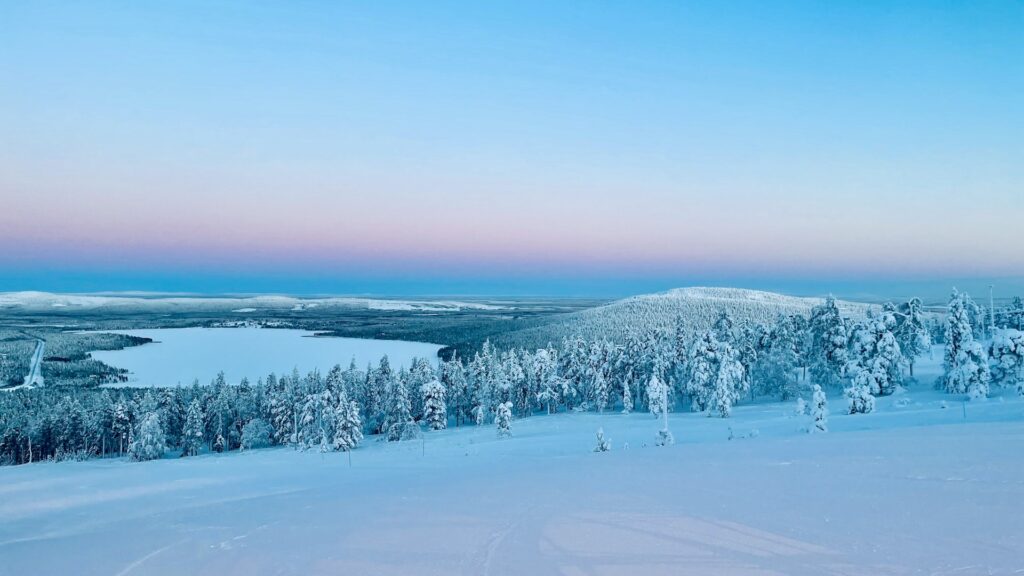
Spring arrives gradually, and so does optimism. Instead of dramatic transformations, Scandinavians ease back into social life. Homes are thoroughly cleaned, symbolizing both psychological and physical renewal. Seasonal foods shift toward greens, herbs, and lighter meals, supporting digestion after months of heavier fare. There is a cautious joy in spring—an understanding that light has returned, but patience is still required. This restraint prevents emotional whiplash and reinforces long-term emotional stability rather than short-lived excitement.
Summer: Intensity, Presence, and Collective Joy
Summer is brief, and everyone knows it. This awareness creates urgency, but not stress. People spend long hours outdoors, eat later, sleep less, and gather frequently. Midsummer celebrations mark not abundance, but presence—being fully available while conditions allow it. Social hierarchies soften during the summer months as nature becomes a shared living space. Work schedules often relax, acknowledging that productivity looks different when daylight stretches late into the night. These patterns reinforce connection and memory-making across generations.
Autumn: Preparation, Grounding, and Acceptance
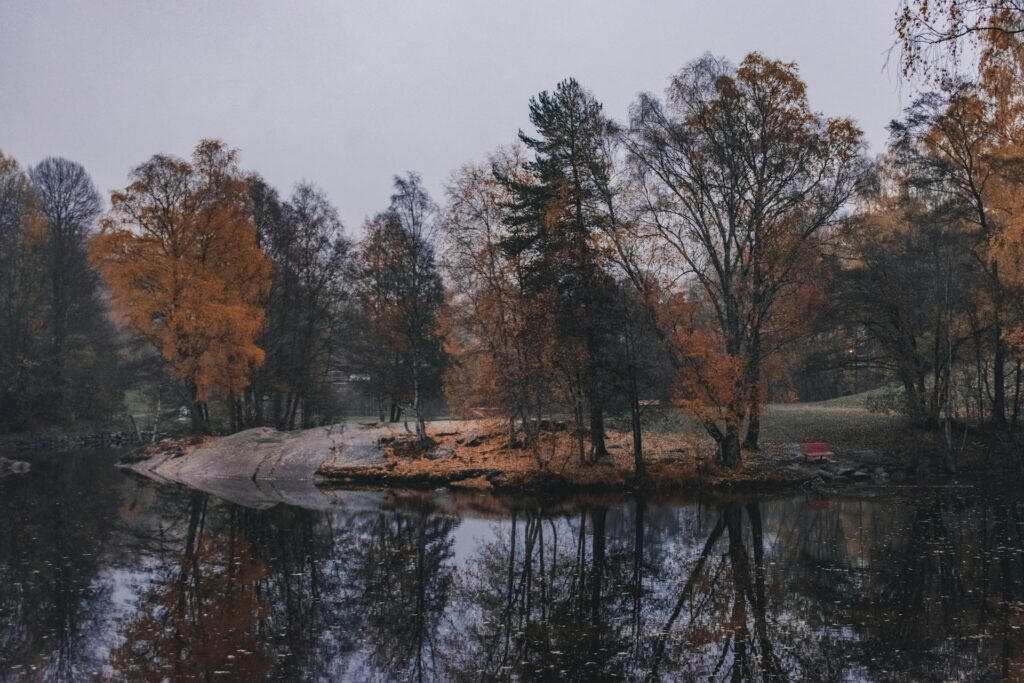
Autumn is a season of psychological preparation. Harvesting, preserving food, and organizing homes are all part of a cultural mindset that values readiness over denial. Social calendars slow without disappearing, and people naturally turn inward again. There is no panic about the coming winter—only acceptance. This emotional training builds resilience, making seasonal transitions less disruptive. Autumn traditions reinforce the idea that endings are not failures, but necessary pauses before renewal.
Seasonal Living and Longevity
Seasonal living supports long-term health by aligning daily expectations with natural cycles rather than forcing the same pace year-round. Stress tends to ease when rest becomes socially accepted, and periods of lower energy do not carry pressure to perform. This mindset contrasts with the always-on routine common in many parts of Virginia, where productivity often takes precedence over recovery. The difference helps explain why Scandinavia is frequently discussed as one of the best retirement destinations, not only for its healthcare systems and infrastructure, but also for how aging fits into everyday life. For many people in Virginia, especially those reassessing priorities later in life, this cultural flexibility offers a compelling alternative. That perspective resonates strongly for Virginians looking to relocate abroad, particularly retirees who want a calmer rhythm that supports longevity without sacrificing purpose.
Aging, Independence, and the Seasonal Advantage
Seasonal awareness also influences how older adults remain independent. Cities and communities are designed for walkability, predictability, and social continuity. Daily routines remain manageable even as physical capacity changes. That is one reason many observers consider Copenhagen the ideal city for seniors. The city’s rhythms, public spaces, and cultural respect for slower pacing allow older adults to stay active without pressure. Seasonal living reduces isolation by embedding people in shared cycles rather than isolating them through constant change.
Seasonal Eating and Emotional Regulation
Food traditions shift noticeably throughout the year. Winter meals prioritize fats, warmth, and fermented foods that support immunity and mood. Summer diets become lighter, fresher, and more hydration-focused. That is not diet culture—it’s emotional regulation through nourishment. Traditional eating patterns reflect the understanding that nutrition is key in battling stress, especially in environments where external conditions already challenge the nervous system. Seasonal eating reinforces stability without obsession.
What Other Cultures Can Learn from Scandinavian Seasons
The value of Scandinavian seasonal traditions is not in imitation, but in perspective. You don’t need long winters or midnight sun to apply seasonal thinking. Adjusting expectations, honoring rest, and celebrating intensity when conditions allow are universally relevant ideas. Seasonal awareness reframes productivity as sustainable rather than constant. It offers permission to live with variation rather than resist it.

These Are The Seasonal Traditions That Shape Scandinavian Daily Life The Most
At their core, seasonal traditions that shape Scandinavian daily life are about cooperation—with nature, with the body, and with time itself. These traditions do not promise constant happiness or comfort. Instead, they offer stability, resilience, and meaning through repetition. By respecting seasons rather than ignoring them, Scandinavian cultures have built systems that quietly support wellbeing across a lifetime.
Hidden Seasonal Traditions That Shape Scandinavian Daily Life, written explicitly for Daily Scandinavian by Astrid H. Whitmore. Astrid is a cultural anthropologist focused on everyday rituals, seasonal living, and how long-term well-being is shaped by routine rather than ideology. Her work examines how people adapt their habits to light, weather, and natural cycles, with particular attention to aging, resilience, and emotional balance. She writes about seasonal traditions not as folklore, but as practical systems that support stability, independence, and sustainable living over time.
Feature image (top) by Charley Litchfield / Unsplash