



Throughout Scandinavia and much of the modern world, where busy work schedules, commitments, and technology overload are part of life, stress is a growing battle. This particular time of year, around the holidays, can also bring its own stress. But there’s a solution. Nutrition is a key player in battling stress.
Although stress may not be avoidable, we can help combat its effects through lifestyle choices, particularly those made at the grocery store, in the kitchen, or even while dining out.
Stress is a normal physiological response. It serves us for many reasons: to protect us from danger, to meet an office deadline, or to respond quickly to a situation with a burst of adrenaline. When stress becomes chronic, however, it can affect long-term well-being. As we may have heard, practices such as regular exercise for approximately 150 minutes per week (this could be walking, jogging, hiking, swimming, weights, yoga, pilates, etc. and can be broken up into 60 minute, 30 minute, or even 5 to 10 minutes throughout the day), breathing techniques, therapy, supplements, and other methods help tame stress. However, it may be underestimated that what we eat directly influences how the brain and body respond and recover.
During stressful events, the body releases epinephrine, which triggers a surge of glucose and fatty acids into the bloodstream for immediate energy. This can trigger a cascade of sensations, including nervous energy, anxiety, lightheadedness, upset stomach, a racing heart, and shortness of breath. The sympathetic nervous system is responsible for these feelings and drives the “fight-or-flight” reaction. It can also cause inflammation in the body. Our parasympathetic nervous system, on the other hand, calms the body down from the stress response. This is when we rest and digest, feel relaxed, get through the day, and reduce inflammation. Supporting the parasympathetic state through nutrition is becoming a key strategy in stress management across health research.
What should we avoid?
Let’s first look into foods that can intensify stress, and what we can limit or avoid. Fast food, excessive sugar, refined carbohydrates such as white flour in baked goods and certain crackers and chips, and other heavily processed foods can aggravate stress by destabilizing blood sugar and increasing inflammation. Excessive caffeine intake (more than 400 mg per day) found in hefty coffee drinks, sometimes laden with sugar, energy drinks, or sodas, can overstimulate the brain. Alcohol can also disrupt sleep and mood when used excessively. Artificial sweeteners, including aspartame found in some sodas and sugar-free products, may alter gut bacteria and are linked to anxiety and emotional regulation. Refined oils should also be avoided; anything with hydrogenated oils (found on labels of some coffee creamers, canned frosting, etc.) and in the form of hydrogenated or partially hydrogenated corn, soybean, palm, or even canola oil that is not in its pure form. By limiting or cutting back on these foods, the body can ward off inflammation and the stress response much more easily.

What can we implement to improve our stress and health?
Thankfully, many foods and nutrients can help us improve our stress levels and our overall health, leaving us feeling satisfied. The first powerhouse is fiber. Dietary fiber is increasingly recognized and has long been a part of a typical Nordic diet. Getting enough fiber is one of the most effective ways to reduce inflammation, balance blood sugar, nourish gut bacteria, and support satiety. Fiber prevents blood sugar spikes that can contribute to stress, anxiety, irritability, and fatigue. It helps produce serotonin for mood regulation and better sleep because blood glucose levels remain stable.
The top sources of fiber include oats, barley, rye, brown rice, beans, lentils, chia seeds, nuts, whole grain breads and pastas, and all fruits and vegetables. Some fruits and vegetables with high fiber content include root vegetables such as carrots, parsnips, beets, and potatoes; leafy greens; berries; apples; bananas; broccoli; artichokes; and Brussels sprouts. Adults should aim for 30 or more grams of fiber daily. One bowl of oatmeal, for example, using ⅔ cup of cooked oats, topped with a sliced banana, half a cup of blueberries, and a few nuts or seeds, can contain more than 10 mg of fiber in a single meal. Fiber-rich foods are part of the healthy carbohydrates our bodies need. These foods also help us produce serotonin, which helps our bodies relax and ward off stress.

Lean, high-quality protein is also essential in combating stress. Protein helps produce and regulate hormones such as serotonin and dopamine, both neurotransmitters in the brain that help regulate mood. Serotonin is associated with feelings of well-being and relaxation, while dopamine supports focus, motivation, and overall happiness. Protein also contains tyrosine, an amino acid essential for preventing fatigue, as well as tryptophan, a precursor to serotonin. One of a protein’s most crucial jobs in the body is to slow the absorption of glucose into the bloodstream, preventing the energy peaks and crashes associated with stress-induced sugar cravings. Examples of proteins prevalent in the Nordic diet include fatty fish, which are also high in omega-3 fatty acids, which are essential for brain health. Vegetarians can also get omega-3s from plant-based sources such as edamame, walnuts, seaweed, and flaxseed (also a fiber). Other sources of lean, high-quality protein include game meats, chicken, turkey, and lean red meat (which should be eaten less often than other meats). Yogurt is an excellent source of protein and probiotics, which are essential for good gut health. Other dairy products, such as milk and cheese, also contain protein and are typically enjoyed in Scandinavia.
To sum up what a healthy daily intake might look like, aim for at least 2-3 cups of vegetables, 2 cups of fruit, and three whole-grain servings. A great rule of thumb is to fill half of your plate with veggies, one quarter with protein (3-4 ounces), and the other quarter with whole-grain carbohydrates; aim for 90 grams of whole grains total and 60-110 grams of protein per day.
How we eat can be almost as important as what we eat. Try to savor your food, practice mindful eating, not too fast, eating until only around 80 percent complete, and eating while relaxed and seated comfortably, rather than while doing other things. Eating a meal shared with family or a friend can also facilitate feelings of connection.
Hydration is a significant part of maintaining our health and warding off stress. Water is essential for nearly every body function, including digestion, energy production, maintaining organ health, regulating temperature, flushing waste, brain function, and lubricating the joints and muscles. Aim for drinking half your body weight in water. Other sources of hydration are herbal, caffeine-free teas, decaf coffee, and low-sugar fruit juices.
Vitamins and Minerals Play a Major Role in Stress Management and Body Function:
Magnesium, known as the relaxation mineral, regulates nerve function, helps lower blood pressure, and promotes quality sleep. Magnesium-rich foods include pumpkin seeds, almonds, avocados, spinach, yogurt, potatoes, dark chocolate, and whole grains.
Potassium is essential for healthy blood pressure regulation and highly relevant in stress responses. Foods rich in potassium include most fruits and vegetables, such as leafy greens, bananas, sweet potatoes, avocados, beans, dairy products, and lentils.
B vitamins help produce neurotransmitters such as serotonin and dopamine, while supporting energy metabolism during long workdays or the dark winter months. Good sources include eggs, beans, poultry, whole grains, leafy greens, and fortified cereals.
Vitamin D is critical in Scandinavia due to limited winter sunlight. Vitamin D plays a significant role in mood and stress regulation. Sources include fortified dairy, eggs, mushrooms, and fatty fish such as salmon, herring, and mackerel.
Takeaway and bonus recipe:
Stress may be inevitable in modern life, but nutrition remains one of the most effective tools for balancing its impact. By reducing processed foods and prioritizing whole-food sources—fiber-rich whole grains, high-quality lean proteins, and adequate hydration we support a calmer, more resilient nervous system. When combined with regular movement, simple breathing practices, and consistent sleep, these small choices create meaningful change. It doesn’t require an overhaul of your lifestyle; just a more mindful approach at the market, in our kitchens, and at the table.
*******************************************
You may also like to read Nicole Hammond’s article on A Look Into Crushing Fear, Stress, and Anxiety
*******************************************
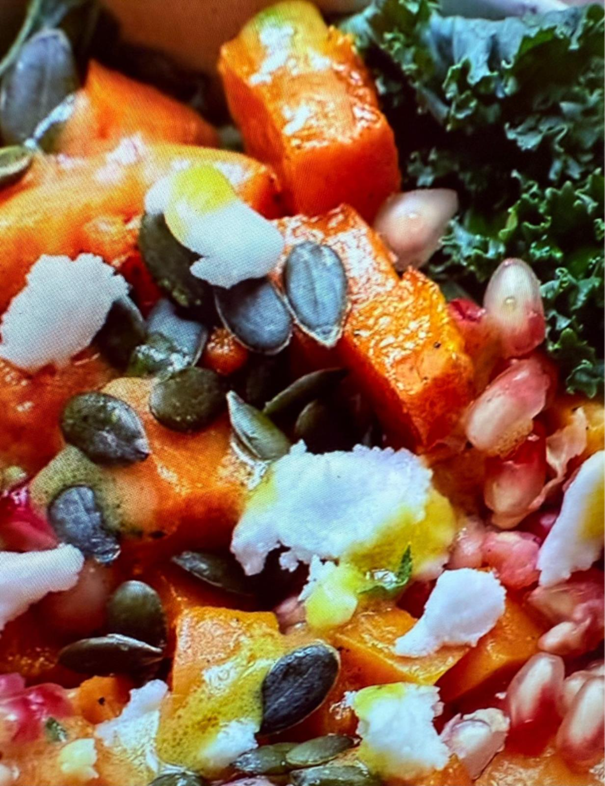
Winter salad recipe:
This winter salad is nurturing and power-packed with nutrients, including around half the recommended daily dose of magnesium (the daily recommended dose is around 380 mg)
Ingredients (serves 4):
4 cups chopped kale or chard
1 peeled, seeded, chopped, and roasted butternut squash
½ cup pumpkin seeds
½ cup of pomegranate seeds
1 finely chopped red onion
¼ goat cheese or cheese of your choice to top
Dressing:
¼ cup olive oil
¼ cup apple cider or champagne vinegar
1 tbs honey or maple syrup
1 tsp dijon mustard
1 crushed garlic clove, tsp salt
1 tsp black pepper
This winter salad delivers more than 150 mg of magnesium, plus fiber, plant protein, and antioxidants; a combination that supports relaxation and improved stress resilience.

Nutrition is a Key Player in Battling Stress, written explicitly for Daily Scandinavian by Nicole Hammond. Nicole is a health educator, coach, and wellness writer with a Master of Science in Health and Human Performance and a Bachelor of Science in Health Science. She also holds certifications in stress management, coaching, and feng shui design. She enjoys writing, researching, creating, and facilitating in the areas of health and creating balance in mind, body, and the home. In her spare time, Nicole enjoys reading, cooking, traveling, exercising, and spending time with her family, including her two golden retrievers and cocker spaniel.
Feature image (top) © va.gov.