


A Norwegian civil engineer receives a job offer in the US. She assumes her ten years of experience and Sivilingeniør degree will carry over directly. Then she discovers she needs to pass a state-specific licensing exam before she can legally sign off on a single drawing. This is a common surprise for anyone trying to transfer Scandinavian professional credentials to the US. Read on to learn how to transfer your Scandinavian professional credentials to the US (and which ones don’t transfer at all).
Some qualifications cross the Atlantic with minimal friction. Others require months of exams, supervised practice, or starting from scratch. The gap between those outcomes can mean the difference between working within weeks of arrival and waiting most of a year. Knowing which category your profession falls into before you accept a job offer changes how you plan the entire move.
How Do You Actually Transfer Scandinavian Professional Credentials To The US?
The process almost always begins with a credential evaluation service. This service compares your foreign degree to US educational standards and issues a report that employers and licensing boards accept. Organizations such as World Education Services handle this for most fields, translating a Scandinavian degree into its closest US equivalent on paper. From there, the path splits by profession and by state.
The US has no single national licensing body for most regulated fields. Healthcare adds another layer of complexity. Regulatory differences covered in comparisons of Nordic healthcare systems go beyond how care is paid for. They also extend to the training and licensing of nurses and doctors. That’s exactly why a Swedish nursing degree requires a formal US equivalency review before a state board will even consider an application.
**********************************************
Related: Planning Your First Visit to the US from Scandinavia? Here’s What You Need to Know
**********************************************

What Happens To Your Home Setup While Licensing Is Pending?
Licensing reviews can take weeks or months, and life doesn’t pause while you wait. Many newly arrived professionals end up working remotely, freelancing, or handling paperwork from home during this gap. As a result, relocating your workspace during an international move means deciding what to pack in the final days and setting up again immediately, from the primary computer to the internet connection. A desk, a reliable internet connection, and a few key documents must be in place before anything else in the new home.
Which Credentials Transfer, And Which Basically Don’t?
Some fields transfer with a formal review and maybe one exam. Others require what amounts to starting over.
- IT, software, and most business roles: Usually, no license is required at all; the job offer itself is often the only real hurdle.
- Engineering: Requires passing a state licensing exam, though your degree and experience typically count toward eligibility.
- Nursing: Requires credential evaluation, an English proficiency exam in most cases, and the NCLEX licensing exam.
- Teaching: Varies enormously by state and subject, sometimes requiring a full new certification program.
- Law: Almost never transfers directly, since foreign law degrees generally don’t qualify you to sit a US bar exam without an additional US law degree first.
The gap between the top and bottom of that list is the whole reason this research matters before signing a lease. A software engineer can often start working within days of arriving, while a lawyer might spend two additional years in school before earning the right to practice.
******************************************************
You may also like to read Getting a Loan in Norway and USA: A Side-by-Side Comparison
******************************************************
How Does US Workplace Culture Differ From What You’re Used To?
Even after the paperwork clears, the workplace culture itself takes some adjustment. The differences run deeper than office hours. Scandinavian concepts of personal space clash with American social norms in ways that are constantly present in a US workplace. Closer physical proximity in meetings is one example. A first-name basis that develops almost immediately with new colleagues is another, along with a level of small talk that can feel excessive to someone used to more direct communication. A Scandinavian professional used to more reserved office norms may need a few weeks just to recalibrate what “friendly” looks like at work.

Why Might The Pace Of Work Feel Different Once You’re Licensed?
Once the credentials are in place and the job starts, the rhythm of the workday is often the bigger adjustment. The shorter hours and stronger boundaries described in Scandinavian work-life balance research don’t automatically carry over to US employers, even generous ones. Vacation days are typically fewer. The expectation of being reachable outside standard hours is often higher, too, even at companies that describe themselves as flexible. This isn’t a flaw in either system. It’s simply a different set of defaults, and it takes real time to adjust, especially in the first few months on the job.
How Do You Check Requirements For Your Specific State?
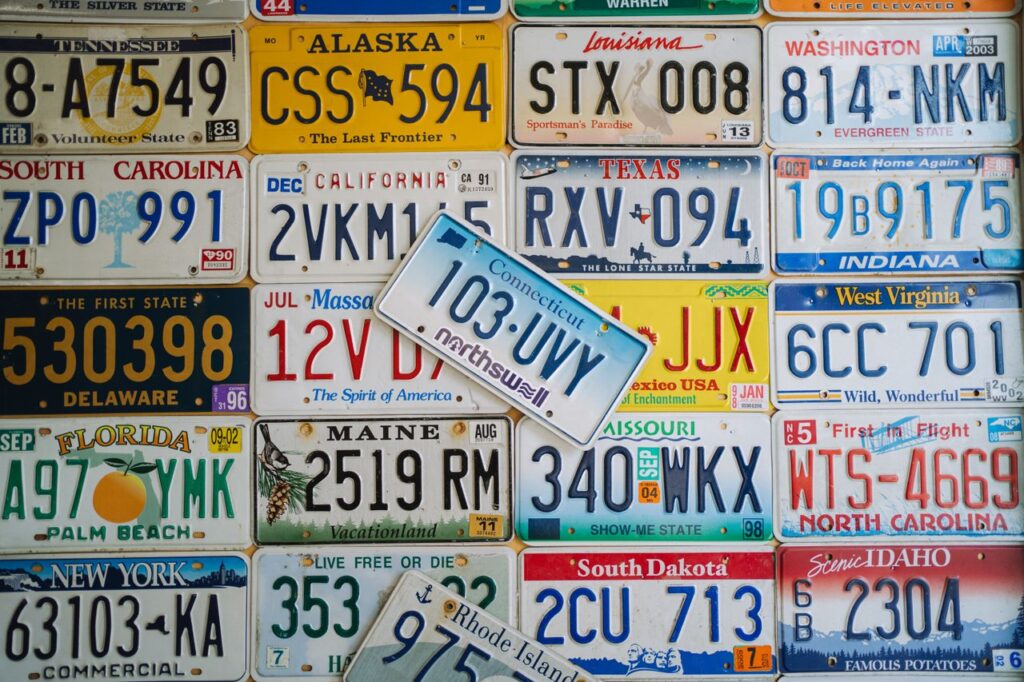
Because licensing rules vary widely by state, it’s worth checking the rules for your profession and destination before you commit to a move. The CareerOneStop License Finder, maintained by the US Department of Labor, lets you search by occupation and state to see exactly what’s required. Running your profession through it early can save months of surprises later. This matters most in fields where requirements differ significantly between neighboring states, since a license valid in one state may be almost meaningless across the border.
Plan The Paperwork Before You Plan The Move
Transferring Scandinavian professional credentials to the US rarely involves a single form or a single fee. It’s a process that varies by profession, by state, and sometimes by employer. Some careers require a review and an exam. Others, like law, essentially require rebuilding a qualification from the ground up. Checking your specific field’s requirements before accepting a job offer, rather than after arriving, is what separates a smooth transition from a stalled one. Start with a credential evaluation, check your destination state’s licensing board, and build your moving timeline around whatever answer you receive.

How to Transfer Your Scandinavian Professional Credentials to the US (And Which Ones Don’t Transfer at All), written for Daily Scandinavian by Erik Solheim. Erik is a Norwegian-born career consultant based in Chicago. Over the past eight years, he has helped Scandinavian professionals navigate US licensing boards and workplace transitions. He writes about credential recognition, relocation logistics, and cross-cultural workplace adjustment for expat audiences across several international publications.