


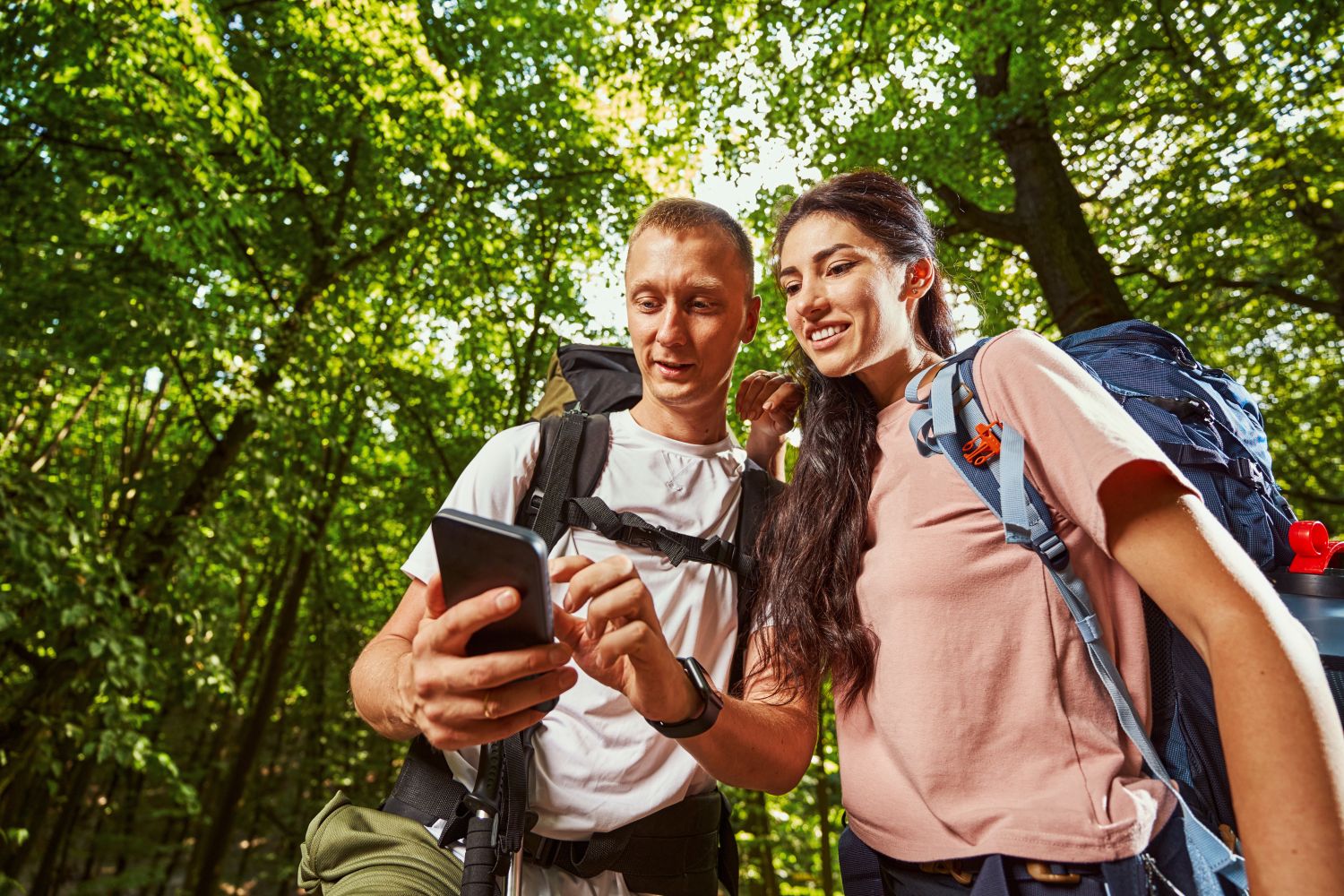
Landing in Indonesia feels like stepping into another rhythm of life. The warmth, the scooters, the smiles, the chaos; it’s all part of the charm. But there’s one challenge many Scandinavian travelers don’t expect until they arrive: getting online quickly and affordably. Here’s an Indonesia eSIM guide for Scandinavians visiting Indonesia.
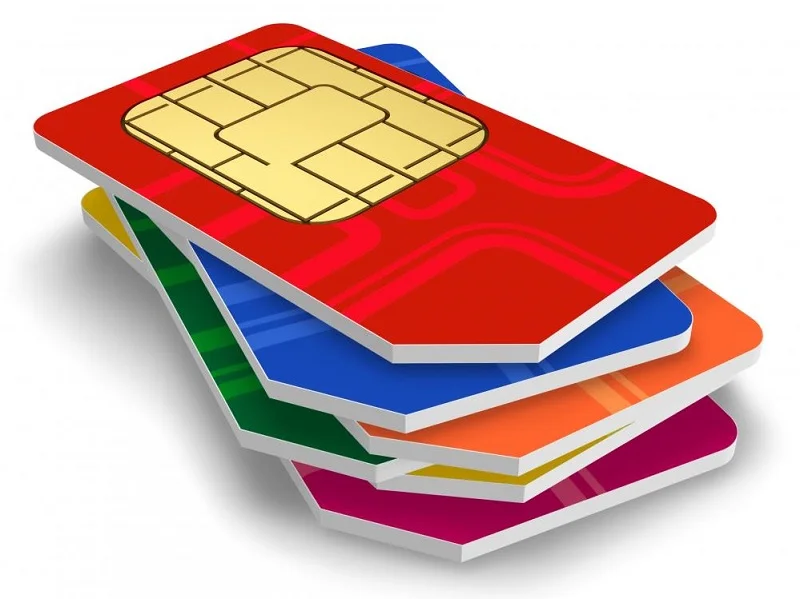
Traditional airport kiosks selling a physical SIM card often come with long queues, language barriers, and confusing packages. Relying on hotel public Wi-Fi hotspots sounds tempting, but coverage is patchy, speeds vary, and security isn’t always reassuring, especially when you need two-factor authentication to log into banking or work accounts.
This is where modern solutions step in to solve those early frustrations, letting you stay connected without disrupting your first travel moments.
Finding the Best eSIM for Indonesia
The biggest issue most Nordic travelers face is losing time and patience trying to connect after arrival. You want maps to work, ride-hailing apps to load, and messages to send immediately.
Choosing the best eSIM for Indonesia addresses this by removing the need to hunt for shops or swap tiny plastic cards. Instead, everything is ready before you board the plane, giving you confidence from the moment you land.Angeline Magalong
What an eSIM Actually Is (and Why Scandinavians Love It)
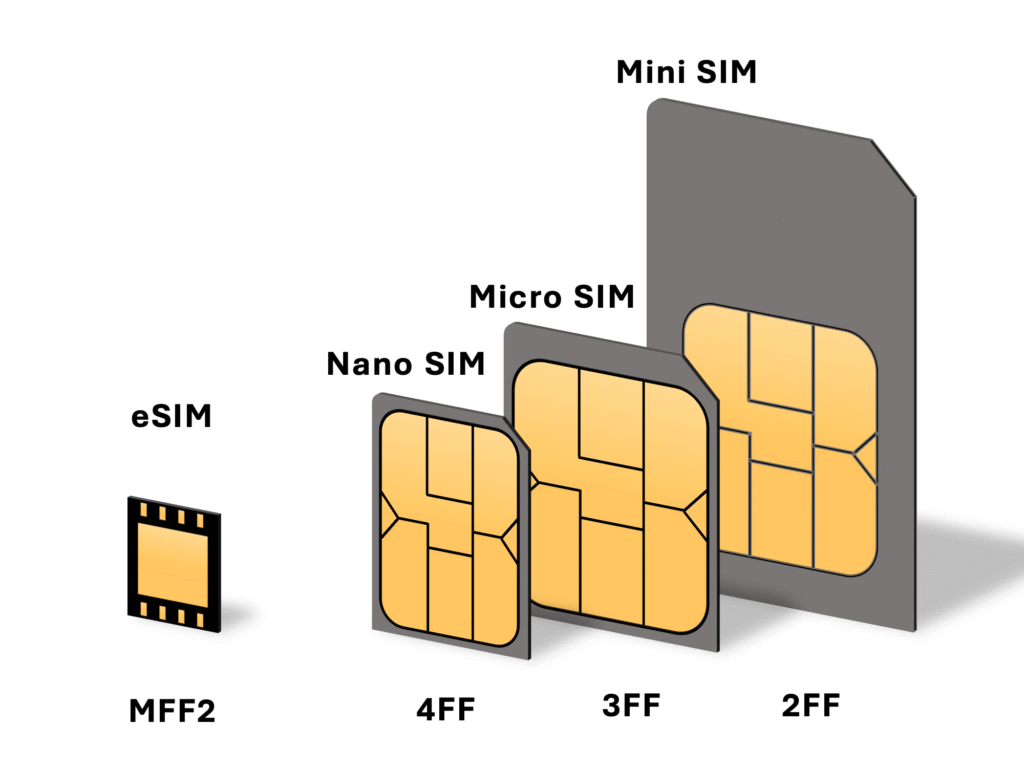
An eSIM, sometimes called a digital SIM, is embedded directly into your phone. There’s nothing to insert or remove. This feels intuitive for travelers from Sweden, Norway, Denmark, Finland, or Iceland, where cashless systems and digital services are already the norm. You scan a QR code, follow a simple setup, and your phone connects.
Unlike older solutions tied to a single phone number, many travel eSIMs are built for flexibility. They’re perfect if you mainly rely on messaging apps, maps, and online bookings rather than traditional calls or texts.

Where to Get an eSIM for Indonesia: Before You Fly or After You Land?
Getting an eSIM before traveling is usually the smoothest choice. You can compare providers calmly, read plan details in English, and choose coverage that fits your itinerary. Once purchased, the setup is done at home using stable Wi-Fi, which removes pressure after a long-haul flight.
When you land, your phone connects automatically, giving you immediate access to maps, transport apps, and messages. For Nordic travelers used to efficiency and planning, this approach often feels more natural and reliable.
That said, you can also obtain eSIMs after arrival. Some Indonesian mobile operators and travel-focused providers offer eSIM activation through their official websites or partner stores in major cities like Jakarta and Denpasar.
However, this usually requires strong Wi-Fi access first, and instructions may be less traveler friendly. Airport options exist, but availability varies, and staff may prioritize physical SIMs over digital ones, which can slow things down.
You also need to look at the timing. If you arrive late at night or during peak travel hours, getting connected on the spot can become frustrating. Setting things up beforehand avoids that uncertainty and lets you start your trip smoothly, whether you’re heading straight to a hotel, a ferry, or a late-night ride.
In practical terms, most short-term visitors benefit from arranging their eSIM in advance, while longer stays may justify exploring local options later. Either way, planning your connectivity pays off in saved time and peace of mind.
Compatibility and Setup Before You Fly
It’s essential to check device compatibility before buying. Newer Android and iPhone models support eSIM technology, but not all versions do. Your phone must also be an unlocked phone, meaning it isn’t restricted to a Scandinavian carrier.
The activation process is usually straightforward and often includes instant activation after landing or at a scheduled time. Some providers guide you step by step, which is reassuring if this is your first time using an eSIM.
Coverage Across Islands, Cities, and Nature
Indonesia is vast, and coverage varies by region. Reliable providers connect to local networks operated by major local carriers, ensuring solid network coverage in populated areas.
You’ll typically enjoy 4G/5G coverage in cities like Bali, Surabaya, and Jakarta, while more remote destinations may fall back to 4G. Even so, signal strength is generally sufficient for navigation, messaging, and sharing photos, whether you’re exploring the Gili Islands or watching sunrise at Mount Bromo.
Data Plans That Match How You Travel
Most eSIM data plans are flexible and offer options for short holidays or longer stays. You’ll see everything from limited bundles to unlimited data, depending on how much streaming or work you plan to do.
Many options are data only, which suits travelers who use apps for international calls and video calls. This approach avoids unexpected roaming fees and painful data roaming charges from Nordic carriers.
Internet Speed, Infrastructure, and Reliability
Indonesia’s digital landscape has grown rapidly in recent years. The country has the fifth-largest number of internet users at 185 million as of January 2024. This scale has pushed significant investment into infrastructure, especially in tourist-heavy and business regions.
The level of information technology development makes Indonesia increasingly attractive to digital nomads. You’ll notice improving speed coverage in urban centers, where high-speed data supports everything from ride-hailing to streaming. This is crucial, as cafés, co-working spaces, and hotels rely on stable backbones that complement mobile usage.
Staying Practical on the Road
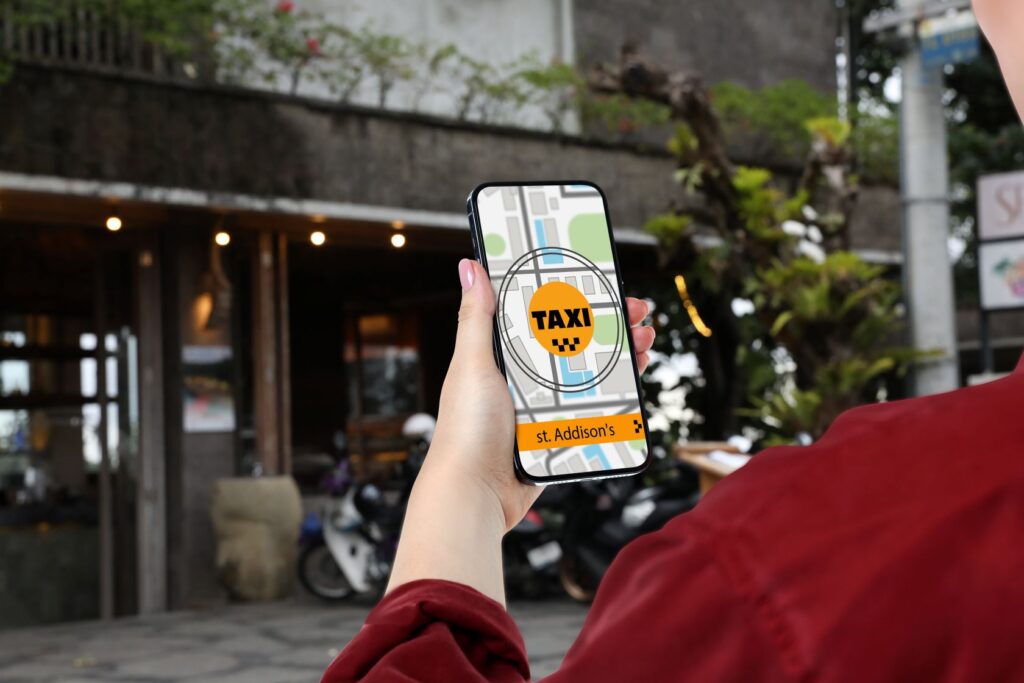
An eSIM shines during everyday travel situations. Ordering food through local apps, navigating unfamiliar streets, or booking last-minute transport becomes effortless with consistent mobile connectivity.
You can also share your connection via a mobile hotspot, which is useful if you’re traveling with a partner or need to connect a laptop briefly. And if your plan allows top-ups, extending usage is easy without visiting a store.
Local Regulations You Should Know About
Indonesia has specific rules around IMEI registration, which affects long-term device usage. Short-term visitors using a prepaid eSIM are usually unaffected, but it’s wise to understand the basics if you’re staying longer.
Some providers specialize in prepaid eSIM options designed for tourists, offering compliance with regulations while maintaining access across local networks.
Security, Support, and Peace of Mind
Using mobile data instead of open Wi-Fi reduces security risks, especially when accessing sensitive accounts. Reputable providers offer responsive customer support, often in English, which is reassuring if something goes wrong.
But connectivity is only one part of a smooth journey. Pairing it with the right travel insurance lets you focus on the experience rather than logistics.
Who Benefits Most From an Indonesian Travel eSIM
Whether you’re uploading content or coordinating schedules, a consistent internet connection matters. An Indonesian travel eSIM works well for many traveler types.
Solo backpackers appreciate the simplicity, couples enjoy shared planning, and business travelers value immediate access after landing. For remote workers and creatives, it supports daily workflows without the hassle of switching cards or relying on unstable connections.
Indonesia eSIM Guide for Scandinavians Visiting Indonesia
Final Thoughts: Travel Light, Stay Connected
Indonesia rewards curiosity. From temples to beaches, street food to volcanoes, every day brings something new. The last thing you want is to worry about connectivity while you’re soaking it all in.
Choosing a modern eSIM solution lets you travel lighter, stay informed, and capture your experiences as they happen. With the right setup, your phone becomes a quiet companion, keeping you connected while Indonesia does the rest.
Indonesia eSIM Guide for Scandinavians Visiting Indonesia, written by Angeline Magalong for Daily Scandinavian.