


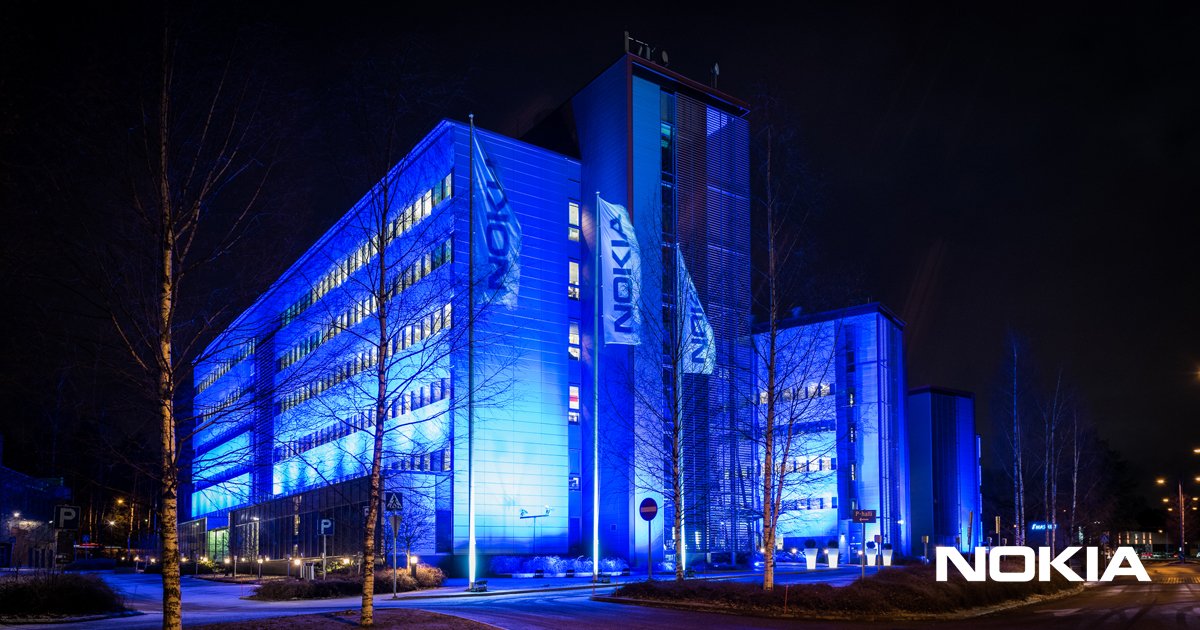
There was a time when Nokia was synonymous with mobile phones built to withstand just about anything. As of early 2026, however, the next chapter of Nokia’s history is defined by a complete strategic pivot away from consumer smartphones and a total focus on B2B networking, AI-driven infrastructure, and 6G development.
In 2013, Nokia sold its mobile phone division to Microsoft. Many assumed the brand would simply disappear, swept away by flashier, shinier alternatives.
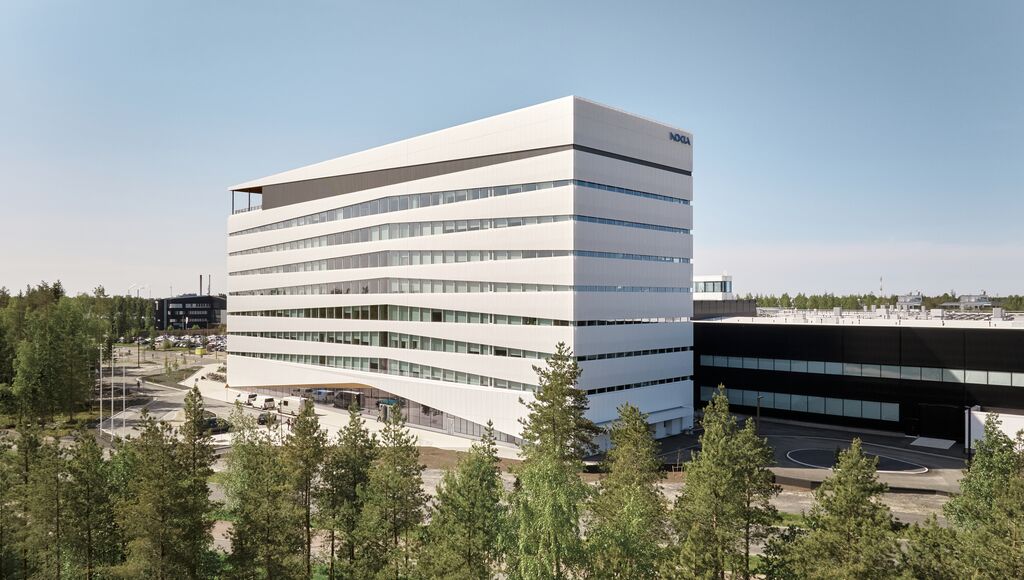
In the fall of 2025, however, Nokia announced the opening of its new, state-of-the-art R&D and manufacturing campus in Oulu, Finland, which will design, test, and deliver next-generation AI-ready networks.
Focus on Network Infrastructure and 6G
Nokia is now investing heavily in next-generation connectivity, leading European 6G research initiatives (such as Hexa-X) and securing key 5G-Advanced contracts.
NVIDIA is investing $1 billion in Nokia to collaborate on network AI, leveraging Nokia’s infrastructure to enable AI-driven connectivity. Nokia has solidified its position as the second-largest global player in optical networks (21% market share) and ranks first in XGS-PON technology for fiber networks. The business is making a comeback and has opened a 55,000-square-meter campus in Oulu. “This is where we prepare for the next decade,” says Jarkko Pyykönen, head of Nokia Oulu.
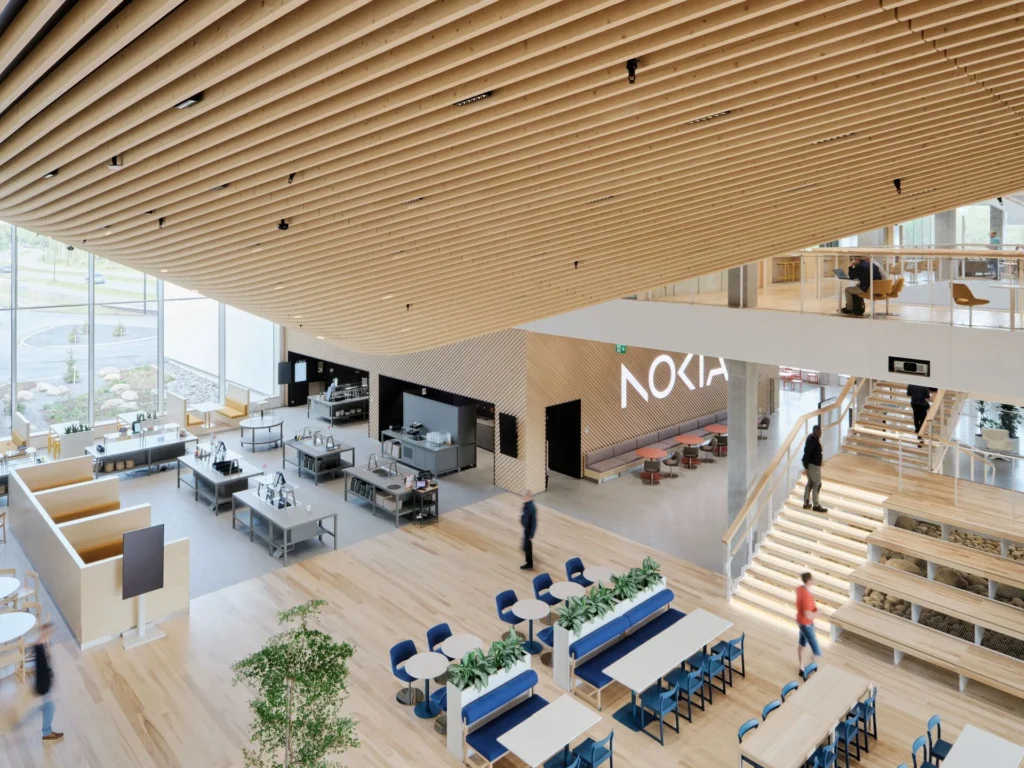
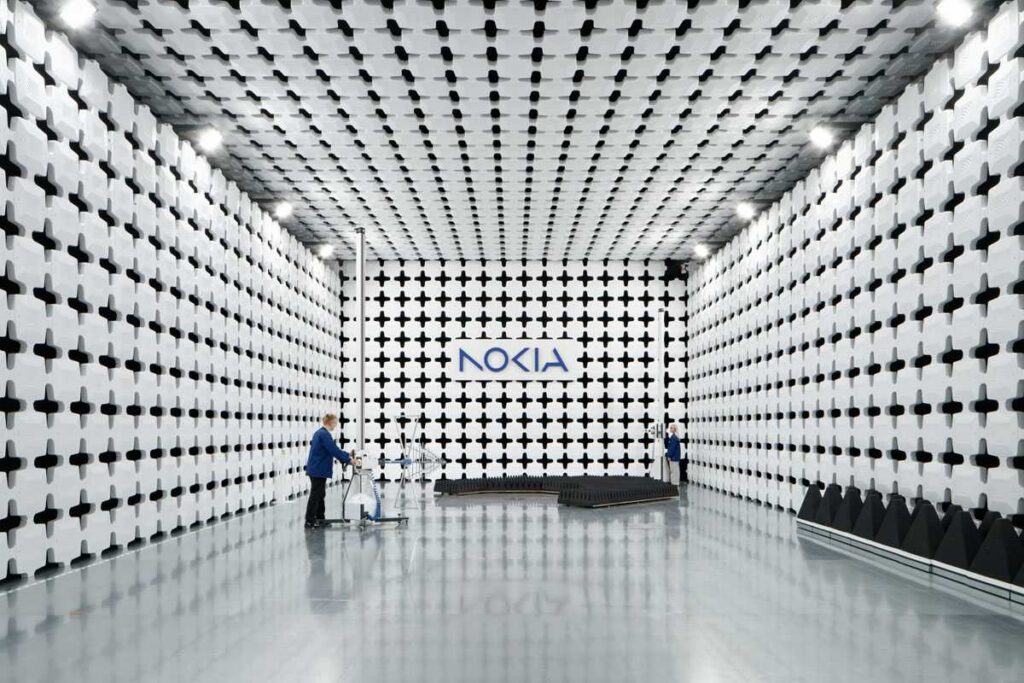
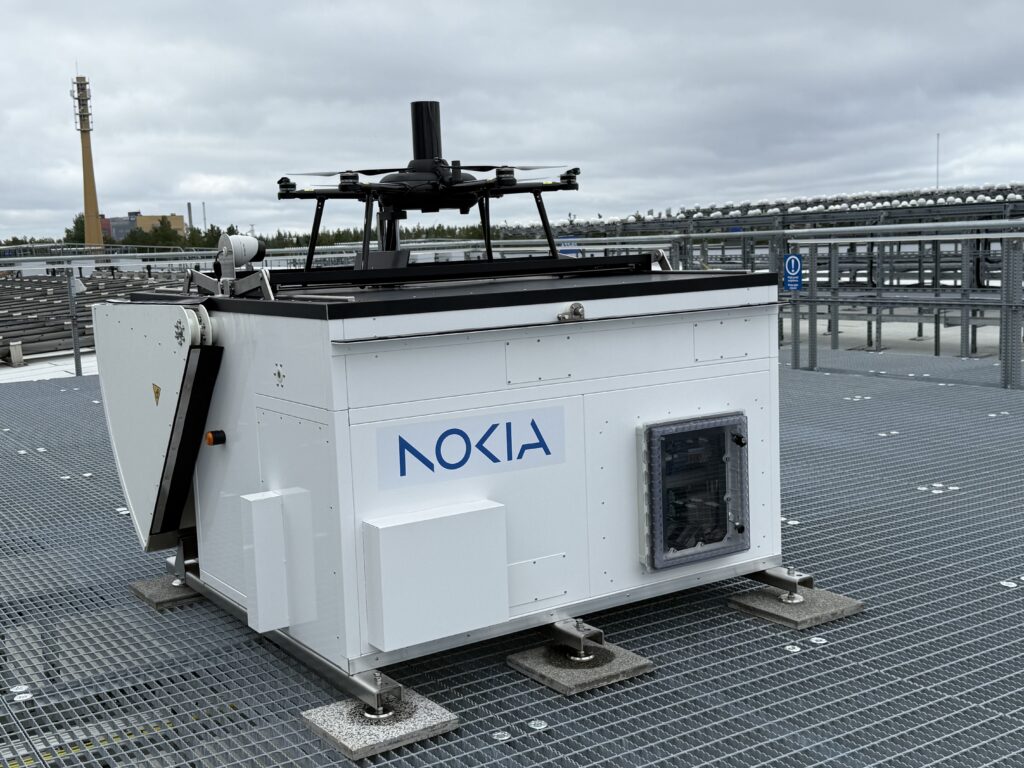
Covering the entire product development lifecycle, Nokia’s new “Home of Radio” campus is home to around 3,000 experts and boasts some of the world’s most advanced radio network laboratory and manufacturing technology. This capacity will provide both simulated and real-world field verification environments to accelerate network evolution, ensuring that secure 5G and 6G networks are designed, tested, and built in Europe.
Corporate Strategy and Industrial IoT
A major focus for 2026 is expanding private wireless networks for industrial clients in mining, manufacturing, and logistics. Nokia is retooling its operating model and plans to finalize the direction of new units, including incubating defense-focused technologies, by 2026.
The company aims for a 13% operating margin by 2026, driven by stabilizing network demand and specialized technology deployments.
Most of Nokia’s main competitors are now Chinese. Its factory also collaborates with the nearby NATO test center to develop defense-grade 6G communications technology. The partnership underscores a strategic reality: the stability of Europe’s digital backbone increasingly depends on trusted network suppliers.
Other 2026 Developments
With over 20,000 patent families, Nokia continues to dominate the patent landscape for communication technology. Some restrictions on the use of Nokia equipment in Chinese telecommunication networks have been noted, highlighting geopolitical challenges.
2026 marks Nokia’s definitive return from a public-facing brand to a specialized B2B technology powerhouse, effectively retiring the “brick phone” legacy in favor of industrial AI and infrastructure solutions.
Nokia’s Next Chapter, Tor Kjolberg reporting