



In Norway, Easter begins when the last human sound is sealed under snow and replaced by the soft, accusatory rustle of a crime novel. In Denmark, Easter begins when lunch achieves sentience; in Sweden, when the witches receive their municipal permits. No one remembers scheduling the Scandinavian Easter Convergence Event, but it simply appeared one year, some time ago.
It appeared in the official calendars one year, between Maundy Thursday and Good Friday, announcing “Pan-Scandinavian Easter Alignment (mandatory, bring your own tradition).”
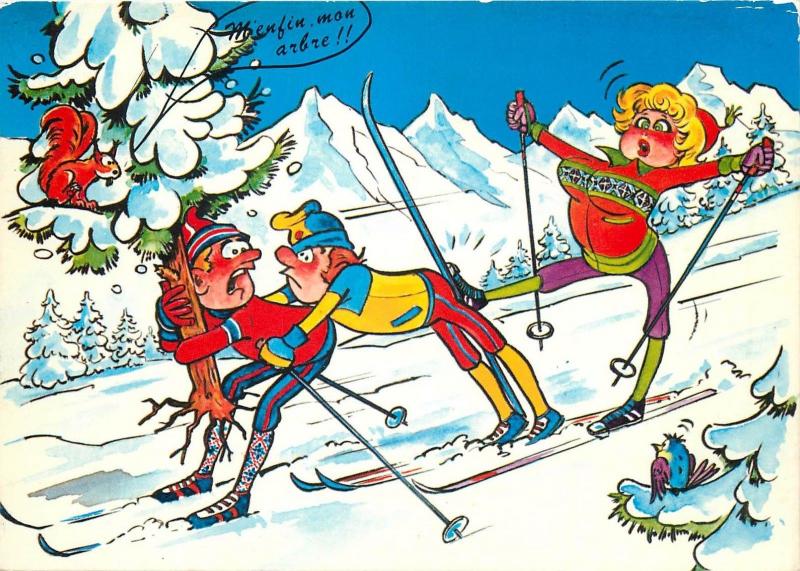
Erik from Norway arrived first, slaloming from a cabin that may or may not still exist.
“I have brought silence,” he announced, placing it carefully on the table. It hummed faintly, like distant snow.
“And suspicion.”

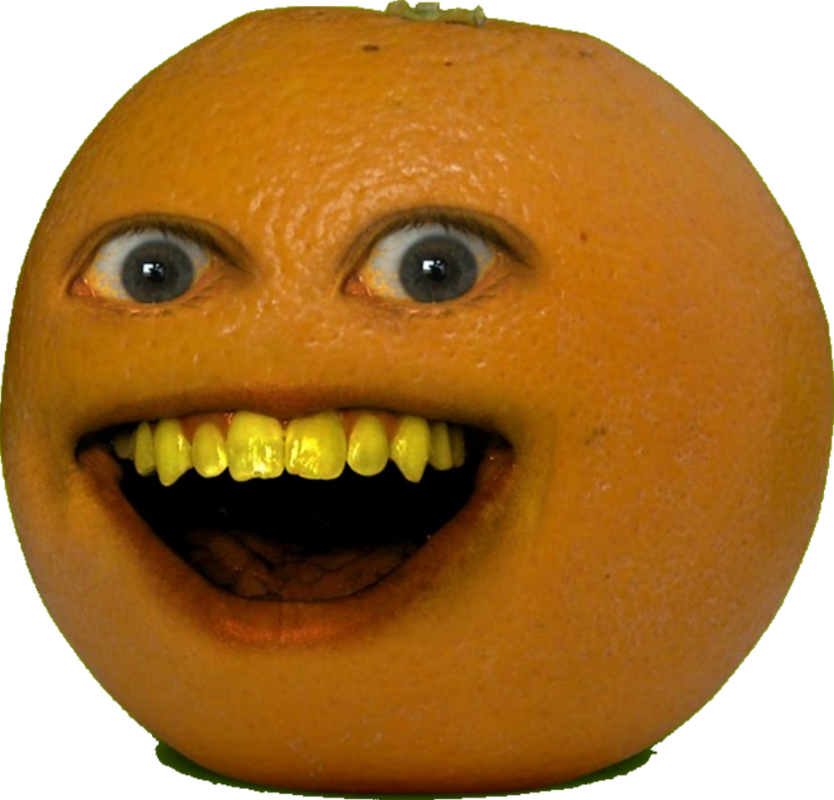
From his backpack, he removed seventeen identical crime novels. Each had a different title. Each had the same plot. “No one leaves,” he added, mostly to an orange.
Lars from Denmark did not arrive so much as continue.
The table unfolded with him—an infinite extension of herring, bread, schnapps, and decisions that had been made hours ago and could not be undone.
“We are slightly behind schedule,” Lars said, consulting a document labeled Lunch (Draft 14).
“We are only at Course 9 of 43.”
“Is there an end?” Erik asked.
Lars looked genuinely confused. “End?”
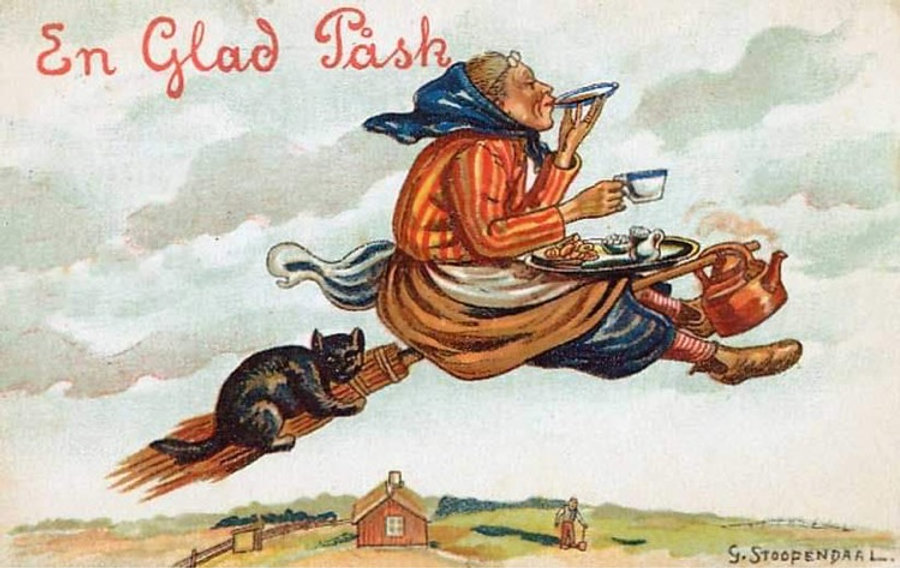
Anna from Sweden descended from the sky in a slow, orderly drift, followed by a formation of children dressed as witches, each holding a clipboard.
“We apologize for the delay,” Anna said. “There was a queue system.”
One witch stepped forward. “We have categorized all available sweets into three groups: acceptable, optimal, and strategically acquirable.”
Another added, “We’ve also unionized the feathers.”
At that moment, a birch branch decorated with pastel plumes began negotiating.
Reality adjusted itself slightly to accommodate the meeting.
Time stretched. Snow fell upward. A faint choir sang something that might have been ABBA played backwards.
“Let us begin,” Anna said.
Erik opened a book. Lars poured something that legally qualified as both drink and philosophy. The witches formed a semicircle of mild but persistent judgment.
Erik read:
“The victim was found in a locked cabin—”
“There are no unlocked cabins,” Lars said.
“—surrounded by clues that made no sense—”
“Ah,” said Anna. “Like this meeting.”
A witch raised her hand. “We believe the murderer is… the concept of leisure.”
Silence deepened. Erik wrote that down.
Lunch progressed.
It always progresses.
Dishes appeared that had not been prepared. Toasts were made to ideas no one fully supported. At some point, everyone realized they had always been at this table.
Lars leaned toward Erik. “Have you noticed,” he whispered, “that no one has stood up?”
Erik nodded. “Classic closed-room scenario.”
Anna flipped through a binder labeled Festive Procedures, Vol. 7: Seasonal Mysticism.
“According to protocol,” she said, “we must now introduce symbolic absurdity.”
The witches nodded and released a chicken into the room.
It lay a painted egg labeled “CLUE.”
Erik picked it up carefully. “This changes everything.”
“Does it?” Lars asked.
“No,” Erik admitted. “But it feels important.”
Outside, the landscape had reorganized into something vaguely Scandinavian but slightly incorrect. Mountains looped. Forests repeated. A fjord appeared indoors and politely waited to be acknowledged.
A witch approached it, presenting a form.
“Are you natural or conceptual?” she asked.
The fjord declined to answer.
Hours—or centuries—passed.
The crime novel reached its conclusion for the twelfth time.
“The killer,” Erik read slowly, “was… everyone.”
Lars raised his glass. “That seems inefficient.”
Anna shook her head. “No, that’s consensus.”
The witches applauded politely.
At last, the Event reached its natural endpoint, which, like the Danish lunch, did not exist but was widely agreed upon.
Erik packed his silence. Lars folded a small portion of the table into his coat. Anna stamped the air “COMPLETED.”
“Same time next year?” Lars asked.
“There is no next year,” Erik said. “Only recurring narrative structure.”
Anna smiled. “Booked anyway.”
And as they dispersed—into snow, into lunch, into orderly witch-flight—the calendar quietly updated itself:
“Pan-Scandinavian Easter Alignment (successful, slightly unsettling).”
Somewhere, an orange remained under investigation.
We wish you all a Happy Easter!
The Scandinavian Easter Convergence Event, written by Tor Kjolberg, who admits he is not a Hans Christian Andersen, just a storyteller.