



A story sticks when it combines emotional connection, relatable characters, and a clear, simple conflict with a satisfying resolution. Memorable narratives often include vivid details, surprises, and universal themes that prompt action or deep reflection. There are several elements that make a story stick. Read on and learn more.
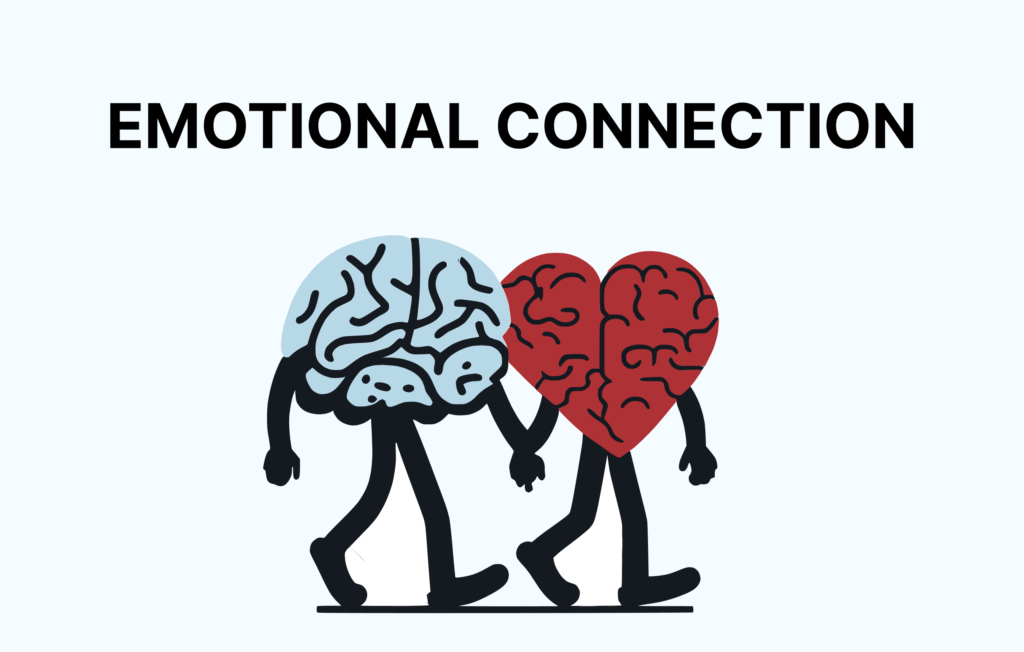
Emotional connection is essential in a story because it transforms a passive narrative into an immersive experience that resonates with readers. It hooks the audience, builds empathy, drives engagement with character, and ensures the content is memorable. Without emotion, stories can feel flat, while emotional depth creates lasting, impactful connections.
Emotional intimacy allows readers to understand and relate to characters, making them care about the story’s outcome. When characters share universal feelings like joy, fear, or vulnerability, readers can see themselves in the story, fostering a personal connection.
Facts are often forgotten, but emotional experiences (such as those in stories) are better retained in the brain, making them more memorable. Emotional stakes, such as high-stakes, life-or-death situations, make the audience feel, rather than just read, the story’s events.
*******************************************
Related: The Story of Storytelling in Marketing
*******************************************
A strong emotional connection compels readers to keep turning pages and can even influence their actions. By evoking feelings, a story can help readers understand different perspectives, fostering empathy.
For example, a character’s vulnerability—showing weaknesses rather than just strengths—helps build a stronger, more relatable, and realistic connection with the audience.
Here is why relatable characters are important in a story
When characters share human experiences like fear, love, or sorrow, readers feel understood and emotionally invested in their journey. Relatable, three-dimensional characters feel real, making the fictional world more immersive.
Audiences want to root for, understand, or even despise characters who feel human. This emotional engagement keeps them turning pages. Characters with flaws, fears, and vulnerabilities allow readers to see parts of themselves, often helping them process their own experiences.
Even if a character is not likable, their motivations and challenges can be understood, which is more important for engagement than simply being “nice”.
Relatable characters bridge the gap between the audience and the story’s world, making the narrative more impactful and memorable.
*******************************************
Related: Social Media’s New Role in Travel Promotion
*******************************************
 Conflict and resolution are fundamental to storytelling
Conflict and resolution are fundamental to storytelling because they provide the engine for plot, character development, and reader engagement. Conflict introduces tension and stakes—the “what if” and “what’s at risk”—while resolution provides necessary closure, allowing the audience to process the narrative as a complete experience.
Why Conflict is Important
Conflict is considered the “lifeblood of storytelling” or the “beating heart” of a narrative. It serves as the catalyst for action, pushing characters to make decisions and move the story forward. Without conflict, stories are stagnant and dull. It creates anticipation, keeping readers invested in the outcome.
How a character reacts to obstacles defines their true nature, strengths, weaknesses, and desires. It clearly defines what the character stands to gain or lose, which increases emotional investment. Because human beings experience struggle, the act of navigating conflict makes characters relatable.
Why Resolution is Important
If conflict is the engine, resolution is the destination. It provides the “payoff” for the tension built throughout the story. Conflicts resolve major plot threads and answer the questions raised, preventing the audience from feeling unsatisfied or stranded.
A well-earned resolution demonstrates how the character has changed or evolved through the conflict. The way a conflict is resolved often highlights the story’s deeper message or meaning.
Following the tension of the conflict, the resolution brings emotional relief or a sense of peace.
The Relationship Between Conflict and Resolution
A story generally follows a structure where a “normal life” is disrupted, leading to a central conflict (or multiple smaller ones), which builds to a climax and, finally, a resolution. Conflicts should force characters to react, ensuring the story moves forward through cause-and-effect (“because of”) rather than a series of random events (“and then”).
An effective resolution feels both surprising yet inevitable, rewarding the audience for following the journey. Conflict hooks the reader, and resolution provides the satisfaction.
 Simplicity and focus are critical in storytelling
Simplicity and focus are critical in storytelling because they cut through information overload, making narratives more engaging, memorable, and emotionally resonant for the audience. By reducing clutter and focusing on the essential core of a story, writers ensure their message is clear and impactful, allowing the audience to connect deeply without getting distracted by unnecessary details.
Complex stories can confuse the audience. Simple, straightforward narratives are easier to grasp, allowing the audience to follow the plot and understand the message quickly. Readers have limited capacity to process information; simplicity helps the brain absorb the story without working too hard, making the experience more enjoyable.
By removing unnecessary elements (the “fat”), the story’s core emotional theme becomes more powerful and poignant. A focused, simple story leaves space for the audience to fill in the gaps with their own emotions and experiences, making it feel both personal and universal.
Simple, focused stories are much easier to remember. They often boil down to a core message (like “slow and steady wins the race”) that sticks with the audience long after they finish.
Simplicity is about removing what doesn’t matter and focusing on the “heart” of the story, leaving a lasting impression. In a world bombarded with information, simple, direct stories grab attention more effectively. It cuts through the noise.
A focused story also avoids unnecessary subplots and rambling, preventing the reader or viewer from getting bored. Focus helps the story move along the “straightest path,” ensuring the narrative does not feel disjointed or chaotic. Short, focused sentences and scenes create a better rhythm that holds the reader’s attention.
As noted in the research, simplicity is not about “dumbing things down” but rather about “stripping them down” to their most potent form. As Steve Jobs once noted, “Simple can be harder than complex: You have to work hard to get your thinking clean to make it simple. But it’s worth it in the end.”
 Concrete and vivid details are essential
Concrete and vivid details are essential in storytelling because they transform abstract ideas into tangible experiences, allowing readers to visualize scenes, connect emotionally with characters, and become fully immersed in the fictional world. Instead of just telling the reader what is happening, these details use sensory input—sight, sound, smell, taste, and touch—to “show” the story, making it more engaging and memorable.
The details create immersion and realism. Specific, sensory-rich descriptions transport readers directly into the scene, acting as “fishing hooks” that grab attention and keep them reading. Rather than simply saying “it was cold,” describing “the icy wind blowing through the cracks in the cabin wall” allows the reader to feel the scene.
Concrete details reveal character personality better than exposition. For example, describing a character’s “worn-out, patched-up shoes” tells the reader more about their economic situation and personality than simply stating they are “down on their luck”.
Such details enable the writer to illustrate, not just explain. Instead of telling the reader that a character is nervous, a writer can show it through “trembling hands” or “biting their lip,” which triggers a stronger, more personal response.
Specific, unique details (e.g., “a yellow cat with a missing ear”) stick in the reader’s mind much better than vague, general terms (e.g., “a cat”). Vivid descriptions of settings (e.g., “a dark, dank, mold-creeping room”) immediately set a moody, high-stakes atmosphere.
A concrete language reduces ambiguity. By providing precise details, writers ensure readers visualize exactly what is happening, preventing confusion and disengagement.
The most effective stories use a balanced mix of concrete language—to ground the reader—and abstract ideas—to provide thematic depth.
Forbes Magazine has published a really good article on writing Sticky Marketing Copy.
Why Stories Stick (Neuroscience & Psychology)
Stories are more memorable than facts because they trigger neural coupling, aligning the reader’s brain with the storyteller’s. They often release neurochemicals, such as oxytocin, which deepen empathy and improve memory retention.
The Five Ps
People, Place, Pictures (vivid imagery), Personalization, and Peril.
The Five Cs
Character, Context, Conflict, Climax, and Closure.
AIDA
A – Attention I – Interest D – Desire A – Action
To make your story sell, the most important thing is to grab the readers’ attention. Then your task is to raise interest. Thirdly, you must create a desire to know more (or to buy/own your product), and, last but not least, prompt the prospect to take action (purchase, ask for more information, subscribe to your newsletter, etc.).
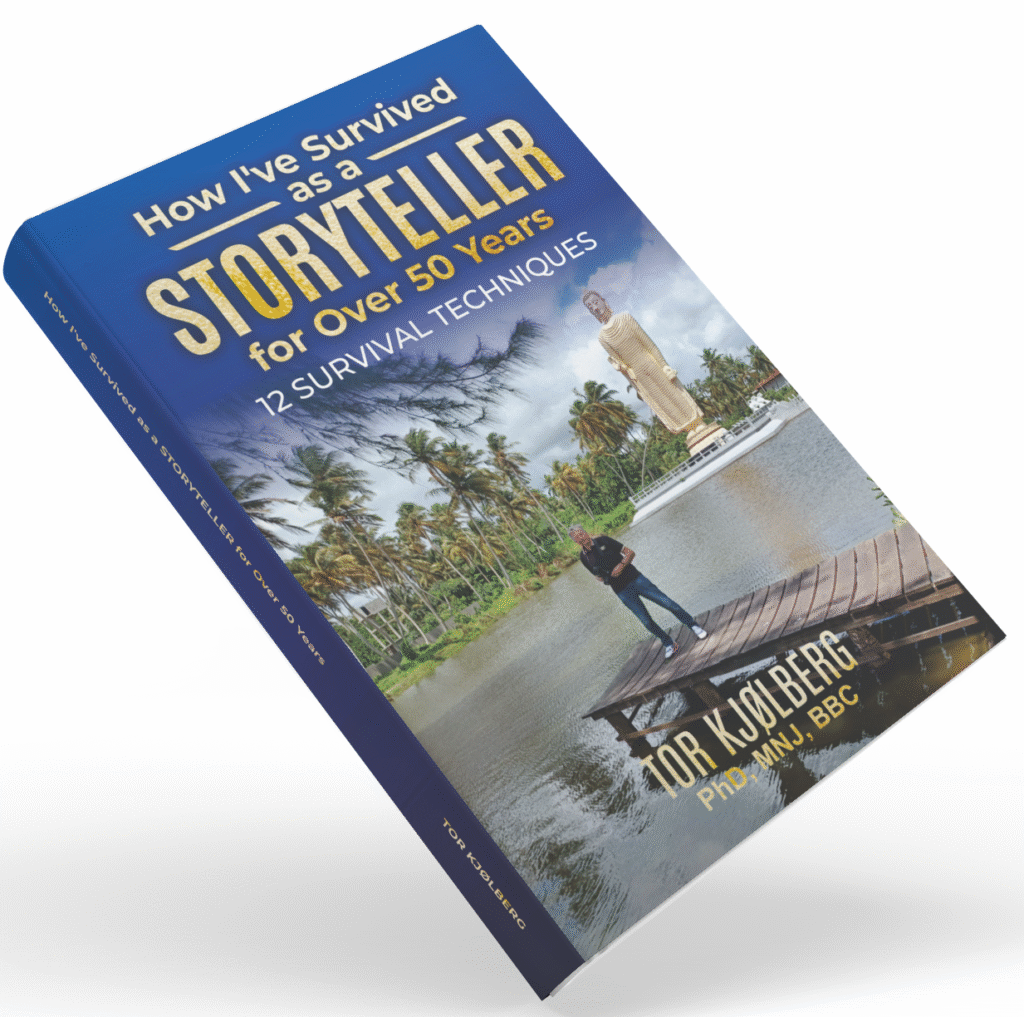
How I’ve Survived as a STORYTELLER for Over 50 Years
If you have completed reading this article, you must be more than averagely interested in storytelling. I will reward you with a free gift, a digital version of my new book, “How I’ve Survived as a STORYTELLER for Over 50 Years: 12 Survival Rules”. Just click here and type your name and e-mail address, and write e-book in the subject line. Enjoy!
What Makes a Story Stick? written by Tor Kjolberg