



Seaweed may not yet be a staple on Nordic dinner tables, but interest is growing quickly. A new report funded by the Nordic Council of Ministers finds that certain types of seaweed contain protein levels comparable to pulses, beans, and soy. Could seaweed be the Nordics’ future protein?
As pressure mounts on global food systems, seaweed is emerging as a promising marine resource that could support both sustainability and food security in the Nordic region. What if part of the answer to more sustainable, resilient food systems is already growing along our coastlines?
Gate
Why the Nordics are looking to the sea for solutions
As global food systems face mounting pressure from climate change, geopolitical instability, and growing demand, the Nordic countries are seeking sustainable, locally available protein sources, including those from the sea. In this context, seaweed has emerged as a potential alternative.
“Sustainable ocean management that contributes to global solutions is a key priority for the Nordic Council of Ministers. Exploring the role of seaweed in food systems fits squarely within this agenda,” says Tine Due Hansen, Senior Advisor for Fisheries.
Although seaweed is not a standalone solution to protein supply, it has the potential to support sustainable ocean management, diversification, and resilience within Nordic food systems — particularly when combined with other plant-based and marine resources.
*******************************************
Related: Nordic Cooking – Tradition, Simplicity and Nature on a Plate
*******************************************

What seaweed adds to the plate
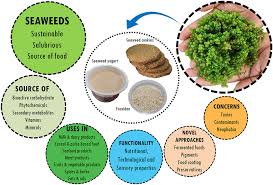
According to the report Seaweeds for food: from production to consumer, seaweeds can be valuable food ingredients. They are inherently low in calories but rich in micronutrients, and some species – particularly red seaweeds – contain protein levels comparable to pulses, beans, and soy.
However, the report also highlights key challenges. Iodine content limits how much brown seaweed can be used safely, and consumer acceptance is another decisive factor: taste, appearance, and texture will determine its commercial success.
********************************************
Related: Why More People Should Be Eating the Nordic Diet
********************************************
What will it take for seaweed to succeed?
According to the study, further research is needed. This includes additional studies with human subjects to better understand health effects, safe intake levels, and consumer acceptance before seaweed becomes a staple on Nordic dinner tables.
The report concludes that, with the right frameworks in place, seaweed could become more than a niche ingredient and a valuable component of more resilient and sustainable Nordic food systems – rooted in our oceans.
Could Seaweed Be the Nordics’ Future Protein? Based on a press release from the Nordic Council of Ministers. Feature image (top) © Nordic Sea Farm.