



Move from a compact apartment into a house with a basement, a spare bedroom, and a roomy garage, and the empty shelves soon begin to fill. A second set of dishes goes upstairs. Old lamps move into storage. Boxes marked “sort later” settle into corners. A larger home can make keeping things easier than deciding what deserves a place. Read on and learn how Scandinavian minimalism meets the reality of homes with more storage space.
That is where Scandinavian minimalism faces its most practical test. The goal isn’t to create an empty interior, but to make everyday life simpler and more comfortable. Swedish ideas about moderation, Danish attention to welcoming spaces, and the Nordic preference for functional design offer a useful way to manage extra square footage without letting possessions take over.
What Scandinavian Minimalism Really Means
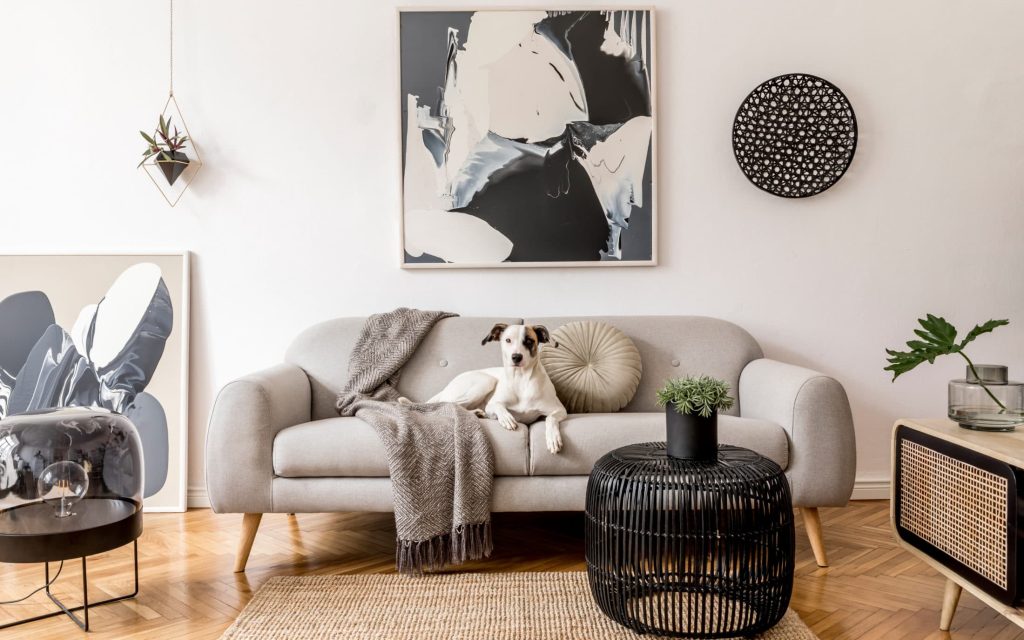
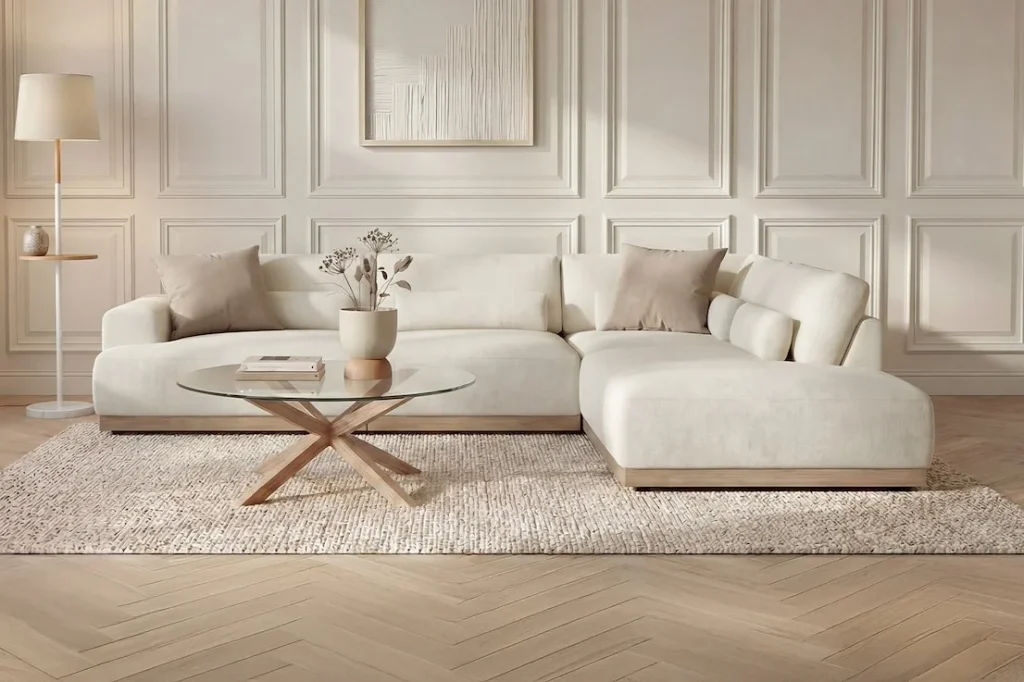
Scandinavian minimalism is often reduced to white walls, pale wood, and a few tasteful objects. Those features may appear in Nordic interiors, but the more useful principle is functional restraint: furniture should serve a purpose, materials should age well, and rooms should leave space for daily living.
Think of a Copenhagen apartment with a sturdy dining table used for meals, homework, and conversation. Or a Swedish living room where books, family photographs, and a wool blanket make the space inviting without covering every surface. Neither room needs to look bare to feel calm. Scandinavian homes vary widely, and minimalism is a design choice, not a rule everyone in the region follows.

Use Sweden’s Lagom Principle Before Filling the Shelves
The Swedish word lagom describes something appropriate or “just the right amount.” Applied to storage, it encourages a more helpful question than “Will this fit?” “Will keeping this improve how we use the home?” A guest-room closet can hold extra bedding without becoming a warehouse for things nobody wants to sort.
The same balance appears in discussions of living the lagom life in Sweden. It is not about owning the smallest possible number of objects. It is about keeping enough for comfort and practical needs while avoiding accumulation for its own sake.
Try assigning each storage area a purpose before unpacking. A hallway cupboard might hold coats and shoes used this season. A linen closet needs towels and bedding, not forgotten electronics. Leaving some empty space is not wasted capacity; it makes the things you use easier to reach.
Why Larger Homes Create a Different Problem
In a small home, excess becomes visible quickly. In a larger house, a closed door can hide a decision for years. A spare chair goes into the garage rather than being repaired or donated. Seasonal decorations multiply because another plastic bin will fit on the shelf. The U.S. Census Bureau’s Characteristics of New Housing reports a median size of 2,142 square feet for single-family homes completed in 2025. This figure describes U.S. construction, not Scandinavian homes, but it illustrates the extra capacity that can make postponing decisions so tempting.
Moving also brings legitimate uncertainty. You may not know which furniture will suit the new layout or whether inherited pieces belong in your daily life. Allowing a limited period to decide is reasonable. The mistake is treating every temporary holding space as permanent.
If you need to protect furniture and fragile objects while making those decisions, prepare carefully for storing your belongings can help prevent damage. Wrap vulnerable surfaces, label boxes clearly, and choose a review date. Storage should buy time for thoughtful decisions, not postpone them indefinitely.
How Swedish Döstädning Changes the Question
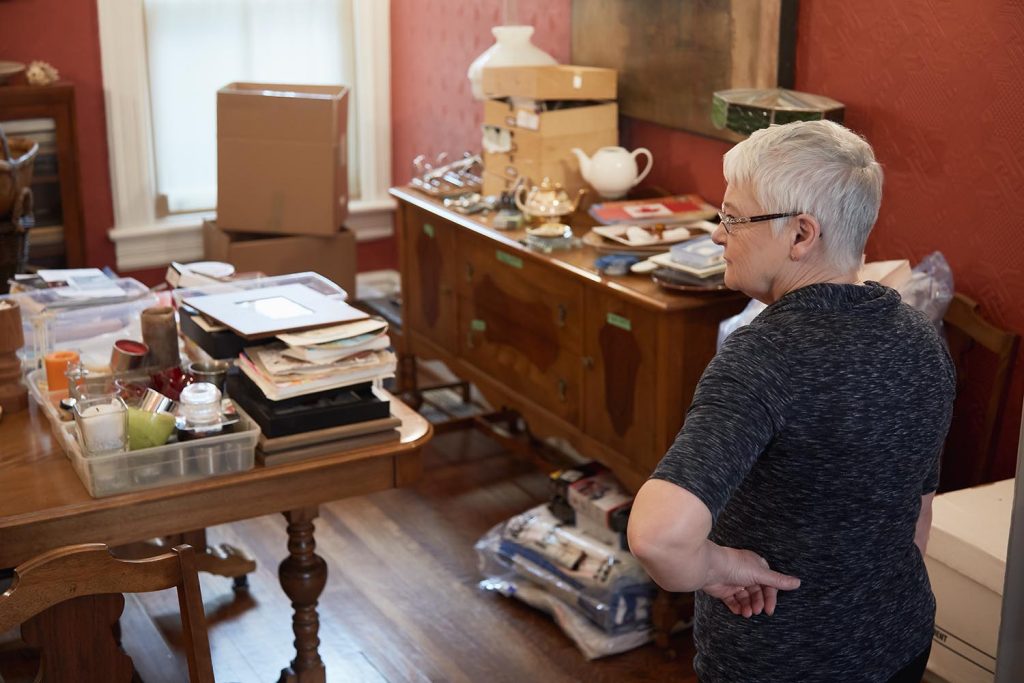
Another useful Swedish idea is döstädning, often called “death cleaning.” Popularized internationally by Swedish author Margareta Magnusson, it involves sorting possessions so unwanted clutter doesn’t become a burden for others. As an everyday approach, Swedish death cleaning principles can enhance every aspect of your daily routine by reducing possessions that demand constant care. Despite the name, the method is relevant long before old age or a major life transition.
Instead of asking whether something might be useful one day, consider whether you use it, value it, or would want someone else to inherit it. An old photograph can deserve a place even if it has no practical function. Three broken kitchen appliances usually do not. Meaning matters as much as utility, and sentimental objects deserve thoughtful decisions.
A simple room-by-room review can begin with four questions:
- Have I used or enjoyed this during the past year?
- Would I choose to bring it into my home again?
- Does it have a specific, accessible place?
- Would I rather repair it, give it away, or recycle it?
Hidden Storage, Open Shelves, and the Nordic Sense of Calm
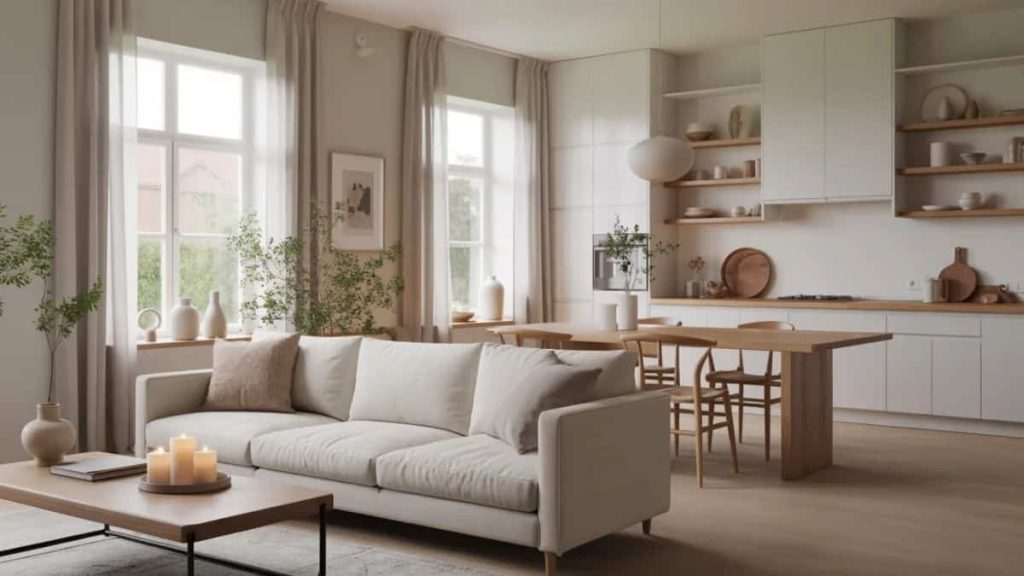
Open shelves can be beautiful, but they work best when they are not asked to hold everything. In a Scandinavian-inspired living room, a few books, pottery pieces, and plants may remain visible while cables, spare supplies, and paperwork sit behind cabinet doors. The contrast gives the eye somewhere to rest.
Built-in cupboards, benches with storage beneath the seat, under-bed drawers, and simple labeled boxes are Scandinavian storage solutions for minimalist living that can keep daily necessities organized. The exact finish matters less than how easily people can put things away. Pale wood and muted colors may support a quiet look, but practical access is what keeps it tidy.
Avoid the trap of buying more organizers before reducing what you own. A beautifully matched row of bins can hide clutter just as effectively as a messy stack of cartons. First decide what belongs in a space. Then select storage that fits those items. And when an item no longer belongs, consider repair, donation, resale, or recycling before disposal. The EPA’s durable goods data estimates that around 80% of furniture and furnishings generated in the United States in 2018 went to landfills, reminding us that intentional ownership also includes responsible disposal.
Room-by-Room: Applying Nordic Thinking to a Bigger House
**Kitchen:** Keep everyday crockery close to the dishwasher and dining area. Reserve deep cupboards for equipment you use occasionally, and pass on duplicate utensils that never leave the drawer.
**Living room:** Let seating, lighting, and a few favorite objects define the room. A large wall doesn’t need another cabinet just because there is room for one. Choose durable pieces that support how the family gathers.
**Bedroom and wardrobe:** Divide clothing by season and frequency of use. Keep current favorites within reach, and review items stored out of sight when the season changes.
**Basement or garage:** Create distinct zones for tools, sports equipment, and seasonal decorations. Use sturdy shelving appropriate to the space, keep items off damp floors, and label containers so storage remains useful rather than mysterious.
**Guest room:** Resist making it the destination for every unwanted object. A welcoming spare room needs a clear path, practical lighting, and enough open space for a guest’s belongings.
Remember the Danish Idea of Hygge
Danish hygge is commonly associated with warmth, comfort, and time spent together. It offers a useful counterpoint to the idea that minimalism requires austere rooms. A reading lamp, a favorite armchair, candles used safely, or a wool throw may contribute far more to an inviting atmosphere than another decorative purchase.
For a larger household, this means designing for habits rather than photographs. Leave room for friends around the table, children’s projects, or an evening reading together. The goal is a home that supports life, not a display that nobody is allowed to disturb.
Keep Extra Storage Useful Over Time
The real test happens months after moving, when new purchases and old habits begin to fill the gaps. Choose a manageable rhythm for reviewing what you keep. A seasonal garage check, a yearly wardrobe edit, or a quick look through one cupboard each month can prevent large sorting projects later.
A one-in, one-out rule can help with categories that accumulate easily, such as mugs, bedding, and decorative accessories. It need not apply rigidly to every possession. The broader aim is to notice when storage stops serving a clear purpose.
A Bigger Home Can Still Feel Scandinavian
Scandinavian minimalism meets the reality of homes with more storage space when the extra square footage gives people freedom instead of encouraging indefinite accumulation. Lagom helps define what is enough. Döstädning encourages decisions about what is worth keeping. Functional storage and the warmth associated with hygge help make the home comfortable and genuinely lived in.
Start with one shelf or cupboard. Empty it, return what has a purpose, and leave the rest of the space open. The calm of a Nordic-inspired home comes less from its size than from the intention behind what it holds.
How Scandinavian Minimalism Meets the Reality of Homes with More Storage Space, written specifically for Daily Scandinavian by Emma Lindberg. Emma writes about Scandinavian-inspired interiors, simple home organization, and practical ways to make everyday living spaces more comfortable. She focuses on Swedish lagom, thoughtful consumption, and storage that supports daily life rather than encouraging clutter. Her guest article on Daily Scandinavian brings these ideas together for readers interested in Nordic living.