

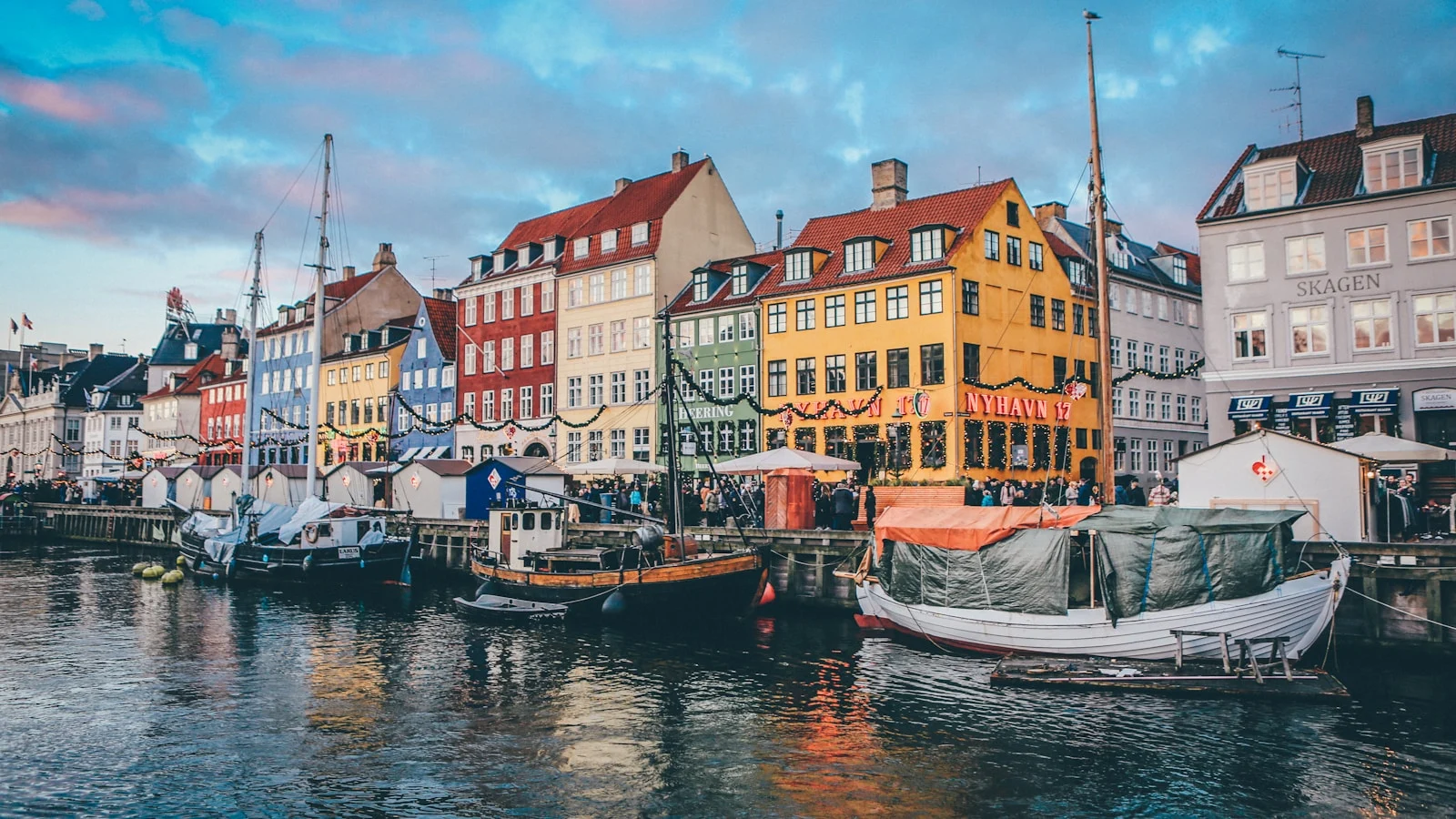
Most guides to moving to Denmark stop at the visa. You read them, get the residence permit, and book the flight — and then you land in Copenhagen to discover that the permit was the easy part. However, that’s when the paperwork begins. Read on to learn what actually happens after you land, moving to Denmark as a non-EU expat.
What nobody prepares you for is the sequence: a chain of registrations in which each step is a prerequisite for the next, and getting the order wrong can cost you weeks and, in one specific case, more than half of your first paycheck.
I run NordicExpat, a guide site for people relocating to the Nordics. The single most common question we see about moving to Denmark isn’t “which bank should I use” or “how do I find a flat.” It’s some version of “I’m here, and everything needs something I don’t have yet — where do I start?” Here is the order that actually works.
******************************************
Related: What It’s Like Living as an Expat in Stockholm
******************************************
First: the permit is a combined permit
If you’re a non-EU national, what you think of as your “work visa” is, in Denmark, a combined work-and-residence permit. You cannot legally start work until it is approved, and — unlike some countries — most routes offer no in-country grace period to begin work while you wait. Your Danish employer submits the application on your behalf through the nyidanmark.dk business portal, usually under the Pay Limit Scheme (for salaries above a set annual threshold) or the Fast-track Scheme (available to certified employers). Standard routes take longer, typically two to six months.
The practical implication: don’t base your notice at your old job on your start date. Base it on the permit approval date, the only date that matters. We provide a plain-language breakdown of the schemes and timelines in our guide to Danish work permits for non-EU nationals.
Second, and out of order for most people: a registered address
Here is the trap. The next thing you need is a CPR number (more on that below), and to get one you need a registered Danish address — which means a proper rental contract in the commune where you’ll live. Airbnb, a hotel, or a friend’s sofa will not be accepted.
This is why so many arrivals stall in week one: they come to sort out the CPR first, only to find they can’t because they don’t have a lease yet, since they were waiting until they had a CPR number to sign one. Break the loop by treating housing as the true first task on the ground. Some employers will let you use their office address temporarily to register — it’s worth asking before you arrive.

**************************************
Related: The Benefits of Employing Expats
**************************************
Third: the CPR number (your key to everything)
The CPR number (Central Person Register) is the master key to Danish life. Without it, you can’t finalize a real bank account, get a health card and a GP, sign most contracts, or receive your salary without issues. You register in person at your commune’s Borgerservice, or — in the four largest cities — at an International Citizen Service (ICS), which conveniently bundles CPR registration, a tax card, and residence formalities under one roof.
Two things people get wrong here, both expensive:
- Book the appointment. Walk-ins are almost never accepted. Arriving at Borgerservice or the ICS without a slot doesn’t get you seen any faster — it gets you sent home to book online and try again, and during the busy August–September arrival season, that can mean losing weeks you didn’t budget for.2. Bring the permit or proof of it. You need either the physical permit card or an official confirmation letter from SIRI, along with your rental contract and passport. Without the permit documentation, the appointment will not proceed.
At the appointment, you’re usually handed a document showing your CPR number the same day; the physical yellow health card, with your assigned GP, then follows by mail, typically within about two weeks. And here’s the costly detail that catches everyone: if you start work before you have a CPR number and tax card, your employer is legally required to withhold tax at the maximum rate of 55%. You get it back in your annual tax return, but in the meantime your take-home pay is gutted. We break down the full step-by-step — the exact documents and the SIRI edge cases — in our guide to getting a CPR number in Denmark.
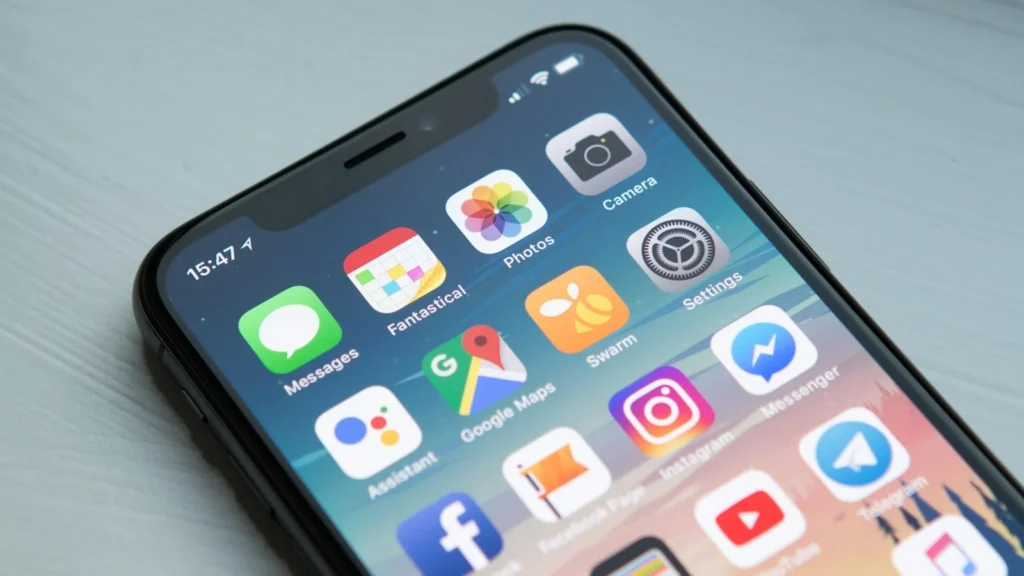
Image 3 (attached: 03-danish-banking-app.webp) — MobilePay on a Danish phone — near-essential for daily life, but it needs a real Danish account behind it.
Fourth: the banking chicken-and-egg
You need a Danish bank account to receive your salary. A real Danish bank account requires a CPR number, and app-based banks like Lunar also require MitID (the national digital ID), which is linked to your CPR. So for your first two to four weeks in Denmark, you may already be working but have no way to be paid locally.
The standard bridge is a passport-only account with Wise or Revolut. Either opens in about ten minutes with just a passport and covers card payments and transfers while you wait. The catch to understand up front: neither provides a Danish account number, so neither can serve as your NemKonto — the official account the state and your employer pay into — and neither works with MobilePay, which in Denmark is closer to essential than optional. So the bridge account handles day-to-day spending, not your salary.
The clean fix is to ask your employer to hold your first paycheck until your Danish account is registered, or to send a one-off international transfer to the bridge account in the meantime. Once your CPR and MitID are active, opening a proper account (Lunar takes about fifteen minutes) and registering it as your NemKonto closes the loop. We cover the bridge-account strategy in full, along with what a NemKonto actually is and why it matters.
The order that saves you weeks
Put simply, the chain is: permit → registered address → CPR (requires the permit and address) → MitID → real bank account → NemKonto, with a Wise or Revolut bridge running alongside from day one so you’re never without a card. People who have a smooth first month are almost never the ones who did the most research on Danish culture. They’re the ones who understood this is a dependency chain, secured housing before pursuing the CPR, and booked every appointment in advance.
Denmark rewards the prepared and quietly punishes improvisation — which, once you’re through the paperwork and actually living here, proves to be a fairly accurate preview of the place.

Moving to Denmark as a Non-EU Expat: What Actually Happens After You Land, written explicitly for Daily Scandinavian by Bikram Nath. Bikram is the editor of NordicExpat, where he writes plain-English guides to the practical aspects of moving to Denmark, Sweden, Norway, and Finland: residence registration, digital ID, bank accounts, and tax cards, all sourced from official government sites.
All images © Unsplash.