


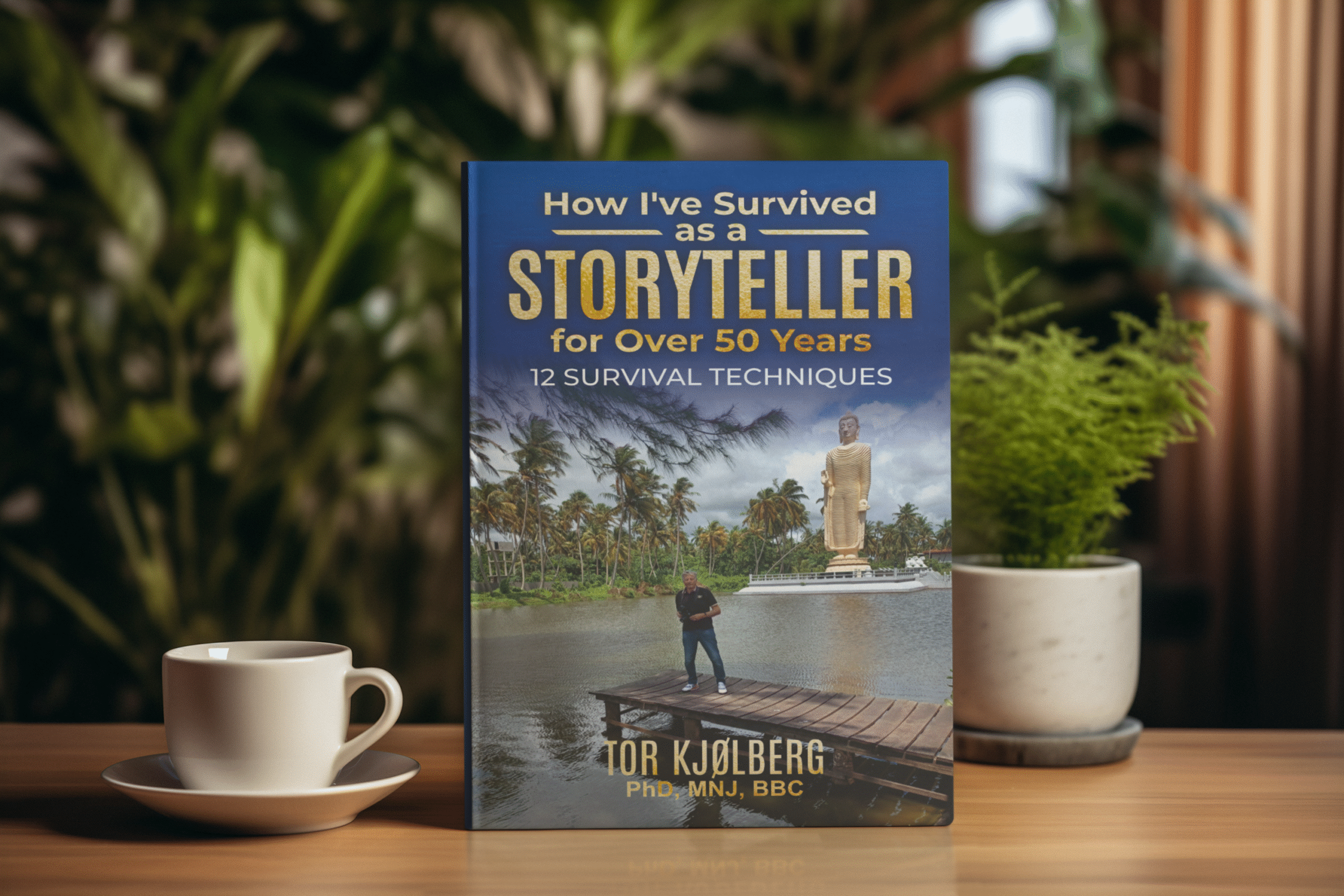
In my new book, “How I’ve Survived as a STORYTELLER for Over 50 Years: 12 Survival Techniques”, I argue that these techniques are essential for success.
Here is a brief summary of my 12 survival techniques:
Survival technique No. 1: Mastering change
Change is often framed as external. Most people hate change. It’s uncomfortable. The familiar is better. However, A proverb emphatically emphasizes a fact: “You can’t step into the same river twice.” A river is constantly moving, whether you want it to or not. If you observe, accept, act, and reflect, you’ll have an advantage over your competitors.
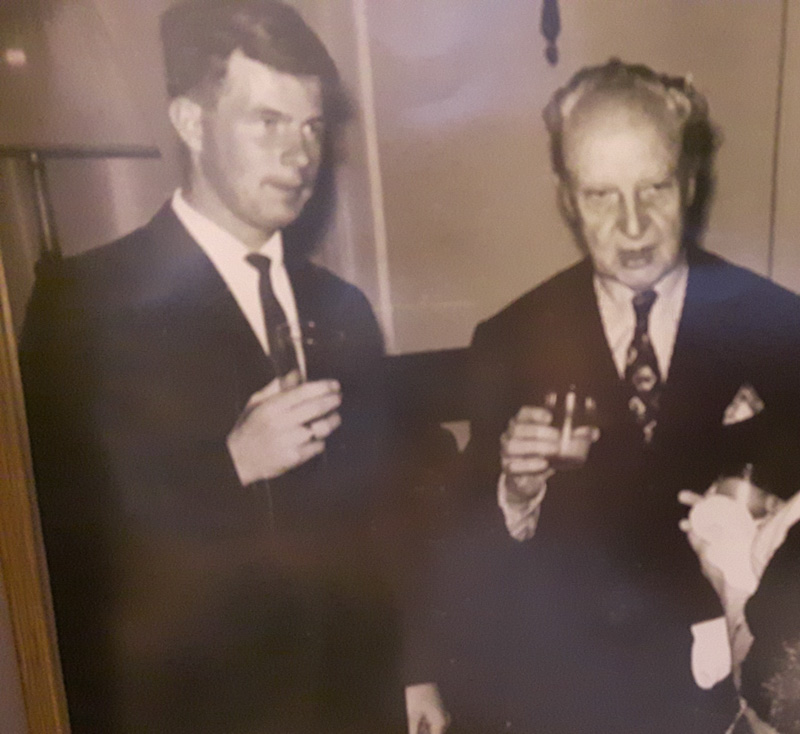
On the other hand, you can also make a change. Thoughts that you acquire as a habit are the most powerful tool when you need to influence your own situation and that of others.

Survival technique No. 2: To become a master, study the masters
Regardless of your field—business, sports, science, or management—it turns out that those who create the fastest and most lasting results are those who have learned from people who have already achieved the best results. Exceptional results rarely happen by chance. Individual personality and circumstances play a role, of course, but the most capable among us seem to share certain habits, mental models, and approaches to problem-solving. These patterns can be studied, understood, and applied.
Survival technique No. 3: Storytelling is the art of intelligent salesmanship, amplified by mass media
Telling stories, whether real or fictional, is an inherently human trait. However, the way we communicate with others has changed dramatically over time. Technological developments have shaped the way we communicate today.
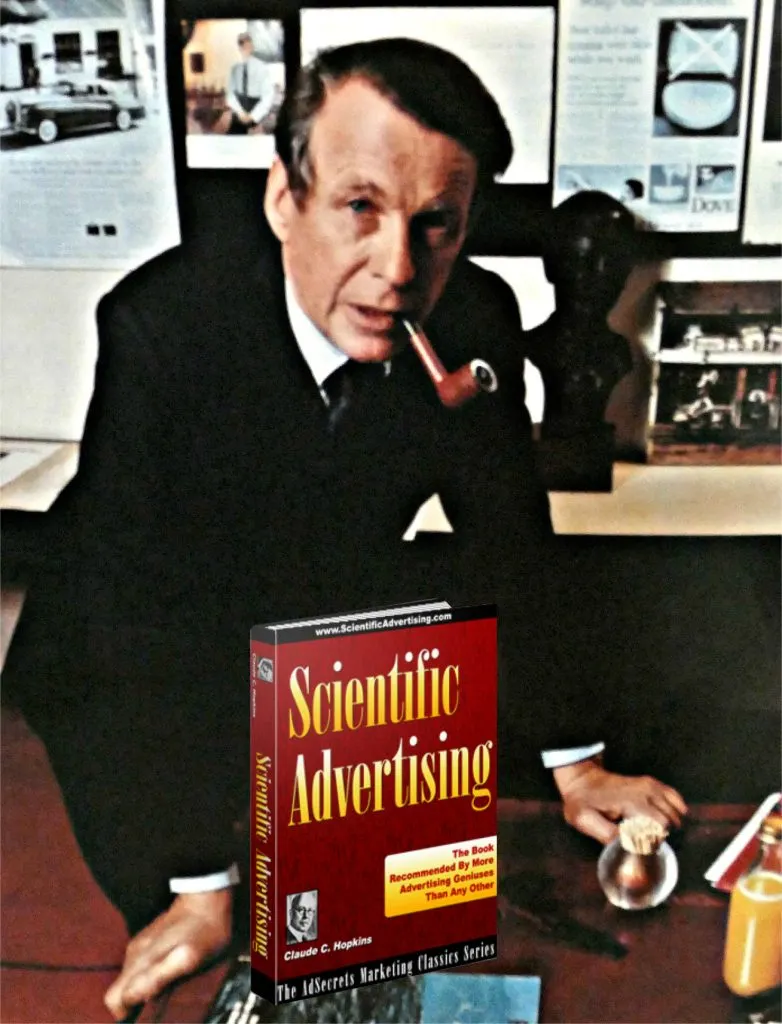
This survival rule comes directly from the greatest advertising master of all time. It was Claude Hopkins, author of the book Scientific Advertising, first published in 1923. Decades later, the legendary David Ogilvy, often called the “father of advertising” and one of the greatest copywriters of all time, said the following about Hopkins’ book: “No one, at any level, should be allowed to do advertising unless they have read this book at least seven times. It has changed my view of advertising.”

Survival technique No. 4: You can get everything you want in life if you help other people get what they want
This is a statement by the American super salesman Zig Ziglar. Dale Carnegie, author of “How to Win Friends and Influence People”, explained the same message this way: “The only way to influence people is to find out what they want and show them how to get it.”
 Survival technique No. 5: Before you start selling, you should find out what your buyers want
But how do you find out? There are two answers to this question. It depends on whether you are conducting personal sales (one-on-one) or through advertising (where you want to influence an entire segment at once).
You can find advice in one of the best books on sales ever written, Harry Browne’s classic “The Secret of Selling Anything: A road map to success for the salesperson who is not aggressive, who is not a ‘smooth talker’ and who is not an extrovert.”

Survival technique No. 6: Do thorough preparation before you write a single word
Thorough preparation is a prerequisite for good results, no matter what you prepare. It reduces uncertainty, improves your decision-making, and increases the likelihood of achieving your goals. If you want to produce a good story for a client, asking questions is the way to go. My “secret” weapon for writing stories that clients appreciate and that deliver results is a list of questions I have refined at regular intervals over the years.

Survival technique No. 7: Use the “II” formula – Intention and Imagination
“The war is won before it is fought” (Sun Tzu).
This is a translation of the Chinese general Sun Tzu’s work, circa 500 BC. Many Olympic medalists and football teams agree with the general’s statement and mentally prepare themselves before competitions. They picture themselves on the medal podium, especially the feelings that come with it.
 Survival technique No. 8: Get more information than you need
This is one of the most important things I’ve learned as a storyteller, and it took me several years to recognize its importance. When I received my first freelance assignment, I didn’t know how to write an article that would capture attention, and I gained my first hints by reading David Ogilvy’s books.
Survival technique No. 9: Learn everything about the product
“My technique, if I have one,” wrote Leo Burnett, “is to saturate myself with the knowledge of the product.”

William Bernbach put it this way: “If I had to give anyone one piece of advice, it would be to know your product inside and out before you even begin to work. Your cleverness, your provocativeness, your imagination, and your ingenuity must come from knowledge of the product.”
 Survival technique No. 10: The burden of proof is yours
The problem is that most copywriters or storytellers are good at making promises but poor at providing evidence. This is a serious mistake, because nobody acts without being convinced.
When creating credible storytelling, you must take into account the limitations of the art of persuasion: people do not resist being persuaded; they resist being misled. The goal of credible text is therefore not cleverness, hype, or even emotionality – it is credibility put under the microscope.

Survival technique No. 11: No market knowledge – no market
In this chapter, I recommend that you, before writing a single word, ask yourself ten questions about those you want to convince of anything.
Survival technique No. 12: Problems create opportunities
“A sale is nothing more than the solution to objections,” said the famous sales trainer Zig Ziglar. Before you map out a strategy for a text, you should therefore create a plan that takes into account the four most common objections.
When I use the word problems, I mean the full spectrum of consumer desires – issues, wants, needs, dreams – I summarize the terms with the phrase “problems” for simplicity. As marketers, because that’s what storytellers are, at least in this context, our job is to identify problems and communicate possible solutions. The bigger the problem, the bigger the market.
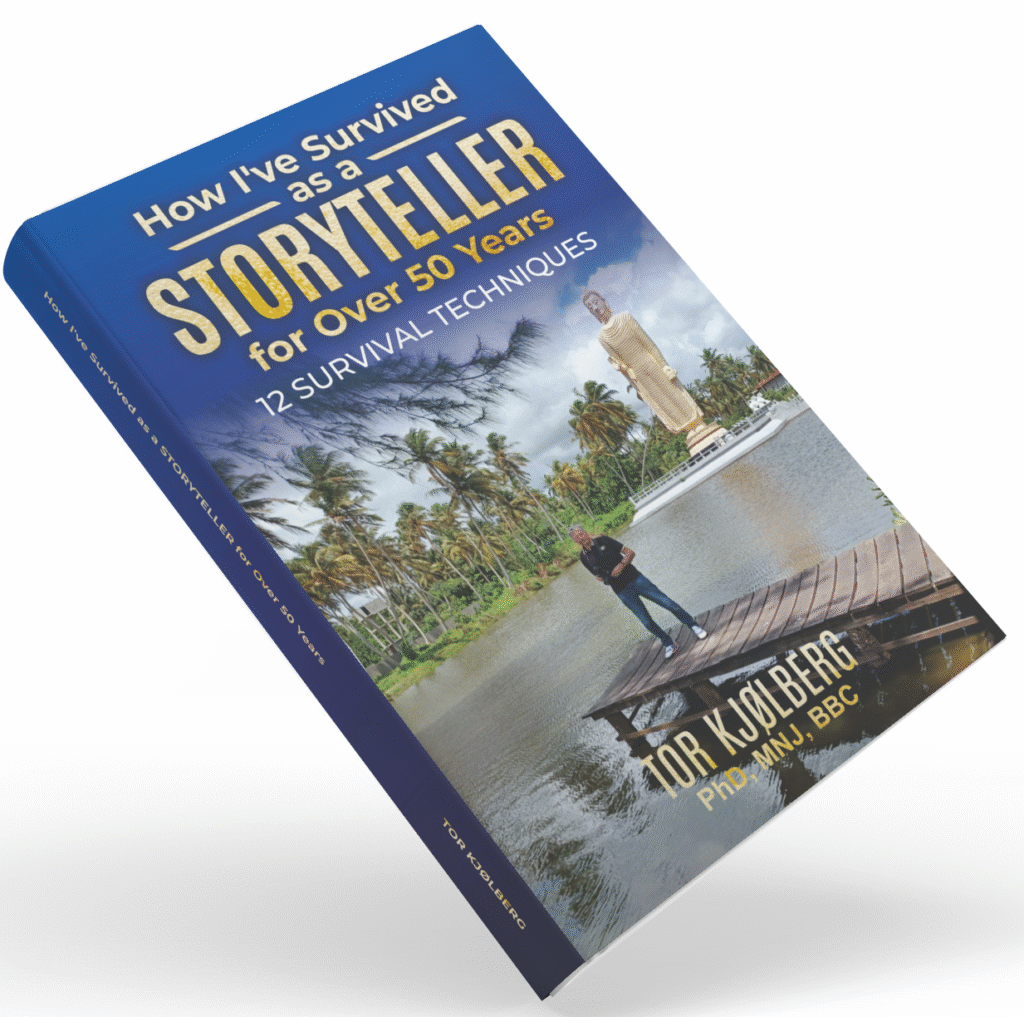
This book was published at the beginning of this year. I have never had any New Year’s resolutions. On the other hand, I have always reflected on the path ahead. This book outlines my 12 survival rules for storytellers, drawn from more than 50 years of experience. If you want a free digital copy of my book, please just send me an email (editor@dailyscandinavian.com) with e-book in the subject line.
My 12 Survival Techniques as a Storyteller, written by Tor Kjolberg
Previous articles on storytelling:
What Makes a Story Stick?
10 Best Books on Storytelling for Brands
Why Storytelling in Brand Marketing Is More Important Than Ever—and Why It Can No Longer Belong to Marketing Alone
How Storytelling Can Help Launch Your Product in Scandinavia
Rethink How Destinations Are Experienced