



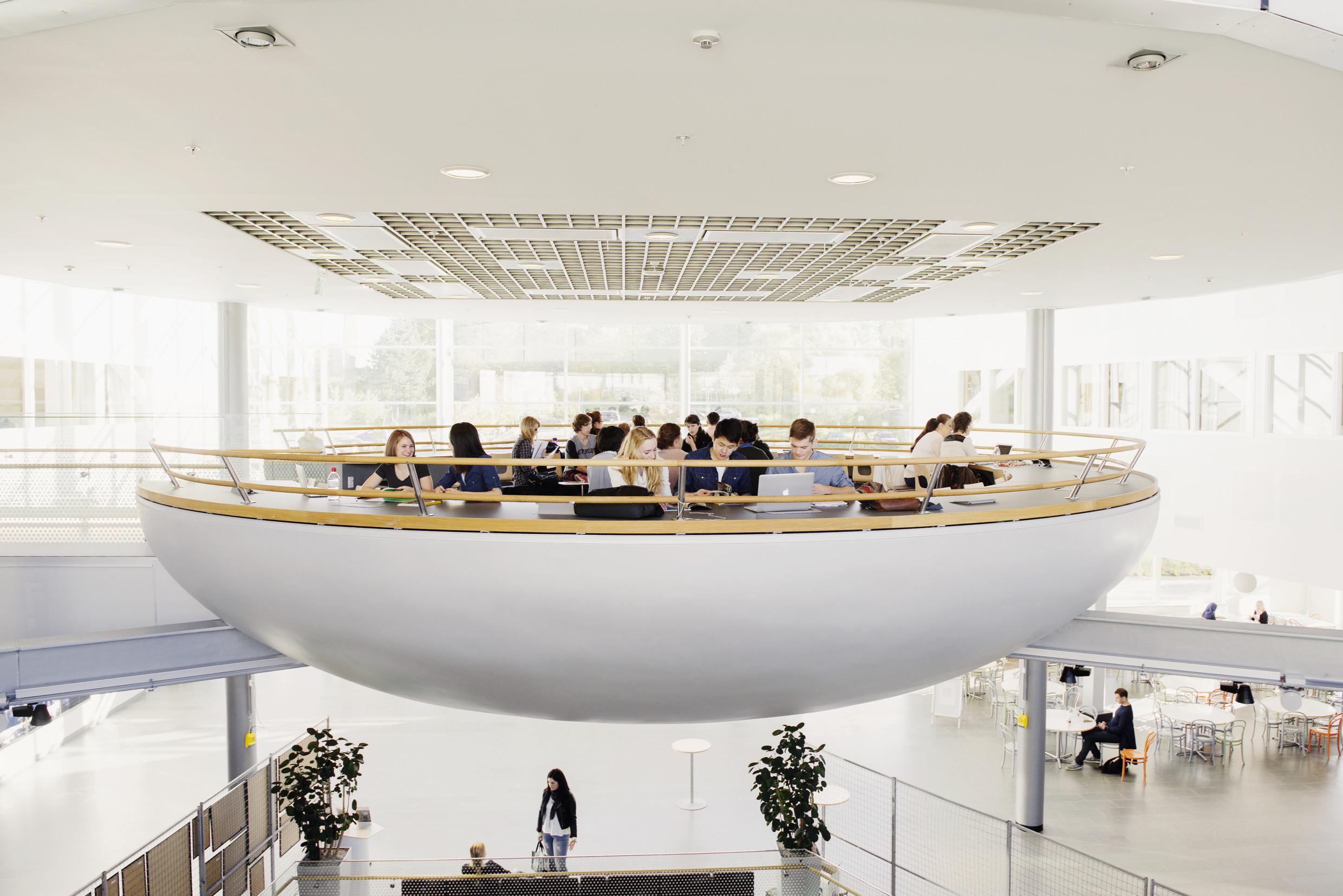
Uppsala, a historic university city located 40 minutes north of Stockholm, is repositioning itself as a destination for travelers seeking more thoughtful and engaging experiences. Destination Uppsala is now the first destination management company to launch a joint travel concept for its experiences: IQ tourism.
Moving beyond traditional sightseeing
Uppsala is shifting away from fast-paced itineraries toward more meaningful travel experiences. The concept responds to current travel trends, including slow travel, leisure, and coolcation, and transforms them into a cohesive city experience.
A memorial stone for an event that never took place. An artisan perfumery where fragrances are crafted like literary stories. A cinnamon bun that has become part of the city’s cultural heritage. And ideas that have changed the way we view the world. Here, the journey is not only about checking boxes but also about discovering and developing as individuals.

Visitors are guided through the city via an “IQ symbol” that marks experiences designed to prompt reflection and discovery. These experiences range from scientific heritage sites to lesser-known cultural spaces that reveal unexpected aspects of Uppsala’s identity. Curiosity is the motivator.
Helena Bovin, head of marketing at Destination Uppsala, says: “We want curiosity to be the primary reason to travel here. It’s a shift towards travel centered on meaning and context rather than just another experience to tick off a list. Experiences that become stories to tell.” (Tel.: +46 18-727 48 05)
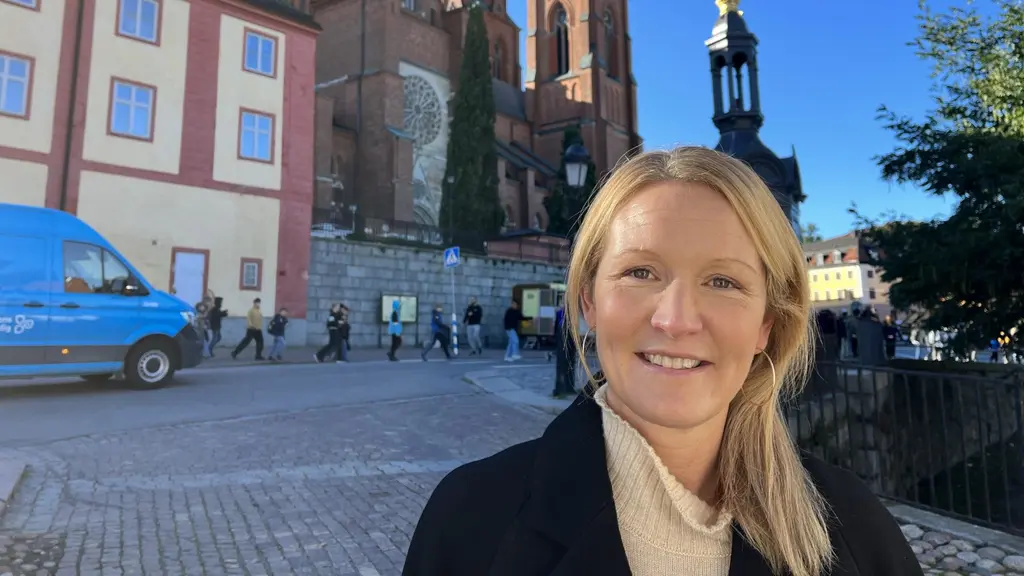
Home to one of Europe’s oldest universities, founded in 1477, Uppsala has long been a center of scientific discovery and intellectual exchange. This heritage now becomes part of the visitor experience, connecting history, culture, and innovation.
Visitors receive a list of about sixty or so experiences, places, and phenomena – from groundbreaking research and history to contemporary innovations, culture, food, and handicrafts. This is just a selection of what Uppsala has to offer, providing new insights, knowledge, and perspectives.
The concept illustrates how city destinations can evolve from traditional sightseeing towards content-driven experiences. “IQ Tourism” reflects a growing demand for meaningful travel. For tour operators, it offers inspiration to develop more narrative-led, experience-focused city programs.
Attractions with content
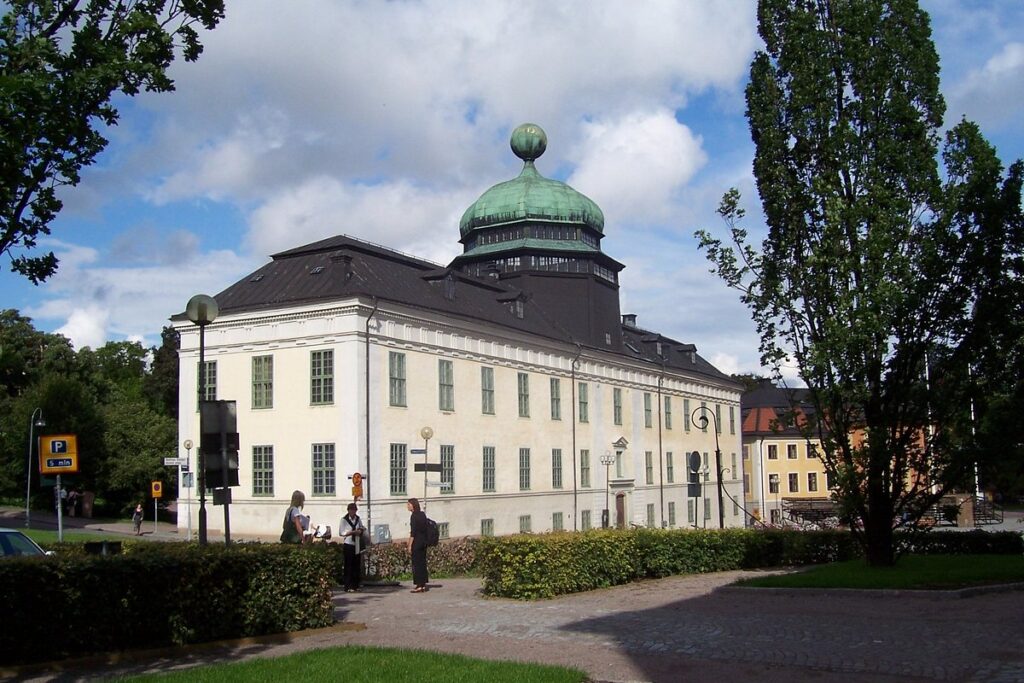
One of the key locations in the program is Gustavianum, where visitors can see a preserved 17th-century anatomical theater. The museum also displays the original thermometer created by Anders Celsius, which used a reversed scale with 0 degrees representing the boiling point and 100 degrees indicating the freezing point. These details are presented not merely as historical facts but as prompts to rethink familiar concepts.
The concept illustrates how city destinations can evolve from traditional sightseeing to content-driven experiences. “IQ Tourism” reflects a growing demand for meaningful travel. For tour operators, it offers inspiration to develop more narrative-led, experience-focused city programs.
Uppsala Launching IQ Tourism, Tor Kjolberg reporting
Feature image (top) © Magnus Liam Karlson/Visit Sweden