



Deadzoning is an intentional travel trend that prioritizes selective disconnection. Instead of ditching smartphones entirely, travelers keep devices for emergencies or navigation but block work emails and social media to escape burnout and truly decompress. Continue reading to learn more about the new travel trend: deadzoning.
This emerging travel trend is appealing to millennials and Gen Z, who seem to be rediscovering disconnection, now rebranded with the more “tragicool” label of “deadzoning,” simply meaning switching off.
Why Travelers Are Deadzoning
According to research by the small-group adventure operator G Adventures, more travelers are leaving their cell phones and laptops behind and seeking destinations with no cell service or Wi-Fi. These trips force people to disconnect from technology and reconnect with themselves, others, and nature.

With high global burnout rates, deadzoning creates a psychological gap between digital productivity and restorative time off. Selective unplugging is a “middle ground” between staying hyper-connected and doing a full-blown digital detox. You maintain vital contact with loved ones while silencing the noise of work and social life.
For years, experts have warned about our growing dependence on technology. This dependence is no longer confined to the workplace. Constant availability, endless notifications, and the expectation of immediate responses have blurred the boundary between work and personal life, bringing pressure into everyday life.
In the UK, nine in ten people reported experiencing “high or very high levels of stress and pressure” over the past year, a figure that has remained consistently high since 2024.
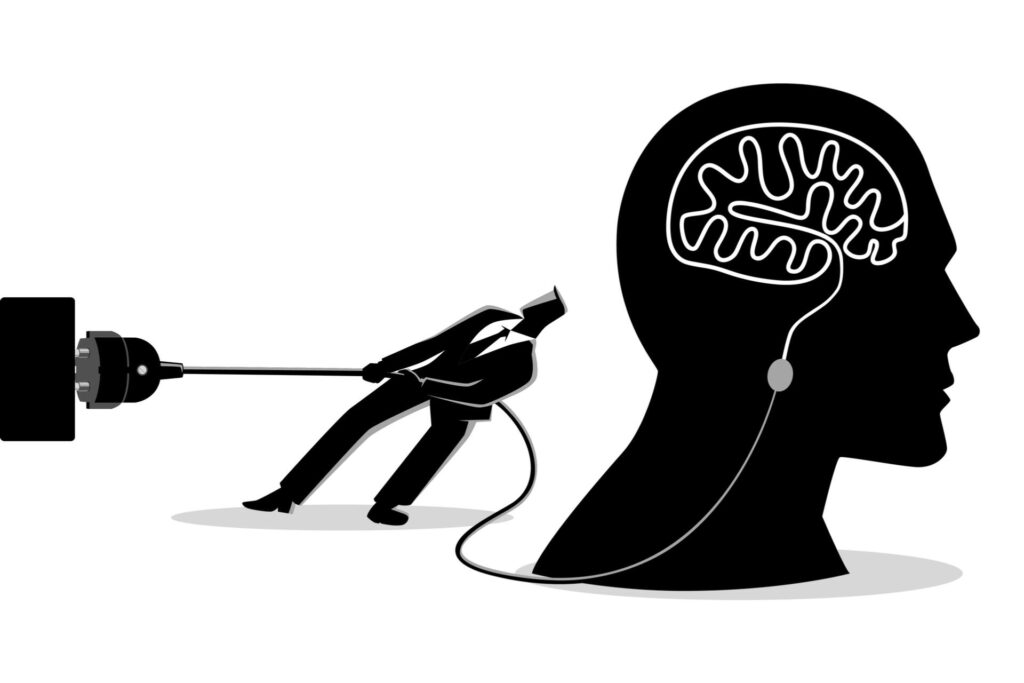
According to data collected by G Adventures last year, 58% of travelers said they take trips without an internet connection to “relax and destress,” and 41% want to “disconnect from the pressures of work and everyday life.” The goal is to focus on tactile experiences (nature, reading, slow meals) rather than curating social media content.
As a result, one solution has gained traction for its simplicity, at least in theory: deadzoning. Not just by traveling somewhere new, but by breaking the habits we carry with us, namely spending hours on screens, whether for work, entertainment, or doomscrolling. Even leisure has become fragmented, with watching a film while checking other screens now the new normal.
For these travelers, deadzoning is the antidote to today’s fast-paced hustle culture and its burnout. These trips aren’t just about visiting the most stunning destinations or hitting the top attractions to share on social media. They’re meaningful moments for travelers to rest and reset.
Travelers are booking remote cottages, farm stays, or design-led cabins in places with intentionally limited cell service or Wi-Fi.
The Norwegian Context
Living in or near Oslo gives you easy access to remote areas (e.g., deep in the forests of Nordmarka or isolated cabins along the western fjords) that are perfect for setting hard tech boundaries.
Yet disconnecting is easier said than done. Our devices are not just sources of stress; they are deeply embedded in daily life because they combine tools that have become indispensable, especially when traveling, including maps, cameras, wallets, and tickets. One use often leads to another, and a quick photo can turn into an hour of scrolling.
Modern life can feel stressful, with our phones constantly pinging with notifications and doomscrolling eroding our mental health. In 2024, Americans spent an average of 4½ hours on their phones each day, a 52% increase from 2022.
How & Where to Practice It
Use Airplane Mode, delete work apps before the trip, or put phones in lockboxes (such as communal Yondr cases) during group meals.
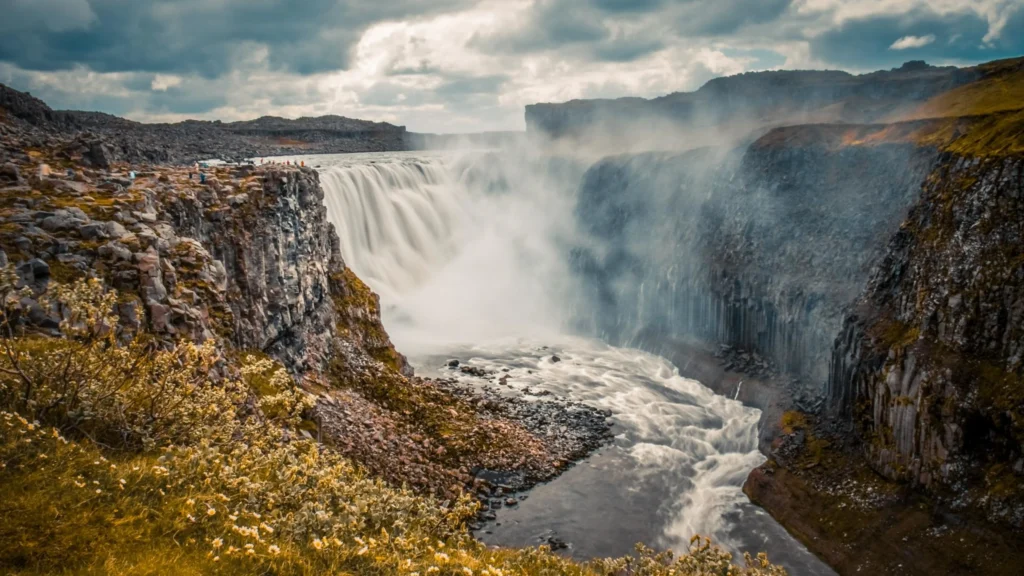
Globally, travelers seek spots known for going off-grid. Lonely Planet recommends Northern Iceland among other places, noting that fewer venture to this part of the country, but those who do experience a side of Iceland most visitors never see. Coastal roads corkscrew past deserted headlands and end-of-the-world beaches straight out of a Bergman movie. Geothermal hot springs pop up in the middle of nowhere, between peculiar towns, oddball museums and weird lava caves.
New Travel Trend: Deadzoning, written by Tor Kjolberg