


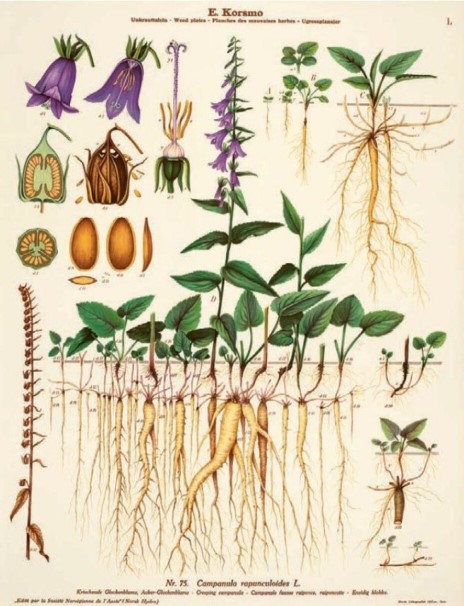
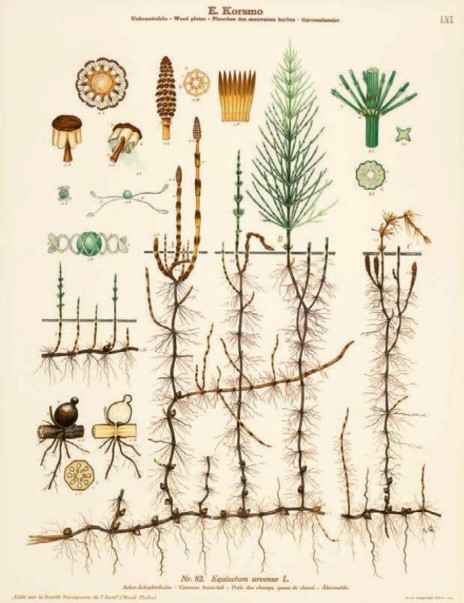
Emil Korsmo’s prints have been used in the fight against weeds worldwide. Today, you can buy his original prints and decorate your home with illustrated science from Norway.
At the beginning of the 20th century, the Norwegian state appointed Emil Korsmo to combat the spread of weeds. He published more than 150 books and writings on the subject and led the production of a comprehensive volume featuring 138 species across 90 plates. The wall charts he created of the bothersome plants were both beautiful and popular.
Kale, dandelions—even a single blade of grass—look beautiful on Korsmo’s detailed weed plates from the 1930s. The illustrations, however, were created by three artists in close collaboration with Korsmo, and paradoxically, the pictures of the hated plants were very beautiful.
Weeds are no longer just plants we want to get rid of. Many people are concerned about biodiversity, while others have become increasingly captivated by harvesting wild plants to eat.
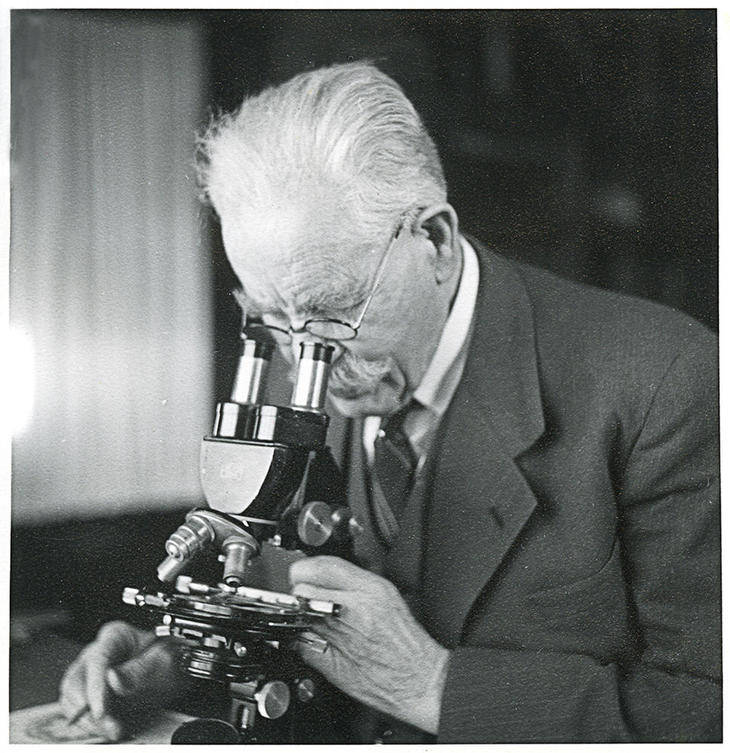
But for Korsmo (1863-1953), weeds were an enemy. As a government consultant on weed issues, and later a professor at the Norwegian Agricultural University, he was eager to spread knowledge about the unwanted plants. He made meticulous calculations of the cost of weeds in terms of crop losses.
*****************************************************
Related: Could Seaweed Be the Nordics’ Future Protein?
*****************************************************
In 1902, he received support to travel across the country and study the weed flora. He found that some fields and meadows were so heavily infested with weeds that farmers considered harvesting them more trouble than it was worth.
At the Botanical Garden in Oslo, he cultivated weeds using soil and seeds collected from across Norway. Korsmo, father of the architect Arne, supplied everything from seeds to finished plants to artists who drew detailed plans for gardeners, agronomists, and everyone who worked with soil.
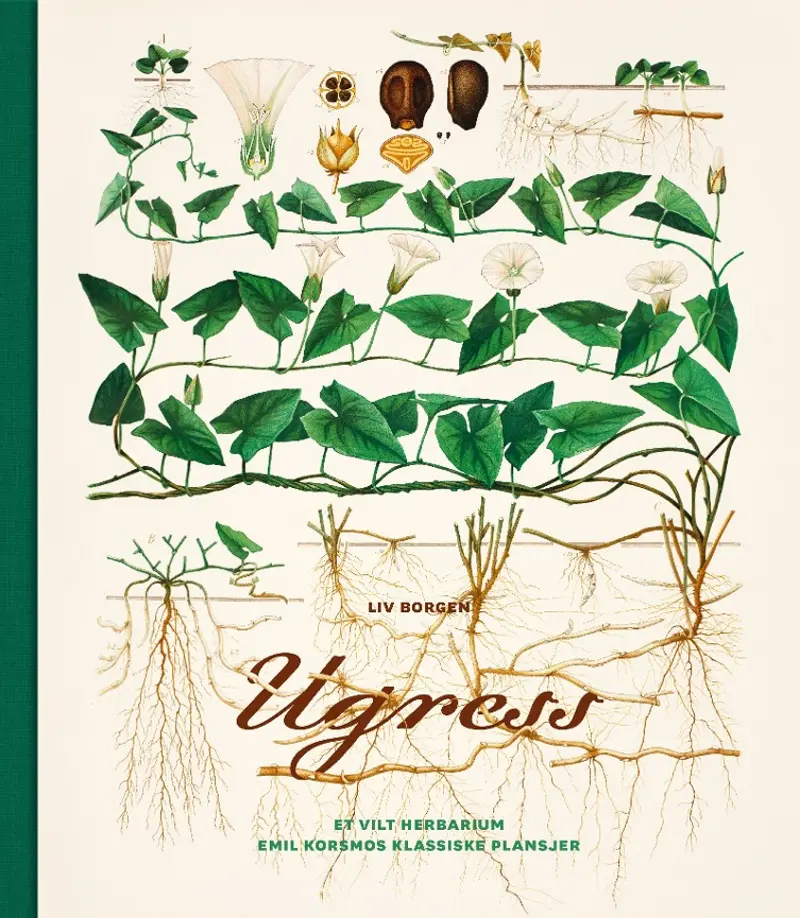
In a book called “Ugress” (Weeds), all Korsmo’s plates are collected and presented in the order in which they were originally drawn. For each plate, an updated description explains where the plants come from and where they grow today, their cultural traditions, and their use as both medicine and food.
The plates are available in a digitized edition at the National Library, but the museum shop sells the original prints from the 1930s.
Illustrated Science from Norway, written by Tor Kjolberg