



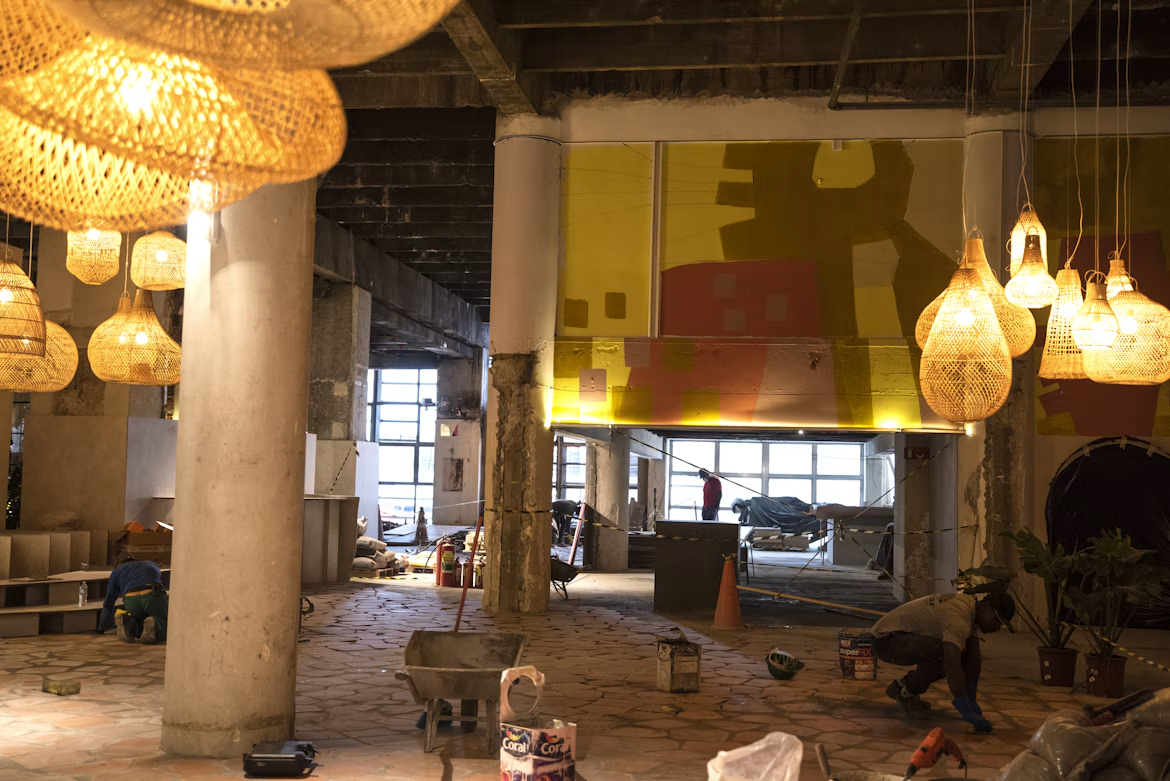
Cities are full of buildings that have outlived their original purpose but still hold architectural and cultural value. In this article, we explore how to revive forgotten urban landmarks.
Adaptive architecture gives these places a productive second life, turning former factories into apartments, stations into markets, and offices into hotels.
The approach preserves details that make a neighborhood distinctive while responding to current needs. For residents and visitors, the result is a city that feels layered, memorable, and closely connected to its past.
Vacant landmarks often occupy valuable sites near transit, established streets and public services. Reusing them can restore activity without erasing the features people already recognize. The benefits of adaptive reuse can include lower material demand, shorter construction schedules, and renewed economic activity around previously neglected properties.
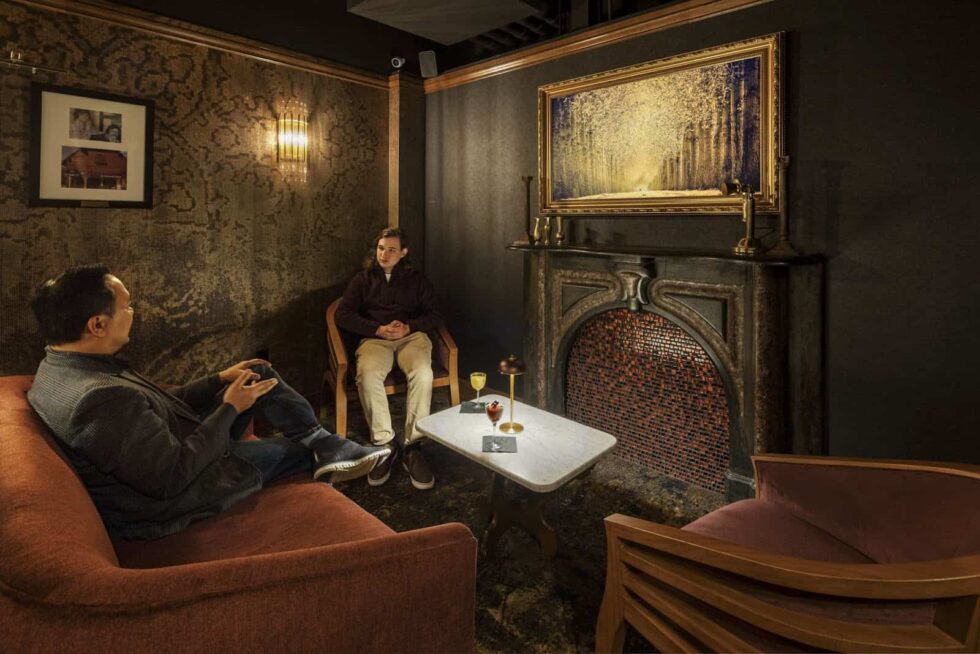
Successful projects start with a careful survey. Architects identify elements worth preserving, such as masonry walls, timber beams, or decorative windows, then assess which areas need structural upgrades. Communities can support better outcomes by documenting local memories and requesting public access where appropriate. A disused postal building, for example, might accommodate shops on the ground floor while its upper levels become studios or homes.
Where Historic Character Meets Function
Old buildings weren’t designed for current accessibility standards, digital systems, or modern patterns of daily life. Thoughtful adaptation fits those needs around the original structure. Raised floors can conceal new wiring, secondary glazing can improve comfort, and freestanding interior units can preserve historic walls.
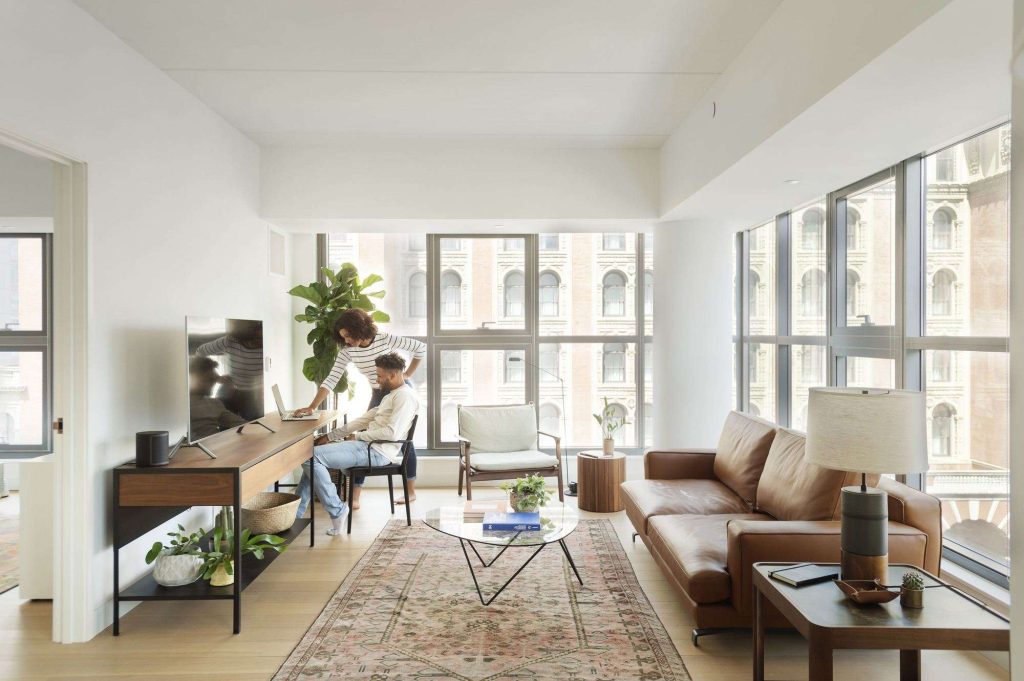
This combination also changes how travelers experience a city. Staying in a ROOST serviced apartment can provide apartment-style space and boutique hotel amenities for short or extended visits, giving guests a comfortable base from which to explore local architecture. When choosing accommodations in a converted property, look closely at room layouts, natural light, and access. Original details add atmosphere, but practical features determine how comfortably the space works each day.
The Appeal of Story-Rich Spaces
A converted building offers clues about how a city once worked. Loading doors may remain inside a former warehouse, tiled signs can reveal an earlier business, and unusually high ceilings might reflect industrial machinery that once stood there. These details create a stronger sense of place than decoration designed to imitate age.
Still, history alone won’t make a reuse project successful. Research on heritage building revitalization highlights factors such as stakeholder collaboration, suitable new uses, and financial feasibility. Visitors can judge a project by noticing how clearly it explains the building’s story. Plaques, exhibitions, and guided tours help, though preserved materials and readable floor plans can often communicate just as much.
Sustainable Urbanism in Action
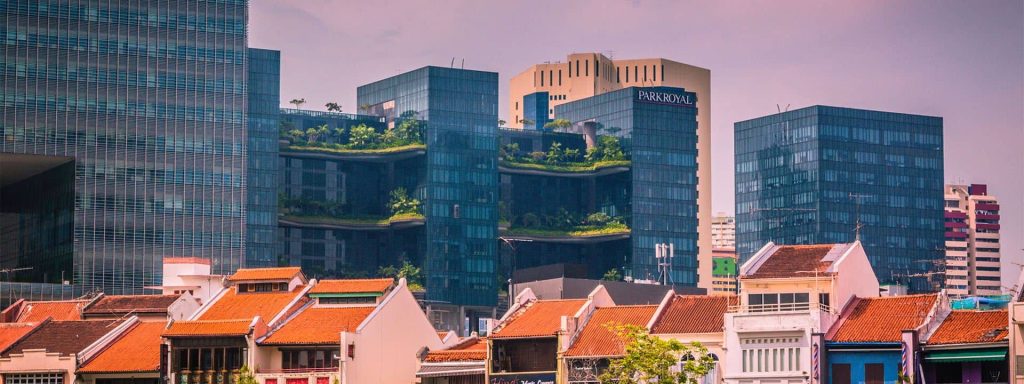
Adaptive architecture can reduce the need for demolition and retain much of the energy already invested in a building’s materials. It may also limit construction waste and support compact development in areas where roads, utilities, and transit already exist. Those gains depend on the structure’s condition and the extent of required renovation, so each project needs its own assessment.
You can spot responsible reuse by looking beyond the restored facade. Effective projects improve insulation, control water use, and create flexible interiors that can change again later. They also connect with surrounding streets through active entrances, shaded public areas, or useful ground-floor spaces. A landmark becomes more valuable when it contributes to everyday city life instead of standing as an isolated monument.
The most rewarding conversions leave enough evidence for you to read the building while making its new purpose feel natural. A worn staircase, an old sign, or a carefully exposed wall can turn an ordinary visit into an encounter with the city’s living history.
Reviving Forgotten Urban Landmarks, written by a guest contributor.
Feature image (top) © Unsplash.