



From cargo-bike subassemblies to salt-tolerant rain gardens, a quiet design revolution in the Norwegian capital has upended traditional urban engineering. Continue reading to learn more about how the city said no to cars and, in 2015, re-engineered the DNA of Oslo’s streets.
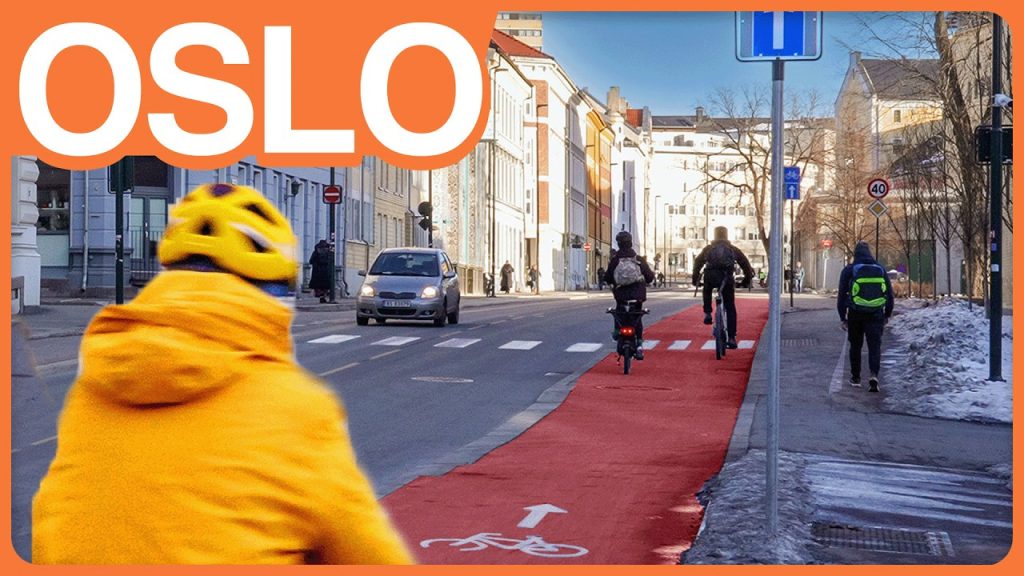 The Oslo Street Design Manual (Gatenormalen)
Oslo has a renowned public urban planning framework, the Street Design Manual for Oslo. It sets the international benchmark for integrating cycling infrastructure, green spaces, and stormwater management. Although it is a municipal guide rather than a single-designer project, industrial design firms in Norway frequently consult it.
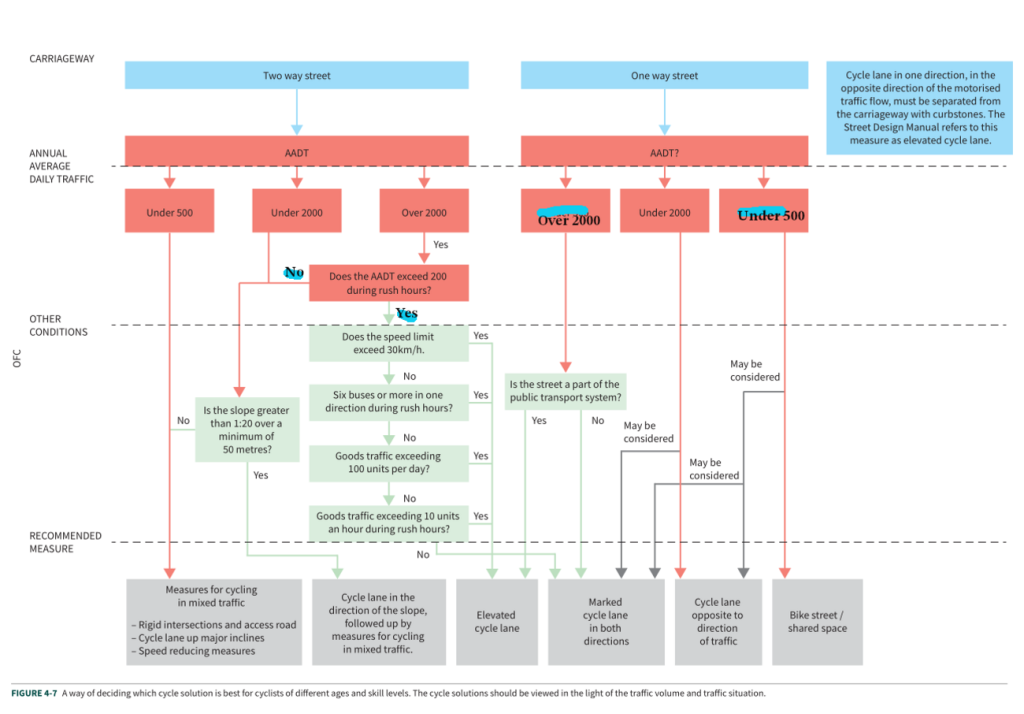
The manual’s foreword states: “The manual describes the expected design of streets in new urban development areas. The manual also applies to the existing street structure, subject to change depending on compromises and deviations based on spatial limitations for street functions. The manual contains requirements and principles for street design and is a tool to be used in all phases: analysis, detailed planning, construction, operation, and maintenance of the City’s streets.”
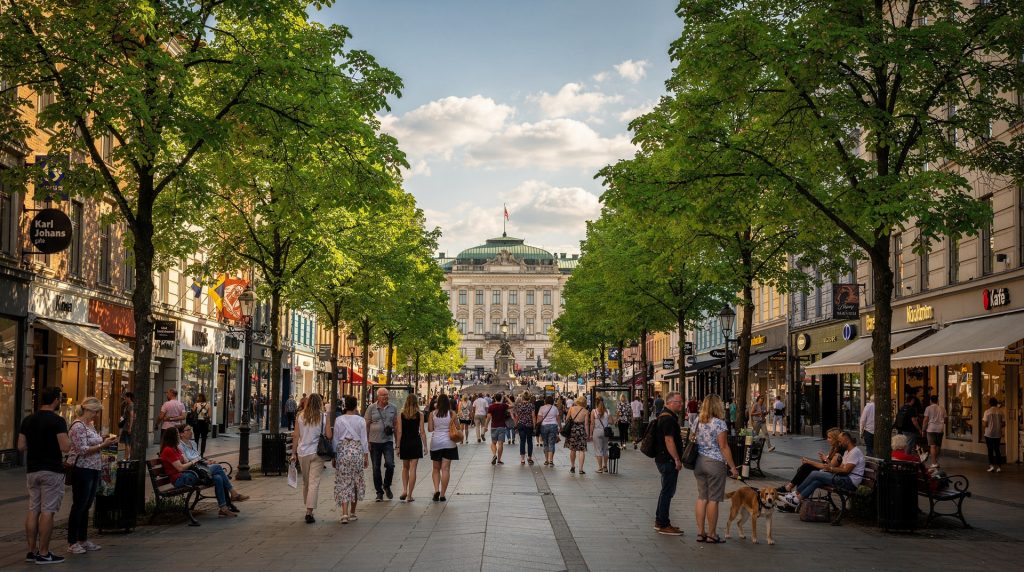
The Street Design Manual for Oslo (known locally as the Gatenormalen) is the official framework published by the Oslo Agency for Urban Environment (Bymiljøetaten). It has become an internationally recognized blueprint for shifting cities away from car-centric planning toward safe, livable, and climate-resilient urban spaces.
The manual serves as a mandatory rulebook for all new municipal street projects, detailed zoning, and long-term maintenance in Oslo.

A revolutionary piece of invisible “software”
The Street Design Manual for Oslo (Gatenormalen) is not a boring regulatory document but a revolutionary piece of invisible “software” that shapes physical reality. It highlights its crowning achievement: the historic decline in pedestrian and cyclist traffic deaths.
A Comparison: Oslo vs. Copenhagen’s “Velotopia”
Copenhagen is world-renowned for its bike paths and smooth traffic. While Copenhagen can rely on decades of established social biking culture and a milder climate than Norway’s capital, Oslo has had to use aggressive, high-tech engineering interventions, such as the three-step strategy (tretrinnsstrategi) in its city planning, to manage stormwater and prevent urban flooding through nature-based solutions like rain gardens.
The Future: Autonomous Fleets and Robotic Winters
The Gatenormalen is actively preparing the city for a driverless future. Plans include integrating smart sensors, autonomous electric micro-buses, and automated snow-clearing robots. The manual’s strict “furnishing zones” ensure that AI sensors have a clear line of sight, and dedicated snow-storage zones prevent frozen blockages from blinding autonomous vehicle cameras.
Ask yourself, “What is a street?” Should it be a pipe designed to flush cars out of a city as fast as possible? Or should it be an ecosystem where green infrastructure, public transit, and beautifully designed micromobility hardware coexist?

The future has already begun
Oslo has been named the world’s greenest city. Oslo is a pioneer in green transport solutions.
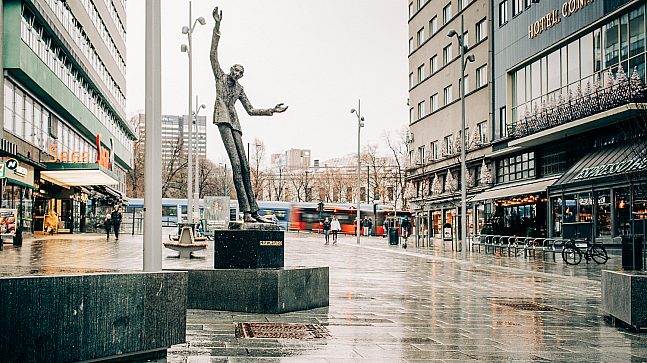
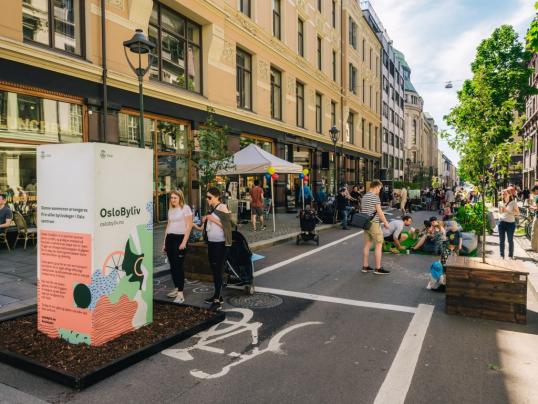
A premier real-world application of the manual’s guidelines is the redesign of Olav Vs gate in central Oslo. The street was excavated, closed to private traffic, and transformed into a spacious pedestrian zone. The city replaced parking spaces with electric taxi charging hubs and designated delivery bays, significantly improving ambient noise and air quality in the neighborhood.
The City That Said No to Cars, written by Tor Kjolberg