




Moving to Denmark, Norway, or Sweden comes with a well-worn checklist: find housing, register your address, open a bank account, and figure out the healthcare system. What catches many newcomers off guard is a quieter requirement running underneath it all — getting official documents translated into a form the local authorities will actually accept. Continue reading to learn what expats should know about certified document translation: the paperwork side of moving to the Nordics:
It’s easy to underestimate. A diploma, birth certificate, or marriage record seems like a formality until the moment a caseworker hands it back and explains that the translation, however accurate, doesn’t meet the required standard.
***********************************
Related: Scandinavian Translation Service Gets Your Message Across – in Any Major Language
***********************************

Where this comes up most often
A handful of situations account for most of the document-translation questions expats encounter when settling in the Nordics:
- Residence permits and family reunification — birth and marriage certificates, often with an apostille
- Recognition of foreign qualifications — diplomas and transcripts needed for job applications or further study
- Employment — proof of previous work experience, references, or professional licenses
- Healthcare and insurance — medical records or vaccination history
- Civil registration (folkeregister, folkeregisteret, folkbokföring) — the documents each country’s population register requests when you first register as a resident
Why a fluent translation isn’t always enough
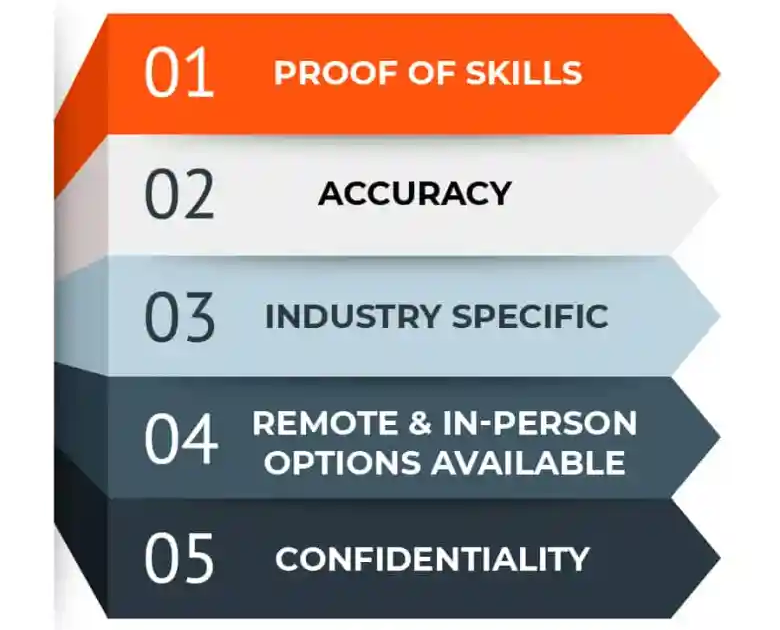
The gap that trips people up is the difference between a linguistically correct translation and a certified one. Danish, Norwegian, and Swedish authorities generally want a translation carried out or signed off by an authorized or certified translator — someone who can formally attest that the translation matches the original. A translation from a bilingual friend, or even a competent freelance translator without the right credentials, can be rejected even if every word is accurate.
The specific requirement also varies by country and sometimes by municipality. Norway’s UDI (Utlendingsdirektoratet) has its own expectations for immigration paperwork; Sweden’s Skatteverket and Migrationsverket don’t always ask for the same thing; Denmark’s SIRI and the various kommuner can differ again. The safest approach is to ask the receiving office directly, in writing, exactly what translation format they require before booking anything — “certified,” “authorized,” and “sworn” aren’t always interchangeable terms, depending on which country’s system you’re navigating.
**************************************
Related: How to Deal with Language Barriers while Traveling to Scandinavia
**************************************

A closer look at each country
Denmark’s system processes work and residence permits through SIRI (the Danish Agency for International Recruitment and Integration) and, separately, civil registration through your local kommune once you arrive. Documents in a language other than Danish, English, German, French, or one of the Nordic languages generally need to be translated into Danish or English by a translator whose credentials the receiving office can verify — and Denmark is fairly strict about requiring the translator’s certification to be stated on the document itself.
Norway’s UDI provides fairly detailed guidance by document type, and for family immigration cases in particular, birth and marriage certificates from outside Norway typically require both a certified translation and an apostille (or, for countries outside the Hague Convention, legalization through the relevant embassy). The folkeregister process that follows approval has its own checklist, which is worth requesting in writing rather than assuming it matches what UDI asked for.
Sweden divides responsibility between Migrationsverket for residence permits and Skatteverket for population registration (folkbokföring), and the two don’t always require identical paperwork. A translation certified by an “auktoriserad translator” — a translator authorized by Sweden’s Legal, Financial and Administrative Services Agency (Kammarkollegiet) — is the gold standard in Sweden, though translations certified elsewhere are sometimes accepted depending on the case officer.
A few things worth sorting out early
- Confirm whether the destination office requires a certified translation, an apostille, or both — and whether the apostille should be on the original document, the translation, or ideally both.
- Ask about validity windows. Some offices won’t accept a translation issued more than six or twelve months ago.
- Order translations with sufficient lead time. Residence permit and folkeregister appointments often have specific document deadlines, and rush turnarounds aren’t always available or affordable.
- Keep digital copies of everything translated so far — expats who move between Nordic countries, or from a Nordic country onward, often need the same documents again under slightly different local rules.
How long it takes and what it costs
Turnaround and pricing depend primarily on document length and the language pair. A single-page birth or marriage certificate is usually the fastest and cheapest to translate; a full academic transcript or an employment record with many entries takes longer and costs more. If an apostille or additional legalization is needed in addition to the translation, it’s worth asking up front for a full quote covering the entire process rather than just the translation line item, since these extra steps often add time and cost that catch people off guard near a deadline.
Finding a translator across borders
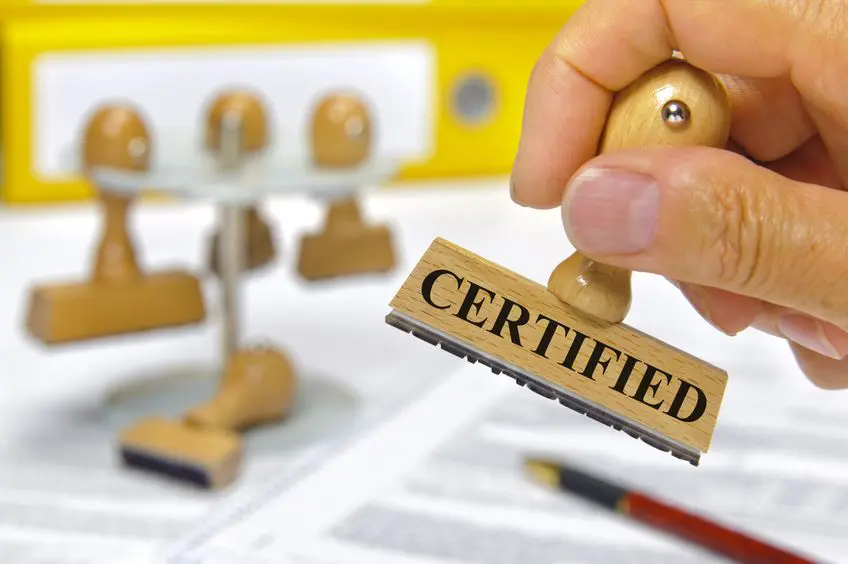
One practical headache for anyone building a life across more than one country is finding a new certified translator each time a new document or jurisdiction arises. Services like certified document translation from Protranslate solve that by providing access to certified translators across dozens of languages from a single place — useful if a diploma needs to be translated for a Danish employer this year and a birth certificate for Norwegian residency the next.
Protranslate is ISO 17100-certified, a member of ATA and GALA, and has worked with 85,000+ customers across 163 countries on exactly this kind of certified document translation—civil, academic, and legal documents that must hold up to an official review.
The Paperwork Side of Moving to the Nordics: What Expats Should Know About Certified Document Translation – The bottom line
None of this needs to be complicated, but it does require a few minutes of planning that’s easy to skip in the rush of an international move. Knowing what “certified” means to the office you’re dealing with and getting the translation sorted with time to spare is the difference between a smooth appointment and a second trip back with the right paperwork.

The Paperwork Side of Moving to the Nordics: What Expats Should Know About Certified Document Translation, written explicitly for Daily Scandinavian by Nilgün Şeçkin, Protranslate.net.