



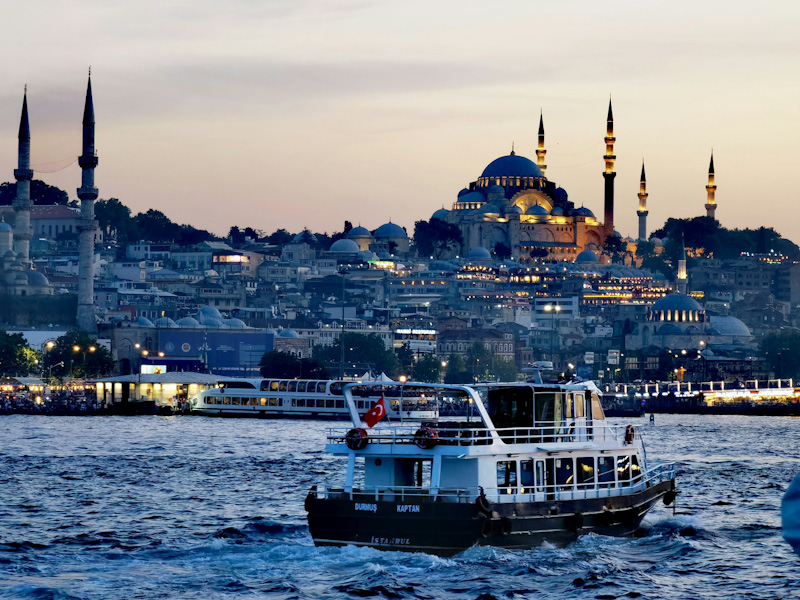
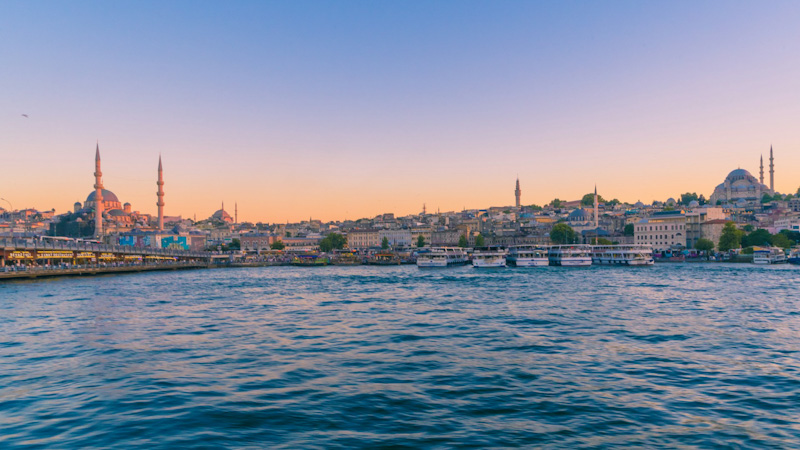
Istanbul is a beautiful and magnificent city located on two continents, where the East meets the West. The best way to get around the city is to know the history‚ the districts‚ and the architecture․ Welcome to Istanbul: A transcontinental journey.
Whether you are going to walk through the historic streets of the Sultanahmet peninsula‚ visit the contemporary art galleries of Beyoğlu or go on a water bike istanbul‚ how to travel the city is the first question you should ask yourself․ Istanbul has a modern‚ very wide-ranging‚ and more integrated public transport network than any other city in Turkey‚ and crossing between the two continental sides of Istanbul from Europe to Asia offers a beautiful and very cheap experience‚ for those who are able to find the best means of transport for each day․
*********************************
Related: Airport of the Future
*********************************
Mastering Istanbul’s Public Transit Network
To experience Istanbul as an Istanbulite does‚ you are advised to travel around the city by public transport․ The system is quick and inexpensive‚ and provides interconnection by a single contactless smart card for all forms of transport․
These are the main forms of public transport available:
- Metro and Marmaray: this underground railway works as a rapid and convenient way to travel long distances and connects the main international airport with the city’s transport hubs․ So you can cross from Europe to Asia under the Bosphorus Strait under the sea on the Marmaray train in only four minutes․
- Iconic Trams: The T1 tram line‚ the most popular option to explore the city‚ runs directly through the historic district‚ dropping passengers off at the foot of the most popular sights of the city‚ including Hagia Sophia‚ the Blue Mosque and the Grand Bazaar․
- Public ferries and sea buses: these double-decker boats are a great way to make any trip a scenic cruise‚ with intercontinental excursions‚ a cheap ride to the serene Princes’ Islands‚ and the best views of Ottoman palaces and waterfront mansions․
- Funiculars and Cable Cars: Various funiculars have been built to ascend the steep hills of Istanbul‚ allowing passengers to be moved from a transportation hub on the shore straight to a lively district high above‚ such as Taksim Square or the historical Galata district․
- Yellow taxis and ride-hailing apps: There are taxis across the city‚ although they should only be used late at night or with heavy bags‚ because daytime traffic gridlocks can delay sightseeing․
- The Historical and Nostalgic Trams (Taksim-Tünel Nostalgia Tramway): These red streetcars crawl the pedestrian thoroughfare of İstiklal Street‚ as well as the fashionable Moda district․ They are a reminder of the golden age of urban transportation in the twentieth century․
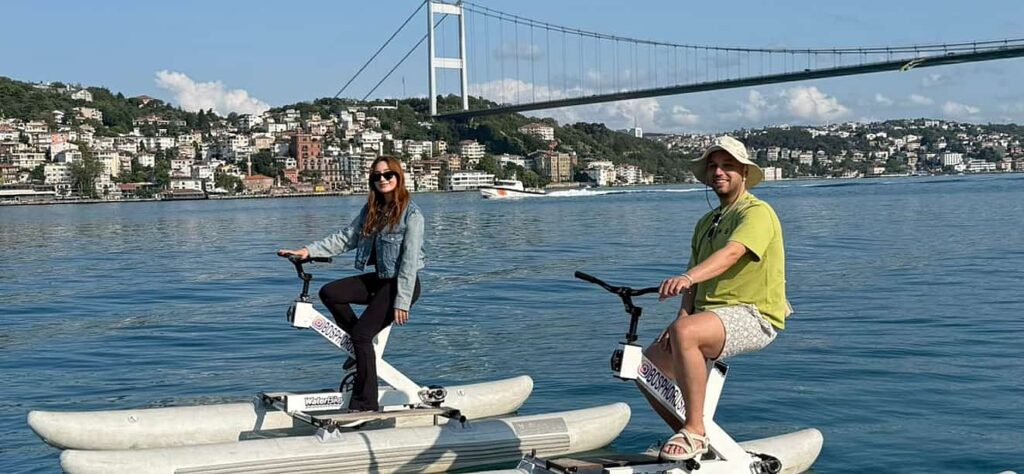
Unique Bosphorus Water Adventures
Apart from daily commuting‚ the waterways are a wonderful way to see the city if you’d like to get away from the busier historical piazzas and take in the view of the grand canal from the water at speed․ There are fantastic water tours available on dedicated websites․
Many special experiences‚ including Bosphorus tours‚ can be booked through GetExperience․ You can see the city skyline from the water with classic boat tours‚ modern water sports‚ and high-quality outdoor activities․ Unforgettable memories for your holiday.
Welcome to Istanbul: A Transcontinental Journey – Conclusion
Water transport is an important part of the city’s public transport system and when combined with the public transport system will give you a full picture of the complicated apparatus that is Istanbul‚ and will make for an authentic holiday experience․ Just plan your travel in advance‚ get a transit card and then take the magical journey across continents․

Welcome to Istanbul: A Transcontinental Journey, written for Daily Scandinavian by Maria Mercer. Maria is a travel and culture writer focused on urban exploration, local transportation, and immersive city experiences. She writes about discovering destinations through everyday movement, food, and authentic local activities.