



Baggage sent to the wrong country can disrupt a trip within minutes of landing. Clothes, medications, work items, and personal essentials may suddenly be unavailable, especially on international trips. Read on to learn what travelers should do.
While the situation can feel stressful, travelers can manage it more effectively by acting quickly, keeping records, and understanding the correct claims process. A calm, organized response can make baggage recovery and eligible reimbursement smoother.
Report the Problem to the Airline Immediately
As soon as you realize your bag has not arrived, go to the airline’s baggage service desk before leaving the airport. Clearly explain that your baggage appears to have been routed to another country. Ask the airline to file a formal baggage report and provide written acknowledgment.
- Share your baggage tag and boarding pass.
- Ask for a Property Irregularity Report.
- Take the airline’s reference number.
- Confirm the address for baggage delivery.
Keep All Travel and Baggage Documents
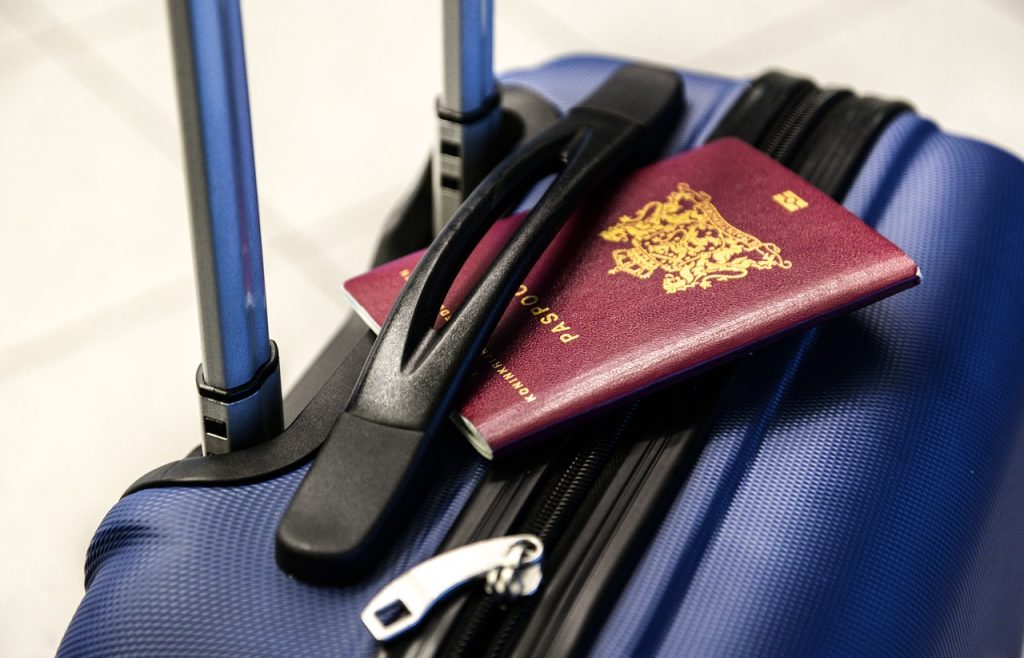
When speaking with the airline, airport team, or insurer, keep all key travel documents within easy reach. If you buy travel insurance online, you can usually access your policy documents digitally; however, keeping offline copies during international trips is still sensible. Store all journey-related documents in one place.
- Boarding passes
- Baggage tags
- Passport and visa copies
- Airline complaint reference
- Travel insurance policy document
- Emails or messages from the airline
**************************************************************
Related: Nordic Travelers Abroad: Why International Travel Insurance is More Important Than Ever
****************************************************************
Track Your Baggage Status Regularly
Once the airline registers your complaint, keep checking the status on its baggage tracking page, app, or with its customer care team. A bag sent to another country may pass through multiple airport systems before it reaches you. Regular follow-ups can reduce confusion and keep your case active.
- Save screenshots of tracking updates.
- Note the time and date of every follow-up.
- Ask for written updates where possible.
- Keep your phone and email reachable.
Purchase Essential Items and Save Receipts
You may need basic items while waiting for your bag, such as clothing, toiletries, or medications. Buy only essential items that match your travel needs. Avoid unnecessary purchases, as reimbursement depends on policy terms, airline rules, documentation, and claim assessment.
- Keep itemized bills.
- Use digital payments where possible.
- Do not discard packaging for essential medicines.
- Separate personal shopping from urgent purchases.
- Record why each item was needed.
*******************************************************************
Related: The European Health Insurance Card – the most important thing you forgot to pack
*******************************************************************
Understand Your Compensation Rights
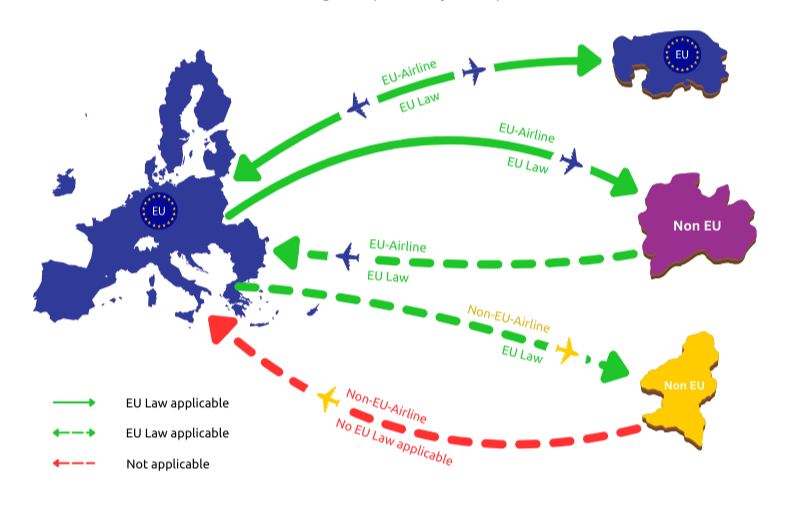
Travelers may be eligible to claim compensation or reimbursement when checked baggage is delayed, misplaced, or lost, depending on the route, airline policy, and applicable passenger rights. International journeys may also be subject to recognized aviation liability rules.
- Check the airline’s claim process.
- Submit documents within the required timeline.
- Provide proof of expenses and loss.
- Avoid verbal-only agreements.
- Keep copies of every claim submission.
Contact Your Travel Insurance Provider
Travel insurance can be useful if baggage is delayed, misdirected, or lost during an insured trip, subject to the policy terms. Contact your insurer early and ask what documents are required for an eligible claim. This helps you avoid missing important steps in the claims process.
- Share the airline report.
- Provide baggage tracking details.
- Submit receipts for essential purchases.
- Keep communication clear and factual.
- Follow the insurer’s document checklist.
Escalate the Case if the Bag Is Not Found
When the airline does not provide a clear update, escalate the matter through its official complaint channel. Request a written response and maintain a firm but professional tone. If the issue remains unresolved, travelers can consider the relevant aviation grievance route or consumer forum, based on the journey and jurisdiction.
- Mention your baggage reference number.
- Attach all previous communication.
- Request a clear resolution timeline.
- Keep proof of complaint submission.
- Avoid sharing original documents unnecessarily.
Take Preventive Measures for Future Trips
A few careful steps before travel can reduce the impact of baggage mishandling. Pack important documents, medications, valuables, and one change of clothes in your cabin bag, when permitted. Make your checked baggage easy to identify, and keep contact details inside the bag as well.
- Use a durable luggage tag.
- Remove old airline stickers.
- Photograph your bag before check-in.
- Keep essentials in hand baggage.
- Review travel insurance before departure.
What Travelers Should Do if Their Baggage Is Sent to the Wrong Country: Conclusion
Baggage sent to the wrong country is inconvenient, but travelers can respond effectively by reporting it early, tracking updates, saving documents, and buying only essentials. Airline processes and insurance claims work better when records are clear and complete.
Before future trips, keep your baggage details organized and review your travel insurance coverage carefully, as benefits and claim outcomes depend on the applicable policy terms and assessment.
What Travelers Should Do if Their Baggage Is Sent to the Wrong Country, written for Daily Scandinavian.