

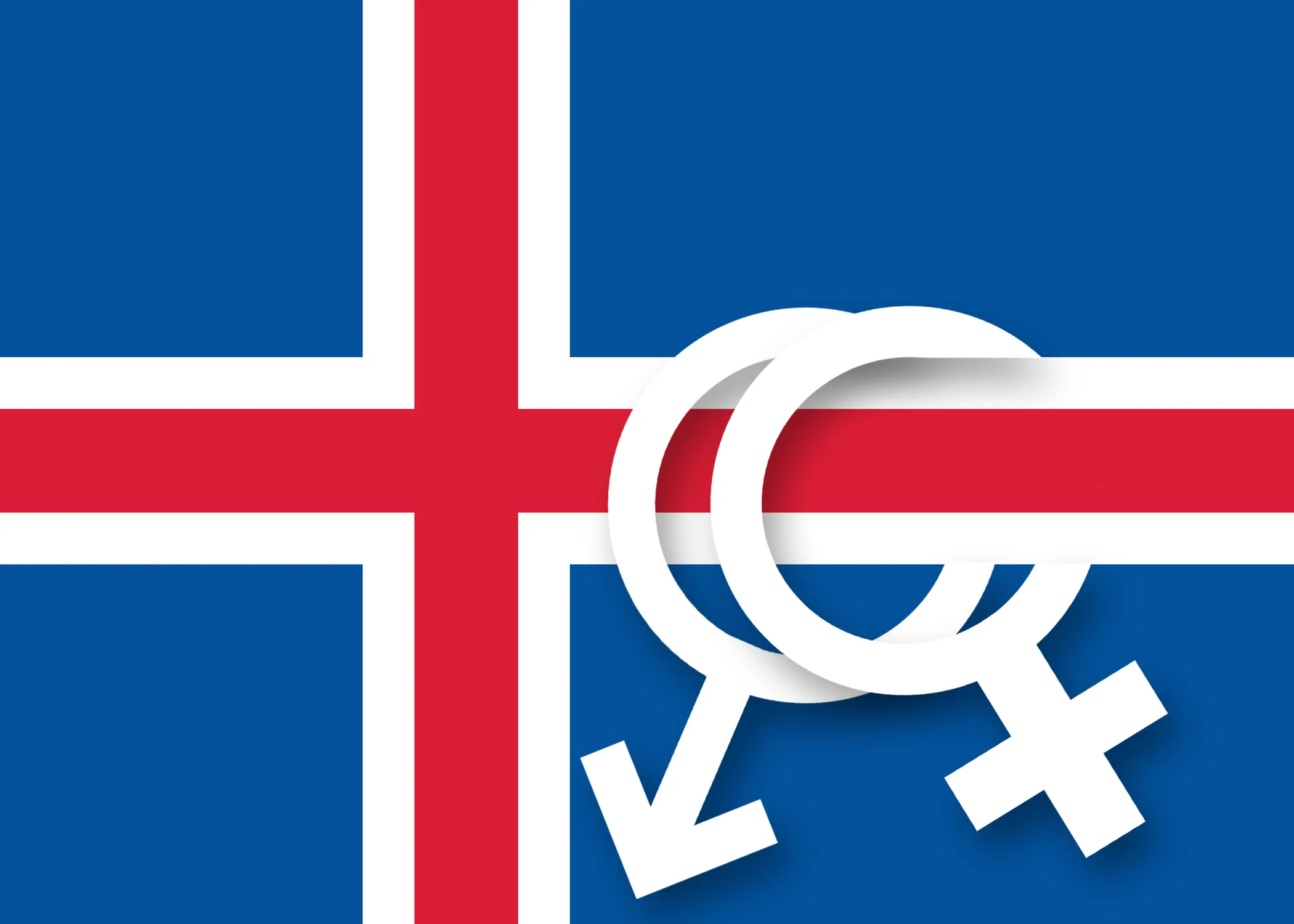
For 16 consecutive years, Iceland has been ranked first in the World Economic Forum’s Global Gender Gap Index. Read on and find out if the Hjalli model might be the answer.
The Global Gender Gap Index annually benchmarks the current state and evolution of gender parity across four key dimensions (subindexes): Economic Participation and Opportunity, Educational Attainment, Health and Survival, and Political Empowerment. Since its launch in 2006, it has been the longest-standing index tracking the progress of numerous countries’ efforts to close these gaps.
Iceland has for many years had a commitment to and significant progress in closing gaps in Economic Participation, Education, Health, and Political Empowerment, featuring high female representation, mandatory parental leave, and cultural emphasis on equality, making it a leader for over a decade by ensuring women’s access and influence in all societal aspects.
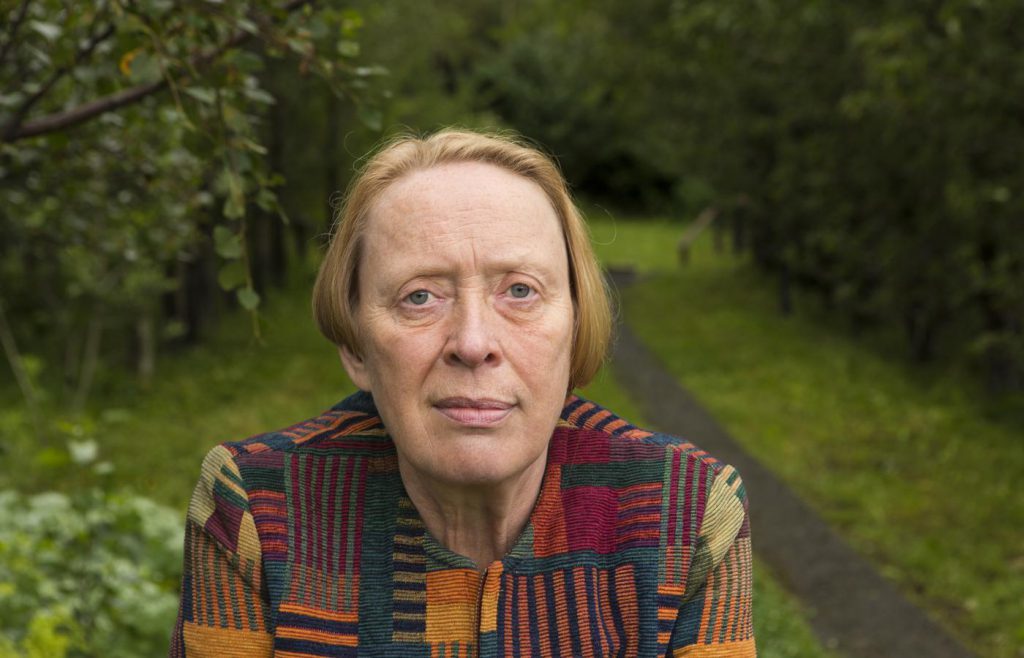
Iceland currently has a female president, prime minister, head bishop, and chief of police. But it is also the birthplace of the Hjalli model.
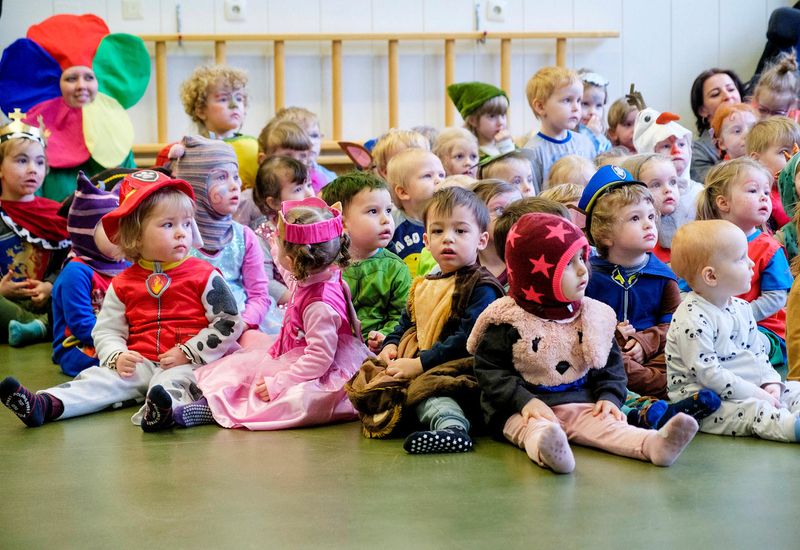
The education system was founded by Margrét Pála Ólafsdóttir in 1989 to promote gender equality, with children taught in small, single-sex groups for most of the day, alongside mixed-gender activities. It aims to break down gender stereotypes by providing focused attention and training in traditionally “opposite” gender traits (e.g., boys in nurturing, girls in assertiveness) through a “compensatory” curriculum, thereby fostering independence, empathy, and resilience in all children, using neutral environments and unisex gear.
In this edition of the Global Gender Gap Index, all 10 top-ranked economies have closed at least 80% of their gender gaps, the only economies to do so. European economies dominate the top 10, occupying eight of the spots. Among them, Iceland (92.6%, 1st), Finland (87.9%, 2nd), Norway (86.3%, 3rd), and Sweden (81.7%, 6th) have consistently ranked in the top 10 in every edition since 2006. Compared to the 2024 edition, the United Kingdom (83.8%, 4th) and the Republic of Moldova (81.3%, 7th) moved up in the rankings from last year to join the top 10. Germany (80.3%, 9th) and Ireland (80.1%, 10th) are also among the top 10 this year, marking their 7th and 18th appearances, respectively. New Zealand (82.7%, 5th) and Namibia (81.1%, 8th) have held the two remaining spots in the top 10 since 2021.
Key factors for Iceland’s top ranking have been early suffrage and political power. Iceland granted women the right to vote early (national suffrage in 1915) and has experienced significant female political participation, including the election of a female President and Prime Minister, fostering an environment in which women hold influential roles.
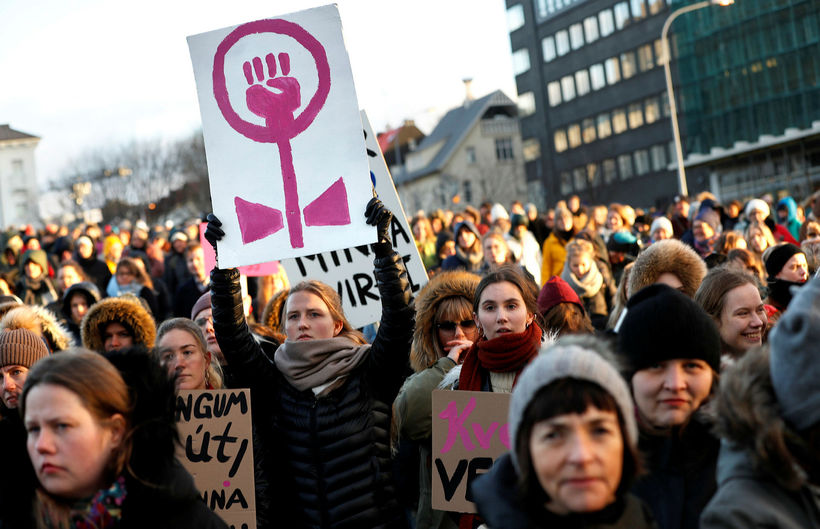
Economic equality has also played an important role. High female labor force participation, equal pay legislation, and policies that promote women in leadership roles contribute to strong scores on the economic opportunity dimension.
In addition, Iceland’s mandatory, shared parental leave has ensured that fathers take time off, promoting work-life balance and shared caregiving responsibilities, a key factor in workplace equality.
Beyond specific laws, Iceland has a deep-rooted culture and a systematic approach to addressing inequality, viewing gender equality as essential to national prosperity and growth, a sentiment reinforced by early legislation, such as equal inheritance rights in 1850.
Last but not least, Hjalli (“rock” in Icelandic) is based on the theory that children are stunted by being taught in mixed classrooms because social pressures lead them to gravitate toward behavior commonly coded as male or female.
*************************************************
Related: Examining the Gender Pay Gap in Scandinavian Countries
*************************************************
The Icelandic Hjalli Model (Hjallastefnan) is a progressive early education system founded on the following core principles:
- Children spend most of their day in same-sex groups to minimize traditional gender roles and allow for focused development without social pressure.
- A curriculum designed to explicitly teach qualities often discouraged by gender stereotypes (e.g., empathy for boys, assertiveness for girls).
- Classrooms use neutral colors and designs, and toys/uniforms are unisex to avoid gender cues.
- Cooperative activities are integrated to teach mutual respect, collaboration, and democratic values.
- Focuses on emotional intelligence, self-regulation, resilience, kindness, and independence for all children.
*****************************************************
Related: Norwegian New York-Based Author, Feminist and Philosopher About Art and Gender
*****************************************************
Today, it is estimated that almost 10 per cent of nursery-aged Icelandic children are taught under these principles in 18 preschools and primary schools.
Children engage in specific courses (e.g., communication, friendship, courage) that rotate, reinforcing all human qualities.) Educators provide equal attention and opportunities, addressing individual needs within a gender-aware framework.
These schools encourage girls to take more risks and to speak confidently and directly. In contrast, boys are taught tenderness and a connection to their caring sides, for example, by giving each other gentle massages.
Iceland has pioneered efforts to require companies to report their gender pay gaps and to impose quotas for female representation on company boards.
The 2025 Global Gender Gap Index shows that no economy has yet achieved full gender parity. Iceland (92.6%) continues to lead the Global Gender Gap Index, holding the top position for 16 consecutive years, and remains the only economy to have closed more than 90% of its gender gap since 2022.
Why has Iceland been ranked No. 1 in the World Economic Forum’s Global Gender Gap Index? Tor Kjolberg reporting.