


Pausanias, the Greek traveler and geographer, wrote a ten-book account describing Greece, focusing on sights of historical and cultural interest in the Peloponnese and central Greece. This article is the fourth in our series of ‘Historical Travel Stories’.
This lengthy work describes ancient Greece based on his firsthand observations. The Description of Greece provides crucial information for linking classical literature and modern archaeology, offering evidence for the sites and cultural details he mentions, even though knowledge of their existence may have been lost or relegated to myth or legend.
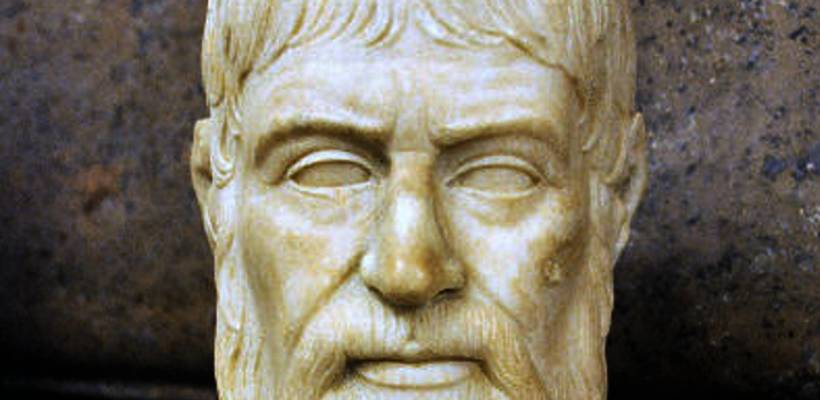
Pausanias was the Greek writer who flourished in the 2nd century A.D. Before visiting Greece, he had traveled widely throughout Asia Minor, Syria, Palestine, Egypt, Macedonia, Epirus (now in Greece and Albania), and parts of Italy. His Description takes the form of a tour of Greece, beginning in Attica. The first book seems to have been completed after 143 but before 161. No event after 176 is mentioned in the work. He provides a comprehensive catalog of temples and shrines in the region, along with frequent discussions of local myth and cult practice.
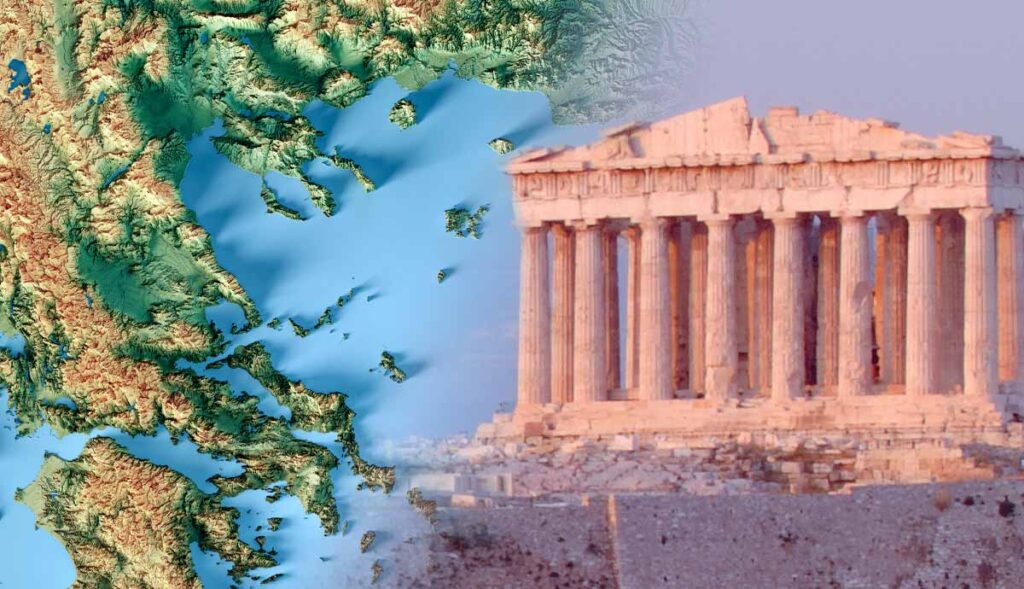
All things Greek
Nothing is known about Pausanias except what historians can piece together from his own writings. However, it is probable that he was born c. 110 AD into a Greek family and was a native of Lydia in Asia Minor. From c. 150 until his death around 180, Pausanias traveled throughout mainland Greece, seeking to compile a lasting written account of “all things Greek,” or panta ta hellenika.
His account of each important city begins with a sketch of its history; his descriptive narration follows a topographical order. He offers a few glimpses into the daily life, ceremonial rites, and superstitious customs of the inhabitants and frequently introduces legends and folklore.
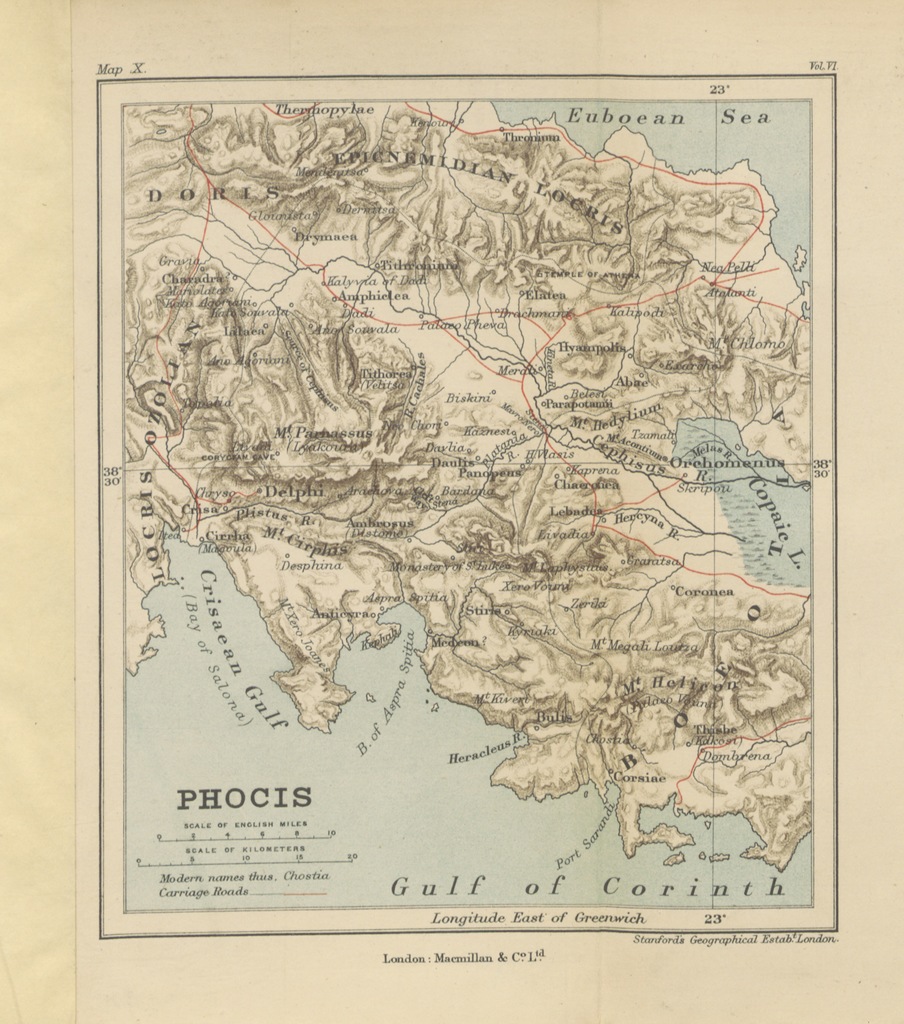
Inspired by the ancient glories of Greece
Works of art are his primary concern: inspired by the ancient glories of Greece, Pausanias is most at home describing the religious art and architecture of Olympia and Delphi. At Athens, he is intrigued by pictures, portraits, and inscriptions recording the laws of Solon; on the Acropolis, the great gold-and-ivory statue of Athena; and outside the city, the monuments to famous men and to Athenians fallen in battle. The accuracy of his descriptions has been confirmed by the remains of buildings throughout Greece.
The five-volume Pausanias set in the Loeb series is still in print and available new from Amazon.com. In addition to the translation, the books include the original Greek text, Jones’s introduction and footnotes, and an index of proper names. The final volume also includes maps and a collection of photos of the archaeological remains of the places and buildings described by the ancient author.
Description of Greece, compiled by Tor Kjolberg
Previous articles in our series of historic travel stories:
The World’s Oldest Surviving Travel Story
The World of the Odyssey: A Palimpsest of the Hellenic Art of Living Well
Sinbad the Sailor