


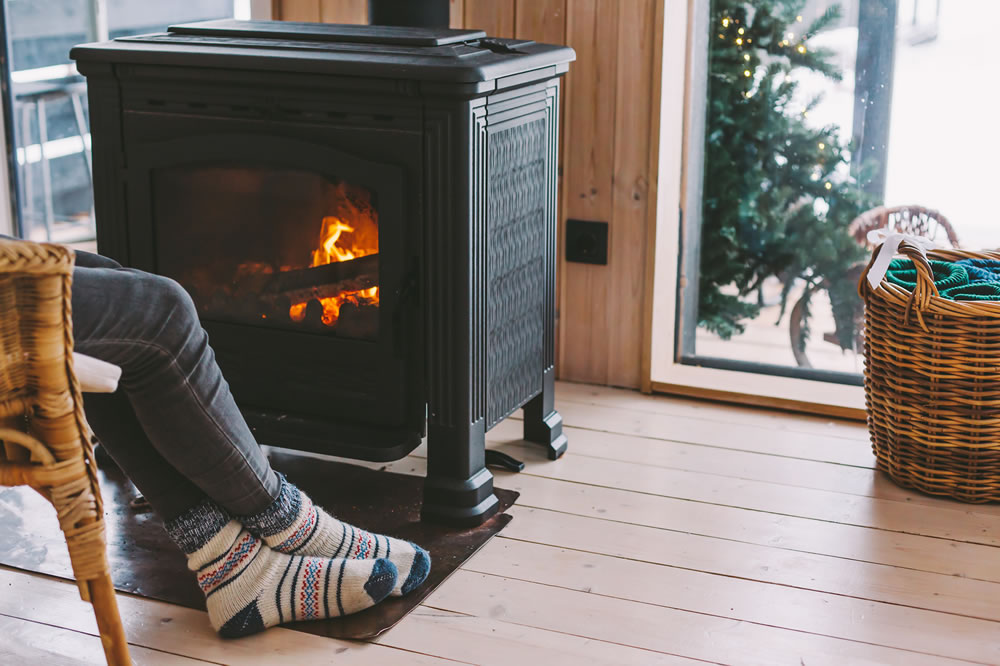
Undeniably, Scandinavians are known for some of the world’s greatest home design and décor principles. Much of the rest of the globe tends to follow this concept: its simplicity, sophistication, and neutral palette, paired with soft lighting that envelops you and invites you to sit down with a book, enjoy a cup of tea, gather around a table with friends, or even take a restorative nap. This article is about finding peace and calm in the home through hygge and Feng Shui.
What lies behind this aesthetic, however, is something deeper, and the Nordic countries truly have this figured out. A large part of this is hygge; many have heard of it, and many more may already be living it, perhaps without even realizing.
This way of life embodies and embraces slowing down through spending time in nature, gathering with people you love and value, eating in a way that truly nourishes the body, honoring coffee or tea rituals, reading by candlelight, and curling up by a fire. Interestingly, this is where an East meets West concept emerges, as ancient principles of Feng Shui naturally complement the hygge way of life. Feng shui emphasizes intentional design, balance, and the smooth flow of energy within a space; removing clutter, optimizing layout, and creating environments that feel grounding rather than draining. When a home supports ease of movement, natural light, comfort, and purpose, it becomes more than a place to land at the end of the day; it becomes a sanctuary that calms the nervous system and restores the body and mind.

A Deeper Look at Both Hygge and Feng Shui
Hygge (pronounced hoo-ga for those not familiar) captures a deep sense of coziness, comfort, and quiet contentment, rooted in the appreciation of simple, meaningful moments. Derived from a 16th-century Norwegian word meaning “comfort,” combined with the English word for “hug.” More than a design trend or lifestyle aesthetic, hygge reflects warmth, presence, and connection. It can be felt in the soft glow of candlelight on a winter evening, the comfort of a shared meal with loved ones, or the calm of curling up with a warm drink and a good book.
Hygge encourages slowing down, creating inviting spaces, and savoring everyday pleasures without pretension or excess. At its core is mindfulness: being fully present and finding joy in what is already here. become a cultural cornerstone often associated with well-being, emotional safety, and togetherness. These qualities often contribute to the high levels of happiness reported in Scandinavian countries.
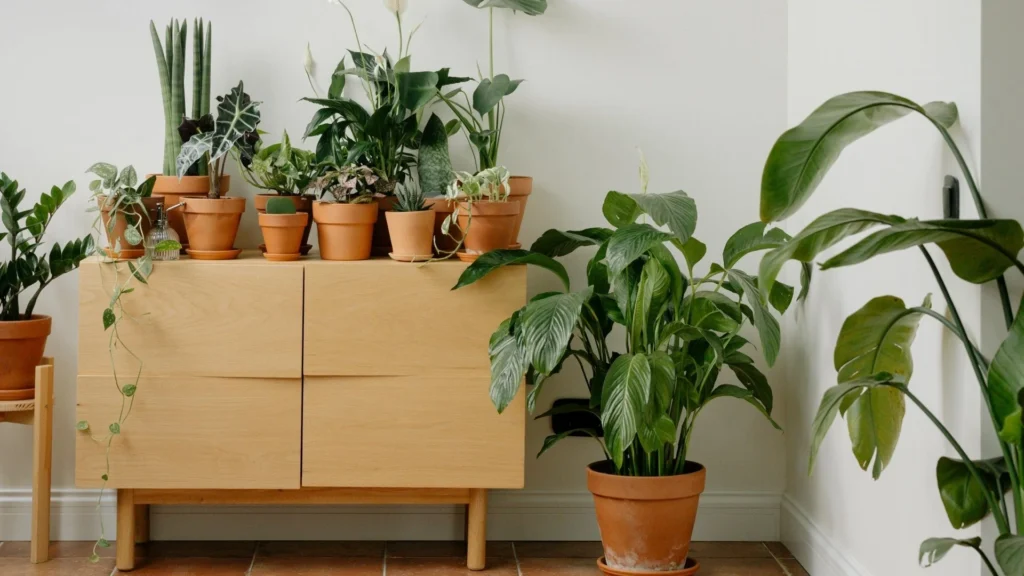
Feng Shui is both a philosophy and a way of life that views the home as a living, energetic system. This principle directly influences our physical health, emotional well-being, relationships, and sense of balance. Rooted in the idea that our surroundings shape how energy, or chi, flows through our lives, Feng Shui emphasizes intentional placement, harmony, and simplicity to create spaces that feel supportive rather than draining. A Feng Shui-aligned home prioritizes clarity over clutter, natural light, thoughtful color choices, and furniture arrangements that promote ease, safety, and connection; inviting nature indoors through plants, natural materials, and airflow. It is not about rigid rules or perfection, but about awareness. Designing your home in Feng Shui helps you and your home feel grounded, calm, and alive, with daily routines becoming more mindful and restful, and life flowing with greater ease and intention.
***************************************
Related: Danish Furniture Made for Hygge
***************************************
In a blended Feng Shui and hygge approach, each room in the home can embody both energetic flow and emotional comfort, creating spaces that feel intentional and restorative. For example, the home entryway or hall sets the tone for the entire home and life within it. Feng Shui emphasizes keeping this space clear, well-lit, and welcoming to allow energy to enter smoothly, while hygge invites warmth through soft lighting, natural textures, and a sense of arrival that immediately feels grounding. The living room is a place of connection, where Feng Shui encourages furniture arranged to promote conversation and ease. Hygge softens the space with cozy textiles, layered lighting, candles, and an invitation to linger with loved ones, a book, or a quiet moment.
The Feng Shui kitchen is the heart of nourishment and abundance, benefiting from cleanliness, organization, and the mindful placement of appliances to support balance and vitality. Hygge complements this by turning everyday cooking into a comforting ritual. This includes warm lighting, shared meals, simple, nourishing foods, and a sense of presence rather than haste. The bedroom in both Feng Shui and Hygee prioritizes rest and emotional serenity through symmetrical layouts, grounding colors, supportive bed placement, minimal technology, soft linens, and textures that encourage deep rest and restoration.
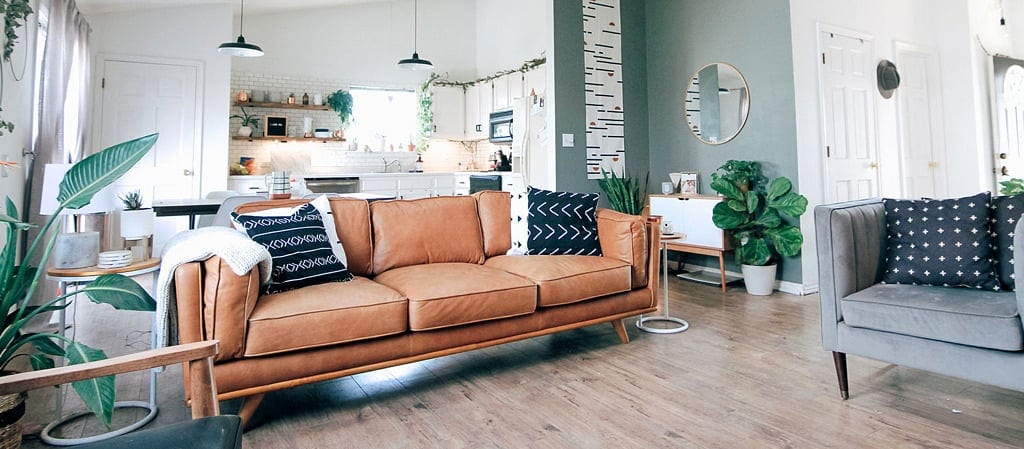
Together, Feng Shui and hygge create a home that not only looks beautiful but also feels supportive. Your home becomes a space that calms the nervous system, invites meaningful connection, and gently guides daily life toward balance, nourishment, and well-being. This blended philosophy reminds us that home is not just where we live, but where we restore, reset, and reconnect with what matters most.

Finding Peace and Calm in the Home Through Hygge and Feng Shui, written exclusively for Daily Scandinavian by Nicole Hammond. Nicole is a health educator, coach, and wellness writer with a Master of Science in Health and Human Performance and a Bachelor of Science in Health Science. She also holds certifications in stress management, coaching, and feng shui design. She enjoys writing, researching, creating, and facilitating in the areas of health and creating balance in mind, body, and the home. In her spare time, Nicole enjoys reading, cooking, traveling, exercising, and spending time with her family, including her two golden retrievers and cocker spaniel.
Truly a useful reminder of the sacredness of our homes and the integration of east meets west. Flow, comfort and clarity in our homes can invite restoration and reflection.
Lovely article!
Useful reminder of the importance of clarity and comfort in our homes to help uplift and invite restoration and reflection.