


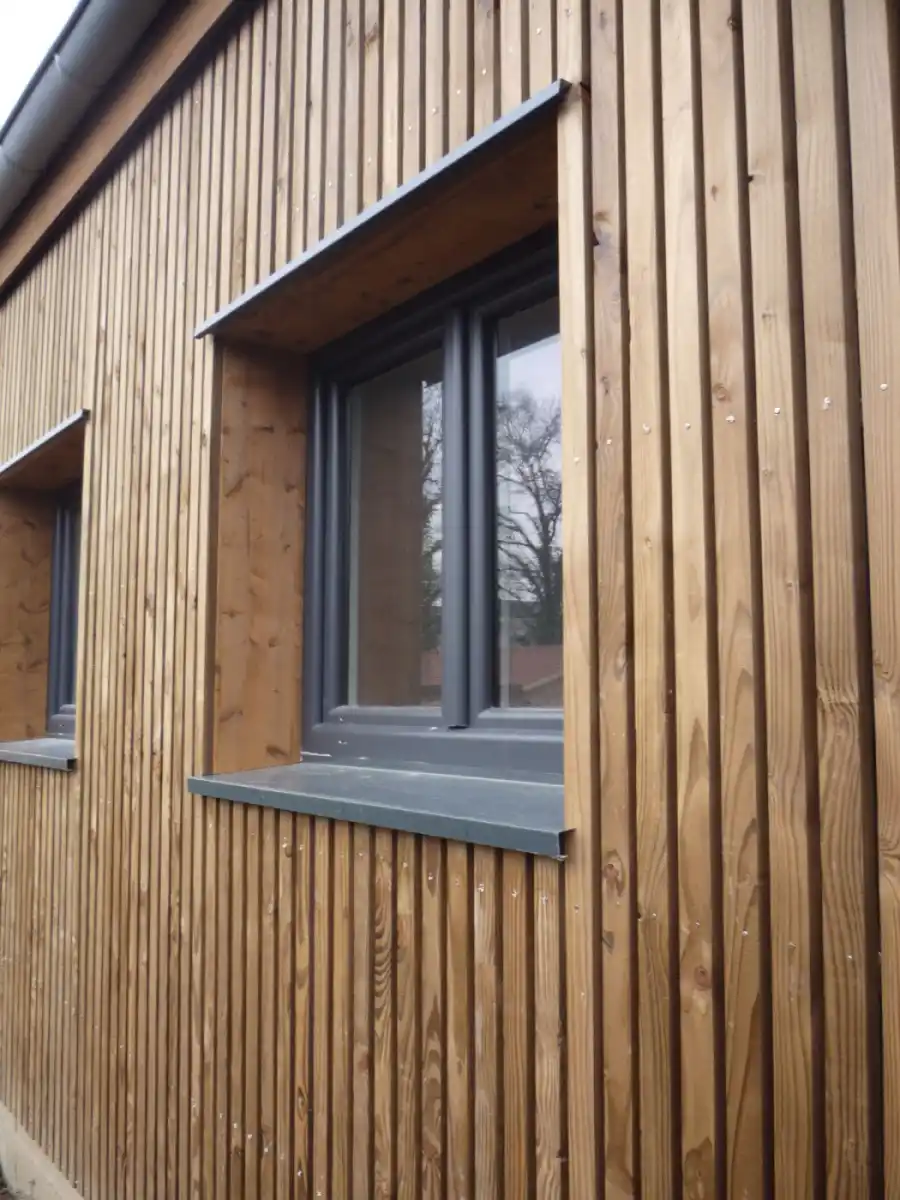
There is a particular quality to the timber that comes from the far north. The trees that grow slowly through long Scandinavian winters, through months of darkness and temperatures that strip less resilient species of their viability, produce wood with a density, a tightness of grain, and a resin content that trees grown in more temperate climates simply cannot match. From Nordic forests to British buildings: How Finnish ThermoWood became the UK’s most sought-after cladding.
This is not romanticism — it is biology, and it has direct consequences for how Nordic timber performs when it is used to clad and finish buildings in the wet, mild, UV-active climate of the United Kingdom.
ThermoWood — the thermally modified timber produced primarily by Lunawood in Finland from sustainably managed Nordic pine and spruce — has become one of the most specified exterior cladding materials in the UK over the past decade. Understanding why requires understanding both the Nordic timber tradition it draws on and the modification process that elevates already-excellent raw material into something genuinely exceptional.
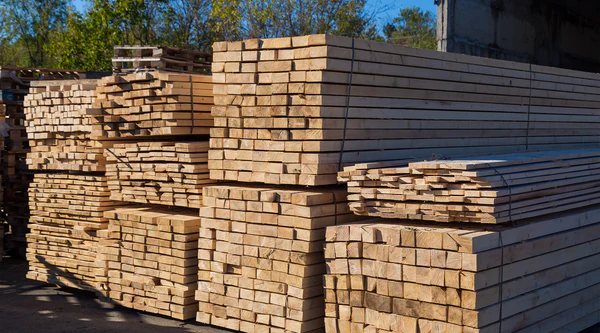
The Nordic Timber Tradition
Scandinavian countries have used timber as a primary building material for centuries — not out of necessity, but because the forests of Norway, Sweden, and Finland produce material that is genuinely well suited to northern European conditions. Nordic vernacular architecture — the red-painted farmhouses of Sweden, the stave churches of Norway, the lakeside saunas of Finland — demonstrates a deep practical understanding of how timber performs, ages, and can be protected and maintained across generations.
The Finnish sauna tradition is perhaps the most direct expression of this understanding. ThermoWood was originally developed in part in response to demand for timber that could withstand the extreme heat and humidity cycles of sauna use — conditions that quickly destroy untreated or chemically preserved wood. The thermal modification process that emerged from this requirement proved equally valuable for exterior cladding in all climates where moisture management is a challenge.
*****************************************************
You may also like to read Sweden – Leading the World in Prefab Houses
*****************************************************
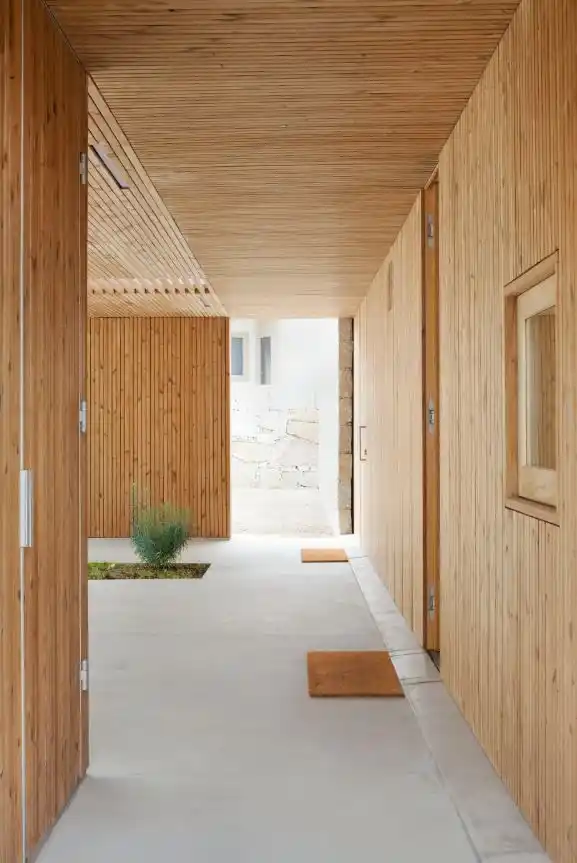
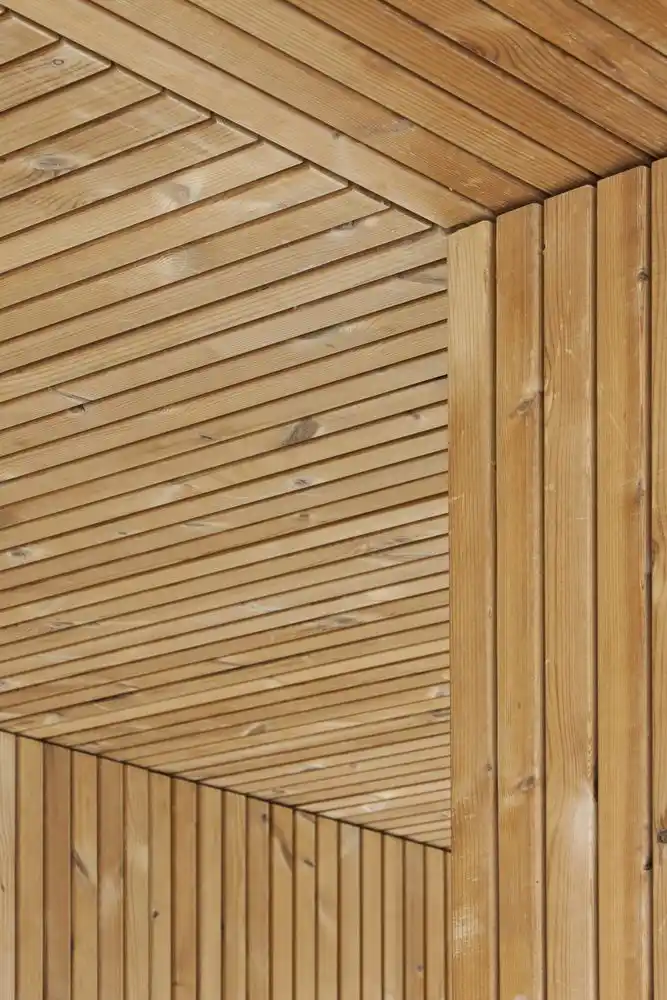
Lunawood’s approach to thermal modification represents the current state of this tradition. Founded in Finland and sourcing timber exclusively from FSC and PEFC-certified Nordic forests, Lunawood produces ThermoWood to a consistent specification that allows architects and specifiers to predict how the material will behave over decades rather than years. The characteristic honey-brown colour of fresh ThermoWood, the even silver-grey weathering of untreated boards, and the warm patina of oiled installations have become visual signatures of quality timber cladding on buildings across the UK.
For a complete guide to Lunawood ThermoWood in the UK context — covering the range of profiles available, how to specify each for different applications, where to source the material, and how it compares to alternative thermally modified timber brands — the Lunawood ThermoWood cladding Nordic timber UK guide provides the full picture for architects, self-builders, and homeowners considering ThermoWood for a current project.
*****************************************************
You may also like to read The Exciting Story of a Norwegian House Manufacturer
*****************************************************
ThermoWood vs Cedar: A Comparison Worth Making
The comparison between ThermoWood and cedar cladding is one of the most common questions that arises in UK timber specification. Both are positioned as premium exterior cladding materials. Both are marketed on their durability and natural credentials. Both weather to a silver-grey if left untreated. But the differences between them — in performance, sustainability, and whole-life cost — are significant and frequently misunderstood.
Western red cedar — the cedar most commonly specified for exterior cladding in the UK — is imported primarily from North America, where it is harvested from old-growth and second-growth forests on the Pacific coast. Its natural durability (Durability Class 3 to 4) makes it suitable for exterior use without preservative treatment, and its low density makes it easy to work and fix. However, cedar’s sustainability credentials have come under increasing scrutiny as old-growth sourcing becomes harder to certify and the carbon footprint of transatlantic shipping becomes harder to justify for low-carbon building projects.
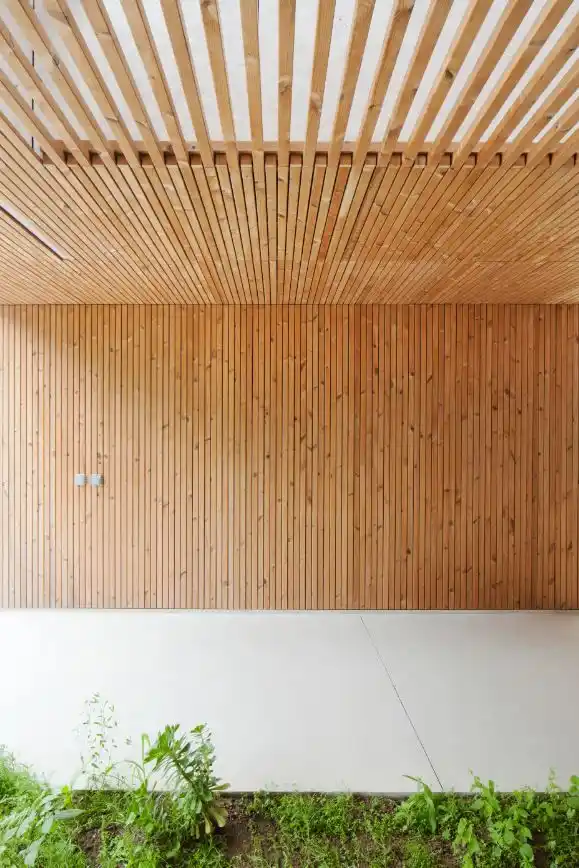
ThermoWood, sourced from sustainably managed Nordic forests and modified in Finland, has a significantly shorter supply chain to the UK, fully certified sustainable forestry credentials, and a modification process that uses no chemicals and produces no hazardous waste. Its durability (Durability Class 2 after Thermo-D modification) is superior to cedar in most classifications. Its dimensional stability — reduced moisture movement of up to 50 percent compared to unmodified timber — is significantly better, particularly relevant for the profiles and fixing systems common in contemporary UK facade design.
For a detailed side-by-side comparison of ThermoWood and cedar cladding across all the dimensions that matter for UK specification — durability class, moisture movement, weathering behaviour, sustainability credentials, whole-life cost, and availability — the ThermoWood vs cedar cladding UK guide examines both materials honestly and practically, with recommendations for which suits different project types, budgets, and sustainability requirements.
Why Nordic Timber Continues to Set the Standard
The appeal of Nordic timber in British architecture is not fashion. It is the result of a genuine material advantage — timber grown in conditions that produce exceptional density, durability, and workability — combined with a long tradition of craft knowledge about how to use it well. ThermoWood extends that advantage further, taking already excellent Nordic raw material and applying a precisely controlled modification process that makes it more stable, more durable, and more predictable than anything the same species could achieve untreated.
For UK architects, self-builders, and homeowners who want exterior cladding that looks exceptional on the day it is installed and continues to look right as it ages — whether allowed to weather naturally to silver-grey or maintained with periodic oiling — ThermoWood from Lunawood represents the current gold standard in naturally modified Nordic timber. The forests that produced it have been growing slowly for decades. The buildings it clads will stand for decades more.

From Nordic Forests to British Buildings: How Finnish ThermoWood Became the UK’s Most Sought-After Cladding, written for Daily Scandinavian by Jamshaid. Jamshaid is an SEO specialist and digital marketing strategist with over 10 years of experience helping businesses rank higher on Google. He has written for industry-leading sites like HubSpot and Search Engine Journal. When he’s not optimizing websites, he shares expert tips on his blog at guestpostforyou.com. Connect with him on gmail (jamshaid@guestpostforyou.com) for more SEO insights.”