A Summer Promise From A Norwegian Hotel Group

Hotel group Classic Norway Hotels was like all other hotels badly hit by the corona virus and wanted to capture the interest of domestic tourists this summer when the pandemic hopefully will rebound. So, they developed a campaign strategy “A Summer Promise”. We liked the campaign so much that we interviewed the CEO to find out more about the summer promise from the Norwegian hotel group.

Hotel group Classic Norway Hotels consists of 18 environmentally certified hotels spread all over Norway from Fevik in the south to Lofoten in northern Norway. In addition, a fisherman’s cabin (“rorbu”) and a lighthouse facility are parts of its offerings.

Classic Norway Hotels is one of Norway’s leading hospitality groups. “We have achieved our position through effective teamwork, expertise and a passion for our craft. It has defined our growth for more than 15 years,” says CEO Stephen Meinich-Bache. “Our current footprint of selected hotels and resorts are operating in the finest locations in Norway,” he adds.

A Summer Promise From A Norwegian Hotel Group
“We have achieved our position through effective teamwork, expertise and a passion for our craft,” says Stephen Meinich-Bache

Related: Old Bergen Stock Exchange Converted Into Boutique Hotel

The corona virus had reached Norway
After barely five weeks as CEO at the Molde headquarters, given very little time to visit a few of the group’s facilities and employees, his tasks were turned upside down. Plans had to be set aside and new solutions to unknown problems had to be put on the table overnight. The corona virus had reached Norway.

Meinich-Bache explains to us that the group constantly strives to provide the informal and very special environment while at the same time caring for each guest. “We do this by constantly hand-picking employees to show the guest a genuine attention and care that comes from the heart. We think this is much more important than having pretentious hotels and lavish luxury, because we are committed to offering hotel experiences rather than hotel nights. When we create magical moments for each guest, we feel the same joy as the guest,” explains Meinich-Bache.

A Summer Promise From A Norwegian Hotel Group
Valldal Fjord Hotel

But suddenly, the corona pandemic hit the country in full force and almost all travel industry in Norway had to be shut down within a few hours.

Related: A Room With A View

“For many years I have dealt with hotels, tourism development and experiences. It’s always about meeting people and the special feeling of working with hotels. In fact, it was on a trip in Norway as a little boy a particular experience created my professional interest in hotels. I was allowed to join my history-interested mother on a journey with the local history team from our hometown of Stavanger to the beautiful Farsund Fjord hotel. Expectations and excitement of getting into the reception, meeting staff in uniform, eating shrimp cocktail, pepper steak and banana split did something to a little boy. And I’ve never forgotten it,” says Meinich-Bache.

A Summer Promise From A Norwegian Hotel Group
“Our current footprint of selected hotels and resorts are operating in the finest locations in Norway,” says Stephen

Navigating in unknown waters
“My dream is that as many people as possible can experience such moments. It has very much shaped my career choice,” he continues, reflecting on the almost unreal days in mid-March which completely changed Norwegian travel industry.

“We had guests from virtually all corners of the world at our hotels at this time. We had to quickly navigate in unknown waters and get an overview of the situation. For both us at the head office, and for our hosts at the hotels, guests’ needs and wishes as well as security issues were suddenly becoming urgent priority.

A Summer Promise From A Norwegian Hotel Group
Henningsvær bryggehotell

Some guests wanted to stay in the hotels and to complete their Norwegian holiday during the booked period. For these, we had to put the conditions in line with the government’s guidelines as well as in understanding with the guests. Others wanted to go home earlier than planned. For them it was important to be assisted with re-booking, choosing a safe and secure way to go home and knowing that we were available with the help they needed all the time.

Related: The Most Remote Hotel In Norway

A Summer Promise From A Norwegian Hotel Group
“We had guests from virtually all corners of the world at our hotels when the corona virus hit us,” explains Meinich-Bache

A hectic new season
We immediately understood that we had to decrease in staff at our various hotels and resorts, so it was important for us to implement layoffs in the best way possible in this difficult situation. Many of our good employees experienced these days as very tough, and worked almost 24/7 to provide good information and help during this hectic period. I am very proud of how our staff handled the guests when they knew they were soon going out in layoffs and uncertainty. I realized what a wonderful organization I had accepted to lead. These are values that have been created throughout our association over a long period of time which we also carry with us as we enter a hectic new season,” continues Stephen Meinich-Bache.

Many Norwegians and their families had their lives turned upside down after the corona pandemic broke out and the authorities had to take major and comprehensive measures. This led, among other things, to a changed financial situation for many people. “At the same time, we know how important it is to have something to look forward to, something to dream about,” says Meinich-Backe.

A Summer Promise From A Norwegian Hotel Group
Angsvik gamle handelsted

A summer promise from a Norwegian hotel group
“Our main task at Classic Norway Hotels is to fulfill these dreams for our guests at all times. Our mission has been accomplished before the corona era and so it will be afterwards. Therefore, we wanted to reach out to as many people as possible who were severely affected by layoffs and dismissals. So, we established the “Summer Promise” campaign. We invited those who realized that their summer holiday plans were ruined to visit our hotels this summer at an extraordinarily low promotional price. We made 4-5 rooms in each hotel each day in July available and offered these rooms at Summer Promise prices, including a 3 course dinner. We are not at all keen to dump prices, but we’re in a situation where we wanted to open our doors specifically for those who are affected by the difficult times.

A Summer Promise From A Norwegian Hotel Group
The response has been formidable and now all the Summer Promise rooms have been booked.

Meinich-Backe says the response has been formidable and now all the Summer Promise rooms have been booked. “We are very much looking forward to welcoming these guests and we also welcome all other Norwegians who choose to vacation in Norway this summer. Hotel managers in our group now report on busy booking days, and we promise to give all our guests magical experiences at unique hotels, whether they visit us in the north, west, south or east,” he adds.

“We at Classic Norway Hotels make a living from creating good experiences and lasting good memories. We are pleased to continue with this in hopefully brighter times ahead – in a double sense,” he explains.

A Summer Promise From A Norwegian Hotel Group
Stephen Meinich-Bache, CEO of hotel group Classic Norway Hotels

About Stephen Meinich-Bache
Stephen Meinich-Bache’s career started as an officer in the navy before he eventually started in what he always had experienced as a very exciting industry, the hotel business; from Lillehammer through Stavanger and to Copenhagen where he was responsible for the re-branding of Nordic Choice hotels to First Hotels. He was then appointed CEO at Tribe Hotels. In February 2020, the journey continued to the CEO job at Classic Norway Hotels.

“I have a strong commercial focus in everything I do, but at the same time, I am passionate about having an inclusive style and I have great faith in involvement,” he says and continues, “I have an operational leadership style and like to talk to the employees in the organization. It is important that we all go in the same direction, and honesty in all aspects is highly valued,” he adds.

Four key words
“Now, we will continue to work on the good things in the periods ahead of us together.

We have spent the most demanding weeks in our history to refurbish a number of our sites. Now, they appear as better than ever, and we are convinced that we’re able to take good care of both guests and staff.

The four key words for us are “history”, “nature”, “culture” and “experience” which are consistent with our product promise,” concludes CEO of Classic Norway Hotels Stephen Meinich-Bache.

A Summer Promise From A Norwegian Hotel Group, Stephen Meinich-Bache was interviewed by Tor Kjolberg.

All images: Private and copyright Norway Classic Hotels

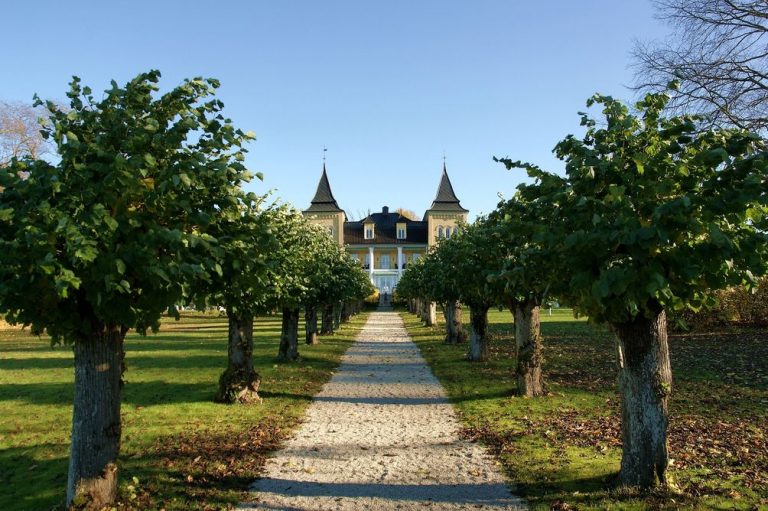
Feature image (on top): Refsnes gods (estate) outside Moss
Tiger King Producer Escaped to Norway

When a suspected arson fire in an insane tiger park In Oklahoma destroyed all of his footage, reality producer Rick Kirkman escaped to Norway. According to Variety, he’s making lots of reindeer stew and working on a documentary ‘about a man with an exciting double life’. Read more about the Tiger King producer who escaped to Norway.

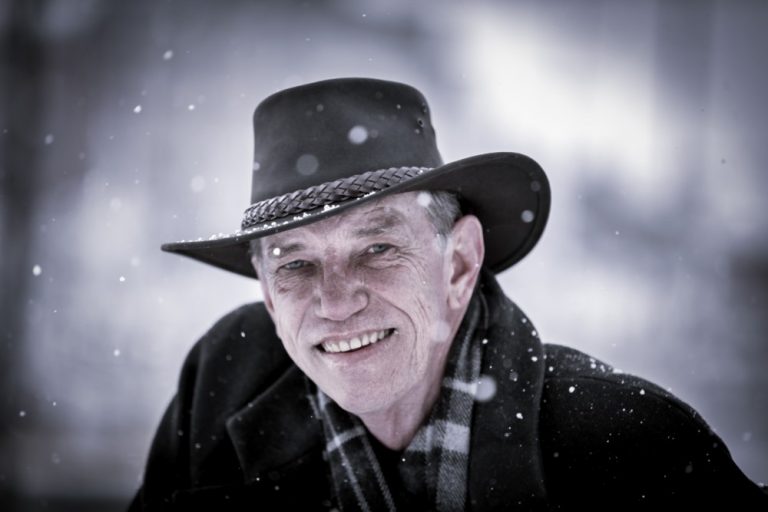
New York Magazine reported that his house in Texas caught on fire in the middle of the night and nearly killed him 6 months later. You may have seen Rick Kirkman wearing his wide-brim hat in Netflix’s original production of Tiger King.

Tiger King Producer Escaped to Norway
Rick Kirkman (61) moved to Bodø, Norway two years ago and married his Norwegian girlfriend. Photo: TV Junkie

You may also like: Hard Core Fishing and Champagne in Norway

Rick Kirkman (61) moved to Bodø, Norway two years ago and married his Norwegian girlfriend after a long career as a reporter and TV producer in the USA.

Began as a crime reporter in Las Vegas
Kirkman began his career in the television industry in the 1980s, first as a crime reporter in Las Vegas and then as a reporter for the CBS program “Inside Edition”. He became known for his so-called “participatory journalism”. For example, he participated in boxing matches against professional boxers, he has been wrestling a nine-foot alligator and has been shot out of a cannon.

Later, Kirkham moved onto Exotic’s Greater Wynnewood Zoo property to film a reality show about Joe Exotic. The deal was to boost the production value of Exotic’s somewhat unhinged web series. He stayed at Joe’s zoo in Oklahoma for almost one year. After the fire, he immediately left and had a nervous breakdown.

Tiger King Producer Escaped to Norway
Kirkham moved onto Exotic’s Greater Wynnewood Zoo property to film a reality show about Joe Exotic (above). Photo: Netflix

You may also like: The Fascinating Arctic Through The Eyes Of Irish Artist Blaise Drummond

A turbulent life
We may never know all of what Kirkham caught on tape, but he has quite the story of his own. His filmed diaries form the basis of the 2006 documentary “TV Junkie” is all about Rick Kirkman’s turbulent life. It was edited by directors Michael Cain and Matt Radecki and received the jury’s special award during the Sundance Festival that year.

In Netflix’s production Tiger King, there is a scene where Kirkham is interviewed sitting at a coffee table sipping on a cup of coffee. That scene is recorded at the Valkyrien restaurant in Oslo (photo below).

You may also like: One Of The World’s Best Ghost Towns

Tiger King Producer Escaped to Norway
In 2018, he married his girlfriend, teacher Kristin Elisabeth Rosøy, and tore to pieces his return ticket back to the United States. They met after she emailed him after watching “TV Junkie”.
Tiger King Producer Escaped to Norway
Kirkham at Valkyrien restaurant, Oslo. Photo: Screenshot

Kirkham now lives in Norway with his wife where he works as a freelance reporter for the local newspaper Bodø Nu. From time to time he also teaches Norwegian students of journalism.

«Rick is a fascinating person who has experienced the most incredible things. Now he has become a Bodø super patriot. He also makes a classic pickle that he often presents as Christmas presents to friends and acquaintances,” says creative director Rune Nilsen in Bodø nu, who shot our feature image.

Tiger King Producer Escaped To Norway, written by Tor Kjolberg

Daily Scandinavian thanks Rune Nilsen, creative director at Bodø Nu for permission to use his photo of Rick Kirkman as feature image (on top).

Scandinavia for First Timers: Trip Ideas

If you have already made up your mind to visit the land of the Vikings, you will not be disappointed. Although it can be a little on the pricey side, Scandinavian countries are definitely worth visiting. Read more about Scandinavia for first timers: Trip ideas.

With their beautiful scenic landscapes, almost fairytale-like cities, and clear blue waters, these countries will simply take your breath away. Here are some gorgeous places to visit if you are traveling to Scandinavia for the first time.

Scandinavia for First Timers: Trip Ideas
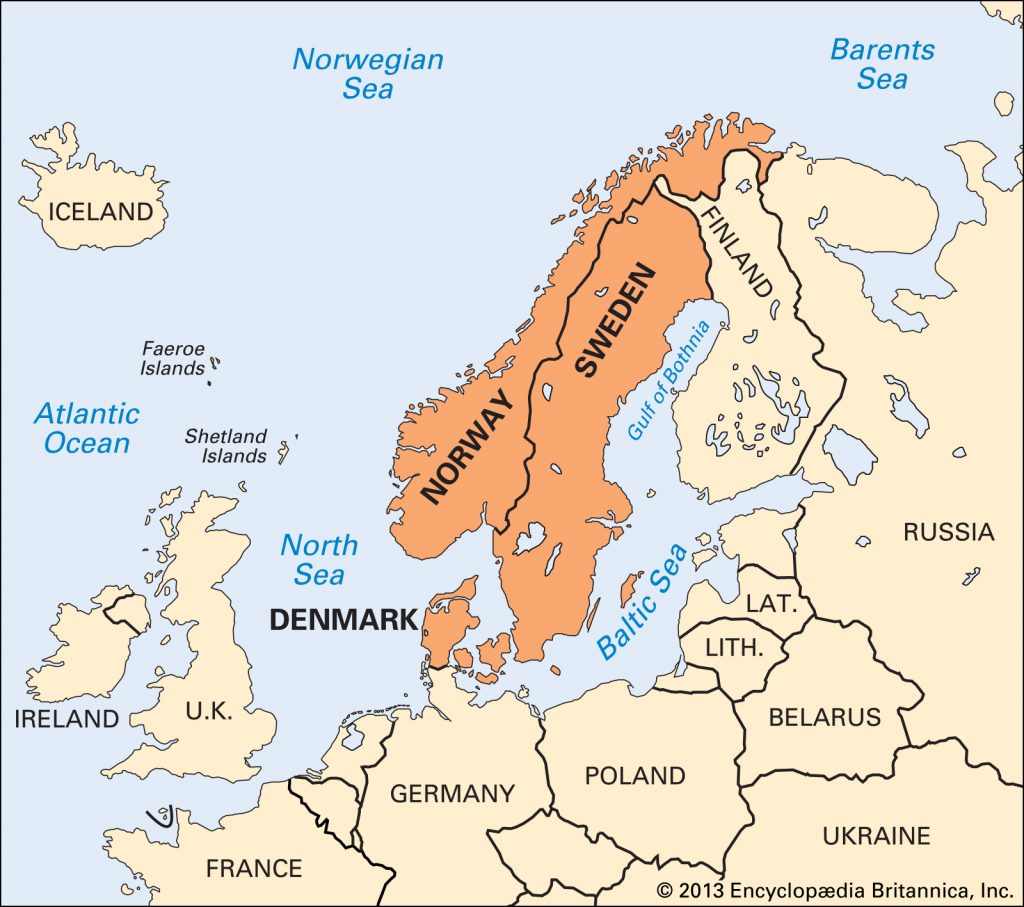
Map of Scandinavia

What countries make up Scandinavia?
Norway, Sweden and Denmark are the three Scandinavian countries. Finland and Iceland are sometimes included in a broader definition by some, but the correct term for all is the Nordic countries.

Visit the capitals
Although this is a prominent tourist choice, when it comes to Scandinavian countries, visiting the capital cities is a must.

Gamla Stan is the sole one thing you need to see in Stockholm. The old town is beautiful, with its colorful buildings and fantastic restaurants. Also, make sure to see the Vasa museum and the only 17th-century ship that is preserved, and its full size and glory.

With so much to see, walking is a great form of exercise during your trip, and you will do it a lot. One thing that is actually worth the ride is the Öresund bridge that connects Sweden and Denmark.

Next up is Copenhagen, the city of the fairytale heroine: The Little Mermaid. Copenhagen is also the city of excitement, and some people visit it only to see the Tivoli gardens, the fantastic amusement park.

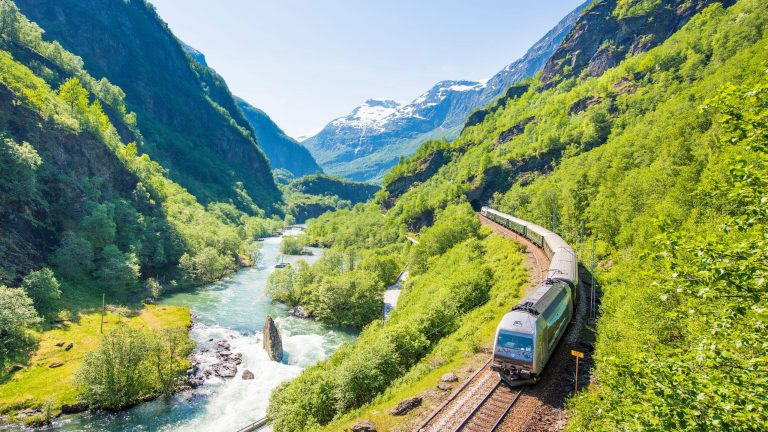
If you are not bored of ships from your visit to Stockholm, also make sure to see the Viking Ship Museum in Oslo. Also, prepare yourself for the most excellent adventure of all – the Flåm Railway, where you will be able to enjoy the gorgeous landscapes of Norwegian mountains. Flåm is a village in the Flåmsdalen valley which is located at the inner end of the Aurlandsfjorden, a branch of Sognefjorden.

Scandinavia for First Timers: Trip Ideas
Stockholm is worth a visit. Photo: Pixabay

Lofoten Islands, Norway
If you are not already in love with the landscapes in Scandinavia, the Lofoten Islands will change your mind. These small islands north of the Arctic circle are probably going to be the most beautiful places you have ever seen. The snowy, sharp mountains towering colorful fishing huts are something you could only read in a fairytale, or see in Norway. If you are an adventurer with a big love for outdoor activities, like hiking and kayaking, the trip to the Lofoten Islands will definitely be worth your time. Make sure to bring your camera, because you will find an Instagrammable landscape almost anywhere you go.

Scandinavia for First Timers: Trip Ideas
From Copenhagen Tivoli. Phito: Wikipedia commons

Visit Denmark’s amazing castles
Denmark is home to many beautiful castles. It is, after all, a very old monarchy. One of the tourists’ favorites is Amalienborg in Copenhagen, so make sure to visit it.

Frederiksborg Castle is also a good choice for everyone who wants to experience pure fairytale vibes. Beautiful lakes surround the castle, and the most magnificent gardens you will ever see. It is also a home to The Museum of National History where you can learn more about the fantastic history of Denmark.

See the whales in Norway
Whale watching is also a trendy tourist attraction, especially for the ones that have never seen these enormous creatures before. But also, for the returning watchers who simply enjoy the beauty of various whales you can see in these regions. Depending on which part you go, you can see minke whales, humpback whales, blue whales, sperm whales, and orcas. If you are really excited about the whales, you can sign up for a special offering from the whale safaris – swimming with whales.

If you are not already in love with Scandinavia, just by looking at its photos, you will be after you visit it. It is home to exciting adventures and beautiful architecture (also very odd at the time – like the ice hotel in Sweden), but it will definitely inspire you with its charm and beauty. Although pricey and cold, it is one of the most amazing corners of our Planet, and you will keep coming back for more.

Scandinavia for First Timers: Trip Ideas
Namanja Marinkoff

Scandinavia for First Timers: Trip Ideas, written for Daily Scandinavian by Nemanja Marinkoff. Nemanja is the editor-in-chief at WalkJogRunnet. He was born in Srpski Itebej, Serbia, and has lived in many countries since then. He absolutely adores marzipan and basketball. You can find him on Twitter.

Feature image (on top): Flåm railway, Norway. Photo: Visit Flåm

The Arts Council Norway Celebrating 55 Years

The establishment of the Arts Council was probably the single most important initiative in Norwegian cultural policy in the last century. Its foundation transformed cultural life, and helped to increase cultural production and consumption radically. This year, the Arts Council Norway is celebrating 55 years. 

Arts Council Norway, founded in 1965, is the primary governmental organization responsible for the implementation of Norwegian cultural policy. Arts Council Norway functions as an advisory body to the central government and public sector on cultural affairs, and is fully funded by the Ministry of Culture.

Related: Art and Culture in Norway

The Arts Council Norway Celebrating 55 Years
In 2019, Arts Council Norway provided NOK 949,5 million (USD 94 million) in funding to the Norwegian cultural sector to support a variety of projects and activities in performing and visual arts, music, literature, archives and museums, also introducing a new budget mechanism whereby allocations to the Sami Parliament in the fiscal budget were grouped as a single budget item under the Ministry of Local Government and Modernization. The Arts Council (Kulturrådet) currently has 136 employees.

The Arts Council Norway Celebrating 55 Years
Map of the Oslo National Academy of the Arts

Research and development
In order to meet future challenges, and to provide a solid platform for decision-making, the Arts Council develops, funds and commissions research programs, projects and publications. The R&D work strives to be investigative, non-dogmatic and seeks to involve a variety of academic traditions and perspectives. The R&D department publishes a series of evaluation reports and a book series with a wider thematic and theoretical scope.

Related: Art, Music and Architecture in the Polar Landscape of Norway

The role of art in society
Art plays a key role in a modern society. Art supports a wide range of experiences. It can be a purely aesthetic experience, and it can foster reflection and set the public agenda. Art participates in the important discussions regarding ethical values in a complex present. By creating shared experiences, art strengthens communities in an increasingly fragmented public sphere. Such communities are a prerequisite for maintaining and developing all liberal democracies. Art plays a part in the story of who we are, and discusses who we should be. Artists play an important role in the public discourse. This is why it is important that the cultural sector is independent so as to prevent public authorities from intervening in artistic choices.

The Arts Council Norway Celebrating 55 Years
Arts Council Norway – Research and Development

Art and education
Norwegian cultural policy is characterized by an ideology of democratization, which has prompted an alliance between the culture and education sectors, aiming to render arts and culture available to every child. The concept of Bildung is prominent in that respect, harboring a potential in explaining the discourse behind much educational and cultural policy.

Related: The Coolest Library in the World – for Kids

Perspectives on aesthetic quality in the cultural field
A research program aims at raising awareness of, and reflecting on, the basis for the evaluation of aesthetic quality in the cultural field, including literature, music, the visual and performing arts, and the museums. The program was started in 2014, and will involve researchers from various academic institutions.

Art and cultural arenas
In recent years, there has been significant investment in new arenas for art and culture in Norway. At the same time, improvements in the physical infrastructure for arts and culture have been paralleled by new ways art is created and communicated. There has been important cultural-political debate over whether these two processes are related to each other. These issues were addressed in a research project conducted by Uni Research Rokkan Centre.

The Norwegian music and literature industry
The purpose of this project was to estimate the economic value of the Norwegian literature and music industries. The data collected for this project intends to shed light on how the music and literature industry is developing, and to illustrate how different segments have varied over time. The project is carried out by Rambøll Management Consulting

Church music in Norway
Church music has long traditions in Norway, and has become an important part of the church’s religious mission. At the same time, church music has unique aesthetic qualities independent of the religious context. The aim of this project is to provide knowledge on recent developments within this musical branch, through exploring both organizational and aesthetic conditions for professional church music in Norway.  The Telemark Research Institute was conducting the research in cooperation with the Norwegian Academy of Music and KIFO.

The Arts Council Norway Celebrating 55 Years
Culture in corona crisis time

Culture in Norway in corona crisis times
“The corona crisis goes very far beyond the cultural sector and we need to analyze the situation and identify necessary measures,” says Kristin Danielsen. Menon Economics will assist Arts Council Norway with the analysis project, which started two weeks ago and lasts until the summer holidays.

Feature image (on top): Art and conflict/University of Agder.

The Arts Council Norway Celebrating 55 Years, compiled and edited by Tor Kjolberg

What Did A Swedish Hollywood Director Do During Quarantine Times?

Swedish film director David F. Sandberg made a horror movie in his own house starring his wife. Read more about what the Swedish Hollywood director did during quarantine times.

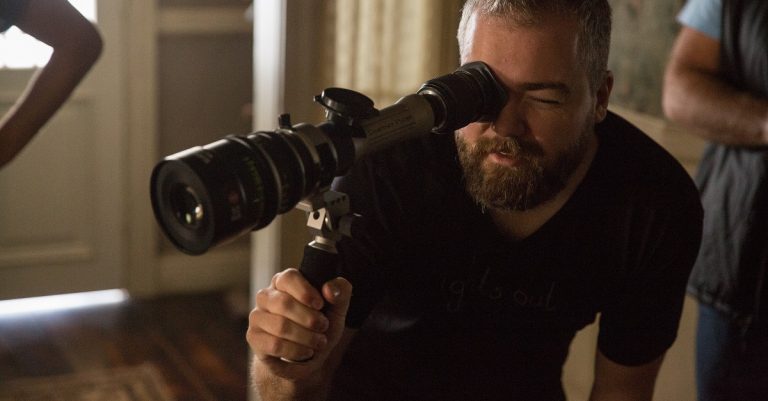
In these Corona times when all of us more or less has been stuck indoor, the Hollywood director from far north in Sweden has done what he does best, made a new creepy 3 minutes horror film starring his wife Lotta Losten with almost no budget. The film is about a woman tormented by something malevolent and supernatural.

What Did A Swedish Hollywood Director Do During Quarantine Times?
In these Corona times when all of us more or less are stuck indoor, the Hollywood director from far north in Sweden has done what he does best, made a new creepy horror film

Lived on 10 kronor tubes of bean soup
Things weren’t looking brilliant for David Sandberg around 2013 when he had to sell his TV and couch and live on 10 kronor tubes of bean soup. Sandberg had quit his job as a visual effects artist and stopped doing commercials. He wanted to make a movie inspired by Miami Vice. His main problem, however, was that he had never made a feature before.

Related: Swedish Prize Winner Shooting a Follow-Up

In 2014, the trailer for Kung Fury became the most watched trailer ever for a Swedish film, with almost 13 million YouTube views. Later, Sandberg gained popularity by injecting a level of charm and fun in the comic book movie sphere by helming ‘Shazami’.

Lights out for Sandberg
Sandberg’s claim to fame was the short horror film “Lights Out”, which was later turned into a feature film. Recently, he has returned to that format with ‘Shadowed’ which is perfect for making everyone’s self-imposed isolation a living nightmare.

Via Twitter, Sandberg has released his spooky, three-minute horror film which he calls a ‘companion piece’ to ‘Lights Out’. “It’s best to watch loud in the dark,” he says. His wife, co-director and brilliant actress Lotta Losten plays an unnamed woman who thinks she’s alone in her house, but it turns out she’s wrong – dead wrong.

Related: Ingmar Bergman’s Passion

What Did A Swedish Hollywood Director Do During Quarantine Times?
His wife, co-director and brilliant actress Lotta Losten plays an unnamed woman who thinks she’s alone in her house

Scaring dark figures
Sandberg knows how to use dark figures that pop up when we stare too long into the dark voids of our own homes. Sandberg, who was born in Kiruna, but moved to Umeå aged three months, has like many other filmmakers and movie stars found his way to reach his audience from behind closed doors. He has also posted videos showing how the films were put together, showcasing how you can make a great-looking short film for next to no budget. Well, it helps if you have some talent.

What Does A Swedish Hollywood Director Do During Quarantine Times?
What Sandberg seems very good at is timing. He has released this short horror film at a time when going out wasn’t an option. And after watching this, you’re bound to see some freaky things moving around in your house.

“It has been a lot of bean soup, more hard work and more overwhelming than I ever could have expected…. But it’s been an awesome journey and this is only the beginning,” says David Sandberg.

You can watch Shadowed here:


What Does A Swedish Hollywood Director Do During Quarantine Times? written by Tor Kjolberg

Smart and Entertaining Norwegian Novel

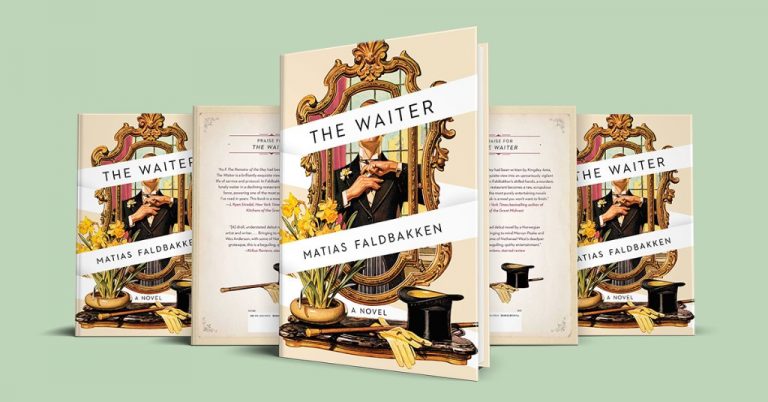
Norwegian author Matias Faldbakken’s novel The Waitor is a story of waiters and regulars, bar-managers and cloakroom managers, chandeliers and mezzanines, storage cellars and in-house pianists. The result is a smart and entertaining novel.

The Waiter (English translation 2018 – original title The Hills) is a finely tuned story of a grand European restaurant that has seen better days. Its continental interior greets the visitors as they enter the premises surrounded by walls covered in portraits, drawings, paintings and stamps. The one who guides the reader through this landscape is a waiter, a veteran of thirteen years. One day, the restaurant The Hills is irrevocably upset by an unexpected guest, a young woman who’s taking a seat among the regulars.

Smart and Entertaining Norwegian Novel
Norwegian author Matias Faldbakken (b. 1973), has unanimously been hailed as the freshest new voice to emerge in Norwegian literature during the past decade. Photo: Wikipedia commons

Related: A Norwegian Author’s Love for Germany

A captivating study
Normally, there is scarcely any contact between the tables in The Hills, but this young woman upsets the delicate balance of all the establishment has come to represent. The Waiter is an unexpected smart and entertaining novel about collapsing structures and a world caught somewhere between diligence and decay. Matias Faldbakken has a rare talent for observation and an uncompromising eye for detail and humor. He pushes the performances of the novel to the point of absurdity and at the same time in a manner that evokes a sense of unease as well as gravity. The novel is a captivating study in miniature and seems so effortlessly and candidly written.

Smart and Entertaining Norwegian Novel
From Strong Words Magazine

Reviews
“As if The Remains of the Day had been written by Kingsley Amis, The Waiter is a brilliantly exquisite view into an uproariously vigilant life of service and protocol. In Faldbakken’s skilled hands, a mordant, lonely waiter in a declining restaurant becomes a raw, scrupulous force, powering one of the most purely entertaining novels I’ve read in years. This book is a meal you won’t want to finish.” J. Ryan Stradal.

Related: Best-selling Norwegian Author Maja Lunde

The New York Times Book Review, US wrote, “Faldbakken has a way with nonaction. He builds a delicious tension between the paucity of events and the lavishness of the technique with which they are described. His waiter, though taciturn while on duty, is a chatterbox as a narrator, providing a busy, intricate analysis until each minor stumble achieves seismic status. Played in slow motion, his malfunctions unspool as slapstick with an undertow of dread. As the story moves along, the waiter loses his sense of who he is and what he’s supposed to be doing so completely that he starts to seem like a man who could do anything. He’s like Travis Bickle played by Buster Keaton.”

Related: Fishy Tales From Award-Winning Norwegian Author

Smart and Entertaining Norwegian Novel
From Los Angeles Times

About Matias Faldbakken
Norwegian author Matias Faldbakken (b. 1973), has unanimously been hailed as the freshest new voice to emerge in Norwegian literature during the past decade. He made his literary debut in 2001, with the much praised and award-winning The Cocka Hola Company – Scandinavian Misanthropy I.

Two years later, it was followed by the equally critically acclaimed and fervidly debated Macht und Rebel – Scandinavian Misanthropy II. In Spring 2008, Matias Faldbakken brought the trilogy to a close with Unfun – Scandinavian Misanthropy III, thereby completing one of the most exciting and original literary projects in contemporary Scandinavian fiction. The Waiter is Faldbakken’s first novel in nine years and the very first he writes under his own name.

Smart and Entertaining Norwegian Novel translated into French
The Waiter has recently been translated into French and received extensive reviews in La Monde, L’Express and Le Figaro. Faldbakken’s novel will be published by the prestigious French publisher Fayard.

Smart and Entertaining Norwegian Novel, written by Tor Kjolberg

One Of The Most Visited Areas Of Sweden

The island of Öland, off the east coast of Sweden, is one of the most visited areas of Sweden and, with its diverse landscape and superb beaches, it is a paradise for birdwatchers, nature lovers and sun-worshippers. Read more about one of the most visited areas of Sweden.

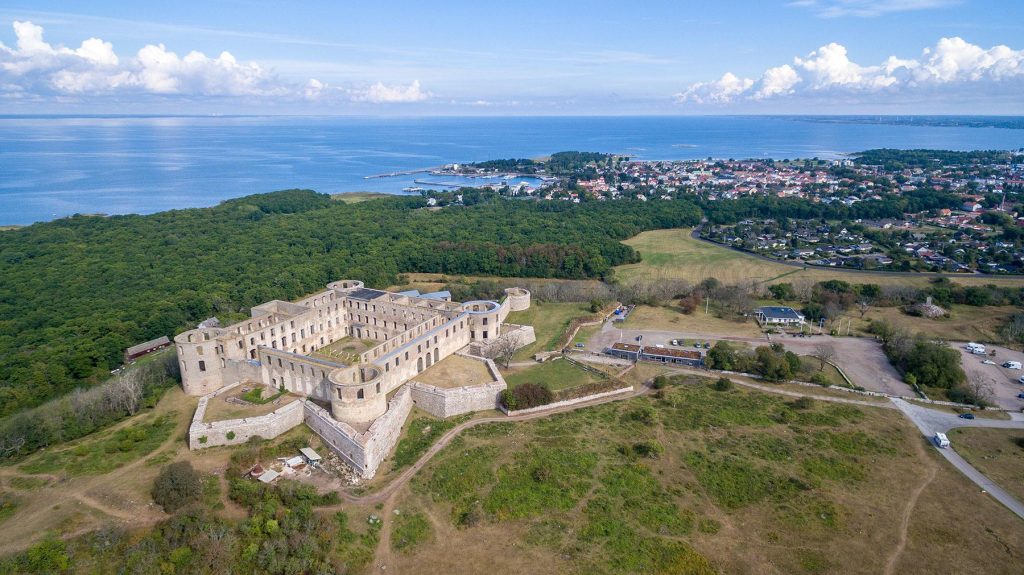
Above the main town of Borgholm rise the huge ruins of Borgholm Castle, a once splendid residence from the 12th century.

The burial places of Öland
The area has many ancient burial places, and there are remains of 16 fortified dwellings from earlier times. The most interesting is Eketorp, which has been reconstructed and now hums with medieval re-enactors and craftspeople in summer.

One Of The Most Visited Areas Of Sweden
Borghom castle. Photo: Visit Sweden

Related: Öland, Sweden’s Enchanting Island

Bird-watching paradise
Sweden’s prime bird-watching can be enjoyed at the Ottenby Bird Station, on the island’s southerly tip, where more than 370 species have been recorded.

Historical and beautiful
Nearby, you can see Karl X’s Wall, impressive for its sheer size; it was built in 1650 to distinguish Ottenby’s domain and keep out peasant’s animals.

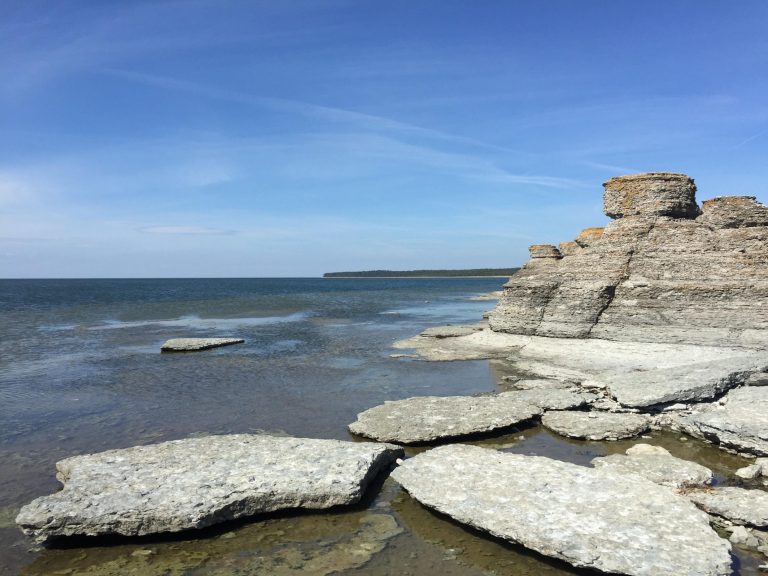
Stora Albaret, an expanse of bare limestone soil in central southern Öland, is a starkly beautiful landscape offering rare flowers and flocks of cranes in the autumn.

One Of The Most Visited Areas Of Sweden
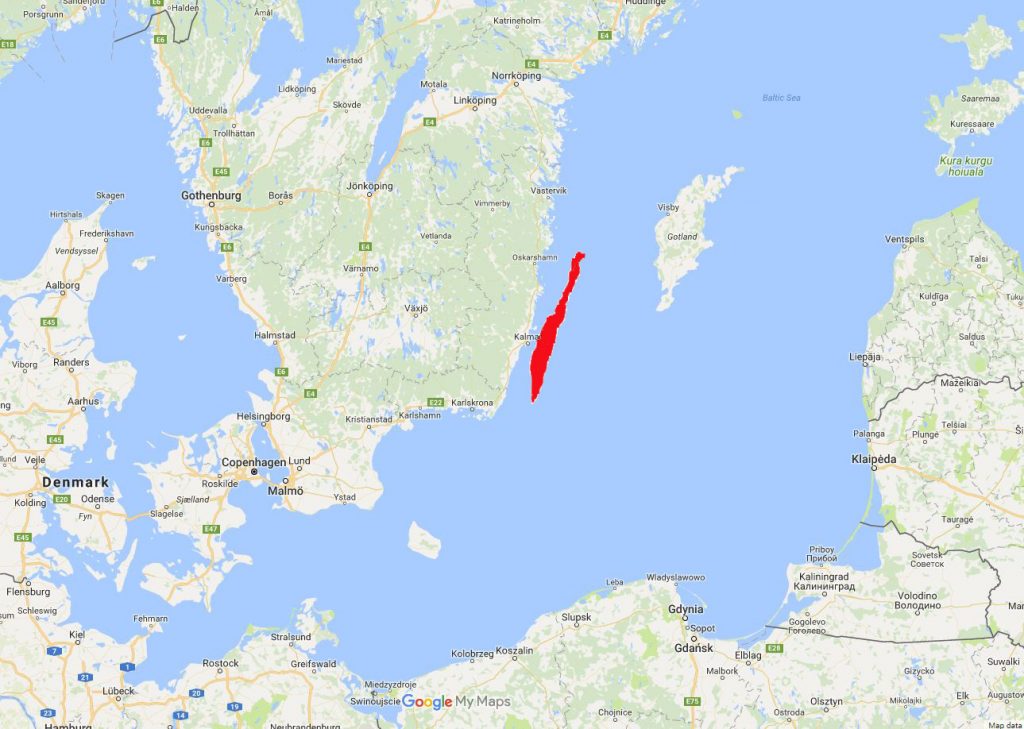
Öland, off the east coast of Sweden

Related: The Castles and Manor Houses in Southern Sweden

Sweden’s best-preserved Renaissance castle
Kalmar, one of Sweden’s oldest cities, was of great importance in the Swedish-Danish wars. Sweden’s best-preserved Renaissance castle, Kalmar Slott was begun in the 12th century but was completely renovated during the 16th century by the Vasa kings. The castle’s coffered ceilings and magnificent stonework have inspired the Renaissance Festival held every July, featuring tournament games, market, music and theatre.

One Of The Most Visited Areas Of Sweden
Kosta Boda Art Hotel

Kingdom of glass
Northwest of Kalmar, about 20 km (12 miles) is Orrefors, part of Sweden’s Glass Kingdom. The first glass was melted in Sweden in 1556, but it was not established as an industry until 1742, when Kosta, the oldest works, was founded to the west of Orrefors.

Today, the Kosta, Orefors and Åfors glassworks have merged to create one mighty glass-making company; you’ll find its wares marketed under both the brand names “Kosta Boda” and “Orrefors”. Most of the 13 glassworks in the area are open to visitors for demonstration, and many have shops.

One Of The Most Visited Areas Of Sweden
Biking on Öland. Photo: Miriam Eriksson/Visit Sweden

Glasswork herring nights
Also look for hyttsill (“glassworks herring”) evenings. In bygone times the glassworks were a social center where locals would gather to bake herring and potatoes in the furnace, with music provided by an accordionist or fiddler. Some glassworks have revived this tradition for visitors.

Feature image (on top): Visit Sweden.

One Of The Most Visited Areas Of Sweden, written by Tor Kjolberg

Top 8 Norse Mythology Resources for Students Studying Runic Writing System

The representation of the gods, life, and the worldview itself in Ancient Scandinavia was uniquely fabulous and quite bright in comparison to other mythological systems known to us. Read more about the Top 8 Norse Mythology Resources for Students Studying Runic Writing System

Before I properly researched the topic, I ordered my paper from EssayWritingService.com. There, you will get assistance from experienced professionals who will use credible sources only. Yet, if you want to get the hang of the subject in question yourself – continue reading.

In this article, we have tried to cover the most important aspects of Norse Mythology for the students studying the runic writing system.

Top 8 Norse Mythology Resources for Students Studying Runic Writing System
Paul Rhys Mountfort’s book on runes

Nordic Runes: Understanding, Casting, and Interpreting the Ancient Viking Oracle by Paul Rhys Mountfort
The book by Paul Rhys Mountfort, a researcher of runic tradition, will immerse you in the rich history of the ancient Viking Oracle.

It will help one learn about the mythological, magical, and practical meaning of the runes. For the first time, twenty-four runes of Senior Futhark are considered by the author not only as a means of divination.

They are seen as keys to the rich mythological heritage of the world of the North. This knowledge will give you the opportunity to work with runes and their secret meanings at a deeper level.

The book also contains tips for individual research on runes, fortune-telling practice, which will be useful to practitioners of runology.

Related: Language of the Vikings

Top 8 Norse Mythology Resources for Students Studying Runic Writing System
The Secret of the Runes is Guido von List’s main work on runic art

The Secret of the Runes by Guido von List
The Secret of the Runes is Guido von List’s main work on runic art. It has been translated into many European languages as of now. The runes have always been the author’s favorite subject. They allowed him to explore ancient symbols and images, interpret songs, and develop mystical concepts.

It is not by accident that von List’s development in the field of runes mysticism and magic are his main heritage. The whole school of runic magic, now widely spread around the world, originates from this work and the works of his successors.

Top 8 Norse Mythology Resources for Students Studying Runic Writing System
Pennic’s book on runes

Secrets of the Runes: Discover the Magic of the Ancient Runic Alphabet by Nigel Pennick
This unique book is dedicated to the esotericism of the Jewish and Greek alphabets, the Scandinavian runes, as well as the magical and alchemical alphabets of Renaissance Europe.

All these symbolic systems do not only offer a metaphysical description of reality. They also serve as tools for internal spiritual transformation.

They are closely related to numerology, operational, and ceremonial magic. Nigel Pennick is a true expert on runes, geomancy, Tarot, ancient and modern Western magical traditions.

Top 8 Norse Mythology Resources for Students Studying Runic Writing System
Futhark by Edred Thorsson

A Handbook of Rune Magic by Edred Thorsson
This book by a famous author-runologist, Edred Thorsson, covers the history of the runes. It also sheds light on the symbolic meaning of signs, as well as the practical application of this sacred knowledge.

The researchers of the runes, and all who are interested in the northern tradition, will be involved in a scientific approach to the coverage of this issue.

The book is a detailed account of the origin and meaning of runes and Norse mythology.

Top 8 Norse Mythology Resources for Students Studying Runic Writing System
Lisa Perchel on runes

A Practical Guide to the Runes: Their Uses in Divination and Magic by Lisa Peschel
The author’s goal was to describe in detail the runic system that can help people understand the world for the better.

Beginners and experts will be able to get lots of useful information relating to the meaning of individual runes in divination and magic.

The four runes layout, methods of manufacturing of runes and talismans are covered in this book. You will learn about each rune, learn its meaning, and the process of making the runes yourself.

Related: The Saga of the Volsungs

Top 8 Norse Mythology Resources for Students Studying Runic Writing System
Ralph H. Blum on runes

The Book of Runes by Ralph Blum
The Book of Runes by contemporary American author Ralph Blum was first published in 1982 by St. Martin Press. Immediately it attracted the attention of many people interested in many spheres.

It was discussed by whose into esotericism, psychoanalysis, and applied psychology. It is one of the most popular books in the world about runes.

Ralph Blum has managed to describe the centuries-old mystical tradition of interpretation of runes in a simple, clear, understandable to modern man language. Thus, his “Book of Runes” has deservedly become an international bestseller.

Top 8 Norse Mythology Resources for Students Studying Runic Writing System
Kenneth Meadows on runes

Rune Power: The Secret Knowledge of the Wise Ones by Kenneth Meadows
This book tells about the most mysterious means of influencing fate, which is runes. They can be treated in different ways: as a means to achieve wealth and power, or to predict fate.

You will learn how our choices and actions create an energy pattern that defines reality and shapes our future and destiny.

Despite the small volume of the book, it contains quite a lot of useful information presented in easy to understand language.

Top 8 Norse Mythology Resources for Students Studying Runic Writing System
Thomas Karlsson on runes

Uthark: Nightside of the Runes by Thomas Karlsson
The magical power of runes has been known since ancient times. In our time, the extraordinary influence of runes and the presence of some unexplored energy has been confirmed even by research.

Runes heal, protect health and success, predict the future. Nordic magic is one of the strongest magic schools in the world. It is based on the power of the runes.

The strongest magical rituals and rites in Scandinavia are listed in this book.

Related: Norwegian Viking Saga Confirmed

Top 8 Norse Mythology Resources for Students Studying Runic Writing System – Final Words
In today’s world, Scandinavian mythology is still popular and actively sought after among scientists. The times when secret knowledge was only transmitted by word of mouth are long gone.

So as a student interested in this topic, try to get as many benefits as possible. Choose a book or a few from our list and enhance your knowledge!

Top 8 Norse Mythology Resources for Students Studying Runic Writing System, written for Daily Scandinavian by Leroy Fowler.

The Classic Norwegian Sweater That Became a Fashion Hit

Dale of Norway has made the knit sweater world famous. Both Ralph Lauren and Dolce & Gabbana have used Norwegian traditional patterns, and now the Dale sweaters have become more fashionable than ever. Read more about the classic Norwegian Sweater that became a fashion hit.

The village of Dale in Norway is nestled between steep mountains, waterfalls and fjords on the west coast of Norway about 50 kilometres (31 miles) west of Bergen. In 1872, the Bergen-born textile engineer, Peder Jebsen (1824–1892) traveled through the small village of Dale, located close to the city of Bergen. He recognized Dale as an ideal place to establish a premium textile production facility utilizing the valley’s potential for natural hydro power and easy access to Norwegian wool and strong knitting traditions. In 1879, when the textile facility was completed, he moved back from England, where he lived at that time, to the valley of Dale in Norway.

The Classic Norwegian Sweater That Became a Fashion Hit
Ordinary people at Dale find it hard to understand the dimensions of the brand that Dale represents

Related: The Norwegian Knitting Celebrities

Focus on crafting premium wool qualities
From the beginning, the focus was set on crafting premium wool qualities. The factory quickly grew to be the largest employer in the region. Skilled knitters and artisans joined the company, often followed by their family members. Subsequently, this experience and expertise was passed on to the next generation.

Starting in 1912, the operation included the production of hand-knitted yarn. Norwegian sweaters, popular among skiers, have been synonymous with the sport of skiing since early 1900s, but knitted garments found in Norway have been dated as far back as between 1476 and 1525. Some of the most well-known sweater patterns attributed to Norwegian colorwork knitting are the Setesdal Lusekofte and the Fanacofte patterns.

The Classic Norwegian Sweater That Became a Fashion Hit
Dale wes an ideal place to establish a premium textile production facility utilizing the valley’s potential for natural hydro power

Related: Glorious Colors From Norway For 25 Years

Branding Norway
After World War II, Dale of Norway developed exports of its knitted sweaters, and since 1956, Dale of Norway has designed and produced official Olympic and World Championship sweaters for the Norwegian National Alpine Ski Team, with new designs for every event. Dale of Norway was later chosen to design the official sweaters for the Winter Olympic Games through the International Olympic Committee (IOC), with the rights to use the Olympic symbols.

When Dale of Norway celebrated its 125th anniversary in 2004, author and social scientist Ole Petter Lien wrote in the anniversary book: “I believe ordinary people at Dale find it hard to understand the dimensions of the brand that Dale represents.” When Arnold Schwarzenegger visited Norway in 2011, Dale of Norway was on his bucket list.

The Classic Norwegian Sweater That Became a Fashion Hit
Dale of Norway is one of the very few textile companies with production in Norway

Related: World Famous Knitwear From Dale in Norway

The Classic Norwegian Sweater That Became a Fashion Hit
Dale of Norway is one of the very few textile companies with production in Norway. It’s paid close attention to every garment and every stage of the production. Fast forward to 2020, not much has changed. When Thinsulate and NASA technologies commit to keeping us warm, there are few items in an outdoor enthusiast’s closet quite as classic – and timeless – as a Dale of Norway sweater.

All Dale of Norway sweaters continue to be made in the Dale Valley, where production continues to be generated by sustainable hydroelectricity. Dale’s knitwear is also crafted with 100% natural wool — a resource Dale likes to call “nature’s own high-tech fiber.”

In 2017, The French Rossignol Group acquired Dale of Norway for an undisclosed sum.

The Classic Norwegian Sweater That Became a Fashion Hit, written by Tor Kjolberg

How is Scandinavia Solving the Economic Corona-Crises?

Three independent Scandinavian countries, Denmark, Sweden and Norway, have different ways of solving the financial corona-crisis. The Danish government is covering 75 to 90 percent of all worker salaries, Norway uses stabilizing measures, such as deferred tax payments and tax relief and Sweden launches financial aid packages and political solutions. Read more about how Scandinavia is solving the economic corona-crises.

Political parties in Denmark from across the ideological spectrum have joined with labor unions and employers’ associations to unite and launch a rescue package covering 75 to 90 percent of all workers salaries over the next three months, provided that companies refrain from layoffs.

Counteracting reduced activity
The Norwegian government passed a crisis package to counteract reduced activity in the business sector. One of the measures adopted was to postpone the payment of advance tax by self-employed persons, from March 15 to the 1st of May.

How is Scandinavia Solving the Economic Corona-Crises?
Botanical gardens Copenhagen website

Related: Sweden’s Corona Immunity Strategy Seems To Be Successful

Sweden has introduced a new system for shortening work hours, while the employees still retains 90 percent of their original pay. The state will cover a large portion of the costs. The state will also take on all the costs related to employee sick leave in April and May.

Paying rents for companies
The governments of Denmark and Norway have also agreed to cover costs like paying rent for companies and compensation for shortfall in revenues due to their lockdown of companies in fear of spreading the virus. Norway’s government has agreed a massive support package with opposition parties of 20bn Norwegian kroner (2bn USD) a month in support to companies hit by the lockdown.

The aim of the Scandinavia approach is to prevent the wrenching experience of mass unemployment and at the same time allowing businesses to retain their people rather than firing and hiring them again. Companies is supposed to be in a position to quickly resume operations and restoring economic growth once normalcy returns.

How is Scandinavia Solving the Economic Corona-Crises?
Parliament building, Oslo – Norway

Related: Coronavirus in Sweden: Business as Usual

Expedite the return to normal
“If you can tide firms over by quickly produce exceptional initiatives and thereby reduce the severity of bankruptcies and firings, you can expedite the return to normal,” said Carl-Johan Dalgaard, an economist at the University of Copenhagen and chair of the Danish Economic Council.

The Norwegian rescue plan sees value added tax reduced to six percent for many industries up until 31 October 2020, and postpone payment of special taxes on the energy and brewing industries until June. The Norwegian package also intended to provide cash support for small businesses, such as hairdressers, which lost their income.

Sweden benefits from having had several years of a booming economy, but Sweden’s central bank, the Riksbank, has left the country’s key interest rate unchanged – but did not rule out cutting it below zero further down the road. Sweden, which has had a relatively softer approach to coronavirus lockdown than in many other countries is still expecting to be hit hard by the crisis. The Riksbank states that it is difficult to say at this stage exactly how deep the economic downturn will be.

How is Scandinavia Solving the Economic Corona-Crises?
Karolinska hospial, Stockholm

Related: Coronavirus: What It Means For Your Visit To Scandinavia – Or Elsewhere

Extraordinary amounts of government money
Part of the reason why Scandinavian countries could quickly pledge extraordinary amounts of government money is that they are already financing some of the world’s most generous social safety net programs.

In Norway, the government has agreed to provide an extra 5bn Norwegian kroner in funding for the country’s municipalities, and a billion kroner in extra infrastructure spending on roads and railways.

Sweden fears that unemployment could rise to 10.1 percent this year in the worst-case scenario, with a further rise to 10.4 percent next year. GDP meanwhile, according to the same estimate, could fall by -9.7 percent this year, and slowly climb back with a 1.7 percent recovery in 2021.

Various contagion measures
The Scandinavian countries have implemented various contagion measures that affect the economy differently. In Norway and Denmark, hairdressers, dentists, gyms and many restaurants had to close overnight due to the restrictions. In Sweden, these have remained open all the way. Although economic measures may indicate that Swedish companies can do better than their neighbors, it is too early to conclude.

How is Scandinavia Solving the Economic Corona-Crises? written by Tor Kjolberg