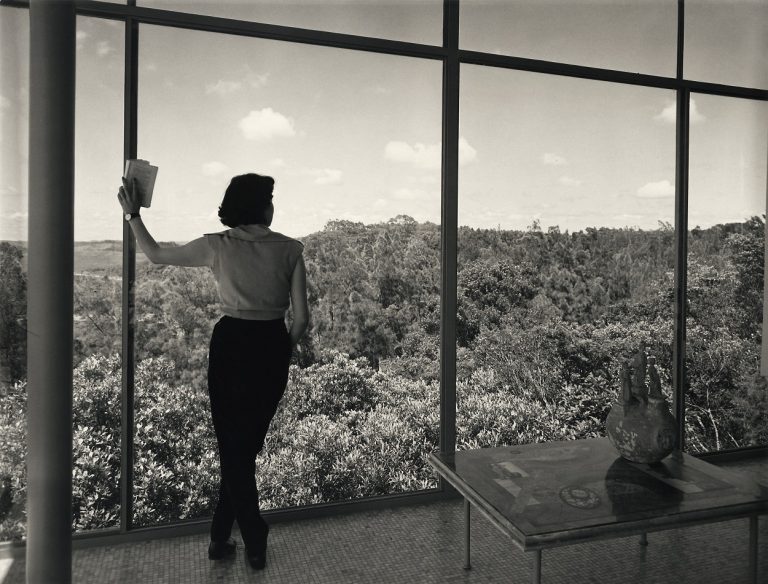
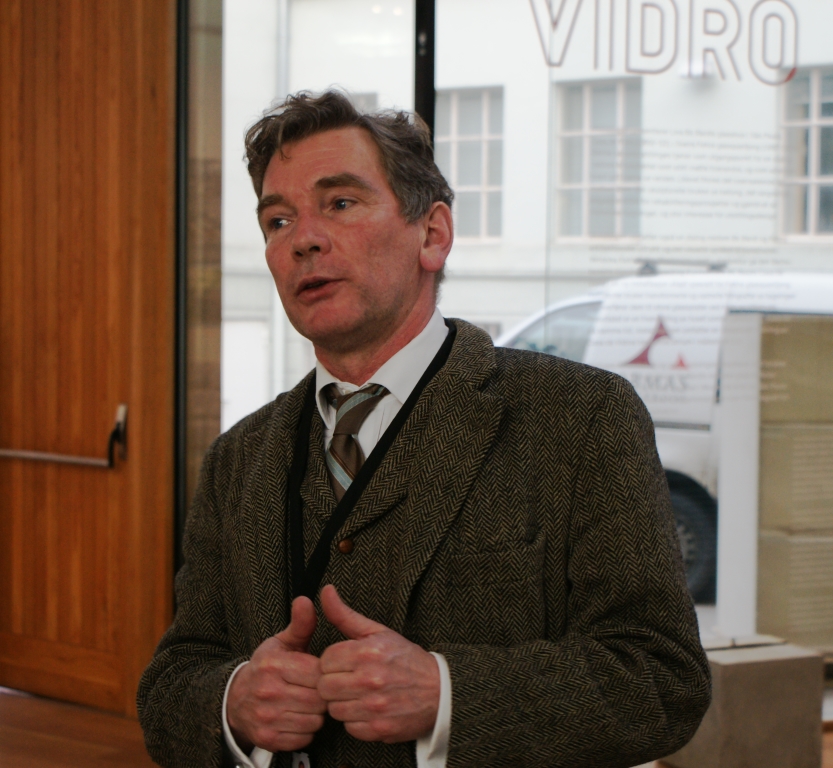
The Brazilian architect Lina Bo Bardi and the Norwegian architect Sverre Fehn never met. Still there are surprising similarities between their respective oeuvres. An exhibition at the National Museum of Architecture in Oslo, shows how two architects, working in distant corners of the world, promoted the glasshouse as a symbol of mental liberation.
Lina Bo Bardi
Around the time of World War I, German expressionist architects wrote ardent manifestos about glass structures that would contribute to the moral health of future society. Later architects with links to the so-called international style insisted that homes with glass enhanced the occupant’s experience of the need to contemplate nature.
Sverre Fehn. Photo: Anne Plau Hoel
The exhibition presents Lina Bo Bardi’s glasshouse in Sâo
Paulo, Casa de Vidro (1950-52), inside Sverre Fehn’s glass pavilion (1997-2008). The juxtaposition serves as a starting point for a dialogue between these two architects who never met but shared an interest in the careful integration of their designs into the surrounding landscape. It seems logically consistent that both architects integrated trees into their buildings.
Casa de Vidro. Photo: Peter Scheier 1951
The National Museum of Architecture has also commissioned the Berlin-based artist Veronika Kellndorfer to reflect Bo Bardi’s Casa de Vidro in a new installation created especially for Fehn’s glass pavilion. Kellndorfer employs transformed and rasterized photographs of the building which are silkscreened onto huge glass sheets, creating a representation of the house that is at once spectral and painterly. The installation included a sculptural re-enactment of Casa de Vidro’s suspended patio on the scale 1:2.
Treehouse, by Veronika Kellndorfer
In the Vault, the exhibition also includes presentations in architectural journals that shed light on Norwegian architects’ reception of influential international models, some of them hitherto little-known drawings of projects that are now considered masterpieces of Norwegian modern architecture.
National Museum – Architecture, Oslo. Photo: Tor Kjolberg
The Bardi-Fehn exhibition in the Pavilion is on display until 14 May, while the glasshouse exhibition in the Vault will run until 13 August.
Curator Markus Richter
The exhibition curator for “Casa de Vidro: Lina Bo Bardi in Dialogue with Sverre Fehn” in the Pavilion is Markus Richter, while the exhibition curators for “The Norwegian Glasshouse” in the vault are Talette Rørvik Simonsen and Markus Richter.
Nordic Pavilion Venice,, 2010
Feature image (on top): Lina Bo Bardi in Casa de Vidro, Sâo Paulo
Norwegian architects Snøhetta has completed a new treetop cabin, “the seventh room”, for the Treehotel in Harads, northern Sweden.
The “7th room” hangs 10 meters up in the air
What began with a viewing of a film about a small tree house, has now become one of the coolest hotels in the world.
Treehotel was recently awarded the Mr & Mrs Smiths “Best Family Hotel”within boutique hotels, and the new room goes along perfectly with the family theme, having room for up to 5 guests.
One of the most spectacular features at the Treehotel is the patio which consists of a net – perfect for observing the Northern Lights.
Enjoy a comfortable stay
The “7th room” hangs 10 meters up in the air. And of today, new and old guests are welcomed to stay up in the tree crowns, with a close view of the northern lights during autumn and winter.
You can even sleep outside! The cabin is designed for five people and the facade consists of a black, charred wooden surface, unlike any of the other Treehotel rooms. Architect: Jenny Olufsen from the world-renowned design and architect firm Snøhetta. The Norwegian crew is also behind the re-designed SFMoMA in San Francisco, the contemporary version of the classic library in Alexandria, as well as the landmark Oslo Opera House.
Architecture: Snøhetta
The founders of Treehotel were inspired by a Swedish documentary about a city dweller who wanted to escape the city summer and move into a tree house along the Lule River. An idea had been planted. And from the moment it started to take shape and become a reality, it has always been about grand design.
Treehotel view
“And in summer, you can actually sleep on the balcony, under the sky,” says Kent Lindvall at Treehotel. “There are no mosquitoes ten meters up in the air, you know.”
Maihaugen in Lillehammer is Norway’s largest open-air museum outside of Oslo. The museum offers more than 200 buildings from different eras, superb cultural experiences, a variety of activities for children and adults, numerous exhibitions and several places to eat.
Last year Maihaugen has had a solid increase in visits; over 17,000 more visitors compared to 2015. The increase is represented by both foreign tourists and Norwegians, and in particular more guests from Asia.
Bjornstad farm
“We have succeeded in our marketing strategy,” says marketing manager Trude Arnesen.
Anders Sandvig, the founder of Maihaugen Xylograph by Hans Christian Olsen. Photo: Audbjørn Rønning/Maihaugen.
Maihaugen is open all year and has a varied program. During summer the museum is an Eldorado for children and adults with a lot of activities on the schedule.
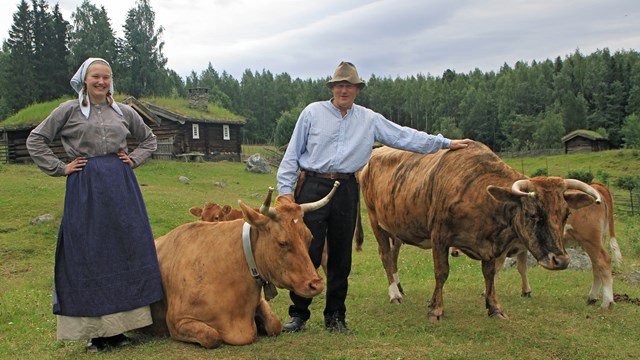
At Maihaugen visitors can experience life like it was 200 years ago, participate in exciting walking plays and visit houses from different decades during the 1900’s. Take a walk amongst the sunburnt buildings and take a stop to watch traditional crafts and the animals that are grazing in the fields.
Exciting exhibitions of different kinds are offered all year at Maihaugen.
The origins of Maihaugen can be traced back to 1887
Dragonhead at Garmo stave church. Photro: Kaare Dehlie Thorsdtad
Anders Sandvig was a dentist and arrived in Lillehammer in 1885. He started collecting artefacts two years later, because of childhood memories and feelings,as well as a concern that the local cultural heritage would be taken away from the district, especially to the Nordiska Museum in Stockholm.
His first purchase was an altarpiece from Lillehammer church, and he also bought a carved wooden beer mug with apostle figures. He travelled through Gudbrandsdalen, practicising dentistry, and used his free time to buy old artefacts. He exhibited these in the dentist waiting-room before buying his own house. He also collected old furniture in order to furnish his home. The purchases became more planned as time went on and he purchased the first building in 1894, which later became the foundation of the Open Air Museum at Maihaugen. He was a systematic collector of different types of buildings, and he collected the fittings and furniture for these.
Old town street at Maihaugen
He sold the collection to Selskapet til Lillehammer Bys Vel in 1901and the collection became a public museum with government support from this time onwards. Sandvig continued as the manager of the museum until 1946. The aim was to display a collection of homes, and to have a variety of homes, to allow the museum to display a complete village society with homes and different society functions.
The pharmacist’s home
Anders Sandvig was foremost a collector of special artefacts, which were interesting due to their appearance or a had special story attached. As time progressed, he developed an interest in the artefacts of daily life. He specialized in collecting old tools and items related to handicrafts. He collected artefacts from Gudbrandsdalen, but when it came to handicraft he collected items from the whole of Norway.
He used to buy items directly from the owner at the start, but later he would make purchases from wholesale or antique dealers. Trond Eklestuen, a man from Vågå who purchased old artefacts and sold on to museums in Kristiania and to private collectors, was a special collaborator of his. Sandvig also collaborated with several local contacts in various villages.
Maihaugen is a paradise for children. Photo: Esben Haakenstad
Sandvig was an amateur, but later received great recognition for his collection activity and the knowledge he gained as time went on. He was awarded the The Royal Norwegian Order of Saint Olav and the Borgerdåd (citizen achievement) medal in gold, which is the highest Norwegian award.
Norway’s largest open-air museum outside of Oslo, source: Maihaugen
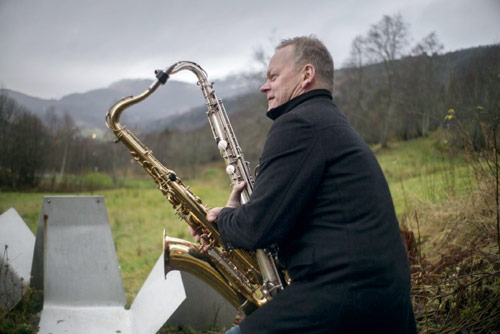
Nordic Balm is a CD that gives you contemporary Norwegian jazz at its best. Over 30 years tenor saxophonist Karl Seglem has composed, produced and written lyrics and is called one of Norway’s foremost musicians. On this CD he demonstrates that he is also a great goat horn player.
Seglem has consistently extended musical frontiers with his original perspectives and daring improvisational style. He combines Norway’s rich folk music traditions, both the vocal traditions and specially the Hardanger fiddle music, with his own mode of expression.
Nordic Balm, CD-cover
It takes a long time to gain acceptance for new idioms that are built on the sounds of previous generations. “My dream of recording an acoustic jazz album had matured through performing, composing, and releasing CDs since 1988. And for a long time, maybe even since I began my career as a freelance-musician I had been inspired by a dream of recording an acoustic album with a jazz quartet,” says Seglem.
Karl Seglem
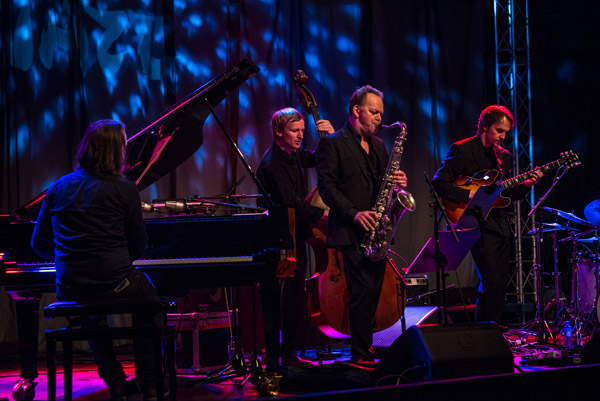
It’s a great experience to hear these four musicians with pianist Andreas Ulvo, bassist Sigurd Hole and drummer Jonas H. Sjøvaag interacting with Karl Seflems tenor saxophone and goat horn.
Karl Seglem playing goat horn
In 2010 Seglem was awarded the Buddy Award (highest Norwegian jazz award), in 2012, he received Egil Storbekkens Music Award and “Composition of the year” for “Som spor”, his commissioned work to the Vossa Jazz Festival that year.
Seglem creates modern soundscapes, a mix between jazz, folk, world, where improvisation and composition are given equal weight, where melody, harmony, improvisation, rhythm, and structure are based on other roots and other traditions than those of North America.
Karl Seglem Quartet at Vossa Jazz
Listen to the minimalist mood on the opening track, “Balsam” (Balm) or the magic-like description in “Myrull” (Cotton grass). These are just two examples that show the grandeur of the quartet’s concept.
Seglem has been collaborating with many of the foremost Norwegian and foreign musicians, writers, painters, film-makers as well as dancer and choreographers.
“Now, close to 2017, releasing the third studio-album Nordic Balm with this quartet, I know I have reached some goals, and new ones still appears – Thank you Andreas, Sigurd and Jonas. Thank you all listeners still listening,” said Karl Seglem last autumn.
After being a world power during the Viking Age, Norway went through various unions with and occupations by Denmark and Sweden until independence in 1905. Over the centuries “culture” was something the overlords brought with them from foreign capitals…and took away again when they left.
Norway’s own culture was suppressed: under Danish rule, Norwegian “dialects” were forbidden for official documents and communications. As a result, Norway’s early cultural heritage is identified in rural arts and crafts.
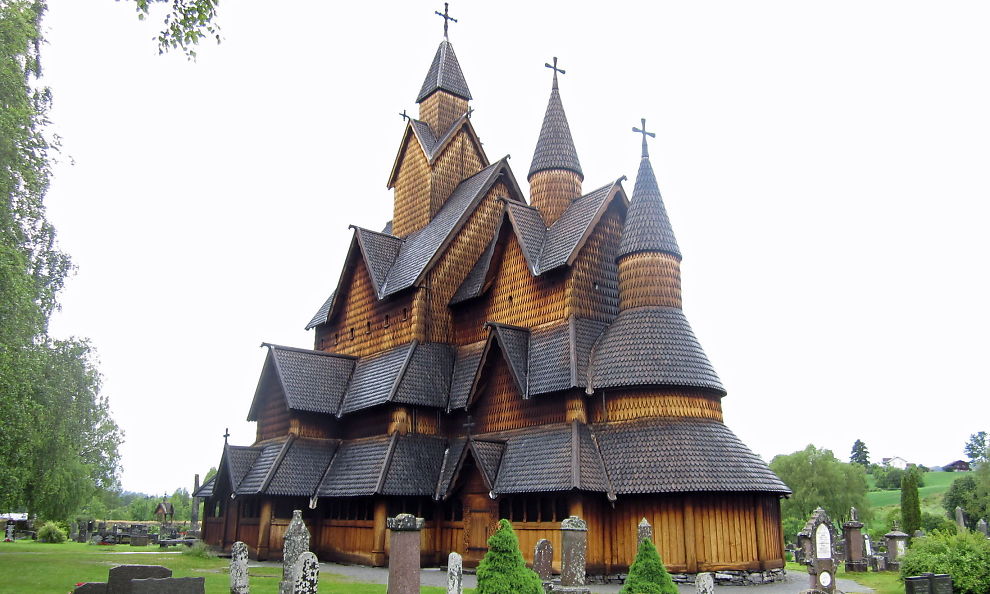
Heddal stave church, wesern Norway
Rustic arts The country’s ancient stave churches represent some of the most distinctive examples of Norwegian artistic production. The rich ornamental carvings on door frames, around windows and on capitals in the interior owe more, stylistically, to the design motifs of the Viking period – dragons, tendrils, leaf patterns – than to Christian iconography. There are 28 stave churches in Norway, two of the most striking being the restored church at Urnes, which is on the Unesco list, and the Heddal stave church in Telemark, the largest.
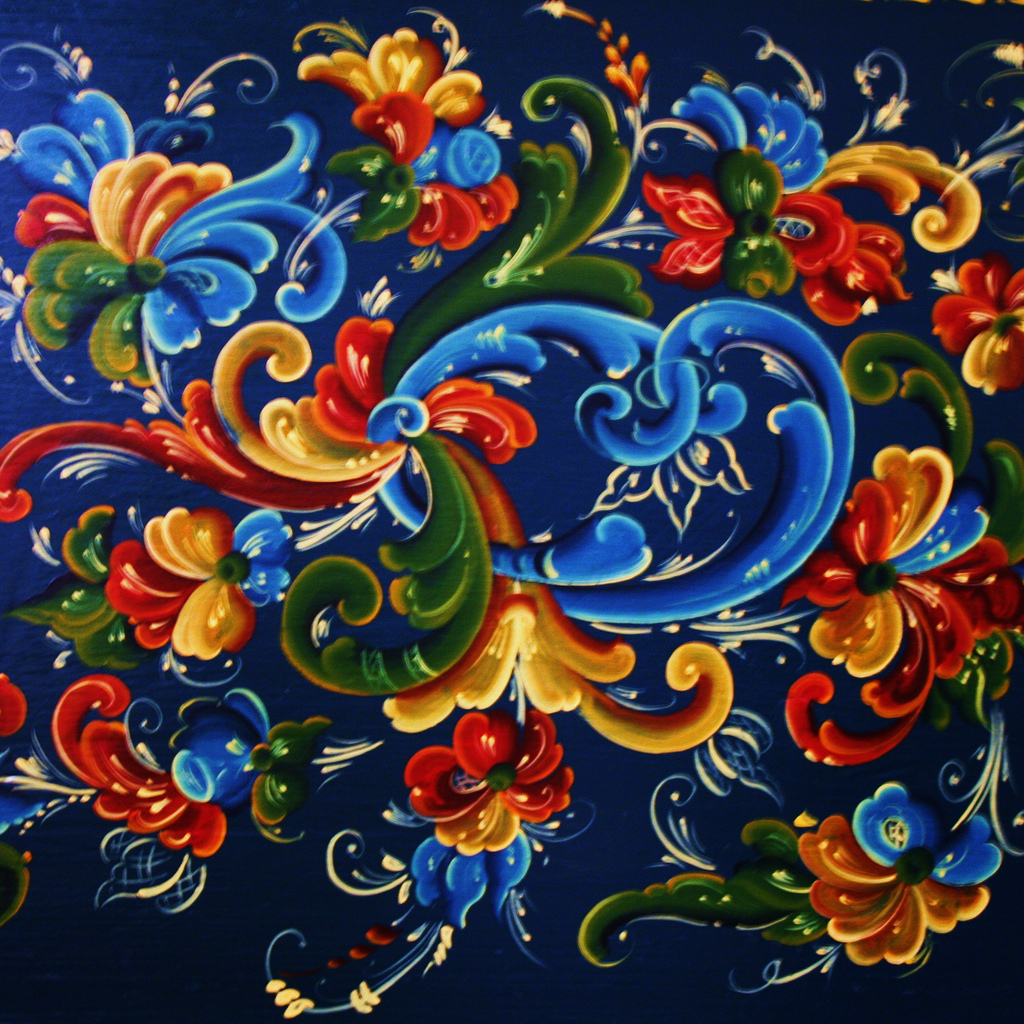
Rustic rose painting “rosemaling”
Another very “Norwegian” visual expression from the 18th century, is rustic rosemaling or “rose painting” of which there are as many styles as villages. Used to adorn household utensils and interiors, it features organic patterns and flowers, figurative representation and geometric design.
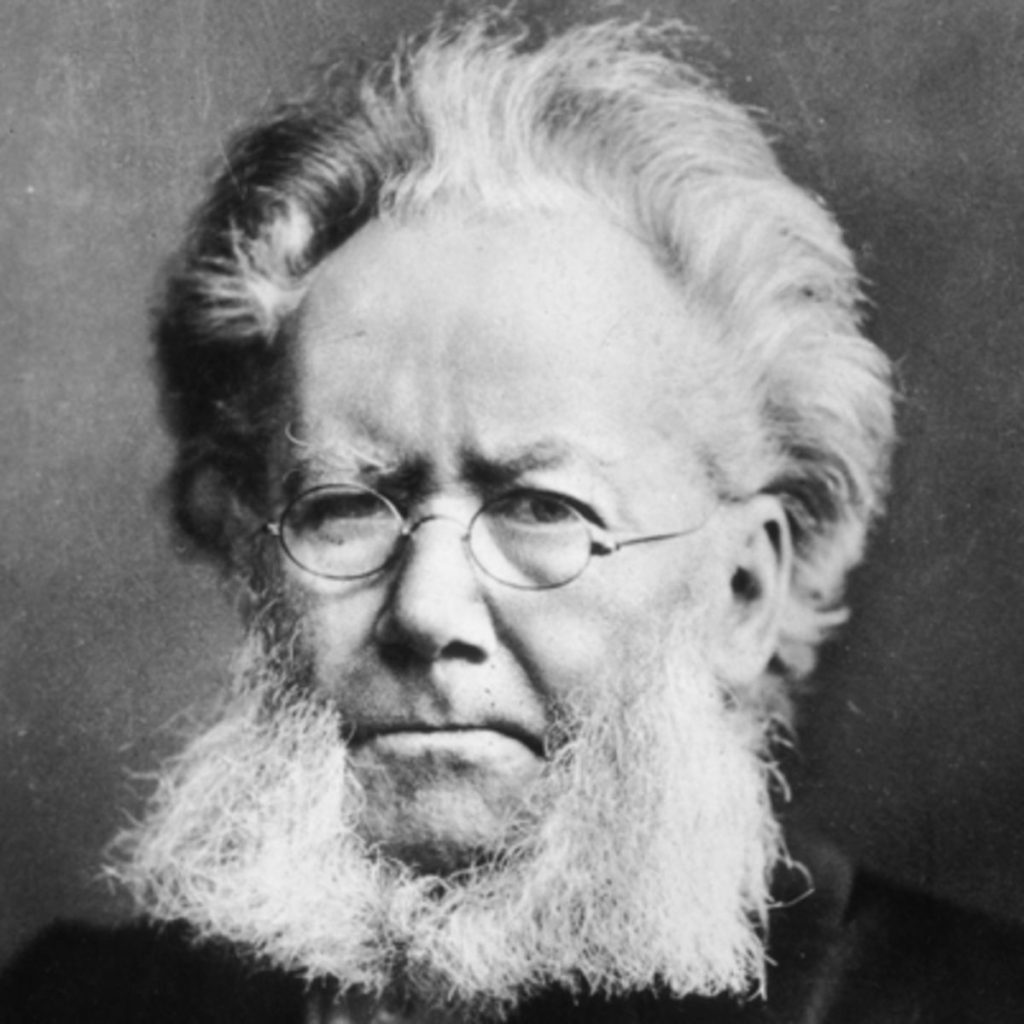
Henrik Ibsen
Plays and literature The re-creation of a national identity began in earnest in the 1|9th century inspired bu nature, ancient traditions and the heroic Viking sagas of long ago. Henrik Ibsen (1828-1906) wrote many plays based on folklore. His best-known works include Peer Gynt (1867), to which Edvard Grieg composed the incidental music, A Doll’s House (1829) and Hedda Gabler (1890). Ibsen commented on Norway’s relationship with Denmark and Sweden, as well as on individual’s relationship with a society which would have him conform.
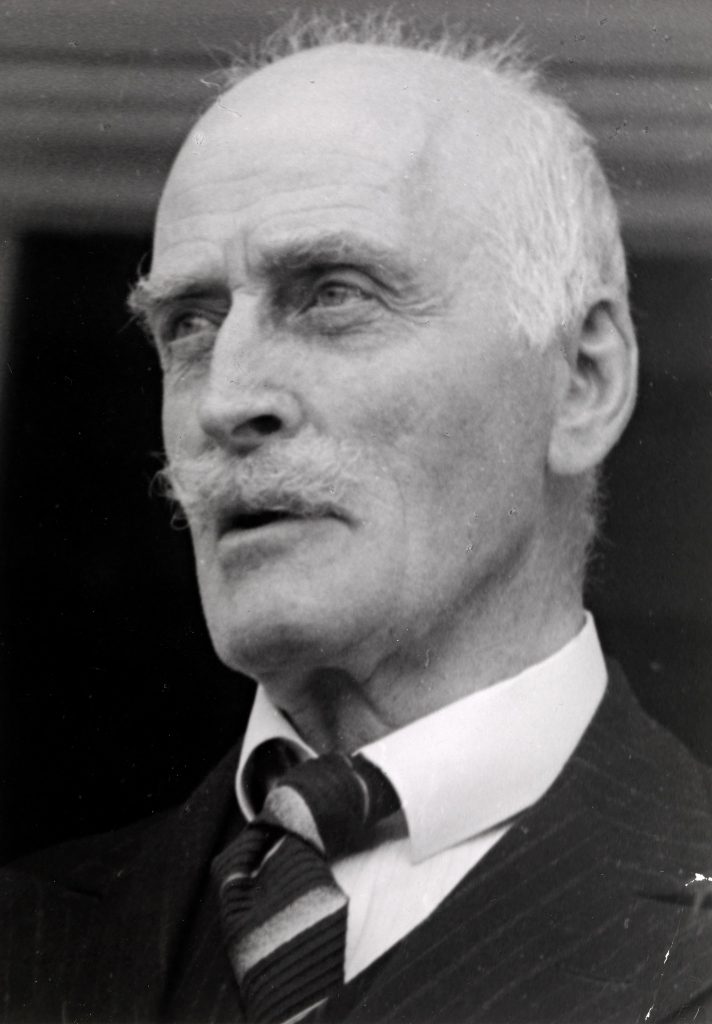
Knut Hamsun
Growth of the Soil, which follows the tribulations of a Norwegian peasant family over 20
Sigrid Undset 1928
years, won its author Knut Hamsun (1859-1952) the Nobel Prize for Literature in 1920. His literary power is unquestioned, but his reputation suffered because of his Nazi beliefs – in the middle of World War II, he sent his Nobel medal to Joseph Goebbels as a token of his support.
Eight years later, Sigrid Unset (1882-1949) won the prize for her epic trilogy Kristin Lavransdatter, whose eponymous heroine lives, loves and dies in a richly reimagined medieval Norway.
More recently, Mrs. Pepperpot, an old lady who shrink at inconvenient moments, is another gutsy female character, and brought children’s author Alf Prøysen (1914-70) great success. Her world is still rooted in peasant soil; but over the last 50 years, Norway’s obsession with its own past has abated over time, and today’s writers embrace contemporary genres and worldwide issues.
Alf Prøysen
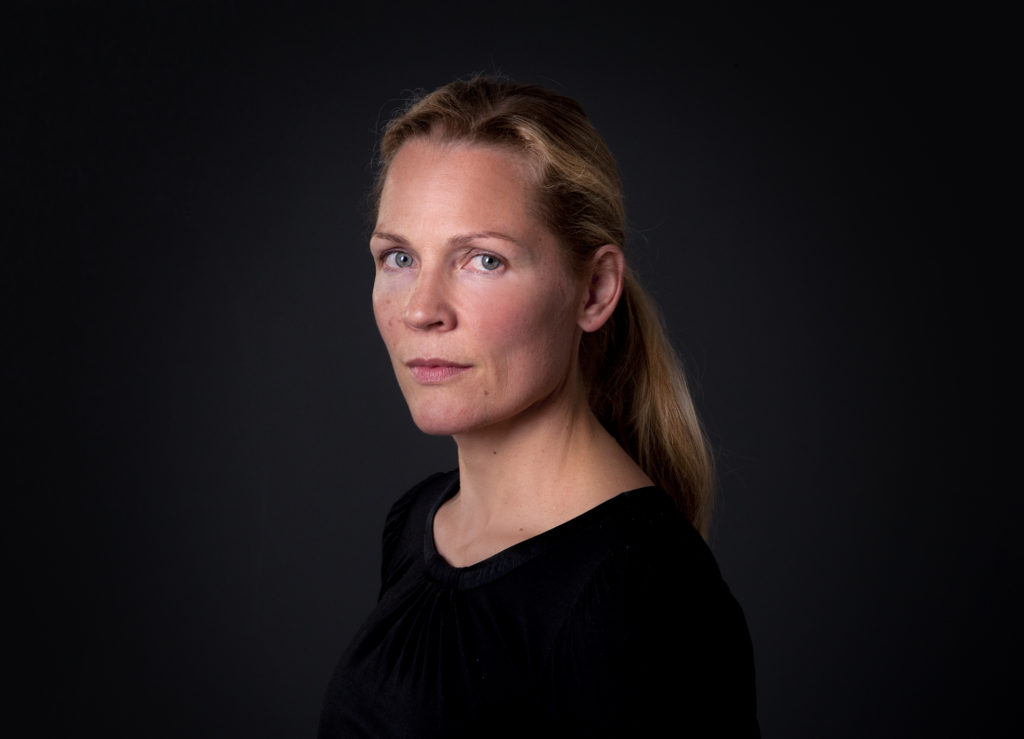
Jostein Gaarder’s philosophical novel Sophie’s World was translated into 40 languages, and was quickly followed to the top of the international book charts by Åsne Seierstad’s controversial bestseller, The Bookseller of Kabul, set in Afghanistan. More recently she has written “Two sisters”, a book investigating how two Norwegian-Somali sisters, who escaped to Syria in 2013, came to be radicalized, and what has happened to them since they disappeared.
Jostein GaarderÅsne Seierstad. Photo: Sturlason
Award-winning author Lars Saabye Christensen is considered one of the original voices in contemporary Nordic fiction – one of his latest books, Beatles, is a darkly comic coming-of-age story set in Oslo.
Lars Saabye Christensen
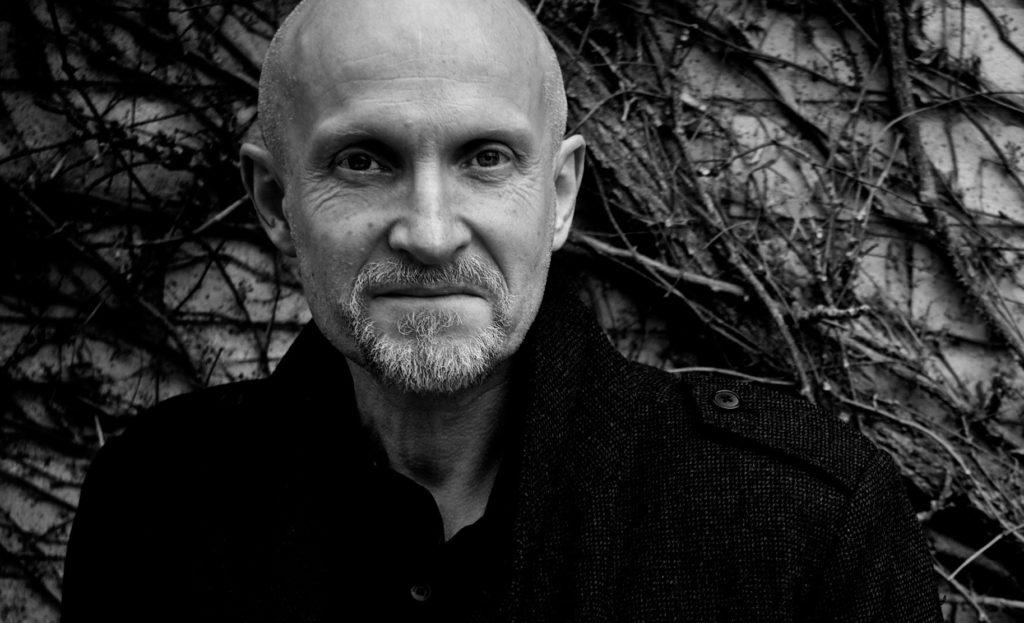
And “Nordic Noir” is alive as well. Anne Holt’s Inspector Hanne Wilhelmsen pursues truth and justice at great personal cost in thrillers such as 1222. Karin Fossum is hailed as the “Norwegian Queen of Crime”: one of her latest Inspector Sejer novel, The Caller, was translated into English in 2011. And Jo Nesbø reigns supreme with his dry Oslo detective Harry Hole – The Snowman (soon to be released as a Hollywood movie) and The Leopard are his latest white-knuckle page-turners.
Anne HoltJo Nesbo
From Grieg to Black Metal Norwegian music also flowered in the early 19th century, mainly influenced by the Royal Swedish Court. The violin virtuoso Ole Bull (1810-80), the “Nordic Paganini”, proved a model for musicians and writers alike. The late 1800s became known as the Golden Age of Norwegian music, with such prominent composers as Halfdan Kjerulf (1815-68), Edvard Grieg (1843-1907) and Johan Svendsen (1840-1911).
Generally they incorporated elements of folk music in their work, including Grieg, who fused folk music with Romanticism.
Edvard Grieg
And classical music still thrives in modern Oslo: Oslo’s incredible submerged Opera House, opened in 2008, is a must-see. Grieg’s work forms the kernel of the Bergen International Festival in late May, a major arts festival bursting with music and theatre performances.
The early years of Norwegian black metal
In recent times, theatre of a different kind has been provided by one of Norway’s most unusual musical exports – the thriving black metal scene, which courts controversy with its violent lyrics and bloody stage performances.
Art and Culture in Norway, written by Tor Kjolberg
Feature image (on top): Mari Boine, re-creating Sami songs, Joik, which is a form of singing traditional among the Sami. Composed in response to an event or emotion, it sounds like a yodeling chant.
The Daily Scandinavian Team has explored hot spots in Copenhagen together with local friends to find out where to stay, where to eat and where to go clubbing. Here is our insider’s guide to your hot spots in Copenhagen, the Danish capital.
Eat and drink
Scandinavians love to drink coffee. Therefore we asked one of our Copenhagen friends where he like to get his coffee. He had no doubts when he recommended the Coffee Collective.
Coffee Collective, Fredriksberg
The Coffee Collective explores and unfolds exceptional coffee experiences in a manner that gives better living conditions to coffee farmers across the globe. Their ultimate dream is for a coffee farmer in Kenya to obtain the same status and living conditions as a wine grower in France.
Coffee Collective have several bars, all very nice, but try their Fredriksberg shop at Godthåbsvej 34B, 2000 Frederiksberg.
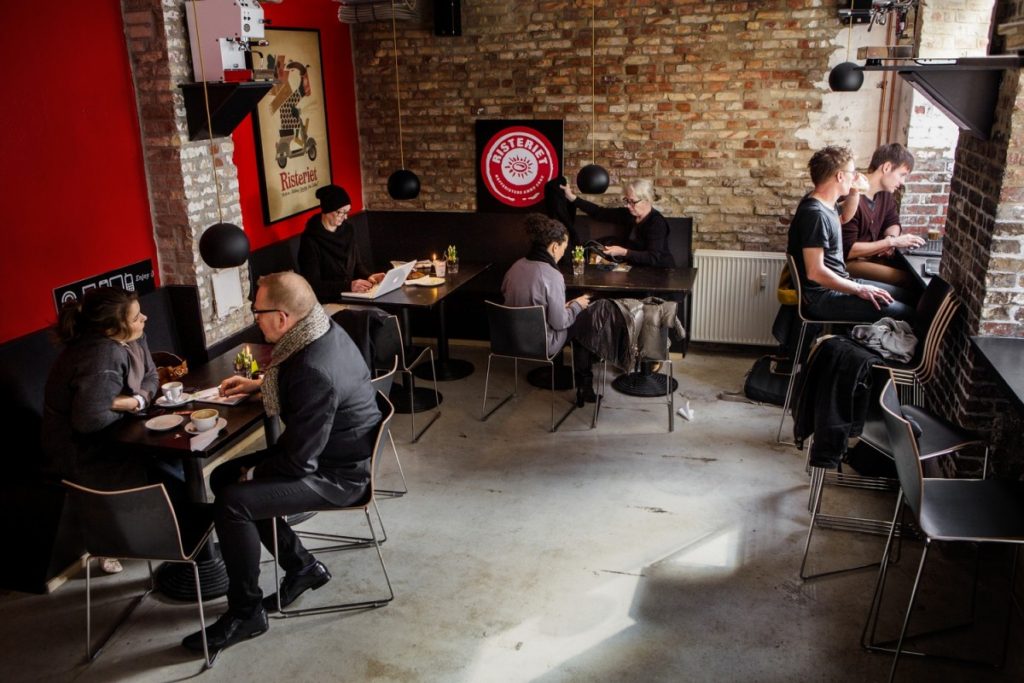
Another coffee bar is Risteriet (Roastery), located at Halmtorget in Copenhagen Vesterbro area. Risteriet takes coffee seriously and it shows. You can also get your hands on high quality coffee equipment. On a nice day you can enjoy the coffee outside on the lively street Studiestræde.
Almanak
For a nice meal, go to Almanak at Standard, where there actually are two restaurants and a jazz club.
Almanak is such a lovely place, and if the weather is good, enjoy the canals outside.
Blue Taco
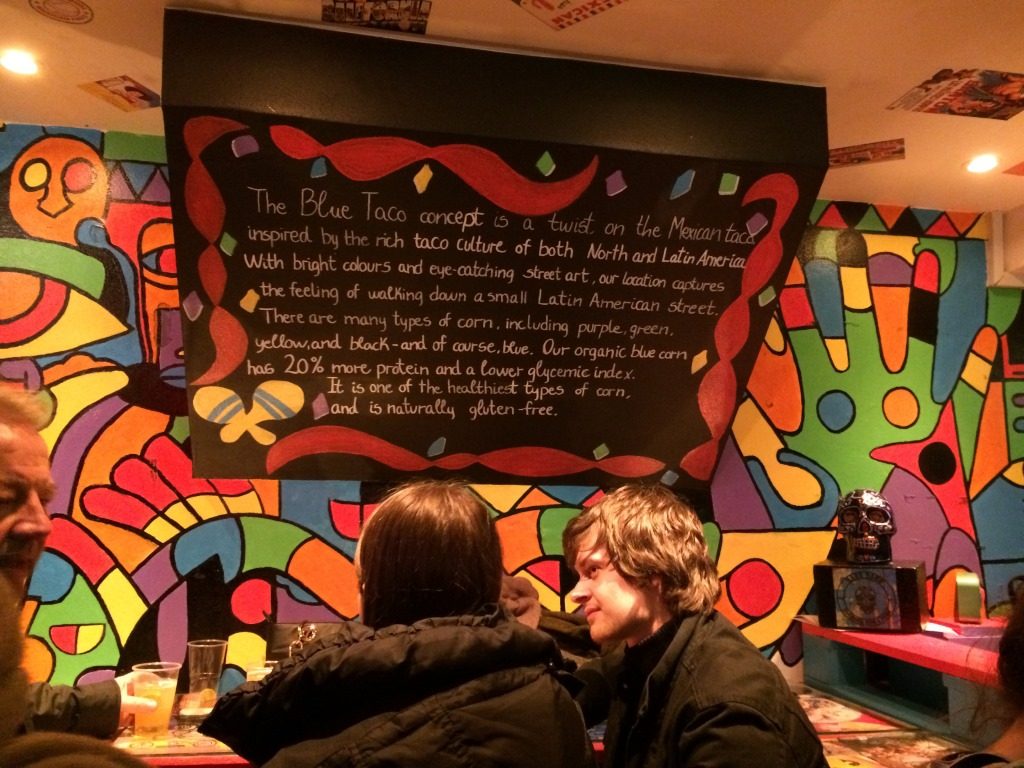
If you’re into Mexican food there’s a place around the Lakes called Blue Taco.
Blue Taco’s inspiration comes from owner Morten Frydendal’ss gastronomic trip through North and Latin America, and the concept is a twist on the Mexican taco inspired by the rich taco culture of both North and Latin America.
The Market
At The Market (Asian food) – their pulled duck salad is to die for! The Market is an international restaurant where the food experience from the open kitchen is central. All courts have one thing in common, the passion for craftsmanship.
Enjoy your brunch at Atelier September, located at Gothersgade. The boutique originally operated from an old workshop facility in 1987. Later in the early 90’s the boutique moved further up the street to number 30, where it is still located today.
Atelier September
In 2013 chef Frederik Bille Brahe opened his Café Atelier September in the beautiful forefront of the Atelier September rooms, where he serves natural food & artisan coffee, operating for breakfast & lunch as well as late afternoons.
Beau Marché
A little pearl in Copenhagen if you just want to get away from the hectic city life and enjoy a glass of wine is the French wine café Beau Marché Café à Vins.
You find it in a cozy backyard in Ny Østergade 32 in the city center. There you can relax and enjoy a glass of great French wine of their own import, or a really good café au lait made on their old retro Faema coffee machine.
The café is located in a charming little house behind the interior shop of the same name – Beau Marché, where French design and vintage are sold. The Beau Marché empire is run by the three siblings Julie, Elisabeth and Christian Lee Dann, who grew up in France near Genève. They are danish, but have taken their passion for the French quality back to Copenhagen.
Union Kitchen
The Union Kitchen is located in Store Strandstræde street near Nyhavn in Copenhagen. Here you will be served breakfast, English “balls” and tasteful cocktails in classic surroundings.
English “balls” are the focal point at The Union Kitchen – tasty meat balls that is – served in every possible size and with various fillings and in combination with a wide variety of sauces and sides, all with very favorable price tags.
Furthermore, breakfast platters as well as salads are a big hit, and if you find yourself at the restaurant after a rough night out, try the Bartender’s Hangover Burger with a fried egg and a shot of Fernet Branca on the side.
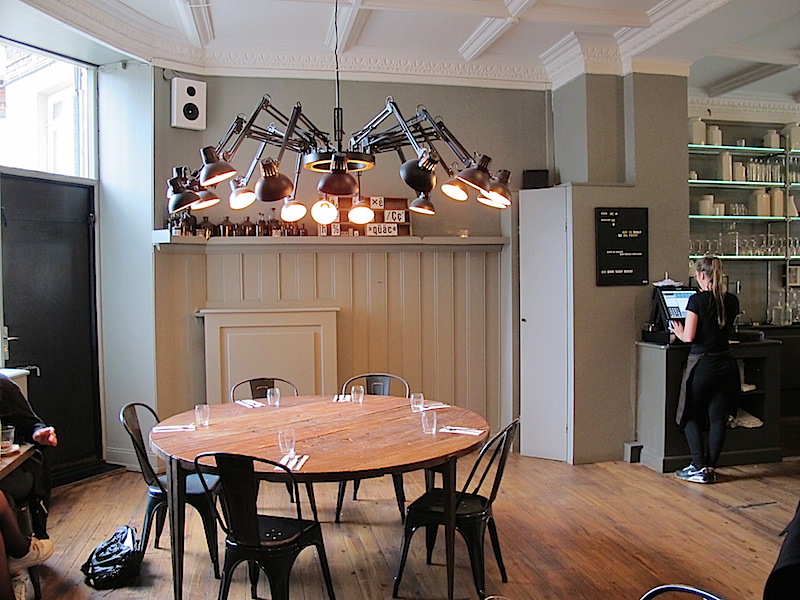
Llama
Llama introduces a menu inspired by South America. Here you can savor on countries like Peru, Bolivia, Ecuador, Chile and Mexico, but there is still respect for the Nordic roots and commodities
Besides the food, Llama serves cocktails. The restaurant has its own dining and cocktail bar where pisco, tequila, mescal and rum are recurring ingredients.
Llama has a unique interior design and won gold at the International Design Award 2015 for “interior design” in the category “conceptual”.
Cantina
Cantina This stylish Thai take-away offers delicacies guaranteed to pamper your taste buds. Menus include green curry with chicken, Thai aubergines, bamboo shots, long green beans, and sweet basil; Phat Thai Goong with rice noodles, shrimp, bean sprouts in a tamarind sauce served with lemon and toasted peanuts.
If you prefer, you can dine on the premises. The Wokshop has a few tables and chairs, but it is not the sort of place where you would want to linger over your meal for hours on end.
Fiskebaren “The Selby”
Fiskebaren in “Kødbyen”
What is a Fish bar? It’s all about fish and shellfish. It’s about fresh, healthy, delicious food. About fine wine and a relaxed atmosphere at affordable prices.
What to see? When in Copenhagen, don’t miss Amaliehaven (Amalie Garden). This little park was a gift to the city from Mærsk McKinney Møller and was founded in 1983.
Amalie Garden
Amaliehavenin Copenhagen was founded in 1983, this petite park was given as a gift to the city of Copenhagen, by Mærsk Mc-Kinney Møller. It is named by its close proximity to Amalienborg Palace, where Her Majesty the Queen keeps her permanent residence. The park was designed by the Belgian landscape architect, Jean Delogne, and adorned with sculptures from the Italian artist, Arnaldo Pomodoro.
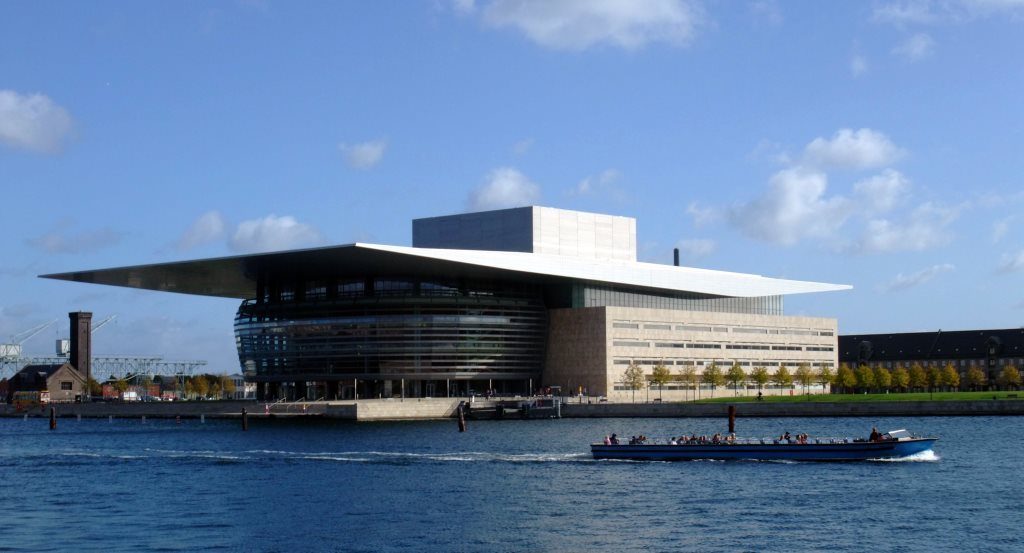
On either side of a large fountain, the park expands, with two levels of hedges and walls, which enclose the garden from the street on one side, and the harbor on the other. This creates a green oasis in the middle of the city, protected from both noise, and wind. Nyhavn (image on top) is of course a must, but walk from there to Papirøen (Paper Island) and the Opera.
Paper Island has a prominent place inCopenhagen Harbourand offers a handful of creative buildings with everything from art to showrooms and street food.
Opera House, Copenhagen
With the Opera House and The Royal Playhouse as its next door neighbors, Paper Island has a central location in the heart of the harbor.
The island is home to the grey industrial halls that served as paper storage for the Procurement Association of the Danish Press for many decades, hence the name Paper Island. When they terminated their contract, the halls were left empty – ready to be explored and experimented with.
Previously there was no public access to the island. However, today everyone can walk to the island and enjoy the new upcoming island of Copenhagen.
SMK – Danish National Gallery
The National Gallery of Denmark (SMK) is a stunning building with the best of art from classics to modern art. It features outstanding collections of Danish and international art from the past seven centuries. SMK is located just off of Copenhagen’s Nørreport station. Here you can experience special exhibitions, the royal collections, guided tours, performances, art talks, concerts, workshops and much more.
Shop till you drop
Storm
Women’s and men’s clothing is the trendsetting clothing store in Copenhagnen, spearheaded by the unstoppable young Danish fashion designer Rasmus Storm. In addition to the exclusive clothing, the store also carries a large selection of beauty products, music, magazines, and books. Go there to see what the hippest European youth are wearing and to fuse your retail experience with a little design culture. You may even be able to take a little of it home with you.
Storm
Lot 29
In Lot 29 Rarities are hanging everywhere, refined leather goods fill the air and basically everything you lay your eyes on are crafted and customized founds. You can touch, you can feel, you can have a cup of tea while you’re there; this cave is sort of a luxurious, warm hug.
Lot#29
To make visitors feel like they have discovered a secret chest of finds and treasures was the intention when Lot 29 opened in 2003 and it still is today.
Magnolia 2ncnd Hand
Magnolia 2nd-hand
As their name imlies, the shop have mostly expensive brands, like Louis Vuitton bags, Balenciaga pants and a lot of Danish brands like Malene Birger and Dag Birger Mikkelsen. However, check the zippers, buttons etc to see if they are branded with the correct brand. A fake can still be a nice piece of garment, but not worth its price.
Mads Nørgaard
At the popular fashion shop Mads Norgaard you find classic and fashion clothing For women and for men. “Ultimately fashion is meant to free you, not overrule or control you. What you wear should support you in your ways and beliefs. This is how I see it,» says Mads Nørgaard.
Nightlife
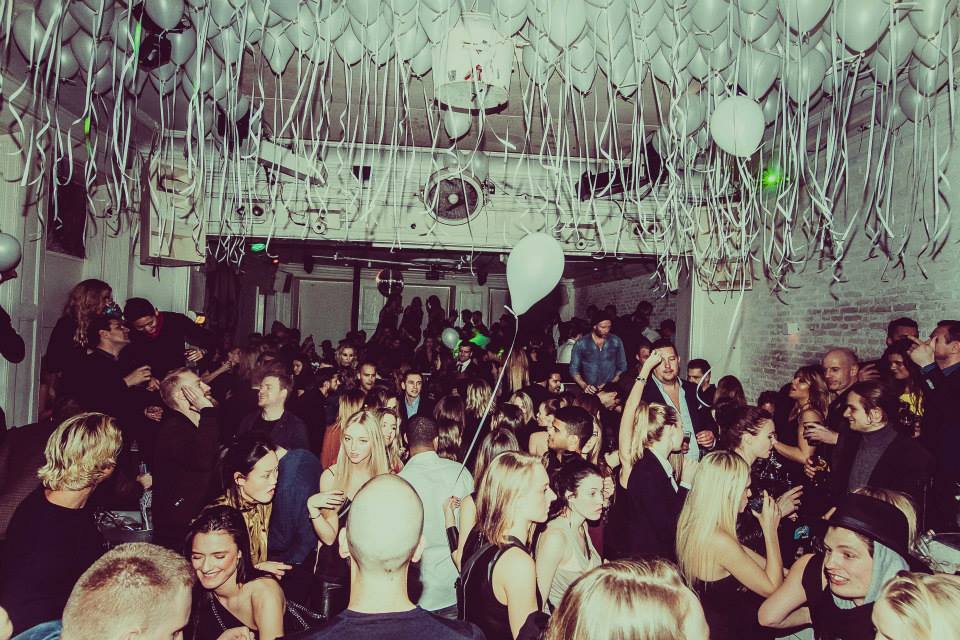
Sunday Sunday is an ominous sexy playground for the mad adult children of the night. The guests indulge in raw pleasure and dare to contribute with an open mindedness to receive whatever comes back. Sunday opened in August 2013 and is the brain child of the team behind the renowned club SIMONS and acclaimed restaurant Congo – night scene conjurers Simon Frank & Simon Lennet and the Danish entertainer Casper Christensen.
Sunday
Chateau Motel is a celebratory intersection of different spaces, music genres and ambiances where humans cross each other and come together in search of a joyful late night. The overall idea is to invite the city’s buccaneers into a Rabbit hole, constantly finding an exploring a new and different scene in the larger universe of the club.
Chateau Motel
ARCH At the private club ARCH they claim you can experience greatness on all levels. Privileged members are invited to have an out of body experience, where you not only find your average prominent nightclub, but rather push the boundaries of society and the intellectual creation itself.
ARCH
Where to stay?
SP 34 is located right in the center of Copenhagen in the capoital’s Latin Quarter. In this area there is room for diversity. You find the hotel in Sankt Peders Stræde, a small, local street with a world known bicycle shop, pastry shop, good restaurants and design stores.
SP34
On the other side of the hotel is the garden H.C Ørsteds Parken, a green oasis where you will run in to locals on their run or in the middle of a picnic. The reception is super cool, the design is right and we love the organic breakfast. Hot Spots in Copenhagen, edited by Tor Kjolberg
Norway’s many rivers, streams and lakes make it a paradise for outdoor experiences and sport fishing – that’s where Fishpot comes in.
Fishpot is an organization formed by participating fisheries. It offers all the information you need about fishing, lodging and fishing guides during your trip.
Fishpot offers all the information you need about fishing, lodging and fishing guides during your trip
It gives an overview of the best inland fisheries in South East Norway and is organized into categories such as fly fishing, wilderness fishing, grayling fishing, pike fishing, general fishing and more. It is your go-to-guide in Norway.
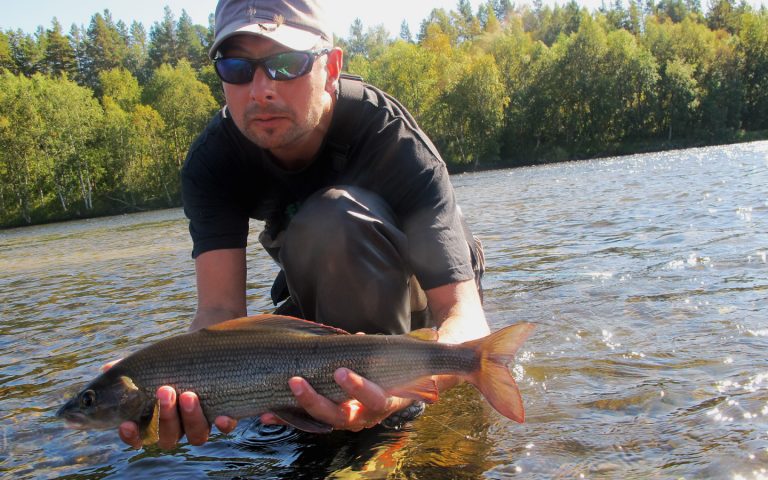
The typical species is brown trout
The typical species is brown trout, grayling, arctic char, pike and arctic white fish. Most of the fishing can be practiced with any style of rod fishing you prefer, with the exception of a few fly-fishing zones. Most waters have regulations on catch and release of fish within certain sizes.
Norway is awesome, you can go anywhere you like. Photo: Thomas Gran
Norway is awesome. You can go anywhere you like, and with thousands of lakes and hundreds of rivers, you will find solitude and the true wilderness experience. On the other hand, you will also find that a lot of the rivers and lakes are easily accessible from roads. In a handful of rivers, you will meet a few anglers, but no rivers are crowded.
Jon Erlend in Rena
Landowners own all waters, rivers and land in Norway. These landowners can be either public or private. However, everybody can roam freely in the Norwegian countryside, including privately owned land. You can camp anywhere except near people’s homes or buildings. Open fires are banned most of the season, due to fire hazard.
In 2010, Sweden was predicted to reach ten million in 2021, according to Statistics Sweden. The population has however increased faster than expected. This means that Sweden today officially is the first Nordic country with a population in the tens of millions.
The record population growth that made it happen goes a long way to explaining the nation’s booming economy.
Swedish population graph
If handled right, this will help Sweden to tackle the challenges posed by an increasingly aging society better than other advanced economies such as Germany or Japan, where the population is projected to drop.
Between 2010 and 2015 the population in Sweden grew by some four percent a year, behind only Luxembourg in the EU, and far above the EU’s average of one percent, according to the TT news agency.
According to Niklas Magnusson at Bloomberg, eleven million will be reached in 2024, the fastest 1 million growth in history. Sweden is currently expected to reach a population of 13 million in 2060.
Over 20% of the Swedish population is non-Swedish
This current decade (2015-2025) is seeing population growth of almost 13 %, the fastest gains since recording started in 1749, according to Statistics Sweden. The last time growth was (nearly) this fast was in the 1820s.
There are two reasons behind the recent years’ increase: the birth rate and immigration.
“The main reason the population is increasing faster than what was thought a few years ago is because immigration was at an historic high and since then it has increased even more. Population prognoses normally expect that the immigration surplus will go down to the historic average level. That has however not happened yet,” Tomas Johansson, population analyst at Statistics Sweden, said to The Local Sweden.
The development could be a blessing for a country that already spends a sizable proportion of its money on pensions and senior care. The number of Swedes aged 65 and above will account for a quarter of the total population by 2060, up from a fifth in 2016, according to Statistics Sweden. At the same time, net migration and a rising number of births will feed into the workforce.
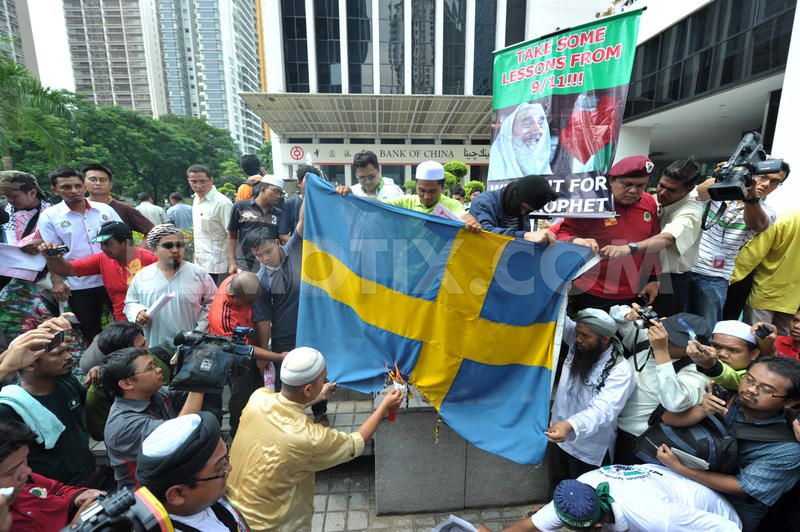
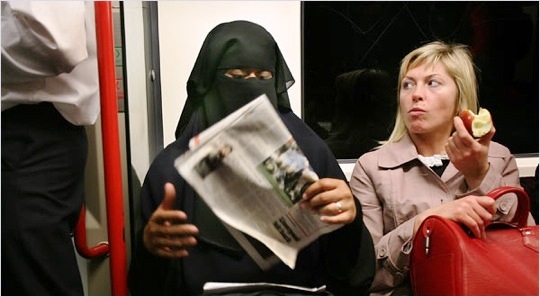
Muslim population in Sweden
2015 saw 163 000 asylum seekers enter Sweden, mainly from war-torn countries. The inflow represented a more than 1.5 percent increase of the Swedish population overnight. Migration will continue to be the main driver of population growth over the coming decades, however at a slowing pace.
The birth surplus, or the number of newborns minus the number of deaths, has been at around 20,000-25,000 for the past couple of years. The immigration surplus meanwhile has ranged from 45,000 and 78,000, mainly because of increased immigration while emigration has remained relatively stable.
Today: Sweden’s Population has Reached the Ten Million Mark, written by Tor Kjolberg
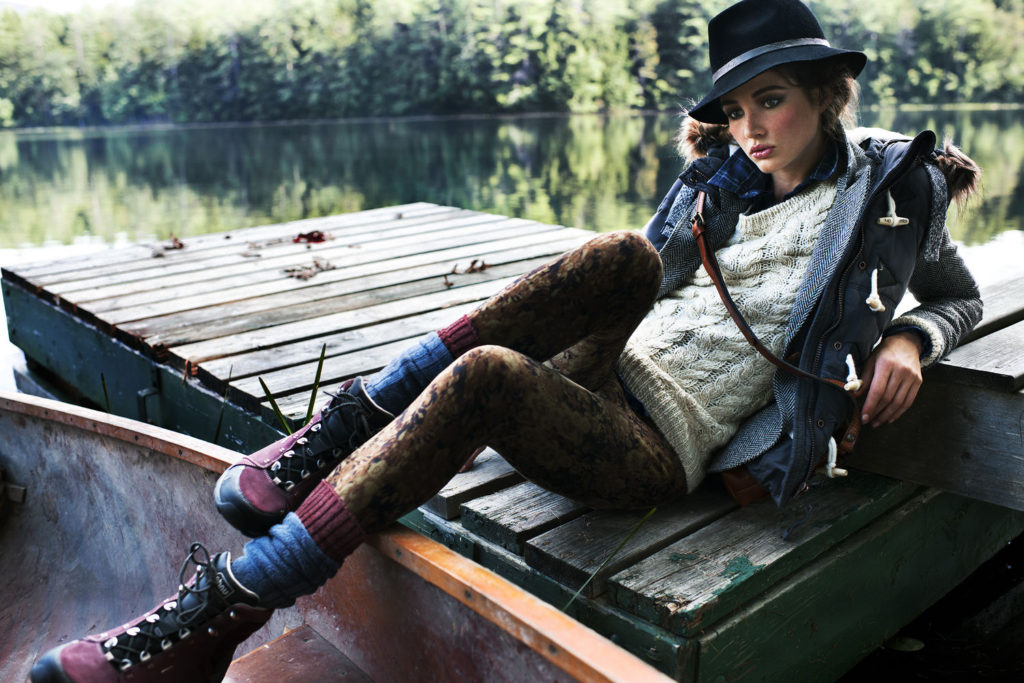
It took two Norwegians to learn New Yorkers to dress in wool. In 2007 Cathrine Wessel and Stian Tolnæs moved to New York to change the way people think about wool by creating a collection entirely made out of high quality wool. 100% wool – Norweguan cool.
Today their company, With & Wessel’s, supplies New Yorkers with a Nordic dream of soft wool, loose fit, hues of seasonal colors, layering and nature prints . It is the ultimate fashion choice for an eco-conscious lifestyle – and so comfortable to wear.
With & Wessel’s, supplies New Yorkers with a Nordic dream of soft wool
Wool reflects our modern lifestyles by adapting to different temperatures and climates – better than cotton and synthetic fibers. Wool quickly absorbs up to 30% of its weight in moisture from the body, keeping the body warm in the winter, and cool in the summer.
The New York based company is building bits core values on Norwegian traditions
The New York based company is building bits core values on Norwegian traditions combined with fashionable function and sustainability. Creating a collection of effortlessly cool styles in ultra-thin, super-soft, 100% wool fabrics has so far been a success for the brand.
Wool reflects our modern lifestyles by adapting to different temperatures and climates
Since wool is partly composed of protein, it is odor-absorbent and anti-bacterial. Wool is by its nature one of the world’s most eco-friendly fibers: it is natural, renewable, and biodegradable.
Since wool is partly composed of protein, it is odor-absorbent and anti-bacterial
Stian Tolnæs is from Oslo and was marketing director at the Norwegian ski wax producer Swix.
Cathrine Wesselgrew up in Lier and Bærum outside Oslo. She studied photojournalism at the ICP in New York and has photographed for among others Esquire, Rolling Stone Magazine, Nike, Adidas, Marie Claire and Conde Nast Traveler. Today she is photographer and Creative Director for With & Wessel.
All photos: Cathrine Wessel
100% Wool – Norwegian Cool, written by Tor Kjolberg
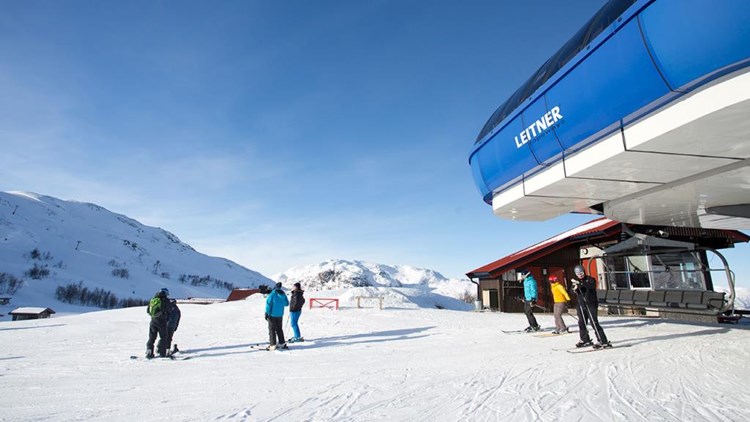
It is the first run if the day, and the morning sun glitters on the pristine, white blanket of new-fallen snow. From the top of the lift, we glide out onto the deserted piste, the wind freezing our cheeks to immobility as we pick up speed. It doesn’t matter.
We have the sun, our own tracks cutting through the virgin snow, and a cup of coffee waiting for us very soon.
Blåparken (Blue Park), Hemsedal
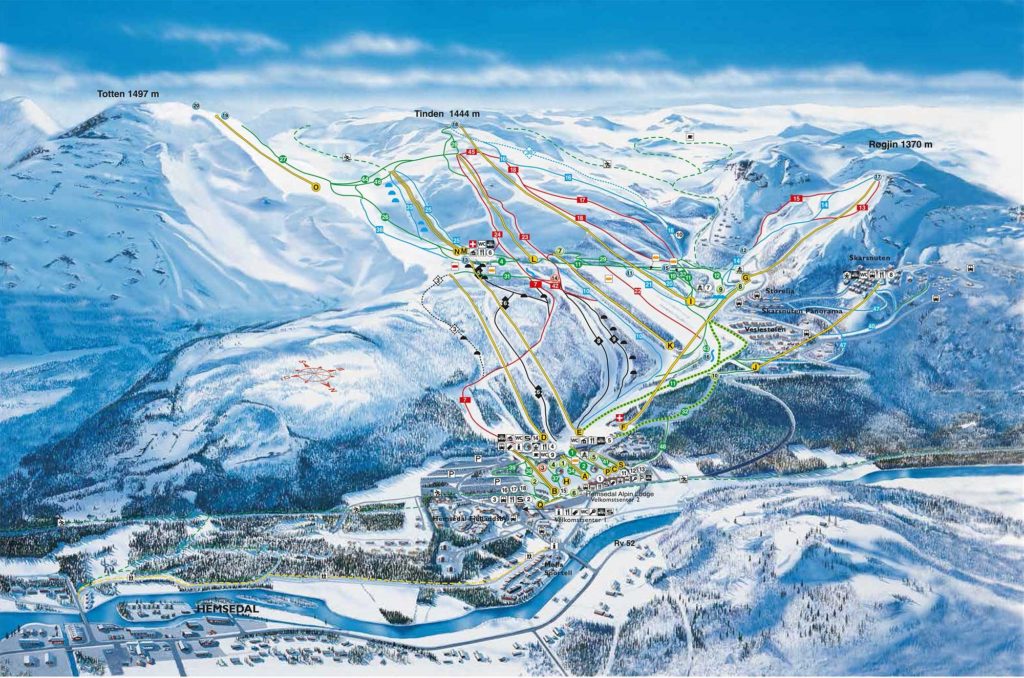
We are skiing at Hemsedal Skisenter. This is Norway’s best place to ski when the sun is shining and the snow is at its very best early in the season. It is also where you will find the most popular off-piste skiing. It has been dubbed ‘the little Matterhorn’, and snakes along the side of the stubby mountain that is called after one of Europe’s most imposing peaks.
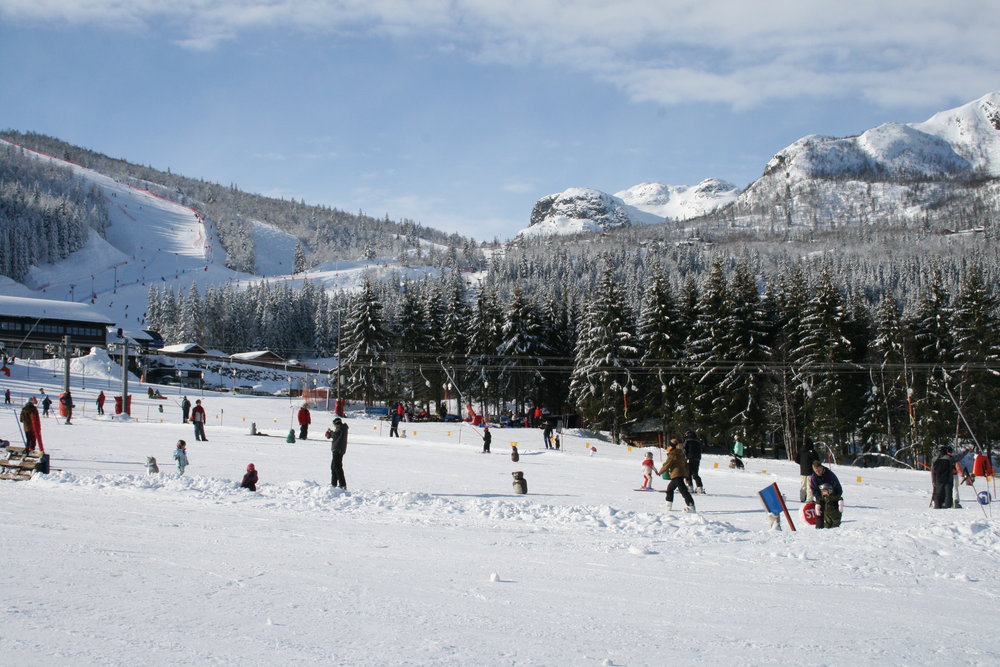
Children’s area, Hemsedal ski center
The body is still stiff this early morning, but a delicious, life-saving cup of coffee is waiting down in the birch wood at Skarsnuten Hotel. The skiing is so steep and demanding that a caffeine shot seems superfluous, but it will be good to have a hot drink and a break, and allow the muscles to recover from the shock of this early morning exercise.
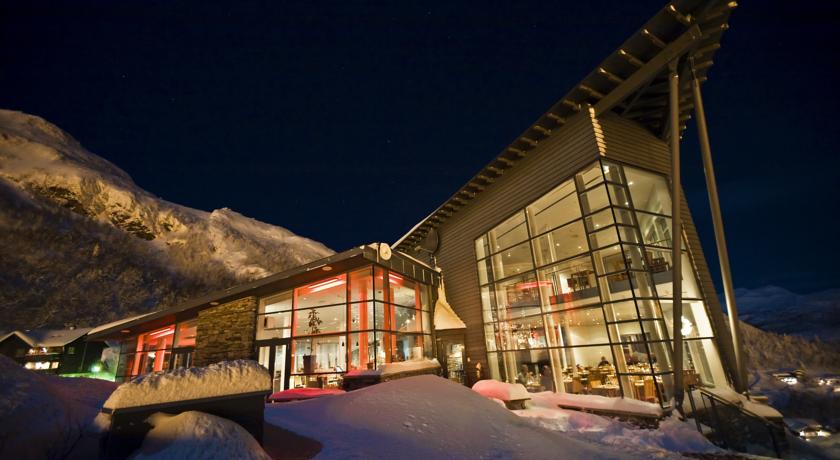
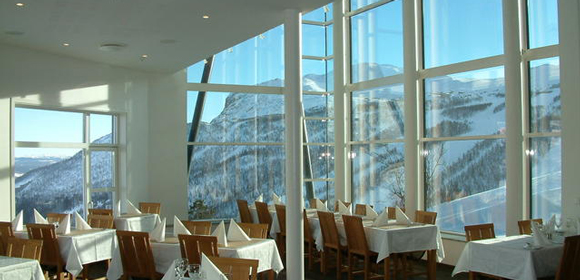
The hotel’s façade of glass and stone is by no means ostentatious, but when you duck inside the warm reception you are surprised by its size. The room extends up over three floors to the bar and restaurant. A double latte thaws out frozen fingers, while we gaze out over the resort from the comfort of the bar, which offers panoramic views over the whole valley.
Hemsedal trail map
The tiny dots out on the mountainside multiply as more and more skiers take to the slopes. It is time to get going again.
It is tempting to take a few carving runs down Hemsedalsløypa to warm up. The previous night’s prepping to ballroom-floor smoothness is still intact, and the slope begs you to make wide, swinging turns. The eight-seater chairlift keeps the queues short, so we soon have a mass of height under our feet. And since we are already in the swing of it, we duck down the black. Såhaug run. That certainly lights a fire in the tight muscles.
Skarsnuten Hotel, Hemsedal
And now it is suddenly time for lunch. Since the Skistua lodge is starting to fill up, we decide to head back to Skarsnuten. A fabulous off-piste run later, and we are sitting at a table so vertiginous it would kill the appetite of anyone afraid of heights. Even in the Alps, you rarely find a hotel that puts you so dizzyingly close to the edge.
Hemsedal Cafe & Restaurant
Through the afternoon we try out a variety of different runs. Everyone who skis in Hemsedal agrees on one point: the best thing about the place is the variety to be found here. From extensive nursery slopes and green runs to black runs and precipitous off-piste skiing, both high above the tree line and through the woods.
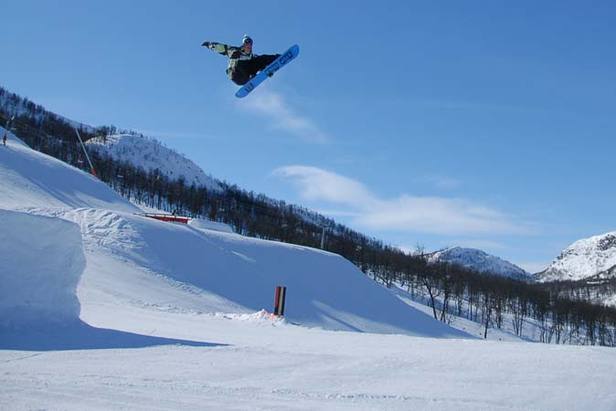
The terrain park is also famous for the challenge it offers to both expert and novice snowboarders. And parents thank their lucky stars for Trolla, the supervised play area at the bottom of the hill.
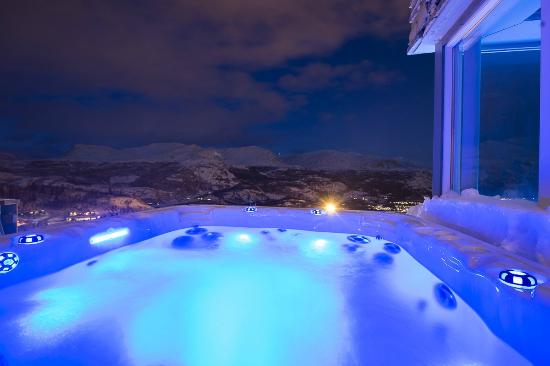
Pool at Skarsnuten hotel
One thing everyone should do while they are here is to take the lift up Tottenfjellet to a height of 1,450 m, and then walk the last 10 minutes to the top. The views are spectacular. Afterwards you have 800 m of drop to ski from the top of Norway’s highest lift. Experienced skiers who have a guide with them can choose to make the descent off-piste from here. But that is not something to be attempted by just anyone.
When you have come to the end of your last run of the day, down the pristine slopes of the Little Matterhorn (or taken lift, like most people), it is tempting to quench your thirst with a drink in Skarsnuten’s precipitous bar. The bar is frequented by a grown-up clientele, who chat over the day’s achievements to the accompaniment of light music.
Inside Skarsnuten hotel
Meanwhile, the après-ski is getting into full swing at Skistua at the bottom of the lift. Hemsedal Café in the center of town is also a popular venue. On Saturday nights the nightlife is impressively exuberant. When midnight approaches, Hemsen nightclub is the place to be, though Skarsnuten nightclub, The Edge, also has its devotees.
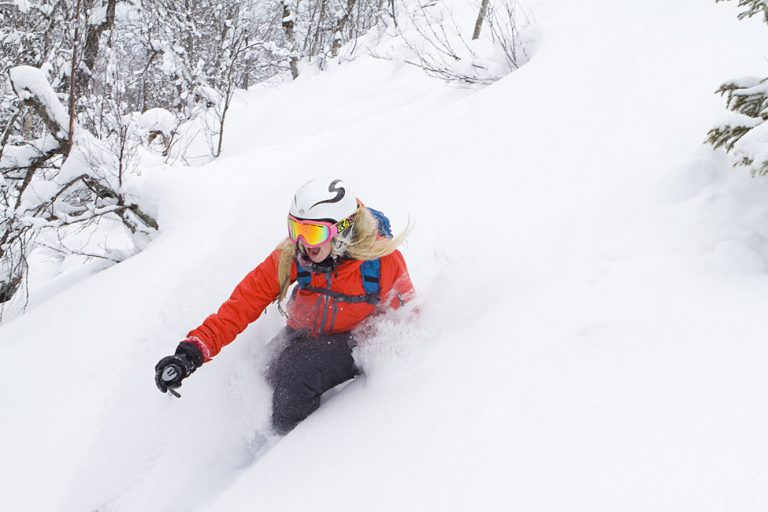
Thanks to an excellent terrain park and varied off-piste opportunities, Hemsedal is popular with snowboarders. Among those with apartments at Skarsnuten are veteran snowboarders, Olympic team members and snowboarding athletes. As a result, this small Norwegian mountain resort ends up on the pages of the world’s biggest snowboarding magazines and in the dreams of hopeful young snowboarders the world over.
One if the skilifts in Hemsedal
Facts about the resort 21 lifts, 48 runs, season from mid-November to 1 May. Highest altitude at the top of a run, almost 1,500 m, with a drop of up to 850 m – if your legs can stand it. Information about avalanche hazards is posted at the bottom of the hill.
Skiing on the Sunny Side in Norway, written by Tor Kjolberg