The rich cultural history of Denmark finds expression in centuries’ worth of art and artifacts, including Viking treasures, numerous castles and manor houses, churches (many from the Middle Ages), fortresses, stimulating museums and some of the finest contemporary design in the world.
Denmark’s strong literary tradition encompasses sagas and medieval folk songs, the most popylae Danish playwright, Ludvig Holberg (1684-1754), the Romantic poet Adam Oehlenschläger (1779-1850), and, in the 19th century, Hans Christian Andersen (1805-75) and Søren Kierkegaard (1813-55). Andersen is probably still the most widely read Danish writer today. His children’s tales – including The Ugly Duckling, The Emperor’s New Clothes and The Princess and the Pea – gained him worldwide fame and are a continuing source for plays, ballets, films, visual arts and bedtime reading.
Ludvig Holberg
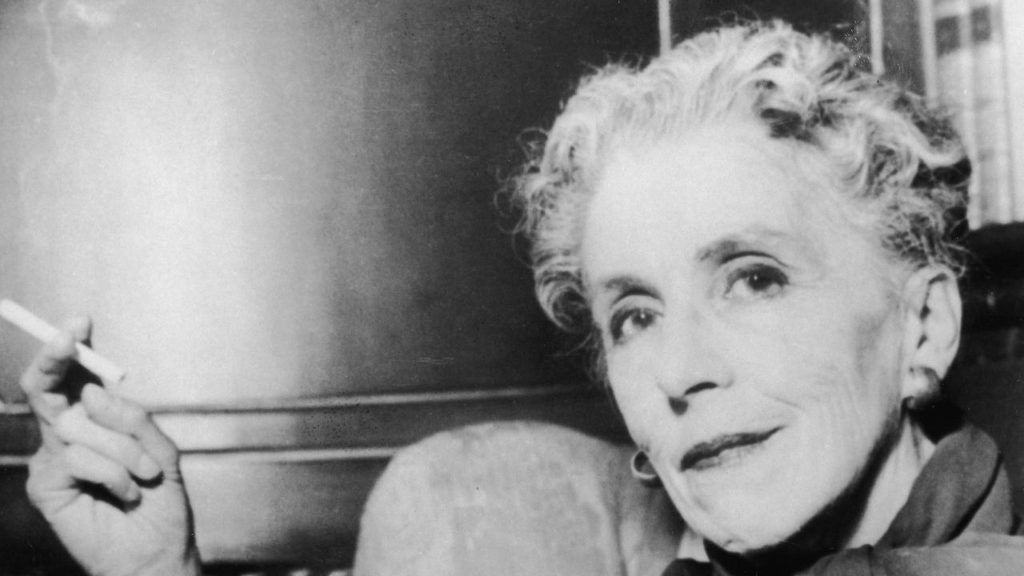
In the 20th century, Karen Blixen (1885-1962), working under the pseudonym Isak Dinesen, gained international recognition for her 19837 memoir of her years in Kenya. Out of Africa, which became a Hollywood movie.
Portrait of Danish author Baroness Karen Christence Blixen-Finecke (1885 – 1962) who wrote under the pen name of Isak Dinesen as she smokes and reads in a wood panelled room, 1950s. (Photo by Hulton Archive/Getty Images)
The Danish philosopher Søren Kierkegaard, known as the father of existensialism, wrote in the first half of the 19th century. His work made an impact in the mid-20th century when it was translated into German and English.
Søren Kierkegaard
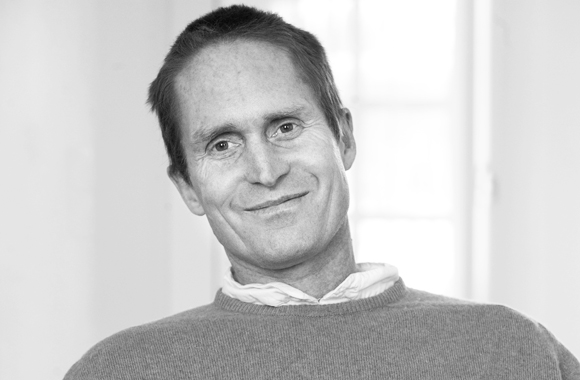
Peter Høeg is Denmark’s best known living author. Miss Smilla’s Feeling for Snow (1992) is his most famous work, an elegant, absorbing literary thriller which begins in Copenhagen and ends in the icy waters of Greenland.
Peter Hoeeg. Photo: Poul RasmussenAugust Bournonville. Painting 1828
Theatre and dance Plays are still performed on the old stage of Det Kongelige Teater (Royal Theatre) in Copenhagen, founded in 1748, but it has been superseded by a futuristic waterside playhouse, which opened in 2008. In recent years Copenhagen’s arts scene has also been gifted with a purpose-built opera house (Operaen), which houses the Royal Danish Opera, and the new DR Konsertsalen, where the Royal Danish Orchestra sometimes perform. The Royal Danish Ballet, formed 150 years ago, is one of the most influential worldwide. It has attracted great masters such as August Bournonville (1805-79), creator of today’s “classical ballet” and choreographer of more than 50 productions, including the popular La Sylphide.
Carl Theodor Dreyer
The big screen Denmark’s Nordisk Film Kompagni, founded in 1906, is the oldest film company still in operation. Carl Theodor Dreyer (1889-1968), who started his career here, directed one of the most influential films of all time, The Passion of Joan of Arc (1928). Dreyer died believing his masterpiece had been destroyed in a fire, but the original was rediscovered in 1981 in a Norwegian mental institution.
Today the government-supported Danish Film Institute is the heart of a vibrant Danish film industry, Three films have won the Academy Award for Best Foreign Film: Babette’s Feast (1986), Pelle the Conqueror (1987) and In a Better World (2010), directed by Susanne Bier. Other Danish films have attracted international acclaim, including Lars von Trier’s Dancer in the Dark and Thomas Vinterberg’s The Celebration. These directors are signatories (along with Kristian Levring) if the Dogma 95-Manifesto. This set of “chastity” rules – films should be made on location without artificial lighting or sound, using hand-held cameras – was intended as a personal challenge to help reinvigorate the art of filmmaking.
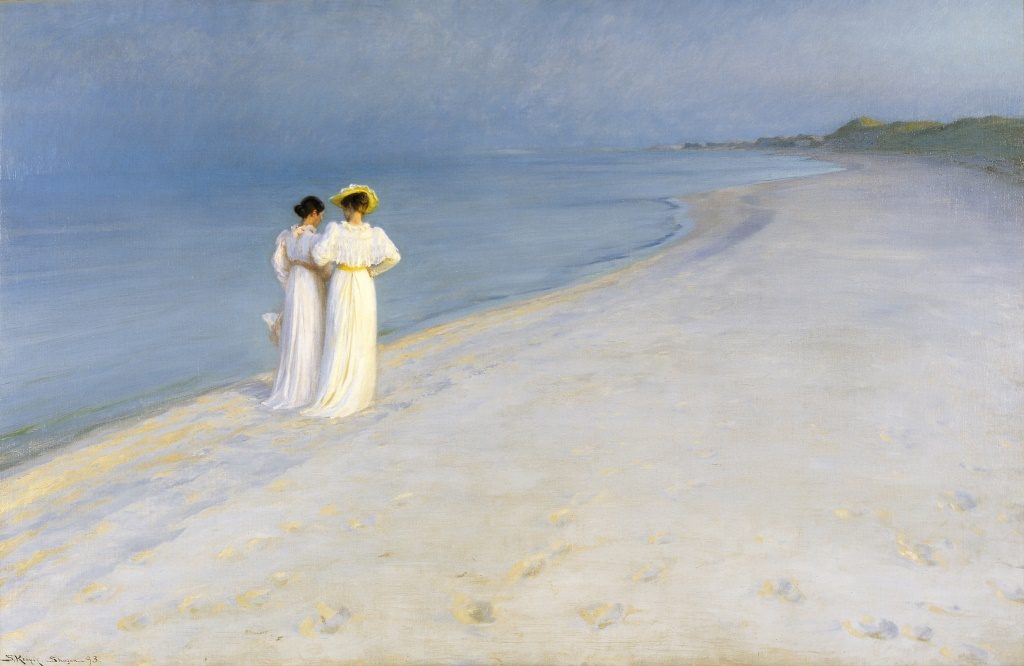
P. S. Krøyer, “Summer evening on Skagen Beach, Anna Ancher and Marie Krøyer walking together. Google Art Project
Painting and plastic arts C.W. Eckersber (1783-1853) is considered the father of Danish painting. At the end of the 19th century, a group pf artists – including PS. Krøyer (1851-1909) and Michael and Anna Ancher (1859-1935) – based themselves in Skagen at the northernmost tip of Jutland. Known as the “Skagen painters”, they turned away from Impressionism. The favored French style of the day, and focused on capturing the special northern light within their maritime landscapes.
Letter to my Son 1956-57 by Asger Jorn (1914-1973)
In the middle of the 20th century Asger Jorn (1914-73), a member of the CoBrA art movement, created large, bold brightly colored paintings. His expressio0nistic and experimental works on canvas and ceramics played a key role in the development and promotion of modern Danish art.
Olafur Eliasson
Olagur Eliasson (1967-) has created some of the 21st century’s most innovative installations, which play with light, water and optical phenomena – for example, The Weather Project, a giant “sun” that illuminated London’s Tate Modern in 2004.
Feature image (on top): Summer evening at Skagen beach. Painting by Danish artist P. S. Krøyer, 1899
Art and Culture in Denmark, written by Tor Kjolberg
There are currently over 250,000 Scandinavian-Americans in New York, not taking into account the increasing number of tourists, students, and temporary expats. It’s therefore no wonder that Nordic cuisine over the years has become increasingly integrated into New York City’s culinary culture.
Scandinavians love New York. Whether it is their open-minded and liberal natures that align perfectly with the exciting “city of dreams”
Scandinavians love New York. Whether it is their open-minded and liberal natures that align perfectly with the exciting “city of dreams,” or NYC’s vast contrast to the small communities in Norway, Denmark, and Sweden, there is no doubt that Scandinavians are aspiring to create a Nordic splash in the city. Here’s our guide to good Scandinavian eating in New York City.
Per Se
Thomas Keller’s restaurant in the Time Warner Center has three Michelin stars. Per Se opened in 2004 and is Thomas Keller’s acclaimed New York interpretation of The French Laundry. The restaurant is Chef Keller’s second three-Michelin-starred property featuring his daily nine-course tasting menu and a nine-course vegetable tasting menu using classic French technique and the finest quality ingredients available. An award-winning wine list, boasting more than 2,000 bottles, complements the menu.
Thomas Keller’s restaurant in the Time Warner Center has three Michelin stars
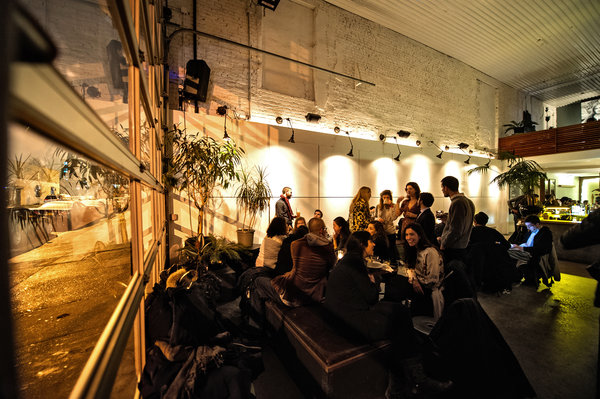
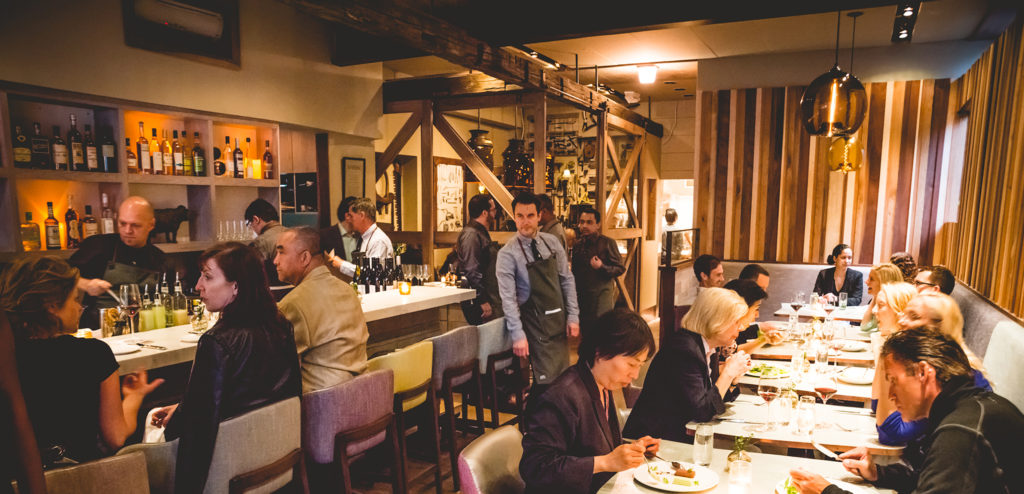
Acme Located in the trendy NoHo neighborhood of Lower Manhattan, Acme specializes in New American cuisine with a Scandinavian flare. It offers inventive dishes that feature thoughtful flavor pairings and the freshest, locally sourced ingredients. The dinner menu is separated into vegetable and protein selections as well as small bites, ‘soil’ meals predominantly of root vegetables and large entrees. With exposed brick walls, warm candle lighting and a bold, retro tiled ceiling, Acme stands at the fashionable intersection of innovation and sophistication with a chic, urban twist.
Aska serves food from Scandinavia using ingredients from upstate, Long Island, and other pastoral lands around New York City
Aska
Aska serves food from Scandinavia using ingredients from upstate, Long Island, and other pastoral lands around New York City. The multi-course dinner often features crackers made from pig’s blood and dolloped with sea buckthorn, dill ice cream, and pickled herring with egg yolk. Whatever you get will be carefully prepared, then carefully explained to you by a member of the kitchen staff. At less than $100 for seven seasonal, elegant, thought-provoking courses, this just might be the best deal in town.
The illustrious Aquavit has been serving the finest in Nordic cuisine since its Midtown doors opened in 1987
Aquavit
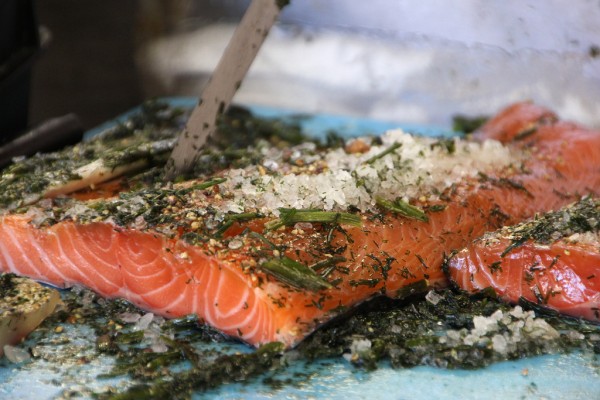
The illustrious Aquavit has been serving the finest in Nordic cuisine since its Midtown doors opened in 1987. With two Michelin stars and over twenty years of critically acclaimed culinary success, this Manhattan institution is founded on the gastronomic treasures of Sweden: seafood, game and root vegetables, to name a few. Diners enjoy the best of Scandinavia in a sleek yet rustic setting accompanied by wood paneling with pristine white accents and typically modern Arne Jacobsen chairs. The decor perfectly complements Chef Emma Bengtsson’s refined menu of earthy dishes such as hay-smoked gravlax and venison tartar with huckleberries, smoked vanilla and juniper crisp. As the name suggests, the restaurant also specializes in aquavit (alternatively spelled akvavit), a spirit infused with herbs and spices. Aquavit is a discerning choice for those seeking a truly exceptional dining experience.
Sockerbit is a West Village candy store that gets its goodies from Sweden
Sockerbit Sockerbit is a West Village candy store that gets its goodies from Sweden. These imports range from chocolates, including coconut-covered caramels and marzipan, to pretty, flavorful gummies to fluffy, cherry-kissed marshmallows to salty-sweet or fruit-flavored licorice. Indeed, all told Sockerbit offers 140 different types of candy to choose from, organized in bins in an entirely white store, which makes the funky colors pop. Everything is one price, so you can mix and match and scoop until your heart’s content.
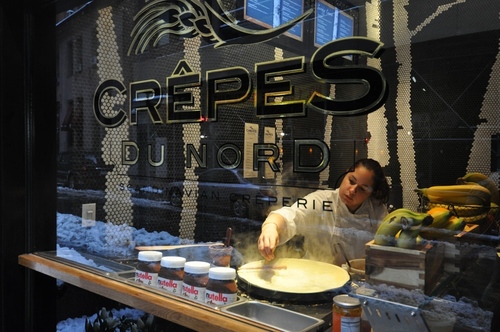
Crêpes du Nord on Wall Street infuses the French crêpe with Nordic influences and a conscience
Crêpes du Nord Crêpes du Nord on Wall Street infuses the French crêpe with Nordic influences and a conscience. Supporting the customer’s right to eat well in every sense of the word, the crêperie promotes delicious food, local business and environmental sustainability by growing their own produce, obtaining their own eggs and sourcing all crêpe ingredients from local, organic farms. Alongside a selection of salads, juices, teas and wine, Crêpes du Nord features an extensive range of sweet and savory crêpes, from their signature Crêpe Du Nord, cured salmon and scrambled eggs with dill crème; to the Midnight Sun, white chocolate and fresh strawberries with whipped cream. Crêpes du Nord is the perfect spot for a relaxed yet elegant European-style meal.
In the Scandinavian tradition, FIKA aims to uphold high quality standards without environmental or economic compromiseKonditori fosters an air of rustic comfort with vintage accents, the perfect environment in which to relax whilst enjoying Scandinavian treats
FIKA FIKA, which in Swedish means ‘a coffee break to indulge in the ritual of conversation, often accompanied by something sweet or savory’, expertly fuses delicious food with a rich cultural atmosphere and welcoming decor. In the Scandinavian tradition, FIKA aims to uphold high quality standards without environmental or economic compromise. Therefore, everything from the milk they serve to their products’ packaging is locally and honestly sourced to balance fresh, delicious flavors with the fullest integrity. The menu features Swedish favorites like cured salmon, artisanal meatballs, an assortment of house baked pastries and hand rolled truffles from their very own Tribeca-based chocolatier; even the coffee beans are roasted locally using a Swedish technique to achieve the perfect cup. In promoting the Swedish ‘coffee-centric lifestyle’ amongst coffee-fueled New Yorkers, FIKA has created something of a match made in heaven.
Konditori It’s all about the perfect brew, quality food and engaging conversation at , a Nordic-style café named Konditori after the Swedish term for a ‘gathering place to enjoy friends over great coffee, fine baked goods and confections’. Konditori fosters an air of rustic comfort with vintage accents, the perfect environment in which to relax whilst enjoying Scandinavian treats such as Kanelbulle (cinnamon rolls) and cardamom bread (coffee bread with almond filling). Essential to the concept of Konditori is a strong, aromatic cup of coffee, and the café is partnered with a local Brooklyn roaster to create a unique Konditori blend that customers can appreciate via French press or filter brew. Bringing both the taste and feel of Sweden to several locations around New York City, Konditori infuses the comforts of a Swedish atmosphere with a lively sense of New York City trendiness.
The décor at Luksus is minimalist chic and harmonious with the food’s presentation
Luksus
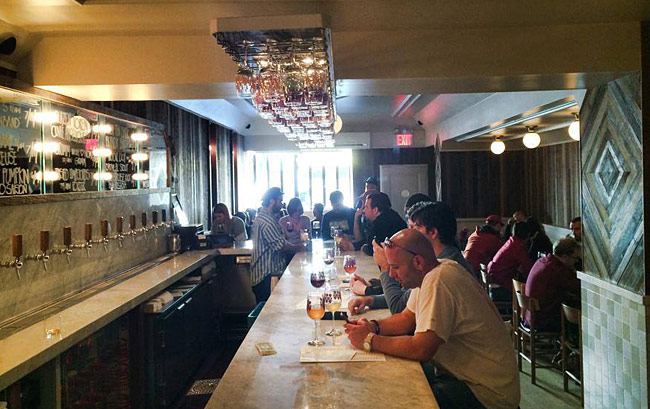
Luksus, offering traditional Nordic forager’s fare, is a small restaurant with definitive Danish tones adjacent to Tørst, a lively Scandinavian-style beer hall. The Danish word for ‘luxury’, Luksus features a scaled-back tasting menu with carefully crafted dishes staring vividly colored, garden fresh ingredients. Each plate is delicate with a subtle sophistication, clearly thought through from concept to garnish. In keeping with such a focused menu, Tørst steals the beverage show with a selection of craft beers to pair with your meal, as there is no option to order wine or cocktails. The décor is minimalist chic and harmonious with the food’s presentation. With OpenTable Diners’ Choice Awards for ‘Best Overall’ restaurant, ‘Best Ambiance’ and ‘Best Food’, Luksus possesses the magic combination of comfort and style conducive to a thoroughly enjoyable meal.
Noshi unites Danish smørrebrød, an open sandwich, with the fresh simplicity of Japanese sushi
Noshi
Noshi is bridging the gap between two seafood-based cuisines to create an unexpected yet compatible menu of ‘Nordic sushi’, Noshi unites Danish smørrebrød, an open sandwich, with the fresh simplicity of Japanese sushi. Noshi’s one-of-a-kind version of smørrebrød prepares Japanese ingredients such as seaweed, ginger and wasabi using the Danish techniques of curing and smoking. Noshi consists of a rye bread sourdough-base topped with variations of cured and smoked salmon, mackerel, herring and cod, as well as colorful garnishes of cucumber, beet and dill. This is an unconventional food joint, operating kiosk-style at Smorgasburg, a food market in Williamsburg, Brooklyn. With long lines of eager patrons and the East River as its backdrop, Noshi’s atmosphere is appropriately relaxed, simple and focused on the food.
Midtown-based Smörgås Chef os located in the Nordic cultural center
Smörgås Chef
The farm fresh ingredients of New Nordic cuisine serve as the foundation of Midtown-based Smörgås Chef, located in the Nordic cultural center, Scandinavia House. Guests enjoy a distinctively Scandinavian atmosphere featuring a central birch tree installation and contemporary Arne Jacobsen seating. The restaurant sources all meat and produce from their very own Blenheim Hill Farm in the Catskills, ensuring that only the finest quality local fixings make their way onto your plate. Smörgås Chef offers deliciously dynamic lunch, brunch, dinner and prix fixe menus; as well as ‘Dinner and a Movie’ options on Wednesday and Friday evenings, complete with a three-course meal and film screening. After sharing a classic smorgasbord platter or partaking in a greenhouse-fresh salad, round out your Nordic experience by exploring Scandinavia House’s gallery, concerts, lectures and cultural events.
Satisfy your love of Swedish meatballs in IKEA’s Red Hook
It is worth noting that many Scandinavians take the ferry out to IKEA in Brooklyn on weekends to stock up on bulk Scandinavian food items and to satisfy their love of Swedish meatballs in IKEA’s cafeteria while enjoying the beautiful view of the Statue of Liberty.
Scandinavian Eating in New York City, compiled by Admin
Winter became spring and melancholy turned to optimism when the Danish painter L.A. Ring married the ceramist’s daughter Sigrid Kähler. On 16 December, Ordrupgaard will open the doors to an exhibition that shows a brighter and more domestic side of the famous Danish symbolist and realist.
The Danish artist Laurits Andersen Ring (1854-1933) is known and loved for his empathetic portrayals of peasants, artisans and workers
The Danish artist Laurits Andersen Ring (1854-1933) is known and loved for his empathetic portrayals of peasants, artisans and workers, and for his condensed, mist-filled pictures of the Zealand landscape. But the private sphere and the painter’s life as it unfolded within the four walls of his home was also a significant factor in L.A. Ring’s motivic world. The significance of the home comes to expression at an early stage in a number of interior paintings from Ring’s locality, in which he used family members and neighbors as models, often portrayed in domestic surroundings.
A turning point
L.A. Ring was plagued by melancholy throughout his life, but his marriage to the twenty-year younger Sigrid Kähler (1874-1923) marked the beginning of a new and happier period of life for the then 42-year-old Ring – and a new phase in his art.
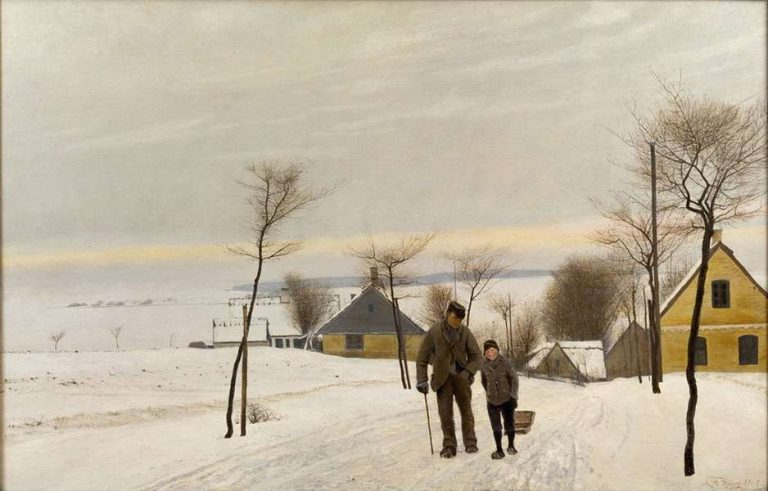
L. A. Ring, Village street from Baldersbrønde
In the following years, his work was characterized by an unprecedented warmth, intimacy and optimism that is not found in his earlier work. The desolate Zealand landscapes were replaced by cozy domestic interiors, and instead of the harsh realism that Ring had previously cultivated, he painted his wife and the couple’s three children in the home that he and Sigrid jointly created as the setting for their family life.
L. A. Rinmg, In the month of June
Sigrid Kähler
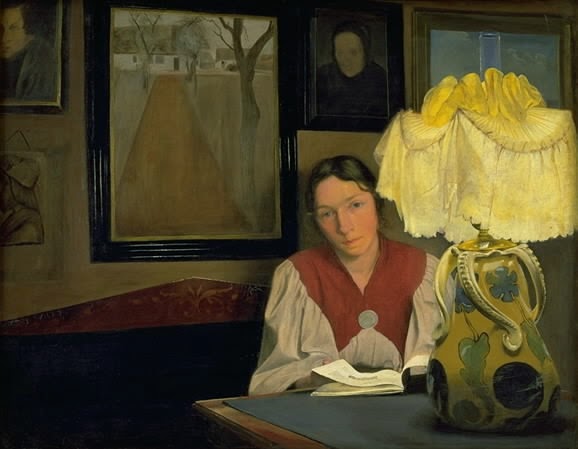
Sigrid Kähler is the focal point for many of Ring’s works from 1896 onwards. We see her in the garden door, at the lunch table, and in the lamplight’s glow – but Sigrid was more than just a motif in her husband’s works. Sigrid Kähler was herself an artist, and had worked as a “painter lady” at the pottery of her father, Herman Kähler.
L. A. Ring, Melby church
Danish museums have only very few examples of Sigrid’s works, but in connection with L.A. Ring. Between Light and Darkness Ordrupgaard has located and identified vases, watercolors, furniture and other decorative works from Sigrid’s hand. Most of these works have never before been exhibited. Like so many other artists’ wives of the day, Sigrid’s marriage to Ring meant that she had to hang up her brushes, but nonetheless she continued to be the Ring’s foremost critic and sounding board, and it was often she who gave the works their titles.
L. A. Ring, Village street in Baldersbrønne
Artist home and peasant’s cottage
Although Ring’s happy marriage muted his restlessness, his fundamental unease and melancholy never quite deserted him. It had an impact on their family life, and they lived in four different places in Zealand. In 1914 the family moved into an architect-designed redbrick house in Roskilde, which they filled with old mahogany furniture, antiques and crafts.
Sigrid Kaehler painted by L. A. Ring
As in other artists’ homes from the period, such as the home of Swedish Carl and Karin Larsson in Sundborn, or that of Anna and Michael Ancher in Skagen, the home expressed an artistic idea in which decor, artistic creation, lifestyle and family formed an overall synthesis. Shortly afterwards Ring bought a small farmhouse on the adjacent site, which he decorated with simple rustic furniture, with the idea of using the house as scenography in his paintings. However, he did not in the end create many paintings in the house, perhaps because the staging was too remote from the life as it is lived, with which Ring was much occupied. Instead, he went out into Brøndgade right outside the house, a street still clearly influenced by peasant culture, where he painted numerous pictures of the characteristic small, rickety houses.
L. A. Ring, Gleaners
L.A. Ring. Between Light and Darkness is a continuation of Ordrupgaard’s series of exhibitions about artist couples and artists’ homes from around the turn of the last century, which has amongst other things included the popular exhibitions Carl Larsson. The Good Life, Johannes and Alhed Larsen. At Home in Nature and Fritz Syberg. Art and Love.
Johanne Wilde and the artist’s wife at her loom
A new side of Ring
This the first time that an exhibition focuses on the influence of the home on L.A. Ring, from his childhood in the village of Ring as the son of an artisan in straitened circumstances, and with his parents as his first models, to the artists’ home he created with Sigrid, and finally the peasant’s house in Brøndgade, where Ring sought to reconstruct the peasant culture he had known in his childhood. L.A. Ring. Between Light and Darkness thus gives the public a unique opportunity to experience Ring from a completely new angle, as a painter of interiors and the family.
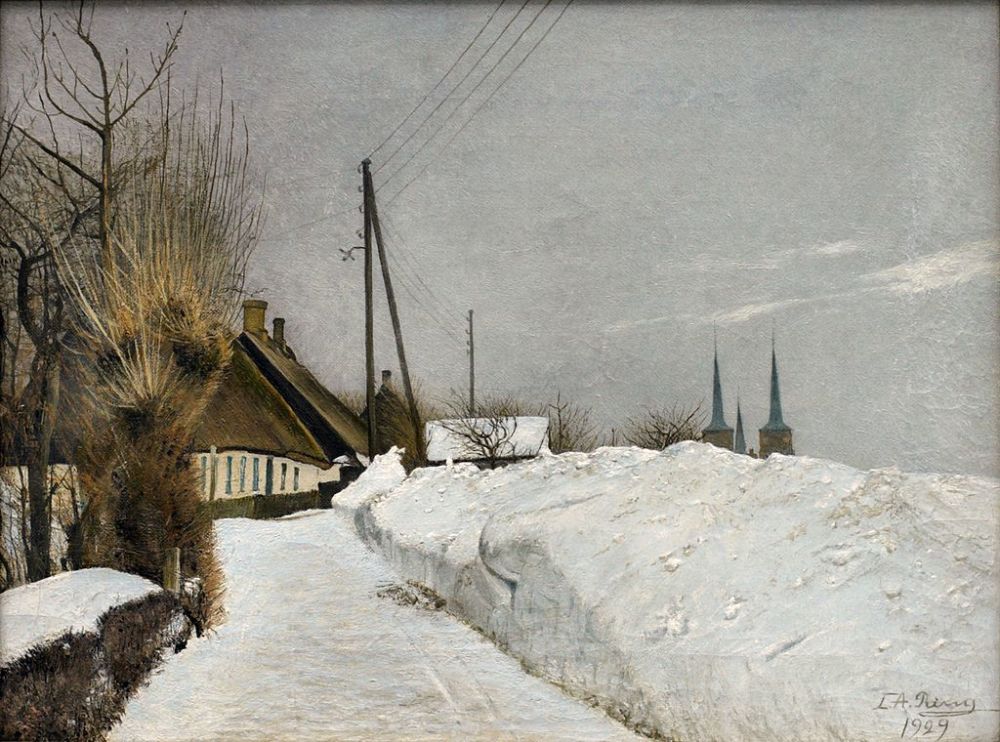
Laurits Andersen Ring, Winter day in Roskilde 1929
The exhibition presents a wide range of L.A. Ring’s interiors, with a special focus on the artist’s home. In addition, there are a large number of paintings from Sankt Jørgensbjerg and Brøndgade, ceramics created by Ring, and watercolours and crafts by Sigrid Kähler. The exhibition also contains many works in private ownership that have never previously been exhibited.
The exhibition may be seen at Ordrupgaard from 16 December 2016 until 26 February 2017.
Feature image (on top): L. A Ring: Hazy winter’d say in Vinderoed.
Between Light and Darkness in Denmark, source: Ordrupsgaard
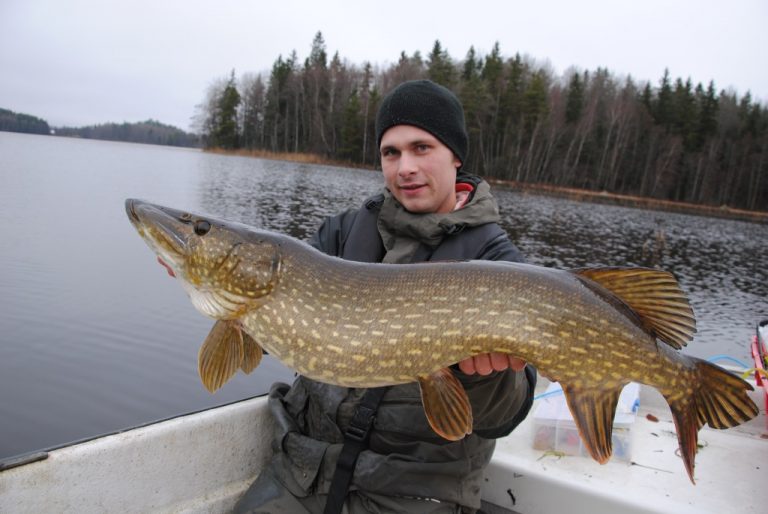
Esox lucius. Pike are stuff of nightmares, ugly in a way that scares us on a subconscious level. They are skillful predators, lurking and then attacking their prey at an astonishing speed.
In lakes and rivers they feed on larvae, frogs and river fish, even eating their own species on occasion. When in the brackish waters of the Baltic – for pike do not restrict themselves wholly to fresh water – they even hunt shoals of herrings.
Appearance and taste Pike have a distinctive long snout, and a well-camouflaged, green-gold spotted skin. Their teeth are horrifying, populating a huge set of jaws allegedly big enough to accommodate mini poodles and whole ducks if the pike is fully grown to an impressive 1 ½ meters. The males are smaller than the females, and pike grow not only on length, but also get bigger around the waist with age. I have eaten huge pike, and they make very good eating, but their bones keep them on the cheap side in Scandinavia; even a huge one is inexpensive.
Scandinavian pike
The pike’s flesh is striking for its unusually firm texture. Pike caught in brackish water are far better to eat than freshwater pike. The taste is meaty like shark, and delicious.
Pike, contrary to popular belief, do not contain more bones than other fish, nor are they scattered around in the flesh at random. They do, however, have neat rows of nasty Y-shaped bones running at a slant along the front of half of the fish’s back. These are easy to remove when the fish is raw and even easier if the pike has been baked whole. You can of course ask the fishmonger to take them out for you.
Culinary uses Pike suffers from the general opinion that it is good only for making quenelles. In fact, it’s closer to the truth to say that it is extraordinarily good for fishcakes and quenelles – the pike’s gelatinous and firm flesh, exceptional in the fish kingdom, makes it perfect for this purpose.
Pike have a distinctive long snout, and a well-camouflaged, green-gold spotted skin
A perfect prepared pike is much more juicy and succulent than tuna or shark, which share the same consistency when cooked. It will be inedible if cooked through, but pan-fried it is easy to cook to perfect doneness. However, baking the whole fish in the oven is perhaps the ultimate way to prepare pike. Pike works well as no descaling is required, and the fish’s thick overcoat acts as a self-basting protective layer and also makes it hard for you to overcook it.
Mustard sauces, capers and horseradish are very good with pike.
Pike suffers from the general opinion that it is good only for making quenelles
Pike rissoles Whether you are making rissoles or quenelles, the small bones present no problems as they can be minced with the flesh. Eat the rissoles with a heap of steamed, buttered spring vegetables and lemon.
1kg finely minced pike
1 onion, finely chopped
100g smoked bacon, finely chopped
100g salted butter, melted, plus extra for frying
1 tablespoon plain flour
1 egg
200ml whipping cream
2 bunches of herbs, preferably a mixture of parsley, dill, chervil, chives, rhyme and tarragon, finely chopped
Salt and pepper
Serves 5-6
Mix everything (apart from the butter for frying) in a mixer or a large bowl. Stir until the creamed fish is forming strands – this is the protein in the fish developing into membranes, which will eventually make the rissoles rise as they cook.
Heat the extra butter in a frying pan until browned, then gently fry the rissoles. Turn them over when they are golden on one side. They are finished when they feel like a foam mattress when you press them gently with your finger.
Alternatively, poach the rissoles in trembling, salted water, and when they rise to the top they are done. Eat as dumplings in a fish soup, or brown them in the oven in a white sauce with Parmesan cheese sprinkled over.
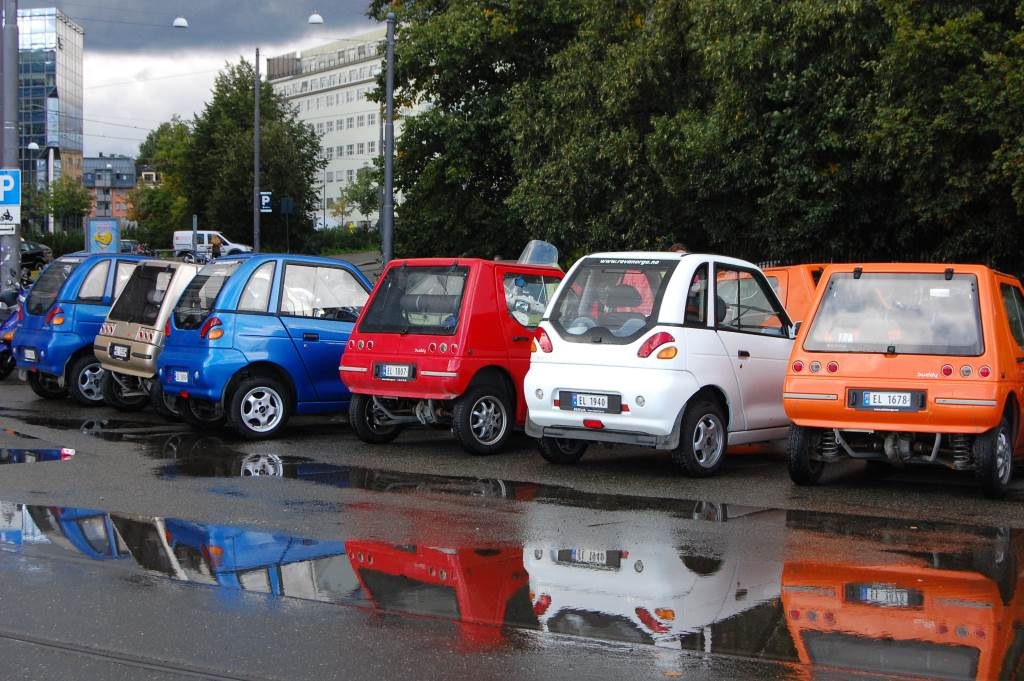
New tax exemptions on EVs until 2020 and a goal to go full-electric in 2025 is Norway’s ascent to become the world’s electric vehicle (EV) market leader.
The government’s strategy has proved highly successful; recent quarterly data suggest around 25 percent of all newly registered autos in the country are plug-in electric vehicles (PEVs) — a category that includes both pure electric and hybrid vehicles — according to information provider IHS and other sources.
The government’s strategy has proved highly successful
Norway will ban the sale of all fossil fuel-based cars in the next decade, continuing its trend towards becoming one of the most ecologically progressive countries on the planet, according to reports.
Norway appears to be just one of the many countries aiming for all new car sales to go electric by 2025. This is in light of its desire to comply with its emission reduction goals. In fact, Norway appears to be one of the very few countries that could ever achieve such a feat.
Norway will ban the sale of all fossil fuel-based cars in the next decade
“Norway has what is probably the world’s best incentives for zero emission vehicles and a correspondingly the world’s highest number of electric cars per capita by a wide margin,” according to the EV Norway, which provides information on the country’s electric vehicle market, website.
Politicians from both sides of the political spectrum have reportedly reached some concrete conclusions about 100 per cent of Norwegian cars running on green energy by 2025.
Norway appears to be just one of the many countries aiming for all new car sales to go electric by 2025
As of September 2016, 28.8 percent of new car sales in the country have already gone electric, and all-electric cars have 19 percent market shares. This is far more than any other countries.
Electric vehicle registrations as a proportion of overall market:
Norway: 24.4%
Netherlands: 1.8%
France: 1.5%
UK: 1.3%
Germany: 0.7%
Given the growth in Norway, it may not be hard to imagine reaching 100 percent market share in a few years’ time. However, the tax exemption for electric vehicles until 2020 is a very significant part of this equation. After all, this bridges the gap until companies that are into making electric vehicles roll out their new models at more affordable prices. This includes Tesla’s Model 3 or the Chevy Bolt EV, all electric cars that are gaining quite the prominence in the market. Although it appears there was some political opposition to extending the tax exemptions for electric vehicles, as some people see this as a reason for the “rich” to buy Teslas.
Given the growth in Norway, it may not be hard to imagine reaching 100 percent market share in a few years’ time
Speaking about the possible 2025 ban on non-electric cars, Elon Musk, chief executive of US electric car company Tesla Motors, lauded the announcement.
“Just heard that Norway will ban new sales of fuel cars in 2025,” he wrote. “What an amazingly awesome country. You guys rock!!”
Tax exemption for electric vehicles until 2020 is a very significant part of the strategy
Norwegian authorities also announce that Norway will become the first country in the world to commit to zero deforestation.
Norway: Country of Electric Vehicles, written by Tor Kjolberg
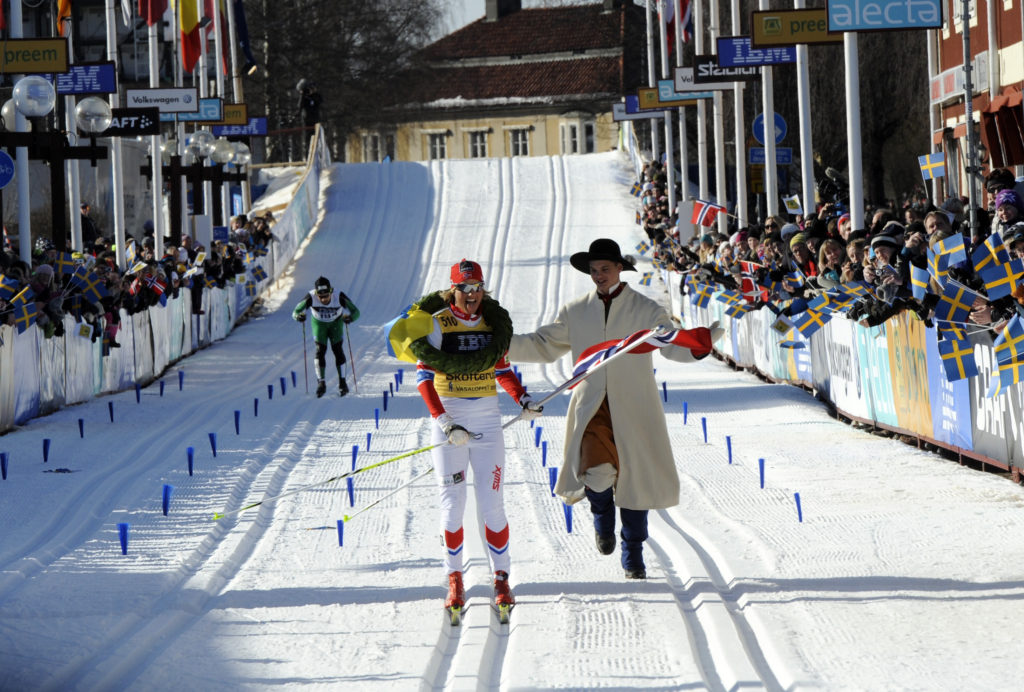
One of the world’s greatest skiing competitions takes place in Mora, in the Dalarna region of Sweden
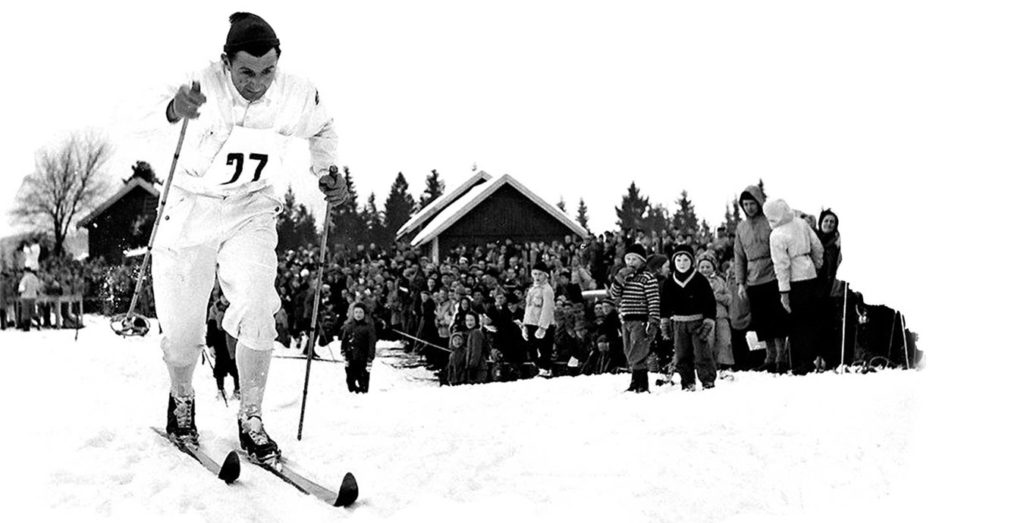
One of the world’s greatest skiing competitions takes place in Mora, in the Dalarna region of Sweden. The Vasaloppet, a 90 km (56-mile) cross-country skiing race, is the most popular sporting event in the country. It is held every March to commemorate King Gustav Vasa’s flight from the enemies in the 16th century. Each year the race includes the present Swedish king, Carl XVI Gustav.
The first VASALOPPET was run on 19 March 1922, but really it is much older than that. The first Vasalopp was carried out as early as 1521 by Gustav Eriksson. Vasaloppet’s history begins in fact as early as 1520. Then Sweden was in a union with Denmark. Discontent with the Danish king was great, not least from Gustav Eriksson Vasa, whose opposition had resulted in his being imprisoned in Denmark. But the 24 year old Gustav managed to escape.
During his flight from the Danish king he stopped in Sälen and returned to Mora to lead the uprising against the occupation forces. Gustav Eriksson eventually united the realm and became Sweden’s first king, better known under the name Gustav Vasa. In other words, Sälen is not only the starting point for the world’s largest exercise race; it is also the starting point for the history of the country of Sweden.
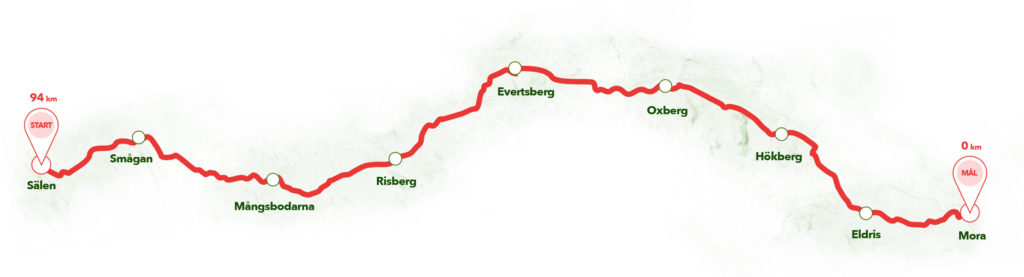
Anders Pers, from Mora, is the father of VasaloppetThe Vasaloppet route map
In 1521, with the men from Dalarna at the head, Gustav began his battle. It took two and half years before the war was over and Sweden was a free land. On 6 June 1523 at a national assembly in Strängnäs, Gustav Eriksson Vasa was elected king of a free Sweden. Now he is a symbol for the world’s biggest ski competition – Vasaloppet!
Anders Pers, from Mora, is the father of Vasaloppet. It was from his thoughts that the world’s biggest ski race was born. He wrote about the contemporary interest in skiing and linked it to Gustav Eriksson Vasa’s flight on skis from Mora towards Norway in 1521.
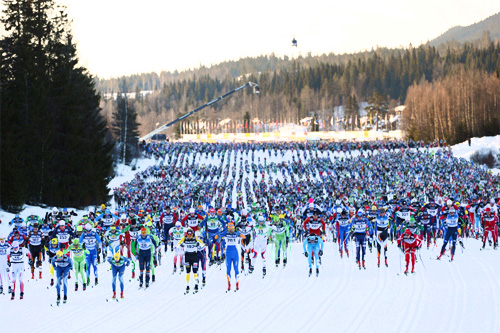
Norwegian skiier Vibekke Skofterud partcipates in the 2012 Vasaloppet
In an article in a local newspaper, Vestmanlands Läns Tidning, on 10th February 1922, he launched the idea of a Vasalopp. The national newspaper, Dagens Nyheter, reprinted his article the day after and, at the same time, gave its support for a long ski race, a test of endurance, as a commemoration of Gustav Vasa. After some considerable press debate, both for and against the idea, IFK Mora’s Board decided on 5th March to run a trial race, if there was some suitable financial backing. Dagens Nyheter donated 1,000 crowns to the arrangers and thus made it possible for the first Vasaloppet to be run on Sunday 19th March 1922.
A Vasaloppet victory is regarded as highly as a podium place in the Olympic Games or the World Championships
In total 136 registrations came in to the competition secretariat by telegraph and telephone. 119 skiers came to the start.
A Vasaloppet victory is regarded as highly as a podium place in the Olympic Games or the World Championships.
Did you know there’s also a Vasaloppet USA – in Mora, Minnesota?
The World’s Greatest Skiing Competition, written by Tor Kjolberg
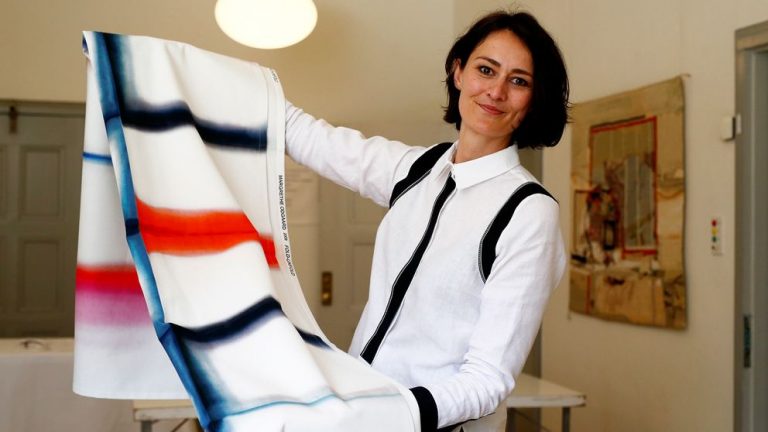
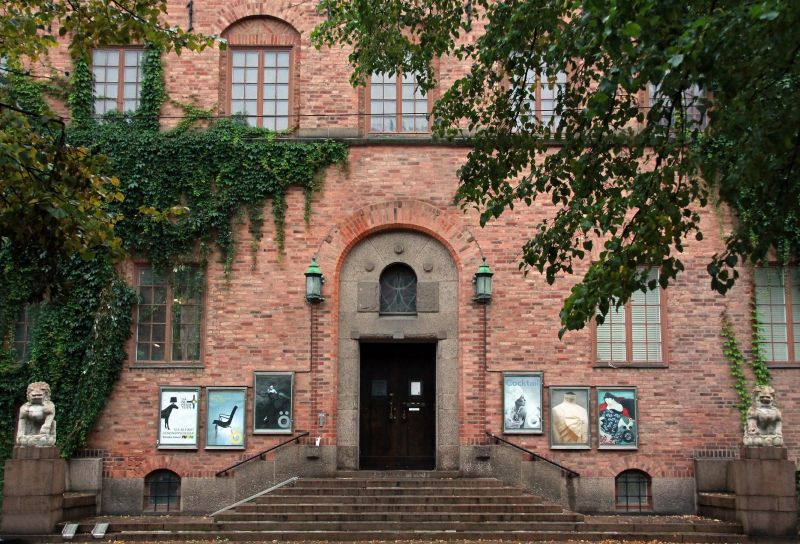
The Danish designer Margrethe Odgaard(b. 1978) is 2016 year’s recipient of the Torsten and Wanja Söderberg Prize. In connection to the award ceremony, Margrethe Odgaard is presented in a solo exhibition at Röhsska Museum in Gothenburg, displaying examples of her innovative work in textiles and other materials.
Margrethe Odgaard
The award committee has described her work as having “an approach that is both artisanal, tactile and thorough – she thinks with her hands.”
In addition to running her own studio, Margrethe is part of the Included Middle design duo with furniture designer Chris L. Halstrøm. Together they design furniture on the basis of two simple questions ”What if color or pattern is seen as something suggesting form?”, and ”what if form is seen as something suggesting a pattern?”.
Anne-Louise Sommer, Director of the Design Museum Denmark
The exhibition opened 5 November, with Margrethe Odgaard and Anne-Louise Sommer, Director of the Design Museum Denmark present.
Margrethe Odgaard Margrethe Odgaard was born in 1978 and works in Copenhagen. She has collaborated with a number of design producers, including Georg Jensen Damask, Muuto, Ikea, Hay and Skagerrak.
Fold-Unfold by Nargrethe Odgaard
The jury wrote in this year’s citation: “Using both poetic and consistent color and pattern studies, Odgaard creates coherence in a breath-taking process that is imbued with musicality. Her artistic vision is propelled by her desire for creation and enrichment in which knowledge, ideas, and skills are shared generously and with perseverance.
Rohsska Museum in Gothenburg
The Torsten and Wanja Söderberg Prize
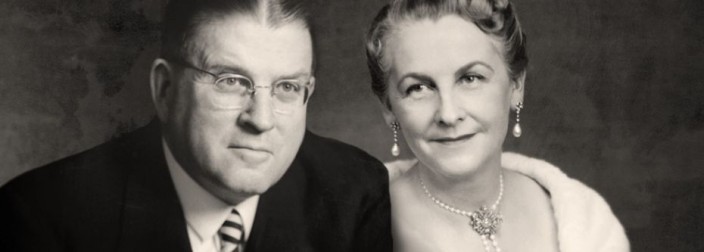
The Torsten and Wanja Söderberg Prize was inaugurated by the Torsten and Ragnar Söderberg Foundations, to be awarded for the first time in 1994 on the centenary of Torsten Söderberg’s birth. The foundations are among Sweden’s most important donors to research and development and were founded in 1960. Over the past five years the Torsten Söderberg Foundation, which from 2014 is the sole financial donor behind the prize, has awarded an average of SEK 120 million a year to scientific and corresponding causes.
Torsten and Wanja Soderberg
The exhibition is on display 5 to 19 February 2017, and is produced with the generous support of the Torsten Söderberg Foundation.
Danish Designer Receives Swedish Award, written by Admin
Guest nights from foreign guests in Northern Norway during winter season have risen by 378 percent since 2006.
That is close to a fourfold increase in ten years. And Northern lights tourists are among the most lucrative tourists visiting Norway.
Northern lights over Tromsoe. Photo: Gaute Bruvik, www.nordnorge.com
“We have managed to create growth and demand in a season previously virtually without any tourist demand,” Cathrine Pia Lund in Innovation Norway told Norwegian National Radio Corporation, NRK.
Cathrine Pia Lund, Innovation Norway
Foreign guest nights in Northern Norway during winter season have risen by 378 percent since 2006. That year Innovation Norway and their partners began marketing the Northern Lights. Tromsoe has experienced the largest increase since 2006, while Finnmark shows the smallest increase in Northern Norway.
Terygve Nygaard in adventure company Glød
“The challenge is to get people to travel further than to Tromsoe. Most people who come from Europe, USA or Asia seems that Tromsoe is far enough to travel, “says CEO Trygve Nygård in tourism company Glød, which offers northern lights hunting.
“Although Finnmark has the smallest increase in volume of the Northern Norwegian counties, it is equally important to have profitable guests, says tourism manager Hilde Bjørkli in North Norwegian tourism.
Northern lights over Alta. Photo: Glød
“Northern lights tourists are definitely lucrative tourists. Winter tourists leave more money per head than the traditional summer tourist, “she says.
Record Number for Northern Lights Tourism, source: NTB
In ‘A Man Called Ove”, a bestselling and delightfully quirky debut novel from Swedish author Fredrik Backman, a grumpy yet loveable man finds his solitary world turned on its head when a boisterous young family moves in next door.
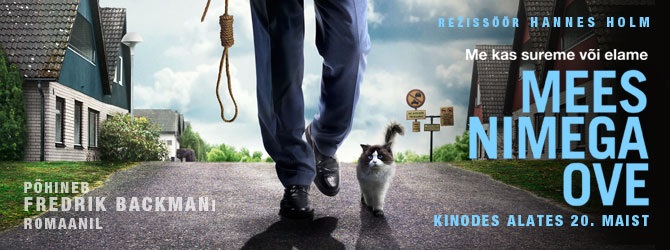
‘A Man Called Ove”, is the bestselling and delightfully quirky debut novel from Swedish author Fredrik Backman
Ove is a curmudgeon, the kind of man who points at people he dislikes as if they were burglars caught outside his bedroom window. He has staunch principles, strict routines, and a short fuse. People call him “the bitter neighbor from hell.” But must Ove be bitter just because he doesn’t walk around with a smile plastered to his face all the time?
But Ove is fed up. So fed up that he intends to end it all.
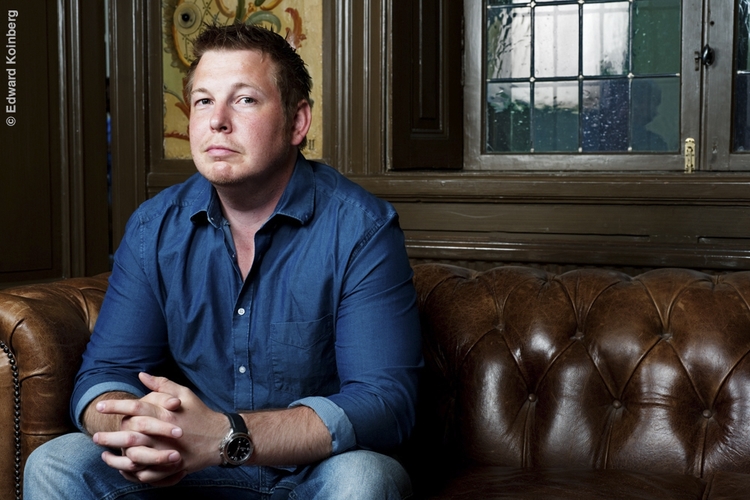
Fredrik Backman, a well-known blogger and columnist in his native Sweden, launched the character of Ove in a blog post and his readers demanded more. So A Man Called Ove was born. but Backman got tepid responses when he sent out the manuscript for his debut novel, “A Man Called Ove.” Most publishers ignored him, and several turned it down.
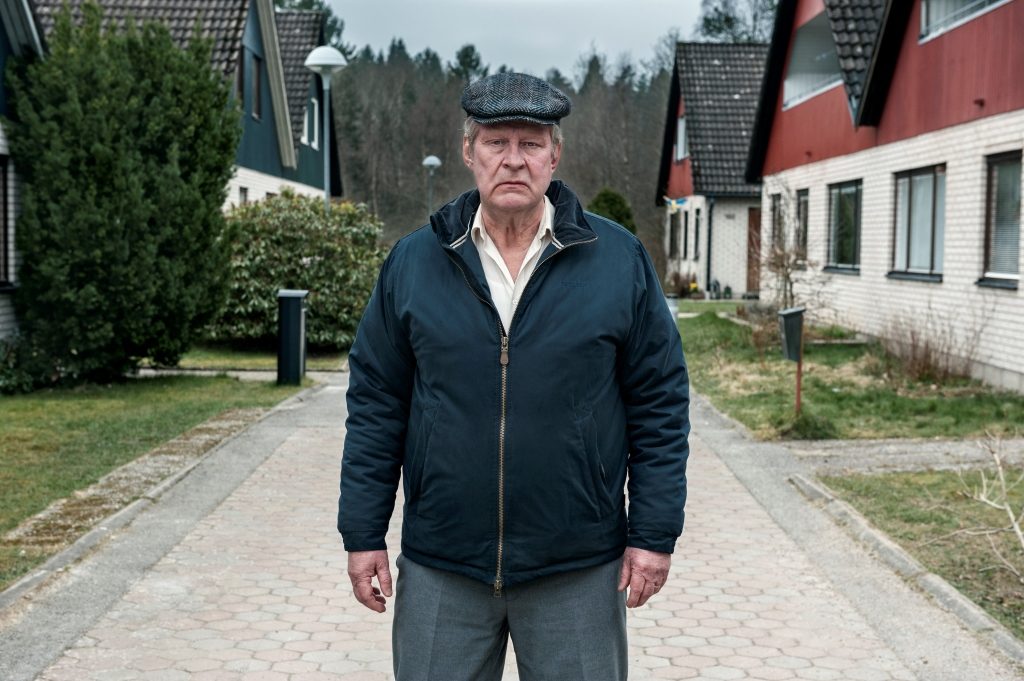
From the movie, starring Rolf Lassgård
“It was rejected by one publisher with the line, ‘We like your novel, we think your writing has potential, but we see no commercial potential,” said Mr. Backman, 35, who lives outside Stockholm with his wife and two children. “That note I kept.”
Swedish author Fredrik Backman
Behind the cranky exterior there is a sadness. So when one November morning a chatty young couple with two chatty young daughters move in next door and accidentally flatten Ove’s mailbox, it is the lead-in to a comical and heartwarming tale of unkempt cats, unexpected friendship, and the ancient art of backing up a U-Haul. All of which will change one cranky old man and a local residents’ association to their very foundations.
Much to his annoyance, Ove is a man who people come to rely on, even though he makes it clear he is not in the least bit interested in making friends.
Now “A Man Called Ove” has sold more than 840,000 copies in Sweden and 2.8 million copies worldwide, making the book one of Sweden’s most popular literary exports since Stieg Larsson’s thriller “The Girl With the Dragon Tattoo.” Fredrik Backman’s novel about the angry old man next door is a thoughtful and charming exploration of the profound impact one life has on countless others.
The book has been adapted into a successful stage production and an award-winning Swedish feature film, which recently opened in the United States. Translation rights have sold in 38 languages, including Arabic, Turkish, Latvian, Thai and Japanese. Mr. Backman has gained a passionate fan base in South Korea, where the novel became a huge best-seller.
Fredrik Backman, a well-known blogger and columnist in his native Sweden, launched the character of Ove in a blog post and his readers demanded more
In 2012, Backman debuted as an author, publishing two books on the same day: a novel, A Man Called Ove (U.S. release in 2014), and a work of nonfiction, Things My Son Needs to Know About the World. His second novel, My Grandmother Sent Me to Tell You She’s Sorry, came out in 2013 (U.S. release in 2015). (Adapted from Wikipedia and the publisher. Retrieved 7/23/2014.)
Feature image (on top) Fredrik Backman portrait by Edward Kolnberg
Sweden’s Latest Hit Novel, compiled by Tor Kjolberg
The house is supposed to serve the changing needs of a dad who has two children living with him every other week, an affordable little house with room for one family and lettable studio.
The house is supposed to serve the changing needs of a dad who has two children living with him every other week
Lie Øyen Architects solved the task with a puzzle of prefabricated concrete elements, designed as one shell with a flexible interior space, built on a small plot in Drøbak, outside Oslo.
Villa Tussefaret is a 120 square meter compact single family two storey house. It can be divided vertically into one main unit and one rental unit. Combined, these two units provide four bedrooms, two bathrooms and two living rooms.
Villa Tussefaret is a 120 square meter compact single family two storey house
Each slab of concrete is a unique shape, and the individual pieces are assembled like a puzzle.
From the idea to build a low-budget housing, really just a shell with provisional compartments, which could eventually develop into a shell casing, the project has been more in the direction of a conventional house.
The elements are intended as single pieces that are assembled and rest on each other
The idea, however, is the same: the most acreage for recreation, a floating room structure with zoning, and curtains that can be drawn between the rooms to achieve more privacy when more people are living together.
The insulated sandwich panels were delivered ready to use, with exterior and interior finish. This made it possible to complete the structure quickly. The elements are intended as single pieces that are assembled and rest on each other.
. Each element is combined so that the spaces between them make up the window openings
Their size is close to the maximum for transportation and assembly. Each element is combined so that the spaces between them make up the window openings.
Each slab of concrete is a unique shape, and the individual pieces are assembled like a puzzle
The windows and doors are made of crude aluminum, the only other material used in the exterior. All material can be left untreated. The interiors are oak veneered birch plywood. Room zones connect the two floors, and the custom-built furniture, made by the architect’s own carpenters, emphasizes these zones. The furniture can change as the family and its members develop and grow.
The house was built in 2014.
Photography by Finn Serck-Hanssen, Nils Petter Dale.
Prefabricated Concrete Norwegian Villa, written by Tor Kjolberg



 Denmark’s strong literary tradition encompasses sagas and medieval folk songs, the most popylae Danish playwright, Ludvig Holberg (1684-1754), the Romantic poet Adam Oehlenschläger (1779-1850), and, in the 19th century, Hans Christian Andersen (1805-75) and Søren Kierkegaard (1813-55). Andersen is probably still the most widely read Danish writer today. His children’s tales – including The Ugly Duckling, The Emperor’s New Clothes and The Princess and the Pea – gained him worldwide fame and are a continuing source for plays, ballets, films, visual arts and bedtime reading.



 Other Danish films have attracted international acclaim, including Lars von Trier’s Dancer in the Dark and Thomas Vinterberg’s The Celebration. These directors are signatories (along with Kristian Levring) if the Dogma 95-Manifesto. This set of “chastity” rules – films should be made on location without artificial lighting or sound, using hand-held cameras – was intended as a personal challenge to help reinvigorate the art of filmmaking.