Physical activity is both a pleasure and a serious pursuit to the sporty Scandinavians. Emerging from the broad base of running, jumping, skiing, sailing, puck-thwacking, ball-kicking people come the elite, competitors who enter many national championships and represent their countries in international sports meetings.
Physical activity is both a pleasure and a serious pursuit to the sporty Scandinavians
Snowy mountains have naturally given Scandinavians a passionate interest in skiing, and the extended winter season allows them to perfect their sport: unsurprisingly some of the world’s best skiers come from this region.
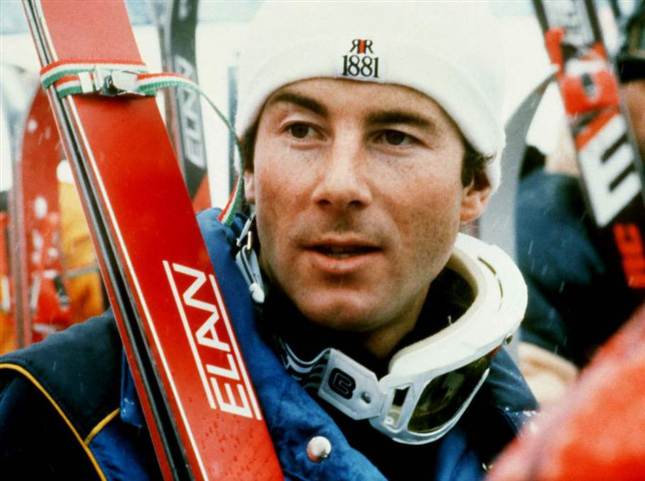
Ingemar Stenmark
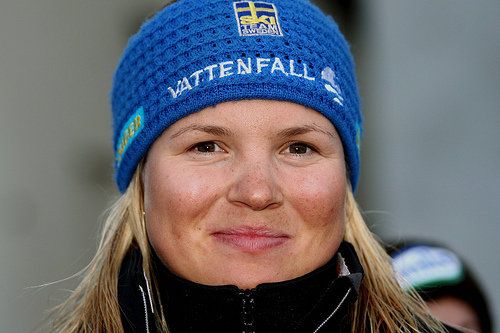
Slalom champion Ingemar Stenmark put Sweden on the international skiing map, and Anja Paerson, the World and Olympic champion skier, has kept the country in the spotlight. In 2007 she became the first person to win World Championship gold medals in all five skiing disciplines.
Anja Paerson
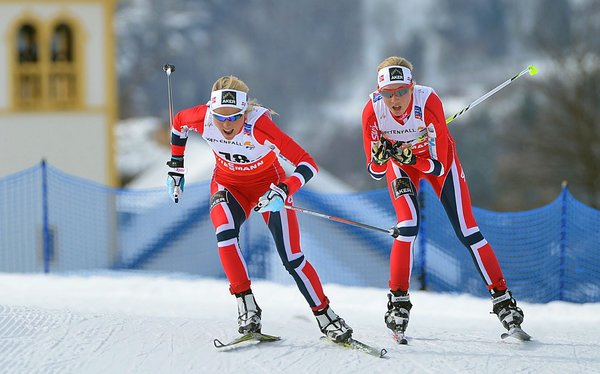
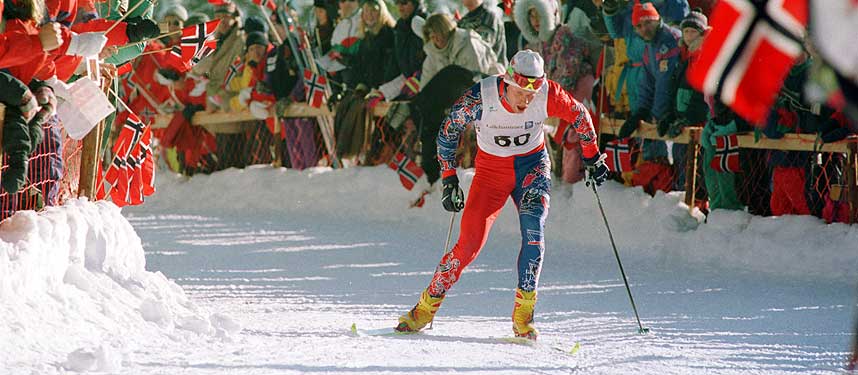
Norwegian Marit Bjørgen is officially the most successful cross-country sprinter in history, and holds eight World Championship gold medals – the latest won in 2011. Bjørgen also picked up three gold medals at the 2010 Winter Olympics in Vancouver, while fellow cross-country skier Petter Northug brought home two. Recently Marit Bjørgen is accused for taking a formoterol-containing asthma medication on the doping list. She has been properly diagnosed, but the conclusion of this case has not yet come to an end.
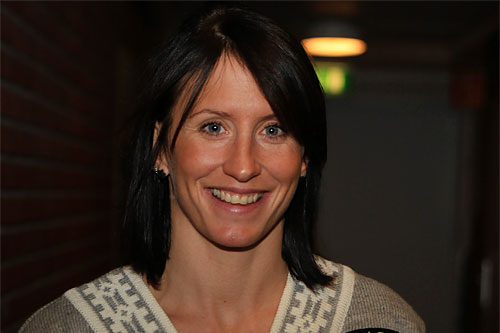
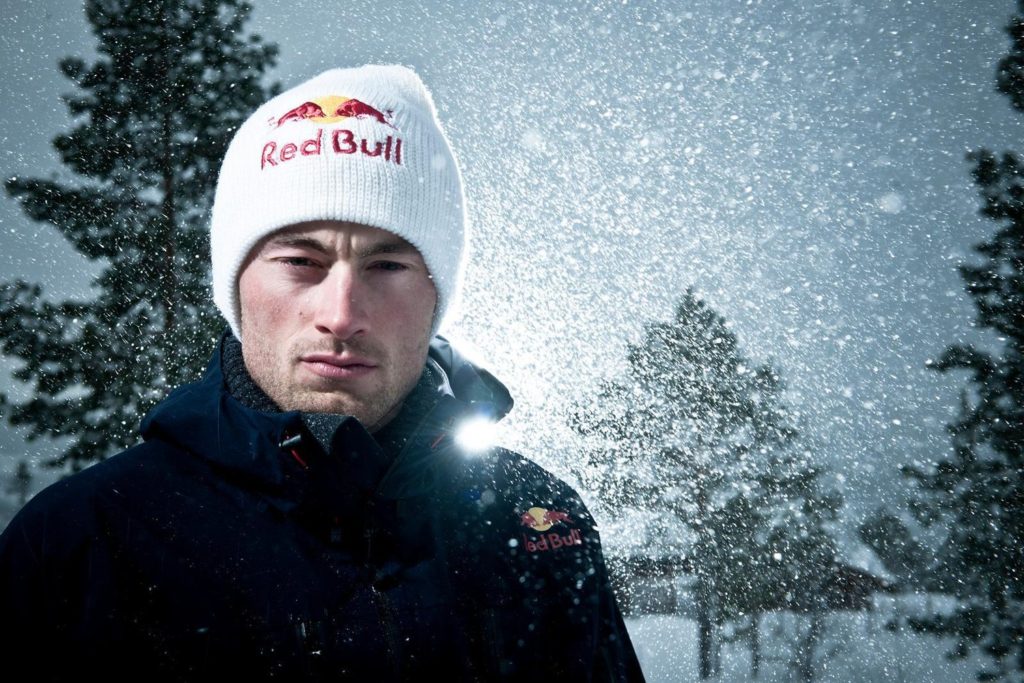
Marit BjørgenPetter Northug
Aksel Lund Svindal was the world’s number one downhill skier in 2007, and brought his way back from major injury to regain the title in 2009.
Aksel Lund Svindal
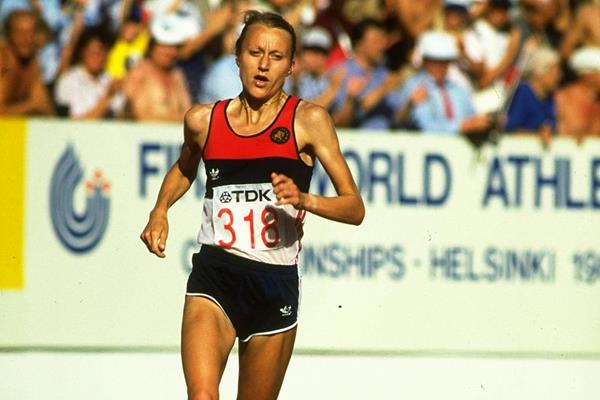
Traditionally, Norwegians have excelled in sailing and winter sports, but this athletic nation has won international medals in a wide range of events. A personification if national grit and sporting talent was Grete Waitz, who won the New York marathon nine times – an unbeaten world record. She was given a state funeral on her death in 2011.
Grete Waitz
In September 13, 2014, boxer Cecilia Brækhus became the first woman to win four championship belts. (Photo: Heiko Junge / NTB scanpix)
Cecilia Brækhus
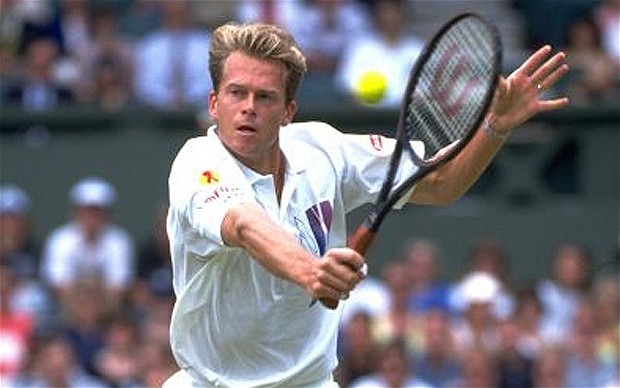
In Sweden, great players like Björn Borg and Stefan Edberg have made Swedish tennis prowess legendry. Denmark shines in rowing and sailing, winning gold medals in four events at the 2008 Beijing Olympics.
Bjørn BorgStefan Edberg
Ice hockey is one of the most important team sports in Sweden. The country has around 60,000 officially registered federation players, and the country’s national team constitutes one of the International Ice Hockey Federation’s “big seven”. Around 50 Swedes play in the North American NHL.
Swedish NHL players
And of course, all the Scandinavian countries share the European passion for football. Clubs are supported through funds from the football pools and from the sale of players to major European leagues.
Danish soccer champions
Scandinavian Sporting Heroes, written by Tor Kjolberg
Western Norway’s capital, Bergen, is known for attractions such as Bryggen, the Fish Market and Edvard Grieg’s Trollhaugen. Last June Fløybanen funicular invited to a national architectural competition to create a so-called hot spot, in the midst of the popular Fløy mountain.
Flojen Experience
“Bergen has many proud and venerable attractions, but we think we need something modern that violate our traditional tourist destination. The location is quite deliberate. Many large cities have parks with great focal point and meeting places. In Bergen we have our own Central Park in the mountains, and we want to create something new that will create awareness among all our visitors,” says Anita Nybø, CEO of the funicular.
National architectural competition Fløybanen AS is responsible for one of the country’s biggest tourist attractions with over 1.6 million visitors. The background for initiating the exciting design project was to engage prospective architects to design a so-called hot spot, a building that will serve as a year-round meeting place and warm living room. This will be immersed in nature, located just off the water Skomakerdiket. Among the criteria to win the coveted competition is that the building has high attractiveness and makes minimally invasive procedure on the encircling scenery.
Flojen Hot-Spot
“Our goal was to get the best in architectural industry to participate in the competition, and we are inspired by the work of the National Tourist Routes. They have managed to create projects of international renown. When the deadline for submission went out 71 different projects were received,” says, Geir Brekke chairman of Bergen Architects, who was also a member of the jury. “This is amazing,” he adds.
New promising competitors wanted Old and new talents, regardless of experience, have participated.
“We realize that Norwegian architecture creates attention. Great projects, such as the Viewpoint on Dovrefjell, have rapidly become a national symbol. Our goal is to design the finest meeting, a proper international hot spot,” says Nybø.
The project contains space for exhibition, experience and exploration, conference auditorium, café, shop and administration and workshop for the Fløibanen
Eight selected projects will be awarded The submitted proposals were essentially well planned and maintained a high academic standard, and there was no easy job for the jury. But after painstaking and intense work, the jury has picked out a winner, one second place and one third place.
Based on the wide range of responses and the breadth of proposals for different solutions, the jury decided to purchase another five projects to show the great scope of the submitted projects.
The winners are:
Helen & Hard AS, Oslo
White architects in collaboration with maple architecture, Oslo
Prepared by / team; Henrik Widt Kristiansen, Carl Patrik Larsson, Tomas Rønhovde
The winning competition entry for a new experience and exploration center at Fløien, Bergen, Helen & Hard’s concept focuses on the integration of the experiential, the pedagogical and the explorative aspects of the building.
Floien view-point
From the city center, a cable railway takes the visitor 350 m up to Fløien, a lookout point, overlooking the whole city. The structure of the building consists of two parts: one blasted into the ground/rock, and the other as a light, transparent volume of prefabricated, wooden frames.
The project contains space for exhibition, experience and exploration, conference auditorium, café, shop and administration and workshop for the Fløibanen. A track leads you through the entire building, and the information exchange is integrated in the architectonic solutions. The building has energy-saving equipment as bio-fuel heating, solar panels and a hybrid ventilation system.
Feature image (on top) Floien view-point by night
Magnificent International Interest around New Norwegian Tourist Attraction, written by Admin
These institutions from around 60 countries have been ranked based on 12 indicators that measure their academic research performance and their global and regional reputations.
Aula Medica, Karolinska Institutet, Stockholm
Students can use these rankings to explore the higher education options that exist beyond their own countries’ borders and to compare key aspects of schools’ research missions.
University of Copenhagen, Denmark 50
Karolinska Institute, Stockholm, Sweden 69
Lund University, Sweden 90
Aarhus University, Denmark 108
Uppsala University, Sweden 110
University of Oslo 116
Technical University of Denmark, Kongens Lyngby 125
Stockholm University, Sweden 131
University of Bergen, Norway 198
University of Gothenburg, Sweden 205
Royal Institute of Technology, Stockholm, Sweden 213
Umeå University, Sweden 291
This is the third annual U.S. News Best Global Universities rankings, and were produced to provide insight into how universities compare globally.
Feature image (on top) University of Copenhagen, main building
12 Scandinavian Universities Rank among the 300 Best in the World, compiled by Admin
The University of Oslo Human Rights Award 2016 goes to Argentinian psychiatrist, anti-torture activist and human rights defender Dr Diana Kordon
University of Oslo‘s Human Rights Award is an honor to individuals who have made important contributions in different fields. The Award was launched in 1986 and since then, it has been awarded every year to notable people from different walks of life. Those years when the award was not distributed are 1997, 1999, 2003, 2004.
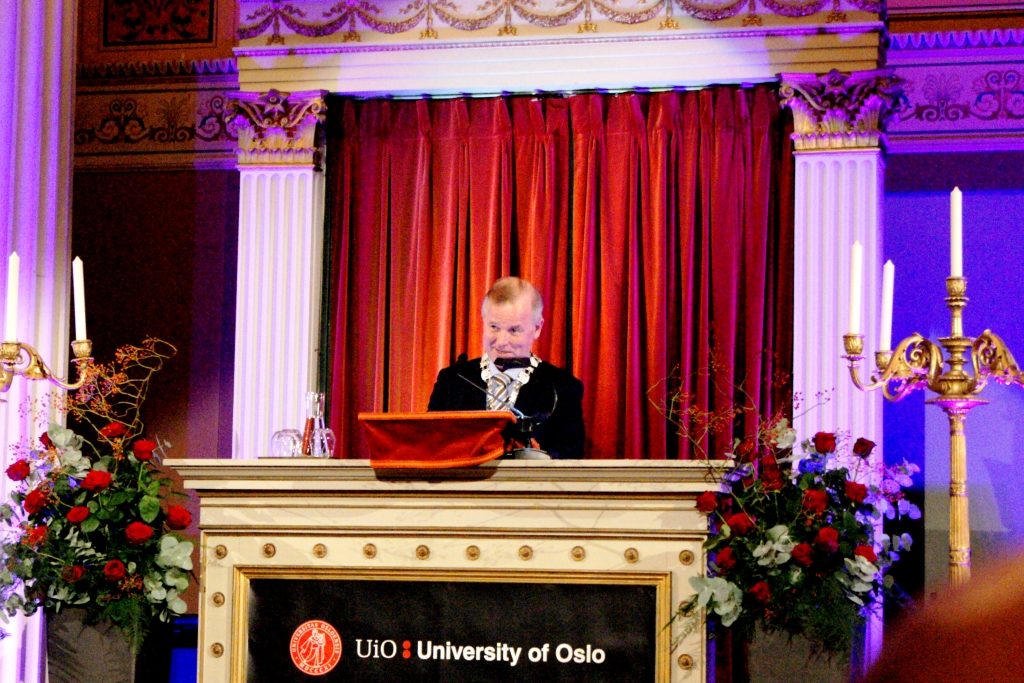
University of Oslo’s rector, Ole Petter Ottersen, gives a presentation of the award winner
For four decades, Dr Kordon has provided psychological services to the Mothers of Plaza de Mayo and others affected by atrocities committed by the military dictatorship in her country.
In her field, she has been a pioneer in developing psychological help for victims of human rights violations, and she has developed an approach to health care and rehabilitation of victims of abuse by the military dictatorship, a number of whose representatives have now been convicted of crimes against humanity.
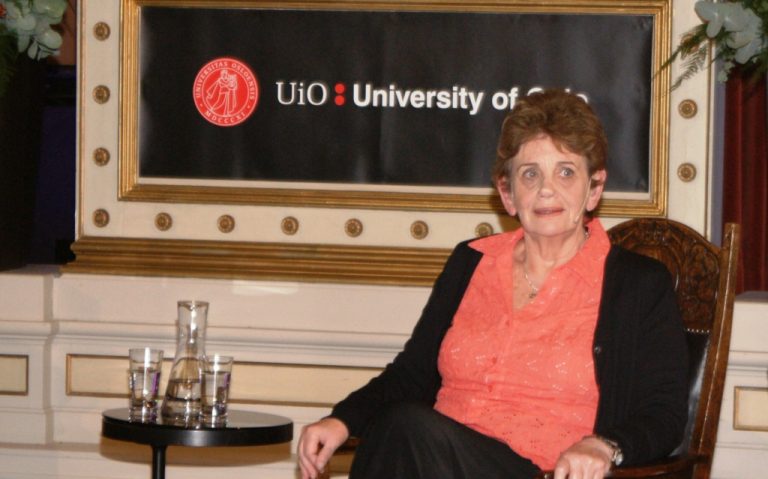
Award winner Dr. Diana Kordon
She was part of a group that founded EATIP (Argentine Team of Psychological Work and Research) in 1990. The non-profit rehabilitation center was set up to provide free psychotherapeutic and psychosocial assistance to people affected by human rights violations. Today she works as a coordinator at EATIP.
During the “Dirty War” period from 1976 to 1983, Argentina’s military dictatorship killed between 10,000 and 30,000 citizens. “The situation was terrible,” Kordon recalled. “Professionals were disappearing. We had to move regularly. I was close to being arrested at one time.”
Dr. Diana Kordon is handed over the 2016 Award from Inga Bostad, director of Norwegian center for human rights
This year’s award goes to a person who continues in the tradition of Leo Eitinger. Eitinger was a professor of psychiatry at the University of Oslo and famous for his academic work on late-onset psychological trauma in victims of the Holocaust.
Inga Bostad, Director of the Norwegian Centre for Human Rights, handed over UiO’s Human Rights Award – The Lisl and Leo Eitinger Prize for 2016
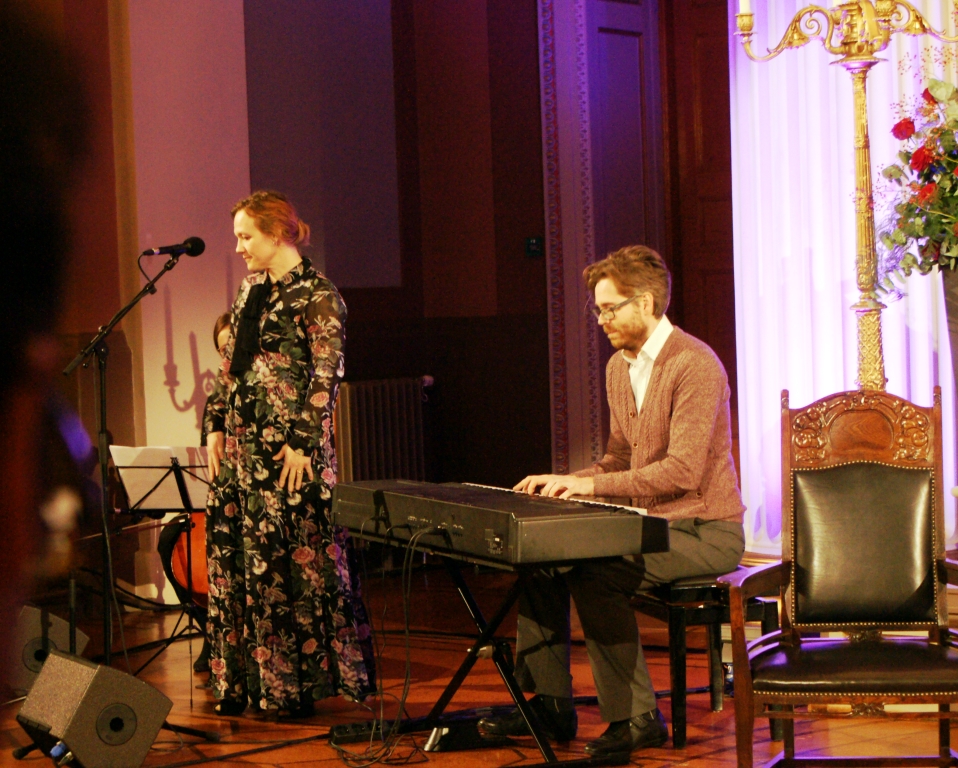
German-Norwegian singer Anneli Drecker performing at the ceremony. Sindre Horntvedt at the keyboard
During the ceremony there were addresses by Diana Kordon, award winner, and Nora Sveaas, associate professor and music performances by Anneli Drecker, Frida Frederikke Waaler Wærvågen, Sindre Hotvedt and Henrik Åsaune.
EATIP Co-Founder Receives Prestigious Norwegian Award , edited by Tor Kjolberg. All photos by Tor Kjolberg.
The thought-provoking Gerda Wegener exhibition at Arken Museum of Modern Art in Ishøj, Copenhagen, displays Gerda Wegener’s favorite motif, women. For those who gave seen the Oscar-winning movie the Danish Girl, centering around Gerda and her husband Einar Wegener, this exhibition is a must.
Gerda Wegener, A Summer Day 1927. Photo: C. Bruun, Rasmussen Kunstauktioner
Gerda Wegener (1885-1940) paints erotic, self-assured, modern and graceful women whoe were not afraid to be just that. Gerda celebrated female beauty, coquettishness and flirtation, nudity and roleplay. Her transgender husband, Einar Wegener, whose female alter ego Lili Elbe became the first person in the world to undergo gender reassignment surgery, was her muse and, as Lili, was her favorite motif.
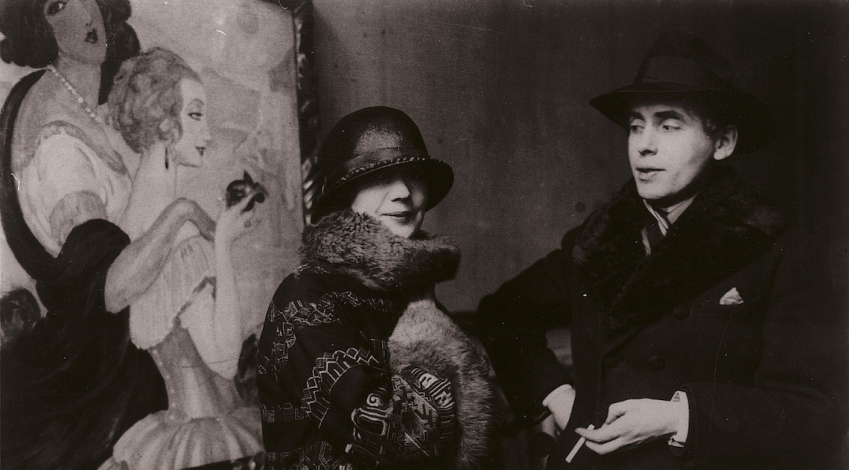
Gerda and Einar Wegener at an exhibition in 1924. On the painting in the background is Lili and Gerda.
The Arken exhibition also includes examples of Einar Wegener’s landscape paintings. When Einar was Lili, he didn’t paint – that was Einar’s domain, not Lili’s, and where she was Einar wasn’t.
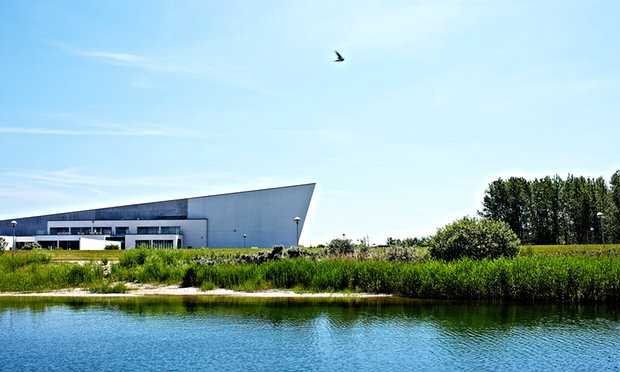
Arken Museum of Modern Art. Photo: Lars Skaaning
The unusual story of a love between a painter and a muse that transcends gender boundaries is also the subtitle of the current exhibition.
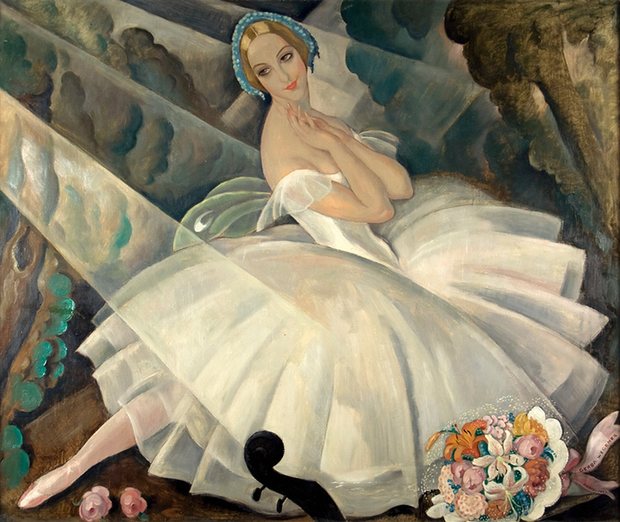
The Ballerina Ulla Poulsen in the Ballet Chopiniana, Paris, 1927, by Gerda Wegener. Photograph: The Theatre Museum at The Court Theatre
Gerda Wegener was little known in her own country until the film The Danish Girl, starring Oscar winner Eddie Redmayne and Alicia Vikander, was made. Still this extraordinary woman remains one of the most remarkable Danish painters.
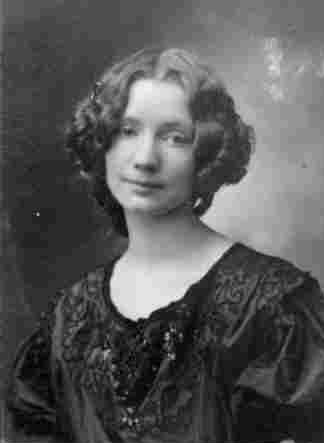
Gerda Wegener
Women prefer flirting with men but for the Wegeners, they were just likely to attract female admirers. Wegener’s ambivalent sexuality and the story of her spouse were too difficult for people to relate to in her time. As an artist Gerda was ahead of her time. She provided adverts and artwork for magazines, and did not care about the strict conventions of the Danish art world at the time. She also produced some decidedly erotic art, which she signed with a party mask.
The exhibition provides a unique insight not only into Gerda Wegener’s art, but also her free-spirited nature. She was an erotic human being whose artistic endeavors spoke of a lust for life in all its facets, and she lived out that lust without shame or embarrassment.
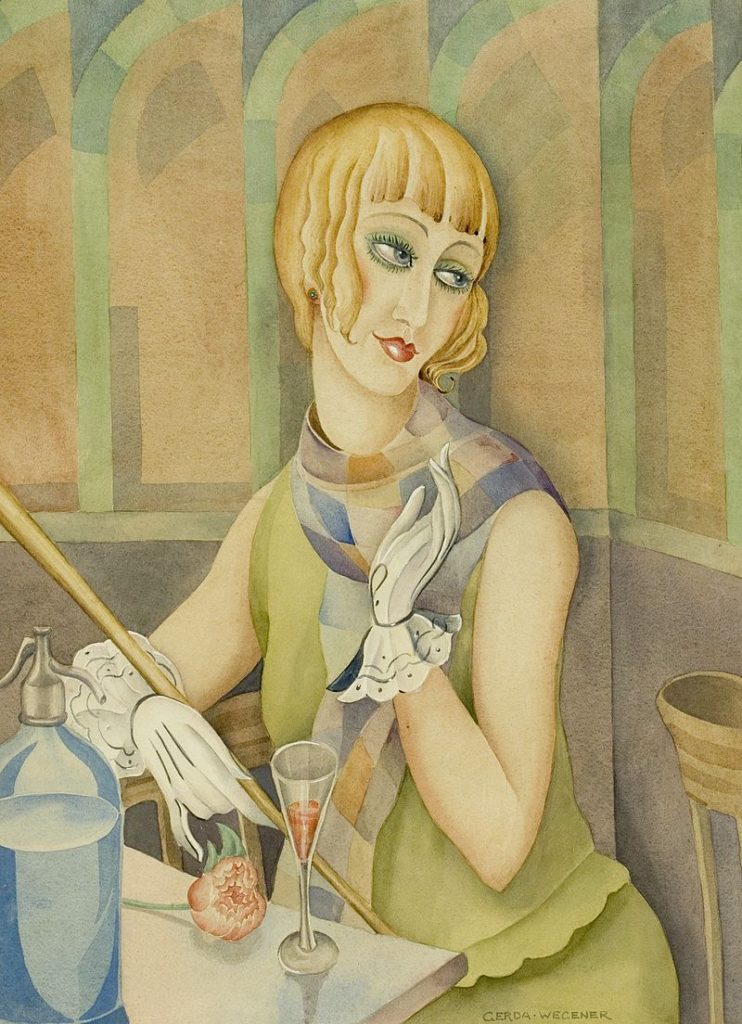
Lili Elbe by Gerda Wegener
Few of Gerda’s paintings are on display in Danish museums, so the Arken exhibition comprises works from private collections. This extensive detective work has resulted in a rich exhibition of Wegener’s work – from throughout her career – but focuses on her paintings of Lili from Paris and Italy.
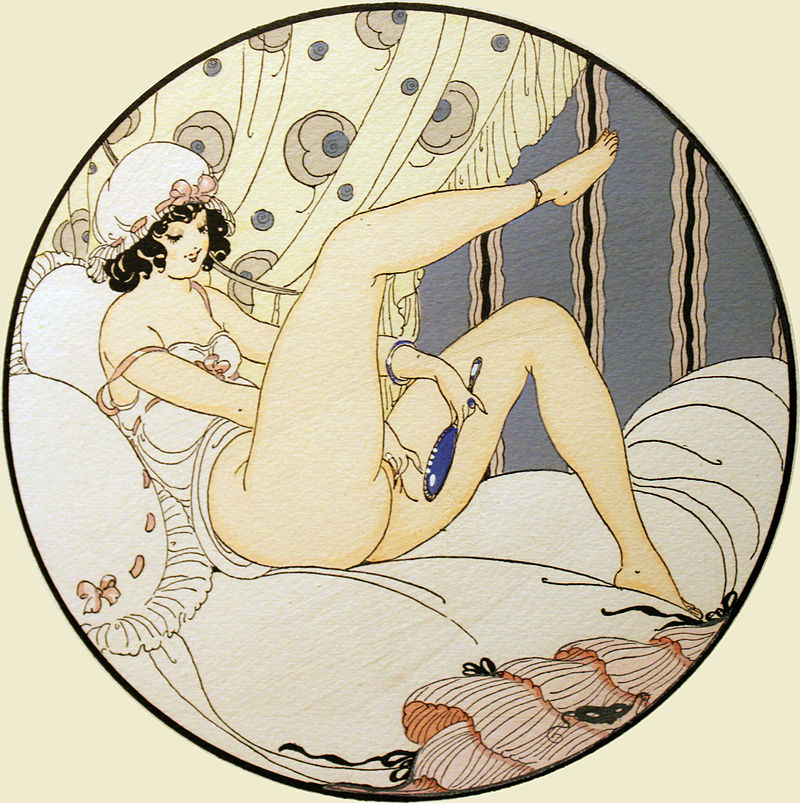
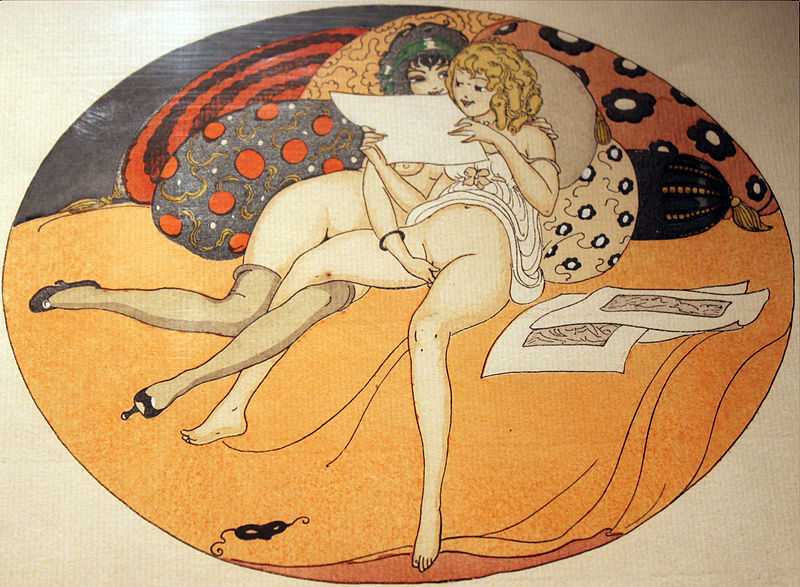
Les delassements d’Eros
Arken Museum of Modern Art is in Ishøj, an easy 30-minute journey, on public transport, south of Copenhagen: take S-Trains A or E from Copenhagen Central station to Ishøj station, and bus 128 onwards from there. It has a permanent collection of more than 400 artworks (featuring Ai Weiwei, Grayson Perry and Olafur Eliasson) and is a popular spot for cultural trips; it also features a significant collection of pieces by Damien Hirst.
The name Arken means The Arc, as the building was originally meant to be built on the beach resembling a large ship washed ashore. However, these plans had to be abandoned, and the museum was moved further inland. In 2016 the museum will celebrate its 20th anniversary by redefining the landscape around it, and will be surrounded by water, as was the original plan.
Les delassements ‘dEros anagoria
Now, the largest-ever exhibition of Gerda’s work is running until 7 January 2017.
Gerda Wegener Exhibition in Copenhagen, compiled by Admin
A new graveyard free of any religious symbols has been opened in Sweden to cater to the country’s growing number of atheists.
Swedes are known for their penchant for neutrality, tolerance and acceptance of other cultures. Recently, Sweden opened its first neutral graveyard in Borlänge that is completely devoid of any religious and nationalist symbolism.
Sweden opened its first neutral graveyard in Borlänge that is completely devoid of any religious and nationalist symbolism
The idea was the brainchild of local teacher Josef Erdem, who wanted people to “decide for themselves what their graves should look like”.
Josef Eidem wanted people to “decide for themselves what their graves should look like”
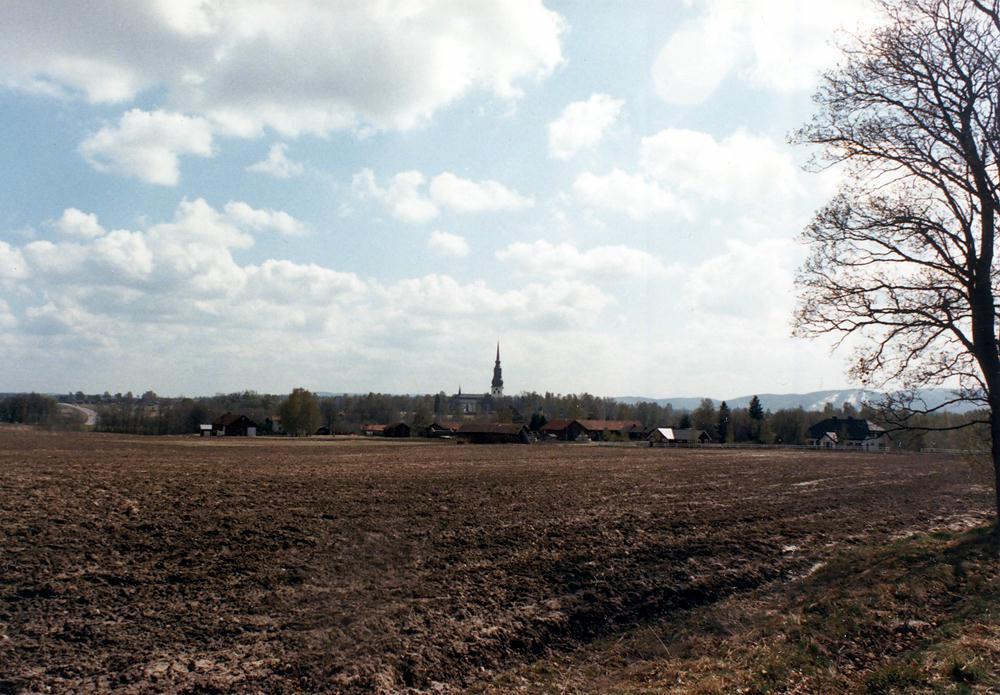
According to the Local, the town of Borlänge in Dalarna County became the first in the country to pioneer a neutral cemetery,
The town of Borlänge in Dalarna County became the first in Sweden to pioneer a neutral cemetery
“There’s a place on this earth for everybody and we shouldn’t be limited in how we choose to live or how we choose to be buried,” he told the Swedish newspaper.
He said he had grown up in Kurdistan and as a result his worldview had been shaped by having friends from all walks of life. He sent in the formal application for the ground after negotiating with local representatives of the Church of Sweden.
The church will maintain the graveyard but that will be the extent of their involvement with the cemetery.
Erdem stressed that people of faith were welcome to be buried there as well so long as they accepted that they could not have the marks of their religion on their headstone.
“Among both ethnic Swedes and immigrants, there are people who do not belong to any religion. There is a need for a neutral cemetery and we thought it was important,” Joseph Erdem told Swedish newspaper Dalarnas Tidningar.
The cemetery, which is close to the local church, is currently empty but several locals have expressed an interest in being buried there.
According to Erdem, Sweden can ultimately become a model for other countries, since many people today are neutral and don’t belong to “mainstream” religions, such as Christianity, Islam or Judaism. Sweden, traditionally a Lutheran nation, has the second-highest number of non-religious people as a percentage of its population of any country in the world, according to a 2015 survey by Gallup International and the WI Network of Market Research, and so religion plays an extremely small role in everyday life.
“I don’t want a church burial because I’m not a believer so this suits me great,” says researcher Gunnar Lindgren
“I don’t want a burial place with a stone that needs to be cared for. I also don’t want a church burial because I’m not a believer so this suits me great,” researcher Gunnar Lindgren told broadcaster SVT.
Researcher Karin Kittelmann claims that atheism is today perceived as “default religion”
According to researcher Karin Kittelmann, atheism is today perceived as “default religion,” whereas religious people are commonly regarded as “unintelligent” or “mentally ill,” Swedish national broadcaster SVT reported earlier this year.
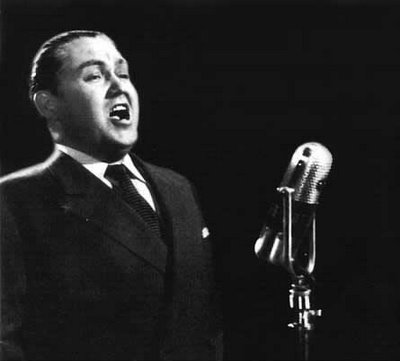
Swedish tenor Jussi Bjoerling is buried at Stora Tuna Church
As for the future residents of the neutral graveyard, they may rest assured that they will be in good company. Swedish tenor Jussi Björling, arguably one of the best in the 20th century and a Borlänge native, is buried at Stora Tuna Cemetery in Borlänge.
First Cemetery Free of Religious Symbols in Sweden, source: The Local. Adapted by Tor Kjolberg
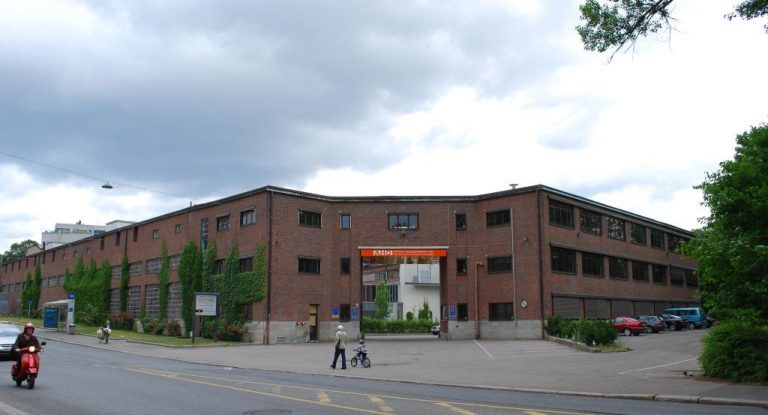
Red Dot Design Award is considered one of the world’s most prestigious design competitions. Oslo School of Architecture (AHO) is proud to have been ranked number 15 of 285 candidates.
“I am very pleased to inform and congratulate your organization for being ranked in this year’s Red Dot Design Ranking 2016 as one of the top universities in America and Europe for continuously and progressively, produce cutting edge and forward thinking product concepts,” writes Red Dot.
“Your place in this ranking is a mark of great achievement in the area of design innovation.” is the comment from the jury.
AHO was ranked as number 15 of 285 candidates, a strong achievement indeed! Red Dot Design annually presents the top 15 educational design institutions in Europe and North and South America, based on achievements over the last five years. AHO is number fifteen on the 2016 ranking.
Pro rector and Head of the Institute of Design, Rachel Troye
Pro rector and Head of the Institute of Design, Rachel Troye, is delighted with the result.
“The award means a lot in terms of internationalization and marketing of the school and our design education. Design at AHO has come a long way in a short time, both academically and in our educational programs. And the students work is outstanding! It is important that AHO is visible, and this shows that we have positioned ourselves internationally as a design school. We are very pleased with the result!”
The Red Dot Design Award competition was established in 1955 and is organized by the Design Zentrum Nordrhein Westfalen, Germany.
Red Dot Design has, since 2011, awarded the best educational institutions based on cumulative achievements in the Red Dot Award: Design Concept over the past 5 years.
One of the World’s Best Design Schools, compiled by Admin
Five Scandinavian business executives are listed on Harvard Business Review’s list of the World’s 100 Top Performing CEOs
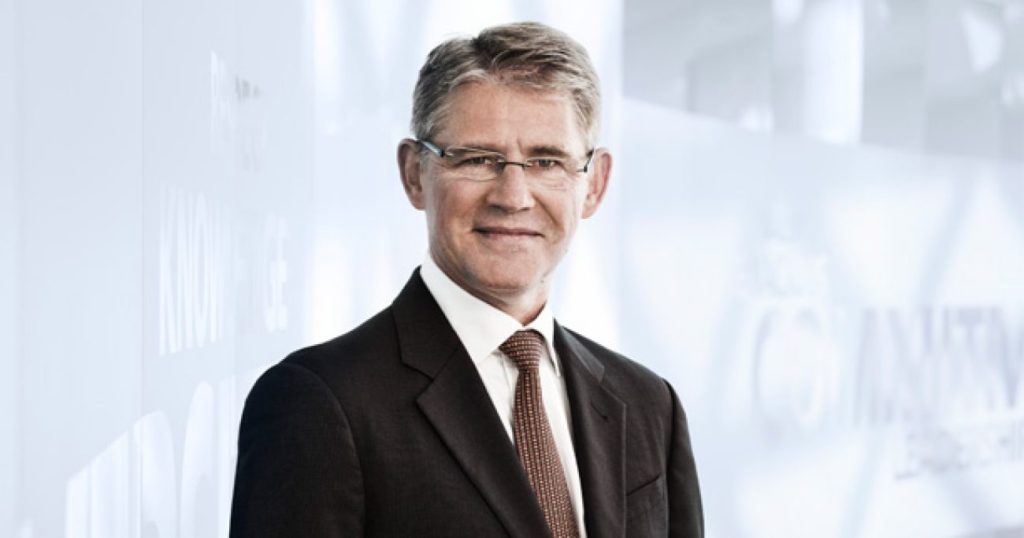
1. Lars Rebien Sørensen (born 1954) CEO of the Danish pharmaceutical company Novo Nordisk ranks no. 1 on the list.
Lars Rebien Sørensen joined Novo Nordisk’s Enzymes Marketing in 1982. Over the years, he has completed several overseas postings, including in the Middle East and the US. Mr Sørensen was appointed a member of Corporate Management in May 1994, and in December 1994 he was given special responsibility within Corporate Management for Health Care. He was appointed president and chief executive officer in November 2000. Mr Sørensen will retire from the company by the end of 2016.
Mr Sørensen is vice chairman of the board of Carlsberg A/S, Denmark.
7. Jon Fredrik Baksaas of Telenor Jon Fredrik Baksaas (born 1954) was until August 2015 the CEO of Telenor.
Among the longest-serving top executives in international telecoms and in Norwegian business life, Baksaas served as President and CEO of Telenor for 13 years, from June 2002 to August 2015. His resignation came under a cloud, as he had acted as one of the primary actors in a bribery and corruption scandal at VimpelCom (where he was a director), in connection with the purchase of wireless licenses in Uzbekistan. Before taking the top position at Telenor, he had served as Telenor’s deputy CEO, CFO, and executive vice president. He joined Telenor in 1989.
9. Michael Wolf (born 1963) of Swedbank
Chairing the 9th position in the Top 100 Best CEOs in the World, is the President and CEO of Swedbank. He holds M.Sc. in Business Administration and Economics. He got employed on March 1, 2009. He has been working in Swedbank as President and CEO along with Group Executive Committee, Member.
17. Lars Rasmussen (born 1959) of Coloplast
With Coloplast since 1988. Executive Vice President, COO and CCO, 2001-2008. In the position as CEO since 2008. He holds E*MBA, Scandinavian International Management Institute and BSc, Aalborg University
48. Lars Renström (born 1951) of Alfa Laval
From 2004 to 2016, Renström was President and CEO of Alfa Laval. In 2016 he became Chairman of Tetra Laval Renström graduated with a Master of Science in Engineering from the Royal Institute of Technology and also holds a Bachelor of Science in Business Administration and Economics.
Renström has received the following awards:
His Majesty The King’s Medal: 12th size on Seraphim Order ribbon
Knight of The Legion of Honour
About the list
Why does Novo Nordisk score so high on ESG? According to Sustainalytics, the company benefits from, among other things, its decision to offer insulin at a steep discount to consumers in developing countries; its transparent and limited political lobbying practices; and its responsible policy on animal testing.
This year Harvard Business Review has added to the mix of criteria a measurement of each company’s environmental, social, and governance (ESG) performance. For this it relied on the calculations of the investment research firm Sustainalytics, and now weights long-term financial results at 80% and ESG performance at 20%.
Feature image (on top): Lars Rebien Sørensen of Novo Nordisk
The World’s 100 Top Performing CEOs, compiled by Admin
No other European capital has as much to offer the urban skier as the Norwegian capital Oslo. You can be that categorical when you have so much to boast about, and you are a citizen of tghe city.
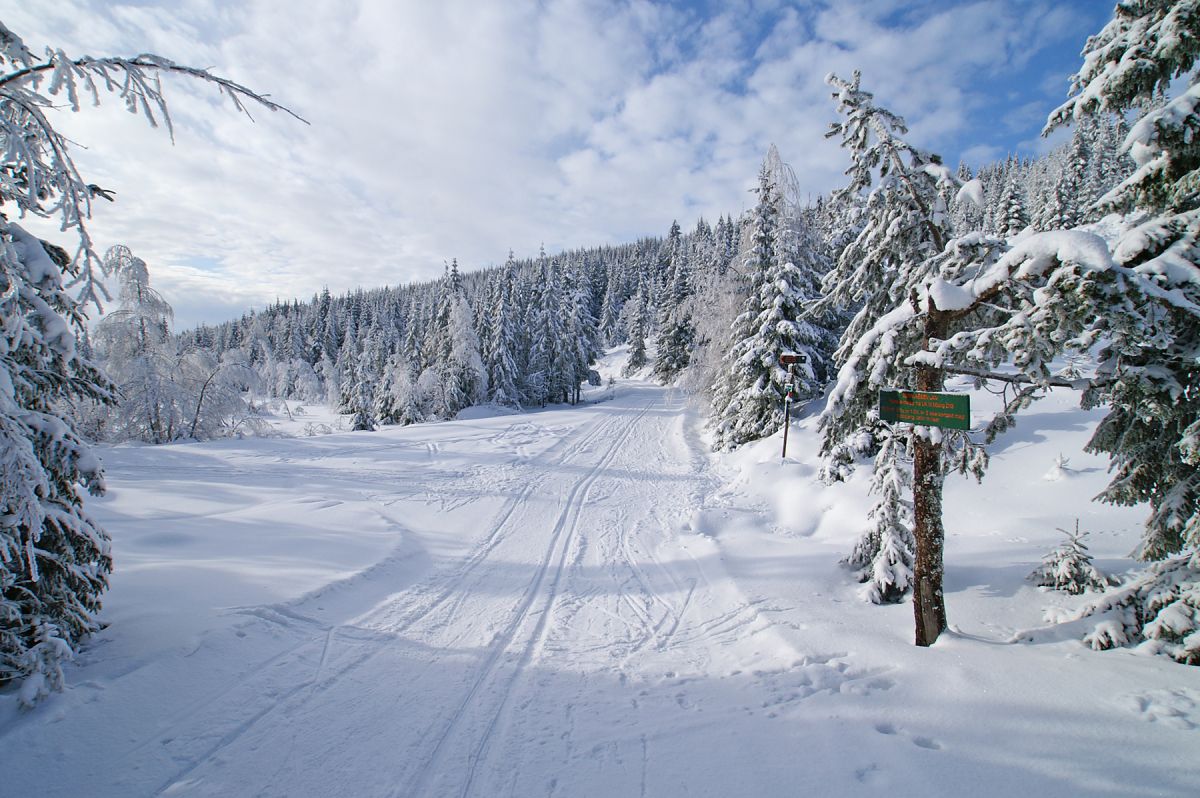
A network of 2,600 km of marked and prepared cross-country skiing trails runs through Nordmarka, the vast forest area bordering Oslo to the north. Many of the trails are floodlit until late in the evening. It is a fantastic experience – just you, your skis and the black of night.
Nordmarka in Oslo. Photo: Skiforeningen
Or, if you are feeling reckless, you can take the train up to Frognerseteren and sledge down the 2 km long “Corkscrew”. When you reach the bottom, all you have to do is to wait for the nest train to take you back up to the top.
From Frognerseteren ypu can sledge down the 2 km long “Corkscrew”
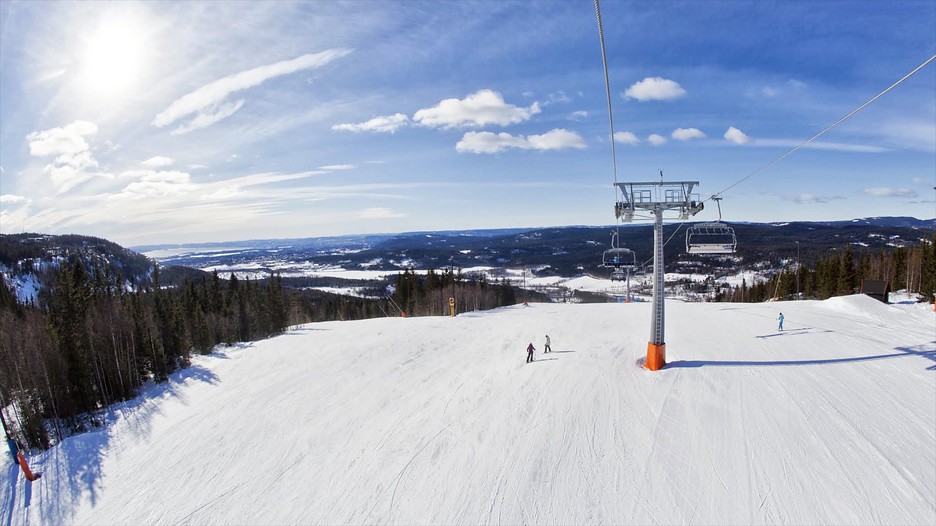
Of course, if you want to ski downhill or slalom, there is plenty of choice at Tryvann, with its 14 different runs and 6 lifts.
Oslo Winter Park Tryvann
With this as a starting point, it is no exaggeration to claim that Oslo must have been the world’s best after-ski. It takes no more than 15 minutes to drive from the slalom slopes of Tryvann Winter Park or the depths of Oslomarka down to the beating heart of the city center. Just enough time to relax those muscles before cranking up the blood-alcohol level/switching to party mode.
Frognerseter café offers a calm atmosphere and open fires in historical and rustic surroundings
For a quitter après-ski If you are one of those who like a quiet bar with a roaring fire in the grate, you don’t need to travel far. In the area around Tryvann/Holmenkollen you will find three of Oslo’s great restaurant locations. Frognerseter café offers a calm atmosphere and open fires in historical and rustic surroundings. Here you can also order a full evening meal of the highest quality.
Holmenkollen Park Hotel, offers both a cozy bar and a first-class international cuisine
Another culinary alternative is Lysebu, which is an architectural delight and a gourmet restaurant all rolled into one. The third of Oslo’s best high-altitude restaurants is to be found at Holmenkollen Park Hotel, which offers both a cozy bar and a first-class international cuisine.
“Den Gamle Major” used to be one of Oslo’s roughest pubs
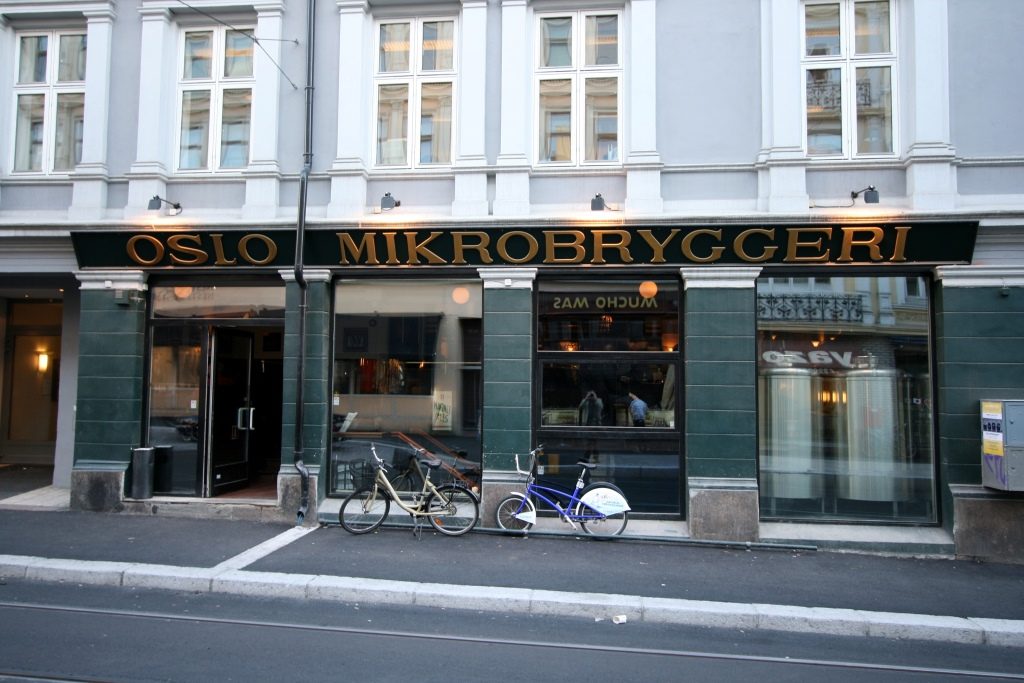
Heading downtown But if you are full of youthful impatience, you willk be wanting to head downtown. The first pulsating watering holes are to be found in Oslo’s West End, Majorstua. “Den Gamle Major” used to be one of Oslo’s roughest pubs. Now it is called “Den Gamle Majors Lab” and is a trendy meeting place for young uptowners on the go; a place where both the décor and the staff contribute to the atmosphere. It takes about 15 minutes to walk from Majorstua to the city center, or the entire evening if you plan to call at all the watering holes along the way. Things start hotting up late at most of these places, but nothing could be better than a stop-off at “Mikrobryggeriet” to lubricate those tastebuds with some really excellent home-brewed ale.
“Lorry” has a long tradition, and is frequented by bohemians, artists and actors.
Something for everyone If you take the train (T-bane) down to town after a day’s skiing and get off at Nationalteatret station, the bars and restaurants stand shoulder to shoulder along Olav V’s gate; from the opera café “Burns” with a more mature clientele, to Nichol & Son, where the iPod generation hangs out. You can keep on going to Aker Brygge with its wide selection of winebars, restaurants and nightclubs, or you can go back towards Oslo’s main street, Karl Johans gare. Fifty meters off Karl Johan, you will find “Onkel Donald”, where young urban professionals congregate for an after-work beer.
At “Onkel Donald”, young urban professionals congregate for an after-work beer
On Karl Johan itself the international chins have taken root: Hard Rock Café and T.G.I. Friday are both familiar from other big cities around the world.
The well -hidden, rustic “Bare Jazz” in Grensen. is both a record shop and a café
In Rosenkrantz gate lies “Herr Nilsen”, with live jazz of the highest quality. If you make a late start the next day, you can have your morning cup of coffee in the well -hidden, rustic “Bare Jazz” in Grensen. It is both a record shop and a café. Intimate. Unique.
“Blå”, is one of northern Europe’s best places to listen to innovative new music – mostly jazz
Oslo’s colorful quarter Grünerløkka, east of Akerselva, is Oslo’s colorful quarter. Day and Night. Here you will find “Blå”, one of northern Europe’s best places to listen to innovative new music – mostly jazz. There is often a lively atmosphere, good DJs or club jazz to the small hours. The district is full og pleasant watering holes, designer shops and nice people!
Grünerløkka, east of Akerselva, is Oslo’s colorful quarter
“Südøst” is the hottest of the district’s many nightspots, with a nightclub in the basement at the weekends. “Parkteatret Scene” is the place to go for experimental music. And you can rub shoulders with the creative and the verbal in the bar. At the legendary, intimate “Bar Boca” you drink Mojito and beer – without background music – and get up close and personal with the Urbanites.
Lubricate your tastebuds at Mikrobryggeriet with some really excellent home-brewed ale
And if you ask the man in the street, you will find out which of the capital’s other 1,000 watering holes suit your particular taste. Break a leg!
Feature image (on top): Skating in Oslo by Nancy Brandt/Visit Oslo
Inspired by Scandinavia, the seafood restaurant Salt Recipes in Hong Kong is fully furnished by Normann Copenhagen to match their cuisine with a Scandinavian minimalistic interior.
The restaurant Salt Recipes got its name because of the Scandinavian tradition to use salt as the main spice in most of the dishes. Almost everything in the restaurant has a Scandinavian touch – especially the furniture and interior decoration.
A color combination of white and light blue give the restaurant a open and friendly atmosphere.
Several Normann Copenhagen products can be found in the restaurant, which contributes to giving Salt Recipes an atmosphere of contemporary Scandinavian design. Form Chairs, Form Armchairs and Ikono lamps give the restaurant a Nordic minimalist and stylish flavor.
Mint, blue and wood accents refine the setting
Details such as the Agnes vase, the Nyhavnvase, the Shorebirdand the Play coat rack decorate the walls and bar area. The black Block tables are an aesthetic and practical way to store additional cutlery or when clearing the tables.
Floor-to-ceiling windows provide the restaurant with ample day light.
Scandinavians embrace the immense ocean with emphasis on simplicity and nature. It has inspired SALT RECIPES to provide the natural basics to interpret the truth of a quality lifestyle. SALT RECIPES selects the most pure sea salt, along with the simple and serene atmosphere and performs skillfully the ancient seafood recipes in modern ways.
Form chairs and Ikono lamps define the bright and clean atmosphere.
SALT RECIPES positions itself as fish and seafood dominated restaurant to trace back the historical fishing society culture. The chef uses the best ingredients with fresh seafood and develops recipes from Scandinavian to new concepts that match the appetite of most of the local people.
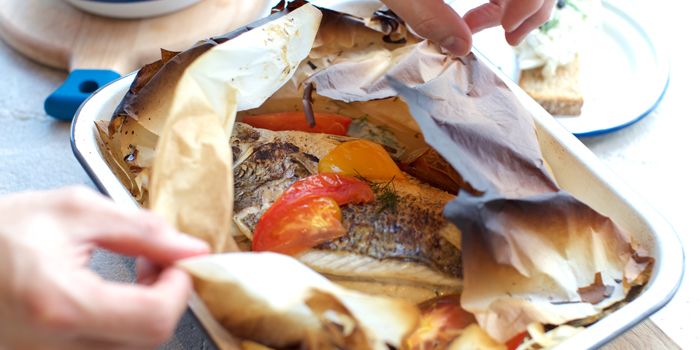
Sea bass in fish broth
Recommended dishes are Norwegian-Baked Fish Pie, Pan-fried Red Mullet with Creamy Mashed Potato, Swedish Clams Fish Stew Soup Spaghetti.
Salty Scandinavian Inspiration in Hong Kong, source: Normann Copenhagen














 “Your place in this ranking is a mark of great achievement in the area of design innovation.” is the comment from the jury.
 Red Dot Design annually presents the top 15 educational design institutions in Europe and North and South America, based on achievements over the last five years. AHO is number fifteen on the 2016 ranking.

 Lars Rebien Sørensen joined Novo Nordisk’s Enzymes Marketing in 1982. Over the years, he has completed several overseas postings, including in the Middle East and the US. Mr Sørensen was appointed a member of Corporate Management in May 1994, and in December 1994 he was given special responsibility within Corporate Management for Health Care. He was appointed president and chief executive officer in November 2000. Mr Sørensen will retire from the company by the end of 2016.
 Among the longest-serving top executives in international telecoms and in Norwegian business life, Baksaas served as President and CEO of Telenor for 13 years, from June 2002 to August 2015. His resignation came under a cloud, as he had acted as one of the primary actors in a bribery and corruption scandal at VimpelCom (where he was a director), in connection with the purchase of wireless licenses in Uzbekistan. Before taking the top position at Telenor, he had served as Telenor’s deputy CEO, CFO, and executive vice president. He joined Telenor in 1989.
 With Coloplast since 1988. Executive Vice President, COO and CCO, 2001-2008. In the position as CEO since 2008. He holds E*MBA, Scandinavian International Management Institute and BSc, Aalborg University
 Renström graduated with a Master of Science in Engineering from the Royal Institute of Technology and also holds a Bachelor of Science in Business Administration and Economics.