Expat in Scandinavia: Moving to Scandinavia – Part 1 – Denmark

0

This article is the first in a new series, Expat in Scandinavia. From the iconic silhouettes of the spires of Copenhagen to the wide variety of natural scenery and areas, the beauty of Denmark’s culture and landscape has drawn people from around the world for centuries. Start reading Expat in Scandinavia: Moving to Scandinavia – Part 1 – Denmark.

While the country’s diverse economy and liberal immigration policies once made it easy for expats to move to Denmark, immigration requirements have become tighter over time. Now it’s generally expats with specialist skills that are in demand. Free movement in EU countries is, however, a fundamental right guaranteed by European Treaties. Article 2 of the Schengen Agreement states that “internal borders may be crossed at any point without any checks on persons carried out.” Denmark is an EU member country. 

Expat in Scandinavia: Moving to Scandinavia – Part 1 – Denmark
You will find that there is plenty of scope for career progression in Denmark.

Living in Denmark as an expat

There are a number of strong sectors in the Danish economy, including IT, engineering, finance, healthcare, energy, construction, oil and gas. Expats with experience and sought-after skills in these sectors will find that there is plenty of scope for career progression in Denmark.

The quality and affordability of housing in Denmark varies widely. While expats may struggle to find spacious, high-quality accommodation that doesn’t break the bank in notoriously expensive Copenhagen, there are many areas in Denmark where it’s much easier to find appropriate housing at a decent price.

Public transport in Denmark is generally of a high standard and the quality of road infrastructure is excellent.

You can read the story of the ten things an expat was missing most about living in Denmark by clicking the image below.

Expat in Scandinavia: Moving to Scandinavia – Part 1 – Denmark
Ten things an expat was missing most about living in Denmark

Healthcare in Denmark

Healthcare in Denmark is largely provided by the local government’s of five regions, with coordination and regulation by central government, while nursing homes, home care, and school health services are the responsibility of 98 municipalities. Some specialized hospital services are managed centrally.

Expat in Scandinavia: Moving to Scandinavia – Part 1 – Denmark
Visitors from the European Union can receive public healthcare services in Denmark just like locals would. Photo: Yadid Levy / Norden.org

Because necessary healthcare is taxpayer-funded, personal expenses are minimal and usually associated with copayments for certain services. Those expenses are usually covered by private health insurance.

Visitors from the European Union can receive public healthcare services in Denmark just like locals would, providing they hold a European Health Insurance Card or EHIC. An EHIC is free but must be obtained in your home country before you travel.

If you’re a professional living and working in Denmark, you can ensure your medical needs are met by choosing a suitable international health insurance plan.

Denmark is a startup kingdom. Learn about how Denmark became an entrepreneur’s paradise by clicking the image below.

Expat in Scandinavia: Moving to Scandinavia – Part 1 – Denmark
Denmark is a startup kingdom.

Cost of living in Denmark

As with any country, the cost of living in Denmark varies depending on expat’s lifestyle choices and location. Major cities such as Copenhagen have a well-earned reputation of being pricey to live in, and while life in the rest of Denmark is by no means cheap, the cost of living is substantially lower outside the capital area.

Expat in Scandinavia: Moving to Scandinavia – Part 1 – Denmark
Your children must participate in educational training either in a public school, a private school, or through homeschooling. Photo: Copenhagen International School.

Expat families and children

In Denmark, there’s compulsory education from the age of 6. This means that your children must participate in educational training either in a public school, a private school, or through homeschooling – though very few opt for the last solution because of the high quality of schools in Denmark.

It’s not mandatory, but most children attend some kind of daycare in the early years, beginning with nurseries from around the age of 1 and kindergartens at the age of 3. Both are heavily subsidized with low levels of user charges.

Ultimately, Denmark is a fantastic option for skilled expats, and for raising a family. It is also well positioned for easy and affordable travel to Europe and beyond.

Expat in Scandinavia: Moving to Scandinavia – Part 1 – Denmark
State of Green. Climate adaptation: The square, Israels Plads, underwent a transformation designed by COBE a few years back. Formerly a car park, the square now includes an underground parking lot and the space above ground has been reserved for skate spots and basketball courts, which also double as climate adaptation initiatives. Please note that a graphic design has been added to the original photo. Photo: International Water Association.

Climate in Denmark

The Danish climate is temperate with precipitation evenly distributed over the year. The mean annual temperature is 8.3ºC and mean annual precipitation is 746 mm. The annual mean temperature varies from year to year, from below 6ºC to 10ºC, with an average of 8.3ºC (1981-2010 level; 8.9ºC (2006-2015 level). Although Denmark is in northern Europe, the warm waters of the Gulf Stream make the climate mild.

Fast facts

Population: 5,913,771 (2023)

Capital city: Copenhagen (also the largest city)

Neighboring countries: Denmark shares a land-border with Germany. It is connected to Sweden (Malmö) by the Öresund bridge.

Geography: Denmark is made up of the Jutland Peninsula and more than 400 islands in the North Sea. Denmark’s terrain is mostly flat, with gently rolling hills. During the Ice Age, glaciers moved slowly across the landmass and shaped the country that exists today. Denmark has a long coastline with many lagoons, gulfs, and inlets. No part of Denmark is more than 32 miles (67 kilometers) from the sea.

Major religion: Christianity.

Political system: Parliamentary, constitutional monarchy.

Main language: Danish. English is mostly fluently spoken.

Money: The currency of Denmark is Danske kroner (DKK), which is subdivided into 100 øre. In order to open a bank account in Denmark, most banks require proof of a local address and a form of official identification, such as a passport.

Time: GMT (GMT +2).

Electricity: 230V, 50Hz. The power plug sockets are of type F (flat two-pin plug).

Internet domain: .dk

International dialing code: +45

Emergency contacts: 112.

Transport and driving: Driving is on right-hand side. There is a variety of public transport options available in Denmark and the transportation network is generally well formed both across the country and within most cities.

Useful links:
Internations.org:
https://www.internations.org/expat-insider/2022/denmark-40252

FYI Denmark:
https://www.fyidenmark.com/

Global Health
https://www.foyerglobalhealth.com/destination/living-in-denmark-as-an-expat-your-guide-to-a-successful-move/

Expat in Scandinavia: Moving to Scandinavia – Part 1 – Denmark, compiled by Tor Kjolberg

Study and Write: Scandinavian Universities and Writing Programs

Scandinavian universities have gained global recognition for their exceptional education systems and commitment to fostering well-rounded individuals. Learn more about study and write: Scandinavian universities and writing programs.

Scandinavian universities prioritize critical thinking, creativity, and communication skills, making them ideal destinations for students aspiring to develop their writing abilities. But why is it a go-to location for those who want to learn how to be a good writer? We asked the top-rated domyessay review professionals to find out what is so good about that.

Study and Write: Scandinavian Universities and Writing Programs
Scandinavian countries, Denmark, Sweden, Norway, including Finland, and Iceland, boast a rich cultural heritage and a strong educational commitment.

Overview of Scandinavian Universities

Scandinavian countries, Denmark, Sweden, Norway, including Finland, and Iceland, boast a rich cultural heritage and a strong educational commitment. Their universities are renowned for their student-centric approach, where students are encouraged to participate in their learning journey actively. Scandinavian education emphasizes holistic development beyond academic achievement, nurturing well-informed, socially conscious, and creative individuals.

Scandinavian Approach to Education in Writing

Regarding writing education, Scandinavian universities have three pillars supporting it: centering the student, fostering critical thinking, and incorporating writing in other disciplines.

Study and Write: Scandinavian Universities and Writing Programs
Students in the Ibsen library. Photo: University in Oslo

The Student-Centric Approach

One of the hallmarks of the Scandinavian education system is its student-centric approach. Instead of passively receiving information, students actively participate in their learning process. This approach encourages students to take ownership of their education, fostering self-directed and motivated learners. In the context of writing, students are encouraged to explore their unique writing styles, experiment with different genres, and express their ideas authentically.

Meet the best today’s Swedish writers by clicking the image below.

Study and Write: Scandinavian Universities and Writing Programs
Meet the best today’s Swedish writers

Emphasis on Critical Thinking and Creativity

Scandinavian universities strongly emphasize developing critical thinking and creativity among students. These institutions recognize that writing is about conveying information and analyzing, questioning, and challenging ideas. Students are encouraged to think critically about the world around them and engage in open discussions and debates. In writing, this emphasis on critical thinking allows students to craft well-reasoned arguments, develop strong narratives, and explore innovative perspectives.

Writing as a Core Component of the Curriculum

In Scandinavian universities, writing is often a part of various courses and disciplines rather than limited to a single department. This integration reflects the belief that writing is a fundamental skill applicable to all academic pursuits and professions. Whether writing a research paper in the sciences, a persuasive essay in the social sciences, or a creative art piece, students can develop and refine their writing skills across their academic journey.

Study and Write: Scandinavian Universities and Writing Programs
In Scandinavian universities, writing is often a part of various courses and disciplines rather than limited to a single department.

Writing Programs at Scandinavian Universities

Scandinavian universities offer a range of comprehensive writing programs that cater to students with diverse interests and aspirations in the writing world. These programs foster creativity, hone writing skills, and lay a solid foundation for a thriving career in various writing-related fields.

Bachelor’s Degree in Creative Writing

Scandinavian universities offer Bachelor’s degrees in Creative Writing, providing aspiring writers a structured and immersive learning experience. These programs typically cover a variety of genres, such as fiction, poetry, non-fiction, and scriptwriting. Students delve into the fundamentals of storytelling, character development, and literary techniques. Through workshops and peer feedback, students receive valuable critiques to refine their writing craft.

Bachelor’s programs often include core modules that introduce students to the essentials of creative writing. These modules cover narrative structure, language and style, and literary analysis. Many programs offer internships or cooperative work experiences in the writing industry, providing students with real-world exposure and connections to professionals in the field.

Study and Write: Scandinavian Universities and Writing Programs
Scandinavian universities offer Master’s degrees in Professional Writing.

Master’s Degree in Professional Writing

For students seeking a more specialized and advanced writing education, Scandinavian universities offer Master’s degrees in Professional Writing. These programs prepare students for professional writing careers, including journalism, technical writing, content creation, and corporate communications.

Master’s programs allow students to choose from various specializations, tailoring their education to align with their interests and career goals. Specializations may include digital media writing, public relations, or cultural journalism.

Many Master’s programs require students to complete a thesis or a capstone project that showcases their expertise and demonstrates their ability to apply all the theoretical knowledge and frameworks to practical writing challenges.

Learn about the 5 best contemporary Scandinavian writers you should read by clicking the image below.

Study and Write: Scandinavian Universities and Writing Programs
Learn about the 5 best contemporary Scandinavian writers you should read

Writing Workshops and Seminars

Scandinavian universities regularly organize writing workshops and seminars, inviting accomplished writers and industry professionals to share their experiences and insights. These events allow students to learn from established authors, gain feedback on their work, and network within the writing community. Workshops focus on refining writing skills and exploring various writing techniques to help students elevate their craft. Also, seminars facilitate interactions between students and experienced writers, creating a supportive environment for growth and collaboration.

Studying writing at Scandinavian universities equips students with the knowledge, guidance, and practical experience necessary to become skilled and versatile writers. The diverse range of programs and opportunities within the Scandinavian education system ensures that aspiring writers can find their unique voices and prepare for a fulfilling career in the dynamic writing world.

Study and Write: Scandinavian Universities and Writing Programs – The Bottom Line

Studying writing at Scandinavian universities opens opportunities for aspiring writers of all ages. The student-centric approach and emphasis on critical thinking and creativity provide a nurturing environment for students to develop their writing talents and find their unique voices. With comprehensive writing programs at the Bachelor’s and Master’s levels, students can explore various genres and specializations, preparing them for successful careers in various writing-related fields.

In the Scandinavian education system, students attending this region have a supportive and intellectually stimulating environment that nurtures their writing talents. The student-centric approach and emphasis on critical thinking and creativity empower aspiring writers to flourish and make a positive impact with their words.

FAQ

How to choose a Scandinavian writing program?

Choosing a Scandinavian writing program involves several factors. First, consider your interests and goals, whether creative writing, journalism, or technical writing. Look for programs that offer specializations aligned with your aspirations.

How long do I have to prepare for the program?

The preparation time for a Scandinavian writing program can vary depending on the university’s application deadlines and requirements. It is recommended to start preparing at least 6-12 months in advance.

Can I get help from professional writers?

Yes, aspiring writers can seek help from professional writers to improve their skills and receive valuable guidance. Many Scandinavian universities offer writing workshops, seminars, and mentoring programs from experienced authors and industry experts. Plus, you can get custom help from online writers at any time.

Study and Write: Scandinavian Universities and Writing Programs
Sue Ann Bowling

Study and Write: Scandinavian Universities and Writing Programs, written dedicatedly for Daily Scandinavian by  Sue Ann Bowling. Sue Ann, originally from Yorkshire, moved to California as a child. Her love for writing and reading led her to excel in essay writing during her education at California School and Stanford University. After graduating, she worked as an editor at the New York Times News, finding joy in helping readers through her articles. Upon retirement, Sue Ann started researching and reviewing essay writing services. She aimed to provide students with reliable information to make informed choices. With determination and the help of a friend, she launched her website, Essay-Reviews.com. Through her reviews, she intended to guide students toward the best essay writing services, ensuring they avoid unsafe options.

Feature image (on top) © Pexels.com

Why Hybrid Cars are the Ideal Choice for Norway’s Scenic Routes

0

Norway, a land of unparalleled beauty, offers breathtaking fjords, steep mountainous terrains, and some of the world’s most scenic drives. Whether you’re traveling the Atlantic Ocean Road or winding through the Trollstigen, the journey is as much an experience as the destination. But in this picturesque setting, what is the best way to travel? Learn why hybrid cars are the ideal choice for Norway’s scenic routes.

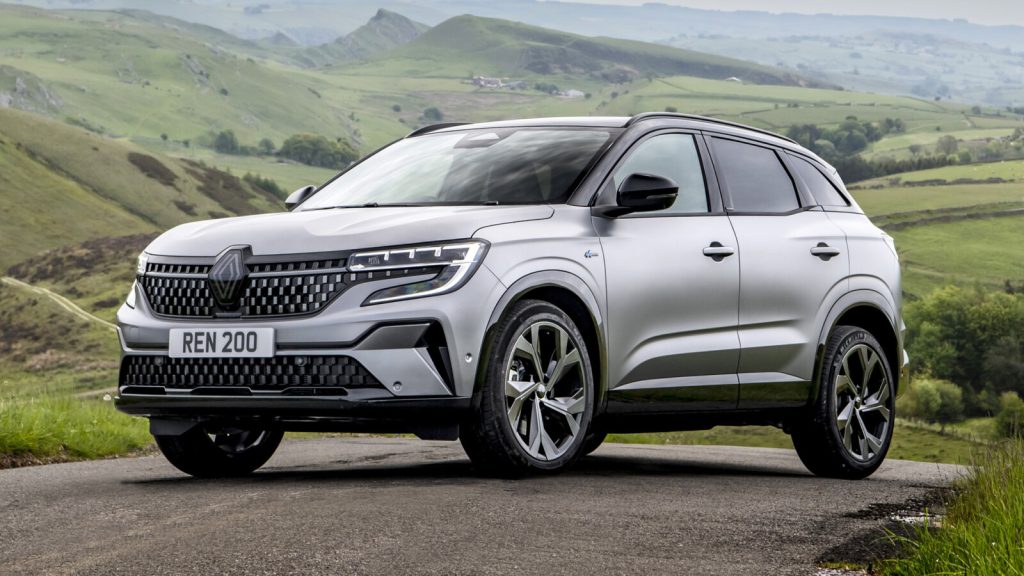
The answer might surprise you: hybrid cars, like the Renault Austral and Ford Puma. Here’s why hybrid vehicles are becoming the ideal choice for Norway’s scenic routes.

Why Hybrid Cars are the Ideal Choice for Norway's Scenic Routes
Hybrid vehicles like the Renault Austral align with Norway’s vision of a sustainable future.

1. Eco-Friendly Adventures in an Eco-Conscious Nation

Norway has always been at the forefront of environmental consciousness. With over 98% of its electricity produced from renewable sources, it’s no surprise that the nation is pushing for greener transportation. Enter hybrid cars. Their dual engine – combining gasoline with electric power – means lower emissions and a reduced carbon footprint. As more travelers are looking for eco-friendly options, hybrid vehicles like the Renault Austral align with Norway’s vision of a sustainable future.

Why Hybrid Cars are the Ideal Choice for Norway's Scenic Routes
The Ford Puma boasts impressive miles-per-gallon figures.

2. Fuel Efficiency Meets the Road

Norway’s scenic routes can be long, winding, and, sometimes, quite remote. This makes fuel efficiency crucial. Hybrid cars, with their ability to switch between fuel types, can offer extended driving ranges. The Ford Puma, for instance, boasts impressive miles-per-gallon figures, ensuring you spend more time admiring the fjords and less time searching for a petrol station.

Why Hybrid Cars are the Ideal Choice for Norway's Scenic Routes
Hybrid technology explained.

3. Embrace the Quietude

Imagine driving through serene landscapes with only the soft hum of your engine and the natural sounds around you. Hybrid cars, especially when operating in electric mode, are remarkably quiet. This silent operation not only minimizes noise pollution but also allows travelers to immerse themselves fully in the tranquility of Norway’s picturesque environment.

4. Smooth Handling for Rugged Terrains

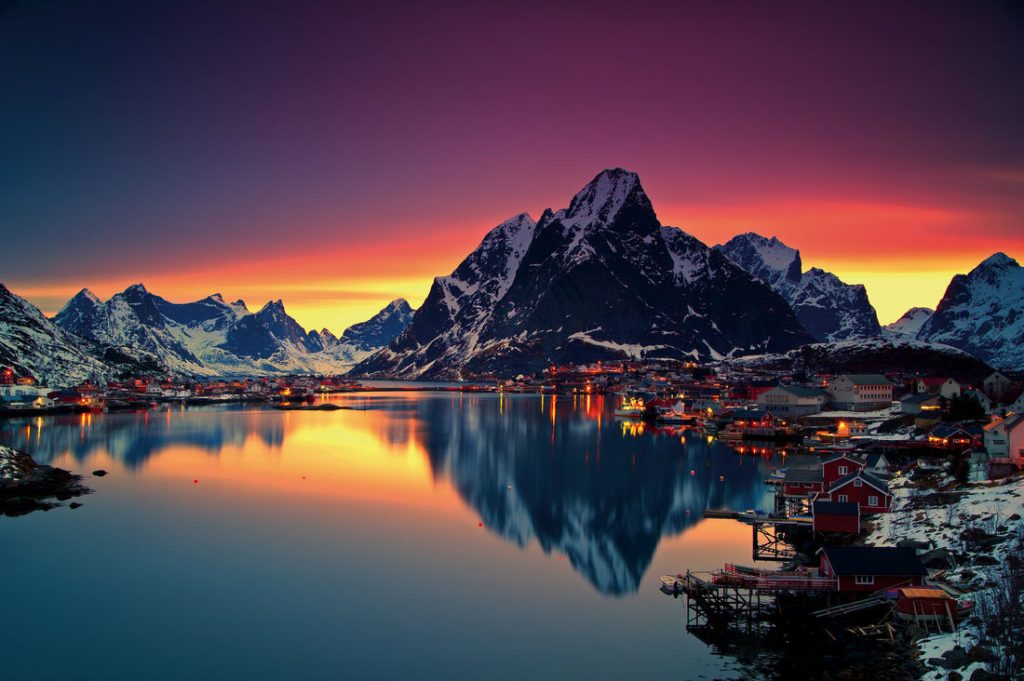
Norway’s scenic routes can sometimes offer challenging terrains, from steep inclines to hairpin bends. Hybrid cars are designed with superior torque from their electric engines, providing smoother acceleration and handling. Whether you’re navigating the twists of Geirangerfjord or climbing the heights of Lofoten, a hybrid like the Renault Austral ensures a comfortable and controlled ride.

Want to learn about the best things to see in the Lofoten islands? Just click the image below.

Why Hybrid Cars are the Ideal Choice for Norway's Scenic Routes
Click the image to learn more about the best things to see in the Lofoten islands.

5. Economic Sense in an Expensive Country

Norway, for all its beauty, is also known for its high cost of living. Fuel prices are no exception. Given the fuel efficiency of hybrid cars, travelers can expect significant savings on fuel costs. Over a long journey, these savings can be substantial, making hybrid vehicles an economically sound choice for both residents and tourists.

6. Future-Proofing Your Journey

As the world progressively shifts towards sustainable transportation, Norway is already gearing up for the future. The country has set ambitious targets to become emission-free by 2025. With incentives for electric and hybrid car owners and a growing network of charging stations, opting for a hybrid vehicle is not just a choice for the present but also a step into the future.

Why Hybrid Cars are the Ideal Choice for Norway's Scenic Routes
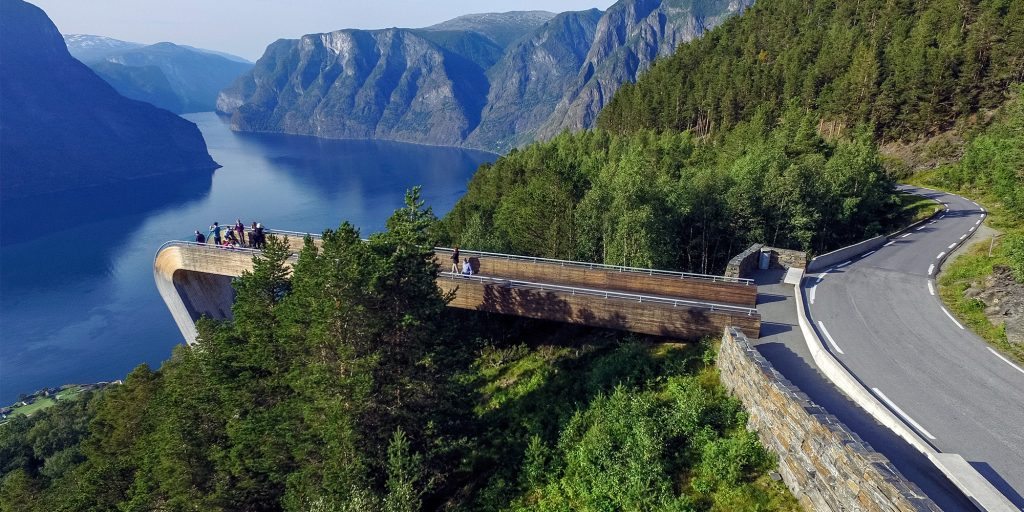
Features of hybrid cars can be especially valuable when traveling through unfamiliar terrains in Norway. Photo: Aurland mountain/Visit Norway.

7. Embracing Tech-Infused Features

Today’s hybrid vehicles come packed with cutting-edge technology. Advanced safety features, infotainment systems, and drive-assist capabilities, like those seen in the Ford Puma, can elevate the driving experience. These features can be especially valuable when traveling through unfamiliar terrains or during Norway’s long, dark winters.

8. Resale Value in a Pro-Hybrid Market

Given Norway’s push towards greener transportation options, there’s a burgeoning market for hybrid and electric vehicles. As such, the resale value for these cars is promising. Whether you’re a resident thinking of an upgrade or a traveler who leased a vehicle for an extended period, a hybrid car’s potential resale or return value can be another attractive proposition.

Why Hybrid Cars are the Ideal Choice for Norway's Scenic Routes
Given Norway’s push towards greener transportation options, there’s a burgeoning market for hybrid and electric vehicles. Here from the Sogn mountain. Photo: National Tourist Roads.

9. Reducing Dependency on Traditional Fuels

Norway, rich in oil reserves, has taken a paradoxical yet praiseworthy step by promoting green transportation. While the nation could easily rely on its vast oil resources, it chooses to lead in reducing global carbon emissions. By driving hybrid vehicles, you’re not just saving on fuel costs, but actively participating in reducing the world’s dependency on non-renewable resources. Cars like the Renault Austral and Ford Puma are a testament to automotive advancements that harness energy efficiently, reducing the strain on our planet’s dwindling resources.

10. Enjoying Extended Vehicle Lifespan

Hybrid vehicles are designed to optimize performance by balancing the workload between the petrol engine and the electric motor. This not only ensures optimal fuel consumption but also reduces wear and tear on the car’s engine. As a result, many hybrid car owners, including those who’ve chosen the Ford Puma for their Norwegian adventures, find that their vehicles have a longer lifespan compared to traditional gasoline-powered cars. In the long run, this means fewer worries about mechanical issues while navigating the rugged terrains of Norway, and potentially fewer trips to the mechanic over the lifetime of the car.

Why Hybrid Cars are the Ideal Choice for Norway's Scenic Routes
Norway’s scenic routes deserve a mode of transportation that’s both respectful to the environment and capable of handling its unique challenges.

Conclusion: A Match Made in the Fjords

Norway’s scenic routes deserve a mode of transportation that’s both respectful to the environment and capable of handling its unique challenges. Hybrid cars, from the sleek Renault Austral to the dynamic Ford Puma, offer the perfect blend of efficiency, economy, and eco-friendliness. As you prepare for your next Norwegian adventure, consider making it a green journey with a hybrid vehicle. The fjords, mountains, and valleys will thank you.

Why Hybrid Cars are the Ideal Choice for Norway’s Scenic Routes, written dedicatedly for Daily Scandinavian by Alexandra Morgan. With over a decade of experience in the automotive industry, Alexandra Morgan has become a trusted voice in automotive journalism. From covering international car shows to testing the latest supercars and delving into the nuances of automotive technology, her passion for cars is evident in every article she writes. Alexandra’s pieces have been featured in leading automotive magazines, websites, and broadcasts, making her a recognized name in the industry. Beyond her writing, she is known for her insightful interviews with industry leaders, designers, and engineers. When she’s not behind the wheel of a new car or at her desk, Alexandra enjoys scenic drives on the world’s most iconic roads and attending vintage car events. She believes that every car has a story and is dedicated to telling it.

Feature image (on top) Ford Puma.

5 Cool Inventions You Didn’t Know Are Scandinavian

It’s no secret that the Nordic countries are famed for their innovative designs and remarkable contributions to technology and, well, everything else. This includes some unlikely products you may not have guessed stemmed from those chilly Scandi countries. Learn more about these 5 cool inventions you didn’t know are Scandinavian.

In this article, we explore several of the incredible inventions that we all use on a day-to-day basis – and all of which hail from the Northern Hemisphere.

So, without further ado, let’s dive in and uncover the top 5 Scandinavian inventions that we (probably) can’t live without.

5 Cool Inventions You Didn’t Know Are Scandinavian
Founded in 1943 by Ingvar Kamprad, Ikea revolutionized home furnishing and interior design as we know it.

1. Ikea Home Furnishing

Our first stop on the map is none other than the beautiful country of Sweden, the birthplace of the world-renowned furniture giant Ikea, among other wonderful things.

Founded in 1943 by Ingvar Kamprad, Ikea revolutionized home furnishing and interior design as we know it. And as of 2023, it’s also known as one of the best workplaces for women.

Known for being easy to assemble and super maneuverable, IKEA products have found their way into many of our homes in the form of furniture, kitchenware, and everything in between. But that’s not all. Ikea’s famous meatballs and hotdogs alone draw us in droves to the nearest store!

So, next time you find yourself assembling a sleek bookshelf, arranging your living room to match your style and comfort needs, or drooling at the thought of some meatballs, you can thank the Swedes for paving the way for a simple and chic approach to furnishing our homes.

5 Cool Inventions You Didn’t Know Are Scandinavian
. Back in 2008, the music-streaming giant, otherwise known as Spotify, was born.

2. Spotify – A Melodious Marvel

Sticking with Sweden for a second, our next innovative invention has changed the way we listen to and store music forever. Back in 2008, the music-streaming giant, otherwise known as Spotify, was born.

Spotify makes being a music lover (especially a busy, on-the-go one) simple, cost-effective, and good for the environment (after all, it requires zero materials) by offering a never-ending library of songs at our fingertips. Fast-forward 15 years, and the company now controls 33.8% of the music streaming industry.

But it doesn’t stop there. In addition to unlimited tunes, Spotify has also been a game-changer for musicians and artists – especially newbies – by providing independent artists with a virtual stage, enabling them to build a fanbase and get their music out there to new audiences.

The streaming service’s algorithm-driven playlists and tailored recommendations have empowered lesser-known artists to find their fanbase and connect with music enthusiasts from all corners of the globe.

5 Cool Inventions You Didn’t Know Are Scandinavian
Ole Kirk Christiansen founded LEGO in 1932.

3. LEGO – The Building Blocks of Creativity

The next Nordic pitstop on our list is delectable Denmark.

As well as being the birthplace of Hygge, Denmark brings us the timeless classic otherwise known as LEGO, a brand loved by both children and adults alike.

Ole Kirk Christiansen founded LEGO in 1932, and since then, these colorful interlocking bricks have sparked imagination and creativity in millions of minds worldwide – as well as being a big economy booster. So much so it rakes in a whopping 8.7 billion euros in profits every year.

LEGO is loved by the masses because it allows for endless building possibilities, as well as promoting problem-solving skills, and encouraging teamwork among young minds. Oh, and it’s great fun too (even for adults).

LEGO offers a hands-on learning experience that encourages both critical and creative thinking, as well as collaborative abilities. At the same time, LEGO provides learning tools for most scholarly subjects, making the learning process an exciting and interactive adventure. And the best part? It doesn’t involve staring at a screen.

5 Cool Inventions You Didn’t Know Are Scandinavian
Bluetooth was created by engineer Jaap Haartsen in 1994.

4. Bluetooth – Wirelessly Connecting the World

Next, we venture back to Sweden once again, where Bluetooth was created by engineer Jaap Haartsen in 1994.

Wireless tech has become a permanent fixture in our daily lives by enabling seamless communication between all our devices. From wireless headphones and speakers to hands-free car systems (and everything in between), Bluetooth is in a league of its own when it comes to sharing information.

While you’re enjoying the many benefits of Bluetooth and other wireless wonders, why not consider taking an extra step to protect your online privacy with a Virtual Private Network (VPN)? A VPN makes sure data is transferred from location to location safely, meaning it’s not vulnerable to cybercrime. In short, if you’re a web user, investing in a VPN for Chrome is a cybersecurity game-changer.

5 cool inventions
Modern Finnish sauna at Kurula’s resort.

5. Saunas – A Relaxing Finnish Tradition

Finally, we make our way to fabulous Finland to discover the ancient Scandinavian invention otherwise known as the sauna.

For centuries, Finns have used saunas for relaxation, socializing, and physical wellbeing. And while they’re certainly no new thing, saunas have been taking the rest of the world by storm by becoming an integral part of wellness regimes and post-exercise wind-downs.

Saunas are known and loved for offering a calming escape from the stresses of our daily lives, as well as boasting a whole host of health benefits, including improved circulation and detoxification.

5 Cool Inventions You Didn’t Know Are Scandinavian 5 Cool Inventions You Didn’t Know Are Scandinavian Conclusion

So, that concludes our exploration of our top 5 favorite Scandinavian inventions that many of us rely on every single day.

In a nutshell, these creations from the land of the Northern Lights have truly illuminated the world, and we eagerly await the next offering.

5 Cool Inventions You Didn’t Know Are Scandinavian
Leo Corado

5 Cool Inventions You Didn’t Know Are Scandinavian, written dedicatedly for Daily Scandinavian by Leo Corado. Leo has a BSc in computer science with a focus on cryptography and worked in a range of London tech startups in data security for five years before turning his hand to writing. His goal is to educate and inform people about the often- opaque world of cybersecurity and help everyone be a little bit safer online. When not saving the world from hackers and fraudsters, he’s a gamer, esports fan, and avid TV binger.

Feature image (on top): © Chastity Corijo/Unsplash.

Editor’s notes: Finland is not a part of Scandinavia. This misconception is widespread, also among Scandinavians. Scandinavia consists of three countries, Denmark, Norway, and Sweden. 

Sustainable Travel in Scandinavia: Eco-Friendly Adventures and Initiatives

When considering awe-inspiring natural landscapes, Scandinavia emerges as a highly favored choice among travel enthusiasts. One of the most transformative opportunities involves journeying to these countries, savoring the local gastronomy, and deeply engaging with their forward-looking societies. Learn more about sustainable travel in Scandinavia: Eco-friendly adventures and initiatives.

Particularly in July, these nations stand out as prime travel destinations due to their delightful and temperate climate. For those seeking to minimize their ecological footprint, Scandinavia presents itself as a sustainable travel option.

As the first nation in the world, Norway has implemented a system where destinations can be environmental certified at a national level. Learn more by clicking the image below.

Sustainable Travel in Scandinavia: Eco-Friendly Adventures and Initiatives - Final Thoughts
Learn more about how Norway has implemented a system where destinations can be environmental certified at a national level.

The region has committed to preserving the environment and natural marvels present there, so there are a lot of eco-friendly adventures and initiatives. Among the eco-friendly things to do in Scandinavia are lodges in the middle of the wilderness. And you can also travel Scandinavian by using innovative transportation options. But what are the most eco-friendly adventures and initiatives you can enjoy while you have a Scandinavia holiday? How can you enjoy your time in Scandinavia while saying yes to eco-friendly adventures?

Sustainable Travel in Scandinavia: Eco-Friendly Adventures and Initiatives
From Bergen, Norway. Photo: Florian Olbrechts/Visit Norway

Eco-Friendly Accommodation

If you want to visit Scandinavia, no matter the time, and you want to do it in an eco-conscious manner, then you are probably looking for accommodation that is eco-friendly. Whether it’s the Scandinavian summer or not, you should know that this place boasts eco-friendly accommodations. It helps any traveler immerse in the natural world without compromising on the comfort or security you need while traveling in a foreign country. To have the best Scandinavian vacation, you can find cabins, lodges, and even treehouses. It is one of the most sustainable travel destinations, as these are built with locally sourced materials.

Sustainable travel in Scandinavia: Rco-friendly adventures and initiatives. Article continues below image.

Want to learn more about livable Scandinavian cities? Just click the image below:

Sustainable Travel in Scandinavia: Eco-Friendly Adventures and Initiatives
Click the image to learn more about Scandinavian liveable cities.

And, of course, they are powered by renewable energy sources. When traveling around the world, you may take your devices with you. You may work remotely on some days, so you need your Mac’s battery to be fully charged. However, if your macbook pro m1 battery life draining fast, you should fix Macbook battery. Mac losing battery might be common in some cases, but you can protect and extend its life by getting advice from setapp. The Mac battery drains, but there are solutions you can put into place that will help you not worry about this when traveling in Scandinavia. This is a piece of advice you will find in a travel guide Scandinavia. But do not worry, all accommodations on Scandinavian islands offer you everything you need.

Sustainable Travel in Scandinavia: Eco-Friendly Adventures and Initiatives
You can make your vacation in Scandinavia by using low-impact transportation.

Low-Impact Transportation

To visit all the sustainable tourist destinations in Scandinavia, you need a means of transportation. You can make your vacation in scandinavia by using low-impact transportation. The countries have made efforts in reducing their carbon footprint and offering sustainable transportation. Travel to Scandinavia and you can take electric buses and trains. There are also ferries that offer eco-conscious ways of exploring the region.

If you plan on spending time inside the city, you should know there are lanes specially dedicated to cycling. You skip the traffic but also protect the environment by using a means of transportation that is not polluting. It is one of the main things to do in Scandinavia as it helps you explore all the iconic places. Summer is the best time to go to Scandinavia, as the weather is warmer. And if you choose to rent a bike, you will enjoy the sunny and warm weather a lot.

Sustainable travel in Scandinavia: Rco-friendly adventures and initiatives. Article continues below image.

Sustainable Travel in Scandinavia: Eco-Friendly Adventures and Initiatives
As a visitor, you have the opportunity to participate in environmentally conscious safaris, allowing you to discover the indigenous plants and animals of the region. Photo: Martin Edstrøm/ArkNat

Wilderness Safaris and Wildlife Conservation

Scandinavia is a region that boasts wildlife. It is home to diverse and unique ecosystems, so you have plenty of places to explore. There are also Scandinavian tours for seniors that help you not miss these natural marvels.

As a visitor, you have the opportunity to participate in environmentally conscious safaris, allowing you to discover the indigenous plants and animals of the region. Witnessing reindeer, mosses, and Arctic foxes in their undisturbed ecosystems offers an enriching and informative opportunity. This experience imparts insights into the significance of preservation and the crucial need for environmental safeguarding. Currently, exploring the natural world stands as one of the highly recommended activities in this locale.

Sustainable Travel in Scandinavia: Eco-Friendly Adventures and Initiatives
You can select from magnificent cities or wildlife safaris depending on where you want to go. Here from saunas in Oslo. Photo: Didrick Stenersen/Visit Norway.

Sustainable Travel in Scandinavia: Eco-Friendly Adventures and Initiatives – Final Thoughts

You should be aware that there are many excellent destinations in Scandinavia if you’re seeking them. You can select from magnificent cities or wildlife safaris depending on where you want to go. The location in Scandinavia offers options for visitors who want to experience it sustainably. Scandinavia is best visited during the summer, of course.

However, exploring it during the cold seasons comes with its magic too. Denmark stands out as the most budget-friendly Scandinavian destination for travelers, yet it’s advisable to also contemplate the other nations in the region. While Norway claims the title of the most desirable Scandinavian country for residency, it’s worthwhile to allocate time for exploring each of these countries. Each nation boasts a plethora of attractions and experiences to be savored.

Sustainable Travel in Scandinavia: Eco-Friendly Adventures and Initiatives
Mark Hiskey

Sustainable Travel in Scandinavia: Eco-Friendly Adventures and Initiatives, written dedicatedly for Daily Scandinavian by Mark Hiskey. Mark harnesses the potency of language to shape enthralling narratives and deeply connect with readers. Employing his keyboard as a canvas and his imagination as an endless wellspring. he breathes life into concepts through the medium of content writing.

Feature image (on top): © Unsplash

Shakespeare on Castle Tour in Scandinavia 2023

TNT Theatre has developed an international reputation for presenting dynamic, exciting and direct productions of Shakespeare’s major works. The tragedy ROMEO and JULIET by William Shakespeare is now on a castle tour in Scandinavia 2023. Don’t miss this performance in English at historical castles throughout Scandinavia.

Live music, powerful choreography and simple performance style allow a modern audience to experience Shakespeare’s great love story as an Elizabethan audience might have done at a London theatre for some hundred years ago.

Shakespeare on Castle Tour in Scandinavia 2023
In this production the play is freed from the clichés of West Side Story and the film starring Leonardo DiCaprio.

Freed from Clichés

In this production the play is freed from the clichés of West Side Story and the film starring Leonardo DiCaprio, and is rediscovered as a story not of urban street kids but of “two houses both alike in dignity.” This is a tragedy of clan war, of a town in violent chaos, riven by family feuds, where the deaths of two young lovers bring the warring factions to their senses.

The TNT theatre toured Scandinavia in 2019 with A Midsummer Night’s Dream. Click the image below to read about the performance.

Shakespeare on Castle Tour in Scandinavia 2023
Click image

The true richness and depth of Shakespeare

Verona is brought to the stage in all its classical glory, Latin passion and baroque decadence. This is an Italy where honor, pride and family loyalty are valued above morality, peace and love. In a modern world equally riven by violence and intolerance, where peace seems as elusive as true love, this great tragedy is as relevant as ever.

Shakespeare on Castle Tour in Scandinavia 2023
This is not a historical but a mythic setting that enables the morality play and the romantic tragedy to reach its true potential.

This is not a historical but a mythic setting that enables the morality play and the romantic tragedy to reach its true potential. All too often, Shakespeare suffers from directors and even designers imposing an interpretation on the original that stifles its essence. TNT works carefully to bring out the true richness and depth of Shakespeare. This approach has been much appreciated by a wide audience who is often surprised at how accessible and relevant Shakespeare’s plays become when they are performed in the manner Shakespeare might have intended.

Macbeth was performed by the group in 2018. Read more about it by clicking the image below.

Shakespeare on Castle Tour in Scandinavia 2023
Click image.

Less is more

The plays were written to be performed with limited scenery which calls upon the imagination of the audience, live music, small casts, energetic physical performances and a sensitivity to poetry. All of these elements are present in a TNT Shakespeare production. Less is more or, to quote HAMLET, “the play is the thing.”

The music for this production comprises both recorded instrumental and live vocal elements. John Kenny has arranged and adapted many baroque vocal and instrumental works, which are performed on historical instruments by The Scott Free Ensemble (baroque violin, alto & tenor sackbuts recorders, percussion, harpsichord and organ).

This production tours widely in Scandinavia this season and has visited over thirty countries since its premier fourteen years ago.

Enthusiastic reviews

“TNT are known as the most popular touring theatre company in the world,” – China National TV (of Rome and Juliet)

“Extraordinary. TNT demonstrates how Shakespeare can be made relevant to a modern audience anywhere in the world.” Shakespeare on Castle Tour in Scandinavia 2023Shakespeare on Castle Tour in Scandinavia 2023– Japan Times, Tokyo

“Highly effective and charismatic theatre…” – Village Voice, New York

“World class theatre…” – Süddeutsche Zeitung, Munich

“Wonderfully unpredictable and astonishingly inventive, their imagery defies description.” – Scotsman, Edinburgh Festival.

“I never knew Shakespeare could be so entertaining” – CNN TV

Directed by Paul Stebbings Musical Director: John Kenny Producer: Grantly Marshall

The OPEN-AIR THEATRE PERFORMANCE IN ENGLISH Admission: NOK 350.–  (Students/Pupils NOK 250,–).
Shakespeare on Castle Tour in Scandinavia 2023TNT (The New Theatre) aims to produce dynamic physical theatre that concentrates on the resources and abilities of the actor, to produce theatre that integrates the disciplines of music, choreography and drama and to produce theatre that cannot be placed in any one category because it can be performed to almost any type of audience in almost any type of venue, or even create venues and audiences of its own.
Click links below for tour schedule.

DENMARK ITINERARY

NORWAY ITINERARY

SWEDEN ITINERARY

Shakespeare on Castle Tour in Scandinavia 2023, based on a press release from TNT.

All images © TNT

Scandinavian Blueberry

Wild blueberries are abundant all over Scandinavia and are gathered in enormous quantities in summer and autumn. The entire drop is picked inn the wild, and they have been a favorite berry for millennia. Read the article and learn more about Scandinavian blueberry.

True wild blueberries are far more delicious than the northern or bog blueberry and their cousin the giant American highbush blueberry. Blueberry keep well, as they contain a natural preservative, and have always been dried in the sun for winter use.

Scandinavian Blueberry
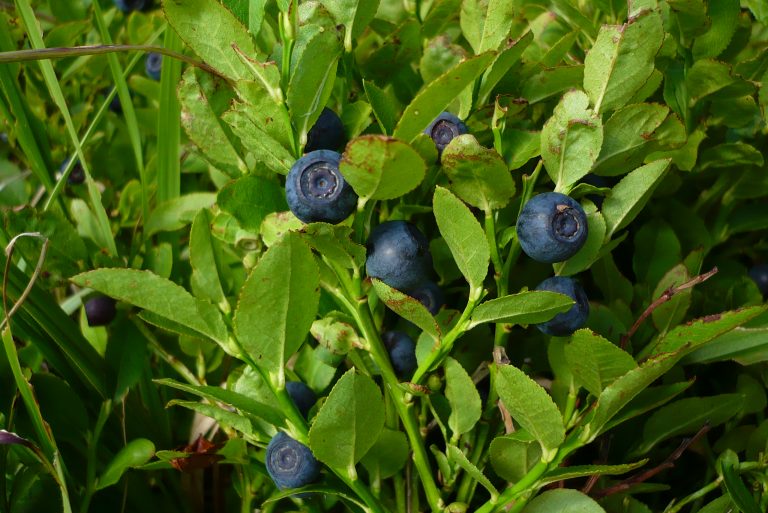
Blueberries grow on acid soil in woodland and heaths and are abundant all over the north. Photo: forksning.no

How it grows

True blueberries (Vaccinium myrtillus) grow on acid soil in woodland and heaths and are abundant all over the north. The delicious, low bushes with small, bright green leaves are very hard to grow in gardens as the plant lives in symbiosis with a fungus. The northern bilberry (Vaccinium uliginosum), another small bush with almost round, blue-grey leaves, requires the same conditions and grows all over Scandinavia. Highbush varieties, which are grown commercially, are easy to grow if you have acid, peaty or sandy soil.

Scandinavian Blueberry the article continues below the image.

You might also like to read about Scandinavians and strawberries. Just click the image below.

Scandinavian Blueberry
Click image

Appearance and taste

Wild blueberries are smaller than the cultivated blueberry you buy in the shops, and also darker, appearing to be almost black with a hint of blue; most distinctively, they are dark all the way through, and will color everything a lovely dark purple – your teeth, tabletop, food, pancakes…They are much tastier and more intensely flavored than either northern bilberry or indeed the American blueberry, which is dark purple on the outside but has pale green flesh. But you love what you can get, and commercially grown blueberries are still much better than no blueberries at all.

Scandinavian Blueberry
Highbush blueberries. Photo: Hageland

Buying and storing

Blueberries picked in the wild are a superior thing, so buy them if you are lucky enough to find them, or pick your own, as many Scandinavian families do. They keep their taste well when frozen; in fact, frozen, ripe true blueberries are often the better option if you are going to use them in cakes, smoothies and jam.

As blueberries keep so well, the ones you buy are often picked underripe, and sold when too old; since the taste disappears in time, it’s worth checking that they are not dried out, and never buy if some are mouldy.

Scandinavian Blueberry – the article continues below the image.

You can learn more about Scandinavian berries by clicking the image below.

Scandinavian Blueberry
Click image

Health benefits

Blueberries have become very popular in the past years because of their medicinal qualities. They contain huge amounts of antioxidants, as well as vitamin C, and the color will replenish the color in pale eyes.

Scandinavian Blueberry
American blueberries. Photo: Meny

Culinary uses

The taste of blueberries is rich and refreshing, equally good in savoury dishes and desserts. They make a marvelous jam, and are traditionally served with thin crêpes, or as a filling in pies. They can be raw-sugared like the lingonberries and eaten with game, cold cuts, and any dish in which lingonberries are used. But when you have picked your own, they are usually eaten in huge bowls, simply deliciously with sugar and milk.

Scandinavian Blueberry
Cheese pancakes with blueberries

Curd cheese pancakes with blueberries

You can make the pancakes with a variety of fresh cheeses, including skyr, a fresh, unfermented cheese, much like fresh ricotta, quark or fresh goat’s cheese. They work well with any of these.

200g blueberries
2 tablespoons sugar

For the pancake batter
3-4 eggs, depending on size
250g ricotta, quark, skyr or fresh goat’s cheese
50g sugar
Finely grated zest of 1 lemon
25g salted butter for frying
50g plain flour

SERVES 4

Warm the blueberries very gently with the sugar until they begin to break open. Cool a little while you make the pancakes.

Separate the eggs and whisk the whites until stiff. Mix all the other pancake ingredients together in a bowl, then gently fold in the whites.

When it comes to frying the pancakes, you’ll need a large, thick-bottomed frying pan. We’re after thick American-style pancakes, so you should fit three in at a time. Fry the pancakes gently in butter, making sure you don’t turn them over until they are properly set underneath; they are loose-textured and will break up if you turn them too soon.

Eat while hot with the warm blueberries.

Scandinavian Blueberry, written by Tor Kjolberg

Feature image (on top): Wikipedia

Norwegian Start-Up Company Keeps Used Furniture Circulating in the Economy

0

On average, each Norwegian consumes 64.9 kg of furniture annually. This corresponds to 5.4 tons over the course of a lifetime. Norwegians also hold the European record for spending on renovations and invest NOK 85 million per annum on kitchen upgrades and new bathrooms only.  Many pieces of furniture meet a sad fate: they are thrown into the residual waste and sent for incineration. The founders of the Norwegian start-up company secundo.no saw an opportunity in the market and now the company provides an attractive alternative to all the cheap, disposable furniture that has become so widespread. Learn more about how a Norwegian start-up company keeps used furniture circulating in the economy.

Secundo.no is a start-up based in Oslo designed to make selling and buying used furniture a little less painful and a lot less wasteful.

Norwegian Start-Up Company Keeps Used Furniture Circulating in the Economy
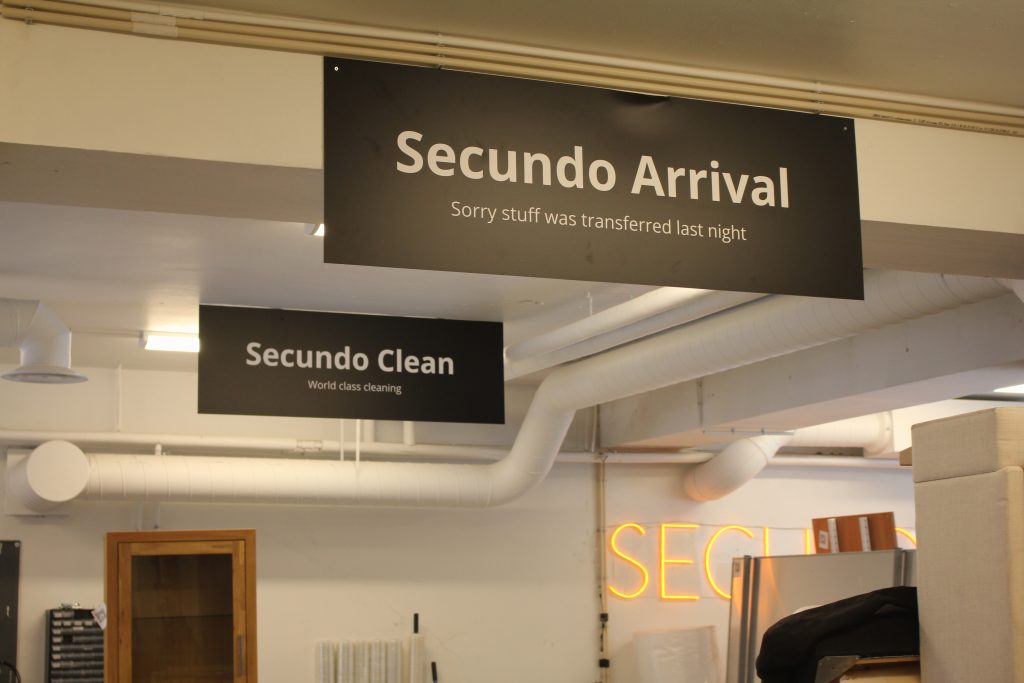
Secundo.no buys the second-hand furniture, transports it to their warehouse, spruces it up, takes some fancy pictures, writes a detailed description of the items, lists it on their website for sale, and delivers it directly to the buyer.

Right from the get-go, they’ve had an incredibly strong team with a wealth of startup experience. A group of real go-getters, ready to tackle anything thrown their way. Among those are Eirik Broms (28) and Joachim Hoff (25) that saw a massive opportunity in Europe, and they’ve run with it. Fast forward to 18 months later, and over 10,000 pieces of refurbished furniture have been brought back to life through their platform. But they’re not stopping there – their web-shop has set its sights on a full European expansion.

Norwegian Start-Up Company Keeps Used Furniture Circulating in the Economy
Sofa, cleaned, refurbished, photographed – now as new – ready for sale.

Secundo.no buys the second-hand furniture, transports it to their warehouse, spruces it up, takes some fancy pictures, writes a detailed description of the items, lists it on their website for sale, and delivers it directly to the buyer. The process streamlines the furniture sales process, offering buyers a unique variety of cool pieces, all of which has been confirmed clean and in good condition. Buyers are even offered a 14-days open purchase order, which means, if they have made a wrong decision, the items can be returned for a refund.

Norwegian Start-Up Company Keeps Used Furniture Circulating in the Economy
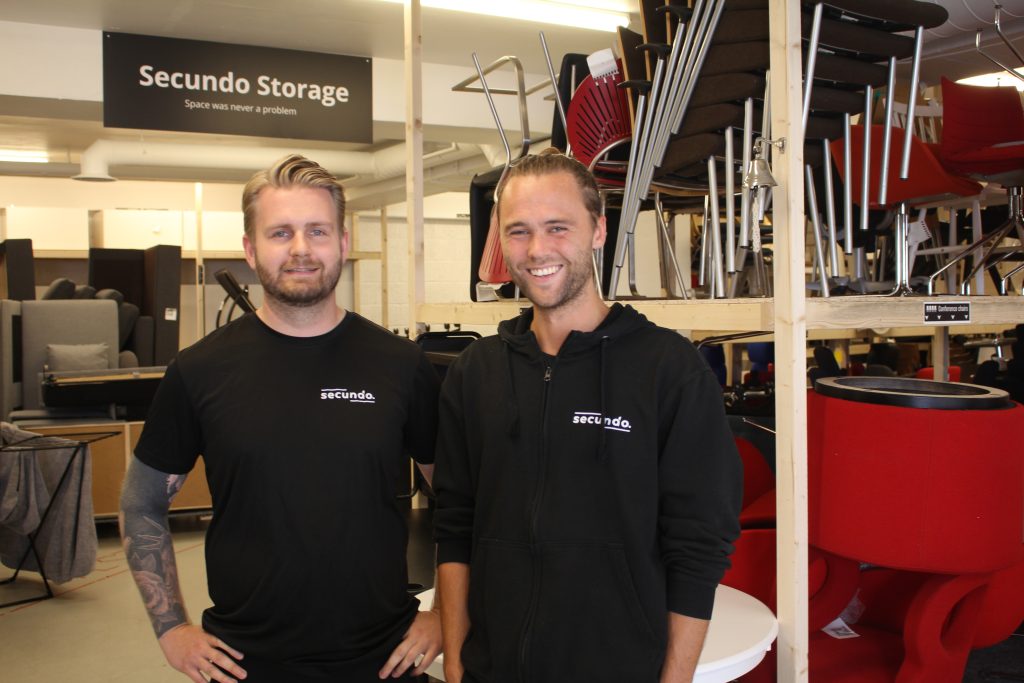
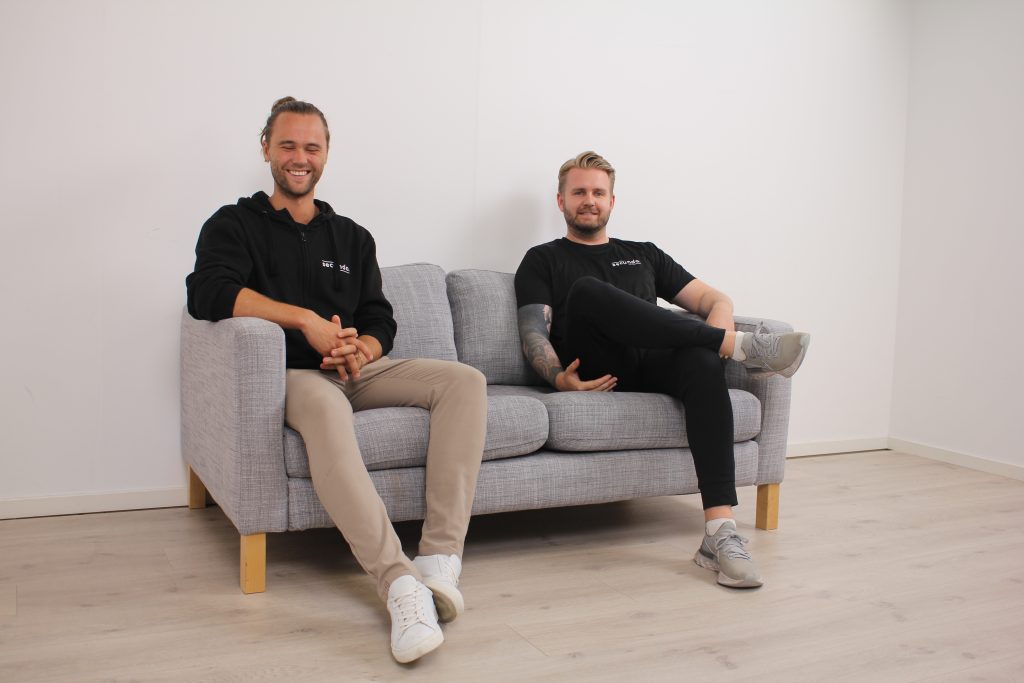
Martin Eliassen (left) and Joachim Hoff.

Daily Scandinavian spoke with Joachim Hoff and Martin Eliassen to learn more about the company.

What’s the goal of Secundo.no?

We have proved to have created a success formula (quick in – quick out) and want to be a company that makes buying and selling used furniture easier and more convenient for the user.

Joachim Hoff and Martin Eliassen
Photo shooting at Secundo.

You might also be interested in reading about the world’s first recycling mall – in Sweden. Just click the image below.

Norwegian Start-Up Company Keeps Used Furniture Circulating in the Economy
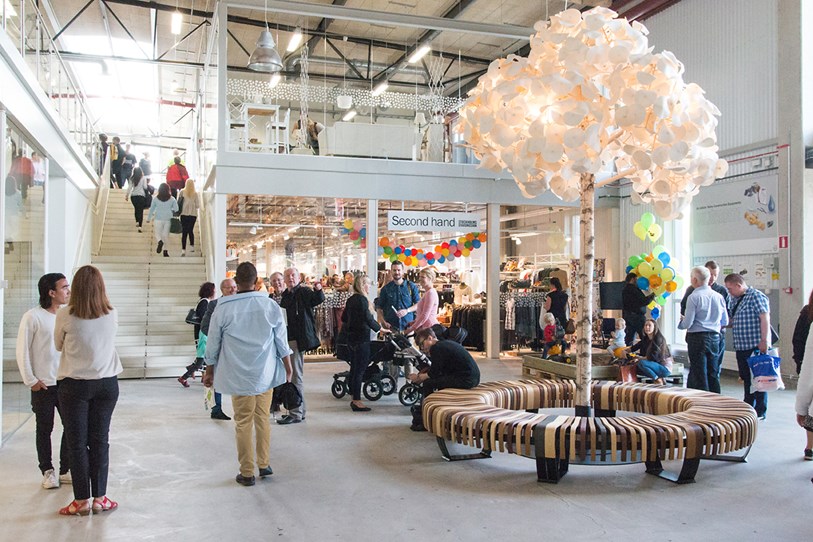
Read about the world’s first recycling mall – in Sweden.

How did you get the business off the ground? 

We started by identifying a specific problem and validating it with potential customers. After conducting market research to ensure our solution was unique, we developed a minimum viable product (MVP) for testing and improvement. Despite our limited marketing budget, we focused on organic growth strategies, such as leveraging our network, offering exceptional customer service, and relying on satisfied customers to spread the word about our product. The combined effort of a dedicated team and a readiness to adapt were also key in successfully getting our business off the ground.

Norwegian Start-Up Company Keeps Used Furniture Circulating in the Economy
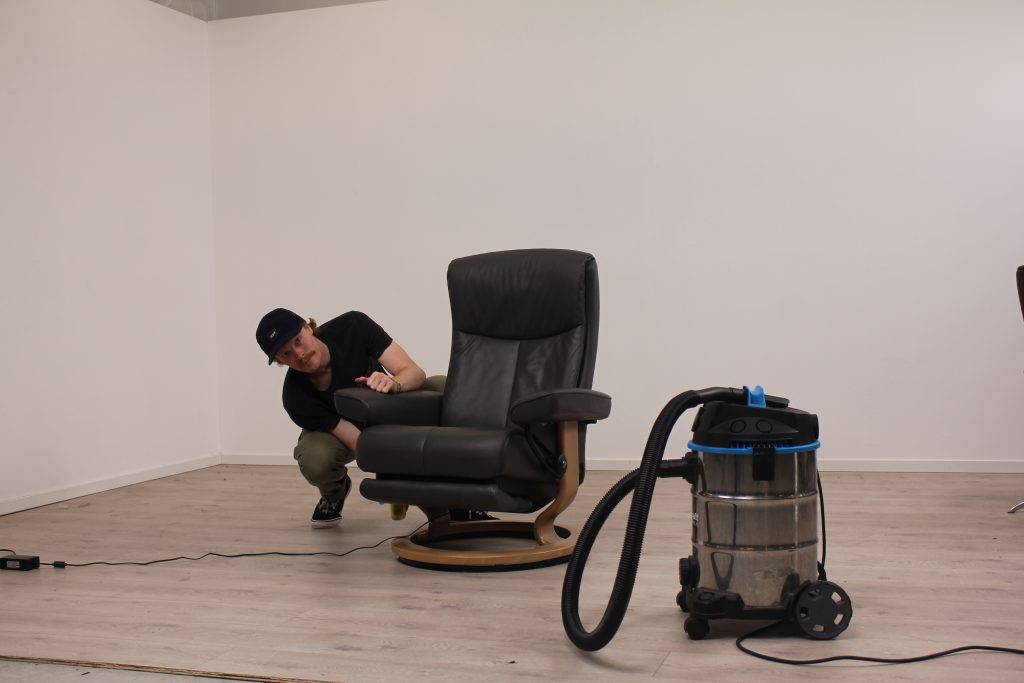
An Ekornes Siesta is almost ready for a photo shot.

Can you give us a description of how it works? 

We are focusing on three categories, sofas, home furniture and office furniture. From a buyer’s perspective, it’s a typical e-commerce site. We give full photographs and descriptions. If there are nick or stains, we want people to trust us as a source of quality and transparency. We have our own logistics team and can even offer same day delivery.

You might also like to learn how you can enhance your Scandinavian home with green updates. Just click the image below.

You might also be interested in reading about the world’s first recycling mall – in Sweden. Just click the image below.

What regions are you serving now and where do you hope to expand? 

Right now, we’re in Oslo and serve the greater Oslo region and a couple of other cities. We have, however, delivered furniture all over the country, but hope to expand. We must test on density and population and what kind of furniture alternatives people have.

Norwegian Start-Up Company Keeps Used Furniture Circulating in the Economy
The Secundo team

What are some of the biggest challenges you are facing?

Our biggest problem is that we are outgrowing our current storage. We’re moving to larger facilities in a few months. In our present warehouse we have to get around super small corners, doorways, stairwells, etc.

Norwegian Start-Up Company Keeps Used Furniture Circulating in the Economy, the article continues below the image. You might also like to learn how you can enhance your Scandinavian home with green updates. Just click the image below.

Norwegian Start-Up Company Keeps Used Furniture Circulating in the Economy
Learn how you can enhance your Scandinavian home with green updates.

What is the most popular furniture item?

The most popular is sofas. We have our own sofa manager. Local designers, some antique and Ikea are very common too. People like the high-low mix.

What happens if the pictures don’t match the furniture in real life? 

That is very rare. The benefit of doing everything from buying, restoring, studio photographing and describing the furniture in house is invaluable. We have vetted for quality by the pictures.

What about bed bugs? Bed bugs are scary. 

Our in-house drivers are trained to make sure things are sanitary not just against bed bugs but pet dander, dirt, cigarette smoke odor, etc. And we clean everything.

Thank you guys. Keep up the good work!

Norwegian Start-Up Company Keeps Used Furniture Circulating in the Economy
“We are focusing on three categories, sofas, home furniture and office furniture,” says Joachim Hoff (left) and Martin Eliassen.

Customers are praising Secundo.no:

“Good place to shop, also from out of town. Nice products, in good condition. Fast and well-functioning customer service with excellent follow-up also after the purchase. It is otherwise reasonably easy to get an offer for transport Oslo-Trondheim via Nimber (note: a service completely independent of Secundo).” Bjørn Odland.

Norwegian Start-Up Company Keeps Used Furniture Circulating in the Economy“Fast and good delivery, also got a quick reply to email! We bought two folding desks that are as good as new, and brilliant quality, and for a very reasonable price! Really to recommend.” Maren Høgberg.
“Bought a sofa that had been cleaned and looked like new. Ordered shipping with delivery and everything went quickly. Very satisfied!” Line Berger Husem.

Conclusion

For the time being, there aren’t any marketplaces that accomplish what Secundo.no is setting out to do at a price point that competes with Ikea, Rusta, and Jysk.

Norwegian Start-Up Company Keeps Used Furniture Circulating in the Economy, written by Tor Kjolberg.

Feature image (on top): © secundo.no
All other images (except group photo and sofa) © Daily Scandinavian/Tor Kjolberg


No Roads as Safe as Sweden’s

0

Sweden’s roads are statistically the safest in Europe. That’s a fact—not a brag. The European Transport Safety Council (ETSC) ranked Sweden at the top in its Road Safety Performance Index, making the Scandinavian country the current standard for road safety. So, what’s the secret? Well, in the late 90s, Sweden rolled out a program called Vision Zero. The concept was groundbreaking: No loss of life is acceptable. Result: No roads as safe as Sweden’s.

They set out to design a traffic system that eliminated fatal accidents. And here’s what’s also surprising in a good way—Vision Zero isn’t rocket science. It’s more about designing roads that take human error into account. Think wider pavements, separate bike lanes, and pedestrian zones in city centers. Plus, a considerable number of roundabouts, because believe it or not, they dramatically cut the number of accidents. The Swedish Transport Administration confirms this in their report, showing that where roundabouts have been installed, accidents have plummeted by a staggering 40% in a matter of months.

No Roads as Safe as Sweden's
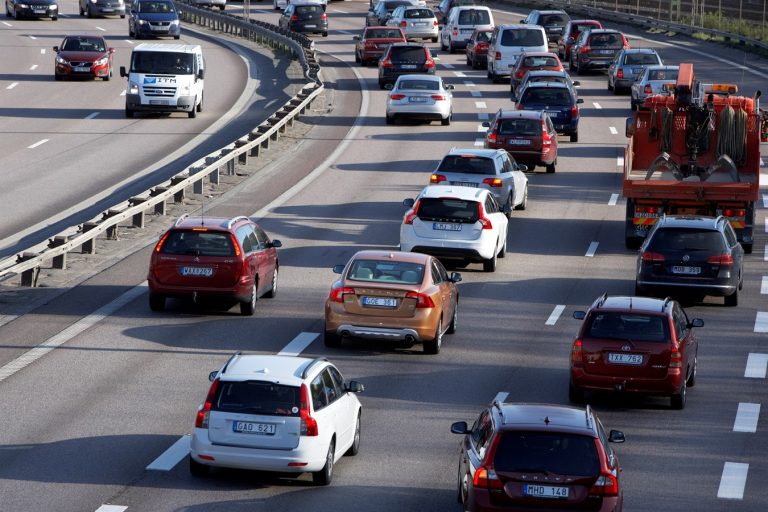
It’s been established that Sweden’s roads are very safe compared to the rest of Europe. Photo: Johna Willner/Imagebank/sweden.se

Driving Safe in Sweden: Top Tips

It’s been established that Sweden’s roads are very safe compared to the rest of Europe. However, safe driving still matters. Here are a couple of tips to stay safe on Swedish roads and keep those safety records looking sharp.

The article continues below image.
You might like to learn everything you need to know about renting a car in Scandinavia. Just click the image below.

No Roads as Safe as Sweden's
Click image.

First, avoid the tiny local roads if you can—they tend to be surrounded by forests, which doesn’t sound like a big deal until a moose or a deer jumps out. That leads to the next pointer. Keep an eye out for wildlife! Around 50,000 accidents every year in Sweden involve animals, according to the Swedish Transport Agency. So whether you’re driving in the north, around forests or even just out of town, keep an eye out. And finally, be a stickler about rules.

Swedes are known for their commitment to the rules, and it’s no different when it comes to road safety. Strict adherence to speed limits is the norm, not the exception in Sweden. This isn’t just down to natural law-abiding tendencies, though. The Swedish Transport Administration has put into place an efficient speed camera system that catches those exceeding the speed limit, further encouraging motorists to keep within the designated speeds. After all, nobody wants a speeding ticket.

And it’s not just about speed limits. Overtaking in Sweden isn’t a free-for-all. Swedish drivers only overtake when it’s unquestionably safe to do so – they’re not about playing chicken with oncoming traffic. This nifty habit drastically reduces the risk of head-on collisions—which are typically the most dangerous.

True, all of this means getting to your destination might take a little longer; but in the grand scheme of things, it’s a small price to pay for safer roads, fewer accidents, and altogether more pleasant driving. You’re not just looking out for yourself when you drive like this, you’re contributing to the safety of everyone on the road, from other drivers to vulnerable cyclists and pedestrians.

Unlike some countries where aggressive tailgating is business as usual, drivers in Sweden are educated in the benefits of always maintaining an adequate distance from the car in front of them. A longer stopping distance can dramatically reduce the chance of rear-end collisions. This meticulous attention to detail is perhaps key to Sweden’s success in road safety. The country’s efforts to prioritize safe and responsible driving offer a peaceful and less stressful driving experience, one that other nations could certainly learn from as we all strive for safer roads.

No Roads as Safe as Sweden's
Sweden focuses on education and strict legislation, really pushing that whole “safety first” mentality.

Learning from Sweden: Suggestions for Europe

So, what else can other countries in Europe learn from Sweden? Well, it’s not all about the infrastructure. Sweden has a culture of safety, too. They focus on education and strict legislation, really pushing that whole “safety first” mentality.  According to Sweden’s Minister for Infrastructure, “Traffic safety is a matter of life and death. We have to face the fact that we are not invincible. And that every decision we make – like speeding, not using the seatbelt, sending a text message – has consequences.”

Still, Accidents Can Happen

Of course, let’s keep it real: traffic accidents still can happen, even with the best planning. No system can completely rule out human error. In 2018, there were 251 fatalities on Sweden’s roads, according to the ETSC. While this is the lowest figure in Europe, it shows that accidents still do occur.

The article continues below image.
Experience the past, present and future of Swedish car maker no. 1 by clicking the image below.

No Roads as Safe as Sweden's
Click image.

But with Vision Zero, Sweden is leading the way in road safety, showing us that while accidents are a reality of life, limiting them might just be a matter of great vision and a little patience.

No Roads as Safe as Sweden's
Karoline Gore

No Roads as Safe as Sweden’s, written dedicatedly for Daily Scandinavian by Karoline Gore. Karoline is a freelance writer from Stoke on Trent in the UK who left the corporate grind when she started a family and has never looked back. She enjoys contributing to a range of online publications on the topics that are important to her.

Feature image (on top): Volvo.

Is Norway Selfish Profiteering on the Ukraine War?

0

Norway is a tiny Scandinavian country with a population of 5.5 million and its oil and gas wealth is expected to climb to new heights this year because of Russia’s more than a year-long onslaught in Ukraine. Is Norway selfish profiteering on the Ukraine war?

The price of natural gas is soaring due to the EU allies’ cut on Russian energy export and Norway is earning more than $170 billion above pre-war estimates from the Norwegian Ministry of Finance. This has ignited an impassioned debate about international justice, with many questioning whether it is fair for Norway to rake in record oil and gas revenues at the expense of others’ misfortune.

Is Norway Selfish Profiteering on the Ukraine War? Article continues below the image.

By clicking the image, you can learn more about Norway’s gigantic Sovereign Wealth Fund 2022-2023.

Is Norway Selfish Profiteering on the Ukraine War?
Click image.

Norwegian representative for opposition party the Green, Rasmus Hansson, argues that consumption in Norway needs to be reduced and economic welfare should be brought back to the level it was in the 1980s. “The war in Ukraine isn’t a fair reason to demand higher gas prices,” he claims.

Is Norway Selfish Profiteering on the Ukraine War?
Norwegian representative for opposition party the Green Rasmus Hansson. Photo: Wikipedia.

An article in The Economist last year stated that ““Norway is profiting embarrassingly from war in Europe” and suggested “It should think of ways to help the EU through the crisis.”

Is Norway Selfish Profiteering on the Ukraine War?
Lars-Henrik Paarup Michelsen, director of the Norwegian Climate Foundation think tank. Photo: Sparebanken Vest

In a telephone conversation with CNBC, Lars-Henrik Paarup Michelsen, director of the Norwegian Climate Foundation think tank, said, “Most European countries are getting poorer because of the war. Norway is getting richer — much richer.”

Norway’s sovereign wealth fund, which manages the country’s petroleum earnings, has a current value of around €1.5 trillion, or around €275,000 per citizen.

After the WWII, Norway went from being mainly a rural society, to having an urban majority. In 1969, one of the world’s largest oil fields was discovered in the North Sea. The so-called “oil fund” was established “to ensure responsible and long-term management of revenue from Norway’s oil and gas resources, so that this wealth benefits both current and future generations.”

And now, as many European countries are struggling to cope with the region’s worst energy crisis in decades, Norway — already extremely rich — is getting richer still. That flood of money is turning into both a domestic and a foreign political problem.

The oil fund itself has declared that it will vote against directors in companies that aren’t doing enough to address the risk of climate change. NBIM is now very focused on excluding companies it believes are mismanaging climate risk and thus has a long list of exclusions, particularly of coal companies.

Is Norway Selfish Profiteering on the Ukraine War?
Norway’s Prime Minister Jonas Gahr Støre

Prominent economists, lawmakers and even titans of Norway’s energy industry have called on Prime Minister Jonas Gahr Støre’s government to set an example to the world by pumping at least some of its fossil fuel revenues into a new international solidarity fund.

Is Norway Selfish Profiteering on the Ukraine War?
Norway’s Deputy Foreign Minister Eivind Vad Petersson. Photo: Østlandssamarbeidet.

“This situation is certainly not of our making and not to our liking,” Norway’s Deputy Foreign Minister Eivind Vad Petersson said in an interview. He argued that it is critically important for Europe’s energy security that Norway keeps gas production high.

The Nordic state’s center-left government, made up of the Social Democrats and Center Party, argues Norway shouldn’t be blamed for market forces beyond its control.

Is Norway Selfish Profiteering on the Ukraine War? Article continues below the image.

In 2020, we published an article on responsible investing in Norway. By clicking the image below, you can read the article.

Is Norway Selfish Profiteering on the Ukraine War?
Click image.

Vidar Helgesen, Executive Director of the Nobel Foundation, said in a statement: “The climate crisis is crying out for leadership. Much of the work can be done by private investment and innovation. But to trigger green investments on a large enough scale, political innovation is also needed. No country is better placed to do something about this than Norway.”

Is Norway Selfish Profiteering on the Ukraine War?
Vidar Helgesen, Executive Director of the Nobel Foundation. Photo: Sustainable Innovation Forum.

“These excess profits, as we may call it, are a direct result of the war,” said Ingrid Fiskaa, foreign affairs spokesperson for Norway’s Socialist Left, whose support is critical for Prime Minister Jonas Gahr Støre’s minority government.

Is Norway Selfish Profiteering on the Ukraine War?
Ingrid Fiskaa, foreign affairs spokesperson for Norway’s Socialist Left. Photo: SV

Fiskaa highlighted that legislation in Norway limits the use of oil revenues in the domestic economy to avoid high inflation — and that, she argues, strengthens the case for investing in international solidarity.

According to the OECD, guarantees are the most effective instruments for mobilizing private capital, and Norway could effectively leverage and mobilize private capital. Estimates from the Blended Finance Taskforce argues that with a subsidy of $1 billion (concessionary capital) and a guarantee exposure of $13 billion (a contingent liability financed by guarantee premiums), Norway could realistically be able to mobilize $30 billion of private investments.

Norway’s aid budget has, however,  hovered near 1% of its gross national income for more than a decade, making it one of the world’s most generous donors. But last year, Støre’s government proposed to cut the proportion of GNI it spends on foreign aid to 0.75%, for which it was sharply criticized.

Is Norway Selfish Profiteering on the Ukraine War?
EUCommission President Ursula Von der Leyen. Photo: EU Parliament.

When Commission President Ursula Von der Leyen says she is discussing a “task force” with Norway to look at “how are we able to lower, in a reasonable manner, the price of gas”, Norwegian Prime Minister Jonas Gahr Støre continues to say that he will not back a price cap on gas exports.

Does Norway have a moral responsibility to commit revenues from oil and gas to the global green guarantee initiative? My humble opinion is that part of the enormous earnings should be addressed in that direction. Norway should be leading the way, so that other countries, especially those also profiting from increased oil and gas prices, such as Australia, Canada, the UAE, the U.S., etc. make similar contributions based on their capacity and legal ability to do so.

Is Norway Selfish Profiteering on the Ukraine War? Written by Tor Kjolberg