



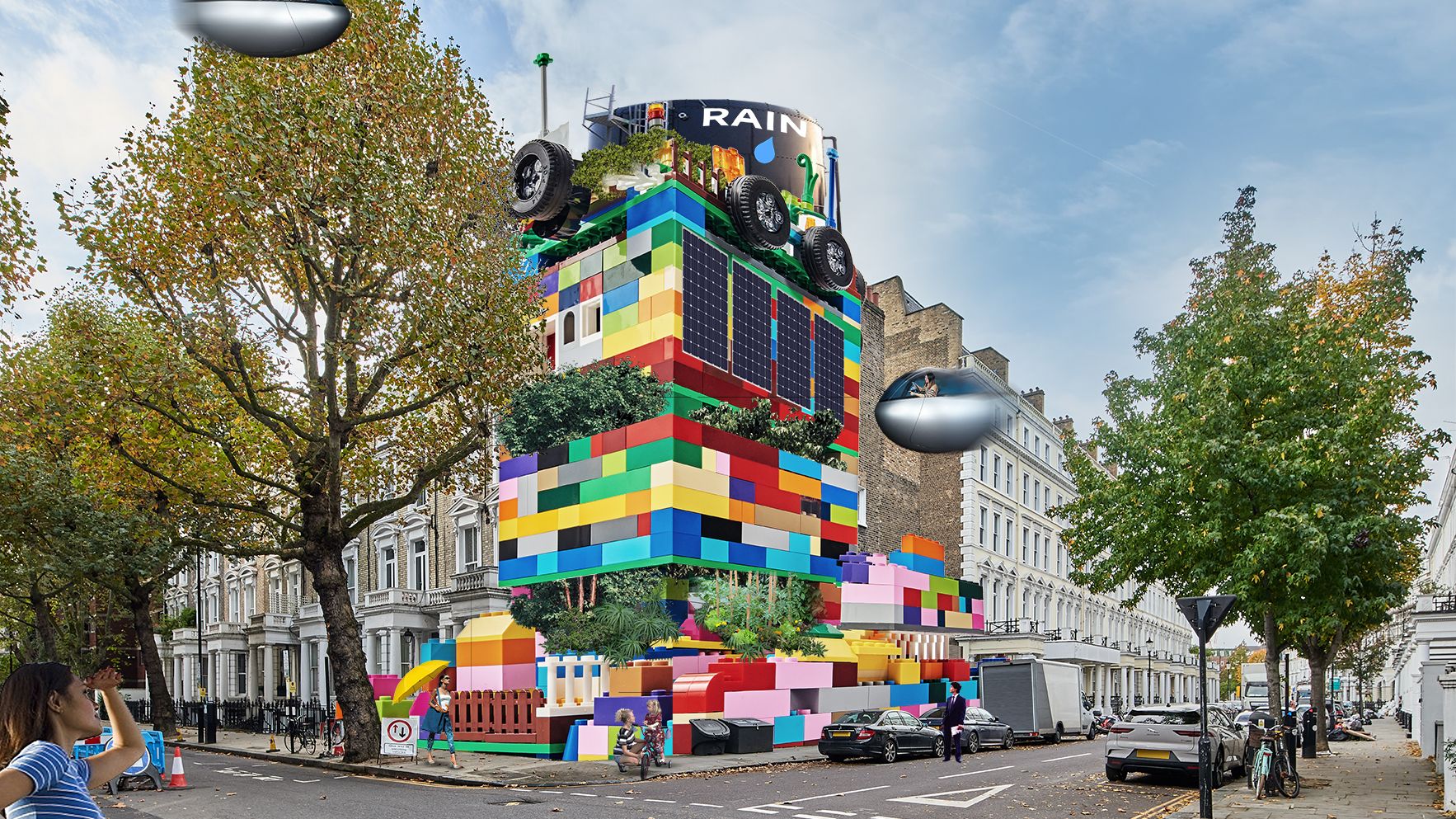
Brand Masters of Storytelling – Series #6: LEGO’s story spans nearly a century – from a Danish carpenter’s workshop to one of the world’s most valuable brands. Facts tell. Stories sell. LEGO knows this – and has proven it. Learn more about the company’s “Rebuild the World” campaign.
The LEGO Group launched the “Rebuild the World” campaign in September 2019 as a long-running global brand platform to celebrate children’s creativity and encourage people of all ages to solve problems and imagine new possibilities through play. The company celebrates children as the masters and heroes of creative problem-solving.
The 2019 launch kicked off with a high-energy film directed by Traktor, featuring an absurd, brick-built world full of Easter eggs, and collaborations with cultural creators such as Simone Biles and Mark Ronson.
The 2020 campaign responded to the pandemic by pivoting to the #letsbuildtogether digital platform, inviting children worldwide to share more than 450,000 additional creative builds and foster global solidarity during COVID-19 lockdowns.
In 2021, the campaign focused on children as creative problem-solvers (for example, a town uniting to help a knight cross a river to meet a bear).
In 2022, the company celebrated its 90th anniversary and tied the campaign to the Group’s anniversary celebrations under the banners of “Rebuild the World” and “We Are All Builders,” featuring summer-long events, World Play Day (August 10), and community takeovers.
The marketing strategy
The marketing strategy behind the “Rebuild the World” platform marks a fundamental pivot in how the company sells its products. Before the launch, LEGO’s tracking studies revealed a clear market challenge: a growing segment of low-affinity parents viewed LEGO sets as rigid, step-by-step instruction manuals rather than tools for open-ended creativity.
To address this, Chief Product and Marketing Officer Julia Goldin and The LEGO Agency shifted from product features to a purpose-driven belief system.
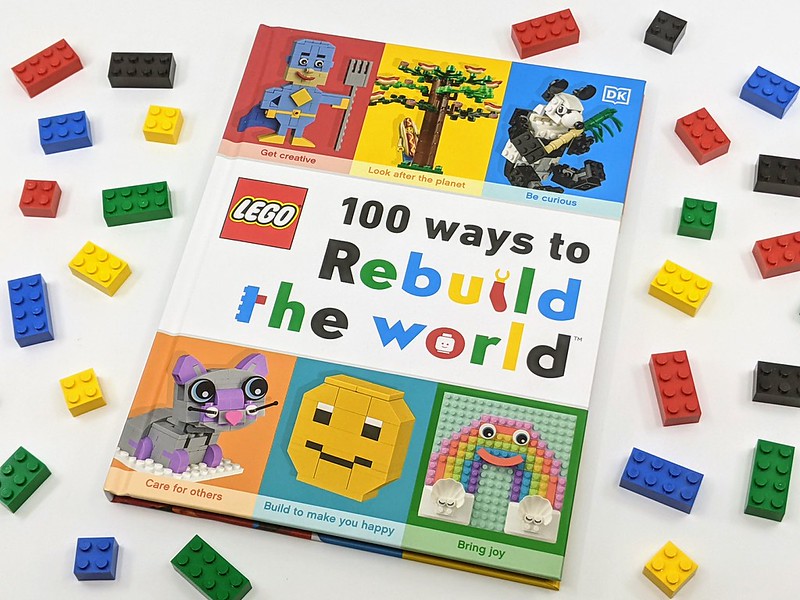
Created in collaboration with BETC Paris and The LEGO Agency, the campaign shifts the focus from individual product boxes to open-ended thinking and resilience.
Inspired by studies showing that children’s natural genius-level creativity often declines as they grow into adulthood, the initiative aims to keep that spark of imagination alive.
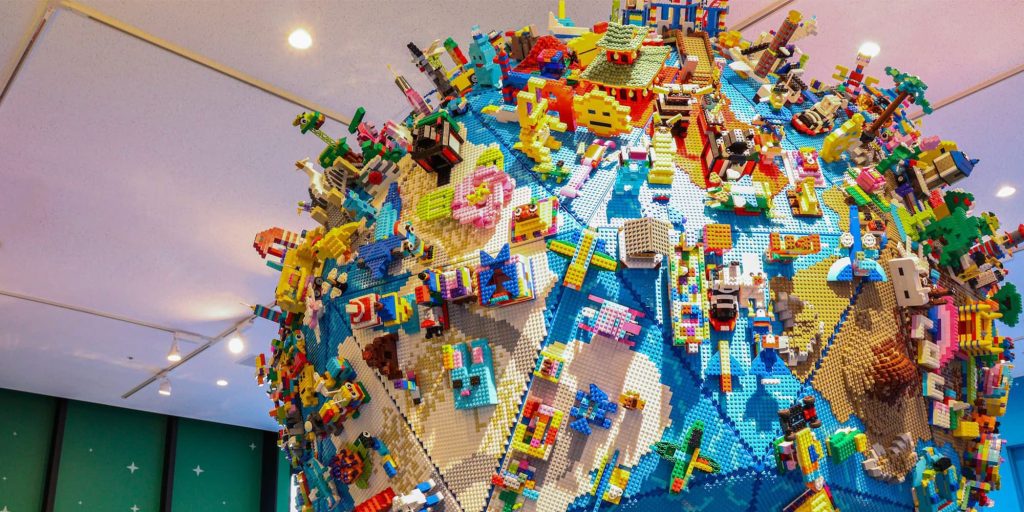
The campaign spans TV, digital channels, social media, out-of-home street art, and physical retail experiences across 20 to 25 countries.

Julia Goldin said: “We remain in awe of the creativity, optimism, and resilience children show every day – and of how, through play, they can develop the essential life skills not only to imagine but also to create a brighter future. The Rebuild the World campaign celebrates this and provides a showcase for the inspiration we can all draw from coming together and collaborating creatively to overcome challenges.”
The most memorable, impactful, and creative individual campaigns under the Rebuild the World umbrella are:
- “Never Stop Playing” (2025–2026)
This campaign addresses the “play gap” that affects children and adults as they age. Backed by global research (mentioned above) showing that 48% of children stop playing because of “childish” labels, the campaign challenges society to preserve that creative edge.
This high-octane short film stars Tom Holland (portraying multiple characters) and is set to AC/DC’s “High Voltage”.
It showcases the versatility of bricks as a physical fashion display, features a full-sized custom suit made of LEGO Botanicals, and includes real-life creative props that were later put on display at LEGO House in Denmark.
- “She Built That” (2025)
This empowering installment targets gender stereotypes embedded in the building and engineering fields. Inspired by studies showing that 80% of adults associate building toys with masculinity, the campaign set out to rewrite the script for young girls.
The campaign reimagined RUN DMC’s hip-hop classic “It’s Like That” as a powerhouse “girl power” anthem. The campaign formed a Global Girls Crew featuring prodigies such as drummer Nandi Bushell and DJ Livia, alongside legendary hip-hop icons, all reimagined as LEGO Minifigures.
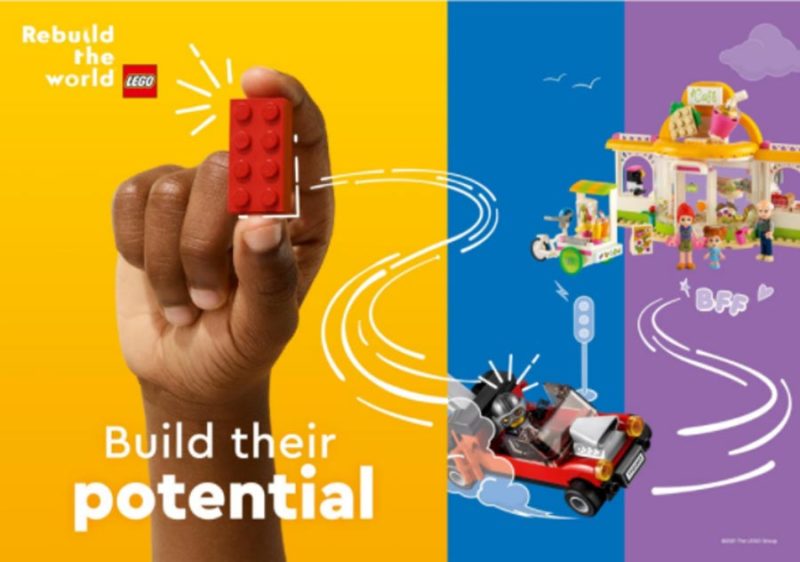
Rebuild the World: Success factors
The strategy has succeeded because digital storytelling and physical retail experiences complement each other. Platforms like LEGO Ideas and campaign hashtags turn consumers into co-creators.
The fantastical props seen in digital ads—like Tom Holland’s custom-built botanical suit—are physically integrated into LEGO House in Denmark, turning a standard commercial into an immersive, real-world destination.
The Business Impact
Flipping the script delivered massive commercial returns. Early campaign entries drove a 35% increase in positive online brand sentiment, while the long-term strategic shift lifted adult consumer perception by 25% and fueled substantial, multi-year revenue growth.
LEGO: Rebuild the World, written by Tor Kjolberg.
Previous Brand Masters of Storytelling articles:
Brand Masters of Storytelling 1: Nike
Brand Masters of Storytelling 2: Guinness
Brand Masters of Storytelling 3: Barclayscard
Brand Masters of Storytelling 4: Patagonia
Brand Masters of Storytelling 5: Uber