



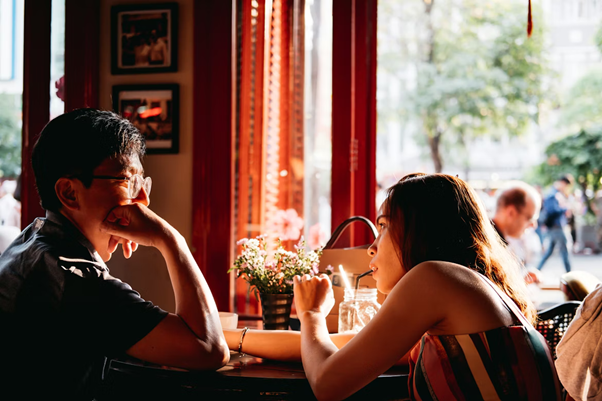
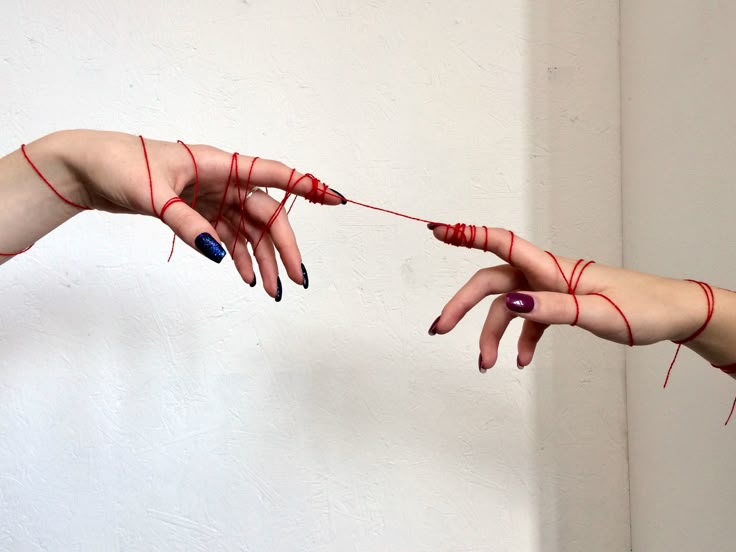
Certain relationships are simply impossible to avoid. You bump into someone, and it does not seem like a coincidence; rather, the universe had it in mind. The origins of that predetermined intimacy lie in one of the oldest concepts of human relations. It is all about the red string theory that an invisible thread connects the souls of the fated people at birth. Continue reading and learn more about the red string theory and the art of a romantic dinner.
Well, we should say that it is a beautiful idea. And for anyone who takes food and shared meals seriously, it raises an interesting question. Is the connection written somewhere? How do we honor it at the table?
The Meaning Behind the Thread
The red string concept appears in Chinese, Japanese, and Korean traditions in different forms. The main idea is the same in all of them. Two individuals tied to this thread will meet, no matter the time, distance, or situation. The thread can be stretched or tangled. However, it is never broken.
*******************************************
Related: Food as a Cultural Positioning in Denmark
*******************************************
The emotional logic of the idea is what makes it so enduring. It redefines love not as a fortuitous event but as something more. It is a draw that precedes the first date, the first meal together, and all the other milestones. To those who believe in it, every significant meeting seems like a recognition and not an introduction.
Food as a Language of Connection
Food has always been one of the main methods of care expressed by people across cultures. A meal made with care conveys a message that words cannot always express. The ingredients used, the time spent in the kitchen, the attention paid to the presentation, all of it has meaning.
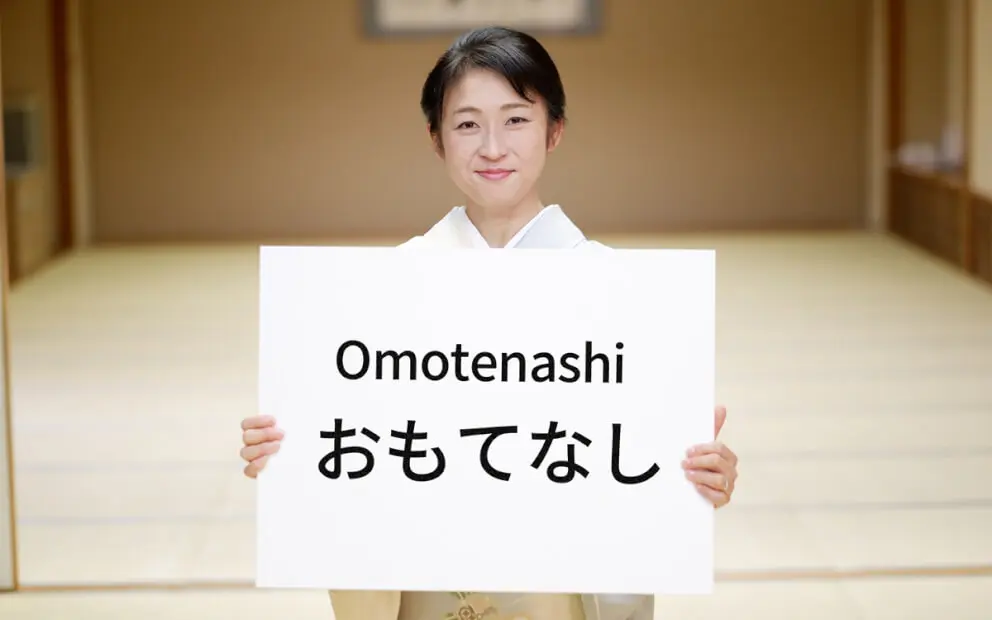
This concept has a Japanese name: omotenashi, a philosophy of hospitality that anticipates the guest’s needs before they are stated. Italians love to feed people well. It is such a basic part of love that it does not require much explanation. In Chinese culture, sharing a meal with communal dishes is an indication of trust and intimacy.
******************************************
You may also like to read A Culinary Odyssey of Viking Feasts and Mead Mysteries
******************************************
Building a Dinner Around Connection
An actual romantic dinner is not about costly food or fancy style. It is about attention. The following factors always count:
- Choose dishes that invite sharing rather than individual plating
- Incorporate something personal. It can be a cuisine from a place you have visited together or a dish one person has mentioned wanting to try
- Keep the pace slow. The meal should last longer than the hunger
- Limit distractions completely. Ensure that phones are away and there is soft lighting
The idea is to establish an environment in which actual dialogue occurs. Food makes that easier. There is something about dining together that puts the guard down in a manner that sitting across a desk never does.
Restaurants That Understand the Assignment
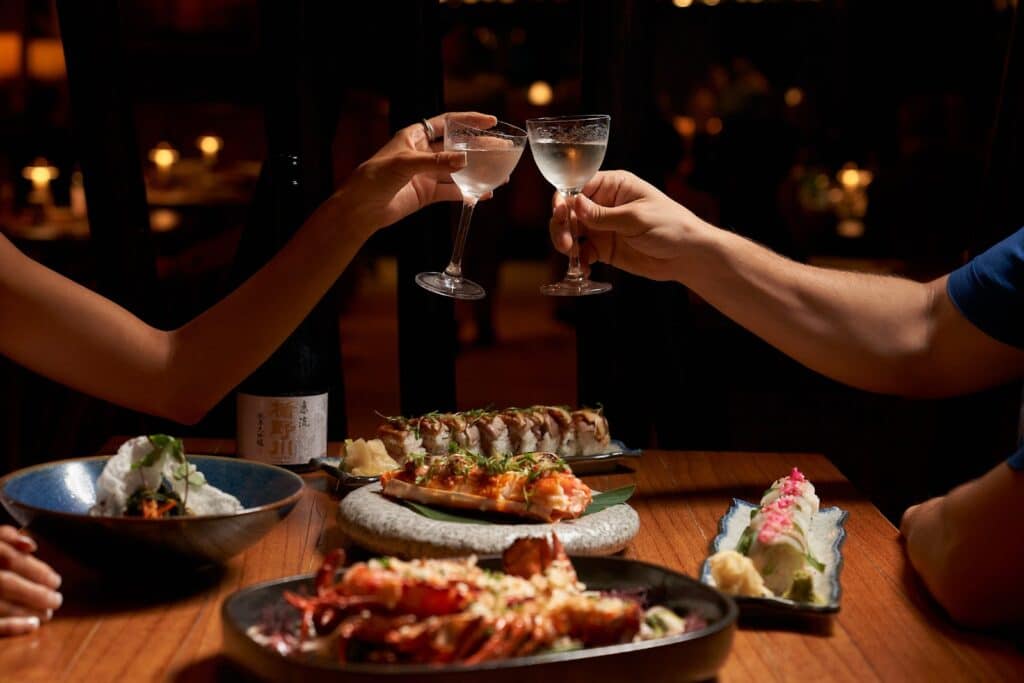
Not all restaurants can provide the ideal setting for a special night out. The best venues recognize the importance of balance between privacy, timing, service, and ambiance. The table spacing is well planned, there is awareness of the space, and there are no interruptions to the experience.
It is often only with local knowledge and a bit of research that you discover places such as this when traveling. SoulMatcher and other websites are dedicated to matching people based on high-quality social and dating interactions. They provide users with interesting people, venues, and experiences in new cities.
Some cities excel at making these moments happen. Kyoto’s distinctive characteristic is its quiet simplicity and restraint. It’s warm and intimate in Rome. Istanbul is a place of naturally social and inviting conversation, hospitality, and food.
Red String Theory and the Art of a Romantic Dinner: The Takeaway
The red string theory is ultimately about paying attention to connection. A well-planned dinner does exactly that. It says that this person is worth my time, my effort, and the best I know how to give. That message lands every time, regardless of the cuisine.

Red String Theory and the Art of a Romantic Dinner, written for Daily Scandinavian by Julia Whitmore. Julia is a lifestyle and culture writer covering relationships, dining experiences, and modern social traditions. She writes about the emotional side of food, travel, and human connection across different cultures.