




A great brand story doesn’t live in one place. A unique story can live on many stages. It doesn’t begin and end as a magazine feature, disappear into an Instagram caption, or get buried beneath tomorrow’s TikTok trend. Continue reading and find out how smart brands republish content without repeating themselves.
The strongest stories move. They travel. They evolve with context while remaining unmistakably themselves. This is the difference between publishing content and building narrative infrastructure.
Many brands still think in silos. Editorial belongs to publications. Short-form video belongs to TikTok. Community updates belong to Facebook. Visual identity belongs to Instagram.
But audiences don’t experience brands this way. They encounter fragments—a quote on social media, a short-form video on their commute, a feature article later that evening. Each touchpoint shapes understanding. Together, they create trust.
The question is no longer what we should post here. It is:
How does this chapter of our story belong on this platform?
Every strong cross-platform story begins with depth.
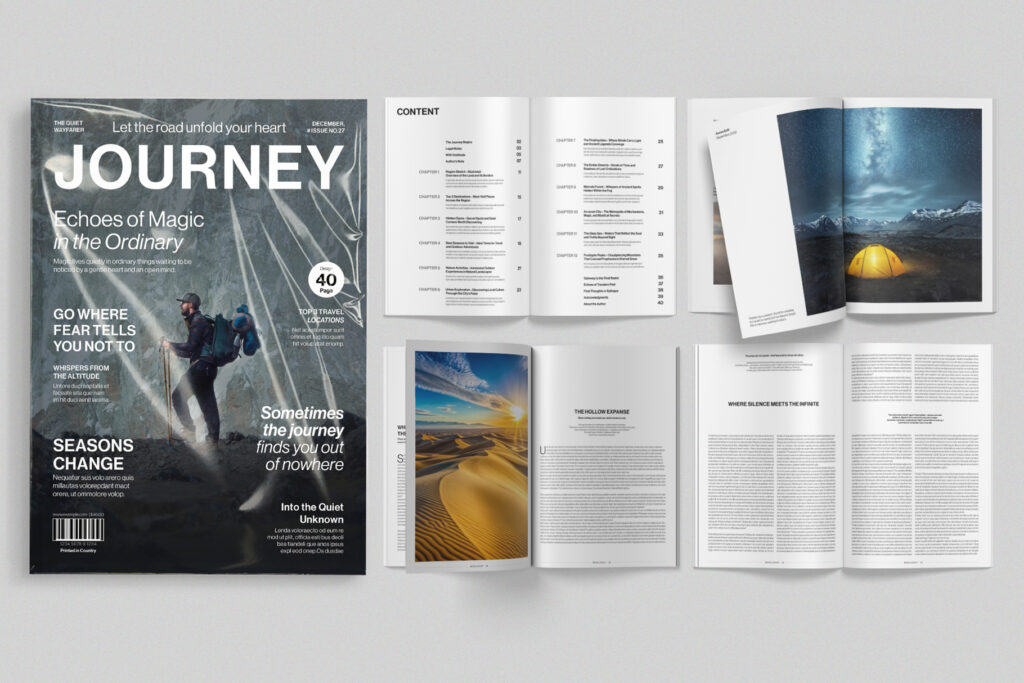
The Editorial Magazine: Build the world
The editorial version is where the full architecture lives: context, philosophy, narrative tension, and emotional resonance. This is where a brand explains why it exists, not just what it sells.
An editorial story should feel immersive. It should reveal character, values, and perspective. Think of it as the original manuscript—the complete expression from which all other versions emerge. A reader should finish it understanding not just the product, but the worldview behind it.
Here, detail matters. Nuance matters. Language matters. This is where meaning is built.
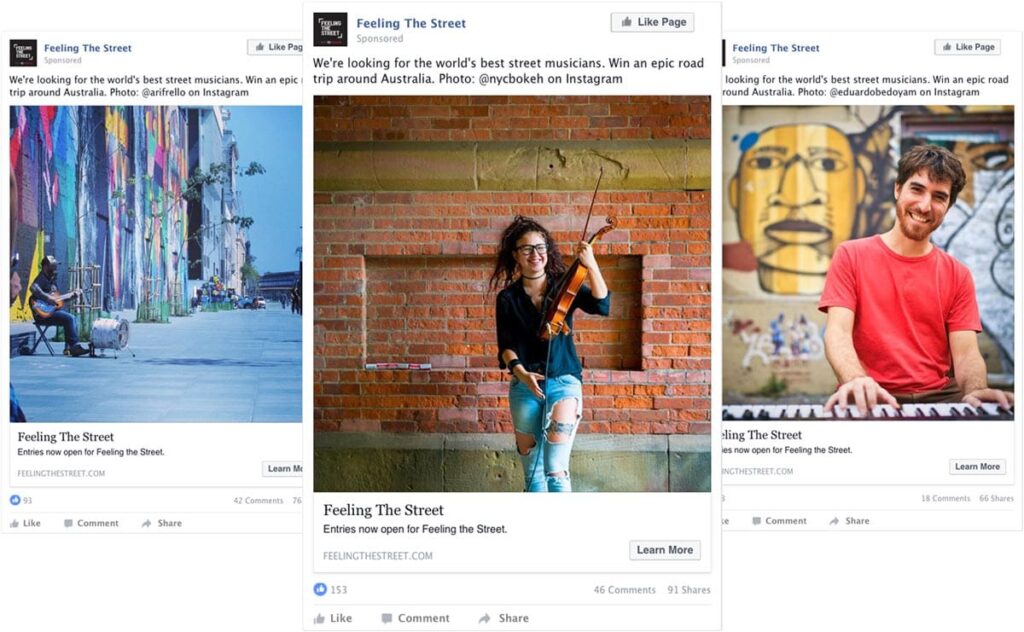 Facebook: Create a conversation around relevance
Facebook is often misunderstood as a distribution channel when it functions better as a discussion environment. Here, the editorial story becomes a social context. Rather than reposting the article verbatim, extract the most relatable tension or insight:
What challenge does this story solve?
What opinion does it provoke?
What question invites response?
Facebook rewards familiarity and reflection. The audience is not looking to decode abstract brand poetry. They want relevance they can react to, share, and discuss. The goal here is interpretation.
If the editorial builds the world, Facebook asks people to step inside and respond to it.
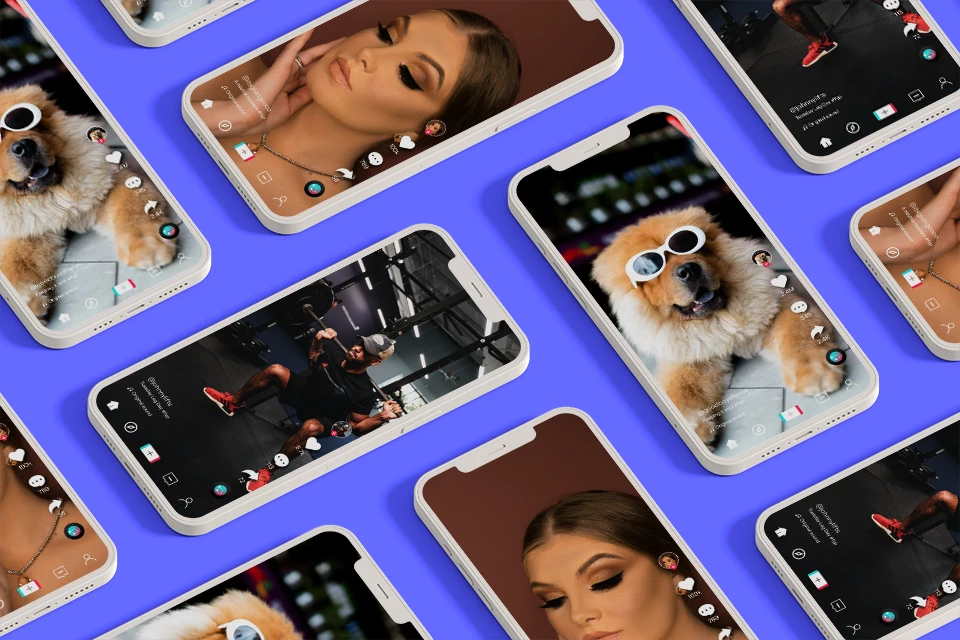 TikTok: Translate emotion into momentum
TikTok is not built for explanation. It is built for immediacy. The same story that took 1,500 carefully chosen words in an editorial format might become fifteen seconds of emotional proof.
A glance behind the scenes.
A founder speaking one honest sentence.
A product in use at the exact moment it matters.
The story here is not told through exposition. It is felt through energy.
What matters is emotional compression. TikTok rewards clarity of feeling over completeness of information. The audience doesn’t need every detail. They need enough to feel compelled to lean closer.
This is not a simplification. It is precision.
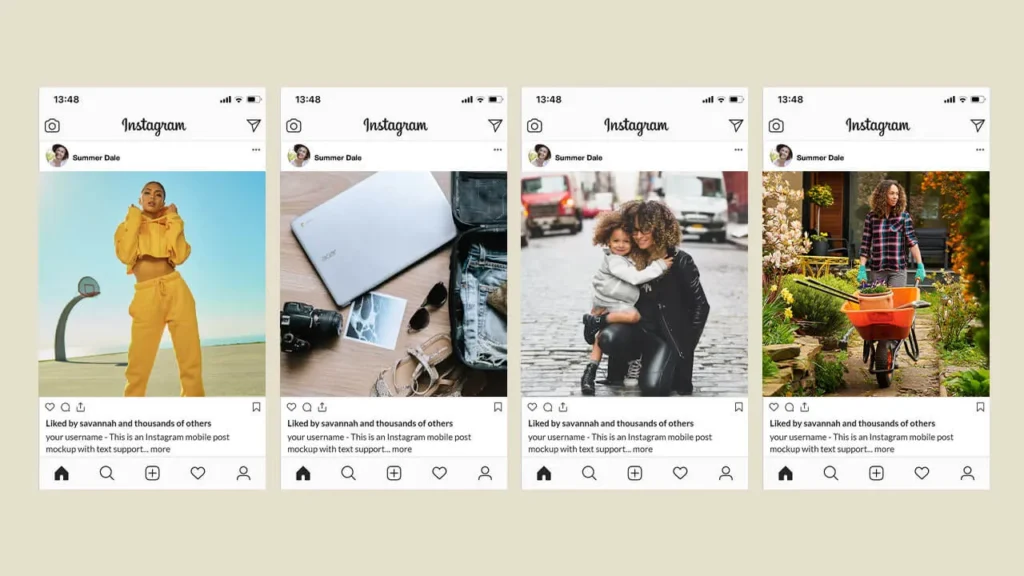 Instagram: Distill identity into aesthetic memory
Instagram turns story into atmosphere. This is where editorial narrative becomes visual language: imagery, tone, typography, repetition, symbolism.
The purpose is not to explain. It is to make the audience instantly recognize what the brand feels like.
A single carousel can transform a long-form story into key ideas. A caption can sharpen a theme into a memorable line. A reel can preserve editorial sophistication while embracing brevity.
Instagram succeeds when consistency becomes unmistakable. When someone sees your content without a logo and still knows it is yours—that is narrative maturity.
Repurposing is not resizing
Too often, brands “repurpose” by copying and pasting the same content everywhere. This isn’t a strategy. It’s duplication.
Real adaptation respects the psychology of each platform. The story remains constant. The expression changes.
Like theater performed on different stages, the script is interpreted for the room.
On one stage, the audience wants depth. On another conversation. On another, energy. On another, aesthetic immersion.
The brands that understand this do not feel repetitive. They feel omnipresent.
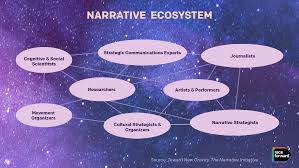
The future belongs to narrative ecosystems
The brands people remember are rarely the loudest. They are the clearest. They tell the same truth often enough, differently enough, and well enough that recognition becomes trust.
A well-written story should never live once. It should echo across platforms, each version revealing a new dimension of the same identity.
Not repetition. Resonance. That is how content becomes culture.
This is the editorial framework brands use when they want one story to become a multi-platform content ecosystem rather than isolated posts.
Yes — there is substantial research showing that storytelling materially improves engagement, trust, recall, and conversion across both B2B and B2C social media marketing. The statistics vary by platform and industry, but several patterns consistently appear:
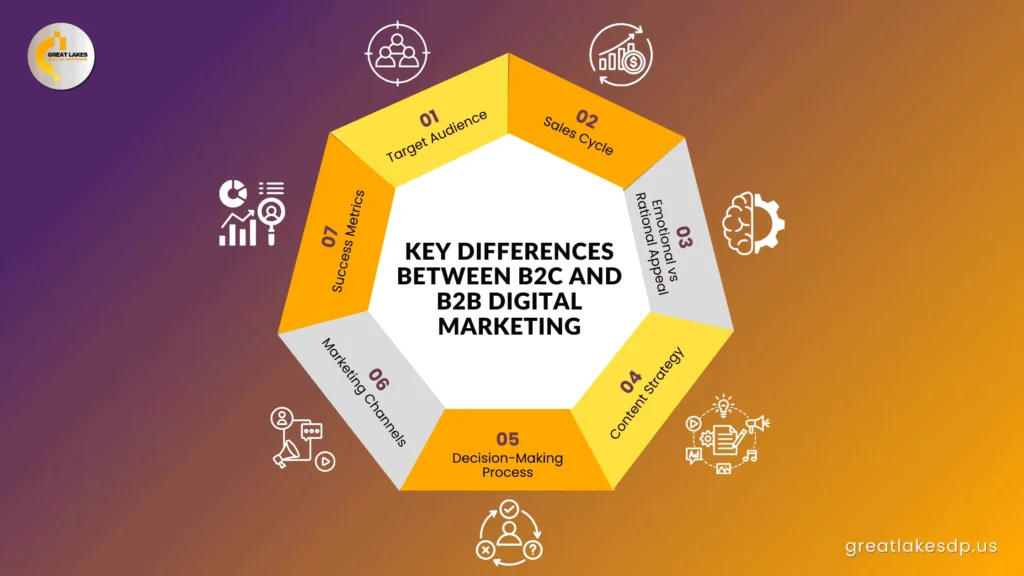 Key Statistics on Brand Storytelling in Social Media
B2C: Emotional storytelling dominates engagement
B2C brands tend to use emotionally driven and visually oriented storytelling because consumer behavior on social platforms is heavily influenced by identity, aspiration, entertainment, and relatability.
Some notable data points:
- 80% of consumers prefer learning about brands through custom content instead of traditional advertising.
- B2C content generates 9.7x more social shares than B2B content on average.
- 58% of B2C marketers say storytelling is a core tactic in their content strategy.
- Interactive storytelling content generates roughly 52.6% higher engagement than static content.
- 89% of consumers want to see more video content from brands.
- User-generated content campaigns generate 8.7x more engagement than brand-created posts.
These numbers explain why platforms like TikTok and Instagram increasingly reward:
- founder narratives,
- behind-the-scenes storytelling,
- customer transformation stories,
- episodic creator content,
- documentary-style short video.
Recent reporting also shows brands are shifting back toward long-form storytelling on YouTube because deeper narratives create stronger audience loyalty than trend-based short-form content alone.
B2B: Storytelling is becoming “human-first”
B2B marketing historically emphasized logic, specifications, and ROI. But current research shows a strong shift toward emotional and narrative-led communication.
Key statistics:
- 78% of B2B buyers use brand stories in decision-making.
- B2B brands using storytelling report 3x more inbound leads.
- Story-driven case studies increase engagement by 47%.
- Long-form storytelling improves B2B lead quality by 35%.
- 59% of B2B customers say storytelling creates a stronger emotional connection to brands.
- B2B buyers consume an average of 8–13 pieces of content before talking to sales.
This is why modern B2B brands increasingly behave like media companies:
- executive thought leadership on LinkedIn,
- founder storytelling,
- customer journey documentaries,
- educational short-form video,
- narrative-driven webinars,
- social-first campaigns.
Industry discussion increasingly describes this as the “B2C-ification” of B2B marketing — meaning enterprise brands are realizing decision-makers are still emotionally driven humans. More statistics.
 Platform-Specific Storytelling Trends
TikTok
- Rewards emotional immediacy and authenticity.
- Short-form narrative hooks outperform polished corporate ads.
- Brands increasingly use creators instead of traditional advertising formats.
- Strongest for visual identity storytelling.
- Carousels and Reels are heavily used for “micro-editorials.”
- Lifestyle framing and aesthetic consistency drive recall.
- Dominant platform for B2B storytelling.
- 71–84% of B2B marketers prioritize LinkedIn distribution.
- Founder-led narratives and expertise-based storytelling outperform corporate language.
YouTube
- Growing importance for long-form brand storytelling.
- Increasingly used for documentaries, educational series, and deeper brand narratives.
- Still valuable for community discussion and shareability.
- Often used for conversation-driven storytelling rather than pure discovery.
 Strategic Pattern Emerging Across B2B and B2C
The research points toward the same overarching shift:
Brands are moving from:
- campaign-based marketing
- product-centric messaging
- isolated platform content
Toward:
- narrative ecosystems
- creator-style publishing
- community-driven storytelling
- platform-native adaptation
The most effective brands now treat:
- TikTok as emotional entry,
- Instagram as identity reinforcement,
- LinkedIn as authority building,
- YouTube as narrative depth,
- Facebook as conversation infrastructure.
The story stays consistent. The storytelling format changes by platform behavior.
How Smart Brands Republish Content Without Repeating Themselves – Conclusion
A recurring theme in both industry reports and practitioner discussions is this:
“There’s no longer B2B and B2C. There’s B2H — business to human.”
That idea increasingly defines modern social storytelling strategy.
 Take-away
If you learned something from this article, I believe you’ll also like my recent book, “How I’ve Survived as a Storyteller for Over 50 Years: 12 Survival Techniques”. Get your FREE copy of the e-book just by sending me your name and e-mail address, and write Storytelling in the subject line. Thank you for reading!
How Smart Brands Republish Content Without Repeating Themselves, written by Tor Kjolberg.
More articles on Storytelling by Tor Kjolberg you may like:
Brand Masters of Storytelling
How to Use Humor in Storytelling to Break Through Advertising Clutter
Leaders Who Shape Stories Shape Markets
A Brand’s In-House Storytelling Library
Brand Masters of Storytelling 2