



Using humor to make your storytelling stick is a high-stakes, high-reward strategy that uses wit, irony, or absurdity to break through advertising clutter, humanize a brand, and create lasting emotional connections. In this article, I’m looking at how to use humor to break through advertising clutter.
Research shows that ads using humor are 47% more likely to be remembered, and 53% of consumers are more likely to enjoy and recall advertisements that make them laugh. Humor is particularly effective at driving engagement, with funny content seeing up to 400% more shares on social media.
Why Humor Works in Storytelling
Humor triggers the release of endorphins and dopamine, creating positive associations with the brand and supporting long-term memory retention.
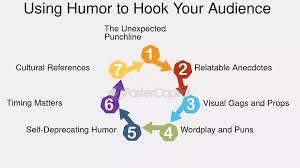
Humor is a powerful tool because it taps directly into human psychology, transforming a purely informational message into an enjoyable experience. Studies indicate that humorous campaigns can deliver 6 times more brand lift, achieve up to 47% higher return on ad spend (ROAS), and are 30% to 90% more likely to be remembered than serious, dry ads.
Here is why humor creates strong emotional connections and improves memory, explained through psychological and marketing principles:
- The Chemistry of Connection (Emotional Connection)
When people laugh, their brains release a cocktail of dopamine, serotonin, and endorphins. This triggers feelings of pleasure, happiness, and well-being, directly linking the brand to a positive emotional experience.
Humor, especially self-deprecating or observational, makes a brand feel more human, relatable, and trustworthy. It reduces consumer skepticism and lowers emotional defenses, making consumers more open to the brand’s message.
Shared laughter creates a bond between the brand and the consumer, often making the audience feel like they are “in on the joke.”
The “Tension Release Theory” suggests that humor serves as a pressure valve, relieving monotony or tension in a crowded advertising landscape.
- The Cognitive Impact (Memory and Recall)
Humor captures attention because it often involves unexpected twists or incongruity, forcing the brain to focus on and decode the joke, leading to deeper processing.
Cognitive studies show that information paired with humor is remembered 90% better than dry information. The brain is wired to retain positive, emotional memories, making consumers more likely to remember the ad and, by extension, the brand.
Content that makes people laugh is more likely to be shared on social media, amplifying reach and reinforcing brand memory, resulting in 400% more shares than neutral content.
******************************************
Related: The Story of Storytelling in Marketing
******************************************
- The Role in Storytelling
In a saturated market, a humorous story breaks the mold of traditional, boring ads. When the product is woven directly into the joke (like Snickers’ “You’re not you when you’re hungry”), the laugh becomes a branded memory trace, ensuring the brand is remembered, not just the joke. Consistent humor defines a brand’s voice, making it instantly recognizable and distinct from competitors.
However, for maximum effectiveness, the humor must be tailored to the target audience and aligned with the brand’s persona to avoid being offensive or confusing.
Humor in marketing storytelling cuts through the noise by serving as a “pattern interrupt” in a crowded, high-stress digital landscape, offering a refreshing, memorable alternative to serious, corporate messaging. In an era of content fatigue, with 67% of consumers reporting feeling overloaded by generic or “polite” marketing messages, humor grabs attention, builds instant rapport, and fosters trust.

Why humor is breaking through
1.It Combats “Marketing Fatigue” & Captures Attention
A witty, unexpected, or absurd story immediately breaks the monotony and indifference toward social media ads. In a world of heavily produced, perfect imagery, humorous, raw, or self-deprecating content feels authentic and human. It disrupts the expected, traditional sales pitch, forcing the consumer to pause and engage.
- High Memorability and Emotional Connection
Humor helps turn a sales pitch into an experience, making the message “stick” in long-term memory.
- Drives Virality and Organic Engagement
Humorous content is, by far, the most shared type online, increasing reach without additional paid spend. People share jokes that make them feel clever or help them connect with friends, serving as free promotion for brands.
- Humanizes the Brand and Reduces Sales Resistance
Humor signals confidence and self-awareness, showing that a brand doesn’t take itself too seriously. When people laugh, their natural defenses against sales pitches drop, making them more receptive to the message. Humor often highlights common pain points or “insider” industry jokes, fostering a “we’re in this together” feeling between the brand and the consumer.
- High ROI and Efficiency
Ads with humor are 6.1x more effective at driving market share growth than dull or neutral ads. Research indicates that humorous ads can lead to 47% higher purchase intent than non-humorous ads.
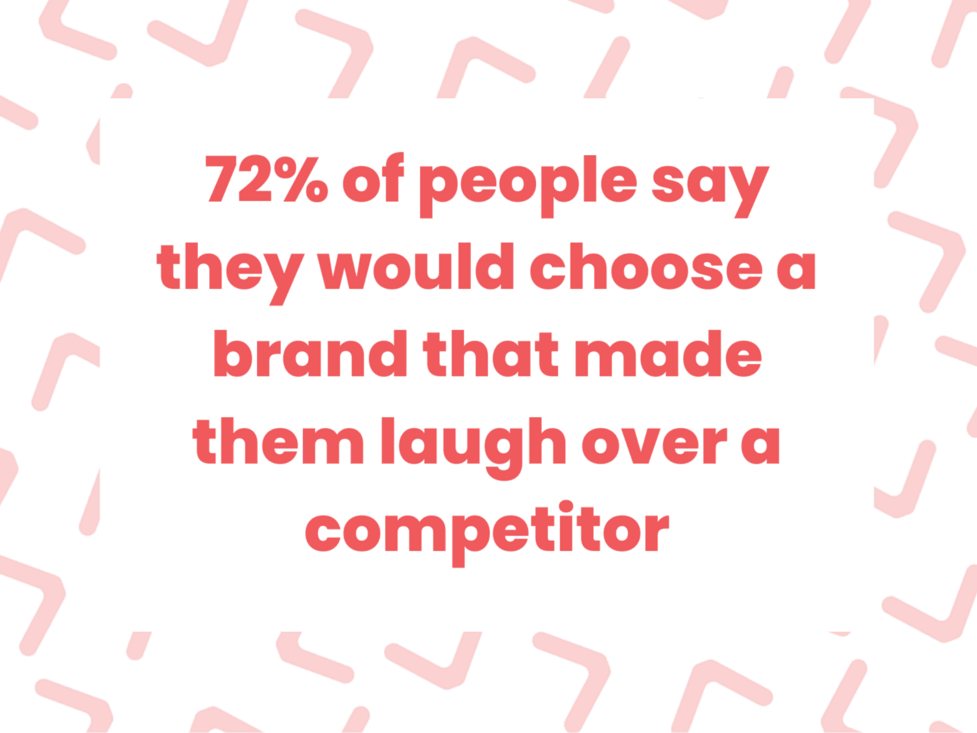 Key 2024–2025 Trend: After years of purpose-driven, serious marketing, brands are returning to humor as a “superpower,” with 75% of UK and US winners at the 2024 Cannes Lions Festival of Creativity using humor.
Humor is a powerful tool in marketing storytelling because it cuts through the noise of a crowded, often impersonal digital landscape, creating a genuine emotional connection with audiences. Rather than relying solely on facts or sales pitches, incorporating humor transforms a faceless corporation into an approachable, relatable, and trustworthy entity, effectively “humanizing” the brand.

Why humor works for humanizing a brand
- It Fosters Relatability and Trust
Humor allows brands to act like people rather than corporations, building rapport and making them feel more relatable. Self-deprecating or observational humor shows that a brand doesn’t take itself too seriously, signaling confidence and authenticity. Using humor to highlight common customer frustrations (e.g., Mondays or complicated industry jargon) demonstrates that the brand understands the customer’s world.
- It Triggers Positive Emotions
When a brand makes consumers laugh, it lowers their guard, making them more receptive to marketing messages.
- It Makes the Brand Memorable
In dull categories (like finance or utilities), humor is the key differentiator between being ignored and being unforgettable.
- It Encourages Engagement
Humorous content is highly shareable, often going viral as people pass along content that made them laugh. Using humor, such as memes or witty replies on social media (e.g., Wendy’s or Duolingo), creates an “inside joke” atmosphere, strengthening customer loyalty.
- It Works Across All Industries (Including B2B)
Humor is effective in B2B marketing, where it helps simplify complex products and differentiate brands in a dry, jargon-filled market. Even in professional settings, customers are human beings who appreciate a good laugh, making them more likely to trust a brand that is, well, human.
Key Considerations for Success
The humor must align with the brand’s voice, or it can feel forced and insincere. What one person finds funny, another may find offensive, so deep audience insight is crucial. Remember, humor should support, not overshadow, the core message.

BVT, developed by researchers Peter McGraw and Caleb Warren, posits that humor occurs when three conditions are met simultaneously:
- A situation is a violation (it threatens how the world “ought to be” – i.e., it is wrong, abnormal, or threatening).
- The situation is benign (harmless, playful, or not truly dangerous).
- Both perceptions occur at the same time.
In short, something is funny when it is wrong but also okay.
The Core Components
- Violations: Departures from social, moral, or physical norms. Examples include physical threats (tickling, play-fighting), violations of dignity (slapstick), violations of social norms (rudeness, flatulence), and violations of linguistic logic (puns, absurdities).
- Benignity: This is the perception that the violation is not genuinely harmful. This perception makes the threat seem safe.
- Simultaneity: The observer must see the situation as both wrong and not wrong at the same time. If it is only a violation, it is scary or offensive; if it is only benign, it is boring.
How Violations Become Benign
According to the BVT, a violation can become benign in three primary ways:
- Alternative Norms: A different perspective can make the situation acceptable, such as when a person is tickled by someone they trust (a mock attack).
- Weak Commitment to the Norm: The observer does not care deeply about the rule that is broken, such as when someone who is not religious laughs at a joke about a church.
- Psychological Distance: The situation feels distant. This includes temporal distance (tragedy + time = comedy), spatial distance (a joke about a faraway place), or hypotheticality (a cartoon or joke that isn’t real).
Examples of BVT
- Tickling: A physical attack (violation) that is harmless because it is performed by a loved one (benign).
- Tragedy + Time: A joke about a 5-year-old car accident is funny, but a joke about one that happened yesterday is not, because the latter is too close to be taken lightly.
- Puns: They violate language norms (violation) yet are harmless wordplay (benign).
- A Chicken Crossing the Road: It violates the norm of normal, predictable animal behavior (violation) in a harmless (benign) way.

Significance
The BVT is useful because it explains why humor is subjective and why some jokes offend some people while making others laugh—the same situation may be perceived as a “benign violation” by one person and a “malign violation” (harmful) by another. It also explains why comedy often pushes boundaries: the best comedy sits on the razor’s edge between harmless and genuinely harmful.
Humor often arises when a situation seems “wrong” yet is perceived as non-threatening. Breaking expectations in a lighthearted way (e.g., in an Old Spice commercial) makes the content memorable.

Key Strategies for Implementation
Humor must feel natural to the brand’s identity, not forced. If a brand is typically serious, a sudden pivot to slapstick can alienate customers.
The most effective humor is rooted in common human experiences, such as the pain points of a specific industry (e.g., B2B marketing) or everyday inconveniences.
Use visual and narrative storytelling to build context rather than relying on a standalone joke. The humor should enhance the message, not overshadow it.
Avoid humor based on politics, religion, or harmful stereotypes. The safest approach is often to make the product or situation the “loser” in the joke rather than a person or group.
Successful Examples of Humorous Storytelling
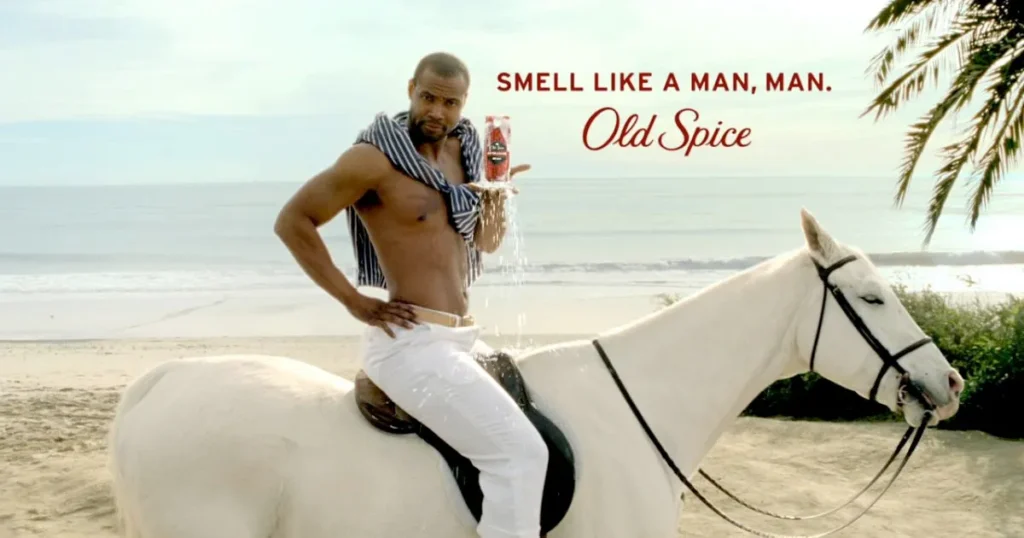
Old Spice: “The Man Your Man Could Smell Like”
This campaign used absurdity to transform an outdated brand into a modern, viral sensation, increasing sales by more than 125%.
Dollar Shave Club: Their “Our Blades Are F***ing Great”
The video used direct, dry, and self-aware humor to disrupt the razor industry.
Liquid Death
uses dark, ironic humor to position bottled water as an “irreverent” lifestyle product, fostering strong brand loyalty.
Duolingo
The brand’s TikTok strategy uses a “chaotic” and slightly unhinged mascot to engage younger audiences, demonstrating that niche, platform-specific humor can be effective.

The anti-advertisement for the Norwegian capital spread worldwide. Humor and irony are intended to attract more tourists to Oslo.
Risks and Pitfalls
What one person finds hilarious, another may find offensive or confusing.
If the audience remembers the joke but not the brand or product, the campaign has failed.
Using humor during a crisis or in a highly sensitive context can harm a brand’s reputation.
In essence, successful humor in marketing isn’t just about being funny; it’s about using wit strategically to ensure the brand’s message is both seen and felt by the audience.
How to Use Humor in Storytelling to Break Through Advertising Clutter, written by Tor Kjolberg.
Other articles on storytelling:
Why Storytelling in Brand Marketing Is More Important Than Ever—and Why It Can No Longer Belong to Marketing Alone
How Storytelling Can Help Launch Your Product in Scandinavia
Rethink How Destinations Are Experienced
My 12 Survival Techniques as a Storyteller
Brand Masters of Storytelling