


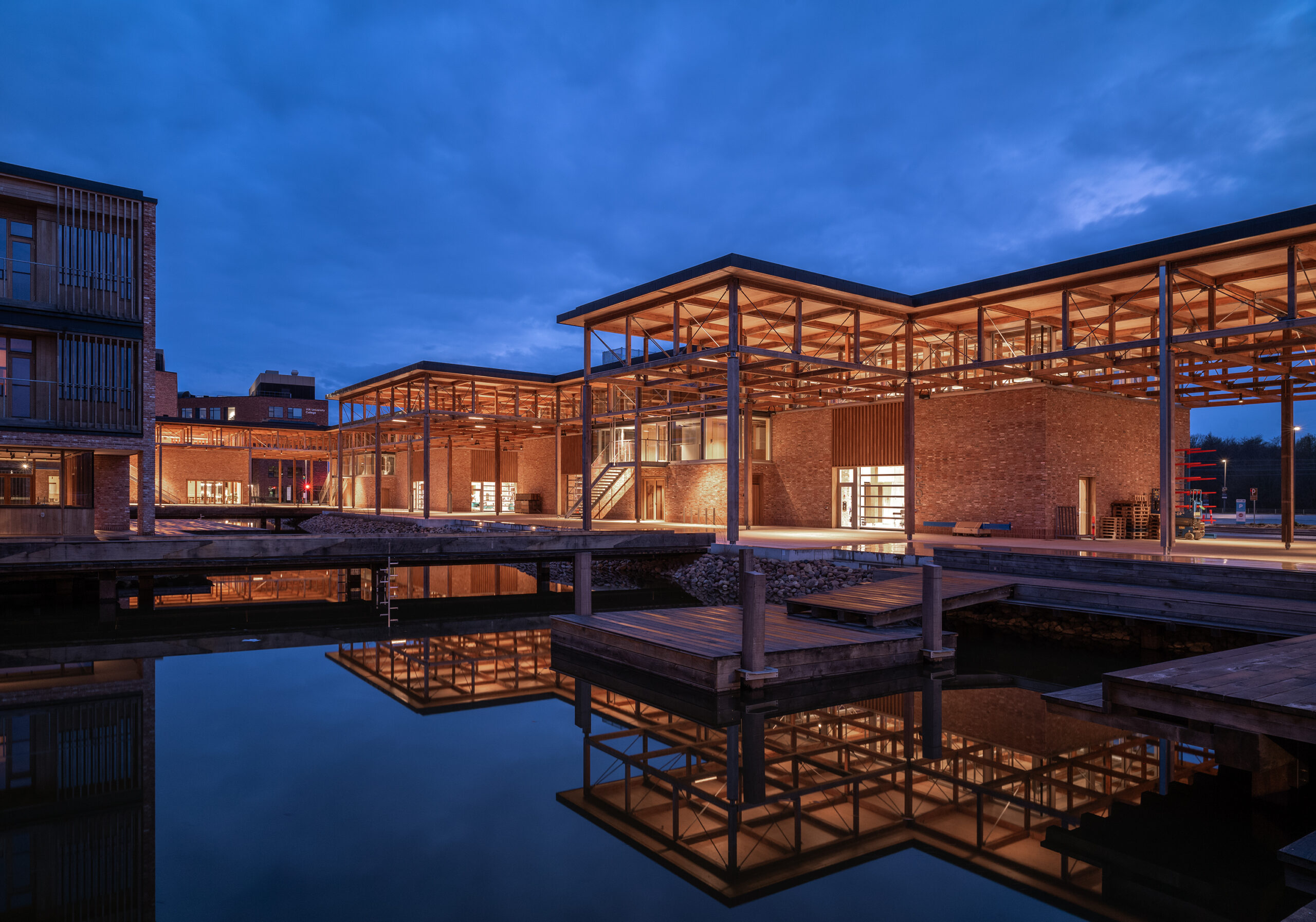
Like many nations, Denmark is in desperate need of tradespeople: plumbers, builders, roofers, carpenters, electricians, and skilled manual workers, known in Scandinavia as håndverker. There is a shortage of skilled workers in Denmark.
Håndværkskollegiet (The Craft College) in Horsens, Denmark, is a specialized residential college for young apprentices in vocational trades, such as carpentry, masonry, plumbing, and painting. It is not merely student housing but a learning environment that elevates the status of skilled craftspeople and provides them with a community.
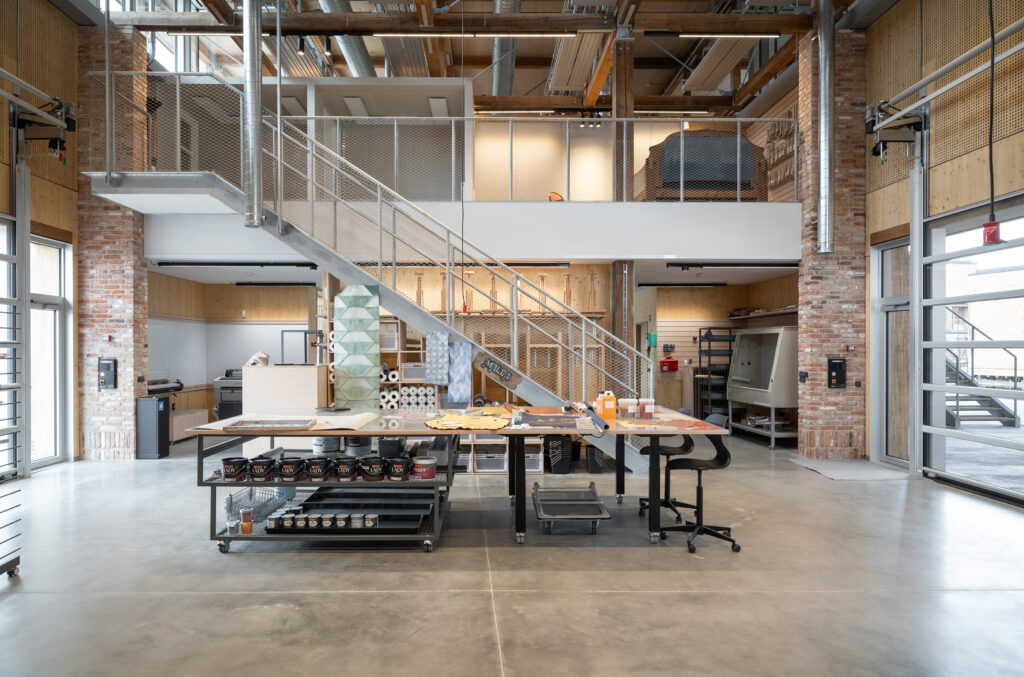
The new Craft College has been built on the former railway grounds in Horsens and is the first of its kind in Denmark. Through a combination of craftsmanship, architecture, and materials, the project seeks to strengthen respect for and promote a positive image of the craft professions, and to attract more young people to these educational paths. Carefully selected, honest, natural, and often traditional building materials have been used for their architectural properties and beautiful textures, ensuring longevity and a charming, warm, and dignified aging process.
Håndværkskollegiet in Horsens has become a residence hall designed to inspire trainee tradespeople to help plug Denmark’s skills gap by fostering the exchange of ideas and expertise.
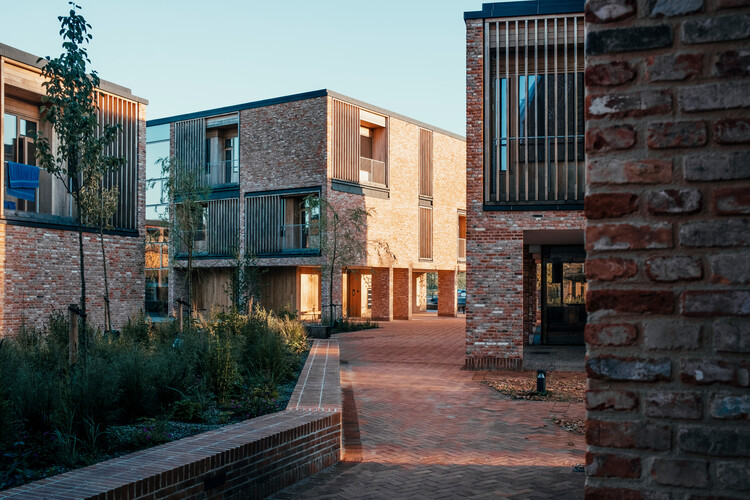
The award-winning project, completed in 2024, features 72 student rooms and workshops. It is known for its innovative design, and its location supports young craftspeople through a communal, workshop-centered living experience. The Crafts College received the award for ‘Building of the Year 2024.’
The main architectural concept of the Craft College results in a distinctive building that, through its choice of materials and construction, conveys a sense of rustic strength while creating an unpretentious, homely atmosphere. Large spaces, smaller pockets, and intimate rooms form a cohesive framework that connects active zones, residences, and the tranquil garden.
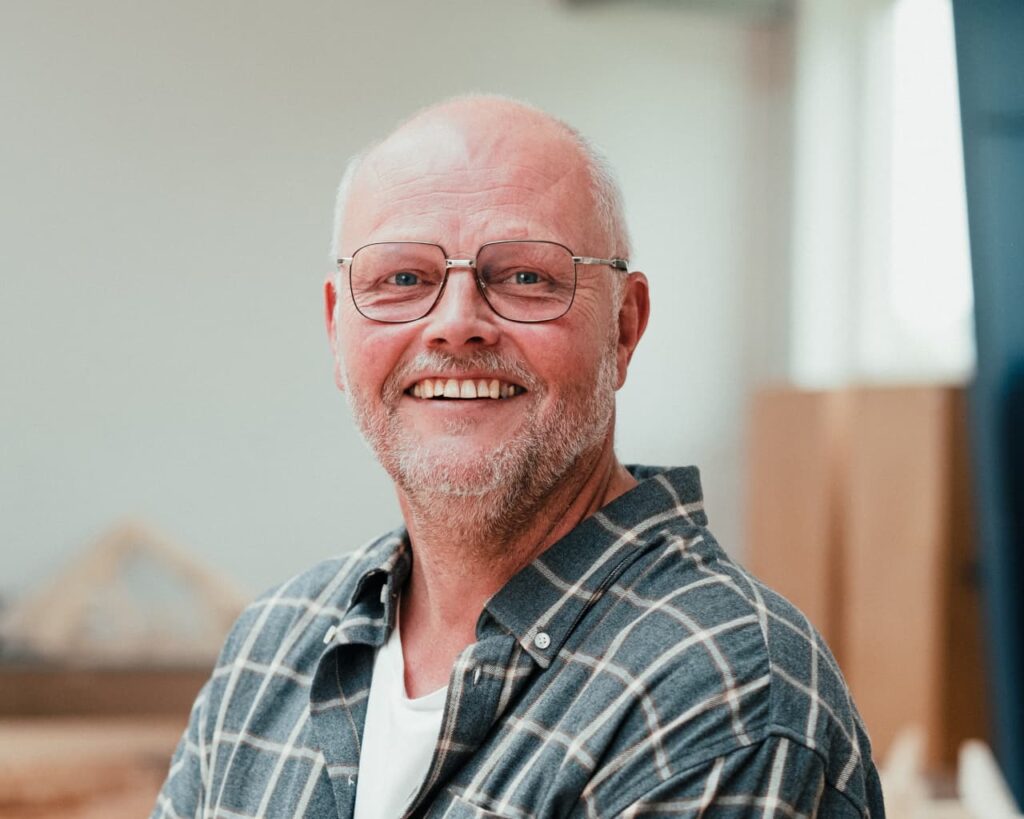
“Part of the purpose of these buildings is to persuade young people to pursue a skilled-worker education,” says its principal, Flemming Moestrup.
The building is designed as a “living teaching tool” where architecture, high-quality materials (such as solid oak flooring), and craftsmanship are on display. The colleges feature workshops, large common rooms, and shared outdoor areas intended to foster community among apprentices across trades.
The construction demonstrates that when traditional materials and craftsmanship are combined with forward-thinking modern architecture, the result is a beautiful, functional, and unique building. The college thus serves as a living catalog of good solutions — in craftsmanship, architecture, and materiality alike.

“The idea that the building celebrates craftspeople was very inspiring to us. We wanted to create communal spaces, but when we designed these small dwellings, we focused on making them dignified,” says Copenhagen-based architect Dorte Mandrup, whose studio designed Håndværkskollegiet. (Foto Espen Grønli)
Shortage of Skilled Labor in Denmark, Tor Kjolberg reporting.