


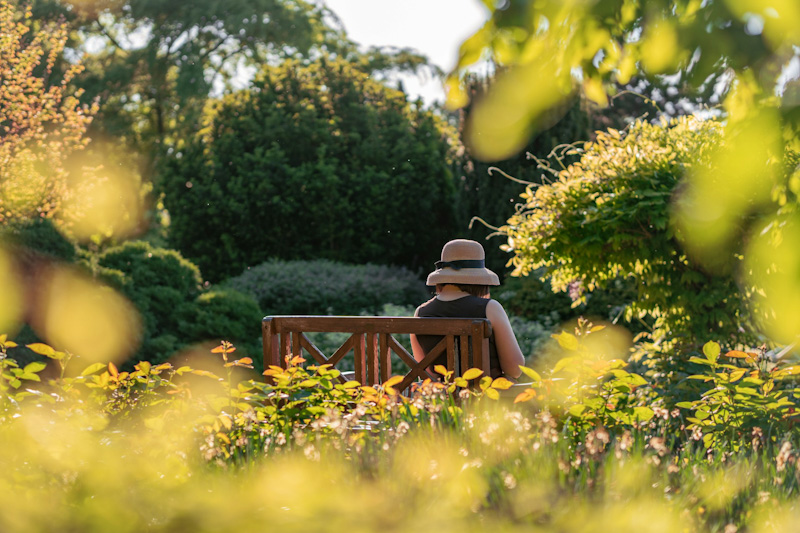
After the long darkness and quiet of winter passed, spring in Scandinavia arrived like a quiet miracle. With snowdrops, coltsfoot, and anemones appearing earlier in the season, the streets have begun to brighten with cherry blossoms. Gardens are in bloom with tulips, and rapeseed fields are in bloom as the season moves on. Spring blossoms and well-being: enjoying the renewal in nature, light, and simplicity.
As temperatures begin to climb, this time can be a profound emotional and physical awakening. For many, simply walking beneath flowering trees or sitting among spring gardens evokes a deep sense of peace and renewal. Science increasingly supports what humans have instinctively felt for centuries: exposure to flowers, nature, sunlight, and seasonal beauty can significantly improve both mental and physical well-being.
Sunlight helps regulate circadian rhythms, improves sleep quality, and stimulates serotonin production, the neurotransmitter associated with happiness and emotional stability. Even moderate time spent outdoors in spring increases energy levels and reduces stress hormones. Scandinavians are great at spending time outdoors year-round, yet when the sun appears more regularly again, it is highly beneficial and helps the body absorb vitamin D (often called the happy hormone because D acts more like a hormone in the body than a vitamin).
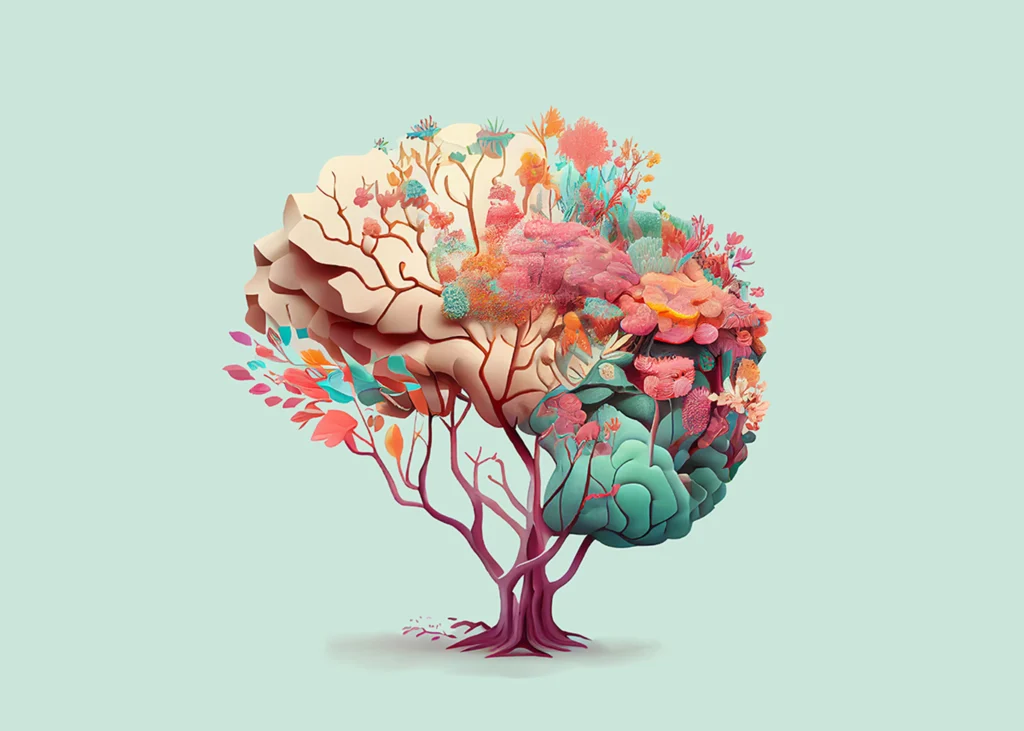
The appearance of blossoms also signals a psychological transition. After months of bare branches and muted landscapes, the vibrant flowers and tree blooms of late spring provide sensory stimulation that the brain interprets as renewal, safety, and abundance. This shift can improve mood almost immediately.
Exposure to nature has measurable effects on the nervous system. Researchers studying green spaces consistently find that time spent in natural environments can:
1. Reduce anxiety and mental fatigue
2. Lower cortisol, the body’s primary stress hormone
3. Improve concentration and memory
4. Increase feelings of calm and optimism
5. Support emotional resilience
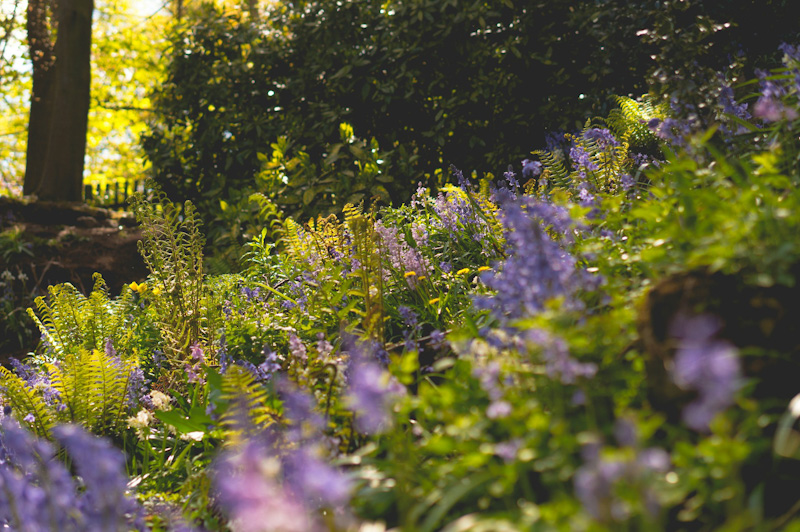
Why Flowers and Trees Affect the Brain So Strongly
Humans are biologically wired to respond positively to flowers and fertile landscapes. Bright colors, fresh greens, and floral symmetry activate the brain’s reward pathways and symbolize abundance, triggering subconscious thoughts that no longer need to worry about scarcity. Studies have shown that flowers can trigger dopamine release, contributing to pleasure, creativity, and motivation. Floral scents may also influence the limbic system, the brain’s emotional center, helping reduce tension and promote relaxation. Overall, large-scale natural beauty fosters emotional well-being.
Physical Health Benefits of Springtime Outdoors
1. Heart health
2. Lower blood pressure
3. Better lung function
4. Improved circulation
5. Increased mobility and flexibility
6. Strengthened immune function
7. Better sleep
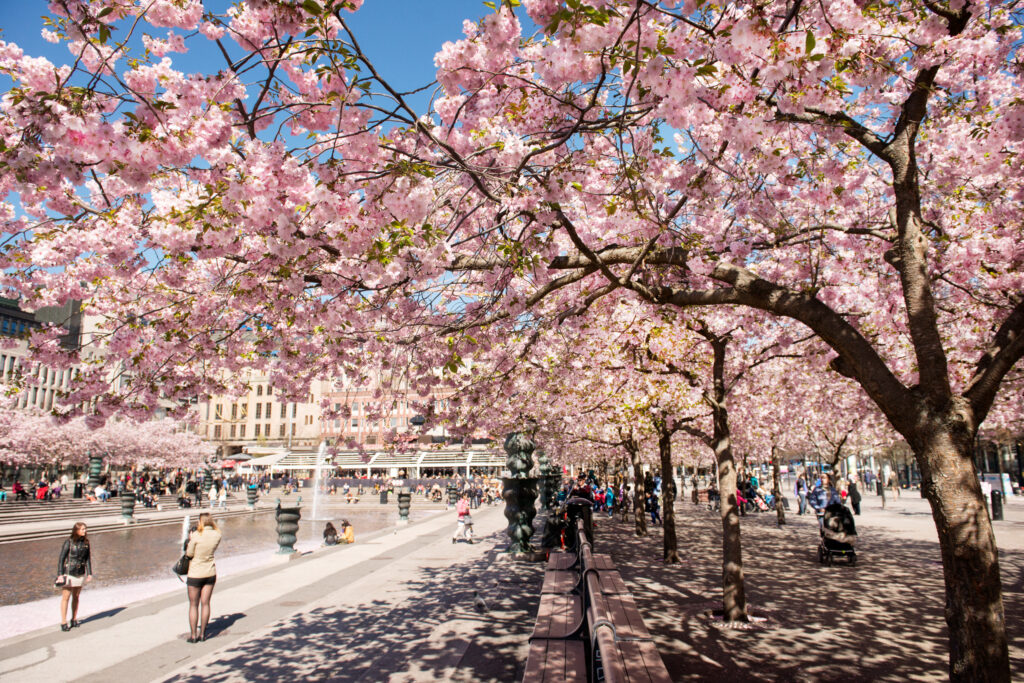
Scandinavia’s Unique Spring Light
One reason Scandinavian spring feels especially transformative is the quality of the northern light. By May, daylight hours expand dramatically. Evenings stretch into twilight, and the landscape takes on a soft, luminous quality that many visitors describe as calming and dreamlike. This environment elevates mood and increases motivation. Combined with blooming trees and flowers and warming temperatures, it creates ideal conditions for restoration.
The Importance of Seasonal Rituals
Seasonal beauty also creates a sense of rhythm and anticipation in life. In many Scandinavian cultures, spring is celebrated not with extravagance but with simple rituals: walking outdoors, gardening, gathering with friends, and appreciating natural light. Celebrations like Valborg, which involve gathering with family and friends on April 30th to mark this new beginning, help people reconnect.
A fun Valborg snack recipe:
1. Individual peeled romaine leaves (you should get between 6 and 8 per head)
2. Spread hummus on each leaf
3. Top with olives, roasted red peppers, pickles, and feta cheese
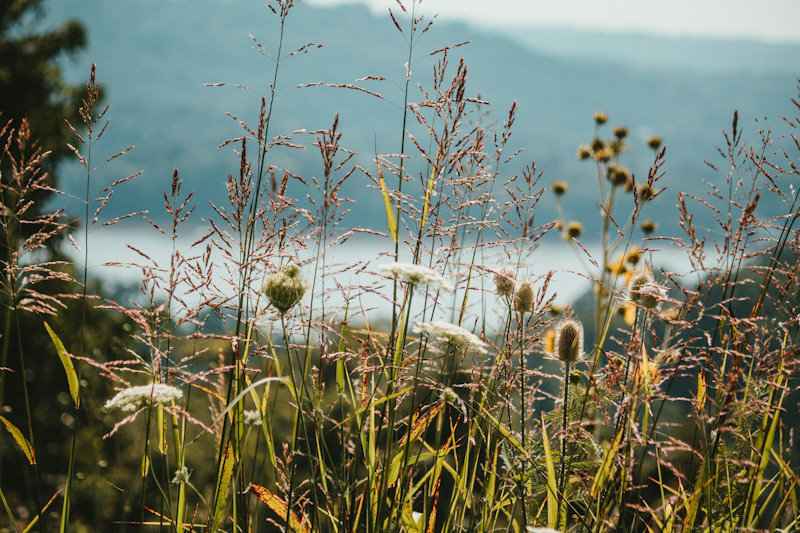
Get out and Enjoy
The Scandinavian spring is simply marvelous, especially in May, when there is so much to explore. Spending time in nature reinforces what both evolutionary and modern science show: flowers, sunlight, and time in nature can calm the nervous system, elevate mood, reduce stress, and even support physical health. Yet beyond the research lies something equally meaningful. In many ways, this seasonal awakening mirrors the Scandinavian philosophy of finding joy and balance in life’s ordinary moments. Nature does not rush, and neither must we. By embracing the sights, scents, and serenity of spring, we allow ourselves to feel lighter, more hopeful, and deeply renewed.

Spring Blossoms and Well-Being: Enjoying the Renewal in Nature, Light, and Simplicity, written exclusively for Daily Scandinavian by Nicole Hammond. Nicole is a health educator, coach, and wellness writer with a Master of Science in Health and Human Performance and a Bachelor of Science in Health Science. She also holds certifications in stress management, coaching, and feng shui design. She enjoys writing, researching, creating, and facilitating in the areas of health and creating balance in mind, body, and the home. In her spare time, Nicole enjoys reading, cooking, traveling, exercising, and spending time with her family, including her two golden retrievers and cocker spaniel.
Feature image (top) © Bartłomiej Balicki / Unsplash
More articles by Nicole Hammond:
An Ode to the Art of Scandinavian Aging
Finding Peace and Calm in the Home Through Hygge and Feng Shui
A Balance Blueprint: From Mind and Body Connection to Blood Sugar in 2026
Nutrition is a Key Player in Battling Stress
A Look Into Crushing Fear, Stress, and Anxiety