




The best customer magazine doesn’t sell the company. It creates a world where the company is useful, knowledgeable, and trusted. Read on to learn more about the customer magazines that sell without selling.
The smartest brand storytellers don’t ask, “What can we say about ourselves?” They ask, “What stories does our customer want to read?” But why would a company spend money producing a magazine that doesn’t constantly sell its products?
These publications tell stories about what the audience cares about, while the brand benefits from being the organization that makes them possible. They give customers what they genuinely want: information, inspiration, entertainment, status, knowledge, or community.
They ensure the customer is the hero. The company is the facilitator, expert, or guide—not the star of every story.
These companies build authority through editorial quality. A well-researched story can establish more credibility than a page of advertising claims.
The content creates an environment where the brand naturally belongs. E.g., John Deere doesn’t need to say “buy our tractor” if it has created the definitive conversation about modern farming.
Last, but not least, these companies think long-term. A customer magazine can become a continuing relationship rather than a one-off campaign
Some examples
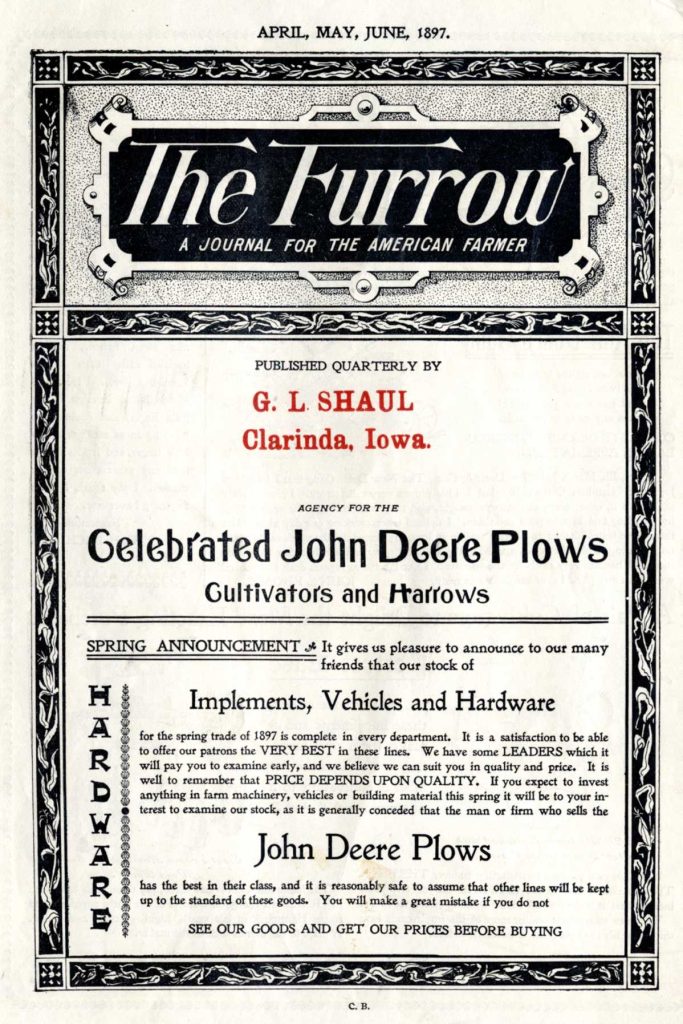
- The Furrow — published by John Deere since 1895. Rather than simply promoting tractors and machinery, it has traditionally focused on farmers, farming practices, innovation and the business of agriculture. John Deere becomes the knowledgeable partner behind the publication.
- The Michelin Guide — Michelin famously created a guide to help motorists find places to eat and stay, while simultaneously encouraging automobile travel—and therefore the use of cars and tires. The guide eventually became an independent cultural authority in gastronomy, giving Michelin enormous brand credibility.
- The Benchmark — this is an interesting example to investigate more closely, particularly because it illustrates how a specialist publication can create value around a company’s expertise rather than simply around its products.
Other excellent magazines to consider include American Express’s Departures, Red Bulletin (Red Bull), LEGO Magazine, Patagonia’s publications, and Harley-Davidson’s HOG magazine.
Some historical gems
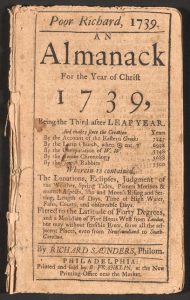
Poor Richard’s Almanac — Benjamin Franklin
Long before anybody used the expression content marketing, Franklin published an almanac that also promoted his printing business. FIPP identifies it as an early example of brand publishing, dating to 1732.
The Edison Electric Lighting Company Bulletin
Published in 1882—another remarkably early example of a company using publishing to communicate with its market.
Modern Methods of Antiseptic Wound Treatment — Johnson & Johnson
Dating from 1888, this is another fascinating case because the company provided useful professional information related to the problem its products addressed.
What can John Deere, Michelin, Harley-Davidson and LEGO teach destinations about the power of customer magazines?
Instead of filling every page with product claims, they have created magazines that their customers actually want to read.
John Deere’s Furrow has done this since 1895. The MICHELIN Guide began in 1900. Harley-Davidson has published rider magazines for more than a century. LEGO gives children a free magazine filled with activities, stories and creations from other LEGO fans.
And then there is The Red Bulletin, from Red Bull, which shows how far a company can go when it stops thinking like an advertiser and starts thinking like a publisher.
The common denominator is simple: Give people something they value, and let the brand benefit from providing it.
Destination marketers should take that lesson seriously.
The Furrow sells knowledge, not tractors. It doesn’t just tell farmers about the machinery. It helps them become better farmers. The machinery company becomes an information company. The information company becomes a trusted partner. And the trusted partner happens to sell machinery.
That distinction matters.
Michelin: sell the journey, not the tire. When André and Édouard Michelin published the first guide in 1900, it was not a restaurant guide in the modern sense. It was a practical guide for motorists, with information on roads, maps, fuel, accommodation, restaurants, and vehicle-related assistance. The objective was to make motoring easier and encourage people to travel.
The business logic was beautifully indirect: More driving → more tire wear → more tire sales. The company did not need every page to say “Michelin tires are wonderful.”
It encouraged a behavior that was good for the customer and potentially good for Michelin. Over time, the guide became much more than that. Its restaurant recommendations, methodology, and stars developed into a global reference point for gastronomy. Michelin now describes the Guide as having evolved from a motorists’ guide into a global lifestyle media outlet.
Destination marketers should not overlook this lesson.
You don’t necessarily have to promote the destination directly. You can promote the experiences that make people want to visit it.
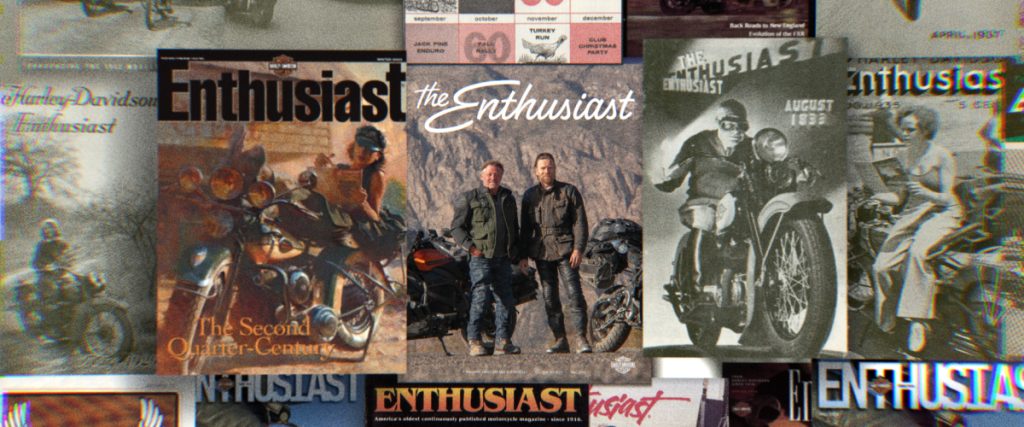
Harley-Davidson: turn customers into a community
Harley-Davidson offers another model. Its publishing history goes back to The Enthusiast, first published in 1916. Later, it launched Hog Tales, associated with the Harley Owners Group (H.O.G.), founded in the early 1980s. Harley-Davidson’s own archive describes these publications as ways to inform riders, educate them about riding, and share their stories.
This is important because Harley-Davidson isn’t merely selling motorcycles. It is selling participation in a culture. A customer magazine can therefore do something advertising rarely achieves: make customers feel they belong to something.
And when customers contribute their own stories, the communication becomes even more powerful. The company is no longer the only storyteller. The customers become storytellers too.
LEGO: let the customers create the content
LEGO provides another fascinating example. Today’s LEGO Magazine is free and aimed at children. It contains comics, games, activities, building challenges, interviews and—particularly relevant to our discussion—creations made by LEGO fans themselves.
That last element is significant. The brand isn’t simply saying: “Look what LEGO can do.” It is saying: “Look what people like you can do with LEGO.”
That is a fundamental difference. The product becomes a tool for creativity, while the customer becomes the hero. And that is a principle that can be transferred almost directly into destination marketing.
Instead of: “Look at our beautiful destination,” try: “Look what happened to these people when they came here.”

Red Bull: when the customer magazine becomes media
Then Red Bull launched The Red Bulletin in 2005. Its subject matter extends far beyond energy drinks: sport, culture, music, adventure, entrepreneurship and lifestyle.
The company has effectively built a media environment around the attitudes and interests associated with its brand. This is an important evolution of the customer-magazine idea.
The publication doesn’t have to be about the product. It can be about the world in which the product makes sense.
That distinction is powerful, and a destination can do the same.
A Norwegian destination magazine, for example, doesn’t have to consist of articles saying how beautiful Norway is. It could tell stories about people who live extraordinary lives there, unusual traditions, forgotten historical episodes, remarkable food producers, artists, adventurers, craftsmen, local entrepreneurs and visitors who experienced something unexpected.
The destination becomes the setting. The human story becomes the content.
American Express: sell access to a world
Another interesting case is Departures, the lifestyle publication associated with American Express.
For many years, the magazine addressed affluent American Express customers through travel, food, culture, design, and luxury rather than functioning simply as a catalog for financial products. The U.S. print edition ended in 2021, while the title continues in other forms and markets.
Again, the underlying principle is worth examining. American Express wasn’t merely selling a payment card. It was communicating: “This is the world our customers can enter.”
The magazine helped define that world. That is particularly relevant to premium destinations. A luxury destination shouldn’t necessarily spend all its editorial space saying: “We are a luxury destination.”
It can demonstrate luxury through the stories it chooses to tell.
GE: demonstrate expertise by telling real stories
General Electric offers a somewhat different model. GE’s long history of corporate journalism goes back to a news bureau established in 1921 after an editor argued that GE could generate better publicity by providing genuine news stories rather than material written in commercial language.
That principle sounds remarkably modern. Don’t make your content sound like marketing. Make it worth publishing.
For destinations, this is especially relevant. A story about a destination’s innovative climate project, an unusual local entrepreneur, a centuries-old craft, or a community preserving a disappearing tradition can demonstrate the destination’s character without making exaggerated promotional claims.
The story does the work.
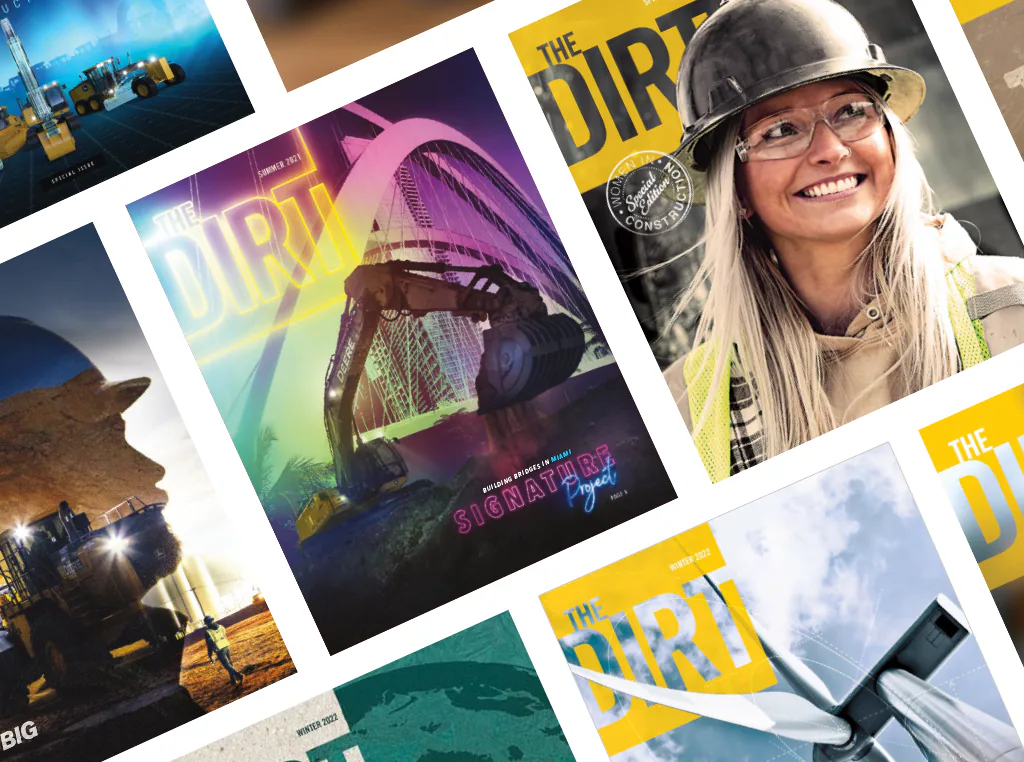
John Deere’s “The Dirt”: let customers tell the story
John Deere has extended The Furrow’s philosophy into other industries. The Dirt targets construction audiences and focuses on customer stories and the work they do.
Another recurring pattern: the customer is more interesting than the company. Or, more precisely: The customer is interesting because the company has something meaningful to contribute to the customer’s story.
This is where good brand storytelling differs from advertising. Advertising often begins with the brand. Storytelling can begin with a person.
What do these magazines have in common?
The examples are very different. Yet several principles keep appearing.
- They understand their audience
- They provide value before asking for anything
- They make the customer the hero
- They build an editorial world
- They create stories that can travel
A good story doesn’t necessarily stay inside the magazine. It can become a website article. A newsletter. A video. A podcast. A social-media post. A sales presentation. A customer case. A conversation.
This makes a well-developed story inventory extraordinarily valuable.
And now we come to destinations
Many destination websites still communicate something like this:
Beautiful scenery.
Wonderful hotels.
Excellent restaurants.
Fantastic activities.
Welcome to our destination.
There is nothing necessarily wrong with that. But almost every destination can say it.
The real question is: What can you tell me that I cannot read on the website of the destination next door?
That is where storytelling enters. Suppose a destination has an old hotel. The ordinary marketing story might be: “Hotel Alpha is a charming historic hotel located in the heart of the city.”
But the storyteller asks: Why was the hotel built that way? Who commissioned it? What problem was the architect trying to solve? Who stayed there? What happened there? Is there a forgotten character connected with it? Why is that strange staircase there? Why does the restaurant have that particular name?
Suddenly, the hotel isn’t merely accommodation. It has a story. And stories create curiosity.
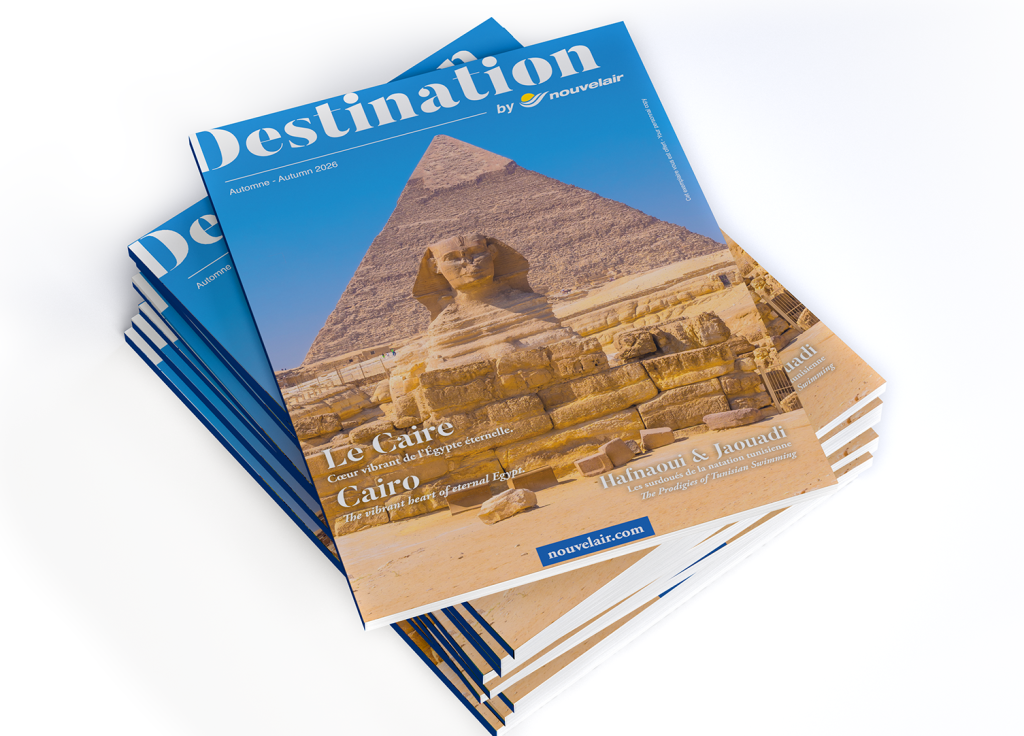
The destination magazine of the future
Perhaps DMOs should stop thinking primarily about producing a destination magazine.
They should think about producing a magazine people would want to read even if the destination logo were removed from the cover.
That is a much higher editorial standard.
Imagine a destination publication containing:
- the fisherman who has worked the same waters for 50 years;
- the hotel owner who secretly leaves a personal gift for departing guests;
- the village bakery whose recipe has survived three generations;
- the architect behind an apparently strange building;
- the local guide who knows a forgotten story about a famous landmark;
- the woman who revived a dying craft;
- the restaurant nobody outside the region seems to know about;
- the traveler who arrived for three days and stayed for three months;
- the festival that began for a completely unexpected reason.
Now we are getting somewhere. These are not advertisements for a destination. They are stories that make the destination interesting. That’s precisely why they can promote it.
The paradox of effective promotion
The strongest customer magazines have understood a paradox: The less aggressively you sell, the more useful the publication can become.
The Furrow doesn’t have to turn every farmer into a tractor buyer. The MICHELIN Guide doesn’t have to mention tires on every page. LEGO doesn’t have to tell children to buy LEGO in every story. Harley-Davidson doesn’t have to explain a motorcycle’s specifications every time it tells a rider’s story.
They create value first. The brand benefits from the association. That is not an accident. It is a strategy.

What destination marketers can learn
For DMOs, the lesson is not necessarily to start a magazine. The lesson is much broader: Start thinking like a publisher.
Find stories. Develop editorial standards. Interview people properly. Look for the unexpected. Ask questions that uncover what nobody else is talking about. Find the human element.
And, above all, resist the temptation to make every story about how wonderful your destination is. Let the reader discover that. This is where the storyteller’s role becomes particularly interesting.
The storyteller is not simply someone who writes attractive copy. The storyteller is an investigator, A hotel detective, if you like. Someone who arrives and asks:
“What don’t we know yet?”
“What’s the story behind this?”
“Who is the person nobody has interviewed?”
“What happened here?”
“Why should anybody care?”
Those questions can turn an ordinary destination asset into an extraordinary story. Once you find that story, you have something much more valuable than another advertisement. You have something people may actually want to read.
And when people want to read it, you have already taken the first—and perhaps most difficult—step toward making them want to visit the place where it happened.
That is when marketing stops looking like marketing. And perhaps that is when it starts working like storytelling.
The Customer Magazines That Sell Without Selling, written by Tor Kjolberg.
Feature image (top) © ppi Media
 Take-away
If you learned something from this article, I believe you’ll also enjoy my recent book, “How I’ve Survived as a Storyteller for Over 50 Years: 12 Survival Techniques.” Get your FREE e-book copy by sending me your name and email address, and including “Storytelling” in the subject line. Thank you for reading!
More articles on Storytelling by Tor Kjolberg you may like:
The DMC 7 Steps Untold Story Finder
Brand Storytelling for Nonbelievers
Stop Selling Perfect Destinations
Destination Storytelling: The Questionnaire Is Your Map – Not Your Prison
Tales of the Unexpected: The Hotel Detective Is on the Case