



Travelers are not necessarily nonbelievers, but they are skeptical of marketing. A traveler doesn’t care about you, your products, or your services. They care about themselves, their wants, and their needs. Brand storytelling is about creating compelling content your customers are passionate about, so they pay attention to you.
Travelers don’t buy destinations. They buy the possibility of becoming someone, experiencing something, and coming home with a story.
Despite this, most destinations boast spectacular scenery, wonderful hotels, authentic experiences, friendly people, amazing food, and something for everyone.
And the traveler thinks, “So does everybody else.”
The problem isn’t that destination marketing is untrue. The problem is that it is often interchangeable.
A photograph of a beautiful beach proves that a beautiful beach exists. It doesn’t prove that I will have an unforgettable experience there.
Sell the meaning, not the place
A traveler rarely says: “I want to go to Destination X because Destination X exists.” They might say: “I want to disappear somewhere for a week.” Or “I want to do something my children will remember.”
Some travelers want to feel young again, while others want to discover somewhere before anyone else does. A guy might want to impress his partner, while a group of women wants to come home with something interesting to tell.
The destination is the stage. The traveler is the protagonist. The experience is the plot. And the story they tell upon returning is the reward.

The destination should make a promise it can prove
What can a destination do to convince a traveler that their expectations can be met? Don’t simply claim the experience. Demonstrate it.
When I work for destinations, I’m always searching for the “untold stories,” such as the fisherman who has been going out before dawn for 47 years. It is much more captivating than “Discover our wonderful local cuisine” or “Why a grandmother at the village restaurant still prepares the dish her mother taught her to make.”
 The best destination stories contain a little mystery
A destination doesn’t necessarily need more content. It needs better questions.
“Why is that building shaped that way?” or “Why does everyone in this village gather at that particular place on Sunday?”
During one of my travels, I wondered why the hotel served breakfast starting at 7:15 rather than 7:00. That prompted me to add, “Why did an artist, writer, explorer, fisherman, or entrepreneur come here?”
Many destinations have stories that almost nobody knows. What strange tradition survives? What does the local guide know that Google doesn’t?
Those are stories with discovery built in. Discovery is one of travel’s great pleasures.

What should destinations STOP doing?
Stop saying: “World-class” unless you can prove it. Stop saying: “Hidden gem.” If you’ve advertised it to five million people, it isn’t hidden.
Stop showing only perfection.
A destination without rain, wrinkles, mistakes, characters, or surprises looks like an advertisement. Travelers increasingly know what advertisements look like.
Stop putting the destination at the center of every story.
The traveler should be there. “Look at us” is destination advertising, while “Imagine yourself here” is destination storytelling.
 Dare to be somewhat different
I never forget a hotel stay in England, where the owner gave me a small gift at checkout and said, “Welcome back.” It felt very personal, and I’ve told this story to many of my friends. Imagine a destination doing something like that. Is it possible?
Suppose a couple visits a destination for their anniversary. The destination knows that.
A year later, they receive:
“One year ago today, you watched the sunset from our old lighthouse. We hope you’re still talking about it.”
That’s not advertising. That’s a relationship.
Or imagine a family visiting a destination with two children. When they leave, the children receive a little card: “Dear Emma and Lucas, we hope you haven’t forgotten the fox you saw near the forest…”
Suddenly, the destination becomes a character in the family’s memory.

The next visit shouldn’t begin when the traveler books
This might be a more radical idea: The next journey begins when the previous one ends. Destinations traditionally spend enormous amounts of money to attract the next visitor. What if they invested a little more effort in turning the previous visitor into a storyteller?
After departure, they could receive a photograph they didn’t know existed or be reminded of something they had experienced.
It’s not so expensive to send visitors a small local object related to their trip and invite them to share their favorite story. Give them a reason to share a memory rather than an advertisement. Surprise them months later with something connected to their visit.
The objective isn’t merely repeat visitations. It is memory creation. And memory creates advocacy.

Give travelers something to tell
This could be the central challenge you pose to destination marketers: “What will your visitor tell a friend six months after returning home?”
Not: “Was the hotel good?” Not: “Was the weather nice?” But: “What happened?”
That question changes everything. Great travel stories usually have four ingredients: a person, a place, something unexpected, and a moment worth remembering.
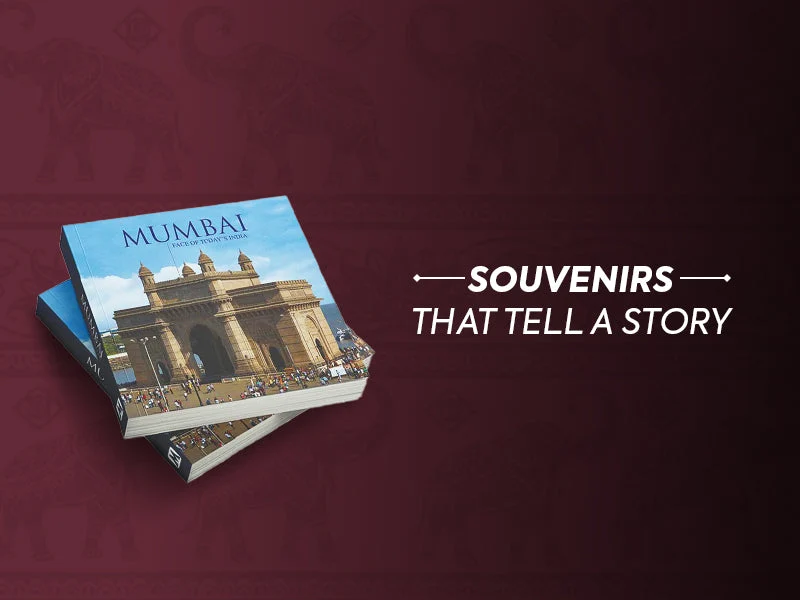 Give the traveler a “story souvenir”
Tourists traditionally take home: magnets, postcards, photographs, souvenirs, bottles of wine, and handicrafts. Why not offer them something else?
A story.
Upon departure, the destination could present the traveler with a beautifully designed “Your Story from X” card that reads, “You arrived as a visitor. You leave with a story.” Include real facts. Now the destination has helped the visitor remember the experience and share it with someone else. That’s brand storytelling made into a physical experience.
 The future of destination marketing
The future of destination marketing may belong to the destinations that stop trying so hard to convince us they are wonderful. Instead, it may belong to those who help us discover why being there could matter to us.
 Take-away
If you learned something from this article, I believe you’ll also enjoy my recent book, “How I’ve Survived as a Storyteller for Over 50 Years: 12 Survival Techniques.” Get your FREE e-book copy by sending me your name and e-mail address, and including “Storytelling” in the subject line. Thank you for reading!
More articles on Storytelling by Tor Kjolberg you may like:
Brand Stories Are Boring
Travel Stories Designed for the Adult Part of Our Population
Seven Strategies for Increasing Customer Participation in Brand Stories
Stop Selling Postcards
The DMC 7 Steps Untold Story Finder