

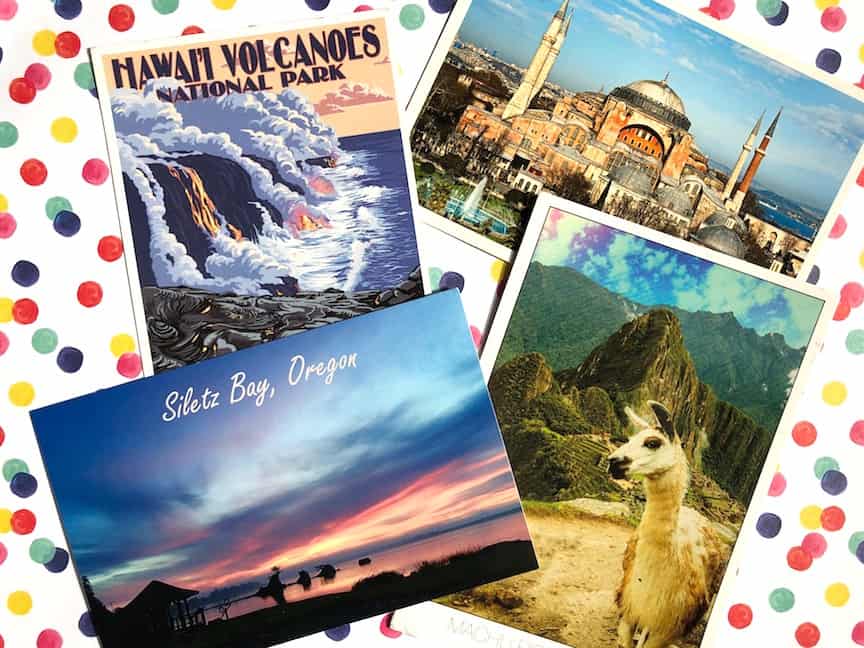
For DMOs and DMCs, the traditional marketing playbook is broken. For decades, selling a destination meant showcasing pristine beaches, modern convention centers, and curated itineraries. Stop Selling Postcards: The Real Definitions of Travel Brand Storytelling.
In a hyper-commoditized global market, landscapes look identical, and amenities are easily replicated.
Tourism isn’t a commodity; it is a complex, high-stakes derivative. Long before a leisure traveler buys a flight or an incentive planner signs a million-dollar DMC contract, they must buy a feeling, blind to the outcome. They are investing heavily in a promise of transformation, seamless logistics, and unforgettable human connection.
This is where brand storytelling moves from a creative buzzword to a critical business architecture. In the travel industry, brand storytelling is not merely writing catchy brochures; it is the strategic process of transforming geographic terrain into an emotional sandbox. To master this asset, however, we must first unpack how its definition shifts with your audience, your stakeholders, and your ultimate goals.
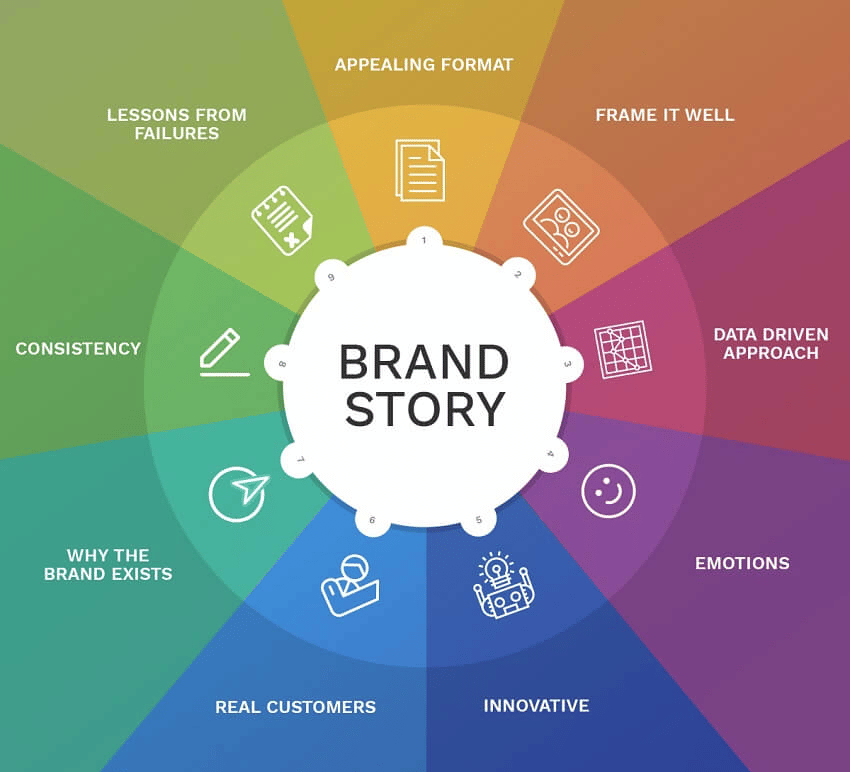
Brand storytelling uses narrative techniques—plot, characters, and conflict—to communicate a brand’s identity, values, and purpose. Rather than relying on overt sales pitches, it builds emotional connections with consumers by positioning the brand as a relatable and trustworthy entity.
For the travel industry, brand storytelling is not just content marketing; it is a co-creation asset that turns geographic terrain into an emotional sandbox. In tourism, stories drive bookings because travel products are purchased on faith before they are consumed.
Because the term brand storytelling is used across marketing, public relations, and creative agencies, it takes on slightly different meanings depending on who holds the brief. Here is a collection of core definitions and perspectives from leading authorities.
1. The Corporate & Academic View
Harvard Business School: Defines brand storytelling as the use of narratives to communicate a brand’s identity, message, and values in an emotionally resonant way that empowers consumers.
2. The Customer-Centric Framework (StoryBrand)
The StoryBrand System: Popularized by Donald Miller, this framework frames brand storytelling as a narrative in which the customer is the hero and your brand is the guide. The brand provides the solution to the hero’s problem, enabling a positive transformation.
3. The Digital & Transmedia Approach
Transmedia Perspectives: Scholars and digital marketers define it as a process in which elements of a brand story are systematically dispersed across multiple media to create a unified, coordinated consumer experience. Each platform (e.g., video, social media, podcast) contributes uniquely to the unfolding narrative.
4. The Creative & Practical Purpose
Creative Agency Glossaries: From a practical standpoint, brand storytelling is how a brand moves from “intent to output.” It dictates how a campaign, product, or customer service interaction should feel, bridging the gap between cold business logic and human experience.
Travel-Specific Definitions of Brand Storytelling
The Co-Creation Definition: Tourism researchers frame digital destination storytelling as a continuous co-creation process. It is the intersection of a DMO’s official branding and the organic, unfiltered User-Generated Content (UGC) shared by travelers and locals.
The Anthropological View: Rather than showcasing landscapes, effective tourism storytelling focuses on the people who live there and their local cultural identity. It shifts the focus from passive observation to an active, human-centered connection.
The Destination Guide Framework: Adapting the StoryBrand Framework, the destination is never the hero; the traveler or MICE planner is the. The DMO or DMC serves as the expert local guide, providing the map, tools, and access to resolve friction points.
The DMC vs. DMO Storytelling Matrix
DMOs and DMCs operate in different spheres. A great article will break down how storytelling definitions shift between B2C (leisure travel) and B2B (meetings & incentives):
| Lens | Main Target | Definition of the “Conflict” | The Storytelling Vehicle |
| DMO (B2C) | Leisure Travelers | Overwhelming choices, fatigue, or a desire for transformative personal discovery. | Emotional video ads, local lifestyle profiles, and immersive social content. |
| DMC (B2B) | Incentive Planners / Corporates | Operational risk, logistical unknowns, and the pressure to execute an unforgettable corporate event. | Detailed case studies, behind-the-scenes problem-solving, and hyper-local logistics narratives. |
Industry Narrative Structures to Include
Your article can highlight specialized narrative structures used in destination marketing according to Tourism Research Frameworks:
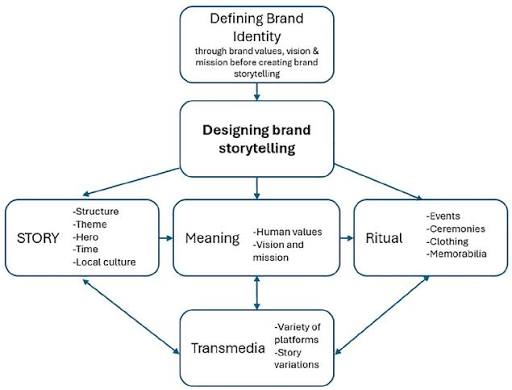
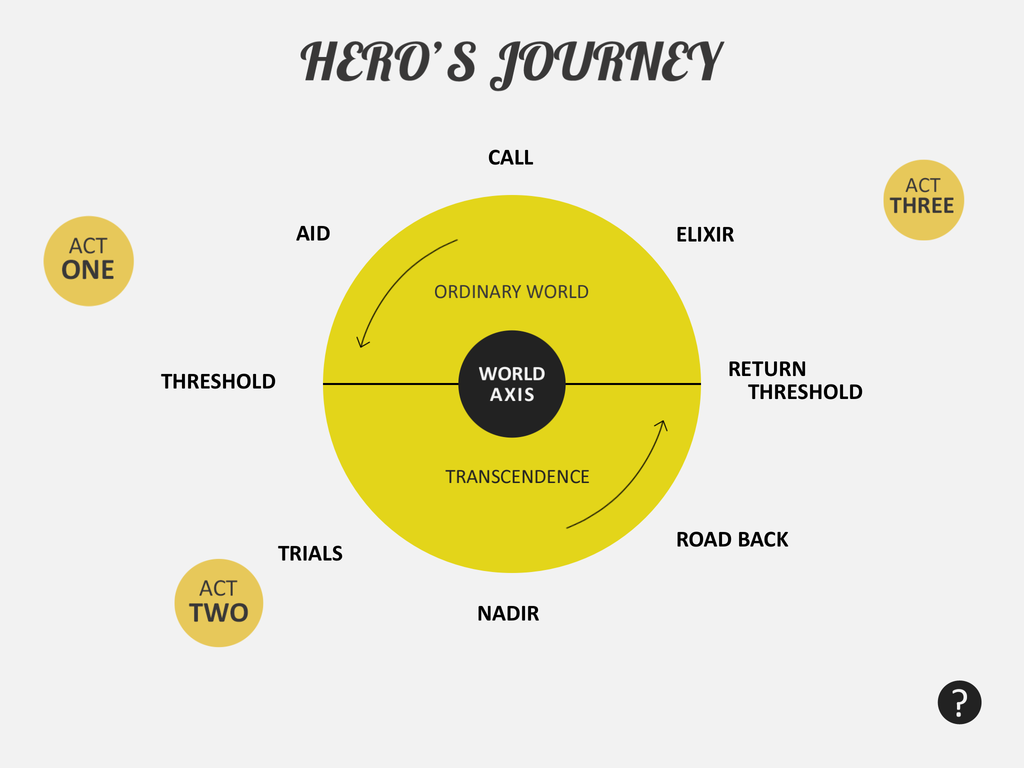
The Hero’s Journey: Used by DMOs to depict an ordinary tourist overcoming travel fatigue, trying off-the-beaten-path activities, and returning home transformed.
The Mountain: A linear narrative structure that builds intense emotional anticipation before revealing a destination’s major highlight.
The Nested Loop: A complex narrative structure ideal for layering stories. It allows DMOs to highlight multiple local stakeholder narratives (e.g., an artisan, a chef, a hotelier) within a single overarching destination campaign.
Real-World Case Studies for Context
Ground your definitions in recent, high-level travel campaigns:
Destination Canada shifted to a hyper-segmented narrative strategy in 2026, targeting specific travel personas such as “Refined Globetrotters” in the UK and “Outdoor Explorers” in Germany with tailored content streams.
Green Spain / Costa Rica defined their branding not around geographical lists but around emotional concepts like “Pura Vida” and immersive ecotourism corridors to inspire rather than inform.
Measuring the ROI of Travel Storytelling
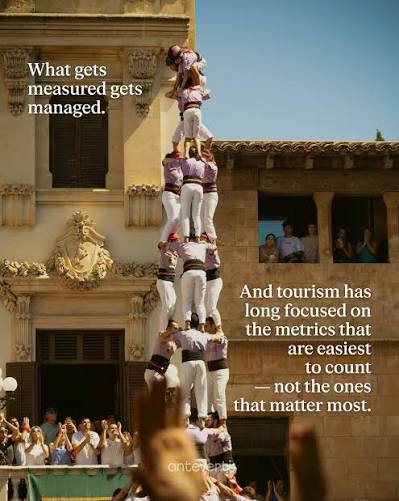
Storytelling is often dismissed as “soft marketing.” To demonstrate its economic value to board members, stakeholders, or city councils, DMOs and DMCs must translate narrative impact into concrete business metrics. Because storytelling operates at multiple stages of the funnel, its ROI must be measured with a multi-tiered framework.
- Is the story capturing attention and shifting perception?
Key Metrics: Cost Per Completed Video View (CPCV), average scroll depth on destination landing pages, and earned media value (EMV) from shared user-generated content.
The Travel ROI Connection: Higher engagement and longer time-on-site are directly correlated with increased organic search volume for the destination weeks later.
- Are inspired users transitioning from passive dreamers into active planners?
Key Metrics: Clicks on the “Book Now” or “Find a Partner” buttons, downloads of digital visitor guides, and click-through rates (CTR) to local partner websites (hotels, restaurants, attractions).
The Travel ROI Connection: DMOs can attribute economic value by calculating referral traffic to local hospitality stakeholders, demonstrating direct community impact.
- Did the story directly secure the revenue or the booking?
Key Metrics (DMO): Adara/Arrivalist integration data (tracking digital ad exposure directly to actual flight bookings and hotel check-ins via location data).
Key Metrics (DMC): RFP win rates for custom-narrative pitches versus standard boilerplate bids.
The Travel ROI Connection: DMCs that build a cohesive story around a corporate incentive trip see shorter sales cycles and higher average contract value because clients are buying an exclusive experience rather than line-item logistics.
- The ability to charge higher rates based on narrative value rather than market discounting.
Key Metrics: Growth in Average Daily Rate (ADR) and Revenue Per Available Room (RevPAR) relative to regional competitors.
The Travel ROI Connection: Powerful storytelling builds brand equity, enabling a destination to attract high-yield travelers who stay longer and spend more, thereby decoupling the destination from destructive price wars.

Five Fatal Storytelling Mistakes in Tourism Marketing
Avoid these costly narrative traps to ensure your campaigns drive bookings rather than merely gathering passive likes:
- Making the Destination the Hero
The Mistake: Center-staging your city, scenery, or hotel room as the main character.
The Reality: The consumer or MICE planner is always the hero; your brand is the guide.
The Fix: Frame the destination as the magical arena or tool that helps the traveler overcome fatigue, stress, or creative block.
- Selling “What” Instead of “Why”
The Mistake: Relying on a sterile list of logistics, including room capacities, square footage, and flight frequencies.
The Reality: Logistics are prerequisites, not narratives; they validate a decision but rarely inspire it.
The Fix: Lead with the transformative impact of the event or trip, then use the logistics to prove you can deliver it.
- Erasing the “Conflict” from the Narrative
The Mistake: Presenting a flawless, friction-free paradise where nothing ever goes wrong.
The Reality: Stories need tension to feel believable; flawless perfection feels manufactured and breeds consumer skepticism.
The Fix: Embrace authentic tension, such as stepping out of a comfort zone, navigating language barriers, or resolving a major DMC event-day logistical crisis.
- Homogenizing the Voice
The Mistake: Using generic, interchangeable tourism adjectives like stunning, hidden gem, breathtaking, or world-class.
The Reality: When everyone is a “hidden gem,” no one stands out, and your destination becomes commoditized.
The Fix: Define a hyper-specific, localized tone of voice that reflects the unique cultural identity of your people.
- Ignoring the Local Ecosystem
The Mistake: Crafting an isolated corporate narrative that overlooks the actual residents and local business owners.
The Reality: Modern travelers crave deep authenticity and can easily spot a disconnect between marketing and reality.
The Fix: Co-create your narrative by spotlighting local artisans, chefs, and characters who bring the destination to life.
 Stop Selling Postcards: The Real Definitions of Travel Brand Storytelling: Conclusion
Every definition of brand storytelling ultimately converges on a single, undeniable truth: travel products are inherently unique because they cannot be sampled before purchase. A traveler cannot test-drive a sunset, and an incentive planner cannot preview the electricity of a live event. They must buy a promise, wrapped in emotion.
For DMOs and DMCs, mastering storytelling definitions and frameworks is not an academic exercise. It is the core architecture of your economic survival. When you move beyond generic adjectives and sterile lists of room capacities, you stop competing on price and start competing on resonance.
Your destination is more than a set of coordinates, hotel rooms, and airport gates. It is a canvas for human transformation. By choosing the right narrative framework, avoiding the trap of self-centered marketing, and anchoring your metrics to true business value, you do far more than fill hotel beds or conference halls. You build the stage, guide the hero, and invite the world to become part of a living story.
 Take-away
If you learned something from this article, I believe you’ll also enjoy my recent book, “How I’ve Survived as a Storyteller for Over 50 Years: 12 Survival Techniques.” Get your FREE e-book copy by sending me your name and e-mail address, and including “Storytelling” in the subject line. Thank you for reading!
Stop Selling Postcards: The Real Definitions of Travel Brand Storytelling, written by Tor Kjolberg.
More articles on Storytelling by Tor Kjolberg you may like:
Stop Chasing Case Studies: Build a Living Library of Customer Stories
The Anatomy of a Brand Story for Destinations
Brand Stories Are Boring
Travel Stories Designed for the Adult Part of Our Population
Seven Strategies for Increasing Customer Participation in Brand Stories