



What is the formal definition of brand storytelling? It is the strategic use of narrative techniques—such as plot, characters, and conflict—to communicate a company’s identity, values, and mission. So, what’s the anatomy of a brand story for destinations?
Rather than relying solely on dry facts and product features, it builds an emotional connection with the audience, making the brand relatable, memorable, and trusted.
To understand how this works in modern marketing, it helps to break it down into a few core elements and frameworks.
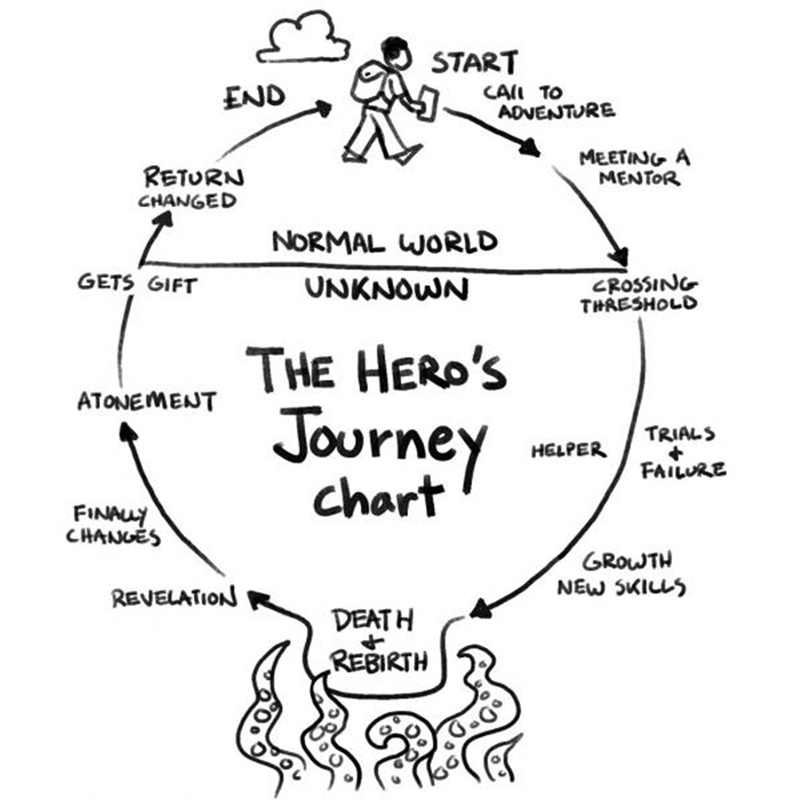 The Anatomy of a Brand Story
A formal brand story is typically built on three foundational pillars: the hero, the conflict, and the resolution.
In effective brand storytelling, the customer is the hero. Focus first on your target customer’s informational needs. The brand serves as a guide, providing products or services that help the hero overcome their challenges.
Every compelling narrative features an obstacle. This represents the customer’s pain point or the societal or industry problem the brand aims to solve.
The brand’s purpose showcases the positive transformation or better future the customer achieves by aligning with the brand.

Why Brands Use It
In a highly competitive market where consumers are exposed to thousands of messages daily, brand storytelling cuts through the noise. It elevates a company from a mere commercial entity to a meaningful presence in consumers’ lives, transforming standard marketing into a cohesive journey that fosters deep brand loyalty. I have developed a new business model centered on story creation and distribution.
Common Strategies and Examples
Companies deploy brand storytelling across formats, including founder origin stories, customer success stories, and mission-driven campaigns.
Nike’s campaigns focus on real athletes and personal triumphs rather than merely advertising the technical specs of its sneakers.
Patagonia focuses heavily on environmental activism and sustainability, aligning its business goals with the values of its environmentally conscious consumers.

Brand Storytelling for Destinations
Destination marketing DMCs often do not know how to use brand storytelling. The customer’s journey should be the main focus.
For a Destination Management Company (DMC), the ultimate goal of brand storytelling is to transform abstract travel services into an irreplaceable, life-changing journey for the client. A customized brand storytelling framework for a DMC, structured around the customer’s journey as the primary focus, would include the hero (the planner/traveler), the conflict (stress and uncertainty), the guide (the DMC), and the resolution (flawless, insider execution).
The Hero: The Overwhelmed Planner or Traveler
In a story, the hero is not a DMC; the hero is its client (the corporate event planner, travel agent, or an individual traveler, a professional or traveler who shoulders the heavy burden of creating an unforgettable, high-stakes experience in an unfamiliar destination). They want to look like a rockstar to their stakeholders or guests by delivering a seamless, culturally authentic, and jaw-dropping itinerary.

The Conflict: The Chaos of “Distant” Planning
DMCs often fail because they sell only “logistics” (buses, hotel rooms, dinner spots). A brand story must highlight the emotional and logistical pain points a hero faces. Booking venues and vendors from thousands of miles away means navigating language barriers, hidden local regulations, and unverified suppliers. It also brings anxiety about failure, fear that transport will arrive late, that the venue will look nothing like the photos, or that the experience will feel like a generic tourist trap. From a philosophical point of view, travel shouldn’t be a transactional risk. A trip to a new destination should be inspiring, not a source of sleepless nights.
The Guide: The Ultimate Local Insider (DMC)
A DMC enters the narrative not as the hero who saves the day, but as the trusted guide who equips the hero with the tools, local insights, and confidence to succeed.
The Resolution: The Flawless Destination Experience
This is the happily-ever-after. A good narrative paints a vivid picture of what success looks like when the hero uses the guide’s services. The client shifts from a stressed, anxious planner to a relaxed, confident host who can actually enjoy the destination.
Guests are blown away by exclusive, hyper-local experiences they couldn’t find online, cementing the client’s reputation as a visionary planner.
The Anatomy of a Brand Story for Destinations – Conclusion
While it’s tempting to put your brand at the center, remember this: the hero of your story isn’t you. It’s your customer.
 Take-away
If you learned something from this article, I believe you’ll also enjoy my recent book, “How I’ve Survived as a Storyteller for Over 50 Years: 12 Survival Techniques.” Get your FREE e-book copy by sending me your name and e-mail address, and include “Storytelling” in the subject line. Thank you for reading!
The Anatomy of a Brand Story for Destinations, written by Tor Kjolberg.
More articles on Storytelling by Tor Kjolberg you may like:
Brand Masters of Storytelling 2
How Smart Brands Republish Content Without Repeating Themselves
Why Organizations Are Turning to Storytelling to Win Public Attention
Brand Masters of Storytelling 3
Stop Chasing Case Studies: Build a Living Library of Customer Stories