



One of the most recognizable examples of storytelling in branding comes from Nike. Rather than focusing solely on athletic products, the company consistently builds campaigns around perseverance, identity, and personal achievement. From global corporations to nonprofit organizations, storytelling has become central to modern communication strategies. In this article, I try to explain why organizations are turning to storytelling to win public attention.
For decades, organizations relied on facts, slogans, and polished advertising to persuade audiences. Today, that approach is no longer enough. Consumers are bombarded by thousands of marketing messages every day, and attention has become one of the world’s most competitive currencies. In response, brands are turning to something far older and far more human: storytelling.
Campaigns are no longer built solely around products or services. Instead, they are built around emotion, identity, and narrative. Organizations now want audiences to feel connected to a mission, a lifestyle, or a shared experience.
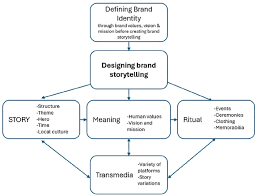 Research consistently shows why this strategy works
Studies suggest that people are significantly more likely to remember information presented as stories than as facts alone. Consumers also report stronger emotional connections to brands that share authentic experiences rather than deliver direct promotional messages. This shift has changed how campaigns are designed across advertising, public relations, and digital media.
Some statistical facts:
Storytelling is more effective than informational advertising. People are 22 times more likely to remember facts when they are delivered as part of a story rather than as standalone data.
Consumers retain 65–70% of information through stories, compared with only 5–10% from statistics alone. 92% of consumers prefer ads that feel like stories rather than direct product promotions.
Around 80% of consumers prefer learning about products through storytelling instead of traditional advertising.
Some of the world’s most recognized organizations have mastered this approach. Nike rarely focuses solely on shoes or athletic gear in its campaigns. Instead, the company tells stories of determination, resilience, and personal achievement. Apple markets creativity and individuality alongside technology. Patagonia positions environmental activism at the center of its identity, turning customers into supporters of a broader cause rather than mere buyers of outdoor clothing.
 Social media has accelerated the importance of storytelling
Nonprofit organizations have also embraced storytelling as a core communication tool. Rather than presenting statistics alone, charities increasingly highlight personal stories from individuals and communities affected by social issues. These narratives foster empathy, encourage donations, and help audiences understand complex problems through human experience.
Social media has further heightened the importance of storytelling. Platforms such as Instagram, TikTok, and YouTube reward emotional, relatable, and authentic content. Organizations are now expected to communicate continuously through behind-the-scenes videos, customer stories, employee experiences, and real-time narratives that engage audiences.
 Storytelling also presents challenges
Audiences have become highly sensitive to campaigns that feel artificial or manipulative. Organizations that exaggerate values or rely on emotional messaging without meaningful action often face criticism and public backlash. In the digital era, authenticity has become as important as creativity.
As competition for attention intensifies, storytelling is likely to grow even more important in the future of branding and communication. The organizations that succeed will not simply be those with the largest advertising budgets, but those capable of crafting stories that audiences genuinely trust, remember, and share.
Take-away
 If you learned something from this article, I believe you’ll also like my recent book, “How I’ve Survived as a Storyteller for Over 50 Years: 12 Survival Techniques”. Get your FREE copy of the e-book just by sending me your name and e-mail address, and write Storytelling in the subject line. Thank you for reading!
Why Organizations Are Turning to Storytelling to Win Public Attention, written by Tor Kjolberg. Feature image (top) © Helena Lopes/Pexels
More articles on Storytelling by Tor Kjolberg you may like:
How to Use Humor in Storytelling to Break Through Advertising Clutter
Leaders Who Shape Stories Shape Markets
A Brand’s In-House Storytelling Library
Brand Masters of Storytelling 2
How Smart Brands Republish Content Without Repeating Themselves