


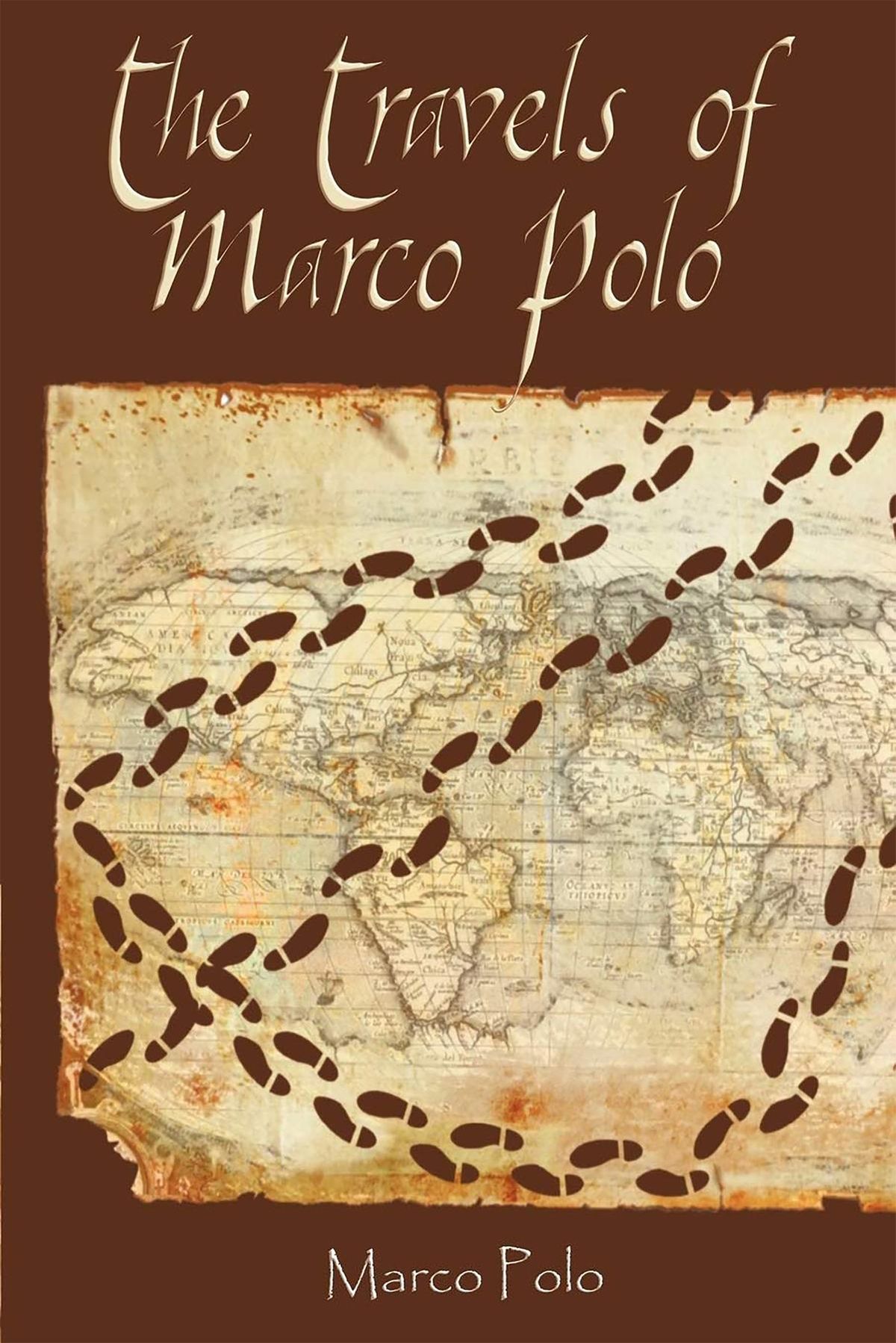
The Travels of Marco Polo is a 13th-century travelogue written by Rustichello da Pisa based on stories told by the Venetian explorer Marco Polo. It describes Polo’s travels through Asia between 1271 and 1295, and his experiences at the court of Kublai Khan.
Filled with wonders, Marco Polo’s tales are the first European account of the Silk Road. But 700 years after the famed Venetian merchant and explorer’s death, can they be trusted?
Marco Polo’s 24-year journey revolutionized East-West relations by introducing medieval Europe to the East’s wealth and advanced civilization. His co-authored book, The Travels, replaced mythical stereotypes with concrete geographic and commercial knowledge, directly inspiring Christopher Columbus and sparking the Age of Exploration.
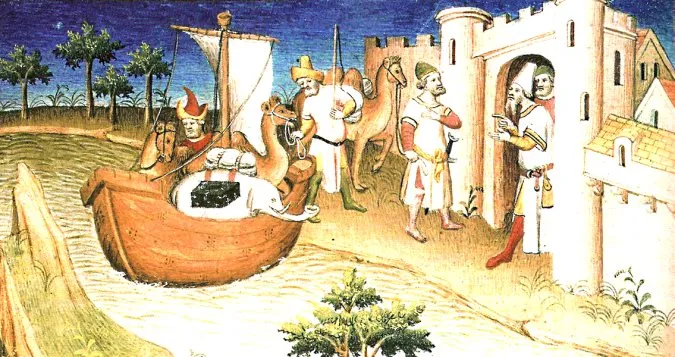
From the beginning, there has been skepticism about Polo’s sometimes fabulous stories, as well as a scholarly debate in recent times. Some have questioned whether Marco had actually traveled to China or was merely repeating stories he had heard from other travelers. Economic historian Mark Elvin concludes that recent work “demonstrates by specific example the ultimately overwhelming probability of the broad authenticity” of Polo’s account, and that the book is, “in essence, authentic, and, when used with care, in broad terms to be trusted as a serious though obviously not always final, witness”.

Breaking the European Bubble
Before Marco Polo’s account, Europe’s understanding of the East was heavily clouded by folklore, religious superstition, and hearsay. Marco Polo’s detailed observations of Kublai Khan’s court in modern-day Beijing, as well as in regions such as India and Japan, gave Europeans their first real glimpse of massive cities, sophisticated paper currency, and advanced infrastructure.
Driving Global Trade
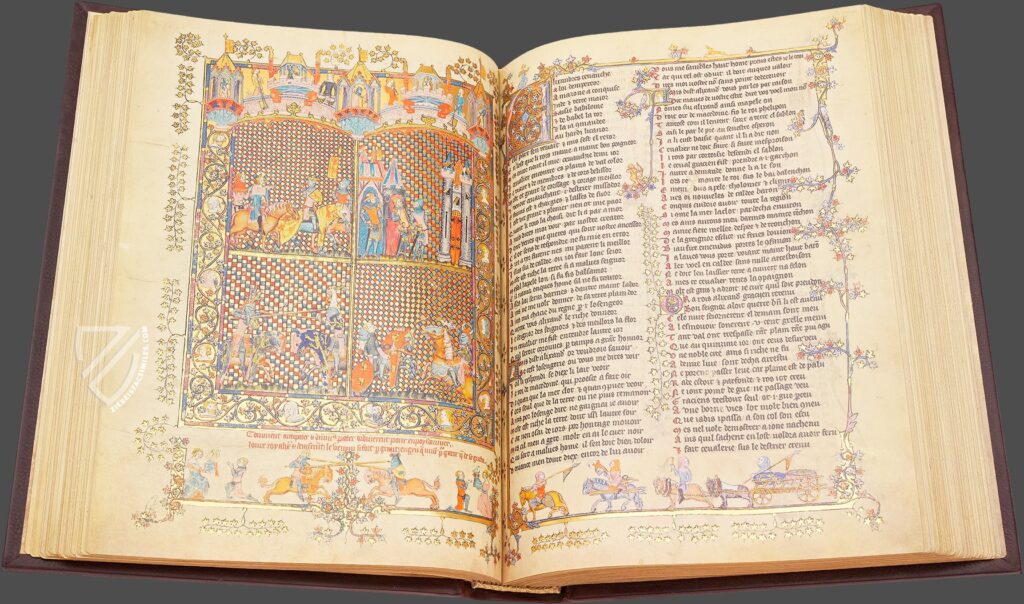
By documenting the vast resources and trade networks along the Silk Road—such as spices, silk, and precious gems—Polo’s journeys significantly stimulated Europe’s appetite for Asian commodities. The intelligence his family brought back gave the Republic of Venice a major strategic and economic advantage in controlling East-West commerce.
The origin of the title Il Milione is debated. One view holds that it derives from the Polo family’s use of the name Emilione to distinguish themselves from the numerous other Venetian families bearing the name Polo. A more common view holds that the name refers to the medieval reception of the travelog, namely that it was full of “a million” lies.
Did Marco actually travel to China?
Can a man who claimed to have seen a unicorn on the Indonesian island of Sumatra be trusted? This and other similar valid questions have cast doubt on Marco Polo’s truthfulness since the 14th Century, when his book The Travels of Marco Polo became a bestseller, was translated into dozens of languages, hand-copied in countless manuscripts, and was available at any lavish court in Europe.
Mapping the Unknown
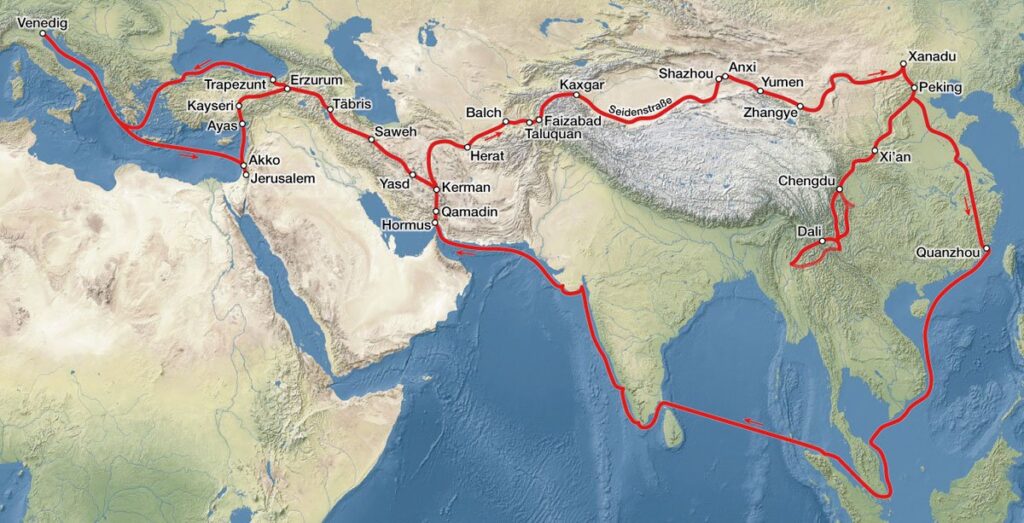
Polo was among the first Westerners to provide eyewitness accounts of places that were blank spots on European maps. His accounts of sea routes, monsoons, and diverse cultures across the Indian Ocean and Africa formed the foundational geographic intelligence European cartographers would rely on for centuries.
The Travels of Marco Polo, compiled by Tor Kjolberg
Previous articles in our series of historic travel stories:
The World’s Oldest Surviving Travel Story
The World of the Odyssey: A Palimpsest of the Hellenic Art of Living Well
Sinbad the Sailor
This is a great article and history reminder.